Showing posts with label E-commerce platform. Show all posts

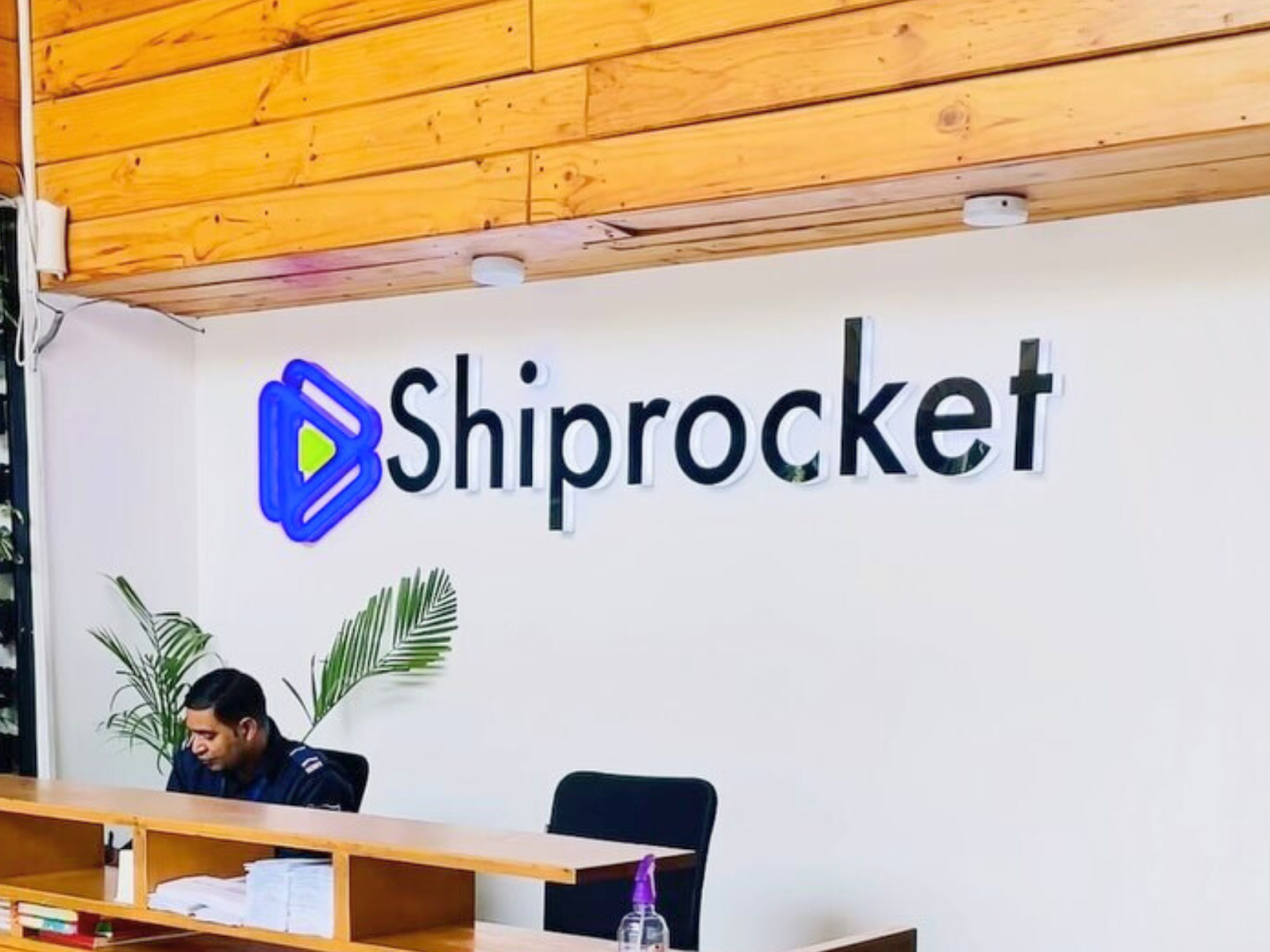
Shiprocket Launches India’s First AI-Integrated MCP Server for eCommerce

Shiprocket Launches India’s First AI-Integrated MCP Server for eCommerce

Shiprocket, India’s leading eCommerce enablement platform, has launched the country’s first Model Context Protocol (MCP) Server for eCommerce Shipping. This breakthrough innovation allows AI agents to directly handle key operations—from checking shipping rates to tracking orders—using a single line of instruction.

This marks a significant milestone in the evolution of agentic eCommerce, giving businesses the ability to automate and execute actions across the eCommerce stack using natural language commands or AI assistants, eliminating the need for traditional dashboards or APIs. With a single, natural-language prompt, businesses can now create, track, or manage shipments, no dashboards, no APIs, just intent. Shiprocket’s newly launched MCP makes this possible by enabling AI assistants, whether internal tools or automation bots, to directly interact with Shiprocket’s platform. From real-time tracking to scheduling a pickup, commerce operations can now be triggered through voice or text commands.

Designed for the next generation of eCommerce operations, the MCP Server delivers:
  1. Faster execution – Instantly perform logistics actions, reducing manual effort and delays
  2. Seamless integration – Connect effortlessly with AI tools or enterprise systems
  3. Hands-free operations – No dashboards or human intervention needed
  4. Enterprise-grade security – Built on Shiprocket’s trusted, scalable infrastructure.
Once integrated, AI agents can estimate delivery timelines, check courier rates, track orders, create or cancel shipments, assign couriers based on smart rules, list pickup addresses, or schedule pickups—all with a single line of instruction. Imagine asking:
  • “What are the courier options and delivery times from Delhi to Bangalore for a 0.5 KG COD package?”
  • “Create a new prepaid order for Order ID 456789 and schedule a pickup from our warehouse.”
  • “Track the latest status of Order ID 12345 and notify the customer if delayed.”
The MCP Server integrates effortlessly with modern AI ecosystems, enabling businesses to embed intelligent commerce actions within the tools they already use:

Claude and Cursor: Developers can connect the MCP Server to AI assistants like Claude and Cursor, enabling natural language interactions or voice commands for tasks such as order tracking, shipping rate calculations, and courier selection.

Zapier: Through Zapier's MCP integration, businesses can link Shiprocket's logistics capabilities with over 7,000 applications, facilitating automated workflows without the need for complex coding.

Commenting on the launch, Saahil Goel, MD & CEO of Shiprocket, said: "At Shiprocket, we’re building not just for scale, but for the future. Our MCP Server launch marks a transformative shift from manual workflows to autonomous operations powered by AI. This is how we enable millions of businesses to work smarter, respond faster, and scale effortlessly. This is more than just an integration, it’s a new interface for eCommerce. We’re enabling a world where AI doesn’t just support business decisions, it executes them."

With MCP Server, Shiprocket is not just launching a new integration—it’s introducing a new way to interact with commerce infrastructure. By eliminating friction between decision and execution, businesses can operate smarter, move faster, and scale effortlessly.

20 E-commerce Predictions for 2020: Club Factory

The New Year will see not only the maturing of online shopping but also the addition of millions of new shoppers as companies try improve online shopping experiences in various ways. The coming New Year will mark nearly a quarter-century of the internet and the many disruptions it has brought about. The phase of disruption will continue to accelerate with new ideas and innovations. Here is a list of things you can expect to be introduced or get bigger in e-commerce in 2020:

[caption id="attachment_140609" align="alignleft" width="273"] 20 E-commerce Predictions for 2020[/caption]

More Mobile: Increased affordability and better user experience will mean more and more people will shop via their smartphones

Reduction in Cash on Delivery:With massive innovations in payment options users will see it more convenient to pay digitally reducing cash on delivery

The Artificial Intelligence (AI) Edge: Increased AI usage in e-commerce will mean improved logistics speedier deliveries and the improved buyer experience

C2M: Digitalization will allow platforms to source directly from factory connecting consumers to manufacturing and helping consumers to avail the best possible price in addition to getting a better product customization

New E-shoppers: Increased internet penetration will expand the e-commerce market as users become more familiar about conveniences and benefits of online

Tier 2 3 Expansion: E-commerce is creating a level-playing field for users in smaller towns and cities. As more and more users are getting online in these centres they will be the key to the growth of E-commerce in the future

Subscription Services: More and more users will sign up for subscription services to regulate delivery and save more

Real-time Conversations: Chatbots will get better and step in to ensure chats are not abandoned midway

Voice Shopping: Voice interfaces and assistants will add to the experience of ordering products

Video Shopping: Shoppers are armed with better devices and want enhanced experiences. Videos will fill the void

Re-commerce: As the message of recycling amps up this category will become big - catering to users like students budget families and more

Expansion within Categories: 2020 will see an extension of many more categories as users become more comfortable expanding their shopping carts with newer products. Non-electronics products will also experience a boom as more users have started buying all essential and non-essential products online where they are assisted by a smart recommendation system to help match their demands

Product Customisation: Companies will offer choices tailored to your budget needs and fit

Tech-driven Shopping Experiences: There will be increased experimentation with virtual mirrors -a combination of RFID technology and augmented reality

Enhanced Content in Local Languages: More and more people will shop in their local languages as e-shopping gets new buyers on board

Zero Commission marketplace platform: As more and more marketplace models are being adopted and launched by start-ups in India we might see more of zero commission platforms in the future where e-commerce players will make it free to sell on their platform. Currently Club Factory is the only commission-free E-commerce platform in India

Novel Marketing Strategies: E-commerce companies will customize their marketing plans based on differences between urban and rural buyers shoppers in big cities and small towns and varied cultural ethos

Influencer Shopping: Celebrities local and micro-influencers will play a greater role in making shopping decisions

Shared Commerce: 2020 will see an increase in shared e-commerce as people take up products on rent

Drone Delivery: This one has been long in the waiting. 2020 may see drones being used for last-mile delivery in some cases

Let gear up for a new and bigger e-shopping experience in 2020.

~ Newsvoir

Zoho Launches 'Zoho Commerce' to Help Small Retailers Setup their own E-Commerce Sites

Zoho Corp has announced the launch of Zoho Commerce, an e-commerce solution which will help small retailers set up their own e-commerce sites. The company had been running a beta version of the e-commerce solution for the past year with 3,500 retailers globally, of which about 10% were in India.

The complete e-solution, that comes in monthly/yearly package with minimum of just ₹1,000/month, offers all essential e-commerce features including shopping cart, Shipping Integration, Products Search, Coupons and Page Builder, among others.

According to Hyther Nizam, vp-product management, Zoho Corp, "People want to move away from marketplaces and have more control over their online sales and improve their margins,” he said. The product would be integrated with existing Zoho backend solutions like Zoho Books (accounting software) and Campaigns, an email campaign software.

Zoho Commerce supports both online and offline payments and the complete solution works on the cloud.

There are over 480 million internet users in India, and this number will grow to over 600 million by 2021. The total size of e-commerce market is around $22 billion—nearly 4.5% of the total retail—in India, and it is expected to grow to $50 billion by 2023.

Zoho Commerce is powered by Zoho's AI assistant Zia and is GST compliant. Nizam said that unlike existing companies that offered the same service where the retail pays on a per transaction basis, they would charge a flat monthly fee on a monthly gross merchandise value (GMV) of upto Rs 25 lakhs. “We want to disrupt the marketplace and will take a bottom up approach, starting with small and medium retailers,” said Nizam. The company would also educate the merchants in how to increase traffic to their website, run email campaigns and on social media marketing.

Zoho currently has over 40 products across different business categories, including sales and marketing, customer support and accounting.

Source - Economic Times

10 Essential Things Your E-Commerce Website Should Have

ecommerce_website_essentials

Running an Ecommerce website is not always an easy task. There are sales to make, order to fill and payments to receive. This is why it is necessary to make sure you have your bases covered when it comes to running a good Ecommerce website.

We have to look at things from a visitor's point of view. We have to start with the beginning, when the user visits an Ecommerce website, and goes through to the very end, when that user place an order. We won't be getting into every details of an ecommerce site. Instead, we are going to give essential things for your Ecommerce site in order to maintain continued success and meet the ever changing needs of consumers.

Here are 10 essential things for your Ecommerce site should have:

1. Good Experience for Mobile Shoppers


In today's world 75% of people purchased from mobile devices rather than personal computers and laptops, so main motive to your ecommerce websites is mobile friendly, that is must. Your website ensure checkout cart functions easily on mobile, keep your mobile version simple with clear links.

For example - ReefaNext is the shopping websites and have mobile version. Customers can access their site on smartphones with affirm swift. They have easy and convenient way of searching and browsing. Customers can simply browse, compare offers and shop online from anywhere and anytime.

reefanext

2. Easy Checkout Process


Checkout process is a striking balance between good functionality, usability and trust building key that offers a good checkout experience. If the checkout is poorly designed you could easily losing up to 67% of customers. To make checkout more attractive you have to display security logos, show shipping clearly, ensure it is fast particularly on mobile and show images of the products in the carts.

For example - OrderVenue is an online store and offer their customers a real shopping experience with the products that can exclusively available for them. Their checkout are attractive, they show shipping clearly.

ordervenue

3. Good Quality Product Pictures


Product picture could be the most important thing in your ecommerce website. It gives user the first experience of your product. So your pictures should be high quality with good lighting. Include a gallery of pictures to show all features of the product. Let customers see a larger version of the photography in zoom function.

For example - SnapDeal is a very famous online shopping, their products are genuine. They have gallery of pictures to show all features of the product. They provide the larger version of the product images in zoom function.

snapdeal_zoom

4. Have a Clear Returns Policy


People return products when they're disappointed or the product is not up to the mark. So first part of a ecommerce website that a good return policy. This Policy can actually help your customer to make the decision to purchase. Make your policy easy to find and write it in easy language, no legal or internal policy jargon. Don't include hidden return cost, be explicit and clear about costs. You have to be clear about whether the returns is for cash, exchange or credit.

For example - ShopClues will replace any order within 10 days of delivery and with free return shipping if customers receive a product which is not as per the specifications ordered by them.

shoclues_return_policy

5. Detailed Product Descriptions


Give clear and accurate descriptions about your products. This help buyers to make decision of purchase easily. Descriptions is like your store's sales staff so it needs to be more informative. Give FAQ's section too, to help peoples who have any issue about your products.

Product description should have size, texture, dimension, colours and warranties.

For example - Flipkart they give brief information of their products like features, warranty and dimension etc.

flikart_product_details

6. Low cost or Free Shipping Charges


Low cost or free shipping is the number one method for making a purchasing decision on a websites. This is the main information. The ability to get products delivered within a particular time frame, and for a cost that the customer considers reasonable is a huge part of a shopper's purchase decision.

If your business model does not allow you to make the shipping cost completely free, the least you can do is reduce costs to a minimum, or offer free deleivery once a customer orders over a certain amount.

For example - Ebay provides low cost and free shipping which leads this website to the world's top 5 online shopping websites.

ebay_shipping

7. Define your Unique Selling Points (USPs)


If you are making an ecommerce website you need to define USPs. To make difference from yours competitors, and it help to attract the buyers. If you want to know what's your USPs are, firstly ask yourself what makes you different from your competitors? And why customers will buy from you and not from your competitors?

If you have the answers of these questions then you know your Unique Selling Points (USPs).

For example
Planetjashn have made their USPs as an online business obvious across their website:
1. Same day shipping; 2. Free shipping

planetjashn

8. Latest news and most popular products


When there are new items, news, a sales that the buyers should know about the product, the home page is the best way to house them. Make simple way for buyers to find new deals and hot prices. Customers will more likely look through new items on sale rather than spending half an hour searching through the full list for something new and trendy.

For example - amazon provides all its latest product list, sales to their home page.

amazon_products

9. Shopping Cart, Login Box and Search Box


The search box, login box and shopping cart are normally located next to one another at every e-Commerce website. It’s almost unreasonable to imagine a store without a shopping-cart function included. The shopping cart icon is clear and simple so it makes sense to buy or choose something similar for your site. Various stores also give their customers private accounts where it is possible to review all their previous and current orders.

Every customer who signs up in their account can choose a personal login and password for further access. Besides, owners of such accounts can receive notification of special discount offers from the storeowners and participate in various promotions or sales.

For example - Alibaba site provides search box, login box at top of the website.

alibaba_screen

10. Social Media Links


Social media sites give almost 20% of online purchases after accomplished the surfing. People are interested in public opinion to buy anything in online. Social media websites, such as Facebook and Twitter, are the best, it is a fastest source to get the information you need on about everything.

Moreover, social media accounts bring excellent opportunities for self-promotion and online communities can help to identify the most active and experienced customers, or find new ones who are not aware with the web store yet. For online shops, it’s a good way to keep customers up to date of the latest news, or special deals which leads towards Facebook or Twitter followers only.

For example - benetton provides social media links like facebook, twitter, google plus, pinterest and instagram.

benneton

I hope you like these tips and may it help in your eCommerce store an ultimate destination for buyers.

If you have any other ideas or tips, feel free to mention in comment section.

Twikster - An E-Commerce Platform For Artists & Creative Small Businesses.

twikster

Twikster is a product of Dextral Solutions Private Limited, founded in May 2013, headquartered in Bangalore. Started off by Namrata Soni and Priya Ramakrishnan to help small and growing businesses set foot into e-commerce, Twikster is simple in its operations and very customizable. Both Namrata and Priya are product managers and have worked on digital products for nearly a decade in the US.

[caption id="attachment_95206" align="alignleft" width="271"]Namrata Soni , CEO & Founder, Twikster Namrata Soni , CEO & Founder, Twikster[/caption] Namrata, an MBA in marketing, after having studied, lived and worked in the United States of America for nearly a decade, moved to Bangalore in 2013 and jumped head-on into working on Twikster. Known to both Namrata and Priya creating Twikster wasn't going to be easy, but the vibrant city of Bangalore was chosen and with that decision being made, came in their very supportive creative, design and development partners.

Twikster is the easiest way for you to get your e-commerce business off the ground. An e-commerce store, a marketplaces best suited for your products. Services to market and grow your business. Everything you need to sell your products online.

Twikster has been live since May 2014 and is in its early stages, actively acquiring customers. The main reasons for creating this platform were,

(a). To provide basic features required for anyone to create an e-commerce store at a very affordable rate
(b). To make the platform customizable that all other features can be added easily and quickly for a one-time nominal fee based on the requirement of the store owner
(c). To provide services in partnership with e-commerce experts to help take care of all aspects of an e-commerce business (services such as legal, accounting, design, marketing)

Twikster has the following features and assists the clients in more than 1 way,


  • Storefront Design & Content Management

  • Product And Category Management

  • Payment Gateway And Checkout

  • Order Management

  • Logistic Provider Tie-ups

  • Search Engine Optimization

  • Social Media Marketing

  • Analytics and Promotions

  • Administration and Maintenance

  • Security


For their Payment Gateway, they have partnered with PayU and Paypal for international payments is coming soon.

Twikster cuts through all the e-commerce noise because of how design, development and services come together to achieve one central goal – 'to simplify the running of an online business.' For example, if you want to open a store and only want a basic theme with the shopping cart and payment gateway, you can get it for as little as Rs 599 per month. Now if you want some other very specific features, they can be provided for a onetime fee

They are partnering with service providers for design, development, accounting, legal and marketing to offer services to the small businesses that set up shop on Twikster. These services are provided at pre-negotiated rates and help make Twikster a one-stop shop for all e-commerce needs. They are also in the process of partnering with other online platforms to help enhance the online and offline sales of the stores built on their platform.

This team of 10 people is based out of Bangalore and is now actively working on updating the platform to release a new and better version of the product in a few months. As a message for future entrepreneurs, Namrata says, "The journey is not easy, but it's very gratifying. You won't know everything and sometimes you will have no answers at all. But you just have to get started and make it happen. And along the way, find reliable people to work with - people are what makes businesses grow." We also asked them about the best advice they got, and they said, "It’s ok to not have all the answers, its OK to make mistakes. The important thing is to learn from the mistakes and move the heck on."

They are providing a 30-day free trial, so hurry up and register with them. For more details, you can check out their services here.

IRCTC To Launch Open E-Commerce Platform & A Co-Branded Marketplace

IRCTC To Launch Open E-Commerce Platform & A Co-Branded Marketplace

IRCTC has released a new tender which invites bidders for selection for a co-branded marketplace solution provider. This tender has been released just a few weeks after IRCTC had put its ecommerce marketplace on the back burner.

IRCTC floats this tender to call upon Online Retail Marketplace companies or similar to offer a Co-Branded platform to showcase retail, deals, and other services that will be offered from third parties/ retailers, online retailers, Affiliates, brands and service providers or their own inventory or combination thereof to the IRCTC customers to buy online services.

The tender document can be purchased by the bidders for a non-refundable sum of Rs.1000. The document then needs to be submitted along with a demand draft of Rs. 2 Lakhs.

The contract will be valid for a period of 2 years where the IRCTC will be having full rights to change the basis of or procedures.

The bidder will have to meet certain eligibility criteria in order to become a successful bidder.

  • The bidder needs to be an established Information Technology or ecommerce company. The company should further have a successful and functioning online marketplace for a minimum of 2 years. It should also have at least one warehouse in India.

  • The company needs to have annual turnover of Rs. 50 Crores from its B2C ecommerce business in the year 2012-2013.

  • The company must successfully aggregate over five hundred in retail and one lakh SKUs. It should also be able to process 1-20 orders every month in any location on the earth. It must also have past records of managing traffic of 5 million visits in a month.

  • It must cater to a broad spectrum of categories.

  • The company which is bidding should be able to give expedited shipping options which include guaranteed 1 day or 2 day delivery option.

  • The company should not have been blacklisted with any PSU in the past.


The Bidder will have to carry out a list of activities. Some of them are as follows:

  • The company will have to power a co-branded marketplace for IRCTC. The marketplace will have end to end deliveries which will be taken care by the company by providing: open commerce, assisted commerce service and marketplace solution.

  • The bidder will have to provide the IRCTC users with a Seamless, personalized and differentiated shopping experience for deals, retail and services.

  • The bidder will be needed to provide IRCTC with Commission management module, sales dashboard, banner utilizations, traffic conversions reports in reference to each and every category of services and products being made available at the marketplace.

  • The bidder needs to enable co-branded solution with ten categories but with a minimum of one lakh SKUs and five hundred sellers at the time of launch.

  • The bidder will be required to manage social media-Twitter, Facebook, Email, end of season sales, bank campaigns, CRM, Google online shopping festival and other promotions.

  • The bidder will also have to provide technical help for the ecommerce platform. It will have to manage the solution hosted on a cloud or self owned S/W, H/W networks of security components.

  • The bidder will also have to monitor the stocked, booked and delivered products.

  • The bidder will have to provide the users with a secure payment gateway interface.

  • Conformance to B2C supply chain should be made available by integrating with logistics partners.

  • The marketplace should facilitate tax collection between its customers and merchants. Service Tax and VAT linked at the delivery end should be facilitated by the bidder company.


The bids will be evaluated by IRCTC in two stages.  The first stage will be technical and the second will be financial bid. Only the bidders who will pass the first stage will progress to the second stage.

IRCTC To Launch Open E-Commerce Platform & A Co-Branded Marketplace

IRCTC To Launch Open E-Commerce Platform & A Co-Branded Marketplace

IRCTC has released a new tender which invites bidders for selection for a co-branded marketplace solution provider. This tender has been released just a few weeks after IRCTC had put its ecommerce marketplace on the back burner.

IRCTC floats this tender to call upon Online Retail Marketplace companies or similar to offer a Co-Branded platform to showcase retail, deals, and other services that will be offered from third parties/ retailers, online retailers, Affiliates, brands and service providers or their own inventory or combination thereof to the IRCTC customers to buy online services.

The tender document can be purchased by the bidders for a non-refundable sum of Rs.1000. The document then needs to be submitted along with a demand draft of Rs. 2 Lakhs.

The contract will be valid for a period of 2 years where the IRCTC will be having full rights to change the basis of or procedures.

The bidder will have to meet certain eligibility criteria in order to become a successful bidder.

  • The bidder needs to be an established Information Technology or ecommerce company. The company should further have a successful and functioning online marketplace for a minimum of 2 years. It should also have at least one warehouse in India.

  • The company needs to have annual turnover of Rs. 50 Crores from its B2C ecommerce business in the year 2012-2013.

  • The company must successfully aggregate over five hundred in retail and one lakh SKUs. It should also be able to process 1-20 orders every month in any location on the earth. It must also have past records of managing traffic of 5 million visits in a month.

  • It must cater to a broad spectrum of categories.

  • The company which is bidding should be able to give expedited shipping options which include guaranteed 1 day or 2 day delivery option.

  • The company should not have been blacklisted with any PSU in the past.


The Bidder will have to carry out a list of activities. Some of them are as follows:

  • The company will have to power a co-branded marketplace for IRCTC. The marketplace will have end to end deliveries which will be taken care by the company by providing: open commerce, assisted commerce service and marketplace solution.

  • The bidder will have to provide the IRCTC users with a Seamless, personalized and differentiated shopping experience for deals, retail and services.

  • The bidder will be needed to provide IRCTC with Commission management module, sales dashboard, banner utilizations, traffic conversions reports in reference to each and every category of services and products being made available at the marketplace.

  • The bidder needs to enable co-branded solution with ten categories but with a minimum of one lakh SKUs and five hundred sellers at the time of launch.

  • The bidder will be required to manage social media-Twitter, Facebook, Email, end of season sales, bank campaigns, CRM, Google online shopping festival and other promotions.

  • The bidder will also have to provide technical help for the ecommerce platform. It will have to manage the solution hosted on a cloud or self owned S/W, H/W networks of security components.

  • The bidder will also have to monitor the stocked, booked and delivered products.

  • The bidder will have to provide the users with a secure payment gateway interface.

  • Conformance to B2C supply chain should be made available by integrating with logistics partners.

  • The marketplace should facilitate tax collection between its customers and merchants. Service Tax and VAT linked at the delivery end should be facilitated by the bidder company.


The bids will be evaluated by IRCTC in two stages.  The first stage will be technical and the second will be financial bid. Only the bidders who will pass the first stage will progress to the second stage.

Market Reports

Market Report & Surveys
IndianWeb2.com © all rights reserved