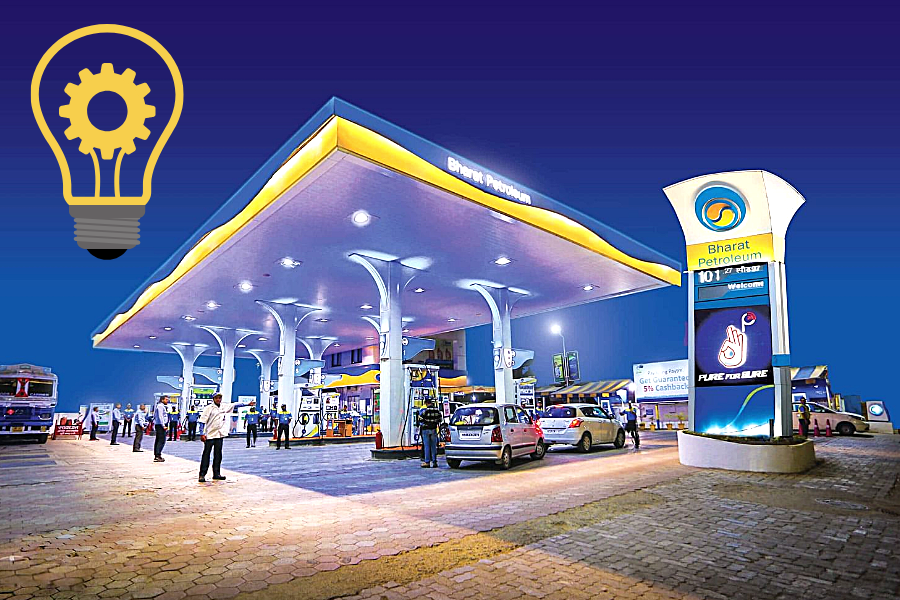
Showing posts with label Fuel. Show all posts

GPS Renewables and CSIR-NCL Launch NG SAF: An Indigenous Ethanol-to-SAF Technology

GPS Renewables and CSIR-NCL Launch NG SAF: An Indigenous Ethanol-to-SAF Technology

GPS Renewables, one of the leading global full-stack, renewable oil & gas companies offering technology and project solutions for climate-positive biofuel projects, has partnered with Council of Scientific and Industrial Research – National Chemical Laboratory (CSIR-NCL) to develop a first-of-a-kind commercial-scale production of Sustainable Aviation Fuel (SAF) from ethanol. The same technology can be used to produce SAF from methanol as well.

As part of the partnership, GPS Renewables will invest in developing technology based on a patented catalyst from CSIR-NCL. The technology will enable one-step oligomerization of ethylene and other olefins – a process where small molecules are joined together to form larger molecules that emulate Aviation Turbine Fuel. Multiple players have demonstrated the Ethanol-to-Jet Fuel process at lab scale, but commercial-scale production has remained elusive.

With a license to the CSIR-NCL technology, GPS will engineer a commercial-scale plant under the project brand NG SAF. This partnership aims to demonstrate the first commercial-scale Ethanol-To-Jet plant. GPS Renewables holds the exclusive rights to commercialize this technology.

Currently, SAF is produced on a commercial scale primarily through the HEFA pathway (Hydroprocessed Esters and Fatty Acids), which uses feedstocks like Used Cooking Oil (UCO) or animal fats. In India, large-scale HEFA production is not a feasible solution due to the lack of an organized UCO collection system and FSSAI restrictions on importing UCO. These feedstock challenges make it difficult to scale SAF production through the HEFA route in India, thereby highlighting the need for an alternative, home-grown technology that can boost SAF production. Ethanol from 2G biomass is expected to be a key product of the Indian agri-biomass ecosystem, and this will be the feedstock for the CSIR-NCL-GPS SAF production.

Commenting on the collaboration, Gomatam Ravi, CTO, GPS Renewables, said, “We are thrilled to partner with CSIR-NCL to build an indigenous and breakthrough SAF technology that can position India as a leader in SAF production. At GPS, we have always prioritized technology that can fast-track India’s transition to clean energy, and this collaboration reflects that commitment. While many have demonstrated the process at lab scale, none have succeeded in producing SAF from Ethanol at an industrial scale. With NG SAF, we aim to change that. We are confident that with our expertise in scaling cleantech solutions and CSIR-NCL’s scientific backing, we can deliver an indigenous and industrially viable SAF solution to the world.”

Dr. Ashish Lele, Director, CSIR-National Chemical Laboratory, said, “One of our core strengths at CSIR-NCL lies in working closely with industry leaders to transform disruptive ideas into commercially deployable solutions. Scientific research, when coupled with industry collaboration, can create promising solutions to address global challenges. This indigenous technology, named NG SAF, based on CSIR-NCL’s patented oligomerization process, can be a game-changer to decarbonize the aviation sector. GPS Renewables’ proven track record and extensive experience in clean fuels make them an ideal partner to take this innovation from the lab to the market.

Mainak Chakraborty, Co-Founder and CEO, GPS Renewables, highlighted the importance of the team behind the program, saying “The technical advisory team to the NG SAF project is a thing of dreams, including Dr. Anjan Ray, (Former Director UOP and Former Director of Indian Institute of Petroleum), Dr. Arvind Lali, (Retired Professor from ICT Mumbai), Dr. Ashish Lele, (Director NCL), Gomatam Ravi, (Former Head of Shell Technology Center), Dr. Samir Chikkali (Humboldt Fellow and Faculty at NCL), and several others. GPSR has an engineering team of 120 people, adding up decades of experience from the likes of Petrofac, Petronas, Technip, Toyo, McDermott, Lauren USA, L&T, and other industry leaders, all of whom have come together to make NG SAF a reality.”

About GPSR (GPS Renewables) Group

Headquartered in Bengaluru, GPS Renewables (“GPSR”) is the world’s largest full-stack, renewable oil & gas company offering technology and project solutions for climate-positive biofuel projects. Starting from captive biogas plants, GPSR has scaled up to set up some of the world’s largest RNG plants. In 2022, GPS Renewables launched GPSR Arya Pvt Ltd (“ARYA”), a wholly-owned subsidiary, to commission BOO (Build-Own-Operate) projects, augmenting its climate impact ambitions.

GPSR has formed joint ventures with Indian Oil, Bharat Petroleum, and Oil India to build compressed biogas (CBG) plants across India. These plants will process agricultural and organic waste, reduce carbon emissions, and support the government’s SATAT initiative.

https://gpsrenewables.com/

About CSIR- NCL

National Chemical Laboratory (CSIR-NCL), Pune, established in 1950, is a constituent laboratory of Council of Scientific and Industrial Research (CSIR). CSIR-NCL is a science and knowledge-based research, development, and consulting organization. It is internationally known for its excellence in scientific research in chemistry and chemical engineering, as well as for its outstanding track record of industrial research involving partnerships with industry from concept to commercialization.

https://www.ncl-india.org/

PM Modi Unveils World’s First Bamboo-Based Ethanol Plant in Assam

PM Modi Unveils World’s First Bamboo-Based Ethanol Plant in Assam

Prime Minister Narendra Modi has inaugurated the world’s first bamboo-based second-generation bioethanol plant at Numaligarh in Assam’s Golaghat district on September 14, 2025. This ₹5,000-crore facility is a landmark in India’s push for cleanenergy and rural development.

Key Highlights
  • Zero-Waste Facility: Utilizes every part of the bamboo plant to produce ethanol, acetic acid, furfural, and food-grade CO₂.
  • Annual Input: Sources 5 lakh tonnes of green bamboo from four northeastern states, including Assam and Arunachal Pradesh.
  • Economic Impact: Expected to inject ₹200 crore annually into Assam’s rural economy and benefit over 50,000 people directly and indirectly.
  • Strategic Partnership: Joint venture between Numaligarh Refinery Limited (NRL), Finland’s Fortum, and Chempolis OY.
  • Energy Vision: Modi emphasized the plant’s role in reducing fossil fuel dependence and achieving energy self-sufficiency under the Viksit Bharat vision.

Beyond Ethanol

PM Modi Unveils World’s First Bamboo-Based Ethanol Plant in Assam

PM Modi also laid the foundation stone for a ₹7,230-crore polypropylene plant nearby, aimed at reducing India’s import dependency and boosting local manufacturing.

Modi’s Message

“India is one of the fastest-growing economies. Our energy needs are rising, and we must reduce dependence on imports. This bamboo-based ethanol plant is a step toward self-reliance and clean energy.”

This project not only marks a technological milestone but also repositions Assam as a hub for sustainable industrial innovation.

India’s Fuel-Tech Pioneer Nawgati Enters Google’s Elite App Innovation Cohort

India’s Fuel-Tech Pioneer Nawgati Enters Google’s Elite App Innovation Cohort

Nawgati, India’s pioneering fuel-tech platform, has been selected to join the prestigious Google for Startups Accelerator: Apps Programme. As one of only 20 startups chosen from across India, Nawgati is proud to represent the mobility and fuel-tech sector in this exclusive cohort focused on AI-led app innovation.

This recognition marks a significant milestone in Nawgati’s journey to transform the refuelling experience for millions of daily commuters. As the only mobility-focused app in the cohort, Nawgati’s inclusion highlights the rising importance of consumer-first, real-time digital solutions in India’s transport ecosystem.

India’s Fuel-Tech Pioneer Nawgati Enters Google’s Elite App Innovation Cohort

Over the next three months, Nawgati will receive dedicated mentorship and support from Google’s global teams, specialising in artificial intelligence, product development, user experience, business growth, and leadership. This collaboration will help Nawgati further refine and scale its app, which is already being used by thousands of drivers and two-wheeler riders across the country.

We’re honoured to be part of the Google for Startups Accelerator: Apps Programme. This opportunity will not only accelerate our technological evolution but also sharpen our ability to create value for fuel station owners, fleet operators, and everyday consumers,” said Mr Vaibhav Kaushik, CEO and Co-founder of Nawgati.

Nawgati’s app empowers users with real-time data on fuel station availability, discovery, and route-based recommendations, making refuelling more predictable and efficient. By integrating AI into its core, the app helps reduce waiting times and removes the guesswork from daily commutes.

Backed by notable institutions such as GAIL (India) Ltd., MeitY Startup Hub (MSH), Department of Science and Technology (DST), All in Capital, and the Deepak Bhagnani Family Office, Nawgati’s selection by Google reaffirms its growing relevance and impact in India’s fuel-tech sector.

About Nawgati

Nawgati is India’s first fuel-tech platform, offering technology-driven solutions to optimise fuel station operations, improve fleet management, and enhance the refuelling experience through India’s largest fuelling app. Collaborating with major fuel companies and fleet operators, Nawgati enables smart, seamless, and efficient refuelling across the country and beyond.

UP Rolls Out India’s 1st Sustainable Aviation Fuel (SAF) Policy, Eyes ₹3,000 Cr Investment

UP Rolls Out India’s 1st Sustainable Aviation Fuel (SAF) Policy, Eyes ₹3,000 Cr Investment

Uttar Pradesh is making a bold move with its Sustainable Aviation Fuel (SAF) Manufacturing Promotion Policy-2025, the first of its kind in India. This initiative aims to convert agricultural waste-like sugarcane bagasse, rice husk, and wheat straw-into bio-jet fuel, creating new revenue streams for farmers while advancing India's green aviation goals.

The policy is expected to attract ₹3,000 crore in investments, with over 18 companies expressing interest in setting up SAF production units in the state. It also offers capital subsidies, state GST reimbursements, land waivers, and interest subsidies to incentivize industry participation.

The policy offers capital subsidies, GST reimbursements, and land waivers to attract private players.

Beyond economic benefits, this policy aligns with India's climate commitments, helping reduce carbon emissions and promoting energy security. With Uttar Pradesh's strong logistics infrastructure, including five international airports, the state is positioning itself as a hub for SAF production.

This could be a game-changer for India's aviation sector.

India's Sustainable Aviation Fuel (SAF) policy is ambitious, but it differs from global approaches in key ways. While India leverages agricultural waste like sugarcane bagasse and rice husk, making it cost-effective and farmer-friendly, The EU and UK have blending mandates requiring airlines to use SAF, but these have led to high costs due to supply chain inefficiencies.

The International Air Transport Association (IATA) warns that SAF production is too low globally, covering just 0.7% of airline fuel needs. India accounts for ~2.5% of global aviation fuel demand, with significant room for SAF expansion.

While India focuses on bio-based SAF, global efforts also explore hydrogen fuel and electric aircraft, though these technologies are still in early stages.

India's SAF policy is incentive-driven, aiming to build a domestic SAF industry before enforcing mandates. In contrast, Europe has strict SAF blending rules, but high costs have slowed adoption. Meanwhile, global aviation bodies like IATA push for policy reforms to make SAF more accessible.

Fuel Stations Aggregator Startup Nawgati Raises Undisclosed Amount in Seed Funding Led By All In Capital

Fuel Stations Aggregator Startup Nawgati Raises Undisclosed Amount in Seed Funding Led By All In Capital
(L to R) - Aryan Sisodia, Vaibhav Kaushik and Aalaap Nair

The capital infusion from All in Capital will be utilized for geographical expansion and onboarding fuel pump stations over the coming 6 months.

Nawgati, a home-grown innovative Fuel Aggregator startup, has successfully secured an undisclosed amount in seed funding led by All in Capital, a pre-seed venture capital fund. The investment marks a significant milestone in Nawgati’s journey as it will be pivotal in its mission to revolutionize the fuel industry by simplifying and digitizing the fueling experience for fuel pump operators, companies, and end-users.

Founded by Kushal Bhagia and Aditya Singh, All In Capital is recognised for its founder-centric strategy and unrelenting dedication to aiding early-stage entrepreneurs.

While the terms of the transaction were not disclosed, the Noida-headquartered startup will utilize the raised capital to accelerate its expansion efforts. Nawgati’s primary focus will be onboarding 2,000+ fuel stations onto their retail ops platform, Aaveg. It is a vertical SaaS offering that provides comprehensive oversight of each fuel station on a dashboard with real-time movement of transit time, waiting time, serving time, attendants deployed, and under or over-utilization of resources – enabling the users to make intelligent decisions backed by data.

With this undertaking, Nawgati will further its reach in Tier 1 and Tier 2 cities including but not limited to Delhi NCR, Mumbai, Ahmedabad, Bangalore, Kolkata, Bhopal, Chennai, Pune, Lucknow, Patna and Jaipur over the next six months.

In addition, Nawgati envisions expanding its platform to include a wide range of fuel outlets, making it a fuel-agnostic platform. This includes not only CNG or petrol pumps but also electric vehicle charging stations. With plans to onboard 15,000 fuel outlets over the next two years, Nawgati aspires to take its innovative solutions to the global stage.

Commenting on the successful fundraising, Vaibhav Kaushik, Co - Founder, and CEO of Nawgati, said, “We are thrilled to have garnered support and funding from All in Capital. This association will enable us to expand our services, enhance convenience for consumers, and empower 2,000+ fuel pump stations with our state-of-the-art retail ops platform, Aaveg. The B2B platform will enable our clients to become efficient, increase their top line, and decrease their bottom line. We are excited about the positive impact our solutions will bring to both fuel companies and end-users, and guide them through a convenient fueling experience.”

"The team at Nawgati has developed a revolutionary, cutting-edge technology aimed at providing ease of access and convenience in the fueling experience for both fuel providers and consumers. Since inception, the fuel aggregator has partnered with major fuel corporations and has demonstrated a promising future with expansion plans across the country. I am very excited about supporting Nawgati and its team’s vision of creating a seamless fueling experience,” said Kushal Bhagia, Founder, All in Capital.

Nawgati’s innovative offering, Aaveg, is built with a vision to streamline operations for fuel companies and stations, and has garnered attention from investors and industry experts alike. Since inception, Nawgati has attracted funding from PIED Society (BITS Pilani’s incubator), MeitY’s Startup Hub TIDE 2.0 scheme and from the Department of Science & Technology under NIDHI Seed Support Scheme. And, the recent seed funding round signifies not only confidence in Nawgati's vision but also its potential to disrupt and improve the fuel industry.

About Nawgati

Founded by Aalaap Nair, Vaibhav Kaushik, and Aryan Sisodia, Nawgati, a home-grown, innovative Fuel Aggregator start-up, is on a mission to revolutionize the fuel station experience in India. By providing an intelligent retail ops platform, Aaveg, to fuel stations, and India’s largest fuel discovery app, the Nawgati Fueling App, to end-consumers, Nawgati aims to save valuable time for both fuel providers and consumers, significantly reduce congestion, and improve overall operational efficiency. Nawgati gained recognition when it was featured on Shark Tank Season 2, solidifying its position in the market and attracting prominent investors.

About All in Capital

All In Capital, is India’s leading pre-seed stage fund dedicated to nurturing Indian entrepreneurs. Co-founded by Kushal Bhagia and Aditya Singh, All In Capital's approach is underpinned by a commitment to fostering a founder-centric culture, placing a premium on providing invaluable support where it truly matters. All In Capital has backed 40+ companies since last year as their earliest believers. Looking ahead, All In Capital is poised to identify and invest in 20 of the most promising companies in the next 12 months.

Bharat Petroleum (BPCL) To Invest ₹1.5 Trillion in Next 5 Yrs Towards Project Aspire; Draws Net-Zero Roadmap with Additional Capital Outlay of ₹ 1 Lakh Crore

Bharat Petroleum (BPCL) To Invest ₹1.5 Trillion in Next 5 Yrs Towards Project Aspire; Draws Net-Zero Roadmap with Additional Capital Outlay of ₹ 1 Lakh Crore

BPCL plans to invest ₹1.5 Lakh Crore in the next Five years towards Project Aspire; Draws Net-Zero Roadmap with additional capital outlay of ₹ 1 Lakh Crore

Bharat Petroleum Corporation Limited (“BPCL”), a prominent 'Maharatna' and Fortune Global 500 Company, unveiled its ambitious roadmap for the next five years at the 70th Annual General Meeting (AGM) held today. “The company has planned a capex outlay of around ₹ 1.5 Trillion or ₹ 1.5 Lakh Crore ( ~ $18 billion) in the next five years. We believe this will enable BPCL to create long-term value for its stakeholders while preserving the planet for future generations”, said G. Krishnakumar, Chairman & MD, BPCL.

Speaking at BPCL's annual shareholders meeting, Mr. Krishnakumar said, “We have consciously taken deliberate steps in reassessing and re-prioritizing our focus areas in light of the latest industry trends and governmental policies. Introducing 'Project Aspire' - our new strategy that is built on eight pivotal pillars. These pillars are clubbed under two main themes: 'Nurturing the Core' and 'Future Big Bets'. 'Nurturing the Core' has three foundational pillars: Refining, Marketing and Upstream. 'Future Big Bets' is anchored on five key areas: Gas, Non-fuel Retailing, Petrochemicals, Green Energy Businesses, and Digital Ventures. This aspiration is our roadmap to the future, and together, we will journey through this transformative era.”

Bharat Petroleum (BPCL) To Invest ₹1.5 Trillion in Next 5 Yrs Towards Project Aspire; Draws Net-Zero Roadmap with Additional Capital Outlay of ₹ 1 Lakh Crore
Mr Krishnakumar – Chairman & MD, BPCL

BPCL has recently approved an Ethylene Cracker Project at Bina. With an investment of ₹ 49,000 crores, this project marks a historic milestone as the largest single investment in BPCL's history. As a part of the project, the capacity of Bina Refinery is being enhanced from 7.8 MMTPA currently to 11 MMTPA, which is expected to go a long way in securing BPCL’s markets in the Northern and Central India. “We believe that this project will drive the production of essential petrochemicals - increasing the share of petrochemicals in BPCL’s product portfolio to approximately 8%. This investment dovetails well with the government mission to make India a self-reliant and globally competitive petrochemical manufacturing hub.”, added Mr. Krishnakumar.

“With an aim to expand BPCL’s infrastructure network, BPCL will be setting up POL (Petroleum Oil & Lubricants) & LOBS (Lube Oil Base Stock) installations along with receipt pipelines at Rasayani, with investments of approximately ₹2,753 crore. This is expected to debottleneck the evacuation of products from Mumbai Refinery and ensure seamless supplies, particularly to the Northern markets”, said Mr. Krishnakumar.

BPCL is also diligently expanding its CGD networks across 25 Geographical Areas covering 62 districts in the country.

Towards achieving net-zero emissions by 2040 for both Scope 1 & Scope 2 emissions, BPCL has drawn a net-zero roadmap which encompasses the Green Energy Businesses, Carbon Capture, Utilization, and Storage (CCUS), efficiency improvement, and the offset procurements. This would require an estimated phased capital outlay of approximately ₹ 1 lakh crore till 2040 and BPCL is geared for the same.

In E-Mobility, BPCL plans to provide electric vehicle charging facilities at 7,000 energy stations in the next five years. Certain highways are already equipped with BPCL’s Rapid Charging EV Corridors.

In the Biofuel space, having achieved 10.6% ethanol blending in petrol in 2022-23, BPCL plans to increase the blending to 12% in FY 2023-24 and endeavors to reach 20% blending by 2025. BPCL is also setting up an integrated 2G + 1G Ethanol Bio-refinery at Bargarh, Odisha which is scheduled for completion by March 2024.

In the renewables space, BPCL aspires to build 1 gigawatt (GW) of renewable energy capacity by 2025 and 10 GW by 2040 - through both organic and as well as inorganic routes. BPCL will be investing approximately ₹ 1,000 crore to set up two 50MW captive wind power plants in Maharashtra and Madhya Pradesh to support the refineries in Mumbai and Bina.

In line with the government efforts towards boosting Green Hydrogen capacity, BPCL is also setting up a Green Hydrogen Plant at the Bina Refinery to meet the hydrogen requirements of the refinery.

Speaking about BPCL’s plans for the forthcoming rights issue, Mr. G. Krishnakumar said, “The initiatives under Project Aspire and the Net-Zero targets require substantial investments and the same are proposed to be funded through a combination of equity and debt, in addition to internal generations. In pursuit of this, BPCL has proposed a rights issue of equity capital of upto ₹ 18,000 crore towards funding of projects relating to Energy Transition, Net Zero and Energy Security Objectives”.

About Bharat Petroleum Corporation Ltd. (BPCL):

Fortune Global 500 Company, Bharat Petroleum is the second largest Indian Oil Marketing Company and one of the premier integrated energy companies in India, engaged in refining of crude oil and marketing of petroleum products, with a significant presence in the upstream and downstream sectors of the oil and gas industry. The company attained the coveted Maharatna status, joining the elite club of companies having greater operational & financial autonomy.

Bharat Petroleum’s Refineries at Mumbai, Kochi and Bina Refinery have a combined refining capacity of around 35.3 MMTPA. Its marketing infrastructure includes a network of installations, depots, energy stations, aviation service stations and LPG distributors. Its distribution network comprises over 21,000 Energy Stations, over 6,200 LPG distributorships, 525 Lubes distributorships, 123 POL storage locations, 53 LPG Bottling Plants, 70 Aviation Service Stations, 4 Lube blending plants and 4 cross-country pipelines.

Bharat Petroleum is integrating its strategy, investments, environmental and social ambitions to move towards a sustainable planet. The company has chalked out the plan to offer electric vehicle charging stations at around 7000 energy stations over next 5 years.

With a focus on sustainable solutions, the company is developing a vibrant ecosystem and a road-map to become a Net Zero Energy Company by 2040, in Scope 1 and Scope 2 emissions. Bharat Petroleum has been partnering communities by supporting innumerable initiatives connected primarily in the areas of education, water conservation, skill development, health, community development, capacity building and employee volunteering. With ‘Energising Lives’ as its core purpose, Bharat Petroleum’s vision is to be the most admired global energy company leveraging talent, innovation & Technology.

Sustainable Fuel: Bharat Petroleum Pioneers Ethanol Blended Diesel and Flex Fuel Program

Sustainable Fuel: Bharat Petroleum Pioneers Ethanol Blended Diesel and Flex Fuel Program
  • BPCL showcases commitment to sustainable fuel solutions by promoting alternative fuels and reducing carbon emissions
  • Flag off event features motorcycles fueled by Flex Fuel (Petrol blended with 27% ethanol, E27 & Petrol blended with 85 % ethanol) and bus fueled by ED7 (Diesel blended with 7% ethanol), demonstrating the potential of these innovative fuel options
  • The pilot program marks an important milestone in this journey, showcasing BPCL's leadership and innovation in the pursuit of a cleaner and more sustainable future
Bharat Petroleum Corporation Ltd., a leading provider in the energy sector, and Ashok Leyland have initiated a pilot program to test the effectiveness of ED7 (Diesel blended with 7 % Ethanol) fuel. This program aims to transform India's bio-fuel economy and achieve a stable energy mix.

The ED7 (Diesel blended with 7 % Ethanol) fuel blend, developed by BPCL-R&D, consists of 93% diesel and 7% ethanol. The blend has undergone rigorous testing and validation on engine test bench in collaboration with Ashok Leyland.

Sustainable Fuel: Bharat Petroleum Pioneers Ethanol Blended Diesel and Flex Fuel Program

Shri G. Krishnakumar, Chairman & Managing Director, BPCL, said, “In pursuit of India’s commitment towards NET ZERO, BPCL is developing sustainable fuel options under the clean fuel development program in association with leading automotive OEM’s, Ashok Leyland and Hero MotoCorp is committed towards developing sustainable fuel options. BPCL has commenced supply of E20 in many cities across the nation. Today’s flag off of the Pilot ED7(Diesel blended with 7% Ethanol) for buses with Ashok Leyland and flex fuels (E27&E85) for two wheelers along with Hero Mototcorp is a step by BPCL towards our country's aim of reducing import bill & providing sustainability. Increased use of Ethanol enables farmers transforming from अन्नदाता से उर्जादाता। This world environment day, BPCL takes a lead to move towards cleaner fuels for a better tomorrow.”

Shri Sukhmal Jain, Director (Marketing), BPCL, said, “BPCL has been a pioneer in Fuel Retailing initiatives, leading the transformation towards a sustainable future. The field pilot of ED7 (Diesel blended with 7% Ethanol) and Flexi Fuel is an ambitious initiative to enhance the economic prosperity of large farming population and its contribution in India’s GDP, as well as drive a change to a cleaner and greener future.”

Ashok Leyland conducted extensive laboratory trials on their engines using the ED7 (Diesel blended with 7 % Ethanol) fuel. The ED7 (Diesel blended with 7% Ethanol) fuel blend showcases a remarkable reduction in pollution levels, including Particulate Matter and Nitrogen oxides (NOx). The blend can be seamlessly adopted by diesel vehicles without requiring any significant modifications in engine. After pilot program, a comprehensive report will be submitted to ARAI, the Ministry of Road Transport & Highways, and the Ministry of Petroleum and Natural Gas, for developing roadmap for commercial implementation of the fuel. With ethanol readily available in India, the study targets to establish ethanol blend in diesel to the tune of 7%, with an aim to reduce energy bill for the country.

Hero MotoCorp, in alignment with its vision of being the future of mobility, has developed a Flex-Fuel Prototype at its Centre of Innovation and Technology (CIT) in Jaipur. The vehicle, equipped with a 125cc BS6 engine, can run on ethanol-blended petrol mixtures ranging from 20% (E20) to 85% (E85) ethanol blends. The Flex-Fuel Prototype utilizes advanced software to detect the ethanol blend in the fuel and adjust engine control parameters accordingly, ensuring a trouble-free riding experience. The engine's performance and emissions remain uncompromised across the entire blend range.

BPCL, Ashok Leyland, and Hero MotoCorp's initiatives mark significant milestones in India's journey towards a greener and more sustainable future, aligning with the Government of India's vision to promote renewable fuel technologies, reduce carbon emissions, and foster economic stability.

About Bharat Petroleum Corporation Ltd. (BPCL):

Fortune Global 500 Company, Bharat Petroleum is the second largest Indian Oil Marketing Company and one of the premier integrated energy companies in India, engaged in refining of crude oil and marketing of petroleum products, with a significant presence in the upstream and downstream sectors of the oil and gas industry. The company attained the coveted Maharatna status, joining the elite club of companies having greater operational & financial autonomy.

Bharat Petroleum’s Refineries at Mumbai, Kochi and Bina Refinery have a combined refining capacity of around 35.3 MMTPA. Its marketing infrastructure includes a network of installations, depots, energy stations, aviation service stations and LPG distributors. Its distribution network comprises over 21,000 Energy Stations, over 6,200 LPG distributorships, 525 Lubes distributorships, 123 POL storage locations, 53 LPG Bottling Plants, 70 Aviation Service Stations, 4 Lube blending plants and 4 cross-country pipelines.

Bharat Petroleum is integrating its strategy, investments, environmental and social ambitions to move towards a sustainable planet. The company has chalked out the plan to offer electric vehicle charging stations at around 7000 energy stations over next 5 years.

With a focus on sustainable solutions, the company is developing a vibrant ecosystem and a road-map to become a Net Zero Energy Company by 2040, in Scope 1 and Scope 2 emissions. Bharat Petroleum has been partnering communities by supporting innumerable initiatives connected primarily in the areas of education, water conservation, skill development, health, community development, capacity building and employee volunteering. With ‘Energising Lives’ as its core purpose, Bharat Petroleum’s vision is to be the most admired global energy company leveraging talent, innovation & technology.

Govt Holding Conference To Explore Consumer-Centric Approaches for India's Electric-Cooking Transition

Govt Holding Conference To Explore Consumer-Centric Approaches for India's Electric-Cooking Transition

More than 70% of Indian households use LPG as their primary cooking fuel and nearly 85% have LPG connections, according to an independent study by the Council on Energy, Environment and Water (CEEW).

Notably, in the year 2022, India imported over 17 million metric tons of LPG, an increase from the year 2021.

With rising fuel prices and increasing supply pressures, India needs a clean, sustainable and affordable e-cooking solution – one that also reduces its dependence on imports and increases energy security.

Besides, the IEA estimates that cooking resulted in 498 Mt of CO2 emissions in 2020.

Having said that, on this year's World Environment Day, celebrated on June 5, 2023, the Government of India is holding a “Conference on Consumer-Centric Approaches for E-cooking Transition” in New Delhi, in order to reduce India's dependency on traditional fuels and LPG. 

The World Health Organization (WHO) estimates that 50% of the global population currently relies on gas, including LPG, as their primary cooking fuel, representing almost 70% of all urban dwellers and 30% of rural populations.

In India, 54% of households continue to use traditional solid fuels such as firewood, dung cakes, agriculture residue, charcoal, and kerosene, either exclusively or by stacking them with LPG, increasing the exposure to indoor air pollution.

As per the WHO report, in low- and middle-income countries, 3.2 million premature deaths occur each year from illnesses attributable to the household air pollution caused by cooking with solid fuel and kerosene.

The Conference 

Conference on Consumer-Centric Approaches for E-cooking Transition

The upcoming conference, on this World Environment Day, will explore pathways to accelerate the deployment of energy-efficient, clean and affordable electric-cooking solutions. Organized by the Bureau of Energy Efficiency (BEE), Ministry of Power, Government of India, in collaboration with CLASP, the conference brings together institutional consumers, consumer research groups, policy makers, think tanks, manufacturers, and other enablers to drive dialogue and discuss strategy for the transition to electric cooking.

The conference on Consumer-Centric Approaches for E-cooking Transition will explore enablers for adoption of e-cooking solutions such as finance, demand aggregation, carbon credits and business models. It will also brainstorm on consumer-centric approaches and behaviours to bring about the e-cooking transition.

In addition, the conference will have a presentation by Energy Efficiency Services Limited, on e-cooking market transformation program and a presentation by BEE on initiatives undertaken to promote e-cooking. Additional Secretary, Ministry of Power, Ajay Tewari will deliver the special address while Director General, Bureau of Energy Efficiency, Abhay Bakre will deliver the keynote address.

The conference is being held at Salon West, Hyatt Regency, New Delhi.

Electric Cooking Appliances

In electric cooking technologies, there are two options — Electric Heating and Induction.

A traditional electric stove has a glass or ceramic cooking surface with heating elements underneath. As the coil gets hot, it starts to glow and transfers the heat to the surface through infrared energy.

While Induction technology, which uses magnetic current instead of infrared energy, has advanced to offer the most sophisticated cooktop experience today. Induction technology is safer, cooler and easier to clean.

However, availability of electricity is still a concern for regions facing scarcity of the electricity or for communities experiencing energy poverty. But expert research shows that solutions like electric pressure cookers and low wattage induction cooktops are cheaper than LPG in many regions.

Speaking on the government’s thrust on clean cooking, Additional Secretary, Ministry of Power, Ajay Tewari said: “Recognizing the health, economic, and environmental benefits of clean cooking, the Government of India has prioritised policies that promote cleaner cooking fuels. With tremendous strides being made on electrification, as well as an increasing share of electricity supply being generated from renewable energy, electric cooking solutions provide a great opportunity to propel India towards a climate-friendly, healthier and sustainable future.

The focus on electric cooking is based on the recognition that e-cooking is a key pathway to Mission LiFE (Lifestyle for Environment), an India-led global mass movement to nudge individual and community action to protect and preserve the environment.

Launched by Prime Minister Narendra Modi at the 26th UN Climate Change Conference of the Parties (COP26) in Glasgow in 2021, Mission LiFE seeks to transform persons into pro-planet people, who would adopt sustainable lifestyles.

With 164 Patents Filed, Bharat Petroleum (BPCL) R&D Center Revolutionizes the Fuel Industry with Breakthrough Innovations

With 164 Patents Filed, Bharat Petroleum (BPCL) R&D Center Revolutionizes the Fuel Industry with Breakthrough Innovations
  • BPCL Introduces Ethanol-Diesel Blend for Cleaner Emissions
  • The R&D division has filed 164 patents for cutting-edge innovations
  • Adopts Innovative Approach to Valorizing Bio-refinery Waste
  • BPCL Unveils Groundbreaking Technologies for rapid crude oil sourcing and Real-Time Refinery Monitoring and Optimization
  • BPCL R&D Develops High-Efficiency LPG Burner for Energy Conservation
BPCL R&D Centers have been at the forefront of technological advancements. Since its establishment in 2001, the Corporate R&D Centre has provided a platform for breakthrough research and development. Together with the Lubes R&D Centre, a leading hub in lubricant research, BPCL R&D continues to contribute to a greener and cleaner fuels. Its research areas have evolved over the years, focusing on carbon capture and utilization, green hydrogen, biofuels, advanced clean fuel, petrochemicals, and business sustainability. These strategic focus areas align with the company's commitment to environmental stewardship and energy transition.

In view of this, Bharat Petroleum's Research & Development (R&D) division proudly presents its state-of-the-art facilities and strategic focus areas at the Corporate R&D Centre in Greater Noida. With a commitment to innovative and sustainable solutions, BPCL R&D has gained international recognition as a leading research center.

Over the years, the division has achieved remarkable milestones, including 164 Patents filed for cutting-edge innovations, 87 Patents granted across multiple countries, 17 Technologies/products commercialized and over 230+ Scientific papers and Book chapters. Notable innovations include the development of "Green Silica" from rice straw-based 2G Bio-refinery ash, compostable biomaterials, and Superabsorbent Polymer (SAP) products.

Aligned with Bharat Petroleum's sustainability agenda and Net Zero Mission, BPCL R&D has undertaken initiatives like the Diesel-Ethanol blend to reduce emissions. The division's digital advancements and collaborations with renowned institutions have fostered the knowledge economy and innovation culture.

Shri G. Krishnakumar, Chairman & Managing Director, BPCL, said, “With ‘Energising Lives’ as our core purpose, our mission is leveraging talent, innovation & technology and always being the first choice of customers. Our dynamic R&D team, brimming with creativity, has successfully developed a multitude of cutting-edge technologies, innovative products and processes that have not only increased our profitability but also significantly reduced our environmental footprint. Their continuous pursuit for excellence has led us to attain numerous accolades such as an extensive patent portfolio”.

Shri Hardeep Singh Puri, Hon'ble Minister of Petroleum and Natural Gas, said, "Under the visionary leadership of Hon’ble PM Shri Narendra Modi, BPCL is remarkably pushing the boundaries of technology and sustainability through its cutting-edge R&D initiatives. I congratulate the team BPCL for continuous pursuit for excellence, contributing significantly to India's energy landscape and reinforce our position as a global leader in innovation."

Focused on carbon capture, green hydrogen, biofuels, clean fuels, petrochemicals, and business sustainability, BPCL R&D drives excellence and innovation in these areas. Its cutting-edge facilities, Motivated team of Scientists, Engineers and Administrative Staff, and strategic partnerships are at the forefront of technological advancements.

BPCL-R&D has also achieved a significant milestone in the digital space. It has developed two novel technologies, namely the K Model for crude compatibility and BPMARRK® for quick and accurate real-time crude assay. BPCL is the only company at the global level to achieve this milestone in the oil and gas sector. Recently, a collaboration agreement was inked with the world leader in Refinery Software business, M/s Aspen Technology Inc. USA, to provide a unique solution to the refinery world for real-time monitoring and optimization of refinery units, along with BPCL BPMARRK® software.

To address India's import dependency for gas, which currently caters to 50% of the country's 44MMTPA gas demand, BPCL-R&D is working on the development of an energy-efficient PNG burner. Notably, BPCL-R&D has successfully developed a PNG burner with an efficiency of 70%, surpassing the reported 55% efficiency so far. The plan is to conduct a pilot and roll out the energy-efficient PNG stove during FY 2023-24, contributing to a reduction in import dependency.

We are investing heavily in these upcoming areas both in terms of manpower and infrastructure. I believe innovations in these areas can not only give BPCL competitive advantage and also create sustainable business environment; while contributing for the nations net zero ambition and thus making the world better place to live for the future generation.

About Bharat Petroleum Corporation Ltd. (BPCL):

Fortune Global 500 Company, Bharat Petroleum is the second largest Indian Oil Marketing Company and one of the premier integrated energy companies in India, engaged in refining of crude oil and marketing of petroleum products, with a significant presence in the upstream and downstream sectors of the oil and gas industry. The company attained the coveted Maharatna status, joining the elite club of companies having greater operational & financial autonomy.

Bharat Petroleum’s Refineries at Mumbai, Kochi and Bina Refinery have a combined refining capacity of around 35.3 MMTPA. Its marketing infrastructure includes a network of installations, depots, energy stations, aviation service stations and LPG distributors. Its distribution network comprises over 21,000 Energy Stations, over 6,200 LPG distributorships, 525 Lubes distributorships, 123 POL storage locations, 53 LPG Bottling Plants, 70 Aviation Service Stations, 4 Lube blending plants and 4 cross-country pipelines.

Bharat Petroleum is integrating its strategy, investments, environmental and social ambitions to move towards a sustainable planet. The company has chalked out the plan to offer electric vehicle charging stations at around 7000 energy stations over next 5 years.

With a focus on sustainable solutions, the company is developing a vibrant ecosystem and a road-map to become a Net Zero Energy Company by 2040, in Scope 1 and Scope 2 emissions. Bharat Petroleum has been partnering communities by supporting innumerable initiatives connected primarily in the areas of education, water conservation, skill development, health, community development, capacity building and employee volunteering. With ‘Energising Lives’ as its core purpose, Bharat Petroleum’s vision is to be the most admired global energy company leveraging talent, innovation & technology.

Samsung Invites Applications for Solve for Tomorrow Innovation Competition; Youth of Prayagraj Suggest Innovative Ideas to Solve Real World Problems Around Sustainable Energy Resources, Digitization of Land Records and Alternative Fuel

Samsung Invites Applications for Solve for Tomorrow Innovation Competition; Youth of Prayagraj Suggest Innovative Ideas to Solve Real World Problems Around Sustainable Energy Resources, Digitization of Land Records and Alternative Fuel
  • The top three teams will win INR 1.5 crore to turn their ideas into action
  • Apply for Samsung Solve for Tomorrow starting April 04, 2023 till 5 pm on May 31, 2023 on www.samsung.com/in/solvefortomorrow
  • 16-22 year-olds can apply with innovative ideas around Education & Learning, Environment & Sustainability, Health & Wellness and Diversity & Inclusion
  • Participants will receive training from Samsung, IIT Delhi and MeitY Startup Hub
At an education and innovation roadshow organized by Samsung India at Motilal Nehru National Institute of Technology in Prayagraj, 500 enthusiastic young college students said they want to solve some of the most pressing problems that people and communities across the state and the country are facing today. This was a roadshow organized around the second season of Samsung Solve for Tomorrow competition.

Students in Prayagraj, who came from various colleges such as Motilal Nehru National Institute of Technology, IICS College, Ganga Bal V. Inter College, Swar Saran Degree College and Dr. Shyama Prasad Mukherjee Govt. Degree College said they want to solve real-world problems such as finding sustainable energy resources to reduce the usage of coal & other fossil fuels, digitization of land records, and finding alternative fuels like Hydrogen & other resources for ICE engines in automobiles.

At the event, which was organized to talk about Samsung's global CSR program Solve for Tomorrow, the students said they require platforms such as Solve for Tomorrow to guide and support them in turning their ideas into action. They spoke about the innovative tech they could deploy to find solutions to the problems.

Samsung had recently announced its partnership with Ministry of Electronics & Information Technology’s (MeitY’s) Startup Hub and Foundation for Innovation & Technology Transfer (FITT), IIT Delhi for the second season of the national education and innovation competition Solve for Tomorrow. With Solve for Tomorrow, Samsung aims to usher in a culture of innovative thinking and problem-solving amongst the country’s youth.

The top three teams will win INR 1.5 crore to turn their ideas into action while others participants who reach top 30 and top 10 will be rewarded at various stages of the program.

The second season of Solve for Tomorrow is inviting applications from youth in India aged 16-22 years under the themes of Education & Learning, Environment & Sustainability, Health & Wellness and Diversity & Inclusion. Youth can apply for Samsung Solve for Tomorrow on www.samsung.com/in/solvefortomorrow starting April 04, 2023 till 5 pm on May 31, 2023.

“At Samsung, harnessing the power of youth is priority for us. This is what drives us and our global CSR vision of ‘Together for Tomorrow! Enabling People’. Giving youth a voice in real-life issues affecting communities around them allows them to see firsthand the change they can create in the world. With Samsung Solve for Tomorrow, we want to give youth that opportunity and also play our part in strengthening the innovation ecosystem in the country, taking forward the vision of the Government and our own vision of Powering Digital India,” said Mr. Hyun Kim, Corporate Vice President, Samsung Southwest Asia.

City-based innovator Bhanu Pratap Singh, who is the founder and CEO of startup CashCry, spoke to the students about the value of both success and failure and how he has been working in rural areas to bring financial inclusion to the masses. He urged students to look at problems that India faces and Solve for Tomorrow with their unique solutions.

Samsung Solve for Tomorrow at a Glance

Who can participate: 16-22 year-olds, individually or in teams of up to 3

Application themes: Education & Learning, Environment & Sustainability, Health & Wellness and Diversity & Inclusion

What will they get: Online training, Bootcamp at IIT Delhi, mentoring & training from Samsung, IIT Delhi,
and MeitY Startup Hub

What do winners get: Total of INR 1.5 crore to 3 winning teams and exciting Samsung products that will boost their productivity

Where can they apply: www.samsung.com/in/solvefortomorrow

From when: Starting April 04, 2023

Till when: Till 5 pm on May 31, 2023

Program Details

Application Window – Round One

Individuals or teams of up to three can submit their applications on www.samsung.com/in/solvefortomorrow, where they will chose the theme, elaborate on the problem they are solving, the proposed solution and its social impact. A jury comprising subject matter experts from FITT, IIT Delhi will shortlist the top 30 teams from among all the applications received.

Idea Development – Round Two

In this round, the top 30 shortlisted teams will attend a five-day bootcamp at the IIT Delhi campus where they will receive training on Design Thinking by FITT, IIT Delhi and on innovation & IPR, patents from MeitY Startup Hub. 

Each team will get INR 20,000 to create initial prototypes and then pitch their ideas to a jury comprising of young Samsung employees and experts from FITT, IIT Delhi, MeitY Startup Hub and Atal Innovation Mission at the bootcamp who will select the top 10 teams.

These 30 teams will also visit Samsung India offices, its R&D centres, design centre, and Samsung Opera House in Bengaluru where they will interact with young Samsung employees and researchers. Each member of the top 30 teams will get a certificate for attending the bootcamp, a Samsung Galaxy Book laptop and Galaxy Buds.

Final Prototype Building – Round Three

In this round, the top 10 teams will get INR 100,000 each to enhance their prototypes based on the feedback from jury members as well as mentors. They will also be mentored by Samsung employees from various domains as well as domain experts from IIT Delhi. 

At the end of this round, the teams will submit their final prototypes and prepare for a live presentation where they will pitch their ideas at the Finale Event before an eminent jury.

Each member of the top 10 teams will get a certificate and a Samsung Galaxy Z Flip smartphone. The top three winning teams of Solve for Tomorrow season two will win a total prize money of INR 1.5 crore

Samsung Electronics’ global CSR vision of ‘Together for Tomorrow! Enabling People’ is committed to providing education to young people around the world to empower the leaders of tomorrow. Read more stories on Samsung Electronics’ CSR efforts on our CSR webpage http://csr.samsung.com.


Why You Should Compare Business Gas Prices Regularly

Why You Should Compare Business Gas Prices Regularly

Ensuring a smooth-running business requires the careful management of finances. For business owners, maintaining operational costs at a minimal amount can be challenging while remaining profitable. One factor contributing to these expenses is the cost of gas. Gas is essential for businesses that rely on vehicles, machinery, or heat to operate. As a result, it's crucial for business owners to keep an eye on their gas expenses to save money and remain competitive. Comparing business gas prices regularly is not just a smart financial move but an essential one. Failure to do so can result in higher expenses and a reduction in profits.

In this blog post, we'll discuss why you should compare business gas prices regularly and the benefits it offers. For more on gas price comparison, read more here...

1. To ensure you are getting the best possible gas rate

One key reason why you should compare business gas prices regularly is to ensure you are getting the best possible gas rate for your company. By taking the time to research and compare gas rates from different providers, you can make an informed decision about which supplier is offering the most competitive prices for your business. Additionally, gas rates can fluctuate over time, so it’s important to regularly check for any changes that could impact your business’s bottom line. By regularly comparing gas prices, you can stay ahead of these fluctuations and secure the best possible rate for your business.

2. To ensure you are not overpaying for gas

One of the top reasons why you should compare business gas prices regularly is to ensure that you are not overpaying for your gas bills. Gas prices can fluctuate frequently, and what seemed like a good deal last year may not be the best option now. By regularly comparing prices and switching to a supplier with a better deal, you can easily save money on your gas bills over time. This is especially important for businesses that use a significant amount of gas, as even small savings can quickly add up to significant amounts on an annual basis.

3. To identify the best deals available

Gas prices can fluctuate frequently, and suppliers often offer differing rates, making it essential for businesses to stay informed about the current market prices. By using a comparison service, businesses can quickly and easily compare prices from multiple suppliers, enabling them to identify the best deals on offer. This can save businesses a significant amount of money in the long term by ensuring they obtain the most competitive rates for their gas supply. Moreover, regularly comparing prices can help businesses stay ahead of the curve and ensure they are not paying more than they need to for their gas supply requirements.

4. To adjust your budget accordingly

Utility prices, including gas prices, are subject to volatility and can fluctuate throughout the year, affecting your business’s bottom line. By staying up-to-date on gas prices and comparing them to your current rates and usage, you can make informed decisions about your budget and potentially switch to a better deal if one is available. This can ultimately help you save money and improve your overall financial stability.

5. To take advantage of seasonal variations in pricing

One of the top reasons why businesses should compare gas prices regularly is to take advantage of seasonal variations in pricing. Gas prices tend to fluctuate based on the time of year, with prices often rising during peak demand seasons such as winter. By keeping an eye on these seasonal changes and adjusting your energy contracts accordingly, you can save money on your business's energy bills. For example, locking in a low fixed-rate contract during the summer months can help you avoid the higher prices that are often charged during the winter heating season. Similarly, renegotiating your contract when prices drop can help you secure a competitive rate and potentially save your business hundreds or thousands of dollars in energy costs throughout the year.

6. To plan for future gas needs

One key reason that businesses should regularly compare gas prices is to plan for their future gas needs. By keeping a close eye on gas prices and fluctuations in the market, companies can strategically plan when to purchase gas for their operations. This not only helps them avoid unexpected spikes in prices, but also allows them to budget and allocate resources more effectively. Moreover, regularly comparing prices reduces the risk of being caught off guard by sudden demand increases, unexpected weather-related shortages or geopolitical events that can greatly impact prices.

7. To maximize your savings

Comparing business gas prices regularly is essential to maximize your savings. Gas prices are not static, they fluctuate based on a variety of factors such as market conditions, seasonality, and geopolitical events. Sticking with the same provider means that you may not be getting the most competitive rates available on the market. By comparing business gas prices regularly, you can identify the suppliers that offer the most cost-effective rates for your needs. You can also evaluate various options and select a provider that provides the best value for money. Additionally, switching to a new supplier can also lead to exclusive discounts or special offers, which can result in significant savings over the long run.

8. To ensure you are getting the highest quality of service for the best rate

Comparing business gas prices regularly can ultimately help you ensure that you are getting the highest quality of service for the best rate. With so many gas providers in the market offering varying rates, it can be hard to know which provider is offering the most competitive deals. By regularly comparing gas prices and switching providers when necessary, businesses can save a significant amount of money over time. This can help companies to free up cash flow to invest in other areas of their business. In addition to saving money, businesses can also benefit from improved customer service, with many providers offering additional support and services to retain their customers.

In conclusion, comparing business gas prices regularly should be a top priority for any business owner who wants to save money and remain competitive. Conducting regular price comparisons can help you identify cheaper suppliers, negotiate better deals with your current provider, and ensure that you're not overpaying for gas. By taking the time to shop around, you can lower your energy bills and free up funds for other business priorities. So don't hesitate to start comparing prices today and make sure you're getting the best deal possible on your business gas.

Buyofuel Joins Hands With Sai Vasudev Briquettes to Make Biomass Fuel Available, Affordable, Accessible for All

Buyofuel Joins Hands With Sai Vasudev Briquettes to Make Biomass Fuel Available, Affordable, Accessible for All

Under this partnership, the leading online marketplace for green fuels will make biomass briquettes available on its platform for buying and selling.

Buyofuel will support the manufacturer with regular supply of raw materials including agricultural waste sourced from farmers to empower stakeholders and build a circular economy.

Taking another leap towards making cleaner energy sources available, affordable and accessible for all, Buyofuel has entered a partnership with Sai Vasudev Briquettes. Under this partnership, the company, which is India's leading online marketplace for green fuels, will make environment-friendly biomass briquettes available for buying and selling on its platform.

A briquette (also spelled briquet) is a compressed block of coal dust or other combustible material (such as charcoal, sawdust, wood chips, peat, or paper) used for fuel as well as for kindling to start a fire.

Currently, briquetting is one of the suitable evolving technologies of waste materials conversion to solid biofuels for clean fuel or energy purposes. 

Notably, Buyofuel has built a vast network of raw material aggregators, biofuel manufacturers, fuel consumers and waste generators to bridge the demand and supply gap. With this partnership, it aims to benefit its partners by making trading of briquettes easier and hassle-free. This step is further aligned with its goal of replacing conventional energy sources, utilizing waste materials, accelerating decarbonisation and building a circular economy.

According to Buyofuel, the switch to cleaner energy is gaining pace as industries and organizations are putting sustainability at the core of their strategies. This transition has heightened the demand for biomass briquettes which are great replacements for conventional, carbon-emitting fuels to reduce greenhouse gases emissions and support the larger goal of achieving sustainable development goals. The partnership will make briquettes more accessible and will accelerate replacement of fossil fuels. This will also pave the way for unconventional raw materials like dust generated from coir manufacturing, garden waste, etc. to become a part of the biofuel value chain.

Speaking about the partnership, CEO of Buyofuel, Mr. Kishan Karunakaran said," Our partnership with Sai Vasudev Briquettes helps us inch closer to our objective of making green fuel available, accessible and affordable for all. This also gives us an opportunity to partner with like-minded businesses who are making result-oriented efforts towards achieving common goals like accelerating decarbonisation and building a sustainable future. We are confident that this partnership will create a meaningful social impact, empower stakeholders and most importantly accelerate adoption of clean energy sources by replacing fossil fuels.”

The importance of briquettes in combating climate change has been widely acknowledged as they are more efficient, cleaner, cheaper and eco-friendly than conventional fuels like coal or firewood. Since briquettes are made of organic residues, their carbon emissions are much lower than fossil fuels. These are great choices to utilize agricultural waste collected from farms, gardens and other agricultural places, reduce the amount of waste going into landfills and stubble, and empower farmers with additional sources of income generation.

Also, this partnership is a reflection of the company’s support to emerging and innovative entrepreneurs and farmers who are working and contributing towards building a better environment. Buyofuel will act as a direct link between the manufacturer, raw materials providers for the production of briquettes, sellers and the customers, thus benefiting all stakeholders. With this, it will ensure a regular supply of raw materials for manufacturing briquettes in addition to ensuring regular and direct market access. This will encourage manufacturers like Sai Vasudev Briquettes to focus on their core area of manufacturing, without having to worry about procuring the raw materials for production. The step will further make it easier to take actions that contribute to the economy through productive interaction between businesses and individuals who want to contribute more towards a better environment.

About Buyofuel: The primary vision behind Buyofuel is to create an empowering platform

for trading of Biofuel based commodities in a quick and secure manner, providing a

nurturing platform with verified buyers and sellers.

Bharat Petroleum Launches Low Smoke Superior Kerosene Oil for the Indian Army

Bharat Petroleum Launches Low Smoke Superior Kerosene Oil for the Indian Army

Bharat Petroleum Corporation Limited (BPCL), a ‘Maharatna’ and a Fortune Global 500 Company, today announced the launch of Low Smoke Superior Kerosene Oil (SKO) for the Indian Army in Jammu.

BPCL has emerged as the first OMC to commence the supply of the new LSLA grade SKO supplies to the Army, which will go a long way in improving the serving environment and alleviate the issues related to smoke and smell in use of SKO.

Normal Kerosene emits substantial smoke, which poses health hazard to the Army personnel who use it at higher altitudes, where oxygen level is very low. Hence, the low smoke kerosene is a big step towards providing a cleaner fuel to our soldiers operating in very tough terrains.

LSK launch pic

Shri Vetsa Ramakrishna Gupta, Director (Finance) with additional charge of C&MD and Director (HR), BPCL, reflected on BPCL’s proud association with the Army which has strengthened over the years and expressed confidence that the same will grow over the years with the strong partnership and value adding initiatives. Lt Gen M K S Yadav, echoed the sentiments and fondly remembered BPCL’s special efforts in commencing HSD (Winter Grade) supplies in Eastern Command. He complimented BPCL for launching the LSLA grade which will surely go a long way in improving the conditions for our forces at forward locations.

Speaking on the occasion, Shri Sukhmal Jain, Director (Marketing) at Bharat Petroleum Corporation Limited, said, “The courage, valour, and dedication of our army, to protect Mother India's honour is incomparable. For the difficult conditions and the height at which they work as a shield to protect and serve our motherland and their selfless dedication, we can only salute them! Supplying Low Smoke Superior Kerosene Oil to the army at a high altitude is our way to thank them for their service to the nation and a small gesture to make their life a bit easy.”

Speaking on the occasion, Shri S. Jena, Executive Director (Industrial & Commercial), BPCL said, “Currently BPCL has a share of about 16% with the Indian Army, supplying close to 70 TKL of petroleum products annually and BPCL has partnered with Indian Army in provision of over 100 consumer pumps and “Scattered Storage locations” at strategic locations besides actively pursuing key initiatives.”

The first lorry carrying the LSLA grade SKO, from our Jammu Depot, was flagged-off today virtually by Lt Gen Manoj K S Yadav, SM, Director General of Supplies & Transport, Integrated HQ of MoD and Mr V R K Gupta, Director (Finance) with additional charge of C&MD and HR in the presence of Mr Sanjay Khanna, Director (Refineries), Mr Sukhmal Jain, Director (Marketing) and Maj Gen Ashok Choudhary, VrC, ADGST (FT).

SKO supply to the Army is vital as it is consumed as fuel in the room heaters (Bukhari) at the high altitude camps. The Army consumes about 70 TKL/A of SKO for their Northern & Eastern commands. Northern command consumes higher quantity of about 45 TKL/A. The low smoke kerosene is a big step towards providing a cleaner fuel to the Nation’s Bravehearts.

During the product innovation process, BPCL’s Industrial and Commercial (I&C) SBU in association with the Corporate Research & Development Centre (CRDC) and Mumbai Refinery offered the upgraded SKO with tailored parameters related to smoke point & Aromatic content and conducted field trials at Karu ( Leh -Ladakh) and Gangtok.

Upbeat with the results of the successful trials, BPCL’s I&C unit has embarked on a tailored logistics arrangement and accordingly a batch has been moved to the Jammu depot. Regular supply of the upgraded SKO to Indian Army shall commence soon. BPCL is also proudly associated with Army Core 14 at Leh, where the Corporation has installed ‘Eternal flame’ wherein continuous supply of LPG is provided.

About Bharat Petroleum Corporation Ltd. (BPCL):

Fortune Global 500 Company, Bharat Petroleum is the second largest Indian Oil Marketing Company and one of the premier integrated energy companies in India, engaged in refining of crude oil and marketing of petroleum products, with a significant presence in the upstream and downstream sectors of the oil and gas industry. The company attained the coveted Maharatna status, joining the elite club of companies having greater operational & financial autonomy.


Bharat Petroleum’s Refineries at Mumbai & Kochi and Bina at Madhya Pradesh have a combined refining capacity of around 35.3 MMTPA. Its marketing infrastructure includes a network of installations, depots, energy stations, aviation service stations and LPG distributors. Its distribution network comprises over 20,000 Energy Stations, over 6,200 LPG distributorships, 733 Lubes distributorships, and 123 POL storage locations, 54 LPG Bottling Plants, 60 Aviation Service Stations, 4 Lube blending plants and 4 cross-country pipelines.

Bharat Petroleum is integrating its strategy, investments, environmental and social ambitions to move towards a sustainable planet. The company has chalked out the plan to offer electric vehicle charging stations at around 7000 energy stations over next 5 years.

With a focus on sustainable solutions, the company is developing a vibrant ecosystem and a road-map to become a Net Zero Energy Company by 2040, in Scope 1 and Scope 2 emissions. Bharat Petroleum has been partnering communities by supporting innumerable initiatives connected primarily in the areas of education, water conservation, skill development, health, community development, capacity building and employee volunteering. With ‘Energising Lives’ as its core purpose, Bharat Petroleum’s vision is to be the most admired global energy company leveraging talent, innovation & technology.


Bengaluru-based BuoFuel Tech Firm GPS Renewables Receives Patent for Its Decentralised Distributed Biogas Model

GPS Renewables strengthens IP Portfolio; receives patent for its Decentralised Distributed Biogas model

GPS Renewables, a Bengaluru based biofuels technology and EPC firm, has received a patent from Intellectual Property India for its Decentralised Distributed Biogas model (DISPRED model).

GPS Renewables’ DISPRED model which stands for DIStributedPREDigestion is a 100% decentralized model. It enables the direct many-to-one or many-to-many mapping of Waste Generators to Bulk Energy Users in a completely B2B way.

GPS Renewables Receives Patent for Its Decentralised Distributed Biogas Model
GPS- DISPRED MODEL

GPS’ unique proprietary model bypasses the standard global approach of transporting food waste to a centralised location, processing it, and then bottling and delivering it to energy users. Transportation of waste accounts for 60-70 percent of waste management costs. By adopting the DISPRED Model, the cost of transportation as well as the distance of transport greatly reduces.

The DISPRED model includes:

  • Pre-digestor: The Pre-digestor is an ultra-compact Liquid Anaerobic Composter (LAC) that processes and converts food waste at source into a stable pre-digestate, which does not release any biogas. It can be set up in basements or terraces of apartment communities and requires merely 200 sq ft of space for 1 ton waste. The LAC is located at the waste generator’s premises or other designated area near the waste generator. In waste management, about 60-70% of expenses are in transportation of waste. But the slurry from the predigestor needs to be collected once in 4 - 5 days, thus reducing the transportation cost of transportation costs
  • Gas Generation Unit: The second component of the model is the Gas Generation Unit(GGU) that processes the pre-digestate (slurry) produced by Liquid Anaerobic Composter (LAC). The slurry, which is essentially fuel, can be easily transported in tankers, without creating a mess. Hence, the GGU can be set up anywhere, where there is space available and there's a need for large volumes of LPG/PNG.
  • Scheduler: A scheduler tracks every Liquid Anaerobic Composter and communicates the number of tons of pre-digestate to be picked up from each unit to the pre-digestate carrier. The collection can be done on a predetermined route increasing the overall efficiency.
Designed for apartment communities and housing societies, the DISPRED model is easy to manage and operate. The biogas generated from the ‘Gas Generation Unit’ can replace LPG/CNG, thus generating revenues. The DISPRED Model allows maximum resource utilisation of the food waste and ensures segregation at source Since the processing of food waste starts early, it has the highest possible biogas productivity potential. Furthermore, since the biogas is generated near the point of usage, no additional resources are wasted in bottling and transportation of biogas.

Commenting on this, Sreekrishna Sankar, COO and Co-Founder, GPS Renewables, said, “Rapid urbanisation and a burgeoning population have led to an exponential increase in the generation of municipal solid waste (MSW). GPS Renewables’ DISPRED Model has been designed to remove all the challenges that are usually seen in the standard centralised model of waste collection and treatment.”

“ There are no two ways about the fact that the future is all about sustainability and renewable energy. Biogas generation from food waste diverts the entire food waste from landfills. Thus, avoiding the harmful impact of poorly managed waste. Moreover, the biogas generated replaces usage of fossil fuel, thus further contributing to the mitigation of GreenHouse Gases.” he added.

About GPS Renewables

GPS Renewables is a Series B funded cleantech company headquartered in Bangalore. The company focuses on biofuel technologies to solve the organic waste management challenge, accelerate substitution of fossil fuel with bioenergy and play a key role in mitigating climate change. Starting from captive biogas plants, GPS has scaled up to setup some of the world’s largest BioCNG plants, including Indore city’s recently commissioned 500TPD BioCNG plant.

For more information: http://www.gpsrenewables.com/

How are Fuel Prices Calculated in India?


As the global recovery gains strength, the surge in prices has led to record high prices of petrol and diesel in India. Rising crude oil costs, combined with increased taxation, have contributed to gasoline and diesel prices consistently breaking new records across the country in 2021. Oil Marketing Companies set prices for petrol and diesel depending on international product prices, currency exchange rates, tax structures, inland freight, and other cost factors.

Petrol Price in India

According to India's dynamic fuel pricing policy, the price of petrol is changed every morning at 6 a.m. As a result, checking the per litre petrol price in India daily is critical. Fortunately, because state-owned oil marketing corporations (OMCs) handle over 90% of retail fuel stations in India, they make the most up-to-date petrol price list in India available through both online and offline media.

While almost everything in the country is subject to GST, petrol prices are an exception. The current structure of petrol prices is excise duty + VAT. The VAT is collected by the state government, whereas the federal government collects the excise duty.

Haryana's petrol prices

Like every other state, Petrol Price in Haryana are updated daily.
 
On(22.10.2021) On(21.10.2021) On(20.10.2021)
Rs.102.5 Rs.102.5 Rs.101.83


On(22.10.2021) On(21.10.2021) On(20.10.2021)
Rs.102.5 Rs.102.5 Rs.101.83

Petrol Price in Punjab

Because of the dynamic fuel pricing system, the petrol price in Punjab is modified daily based on current global crude oil prices and currency conversion rates.


Factors Affecting Petrol Prices

  • To begin with, crude oil prices fluctuate based on demand, global supply, and political reasons.
  • The currency exchange rate between the Indian rupee and the US dollar is also dynamic. As a result, the price of oil fluctuates continuously.
  • The expenses for oil refining and transportation are added by the oil marketing companies (OMCs).
  • The dealer’s commission, the central excise duty, and value-added tax (VAT) levied by the state also get added to the petrol which directly affects its final price.

The Bottom Line:

Fuel costs in India are at an all-time high, with rates in almost all state capitals above Rs 100. While international crude oil prices influence the cost of fuel in India, it is only one factor driving up petrol and diesel costs. India ranks third in terms of oil consumption behind the United States and China, owing to substantial fuel imports. In the coming days, the country will gradually shift to using renewable resources such as wind, solar, biomass, hydroelectric power, and so on to attain energy sufficiency, as it wants to replace the usage of petroleum products.

Cryogenic Fuels Market to Be Dominated by Manufacturing Segment Through 2026 – TechSci Research


Increasing demand for surface chilling process of food industry and growing aerospace industry is expected to drive the demand for global cryogenic fuels market in forecast period.


According to TechSci Research report, “Cryogenic Fuels Market - Global Industry Size, Share, Trends, Opportunity and Forecast, 2016-2026 Segmented By Type (Liquid Nitrogen, Liquid Air, Liquid Helium, Liquid Neon, Liquid Hydrogen, and Liquefied Natural Gas), By End Use Industry (Energy, Manufacturing, Aerospace, Healthcare, Chemical, and Others) and By Region”, the global cryogenic fuels market is expected to grow at a steady CAGR for the forecast period, 2022-2026. Cryogenic fuel majorly constitutes liquefied gases such as liquid hydrogen, liquid nitrogen, liquid helium, liquid air, and liquefied natural gas. 

The word cryogenic means relating to low temperature or producing which means the cryogenic liquid is kept at a very low temperature. The cryogenic liquid is divided into three main groups namely inert gas, flammable gas, and oxygen. These are stored and shipped in thermally insulated containers such as liquid dewar flasks, laboratory liquid dewar flasks, liquid cylinders. These cryogenic liquid containers are specifically designed to withstand extreme differences in temperature and changes in temperature. 

The high demand for cryogenic fuels from various end-user industries including chemical industries, healthcare, manufacturing, aerospace, and the power industry is expected to contribute to the surge in the global cryogenic fuels market growth in the next five years. The growing demand for industrial gases such as specialty gases, liquid oxygen, liquid nitrogen, compressed air & helium in the healthcare sector is influencing the demand of cryogenic fuels market. Liquid nitrogen is used for the cryogenic storage of body organs and blood bank storage units. High-end investments for the development of advanced technologies to reach outer space and to promote space exploration activities are accelerating the growth of the global cryogenic fuels market.

However, initial high-end investment for setting-up of cryogenic plants for bulk production may restrain the global cryogenic fuels market growth in the forecast period.

Browse XX Figures spread through XX Pages and an in-depth TOC on "Global Cryogenic Fuels Market”.

https://www.techsciresearch.com/report/cryogenic-fuels-market/7774.html


According to TechSci Research Global cryogenic fuels market is segmented into type, end use industry, regional distribution, and company. Based on type, the market can be divided into liquid nitrogen, liquid air, liquid helium, liquid neon, liquid hydrogen, and liquefied natural gas. The liquid air segment is expected to witness significant growth for the forecast period, 2022-2026. The technological advancements to use liquid air in different ways are fueling market growth. The use of liquid air in propellants to launch rockets that carry the broadcast, communication, and other satellites into space. Based on the end use industry, the market can be divided into energy, manufacturing, aerospace, healthcare, chemical, and others. 

The manufacturing segment is expected to account for major global cryogenic fuels market growth for the next five years. The rapid industrialization across the developing economies such as India, China, and Brazil have contributed to a surge in the set-up of manufacturing or production units of various prominent industry verticals including automotive, steel, consumer electronics, and others. Availability of raw material and low-cost labor is attracting foreign investments in developing economies.

Air Liquide S.A., Air Products and Chemicals, Inc., Air Water Inc., Messer Group Gmbh, Praxair Technology Inc., Advanced Gas Technologies Inc., Matheson Tri-Gas, Inc., Gulf Curyo, SOL Group, Norco, Inc. are the leading players operating in global cryogenic fuels market. Market players are increasingly focusing on research and development process to fuel higher growth in the market. To meet evolving customer demand with respect to better efficiency and durability, several cryogenic fuels manufacturers are coming up with their technologically advanced offerings.

Download Sample Report @ https://www.techsciresearch.com/sample-report.aspx?cid=7774

Customers can also request for 10% free customization on this report.

“Several economies are making high-end investments to promote research and development activities by establishing new research and testing facilities to advance in the field of biotechnology and pharmaceuticals to invent ways to use cryogenic fuels for different applications. The development of carbon capture technology to capture the greenhouse gases such as carbon dioxide, nitrogen oxides, sulfur dioxides released from the power plants and other industries to lower the adverse impact on the environment is expected to boost the demand for cryogenic fuels across the globe. The presence of innovative ways to use cryogenic fuels and the huge availability of cryogenic fuel over fossil fuel is expected to propel the demand for global cryogenic fuels market growth till 2026” said Mr. Karan Chechi, Research Director with TechSci Research, a research based global management consulting firm.

According to TechSci Research “Cryogenic Fuels Market - Global Industry Size, Share, Trends, Opportunity and Forecast, 2016-2026 Segmented By Type (Liquid Nitrogen, Liquid Air, Liquid Helium, Liquid Neon, Liquid Hydrogen, and Liquefied Natural Gas), By End Use Industry (Energy, Manufacturing, Aerospace, Healthcare, Chemical, and Others) and By Region” has evaluated the future growth potential of global cryogenic fuels market and provided statistics & information on market size, shares, structure and future market growth. 

The report intends to provide cutting-edge market intelligence and help decision makers take sound investment decisions. Besides, the report also identifies and analyzes the emerging trends along with essential drivers, challenges, and opportunities in the of global cryogenic fuels market.

The Rising Frequency of Extreme Weather Events Underline the Need for Carbon Emission Control: Curtailing the Use of Liquid Fuels in Transport Must Be a Top Policy Priority


  • With the latest hike in petrol and diesel price in Delhi, this is the right time to make a switch towards the cleaner fuel
  • Extreme weather events have become increasingly frequent in recent times
  • India had the dubious distinction of suffering the highest loss of lives in a single climate change-driven event last year
  • This came out in an international report titled Counting the cost 2020: A year of climate breakdown that was published in December 2020
  • Switching to auto LPG from existing liquid fuels is one potent way to deal with vehicular pollution, a principal contributor to climate change
  • In addition to scrappage policy and Green tax, there is an instant need to ensure mass conversion of private vehicles suitable for cleaner and cheaper gaseous fuels such as auto LPG

New Delhi, 11th August 2021: With extreme weather events becoming more frequent the world over, including in India, the urgency to address climate change issues and global warming has never been greater. India in particular has been at the receiving end of these recurring extreme weather conditions. From unexpected and untimely torrential rains to floods to landslides to cyclones, the country has been continually ravaged by a spate of extreme weather events in recent times. Now with the onset of the unlock phases post-second Covid wave and the consequent return of private vehicles back on Indian roads, vehicular pollution, one major contributor to climate change is set to not only test people’s breathing organs but also further upset the already faltering weather cycles in the country. One of the ways to stem this vehicular pollution known for a heavy carbon footprint is to curtail the traditional liquid fuels of petrol and diesel and opt for cleaner alternatives such as auto LPG. Even the newly appointed Cabinet Minister for Petroleum, Mr. Hardeep Singh Puri would have a goal to address the pressing issue of air pollution in the urban areas, making sufficient use of cleaner energy to fight severe weather conditions.

With Delhi in the north, registering record temperatures and rainfall, to Bengal and Odisha suffering devastating cyclones and calamitous floods in the east in Assam, to Maharashtra witnessing both record-breaking droughts and floods in the west, to Hyderabad experiencing record rainfall in 24 hours, and Kerala enduring deadly landslides in the south, there is no part of this country which has been immune to these extreme weather events.

Alarmed by these recurring extreme weather events, Indian Auto LPG Coalition or IAC, the apex body of Auto LPG stakeholders in India has drawn the government’s attention towards the issue suggesting that the mass adoption of auto LPG replacing existing liquid fuels, to be one potent countermeasure towards controlling carbon emissions and thereby moderating the extreme weather phenomena.

“Extreme situations demand extreme and instant measures. With extreme weather conditions becoming an everyday reality impacting millions of Indians regularly now, we must hold the bull by its horns. And a part of the solution lies in addressing the vehicular pollution part of climate change with utmost urgency. For years, the liquid fuels of petrol and diesel have caused immense damage to health and the environment. At a time when cleaner and cheaper alternatives such as auto LPG are readily available, the policy persistence with petrol and diesel is simply inexplicable.

Further, the policy optimism on electric vehicles, something which is technologically and financially still decades away – is misplaced and premature. With the most recent emission tests confirming that the tailpipe emissions from auto LPG are even lesser than BS-VI compliant petrol, the government should not waste any time in giving a policy push to mass adoption of auto LPG. Remember, there are nearly 300 million vehicles, including two-wheelers plying there on Indian roads. While the current scrappage policy and the Green tax must be appreciated, the government needs to do more and do it quickly. In fact, the frequent occurrence of extreme weather events impacting the country must be treated as a due warning. And so the government right away needs to introduce policy incentives such as reducing GST on conversion kits along with subsidy support which would go a long way in ensuring mass conversion of existing vehicles into those that could be used on cleaner alternative fuels. The resultant reduction in air pollution would definitely help to a great extent in stemming the tide of extreme weather events that we have witnessed in the country and beyond in the recent past,” said Mr. Suyash Gupta, Director General, Indian Auto LPG Coalition.

“A credible report by a London-based international relief and the humanitarian agency has revealed that India suffered the highest loss of lives in a single event globally on account of climate change-driven events last year. This is ominous enough. On an equally grim note, the same report not only described cyclone Amphan to be the costliest cyclone of the year but also triggered the biggest displacement due to an extreme weather event anywhere in the world in 2020. These are dire signs and the authorities must take note of these,” further added Mr. Gupta.

About IAC:


Indian Auto LPG Coalition (IAC) is the nodal body for the promotion of Auto LPG in India. Members of the Coalition include the Oil Sector PSUs, Private Auto LPG marketers, Kit Suppliers, and Equipment Manufacturers. In addition, the Coalition works closely with the World LPG Association and Society of Indian Automobile Manufacturers.

IAC is also a member of “Central Motor Vehicle Rules - Technical Standing Committee” (CMVR-TSC) & “Standing Committee on Emission Legislation” (SCOE), TED26 (Bureau of Indian Standards), Government of India.

Market Reports

Market Report & Surveys
IndianWeb2.com © all rights reserved