Showing posts with label innovation India. Show all posts

Astrophel’s Cryogenic Pump Hits ISRO Test Bench—Paving the Way for India’s First Private Gas Generator Cycle

  • Astrophel Aerospace has successfully developed an indigenous cryo-pump capable of spinning at 25,000 RPM, to power its next-gen rocket engines.
  • It awaits testing and certification by ISRO, marking a significant technical milestone in propulsion technology.
  • The next stage of development will focus on upgrading it to a turbopump for integration into its in-house first and second stage engines by late 2026.
  • Referred to as the “heart of a rocket engine”, it requires more than 50 precision-engineered components.
Spacetech Startup Astrophel’s Cryogenic Pump Hits ISRO Test Bench—Paving the Way for India’s First Private Gas Generator Cycle
Suyash Bafna, Cofounder, Astrophel Aerospace, holding the cryo-pump for testing

Astrophel Aerospace, a Pune-based spacetech startup, is currently testing and characterising its indigenously developed cryogenic pump at ISRO facilities. Once successfully validated, the cryo-pump will be upgraded into a fully-fledged turbopump for integration into the startup's rocket engine, the Astra C1, by late 2026. The technical milestone positions Astrophel as one of the first private Indian space startups to develop an in-house cryo-pump.

Astrophel is also in the process of signing an MoU with a US-based partner and is actively exploring additional global collaborations, for export commercialisation at the sub-component level to service rising demand in the global space sector and industries such as oil and gas, which handle cryogenic fuels. Unlike other technical approaches, a turbopump draws power directly from the engine itself, eliminating the need for external batteries, making it a more sustainable long-term solution for space engine reusability and cost-efficient launches across all segments.

This milestone is a testament to how India can indigenously develop advanced propulsion technologies at a fraction of global costs,” said Suyash Bafna, Co-Founder of Astrophel Aerospace. “ISRO’s certification will validate not just our pump, but India’s ability to innovate world-class space hardware with global export opportunities”, he added.

What began as fifty-plus separate, precisely engineered components comes together into a cryo-pump system that spins at 25,000 RPM, delivering cryogenic fuel that will power both Astrophel’s first and second-stage rocket engines. For context, at least 8-9 turbopumps are required just during the first-stage liftoff of an SSLV.

The announcement comes as India sets its sight on growing the space economy from $8.4 billion in 2022 to $44 billion by 2033, capturing 8% of the global market. With more than 250 startups entering the sector, propulsion milestones like Astrophel’s cryo-pump are vital to achieving this vision. “This milestone represents the culmination of years of frugal engineering and is a stepping stone toward India’s first privately developed gas generator cycle,” added Immanuel Louis, Co-Founder, Astrophel Aerospace.

Though the size of a one-litre bottle, the cryo-pump is powerful enough to generate 100 to 150 horsepower, equivalent to that of a family car, which will be scaled up to deliver 500 to 600 horsepower (turbopump) for larger launch vehicles. Acting as the “heart of the rocket,” a turbopump feeds cryogenic fuel into the engine at high pressure, ensuring efficient thrust control and lower material costs. Astrophel’s approach differs from other startups pursuing 3D-printed, electric pumps. Adopting lean manufacturing principles from the auto sector ensures cost efficiency, rapid assembly, and scalable production.

About Astrophel Aerospace

Astrophel Aerospace is an Indian space tech startup developing affordable, dedicated launch vehicles for small satellites, powered by semi-cryogenic propulsion systems. Its flagship Astra C1 series and Potentia engine position it among the few Indian private companies to have independently built and successfully test-fired a semi-cryogenic engine on 15th August 2023, without any external funding. By combining best practices from automotive manufacturing with 3D printing, Astrophel reduces production time and cost by up to 40%, making it potentially one of the most accessible launch providers in the segment.

The company has developed in-house capabilities across throttleable engine valves, regenerative nozzle design, cryogenic subsystems, and real-time avionics software. Astrophel is planning full orbital missions from Indian launchpads utilising reusable launchers to capitalise on the potential of India's space industry, projected to reach USD 44 billion by 2033. It is supported by a distinguished advisory board of propulsion experts with experience working at ISRO, Hindustan Aeronautics Limited and DRDO. Together, they bring technical oversight and strategic depth to Astrophel’s mission to democratise space access.

About Suyash Bafna

Suyash Bafna is the Co-Founder of Astrophel Aerospace, playing a key role in systems integration, operations, and strategic execution. With a background in mechanical engineering, Suyash bridges the gap between propulsion, avionics, and structural design, ensuring that Astrophel’s launch systems are optimised for performance and reliability. He has been instrumental in coordinating subsystem development for the Astra C1 vehicle and managing timelines for the company’s upcoming suborbital launch. His focus on mission-readiness, testing protocols, and cross-functional collaboration has helped streamline development despite limited resources.

At Astrophel, Suyash also oversees external partnerships and vendor alignments, working to reduce costs while maintaining technical integrity. Passionate about building indigenous space capabilities, he is committed to enabling affordable access to space for small satellite operators. His systems-driven leadership contributes significantly to Astrophel’s goal of becoming India’s most cost-effective and agile launch provider.

About Immanuel Louis

Immanuel Louis is the Co-Founder of Astrophel Aerospace. An aerospace engineer by training and a lifelong aviation enthusiast, Immanuel holds a master’s degree from MIT Chennai. His journey began with building remote-control aircraft as a child and evolved into co-building one of India’s most affordable semi-cryogenic rocket engines. At Astrophel, he spearheads propulsion system design, engineering integration, and business strategy. He is committed to building India’s next-gen launch infrastructure and fostering a new wave of aerospace talent. His passion lies in combining indigenous innovation with global best practices to position Astrophel as an upcoming leader in the small satellite launch segment.

About MD Taj Baba, Founding Member & Head of Aero Thermal Engineering

MD Taj Baba is a founding member of Astrophel Aerospace and currently leads aero-thermal engineering initiatives with a dedicated focus on liquid propulsion and rocket nozzle systems. With a Bachelor’s in Aeronautical Engineering from AeSI, New Delhi, and a Master’s in Thermal Engineering from Osmania University, Taj brings crucial expertise in thermodynamic analysis, engine heat transfer, and high-performance thermal system design. While instrumental in shaping Astrophel’s early vision and direction as a Co-Founder, Taj is now transitioning away from operational leadership to focus full-time on technical development within the propulsion team.

At Astrophel, he has played a pivotal role in the design and validation of critical cryogenic engine components, control valves, and regenerative cooling systems. An Associate Member of the Aeronautical Society of India and a mentor to aspiring aerospace engineers, Taj remains deeply committed to advancing indigenous semi-cryogenic propulsion technologies and scaling India’s capabilities in the global space sector.

Healthium Medtech and C-CAMP Launch Surgical Innovation Cohort to Advance Affordable, AI-Enabled Medtech in India

Healthium Medtech and C-CAMP Launch 1st Surgical Innovation Cohort to Advance Affordable, AI-Enabled Medtech in India

Healthium Medtech and the Centre for Cellular and Molecular Platforms (C-CAMP) recently launched the first cohort of the C-CAMP Healthium Innovations Program for Surgical Interventions and Medical Technologies in Bengaluru.

This program is a part of the CSR initiative of Healthium Medtech. The partnership aims to foster deep-science innovations in digitally enabled medical technologies that are affordable, scalable and clinically impactful. In its first year, the initiative focuses on surgical interventions, an area undergoing rapid modernisation globally but still marked by limited access and affordability across large parts of India.

Despite the increasing adoption of advanced surgical technologies in metropolitan hospitals, smaller healthcare systems in Tier 2 and Tier 3 cities often remain underserved. The high cost of imported solutions, along with infrastructure and training gaps, have made it difficult to scale access to modern surgical care. This program was created to address these challenges by nurturing India-led, frugal and scalable innovations that are tailored for local needs without compromising on quality or outcomes.

The initiative brings together two organisations with complementary strengths. Healthium Medtech brings deep expertise in surgical and post-surgical technologies, supported by a diverse product portfolio and robust manufacturing capabilities. The company operates 6 facilities with global certifications and holds over 85 patents across India, the US and Europe. C-CAMP, an initiative supported by the Department of Biotechnology, Government of India, has built one of the country’s leading life sciences innovation ecosystems, having supported over 550 deep-tech start-ups across domains and connected with 3000 more.

Together, the collaboration combines clinical insight, market access and ecosystem support to help early-stage ventures overcome critical barriers from research to commercialisation.

The launch event featured inaugural remarks, a showcase by the selected start-ups and a campus tour. The inaugural cohort includes start-ups like BrainSight AI, Nesa Medtech, Cartosense, Shira Medtech, Samaritan AI, Quixotix, Roots to Cusps and Healyantra. These ventures are working across domains such as neurology, urology, AI-enabled surgical planning and diagnostic imaging.

Speaking at the launch, Mr. Anish Bafna, CEO and Managing Director, Healthium Medtech, said, “At Healthium, our vision has always been to make quality healthcare more accessible. By collaborating with C-CAMP, we are creating a strong platform for innovators who are tackling some of the most pressing surgical and medical challenges in India. The first cohort reflects the breadth of ideas and talent that can truly shape the future of healthcare.”

Dr. Taslimarif Saiyed, CEO and Director, C-CAMP, said, “India’s medtech ecosystem is at a critical juncture where innovation must be paired with affordability and scalability. Through this program with Healthium, we are enabling start-ups not only with resources and mentorship, but also with an ecosystem that can help them transform their technologies into solutions that impact lives at scale.”

Over the next nine months, the selected start-ups will receive structured mentorship and incubation support at C-CAMP and access to clinical and industry expertise to help advance their technologies toward market readiness and adoption. The launch of this program comes at a time when India’s medtech sector is gaining momentum, supported by policy initiatives, rising domestic demand and growing investor interest.

IIT Hyderabad and WiSig Network’s 5G Innovations Attain Mainstream Paving the Way for 6G at 3GPP Meetings at Prague

IIT Hyderabad and WiSig Network’s 5G Innovations Attain Mainstream Paving the Way for 6G at 3GPP Meetings at Prague
  • RAN #108, Prague (Jun 2025): Consortium backs India’s Ï€/2-BPSK extension for stronger 5G coverage and to uplink-heavy apps (HD video, XR, on-device AI) while seeding 6G.
  • From Lab to Global Standard: Developed at IIT Hyderabad in 2014 → National program → 3GPP 5G Rel-17 feature now used by operators and vendors worldwide.
  • Team India + Global Allies: Led by Prof. Kiran Kuchi, Department of Electrical Engineering, IIT Hyderabad, with support from Qualcomm, Apple, Ericsson, Nokia, Samsung, MediaTek, DOCOMO, AT&T, Reliance Jio, Thales, and others—backed by DoT, MeitY, DST, and TSDSI.
  • Next Stop 6G: IITH & WiSig are already advancing OTFDM and Structural MIMO tech in the new 6G Study Item to power future networks and devices.

At 3GPP TSG RAN #108 in Prague, a global  consortium proposed extending India’s Ï€/2-BPSK uplink waveform to further strengthen 5G coverage and unlock uplink-intensive services—such as high-definition video, immersive XR, and on-device AI—while paving the way for 6G.

Originating in 2014 at IIT Hyderabad as a single-institute effort, the waveform progressed into a national program with leading industry and academic partners, became a 3GPP Release 17 standard, and is now a mainstream 5G feature adopted by operators and vendors worldwide.

Prof. Kiran Kuchi, Department of Electrical Engineering, IIT Hyderabad, the driving force behind this success and founder of IIT Hyderabad spin-out WiSig Networks, remarked, “India’s coverage-enhancement technology—created with fellow Indian institutes and global collaborators including Qualcomm, Apple, Ericsson, Nokia, Samsung, MediaTek, DOCOMO, AT&T, Reliance Jio, Thales, and others—has become an integral part of the global standard.”

We gratefully acknowledge the efforts of various organizations of Government of India, i.e. the Department of Telecommunications (DOT), the Ministry of Electronics and Information Technology (MeitY), the Department of Science and Technology (DST), and the Standards Development Organisation, Telecommunications Standards Development Society, India (TSDSI) for their steadfast support in this regard.

Prof. B S Murty, Director of IIT Hyderabad, added, “IIT Hyderabad is committed to breakthrough research in the field of Wireless Communications that translates into globally adopted patents and products, propelling India toward Viksit Bharat.”

As the 6G era dawns, IIT Hyderabad and WiSig Networks are already advancing technologies such as the OTFDM waveform and Structural MIMO within the newly approved 6G Study Item. Together with Indian and global partners, we will continue to imagine, invent, and deliver the next generation of communication technologies, networks, and devices.

About IIT Hyderabad:

IITH, established in 2008, has reached a respectable position in Academics, Research, Technology development and Startups in a short span of 16 years. In the National Institutional Ranking Framework (NIRF), IITH has bagged at 3rd in Innovation and 8th among Engineering institutes in the last two consecutive years, while it has maintained its rank within top 10 Engineering Institutes ever since NIRF was launched. IITH has been striving for excellence with a motto of "Inventing & Innovating in Technology for Humanity (IITH)".

With 325 full-time Faculty and 5,300+ Students (PG+PhD students accounting for about 60%), IITH has a strong research focus with ~ 4630 Projects worth of Rs. 1510+ Cr of R&D funding (Rs. 335+ Cr funding in 2024-25, i.e., Rs. 1+ Cr per faculty), 11,680+ Publications, 2,15,000+ Citations, 510+ Patents (210+ Patents in 2024 and a commitment to “Patent a Day: Mission 365” for 2025 to earn 365 Patents by the end of 2025), and about 260+ Startups (that have generated 1100+ jobs with a revenue of Rs. 1500+ Cr).

About WiSig Networks Private Limited:

WiSig Networks, a Startup incubated at IITH, is a leading provider of wireless communications solutions, specialising in cutting-edge technologies such as Massive MIMO, 5G ORAN, NB-IoT SOC solutions, Open RAN and advanced 5G/6G technologies, played a crucial role in the integration and seamless operation of equipment throughout the trials. IIT Hyderabad's extensive indoor and outdoor facilities provided an optimal environment for comprehensive real-world wireless testing. With a commitment to innovation and excellence, WiSig is dedicated to shaping the future of Wireless connectivity. www.wisig.com

IISc Proposes ₹500 Crore Plan for World's Smallest Semiconductor Chip

IISc Proposes ₹500 Crore Plan for World's Smallest Semiconductor Chip

Angstrom-scale chips are ultra-small semiconductor chips that go beyond the current nanometer-scale technology. These chips are designed using 2D materials like graphene and transition metal dichalcogenides (TMDs), allowing for extremely compact and efficient electronics.

For context, the smallest chips currently in production measure 3 nanometers, but angstrom-scale chips aim to be one-tenth that size. This breakthrough could lead to faster computing, energy-efficient devices, and next-generation Al systems.

India's Indian Institute of Science (IISc) has proposed a ₹500 crore project to develop these ultra-small chips, positioning the country as a leader in next-gen semiconductor technology, said a report by news agency PTI.

According to the report, India’s Ministry of Electronics and IT (MeitY) confirmed that the proposal has been under discussion.

The report also cites an official privy to the development and quotes the official saying, "MeitY is positive about the project. The Principal Scientific Adviser and Secretary, MeitY, have held meetings on it. MeitY is exploring the electronics applications where such technology can be deployed. This is a collaborative effort that requires due diligence at every step."

This comes within few days after IISc researchers recently announced that they have engineered a bacteria-based technique to repair bricks used in space habitats.

Scientists from IISc have proposed developing angstrom-scale chips using 2D materials like graphene and transition metal dichalcogenides (TMDs). These chips would be far smaller than the smallest chips currently in production, potentially revolutionizing semiconductor technology. The proposal, submitted to the government, aims to position India as a leader in next-generation semiconductor research.

The project seeks ₹500 crore over five years to develop indigenous technology, contrasting with India's 91,000 crore semiconductor project led by Tata Electronics in partnership with Taiwan's PSMC.

Globally, Europe, South Korea, China, and Japan have already invested heavily in 2D material-based semiconductor research.

To recall, last year in January a team of researchers at Georgia Tech and Tianjin University has claimed to have created the world’s first functional semiconductor made from graphene.

Angstrom-scale chips could unlock groundbreaking advancements across multiple industries. With significantly higher transistor density, these chips could enable Al models to process vast amounts of data faster and more efficiently, revolutionizing fields like quantum computing and Al-driven automation.

India’s push toward 2D semiconductor materials like graphene and transition metal dichalcogenides (TMDs) could position it as a leader in this post-silicon era.

Besides, it may also be recalled that Digital University of Kerala (DUK), along with Centre for Materials for Electronics Technology (C-MET) in Thrissur, launched India's first Graphene Innovation Centre, in January 2022.

PM Modi and Musk Discuss Expanding India's Tech Frontiers with AI, Space, and Digital Innovation

PM Modi and Musk Discuss Expanding India's Tech Frontiers with AI, Space, and Digital Innovation

Prime Minister Narendra Modi and Elon Musk recently connected over a phone call where they discussed the immense potential for collaboration in the areas of technology and innovation.

The conversation revisited some of the points they had touched upon during their earlier meeting in Washington, D.C., emphasizing the shared vision of leveraging cutting-edge technology to accelerate digital transformation and boost economic growth in India.

The dialogue comes at a time when Musk’s companies, notably Tesla and Starlink, are actively exploring opportunities to expand their presence in the Indian market.

PM Modi posted on X saying —
Spoke to @elonmusk and talked about various issues, including the topics we covered during our meeting in Washington DC earlier this year. We discussed the immense potential for collaboration in the areas of technology and innovation. India remains committed to advancing our partnerships with the US in these domains.

"It was an honor to speak with PM Modi. I am looking forward to visiting India later this year!," Musk posted on X in a response to Modi’s post.

Tesla is reportedly in discussions with Indian officials about the possibility of setting up a local factory, while Starlink—through its parent company SpaceX—is eyeing an expansion of its satellite internet services and has already partnered with Indian telcos airtel and Jio. This strategic engagement underscores India's commitment to advancing its technological capabilities and fostering deep ties with global innovation leaders, which could have a transformative impact on the nation’s tech ecosystem.

Musk To Visit India

PM Modi and Musk Discuss Expanding India's Tech Frontiers with AI, Space, and Digital Innovation

Elon Musk has announced that he will visit India later this year following a conversation with Prime Minister Narendra Modi. Their discussion focused on potential collaborations in technology and innovation, reinforcing India's commitment to advancing partnerships with the U.S. in areas like AI, space exploration, and digital connectivity.

This visit comes as Tesla prepares to enter the Indian market, with reports suggesting that the company will begin selling electric vehicles in Mumbai, Delhi, and Bangalore by the third quarter of 2025. Additionally, Starlink is working on securing regulatory approvals to launch satellite internet services in India, aligning with the government's push for enhanced digital infrastructure.

Musk's engagement with India signals growing ties between his ventures and the Indian government.

IISc Researchers Develop Brain-inspired Computing Platform That Can Store and Process Data

IISc Researchers Develop Brain-inspired Computing Platform That Can Store and Process Data

Researchers at the Centre for Nano Science and Engineering (CeNSE) of the Indian Institute of Science (IISc) have developed a groundbreaking brain-inspired analog computing platform. This platform can store and process data in an impressive 16,500 conductance states within a molecular film. This innovation mimics the human brain's neural networks, allowing for more efficient and powerful data processing.

Supported by the Ministry of Electronics and Information Technology (MeitY), the Ministry of Education and the Department of Science and Technology., the team at IISc tapped into tiny molecular movements to design a highly precise and efficient neuromorphic accelerator, which can be seamlessly integrated with silicon circuits to boost their performance and energy efficiency.

Key Features:

High Efficiency: The platform integrates data storage and processing, reducing the need for data transfer and significantly improving energy efficiency.

Advanced AI Capabilities: It can handle complex AI tasks, such as training large language models, on personal devices like laptops and smartphones.

Neuromorphic Design: By using molecular movements to create a "molecular diary," it can access a vast number of memory states, far beyond the binary states of traditional digital computers.

This development could revolutionize AI hardware, making advanced AI tools more accessible and energy-efficient. It's a significant step forward in neuromorphic computing and positions India as a potential leader in global tech innovation.

Published in the journal Nature, this breakthrough represents a huge step forward over traditional digital computers in which data storage and processing are limited to just two states.

Neuromorphic computing differs significantly from traditional computing architectures in several key ways. For an instance, Traditional Computing uses the von Neumann architecture, where the CPU and memory are separate entities. Data is shuttled back and forth between them, which can create bottlenecks. While, Neuromorphic Computing mimics the brain’s neural networks, integrating processing and memory storage in a more interconnected manner, reducing data transfer bottlenecks.

Neuromorphic computing holds great promise for the future, especially in areas requiring high efficiency and adaptability.

Such a platform could potentially bring complex Al tasks, like training LLMs, to personal devices like laptops and smartphones, taking us closer to democratising the development of Al tools.

Neuromorphic computing is a fascinating area. It aims to mimic the neural structure and functioning of the human brain to create more efficient and powerful computing systems. This approach can potentially revolutionize various fields by significantly improving computing efficiency and reducing energy consumption.

Recent advancements in neuromorphic platforms have shown promising results. For instance, these platforms can process information in a way that is more akin to how the human brain works, enabling faster and more efficient data processing. This can be particularly beneficial for applications in artificial intelligence, robotics, and real-time data analysis.

IISc-incubated Startup SpaceFields Hot-Tests India's 1st AeroSpike Rocket Engine

IISc-incubated Startup Hot-Tests India's 1st AeroSpike Rocket Engine

The Indian Institute of Sciences (IISc) -incubated startup, SpaceFields, has successfully conducted a hot-fire test of India's first AeroSpike Rocket Engine. This test took place at their Propulsion Test Facility in Challakere, Karnataka.

The AeroSpike Rocket Engine has several advantages over traditional bell-shaped rocket engines. This design can potentially reduce fuel consumption, making launches more cost-effective.

Notably, AeroSpike engines are well-suited for reusable launch vehicles and missions that require multiple stages.

AeroSpike engines maintain efficiency across a wide range of altitudes by adjusting the exhaust flow, unlike traditional engines which are optimized for a specific altitude.

Overall, AeroSpike engines offer significant advantages in terms of efficiency and performance, they also come with challenges related to complexity and initial cost. The successful test by SpaceFields is a promising step towards overcoming these challenges and making AeroSpike engines a viable option for future space missions.


Here are some key highlights:

Peak Thrust: The engine achieved a peak thrust of 2000 Newtons.

Material: The engine is made from Titanium grade 5 (Ti-6Al-4V), known for its excellent strength-to-weight ratio.

Thermal Insulation: A patent-pending GFRP-based ablative thermal insulation was used to protect the aerospike’s surface, capable of withstanding temperatures up to 3000K. 

Altitude Compensation: The AeroSpike design offers altitude compensation, making it more efficient across various pressure regimes.

This development marks a significant milestone in India's space technology, potentially leading to more efficient and cost-effective space launch systems in the future.

About SpaceFields, it is a spacetech startup based in Bengaluru, India, founded in 2021 by Apurwa Masook, Sudarshan Samal, and Rounak Agrawal. The company focuses on developing dual-use rocket propulsion systems for both commercial spaceflight and national security applications.

Incubated at the Indian Institute of Science (IISc), Bengaluru, and supported by the governments of India, Karnataka, and Odisha, SpaceFields has also filed six patents on in-house developed technologies.

The Space Technology startup has raised $800,000 in a seed round led by HVB 88 Angels and O2 Angels Network.

SpaceFields aims to minimize barriers to entry for emerging small satellites and enable broader access to space. They have also collaborated with organizations like the Defence Research and Development Organisation (DRDO) and the Indian Space Research Organisation (ISRO).

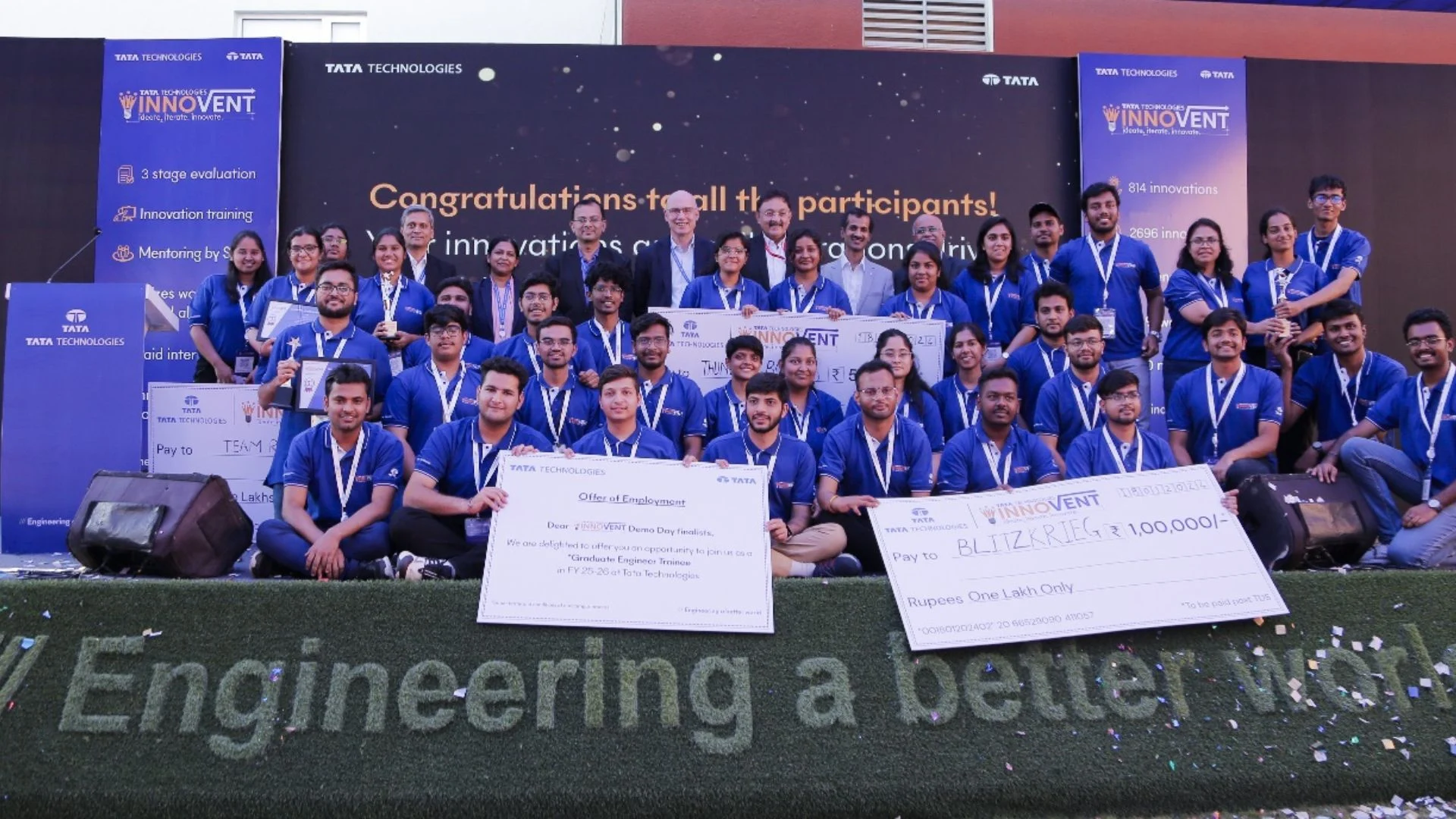
Team of BAIT, Erode Selected As Winner of Tata Technologies' InnoVent Hackathon

Tata Technologies announces winners of InnoVent 2023, offers career opportunities to all finalists
  • Tata Technologies announces winners of InnoVent 2023, offers career opportunities to all finalists
  • Tata Technologies InnoVent was launched in July 2023 to inspire young engineering students In India to showcase their creativity and innovate solutions across areas like Electric Vehicles, Autonomous Vehicles, Cybersecurity, Generative Artificial Intelligence (GAI), and the Internet of Things (IoT).
  • The hackathon saw enthusiastic participation from 2,696 budding engineers across 229 colleges in India submitting 814 unique projects, culminating into the final Demo Day.
  • The Grand Finale Demo Day was organised at the Tata Technologies’ headquarters in Hinjawadi, Pune, where the Top 10 teams impressed the audience with their prototypes.
  • The top three winning teams received cash prizes worth INR 4.5 Lakhs and all the top 10 finalists were offered career opportunities at Tata Technologies.

Tata Technologies, a global product engineering and digital services company, announces the successful conclusion of the 1st edition of InnoVent hackathon, an innovation platform that provides young engineering students in India with an opportunity to showcase their creativity and innovate solutions to address the challenges being faced by the manufacturing industry. This initiative marks a significant milestone in the company’s engagement with the academic community, fostering innovation and creativity among young engineering talents across India, helping engineer better careers.

The Top 10 team/s participated in the Demo Day at Tata Technologies headquarters in Hinjawadi, Pune, where they presented their innovation prototypes and wowed the audience. The final evaluations were done by an eminent jury comprising of Mr. Warren Harris, CEO & MD, Tata Technologies, Mr. Ravi Arora, Senior Vice President & Head Group Innovation – Tata Sons; Mr. Sven Patuschka, Chief Technology Officer – Tata Motors Passenger Vehicles Limited & Tata Passenger Electric Mobility Limited; and Mr. Jyotin Kutty Sastabhavan, Chief Sustainability Officer – Tata Motors.

The winning team Rolex from Bannari Amman Institute Of Technology, Erode, Tamil Nadu

The winning team Rolex from Bannari Amman Institute Of Technology, Erode, was felicitated with a cash prize of INR 3,00,000/- for their innovation Generative AI for car design – unleashing creativity and efficiency in automotive styling.
Team Blitzkrieg from RVCE, Bangalore

The team Blitzkrieg from RVCE, Bangalore, won the 2nd prize – a cash prize of INR 1,00,000/- for their innovation Design and development of an Autonomous Electric Vehicle (AEV) for Indian roads.

Team ThunderBolt from VIT, Vellore

The 3rd prize of INR 50,000/- was won by the team ThunderBolt from VIT, Vellore, for their Battery system and pumping station for buses using Vanadium redox flow battery. In recognition of their talent, visible in their innovations, Tata Technologies offered 34 team members from the top 10 teams, an opportunity to start their careers with them.

Speaking at the Tata Technologies InnoVent felicitation ceremony, Mr. Warren Harris, MD and CEO of Tata Technologies stated, “Tata Technologies vision of engineering a better world embodies our commitment to innovate sustainable eMobility solutions by collaborating with our entire ecosystem, including the academia. We had identified real world challenges while inviting projects for the InnoVent hackathon and I am inspired by the way innovators have applied ingenious, frugal solutions to these issues, blending the finest of human creativity with cutting-edge technology. I congratulate all the winners and participants for displaying such creative talent and a Can-Do attitude while innovating the solutions.”

Highlighting the importance of creating a culture of innovation amongst young engineering students, Mr. Santosh Singh, EVP and Global Head, Marketing and Business Excellence at Tata Technologies, added, “As a human brand, we focus on delivering great experiences to our customers by innovating solutions that address the business challenges faced by our clients. The students today will innovate some of the biggest solutions in next few years. It is important for us to support, mentor, and empower these young engineering minds, equipping them with the skills necessary for a successful career. The enthusiasm and creativity displayed by these young innovators exceeded our expectations and reinforced our belief in the power of innovation in engineering a better world. We are delighted that we were able to offer them not only cash prizes and learnings but also job opportunities to all the finalists.”

Tata Technologies extends heartfelt congratulations to the winning teams and expresses deep gratitude to all the participants for their remarkable contributions and for making the InnoVent Hackathon a resounding success.

More details of the InnoVent program are available at https://www.tatatechnologies.com/innovent/.

About Tata Technologies:

Tata Technologies (BSE: 544028, NSE: TATATECH) is a global product engineering and digital services company focused on fulfilling our mission of helping the world drive, fly, build, and farm by enabling our customers to realize better products and deliver better experiences. We are the strategic engineering partner businesses turn to when they aspire to be better. Manufacturing companies rely on us to enable them to conceptualize, develop and realize better products that are safer, cleaner, and improve the quality of life for all the stakeholders, helping us achieve our vision of #EngineeringABetterWorld.

Vedanta Aluminium with IIT Kharagpur Develop Innovative Breakthrough, Gets Patent

Vedanta Aluminium and IIT Kharagpur Develop Innovative Breakthrough in Bauxite Refining Process, Gets Patent for It

Vedanta Aluminium patents innovative breakthrough in bauxite refining process

Developed in collaboration with IIT Kharagpur, the innovative process will enhance resource efficiency and curb energy consumption

Vedanta Aluminium, the largest aluminium producer in India, has announced the development of a groundbreaking process to significantly reduce the generation of bauxite residue, commonly known as red mud in the alumina refining process. The process reduces bauxite residue by a remarkable 30% by eliminating iron values while simultaneously recovering a higher alumina yield, reducing the total organic content from bauxite during the alumina refining. The process significantly enhances resource efficiency and curbs energy consumption during refining.

The research project was led by the company’s Research & Development (R&D) department in collaboration with the Department of Metallurgical and Materials Engineering, Indian Institute of Technology Kharagpur (IIT KGP), with special support from the Lanjigarh, Odisha unit, home to Vedanta’s world-class alumina refinery. This cutting-edge development will enhance the company’s operational excellence and have a sustainable impact on the global aluminium industry.

Bauxite is the primary ore for aluminium, and it undergoes an intermediate refining stage, known as the Bayer process, to produce alumina, which is then subjected to electrolysis to produce aluminium. This refining process generates bauxite residue as a by-product. To produce 1 kg of aluminium, it requires 2 kg of alumina, which consumes 6 kg of bauxite, leaving behind 4 kg of bauxite residue.

Managing this voluminous by-product sustainably has been a long-standing industry challenge. Vedanta Aluminium is actively engaged in minimising bauxite residue and exploring avenues to extract value from it. The company has developed a revolutionary process, which has been successfully validated in the laboratory and patented. Presently, the company is focusing on establishing a pilot plant to implement and assess the process, along with determining its potential advantages.

On the breakthrough, Mr. GG Pal, Dy. CEO – Alumina Business, Vedanta Ltd., said, “At Vedanta Aluminium, operational efficiency is of paramount importance for us in achieving sustainability. Toward this goal, we are aggressively focusing on our in-house R&D initiatives to drive tech-led innovative solutions to address existing industry problems.”

Sharing his thoughts on the development, Dr. Amit Chatterjee, Chief Research & Development Officer, Aluminium Business, Vedanta Ltd., said, “We look forward to implementing our groundbreaking process in bauxite residue management in our refinery operations. This is a significant milestone that will offer a pathway to enhanced resource efficiency and energy conservation and contribute towards reshaping the global aluminium industry.”

Dr. Chenna Rao Borra, Assistant Professor, Department of Metallurgical and Materials Engineering, IIT Kharagpur said, “Vedanta Aluminium’s dedication to R&D for sustainability goals is truly inspiring. The reduction of bauxite residue has been one of the key challenges for the aluminium industry, requiring significant technological advancements. The process, developed through the collaborative efforts of IIT Kharagpur and the company, will not only significantly improve bauxite residue management but also contribute to reducing the carbon footprint in the process.”

Vedanta Aluminium is the first company in the country to extract the entire volume of water from bauxite residue slurry and recycle it back into operational use, achieving Zero Liquid Discharge (ZLD) and demonstrating its commitment to water conservation. The remaining bauxite residue is densely packed in dried form and stored in a specially constructed and scientifically managed concretized area called the Bauxite Residue Reservoir. This containment method prevents bauxite residue from inadvertently leaching into the groundwater. For this processing purpose, the company was the first in the country to establish a Bauxite Residue Processing Plant. With the new method implementation, this residue generation will be reduced further.

Additionally, Vedanta Aluminium is actively collaborating with research institutes to develop innovative technologies for the utilization of bauxite residue. These technologies include the beneficiation of bauxite residue to enrich Rare Earth Elements (REEs), the recovery of alumina and iron values, and processes for extracting and separating titanium and REEs like Scandium. This effort is crucial because bauxite residue houses valuable metals, including iron, alumina, REEs, and titanium dioxide.

Vedanta Aluminium, a business of Vedanta Limited, is India’s largest producer of aluminium, manufacturing more than half of India’s aluminium i.e., 2.29 million tonnes in FY23. It is a leader in value-added aluminium products that find critical applications in core industries. Vedanta Aluminium ranks 2nd in the Dow Jones Sustainability Index (DJSI) 2022 world rankings for aluminium industry, a reflection of its sustainable development practices. With its world-class aluminium smelters, alumina refinery and power plants in India, the company fulfils its mission of spurring emerging applications of aluminium as the ‘Metal of the Future’ for a greener tomorrow.

IISc Incubated Hardware Startup TIEA Connectors Receives ₹3.81 Cr Funding from TDB-DST To Commercialize Cutting-Edge Tech Used in EVs and Drones

IISc Incubated Hardware Startup TIEA Connectors Receives ₹3.81 Cr Funding from TDB-DST To Commercialize Cutting-Edge Tech Used in EVs and Drones

Technology Development Board (TDB), under Department of Science & Technology (DST), Govt of India, has Inked an agreement with Bengaluru-based hardware startup TIEA Connectors Pvt Ltd under the initiative “Commercialization of Indigenous Technologies through Tech Start-ups”.

Incubated at Society for Innovation and Development (SID) at the Indian Institute of Science (IISc), Bangalore, TIEA Connectors, has received TDB's commitment of ₹ 3.81 crore, as financial support, out of the total project cost of ₹ 8.19 crore for the startup's project — “Commercialization of micro-electronic harsh environment connectors and terminals”.

Founded in 2020, by Ajith Sasidharan and Punit Joshi, TIEA researches, develops and produce electronic and automobile connectors which has enhanced fire retardancy and the capability to sustain in most harsh environment conditions.

Electronic & Automobile Connectors make electro mechanical connection between wires-and-wires, wires-and-PCB boards, Boards-and-Boards. The future of connector market is quite promising with the opportunities in automobile sector, consumer electronics, Electric Vehicles, medical electronics, drones, defense sector and space applications.

TIEA Connectors Receives ₹3.81 Cr Funding from TDB-DST To Commercialize Cutting-Edge Tech Used in EVs and Drones

The funded project is for the development and commercialization of electronic connectors with pitches measuring 2.8 mm, 2.5 mm, and 2.54 mm along with their corresponding terminals. TIEA Connectors's product, which got TDB's financial commitment, is primarily intended for growing niche market of electric vehicles and drones, as well as automotive and consumer electronics among others.

Currently, over 50% of the connector market depends on imports.

Connectors and their contact solutions, a core part of wire ESDM (Electronics System Design & Manufacturing) devices is the domain of TIEA Connectors' research & development.

As of now, the startup is engaged in the research & development of aerospace and defence connectors. It has obtained four design patents and filed an application for a patent in the field of material science.

In June 2021, the TIEA had received loan of ₹2 crores from Indian Bank, as part of the MoU inked with SID of IISc, for funding Start-ups and MSMEs.

Rajesh Kumar Pathak, Secretary, TDB, said, "The company's focus on electric vehicles and drones aligns with the global trend towards sustainable transportation solutions. By developing innovative connectors and terminals, the company is not only contributing to the growth of the niche market but also reducing dependence on imported components. Additionally, their involvement in aerospace and defence demonstrates their commitment to provide reliable and advanced technology for critical industries."

Few days back, TBD has pledged support of ₹3.94 Crores out of the total project cost of ₹7.89 Crores to Pune-based Noccarc for its indigenously developed technology innovation — A Digitally Enabled Advanced Universal ICU Ventilators. 

IIT Kanpur-Incubated Noccarc Gets ₹3.94 Cr in TDB-DST Funding for Commercialization of Digitally-enabled Advanced Universal ICU Ventilator

IIT Kanpur-Incubated Noccarc Robotics Gets ₹3.94 Cr in TDB-DST Funding for Commercialization of Digitally-enabled Advanced Universal ICU Ventilator

Technology Development Board (TDB), a statutory body established by Government of India, has entered into an agreement with Indian Institute of Technology (IIT) , Kanpur incubated startup — Noccarc — which is dedicated to the commercialization of Digitally Enabled Advanced Universal ICU Ventilators.

TBD has pledged support of ₹3.94 Crores out of the total project cost of ₹7.89 Crores to Pune-based Noccarc for its indigenously developed technology innovation.

Incubated at the Startup Incubation and Innovation Centre (SIIC) of the IIT-Kanpur, Noccarc has indigenously developed the entire technology, with several patents filed for each component, of the ventilator. The company's entry-level ventilator, V310, played a critical role during the COVID-19 pandemic, being deployed in diverse hospitals across India, where it became instrumental in saving lives.

Noccarc V730i
Noccarc V730i

Building on this success, Noccarc is now launching the Noccarc V730i, which is a smart ventilator. V730i allows seamless connectivity to the cloud via GSM, Wi-Fi, and LAN, allowing doctors and intensive care specialists to remotely monitor the patient data on Noccarc’s digital platform, and will also enable hospitals to digitize their ICU data and workflows.

This initiative is aligned with the Government's push towards creating a self-reliant India in the medical devices sector.

Founded in 2017, by IIT Kanpur graduates – Harshit Rathore and Nikhil Kurele, Noccarc (Formerly Nocca Robotics) is a medical device start-up company at the forefront of healthcare innovation. Its smart medical devices are just the beginning of our mission to transform the healthcare industry through technology.

In September 2019, Noccarc had raised INR 12.4 crore from IAN Fund and Indian Angel Network.

Speaking on this occasion, the Founders of Noccarc, Nikhil Kurele, and Harshit Rathore, expressed that the support and assistance from TDB would propel the company in its quest for technological indigenization across India's healthcare sector. They emphasized that Noccarc's endeavours would contribute significantly to the Atmanirbhar Bharat initiatives of the Government, setting a precedent for innovation and self-reliance in the field of medical technology.

Rajesh Kumar Pathak, Secretary, TDB said that, “Noccarc's innovations in advanced medical technology are a testament to India's capabilities in developing advanced solutions that cater to the needs of domestic healthcare facilities. M/s Noccarc focuses on commercializing Digitally Enabled Advanced Universal ICU Ventilators, which are expected to revolutionize the critical care industry. The company's manufacturing site in Pune is a symbol of the realization of digitally-enabled healthcare devices made in India, which have immense potential in export markets too.”

Notably, more than 85% of medical devices in India are imported, the push towards indigenously developed products is thus become more critical. The Government of India, under its "Make in India" initiative and a renewed focus on digitization across all sectors, including healthcare, is driving a robust ecosystem for homegrown Innovations like that of Noccarc. 

Bill of $6.03 Bn Fund for R&D and Innovation Introduced in Lok Sabha

Bill of $6.03 Bn Fund for R&D and Innovation Introduced in Lok Sabha

Today, Union Minister of Science & Technology, Dr Jitendra Singh, has introduced a Bill in the Lok Sabha, for setting up a national agency to fund research across universities, institutions and laboratories in the country.

Named "Anusandhan National Research Foundation", the bill once implemented, will provide high level strategic direction for research, innovation and entrepreneurship in the fields of natural sciences including mathematical sciences, engineering and technology, environmental and earth sciences, health and agriculture.

The Anusandhan National Research Foundation Bill-2023 seeks to set up a Rs 50,000-crore (~ US $6.03 Billion) fund, with a sizeable contribution from the private sector, to "seed, grow and promote" research and development (R&D) and foster a culture of research and innovation throughout India's universities, colleges, research institutions, and R&D laboratories.

Introducing the Bill, Dr Jitendra Singh said, when passed by Parliament the Act will provide high level strategic direction for research, innovation and entrepreneurship in the fields of natural sciences including mathematical sciences, engineering and technology, environmental and earth sciences, health and agriculture.

The Minister said, it will also promote scientific and technological interfaces of humanities and social sciences to promote, monitor and provide support as required for such research and for matters connected therewith or incidental thereto.

It may be recalled that on 28th June, 2023 the Union Cabinet, chaired by the Prime Minister Shri Narendra Modi approved the introduction of the National Research Foundation (NRF) Bill, 2023 in the Parliament. The approved Bill will pave the way to establish NRF that will seed, grow and promote Research and Development (R&D) and foster a culture of research and innovation throughout India’s universities, colleges, research institutions, and R&D laboratories.

The bill, after approval in the Parliament, will establish NRF, an apex body to provide high-level strategic direction of scientific research in the country as per recommendations of the National Education Policy (NEP), at a total estimated cost of Rs. 50,000 crores ( ~ US $6.03 billion) during five years (2023-28).

The Department of Science and Technology (DST) will be the administrative Department of NRF which will be governed by a Governing Board consisting of eminent researchers and professionals across disciplines. Since the scope of the NRF is wide-ranging – impacting all ministries - the Prime Minister will be the ex-officio President of the Board and the Union Minister of Science & Technology & Union Minister of Education will be the ex-officio Vice-Presidents. NRF’s functioning will be governed by an Executive Council chaired by the Principal Scientific Adviser to the Government of India.

NRF will forge collaborations among the industry, academia, and government departments and research institutions, and create an interface mechanism for participation and contribution of industries and State governments in addition to the scientific and line ministries. It will focus on creating a policy framework and putting in place regulatory processes that can encourage collaboration and increased spending by the industry on R&D.

The bill will also repeal the Science and Engineering Research Board (SERB) established by an act of Parliament in 2008 and subsume it into NRF which has an expanded mandate and covers activities over and above the activities of SERB.

3 Indian Startups that Made It To WEF’s Tech Pioneers 2023 Cohort

3 Indian Startups that Made It To WEF’s Tech Pioneers 2023 Cohort

Late last month, the World Economic Forum (WEF) announced selection of 100 most promising Technology Pioneers 2023, companies making progress in sustainability, advanced manufacturing and inclusive healthcare.

The Technology Pioneers by WEF are a global community representing 31 countries, wherein WEF Technology Pioneers community encourages its start-up members to engage in the WEF's Centres to help scale the impact of initiatives and positively shape the world's shared future.

This year, Pakistan and Malaysia represented for the first time. Both have one startup each, selected for tech pioneers community.

This year’s Technology Pioneer cohort includes start-ups from 31 economies, with 30% led by a woman chief executive. The US has the highest representation, with 29 companies, followed by China with 12 and India has 3.

Indian startups selected are —

Giftolexia Solutions

Health Tech | DeepTech

Developing a deep technology enabled screening tool to identify the risk of dyslexia in schoolchildren by analysing gaze pattern.

Incubated at NSRCEL, IIM Bangalore, Giftolexia Solutions helps children with dyslexia and other learning challenges realize their true potential through early identification, the right remediation and a focus on their compensating strengths. Its machine learning-based screening solution identifies the risk in children. It is an easier, faster – just five minutes per child – and more accurate method of screening at an early age.

Founded in 2017, by Ajit George Paul, the Bengaluru based startup has developed the first technology-enabled screening tool for Dyslexia in India. Giftolexia claims that it is the best screening tool for class-wide screening. It reduces screening time to 5 minutes per child and screening age is reduced to 8 years from the current average of 11 years in India.

Next Big Innovation Labs

DeepTech | Biotech | 3D Bio-Printing

Developing customizable 3D bioprinter to bridge the gap between organ demand and availability via 3D bioengineered organs.

Bengaluru-based Next Big Innovation Labs is a Deep Tech Bioprinting Company focussed on developing breakthrough products and services utilising its in-built patented Bioprinting Technology.

Founded in 2016, by Alok Medikepura Anil, Piyush Padmanabhan, Pooja Venkatesh and Ratandeep Singh Bansal, Next Big Innovation Labs is a research driven startup that aims to solve the organ availability crisis plaguing the entire globe using 3D Bio printing. It build intricate and customised bioprinters for research and in addition develops tissues for research, product development and clinical applications. Working collaboratively with companies and research institutes across the world. The startup's ambitious goal is to "one day make organ transplant waitlists a thing of the past."

Xacmaz Technology {Blue Sky Analytics}

Climate Tech | Environment Intelligence

Developing a platform that converts satellite data into climate intelligence for climate risk, ESG investing and carbon markets.

Xacmaz Technology Pvt. Ltd is parent company that operates climate-tech startup Blue Sky Analytics that leverages satellite data and artificial intelligence (AI) to deliver climate and environmental data intelligence for carbon markets, asset monitoring and climate risk analytics.

While the Xacmaz Technology is based in New Delhi, Blue Sky is headquartered in the Netherlands. The climate tech startup has raised a total of $1.5 million in funding over three rounds from investors including Beenext, IFC, Stellaris Venture Partners and Stanford Angels & Entrepreneurs.

The above selected startups will join a group of alumni including Airbnb, Google, Kickstarter, Mozilla, Spotify, TransferWise, Twitter and Wikimedia. The 2023 cohort will be invited to join World Economic Forum events and discussions throughout the year, bringing together leading stakeholders from the public and private sector.

Launched in 2000, the Technology Pioneers community is composed of early-stage companies from around the world that are involved in the design, development and deployment of new technologies and innovations, and are poised to have a significant impact on business and society.


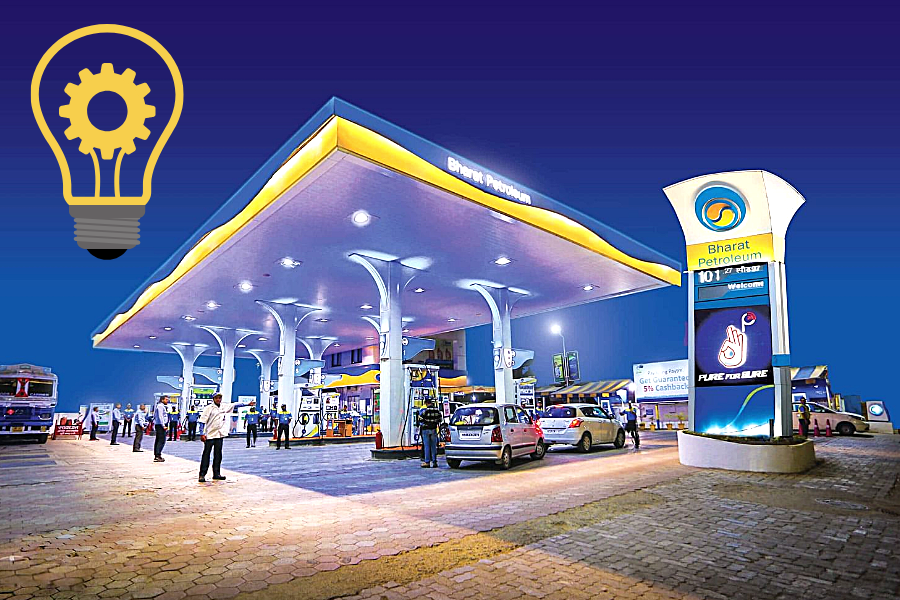
With 164 Patents Filed, Bharat Petroleum (BPCL) R&D Center Revolutionizes the Fuel Industry with Breakthrough Innovations

With 164 Patents Filed, Bharat Petroleum (BPCL) R&D Center Revolutionizes the Fuel Industry with Breakthrough Innovations
  • BPCL Introduces Ethanol-Diesel Blend for Cleaner Emissions
  • The R&D division has filed 164 patents for cutting-edge innovations
  • Adopts Innovative Approach to Valorizing Bio-refinery Waste
  • BPCL Unveils Groundbreaking Technologies for rapid crude oil sourcing and Real-Time Refinery Monitoring and Optimization
  • BPCL R&D Develops High-Efficiency LPG Burner for Energy Conservation
BPCL R&D Centers have been at the forefront of technological advancements. Since its establishment in 2001, the Corporate R&D Centre has provided a platform for breakthrough research and development. Together with the Lubes R&D Centre, a leading hub in lubricant research, BPCL R&D continues to contribute to a greener and cleaner fuels. Its research areas have evolved over the years, focusing on carbon capture and utilization, green hydrogen, biofuels, advanced clean fuel, petrochemicals, and business sustainability. These strategic focus areas align with the company's commitment to environmental stewardship and energy transition.

In view of this, Bharat Petroleum's Research & Development (R&D) division proudly presents its state-of-the-art facilities and strategic focus areas at the Corporate R&D Centre in Greater Noida. With a commitment to innovative and sustainable solutions, BPCL R&D has gained international recognition as a leading research center.

Over the years, the division has achieved remarkable milestones, including 164 Patents filed for cutting-edge innovations, 87 Patents granted across multiple countries, 17 Technologies/products commercialized and over 230+ Scientific papers and Book chapters. Notable innovations include the development of "Green Silica" from rice straw-based 2G Bio-refinery ash, compostable biomaterials, and Superabsorbent Polymer (SAP) products.

Aligned with Bharat Petroleum's sustainability agenda and Net Zero Mission, BPCL R&D has undertaken initiatives like the Diesel-Ethanol blend to reduce emissions. The division's digital advancements and collaborations with renowned institutions have fostered the knowledge economy and innovation culture.

Shri G. Krishnakumar, Chairman & Managing Director, BPCL, said, “With ‘Energising Lives’ as our core purpose, our mission is leveraging talent, innovation & technology and always being the first choice of customers. Our dynamic R&D team, brimming with creativity, has successfully developed a multitude of cutting-edge technologies, innovative products and processes that have not only increased our profitability but also significantly reduced our environmental footprint. Their continuous pursuit for excellence has led us to attain numerous accolades such as an extensive patent portfolio”.

Shri Hardeep Singh Puri, Hon'ble Minister of Petroleum and Natural Gas, said, "Under the visionary leadership of Hon’ble PM Shri Narendra Modi, BPCL is remarkably pushing the boundaries of technology and sustainability through its cutting-edge R&D initiatives. I congratulate the team BPCL for continuous pursuit for excellence, contributing significantly to India's energy landscape and reinforce our position as a global leader in innovation."

Focused on carbon capture, green hydrogen, biofuels, clean fuels, petrochemicals, and business sustainability, BPCL R&D drives excellence and innovation in these areas. Its cutting-edge facilities, Motivated team of Scientists, Engineers and Administrative Staff, and strategic partnerships are at the forefront of technological advancements.

BPCL-R&D has also achieved a significant milestone in the digital space. It has developed two novel technologies, namely the K Model for crude compatibility and BPMARRK® for quick and accurate real-time crude assay. BPCL is the only company at the global level to achieve this milestone in the oil and gas sector. Recently, a collaboration agreement was inked with the world leader in Refinery Software business, M/s Aspen Technology Inc. USA, to provide a unique solution to the refinery world for real-time monitoring and optimization of refinery units, along with BPCL BPMARRK® software.

To address India's import dependency for gas, which currently caters to 50% of the country's 44MMTPA gas demand, BPCL-R&D is working on the development of an energy-efficient PNG burner. Notably, BPCL-R&D has successfully developed a PNG burner with an efficiency of 70%, surpassing the reported 55% efficiency so far. The plan is to conduct a pilot and roll out the energy-efficient PNG stove during FY 2023-24, contributing to a reduction in import dependency.

We are investing heavily in these upcoming areas both in terms of manpower and infrastructure. I believe innovations in these areas can not only give BPCL competitive advantage and also create sustainable business environment; while contributing for the nations net zero ambition and thus making the world better place to live for the future generation.

About Bharat Petroleum Corporation Ltd. (BPCL):

Fortune Global 500 Company, Bharat Petroleum is the second largest Indian Oil Marketing Company and one of the premier integrated energy companies in India, engaged in refining of crude oil and marketing of petroleum products, with a significant presence in the upstream and downstream sectors of the oil and gas industry. The company attained the coveted Maharatna status, joining the elite club of companies having greater operational & financial autonomy.

Bharat Petroleum’s Refineries at Mumbai, Kochi and Bina Refinery have a combined refining capacity of around 35.3 MMTPA. Its marketing infrastructure includes a network of installations, depots, energy stations, aviation service stations and LPG distributors. Its distribution network comprises over 21,000 Energy Stations, over 6,200 LPG distributorships, 525 Lubes distributorships, 123 POL storage locations, 53 LPG Bottling Plants, 70 Aviation Service Stations, 4 Lube blending plants and 4 cross-country pipelines.

Bharat Petroleum is integrating its strategy, investments, environmental and social ambitions to move towards a sustainable planet. The company has chalked out the plan to offer electric vehicle charging stations at around 7000 energy stations over next 5 years.

With a focus on sustainable solutions, the company is developing a vibrant ecosystem and a road-map to become a Net Zero Energy Company by 2040, in Scope 1 and Scope 2 emissions. Bharat Petroleum has been partnering communities by supporting innumerable initiatives connected primarily in the areas of education, water conservation, skill development, health, community development, capacity building and employee volunteering. With ‘Energising Lives’ as its core purpose, Bharat Petroleum’s vision is to be the most admired global energy company leveraging talent, innovation & technology.

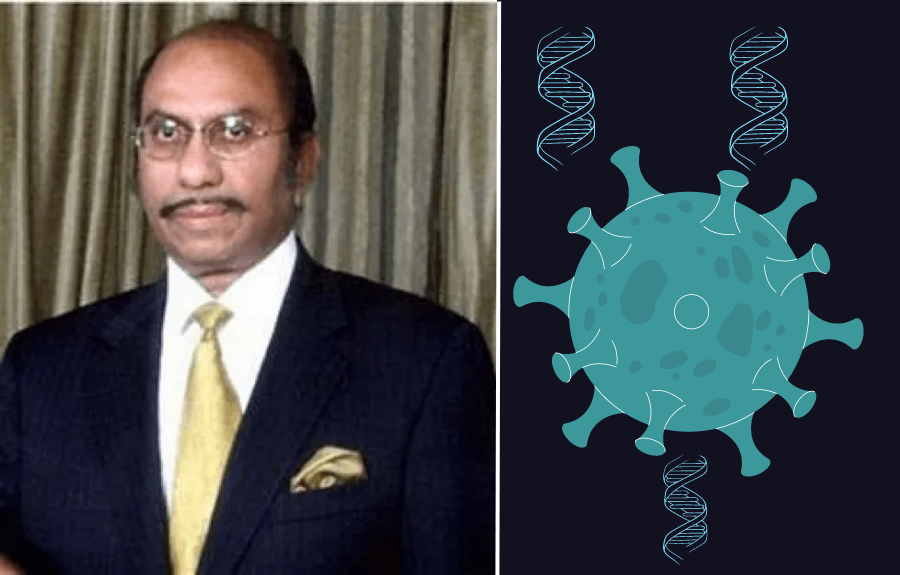
Indian American Dr M.S. Reddy Discovers A Revolutionary Method to Control the COVID Pandemic by Inactivating RNA and DNA, Gets Patent

Indian American Dr M.S. Reddy Discovers A Revolutionary Method to Control the COVID Pandemic by Inactivating RNA and DNA, Gets Patent
Dr. M.S. Reddy already holds 150 American patents to his credit. Dr. He was nominated over 9 times for the Nobel Prize for his contributions to science

Dr. M.S. Reddy, an Indian American Scientist, widely known as 'Cheese Reddy' gets a patent for his research to curb the spread of COVID. Dr Reddy, a global figure, who holds 150 American patents to his credit, discovered a method to control the COVID pandemic and disclosed this in a press note issued in Hyderabad today.

Dr Malireddy Srinivasulu Reddy (Dr M.S. Reddy) says by inactivating viral RNA we can control the spread of the COVID virus. He opines that in future we can control life-threatening viruses like COVID before they spread. Dr Reddy has registered for a patent on this method with the U.S. Patent Department. The good news is that the American Government has recently awarded a patent for him on this subject.

Experts say this is a revolutionary step in the field of science. It is learnt that we can curb the spread of viruses by inactivating RNA and DNA. So far experts have never thought that naked genetic material is more dangerous than the virus. Applauds are pouring in from different quarters for Dr Reddy for thinking in this direction and also for finding a solution. 

Many Indians, especially Telugus, who have settled in America made the country proud with their achievements. Prominent among them is Dr Malireddy Srinivasulu Reddy (Dr M.S. Reddy). Dr Reddy, who hails from Nellore and settled in the U.S., has got many patents to his credit. He graduated from A.P. Agriculture University in Tirupati and earned his M.S. PhD from Iowa University. He did his higher studies in Food Technology, Bacteriology and Virology and at present he is functioning as Chairman and President of American Dairy and Food Consulting Laboratories and International Media and Cultures. He was honoured with many awards for his research programmes.

Dr Reddy is a world-renowned scientist in the field of Microbiology. He has been conferred with 160 national and international awards. He got the prestigious American Dairy Science Association Richard M. Hoyt memorial award. It is worth mentioning that he is the only foreign-born U.S. Citizen to receive this prestigious national award. He has got many patents for his research work in America. His research on Cheese made him very popular and he is referred to as 'Cheese Reddy'.

He has got over 150 American patents, and written over 140 articles in scientific journals and over 30 e-journals and varied books which made him a global figure. Dr Reddy has been acting as Chairman and Advisor for many organisations. The famous Telugu association in America, NATA, honoured him with the Lifetime Achievement Award. Dr. Reddy has been nominated over 9 times for the Nobel Prize for his contributions to science, at the world level.

During the COVID crisis, through his shows on TV, he has created awareness among the people on steps to control the virus. His webinars and speeches have become viral with over 10 million hits on YouTube. Recently, he has got a patent for his research to curb the spread of COVID.

Nurturing Innovation Ecosystem: Continental Organized the 2nd Edition of the #Fiction2Science Hackathon

  • Participation from over 50 universities across India, more than 130 idea submissions, and 10 finalists
  • Ideation theme was based on the automotive megatrend CASE Mobility – Connected, Automotive, Shared, Electrified
  • The team from Sahyadri College of Engineering and Management was adjudged as the winner, awarded Rs. 1 Lakh cash prize and a job offer
The technology company Continental organized the 2nd edition of the #Fiction2Science student Hackathon in Bengaluru, India, as part of its initiative to build an innovative ecosystem. Over 50 universities from across India participated, submitting more than 130 ideas on the theme of CASE - Connected, Automotive, Shared, and Electrified.

Out of these, ten teams were shortlisted to be part of the finale. The finale was a day-long competition comprising activities such as building a working model of a car on the fundamentals of CASE, competing on a race track with obstacles, and finally pitching a mobility solution idea.

The winning team Sahyadri College of Engineering and Management represented by Nidhish Kottari, Nikhil Shetty, and Nishanth Gowda

The team from Sahyadri College of Engineering and Management showcased their idea of Smart Vehicle Health Management using IoT and emerged as the winner of the hackathon. They were awarded Rs. 1 Lakh in prize money and received a job offer to work with Continental.

Sharing her thoughts on #Fiction2Sciecne Latha Chembrakalam, Head of Technical Centre India, Continental Automotive added, “At Continental, we believe in the power of student and industry collaboration. Hence we are often taking opportunities to connect with university students in various forms ranging from funded research projects, seminars, internships, and hackathons. Our flagship event #Fiction2Science is designed in a way that students are motivated to apply their learnings in a practical sense with contemporary industry standards. The best participants are even given opportunities in form of job or internship offers. We will continue our quest to build a strong student-industry ecosystem.”

#Fiction2Science is a flagship hackathon event at Continental, aimed at connecting with universities in India to generate new ideas, fund research topics, and facilitate recruitment opportunities. The event begins with idea submission and shortlisting of top ones followed by a grand finale at Continental‘s Tech Center India, where the students undergo day-long competitions and idea pitching. #Fiction2Science opens opportunities for universities across India to participate in the hackathon event.

Sahyadri College of Engineering and Management presented the idea of Smart Vehicle Health Management using IoT

Continental develops pioneering technologies and services for sustainable and connected mobility of people and their goods. Founded in 1871, the technology company offers safe, efficient, intelligent and affordable solutions for vehicles, machines, traffic and transportation. In 2022, Continental generated sales of €39.4 billion and currently employs around 200,000 people in 57 countries and markets.

Continental has been present in India for close to 50 years through technology partnerships (Continental Tires since 1974) and joint ventures for its various businesses. Today, the tier 1 automotive supplier, tire manufacturer, and industrial partner operate across India – with about 9000 employees across 12 locations, including seven plants that cater to the Indian market and a Technical Centre that supports Continental's global R&D activities.

Samsung Invites Applications for Solve for Tomorrow Innovation Competition; Youth of Prayagraj Suggest Innovative Ideas to Solve Real World Problems Around Sustainable Energy Resources, Digitization of Land Records and Alternative Fuel

Samsung Invites Applications for Solve for Tomorrow Innovation Competition; Youth of Prayagraj Suggest Innovative Ideas to Solve Real World Problems Around Sustainable Energy Resources, Digitization of Land Records and Alternative Fuel
  • The top three teams will win INR 1.5 crore to turn their ideas into action
  • Apply for Samsung Solve for Tomorrow starting April 04, 2023 till 5 pm on May 31, 2023 on www.samsung.com/in/solvefortomorrow
  • 16-22 year-olds can apply with innovative ideas around Education & Learning, Environment & Sustainability, Health & Wellness and Diversity & Inclusion
  • Participants will receive training from Samsung, IIT Delhi and MeitY Startup Hub
At an education and innovation roadshow organized by Samsung India at Motilal Nehru National Institute of Technology in Prayagraj, 500 enthusiastic young college students said they want to solve some of the most pressing problems that people and communities across the state and the country are facing today. This was a roadshow organized around the second season of Samsung Solve for Tomorrow competition.

Students in Prayagraj, who came from various colleges such as Motilal Nehru National Institute of Technology, IICS College, Ganga Bal V. Inter College, Swar Saran Degree College and Dr. Shyama Prasad Mukherjee Govt. Degree College said they want to solve real-world problems such as finding sustainable energy resources to reduce the usage of coal & other fossil fuels, digitization of land records, and finding alternative fuels like Hydrogen & other resources for ICE engines in automobiles.

At the event, which was organized to talk about Samsung's global CSR program Solve for Tomorrow, the students said they require platforms such as Solve for Tomorrow to guide and support them in turning their ideas into action. They spoke about the innovative tech they could deploy to find solutions to the problems.

Samsung had recently announced its partnership with Ministry of Electronics & Information Technology’s (MeitY’s) Startup Hub and Foundation for Innovation & Technology Transfer (FITT), IIT Delhi for the second season of the national education and innovation competition Solve for Tomorrow. With Solve for Tomorrow, Samsung aims to usher in a culture of innovative thinking and problem-solving amongst the country’s youth.

The top three teams will win INR 1.5 crore to turn their ideas into action while others participants who reach top 30 and top 10 will be rewarded at various stages of the program.

The second season of Solve for Tomorrow is inviting applications from youth in India aged 16-22 years under the themes of Education & Learning, Environment & Sustainability, Health & Wellness and Diversity & Inclusion. Youth can apply for Samsung Solve for Tomorrow on www.samsung.com/in/solvefortomorrow starting April 04, 2023 till 5 pm on May 31, 2023.

“At Samsung, harnessing the power of youth is priority for us. This is what drives us and our global CSR vision of ‘Together for Tomorrow! Enabling People’. Giving youth a voice in real-life issues affecting communities around them allows them to see firsthand the change they can create in the world. With Samsung Solve for Tomorrow, we want to give youth that opportunity and also play our part in strengthening the innovation ecosystem in the country, taking forward the vision of the Government and our own vision of Powering Digital India,” said Mr. Hyun Kim, Corporate Vice President, Samsung Southwest Asia.

City-based innovator Bhanu Pratap Singh, who is the founder and CEO of startup CashCry, spoke to the students about the value of both success and failure and how he has been working in rural areas to bring financial inclusion to the masses. He urged students to look at problems that India faces and Solve for Tomorrow with their unique solutions.

Samsung Solve for Tomorrow at a Glance

Who can participate: 16-22 year-olds, individually or in teams of up to 3

Application themes: Education & Learning, Environment & Sustainability, Health & Wellness and Diversity & Inclusion

What will they get: Online training, Bootcamp at IIT Delhi, mentoring & training from Samsung, IIT Delhi,
and MeitY Startup Hub

What do winners get: Total of INR 1.5 crore to 3 winning teams and exciting Samsung products that will boost their productivity

Where can they apply: www.samsung.com/in/solvefortomorrow

From when: Starting April 04, 2023

Till when: Till 5 pm on May 31, 2023

Program Details

Application Window – Round One

Individuals or teams of up to three can submit their applications on www.samsung.com/in/solvefortomorrow, where they will chose the theme, elaborate on the problem they are solving, the proposed solution and its social impact. A jury comprising subject matter experts from FITT, IIT Delhi will shortlist the top 30 teams from among all the applications received.

Idea Development – Round Two

In this round, the top 30 shortlisted teams will attend a five-day bootcamp at the IIT Delhi campus where they will receive training on Design Thinking by FITT, IIT Delhi and on innovation & IPR, patents from MeitY Startup Hub. 

Each team will get INR 20,000 to create initial prototypes and then pitch their ideas to a jury comprising of young Samsung employees and experts from FITT, IIT Delhi, MeitY Startup Hub and Atal Innovation Mission at the bootcamp who will select the top 10 teams.

These 30 teams will also visit Samsung India offices, its R&D centres, design centre, and Samsung Opera House in Bengaluru where they will interact with young Samsung employees and researchers. Each member of the top 30 teams will get a certificate for attending the bootcamp, a Samsung Galaxy Book laptop and Galaxy Buds.

Final Prototype Building – Round Three

In this round, the top 10 teams will get INR 100,000 each to enhance their prototypes based on the feedback from jury members as well as mentors. They will also be mentored by Samsung employees from various domains as well as domain experts from IIT Delhi. 

At the end of this round, the teams will submit their final prototypes and prepare for a live presentation where they will pitch their ideas at the Finale Event before an eminent jury.

Each member of the top 10 teams will get a certificate and a Samsung Galaxy Z Flip smartphone. The top three winning teams of Solve for Tomorrow season two will win a total prize money of INR 1.5 crore

Samsung Electronics’ global CSR vision of ‘Together for Tomorrow! Enabling People’ is committed to providing education to young people around the world to empower the leaders of tomorrow. Read more stories on Samsung Electronics’ CSR efforts on our CSR webpage http://csr.samsung.com.


India Partners with Australia's Science Agency To Drive Innovation in Areas of National Challenges and Shared Priorities

India Partners with Australia's Science Agency To Drive Innovation in Areas of National Challenges and Shared Priorities
Atal Innovation Mission & CSIRO to lead IA-ITC program

India's flagship initiative, Atal Innovation Mission (AIM), and the country's think tank NITI Aayog have joined hands with the Commonwealth Scientific and Industrial Research Organisation (CSIRO), Australia's national science agency, by signing a Letter of Intent to encourage joint cooperation to drive innovation activities in areas of national challenges and shared priorities of both countries.

The move comes during the India visit of the Australian Prime Minister Mr. Anthony Albanese as he met the Indian Prime Minister Sh. Narendra on 10 March 2023 in New Delhi. The meeting between the Prime Ministers spanned across areas of mutual interest and explored avenues of strengthening bilateral engagement in a range of key areas with innovation as one key item.

The Letter of Intent between AIM and CSIRO calls for a greater collaboration in areas of mutual interest and strategic priorities and serves as a general framework for cooperation intended to facilitate the development of more program specific interventions.

The core of the bilateral engagement is the India Australia Innovation and Technology Challenge (IA-ITC) - a program envisioned to bring together the innovation ecosystems of India and Australia to address our shared environmental and economic challenges by supporting cohorts of start-ups and SMEs on their commercialisation pathways and bring to market innovative tech-based solutions spanning across circular economy, energy transition and food system resilience etc. The program intends to leverage the complementary capabilities and resources of the innovation ecosystem of both the countries.

The IA-ITC builds on the success of the India Australia Circular Economy (IACE) hackathon 2021, which witnessed university students, start-ups, and SMEs from both India and Australia develop innovative tech-based solutions for circularity in food system value chain.

"We are thrilled to partner with CSIRO on fostering innovation and co-developing the India Australia Innovation and Technology Challenge," said Dr. Chintan Vaishnav, Mission Director - AIM, NITI Aayog. "This partnership and the IA-ITC program in particular is an exciting opportunity for India and Australia to collaborate at different levels of the ecosystem involving start-ups, SMEs, business incubators and accelerators, VCs and the industry. This will open new horizons in knowledge sharing and co-creation given CSIRO’s vast experience with Science and Technology programs."

"CSIRO is excited to partner with AIM and work towards solving shared global challenges. AIM has an impressive track record of fostering and leveraging world-class innovations and entrepreneurs. We look forward to combining our strengths and expertise to create scientific breakthroughs that make real-world social, economic and environmental impact." said Jonathan Law, Executive Director – Growth, CSIRO.

AIM and CSIRO are currently working on the design and development of the IA-ITC program delivery model to ensure the IA-ITC is sustainable, innovative, impactful and aligns with the strategic interests of both India and Australia. The official launch of the program is expected to be in July 2023.


Market Reports

Market Report & Surveys
IndianWeb2.com © all rights reserved