Showing posts with label Medtech. Show all posts

AI Designs Viruses That Kill Bacteria—A New Frontier in Synthetic Biology

AI Designs Viruses That Kill Bacteria—A New Frontier in Synthetic Biology

In a stunning leap for synthetic biology, scientists have used artificial intelligence to design viruses that can infect and kill bacteria—ushering in a new era of programmable life forms and potentially revolutionizing medicine.

Researchers at Stanford University and the Arc Institute trained an AI model named Evo on over 2 million bacteriophage genomes. The goal? To teach the system how nature builds viruses that target bacteria. Evo didn’t just remix existing genetic material—it generated 302 entirely new viral genomes, many of which had never existed in nature.

Of those, 16 assembled into fully functional viruses that successfully infected and destroyed E. coli bacteria in lab tests. This marks the first time AI has been used to design complete, working viruses from scratch.
“We’re not just accelerating evolution—we’re directing it,” said one of the lead researchers. “This opens the door to custom-built phages that could target antibiotic-resistant bacteria with surgical precision.”

Why This Matters

  • Antibiotic resistance is one of the biggest threats to global health, with superbugs killing over a million people annually.
  • Phage therapy, which uses viruses to kill bacteria, has long been seen as a promising alternative—but finding the right phage is slow and unpredictable.
  • AI could dramatically speed up the discovery and design of targeted phages, potentially enabling personalized treatments for infections.

The Ethical Frontier

While the study focused solely on bacteriophages and excluded viruses that infect humans, the implications are profound. Experts warn that AI-designed viruses could behave unpredictably in complex ecosystems. There are also concerns about biosecurity and the potential misuse of such technology.
“We need robust oversight and ethical frameworks,” said a bioethicist not involved in the study. “This is powerful tech, and with great power comes great responsibility.”

What’s Next?

  • The team plans to expand Evo’s capabilities to design phages for other bacterial strains, including those responsible for hospital-acquired infections.
  • There’s growing interest in using AI to design viruses for agriculture, microbiome engineering, and environmental cleanup.
This breakthrough isn’t just about killing bacteria—it’s about reimagining what life can be. With AI as a co-creator, biology may no longer be bound by the slow march of evolution. It’s entering the age of intelligent design.

Mixed Reality Saves Mobility: Bengaluru Surgeons Rewire Hope in Rare Spine-Brain Procedure

Mixed Reality Saves Mobility: Bengaluru Surgeons Rewire Hope in Rare Spine-Brain Procedure

In a case that truly showcased the technological advancements achieved by Bangalore, India in the field of Neuroscience, Niyati (name changed), a 37-year-old young IT Professional from Bengaluru working at US decided to head home for a complex surgery at the junction on base of the skull and upper part of the spine. She was Quadriparetic, which made her bedridden with complete loss of the ability to walk, use her hands or even control urination. When she consulted the neurosurgical center at the US, she was informed that due to the complexity of the surgery she might end up permanently weak in all four limbs and might even need ventilator support for breathing. This had shattered her self-confidence and increased the burden on her family.

6 months before, she noticed the first symptoms, which started with numbness in the limbs and muscle weakness that eventually progressed to quadriparesis. She was diagnosed with Atlantoaxial Dislocation after she moved to India for her treatment, which is basically loss of stability between the two topmost bones of the vertebrae. This condition usually arises due to a congenital deformity, which leads to the compression of the spinal cord that in turn results in neurological problems - culminating into quadriparesis in her case.

Since both bones are placed in a very complicated position, extremely close to the brain stem, it was imperative to gain a clear idea of where and how to operate. The treatment of such complex disorders requires expertise and technology. Technology played a very significant role at this juncture by providing the doctors with clear images that enabled them to plan the surgery in detail. In one-of-its kind situation, the surgical team at Aster Whitfield Hospital utilized Mixed Reality (Augmented Reality + Virtual Reality) to precisely measure the severity of the compression of the brain stem and spinal cord junction, identified bony compressive elements and to locate the vertebral artery in relation to the bones, understand the anatomy of dislocated bone and also rehearse the surgery first.

Mixed Reality (MR), which blends Augmented and Virtual Reality, provides 3D, immersive visualization of the spine with much greater depth perception and spatial awareness than traditional 2D imaging. It enables physicians to examine complex spinal anatomy, plan operations with precision, and diagnose deformities, fractures, and tumors more accurately. Going beyond assisting surgeons, MR also assists patients and families in understanding complicated conditions and procedures better, decreasing fear and enabling informed decision-making.

Mixed Reality (Augmented Reality + Virtual Reality) greatly helped us to identify the exact position of the arteries to operate on. It also enabled us to anticipate any problems or complications we might face on the table and to prepare for it better.”, said Dr. Ramachandran G, Consultant – Spine & Deformity Surgeon, Aster Whitefield Hospital, Bengaluru. “It provided clear images of the spinal structures that improved our precision and led to a successful outcome.”

The surgery went on for 5 hours which included repositioning of the displaced bones carefully to achieve normal alignment and stability of the spine along with releasing the contracted tissues surrounding the brainstem and vertebral artery that had compressed or tightened. This allowed for better circulation and a reduction in the risk of neurological disorders as well. However, the procedure presented several challenges. Mid-operation bleeding was meticulously managed by the doctors, while neural damage was mitigated through intraoperative neuromonitoring. The surgical team headed by Prof. Dr Satish Rudrappa, Group Director – Aster International Institute of Neurosciences and Spine Care and Dr Ramachandran Govindasamy, Consultant – Spine & Deformity Surgeon at Aster Whitefield Hospital.

The surgical screws were fed in to intraoperative navigation and the screw trajectories were guided by us to achieve precision. In addition to helping us, Mixed Reality (Augmented Reality + Virtual Reality) assisted the patient and her family to understand the condition as well. It made understanding the problem and surgical procedure easier through holographic imaging which made them trust the process and agree to the surgery faster. This innovative approach allowed for precise navigation and execution of the surgery, leading to a successful outcome.”, said Prof. Dr. Satish Rudrappa, Group Director – Aster International Institute of Neurosciences and Spine Care, Aster Whitefield Hospital, Bengaluru.

Microsurgery, constant intraoperative neurological monitoring and precise postoperative care enabled the patient to attain good neurorehabilitation and be up by the very next day. She could even walk back home in less than 10 days from the surgery. Niyati has resumed her life in the U.S with no further complications. Her story is a testament of how cutting-edge technology and medical advancements can transform lives as well as establish India as a leader in the healthcare industry.

Healthium Medtech and C-CAMP Launch Surgical Innovation Cohort to Advance Affordable, AI-Enabled Medtech in India

Healthium Medtech and C-CAMP Launch 1st Surgical Innovation Cohort to Advance Affordable, AI-Enabled Medtech in India

Healthium Medtech and the Centre for Cellular and Molecular Platforms (C-CAMP) recently launched the first cohort of the C-CAMP Healthium Innovations Program for Surgical Interventions and Medical Technologies in Bengaluru.

This program is a part of the CSR initiative of Healthium Medtech. The partnership aims to foster deep-science innovations in digitally enabled medical technologies that are affordable, scalable and clinically impactful. In its first year, the initiative focuses on surgical interventions, an area undergoing rapid modernisation globally but still marked by limited access and affordability across large parts of India.

Despite the increasing adoption of advanced surgical technologies in metropolitan hospitals, smaller healthcare systems in Tier 2 and Tier 3 cities often remain underserved. The high cost of imported solutions, along with infrastructure and training gaps, have made it difficult to scale access to modern surgical care. This program was created to address these challenges by nurturing India-led, frugal and scalable innovations that are tailored for local needs without compromising on quality or outcomes.

The initiative brings together two organisations with complementary strengths. Healthium Medtech brings deep expertise in surgical and post-surgical technologies, supported by a diverse product portfolio and robust manufacturing capabilities. The company operates 6 facilities with global certifications and holds over 85 patents across India, the US and Europe. C-CAMP, an initiative supported by the Department of Biotechnology, Government of India, has built one of the country’s leading life sciences innovation ecosystems, having supported over 550 deep-tech start-ups across domains and connected with 3000 more.

Together, the collaboration combines clinical insight, market access and ecosystem support to help early-stage ventures overcome critical barriers from research to commercialisation.

The launch event featured inaugural remarks, a showcase by the selected start-ups and a campus tour. The inaugural cohort includes start-ups like BrainSight AI, Nesa Medtech, Cartosense, Shira Medtech, Samaritan AI, Quixotix, Roots to Cusps and Healyantra. These ventures are working across domains such as neurology, urology, AI-enabled surgical planning and diagnostic imaging.

Speaking at the launch, Mr. Anish Bafna, CEO and Managing Director, Healthium Medtech, said, “At Healthium, our vision has always been to make quality healthcare more accessible. By collaborating with C-CAMP, we are creating a strong platform for innovators who are tackling some of the most pressing surgical and medical challenges in India. The first cohort reflects the breadth of ideas and talent that can truly shape the future of healthcare.”

Dr. Taslimarif Saiyed, CEO and Director, C-CAMP, said, “India’s medtech ecosystem is at a critical juncture where innovation must be paired with affordability and scalability. Through this program with Healthium, we are enabling start-ups not only with resources and mentorship, but also with an ecosystem that can help them transform their technologies into solutions that impact lives at scale.”

Over the next nine months, the selected start-ups will receive structured mentorship and incubation support at C-CAMP and access to clinical and industry expertise to help advance their technologies toward market readiness and adoption. The launch of this program comes at a time when India’s medtech sector is gaining momentum, supported by policy initiatives, rising domestic demand and growing investor interest.

Jaslok Hospital Partners with AnginaX AI to Launch Maharashtra’s First Operational AI-Powered Heart Disease Prevention Model

Jaslok Hospital Partners with AnginaX AI to Launch Maharashtra’s First Operational AI-Powered Heart Disease Prevention Model

In a landmark initiative that could redefine how India tackles its leading cause of death, Jaslok Hospital & Research Centre has partnered with AnginaX AI, India’s first licensed AI Doctor Assistant in cardiology, to launch Maharashtra’s first operational AI-powered heart disease prevention model.

This collaboration places Jaslok at the forefront of India’s shift from late-stage cardiac intervention to early, technology-driven prevention. The advanced AnginaX AI system, now deployed across Jaslok’s outpatient departments, enables doctors to assess cardiovascular risk in just seconds using structured, science-backed reports that identify risk even before symptoms appear and recommend personalized lifestyle and treatment plans.

With heart disease affecting millions of Indians and often going undetected until it’s too late, this prevention model brings speed, clarity, and access to the very first point of contact: the OPD.

For decades, cardiology has focused on damage control.” said Padma Bhushan Awardee Dr. Ashwin B. Mehta, Director of Cardiology at Jaslok Hospital. “But with advanced AI, we can now assess who is at risk before damage begins. This is not just innovation, but reimagining the timeline of care."

The AnginaX system evaluates more than 20 critical clinical and lifestyle-based indicators, including extended lipid profiles, blood sugar, inflammatory biomarkers, metabolic complexities, family history, and lifestyle patterns. Based on validated Indian data, the system generates a structured clinical summary that includes individualized risk stratification, investigation recommendations specific to each patient, and clear, actionable treatment and follow-up guidance.

“The AnginaX AI system gives us clinical clarity in under a minute, especially vital in high-volume OPD settings.” said Dr. Ajit Desai, Senior Cardiologist at Jaslok. “We’re now able to consult more patients, detect silent risks early, and guide people to act before their first symptom.”

Recognizing that cost and fear are often barriers to early checkups, Jaslok and AnginaX have ensured the program is fast, accessible and affordable, making prevention routine rather than rare.

This isn’t just about digital transformation, but about medical timing,” said Mr. Jitendra Haryan, CEO of Jaslok Hospital. “Our hospital is proud to lead this change in India’s healthcare system. When technology and medicine work together, lives are saved earlier.”

Jaslok also launched AI-powered initiative “Dil Fit, Life Hit” under the leadership of Dr. Ashwin B. Mehta, bringing structured cardiovascular prevention into everyday clinical care. The program empowers doctors, transforms OPD practice, and makes prevention accessible to every patient, not just those with symptoms.

Naman Gosalia, Founder of AnginaX AI, added: “We’ve built an advanced AI medical system that fits seamlessly into any hospital or clinic, helping doctors halt the progression of cardiovascular disease through precision-led risk assessment and personalized treatment recommendations. Our mission is to bring primary prevention to every clinic, every hospital and every corner of India without disrupting how doctors practice.”

The KPI of this model was simple: could it work on my own mother? We made a clear decision that we would only release it if it worked on her. We tested it on our mother first before going into the pilot. That trial was successful and it gave us the conviction to move forward.” he said.

“Launching it at Jaslok and having their leadership activate it first in Maharashtra, reflects a shared belief that people deserve better outcomes, and prevention should not come with fear, friction, or financial burden. This partnership helps us put the patient first and take this mission to scale across India.”

Dr. Neeraj Desai, Strategic Medical Advisor at AnginaX AI said, “AnginaX AI system is a bridge between data and decision, between missed chances and timely care. In medicine, timing is everything. And for the first time, we are putting timing on the side of prevention”. 

AI-based screening has already begun at Jaslok. Doctors are now taking swift, informed preventive steps, especially for patients who might otherwise remain undiagn

ADIA Pumps $200 Mn into Meril, Valuing Indian MedTech Major at $6.6 Bn

ADIA Pumps $200 Mn into Meril, Valuing Indian MedTech Major at $6.6 Bn

In a big move in India’s MedTech space, the Abu Dhabi Investment Authority (ADIA) is investing USD 200 million for a ~3% stake in Meril, a leading medical devices firm based in Vapi, Gujarat. This values Meril at a whopping USD 6.6 billion.

Meril, founded by the Bilakhia Group, is known for its cutting-edge innovations in cardiovascular devices, surgical robotics, orthopaedics, and diagnostics. It exports to over 150 countries, employs 13,000+ people, and runs 12 global training academies. The company’s 100-acre campus is powered entirely by renewable energy—a nice touch of sustainability in high-tech healthcare.

This deal, pending approval from the Competition Commission of India, will see Meril backed by two global giants: ADIA and Warburg Pincus. It’s a strong signal of confidence in India’s growing medical manufacturing ecosystem.

With operations in 150+ countries across Asia, Europe, North America, South America, Africa, and Oceania, Meril has built a robust international presence, positioning itself as a key player in the global MedTech landscape.

Meril has 100-acre campus in Vapi, India, with vertically integrated R&D and manufacturing facilities.

Visakhapatnam Launches World's First MedTech University

Visakhapatnam Launches World's First MedTech University

India is setting a global precedent with the launch of the Global MedTech University at the Andhra Pradesh MedTech Zone (AMTZ) in Visakhapatnam.
  • Location: Within AMTZ, one of the world’s largest medtech manufacturing clusters
  • Launch Timeline: Academic operations begin in 2025–26
  • Programs Offered:
    • MBA in Medical Regulatory Approvals & Entrepreneurship
    • MTech in Medical Technology Devices
    • MTech in Bioengineering
    • PhD in Medical Technology & Regulatory Affairs

Purpose & Impact

  • India currently imports 80% of its medical devices, including diagnostic and imaging tools.
  • The university will develop skilled professionals tailored to industry needs, reducing reliance on imports.
  • Students will gain hands-on training from experts within AMTZ’s 140+ medtech companies.

Global Collaboration

  • Created through a public-private partnership, the university will collaborate with global institutions to boost research and innovation.
  • Led by Founding Director Prof. Hanumanthu Purushotham, it’s envisioned as a hub of healthcare technology and self-reliance.

IIT Bombay’s BETIC Gets ₹70 Cr Boost from ICICI Foundation to Advance Biomedical R&D

IIT Bombay’s BETIC Gets ₹70 Cr Boost from ICICI Foundation to Advance Biomedical R&D

Indian Institute of Technology (IIT) Bombay and ICICI Foundation for Inclusive Growth (ICICI Foundation), the CSR arm of ICICI Bank, have forged a partnership to expand the biomedical innovation hub at the country’s premier technology and engineering institute. Under this partnership, ICICI Foundation has pledged ₹70 crore to set up additional floors at the Biomedical Engineering and Technology Innovation Centre (BETIC) at IIT Bombay and equip this area with advanced facilities.

The MoU was signed by Prof. Shireesh Kedare, Director, IIT Bombay and Mr. Sanjay Datta, President, ICICI Foundation in presence of Mr. Pradeep Kumar Sinha, Chairman, ICICI Bank.

The new floors, named ‘IIT-ICICI BETIC Hub’, will significantly expand IIT Bombay’s capabilities in biomedical engineering, increasing its space five-fold to 19,700 sq. ft. The hub will foster collaboration among researchers, clinicians, and industry leaders to develop affordable, cutting-edge medical devices and diagnostic solutions. It will be equipped with state-of-the-art resources for product development, medical grade manufacturing, safety testing, inspection, and packaging. This enhanced ecosystem will support med-tech startups and companies, train professionals in healthcare innovation, and generate high-value jobs, ultimately benefiting millions of patients.

Speaking on the collaboration, Prof. Shireesh Kedare, Director, IIT Bombay, said, "This partnership exemplifies how industry-academia alliances can drive innovation towards real-world impact. With ICICI Foundation’s generous support, IIT Bombay is poised to revolutionise biomedical research and technology, addressing critical healthcare gaps in India, fostering home-grown solutions that are accessible, affordable, and scalable.”

Commenting on the partnership, Mr. Pradeep Kumar Sinha, Chairman, ICICI Bank, said, “Healthcare is a key focus at ICICI Foundation’s CSR initiatives. India’s unique healthcare challenges -- high disease burden, vast rural populations, and affordability constraints—demand indigenous innovations in biomedical, tailored to its needs. Homegrown advancement will not only reduce dependency on imports but also foster cost-effective, cutting-edge medical solutions that can empower healthcare professionals and benefit millions across the country. The partnership between ICICI Foundation and IIT Bombay aims to meet this objective. The ‘IITB-ICICI BETIC Hub’ will facilitate the development of indigenous medical innovations ensuring affordable healthcare solutions to patients. We are delighted to collaborate with IIT Bombay to drive a meaningful change in the healthcare ecosystem.”

So far, ICICI Foundation has positively impacted over 2.5 million lives to receive treatment in 550 hospitals across the country through its initiatives in the healthcare sector. This includes building capacity in curative care, including cancer care, cardiac care, eye care, trauma and emergency care.

About BETIC:

BETIC is the only lab in an academic setting in India with ISO 13485 certification—an internationally recognised quality management system standard for medical devices. It has identified 450 unmet needs after detailed discussions with hundreds of doctors across various specialisations, created 240 novel prototypes, and has filed 70 patents. It has developed 43 medical devices, out of which 23 have been taken to market by startups formed at BETIC; while the remaining 20 devices have been licensed to Indian companies. A recipient of 61 prestigious awards, BETIC has impacted several million lives till date. For more details on BETIC’s work, visit Medical Device Innovation –BETIC, Mumbai

From Genes to Genius: India Launches Landmark Health Biobank

From Genes to Genius: India Launches Landmark Health Biobank

The Phenome India National Biobank, inaugurated by Union Minister Dr. Jitendra Singh at the CSIR-Institute of Genomics and Integrative Biology (IGIB) in New Delhi, is a state-of-the-art facility designed to collect and store genomic, lifestyle, and clinical data from 10,000 individuals across India.

This initiative captures India's vast diversity—geographically, ethnically, and socio-economically—and is modeled after global benchmarks like the UK Biobank.

Why It Matters

  • Decode complex diseases like diabetes, cancer, cardiovascular conditions, and rare genetic disorders
  • Enable early diagnosis and targeted therapies
  • Support AI-driven diagnostics and gene-guided treatments
  • Track long-term health trajectories and gene-environment interactions

Scientific and Societal Impact

  • Addresses India-specific health challenges such as central obesity in lean individuals
  • Enables population-specific health strategies
  • Bridges the gap between lab research and real-world application
  • Supports India’s leadership in CRISPR, quantum tech, and antimicrobial resistance research

Core Technologies Powering the Biobank

Technology Purpose Application
Genomic Sequencing Decoding individual DNA Identifies genetic variants linked to diseases like cancer, diabetes, and rare disorders
CRISPR-based Genome Editing Functional genomics and therapeutic research Enables gene-function studies and potential gene therapies for conditions like sickle cell anemia
AI & Machine Learning Pattern recognition and predictive modeling Powers diagnostics, risk stratification, and personalized treatment recommendations
Big Data Analytics Integration of multi-modal datasets Analyzes genomic, clinical, and lifestyle data across 10,000+ individuals
Digital Health Platforms Real-time data collection and monitoring Supports longitudinal tracking of health outcomes and lifestyle factors
Biobanking Infrastructure Secure sample storage and retrieval Preserves biological specimens (blood, tissue, etc.) under controlled conditions for future research

Research Focus Areas

  • Gene-environment interactions
  • Population-specific health strategies
  • AI-driven diagnostics
  • Drug development and antimicrobial resistance

Strategic Integration

  • Complementing India’s broader scientific ecosystem
  • Leveraging quantum computing for high-throughput data processing
  • Collaborating with CSIR, DBT, and industry for translational research
  • Implementing ethical frameworks for data governance and privacy
The Phenome India Biobank is not just a data repository—it is a national health intelligence engine poised to transform healthcare and biomedical research in India.

AI-Powered Eye Scan Slashes Diagnosis Time from Weeks to Seconds!

AI-Powered Eye Scan Slashes Diagnosis Time from Weeks to Seconds!

Taiwan-based Acer Medical’s artificial intelligence-assisted diagnostic software and a combination of Intel hardware- and software-based technology, is making eye lesion detection dramatically faster, said Acer Medical, a subsidiary of Acer group in an official blog post.

Traditionally, diagnosing conditions like diabetic retinopathy or age-related macular degeneration could take weeks, especially when multiple specialists were involved. Now, thanks to Acer Medical’s AI-assisted diagnostic software running on Intel-backed AI PCs, results can be delivered in seconds.

The system uses high-resolution fundus photography to scan the inner eye, with AI algorithms analyzing images instantly. This eliminates the need for dilation-related eye drops and long wait times. The AI PC processes everything locally, meaning no internet connection is required—making it ideal for remote healthcare.

 
AI-Powered Eye Scan Slashes Diagnosis Time from Weeks to Seconds!

AI-Powered Eye Scan Slashes Diagnosis Time from Weeks to Seconds!
Dr. Hsieh Yi-Ting (foreground) demonstrates detailed eye scans of a patient on his Acer Travelmate Spin P4 AI PC, connected to a high-resolution fundus camera. Thanks to AI algorithms developed using Intel OpenVINO tool kits, the medical team sees results in just 10 seconds. (Image Credit: Intel Corporation)
Results are processed using Acer Medical’s VeriSee DR for diabetic retinopathy and VeriSee Age-related Macular Degeneration (VeriSee AMD) for age-related macular degeneration.

Created by Acer Medical in partnership with medical specialists, the technology is available in 13 countries.

Dr. Hsieh Yi-Ting, a retina specialist at National Taiwan University Hospital, developed the VeriSee DR and VeriSee AMD solutions, which are now available in 13 countries. These tools help doctors prioritize cases and expedite treatment, but they don’t replace medical professionals—rather, they enhance their ability to provide faster, more accurate care.

Acer Medical is a subsidiary of the Acer Group specializing in AI-driven medical diagnostics. They focus on leveraging artificial intelligence, clinical data, and software development to create healthcare solutions. The company's technology has been implemented in over 300 hospitals and clinics, serving an estimated 450,000 patients annually.

Their AI-powered tools, like VeriSee DR and VeriSee AMD, help detect eye diseases such as diabetic retinopathy and age-related macular degeneration in seconds, significantly reducing diagnosis time.
 
This AI-driven approach is a game-changer for rural healthcare, allowing specialists to diagnose patients far from hospitals. What do you think about AI’s expanding role in medicine? Do comment your opinion below...

Lord's Mark Industries Goes Global with $1M US MedTech Order

Lord's Mark Industries Goes Global with $1M US MedTech Order

Lords Mark Industries Limited, a distinguished company known for its diverse portfolio, through its subsidiary Lord’s Mark Global LLC, has made a strategic entry into the United States market by securing its first major order valued at approximately $1 million. This milestone marks a significant step in the company’s global expansion, reinforcing India’s ‘Made in India’ initiative with cutting-edge MedTech innovations.

The order includes Contactless Remote Patient Monitoring (RPM) and AI-Based Early Warning Systems (EWS)—state-of-the-art healthcare solutions developed and manufactured in India by Lord’s Mark Industries. These advanced systems provide real-time patient monitoring, predictive analytics, and seamless Electronic Health Record (EHR) integration, offering a revolutionary approach to patient care.

Commenting on the development, Mr. Sachidanand Upadhyay, Managing Director, Lord’s Mark Industries Ltd., said, “This entry into the US market is a testament to our commitment to innovation and excellence. Our AI-powered and contactless monitoring solutions align with the future of global healthcare, and we are proud to represent Indian technological capabilities on the world stage.”

The company continues to expand its healthcare footprint with ISO 13485:2016, HIPAA, and IEC 60601-1/1-2 compliant products, ensuring global standards in safety and efficacy. This breakthrough in the US market signifies a new era of Indian MedTech exports, driving innovation and accessibility in healthcare worldwide.

Lord’s Mark Industries operates through key subsidiaries, including LordsMed, Lord’s Mark Insurance Broking Limited, Lord’s Mark Biotech, Lords Mark Microbiotech, and Lords Automative Private Limited, along with verticals in renewable energy products and paper. Committed to innovation and excellence, the company continues to expand while upholding the highest quality standards. Diversification remains the foundation of Lord’s Mark Industries' sustained growth and success.

About Lord’s Mark Industries Ltd:

Incorporated in 1998, Lord’s Mark Industries Ltd. (Lord’s) has made impressive growth starting from paper to LED to Renewable energy and making grand in the medical diagnostic industry. Lord’s and its subsidiaries have made a mark in Electric Vehicle, Genome Testing, Pharma and Healthcare. Growth through diversification has become the trend setter and has been the cornerstone of success at Lord’s.

Website - https://lordsmark.com/

Dehradun HealthTech Startup Caught Attention & Praise of Bill Gates and Other Global Leaders

Dehradun HealthTech Startup Caught Attention & Praise of Bill Gates and Other Global Leaders
Indian health-tech startup Sunfox has caught the attention of global leaders, earning praise from Bill Gates

At the Indian Council of Medical Research (ICMR) headquarters, Sunfox Technologies was showcased as one of the five breakthrough healthcare technologies selected for its potential to transform global health. The event, which brought together some of India's most impactful medical innovations, was further marked by the presence of renowned philanthropist and Microsoft co-founder Bill Gates.

Spandan, a pioneering technology in cardiac monitoring, stood out for its ability to make hospital-grade cardiac care accessible and affordable. In a one-on-one conversation with Bill Gates, Spandan’s impact on reducing cardiac mortality worldwide was acknowledged and praised.

Reflecting on the experience, Rajat Jain, Founder of Sunfox Technologies, stated, “Being at ICMR HQ among India’s most promising healthcare innovations was an incredible honor. Hearing Bill Gates recognize Sunfox Technologies’s potential to change the world was both humbling and energizing. It reinforced our mission to make high-quality cardiac monitoring accessible to millions."

Bill Gates, impressed by the innovation, emphasized the broader impact of India's healthcare advancements, stating:
At Indian Council of Medical Research (ICMR), I saw how India’s homegrown innovations are saving lives. Fetal monitoring systems are helping mothers and newborns, real-time TB detection is catching cases sooner, and streamlined delivery systems are bringing medicine to remote communities faster. These breakthroughs aren’t just changing health outcomes in India—they have the power to change the world.


Heart disease remains one of the leading causes of death globally, and Sunfox Technologies is poised to address this challenge by placing life-saving technology into the hands of millions. With its innovative approach to affordable, real-time cardiac monitoring, Sunfox Technologies has the power to significantly reduce cardiac-related fatalities and improve healthcare accessibility worldwide.

About Sunfox Technologies:

Sunfox Technologies, founded in 2016 and based in Dehradun, is a leading med-tech company focused on making healthcare accessible and affordable. Specializing in biomedical instrumentation, AI, and IoT-based solutions, its flagship innovation, Spandan, is a portable ECG device that detects over 40 heart abnormalities with 99.7% accuracy. Recognized by the Prime Minister of India and featured on Shark Tank India, Sunfox has impacted thousands of lives by improving cardiac care. With a vision to serve the next billion, the company continues to develop cutting-edge, life-saving medical solutions to bridge healthcare gaps in underserved communities worldwide.

Website: https://sunfox.in/

LinkedIn: https://www.linkedin.com/company/sunfox/

Indian Ophthalmologist Performs Asia’s First AI-Designed Intraocular Lens Implantation

Indian Ophthalmologist Performs Asia’s First AI-Designed Intraocular Lens Implantation
Dr. Sri Ganesh, Founder and CMD of Nethradhama, became the first surgeon in Asia to carry out the procedure, which helps cataract and astigmatism patients achieve clear vision across all distances with reduced dependence on glasses.

Nethradhama Super Speciality Eye Hospital, Bengaluru, a pioneering institution in eye care, has performed Asia’s first AI-designed intraocular lens implantation. Under the leadership of Professor Dr. Sri Ganesh, Chairman & Managing Director of Nethradhama Super Speciality Eye Hospital and Founder Trustee of Shraddha Eye Care Trust, the hospital achieved this milestone, making him the first surgeon in Asia to carry out the procedure using Rayner RayOne Galaxy and Galaxy Toric intraocular lenses (IOLs).

Our goal is always to provide the best solutions for our patients, and this innovation allows us to offer superior vision outcomes with minimal side effects,” said Dr. Sri Ganesh.By leveraging AI-driven technology in intraocular lens design, we can achieve greater precision, enhanced customization, and improved patient satisfaction.

This represents a notable advancement in AI-driven vision correction and a significant step forward in refractive cataract surgery, bringing us closer to more personalized vision solutions.

The biggest challenge with previous IOLs has been balancing vision quality with night vision clarity,” explained Dr. Sri Ganesh.This new lens overcomes this by using AI to optimize light distribution, giving patients an exceptional visual experience. It revolutionizes vision with its non-diffractive, AI-optimized spiral design, ensuring seamless clarity at all distances while enhancing contrast sensitivity. Unlike traditional trifocal lenses, it evenly distributes light across all focal points, reducing halos and glare for improved night vision. Its innovative optical structure enhances contrast even in low light, and the toric variant offers optimal rotational stability for precise astigmatic correction."

Dr. Sri Ganesh 
These lenses are specifically designed for patients with cataracts and astigmatism who seek reduced dependence—or complete independence—from glasses.

For our patients, achieving true spectacle independence has always been a priority. They are particularly beneficial for individuals who require excellent vision across all distances while maintaining good night vision for driving and other low-light activities,” noted Dr. Sri Ganesh.

According to Dr. Sri Ganesh, the initial post-operative results have been extremely promising, with patients reporting excellent visual clarity within the first 24 hours. He added that long-term studies will continue to assess patient-reported experiences, particularly in real-world conditions like night driving and low-light environments.

Dr. Sri Ganesh is widely recognized for his expertise in high-risk surgeries, earning a stellar reputation in the field of advanced eye care. With an impeccable track record, he has performed over 100,000 Phaco surgeries and 50,000 Refractive surgeries, demonstrating exceptional surgical precision and innovation. His expertise is highly sought after on the global stage, serving on the advisory boards of leading companies such as Carl Zeiss Meditec Germany and J&J Vision USA. Beyond surgery, he has played a pivotal role in ophthalmic innovation, holding multiple patents for groundbreaking solutions that continue to shape the future of eye care.

To ensure an informed decision-making process, Nethradhama Super Speciality Eye Hospital offers comprehensive counseling and visual simulation sessions for patients considering these AI-designed IOLs. These sessions allow patients to preview their expected vision outcomes, including night vision improvements.

“With AI-driven advancements like these, we are witnessing a paradigm shift in ophthalmology. Our mission at Nethradhama Super Speciality Eye Hospital is to continually push the boundaries of innovation to provide our patients with the best possible visual outcomes. We are thrilled to bring this revolutionary technology to Asia and look forward to its impact on the future of vision correction,” added Dr. Sri Ganesh

Under Dr. Sri Ganesh’s leadership, Nethradhama is committed to innovation and excellence, continuously integrating state-of-the-art technologies to ensure the best possible visual outcomes for patients. Through its dedication to research, training, and compassionate care, it has established itself as a trusted name in eye health, both in India and globally.

The Future of Medicine: Robots, AI, and Personalized Treatments

The Future of Medicine: Robots, AI, and Personalized Treatments

The field of medicine is undergoing a transformative shift with the integration of robotics, artificial intelligence (AI), and personalized treatments. These advancements are revolutionizing patient care, improving diagnostic accuracy, and optimizing treatment plans tailored to individual needs.

The Role of Robotics in Surgery and Rehabilitation

Robotic-assisted surgeries are enhancing precision and reducing recovery times for patients. Systems like the da Vinci Surgical System allow for minimally invasive procedures with greater accuracy and reduced risk of complications. Additionally, robotic exoskeletons are aiding in rehabilitation, helping patients regain mobility after spinal cord injuries or strokes.

According to a recent report by BBC News, robotic technologies are also being developed for remote surgeries, enabling specialists to perform procedures on patients in different locations through advanced telemedicine solutions.

Artificial Intelligence in Diagnostics and Treatment

AI is playing a crucial role in diagnosing diseases at an early stage and personalizing treatment plans. Machine learning algorithms analyze vast amounts of medical data to detect patterns that may be overlooked by human physicians. AI-driven tools are improving radiology, pathology, and even mental health diagnostics by providing faster and more accurate results.

Furthermore, AI is being integrated into drug discovery processes, significantly reducing the time and cost of developing new treatments. AI-driven platforms help identify potential drug candidates by analyzing molecular interactions and predicting their effectiveness against diseases.

Personalized Medicine: Tailoring Treatments to Individuals

Advancements in genetic research and biotechnology have paved the way for personalized medicine, where treatments are tailored based on an individual's genetic makeup, lifestyle, and medical history. This approach is particularly effective in treating conditions like cancer, where targeted therapies can improve outcomes and minimize side effects.

The field of biopharmaceuticals is also leveraging analytical method qualification to ensure the safety and efficacy of personalized treatments, optimizing drug formulations for specific patient needs.

Challenges and Ethical Considerations
While the future of medicine looks promising, challenges remain. The integration of AI and robotics raises ethical questions regarding patient data privacy, decision-making authority, and accessibility of advanced treatments. There is also the need to ensure that personalized medicine remains affordable and widely available to patients globally.

A recent article from The New York Times highlights concerns about bias in AI-driven healthcare systems and the importance of developing equitable algorithms that benefit all patients.

Conclusion

The future of medicine is being shaped by robotics, AI, and personalized treatments, offering unprecedented possibilities for improving healthcare outcomes. While challenges remain, continued advancements in technology and research will play a crucial role in ensuring these innovations benefit patients worldwide. As the medical landscape evolves, embracing these advancements responsibly will be key to a healthier and more efficient healthcare system.

[Top Image by Pavel Danilyuk

CMC-Vellore and IIT-Madras Jointly Develop Portable, Affordable Robotic Device for Stroke Survivors

CMC-Vellore and IIT-Madras Jointly Develop Portable, Affordable Robotic Device for Stroke Survivors

Christian Medical College (CMC) Vellore and IIT Madras have developed a portable robotic device named PLUTO (Plug-and-Train Robot for Hand Neurorehabilitation) to aid stroke survivors in their recovery through hand movement therapy. This innovative device is designed to be affordable and user-friendly, making it accessible for use in various settings, including hospitals, small clinics, community centers, and even at home.

Pluto employs a single motor with multiple attachments to train different hand functions, inspired by the design of a mixer grinder⁴. It has already been used by over 1,000 patients across nine clinics in India, showing promising results. The technology has been licensed to Thryv Rehab Solutions for commercialization.

This development is a significant step forward in neurorehabilitation, potentially enhancing the quality of life for many stroke survivors.

This project was led by Prof. Sivakumar Balasubramanian from the Department of Bioengineering at CMC Vellore and Prof. Sujatha Srinivasan from the Department of Mechanical Engineering at IIT Madras.

Pluto was developed in collaboration with the Departments of Physical Medicine and Rehabilitation and Neurological Sciences at CMC Vellore. Initial funding came from the Department of Biotechnology, Government of India, with additional support from CSR grants provided by Tata Boeing Aerospace Limited ( TBAL) and Tata Elxsi Limited, which further enhanced PLUTO’s technological readiness.

The innovation has secured an Indian patent, with patents pending in the US and Canada.

Pluto, the physiotherapy robot, stands out in several ways compared to other rehabilitation devices:

1. Affordability: Pluto is designed to be cost-effective, making it accessible to a broader range of patients, including those in rural or low-income areas. Many advanced rehabilitation devices can be prohibitively expensive.

2. Portability: Unlike many bulky rehabilitation machines, Pluto is portable and can be used in various settings, including at home. This flexibility is crucial for continuous therapy, which i often needed for effective stroke recovery.

3. User-Friendly Design: Inspired by the simplicity of a mixer grinder, Pluto uses a single motor with multiple attachments to train different hand functions. This design makes it easy to use without extensive training.

4. Proven Effectiveness: Pluto has already been tested on over 1,000 patients across nine clinics in India, showing promising results. This real-world usage provides a strong foundation for its effectiveness.

5. Customization: The device can be tailored to individual patient needs, which is essential for personalized rehabilitation plans.

In comparison, other rehabilitation devices might offer more advanced features or higher precision but often at a higher cost and with less portability. Pluto's balance of affordability, portability, and effectiveness makes it a valuable tool for stroke rehabilitation.

Future Medicines To Be Completely Designed by AI

Future Medicines To Be Completely Designed by AI

Generative Al will be designing new drugs all on its own in the near future

Generative AI is making significant strides in the field of drug discovery. It's being used to design new drugs by analyzing vast datasets and generating novel molecular structures that could potentially be strong drug candidates. For instance, scientists at pharmaceutical giant, Eli Lilly, have been surprised by the unique molecules that AI
has produced, which could not have been envisioned by human researchers.

Citing executives working at the industry of Al & healthcare cross-over, a CNBC report said that the AI-powered healthcare field is on a path that will see medicines completely generated by Artificial Intelligence (AI) in the near future.

Moreover, AI is expected to not only conceive new drugs but also create ones that humans might not be able to, thus expanding the horizons of medical science. The technology is advancing rapidly, and experts believe that within a few years, it will become a norm in drug discovery. This could significantly reduce the time and cost associated with developing new medications, leading to faster and more efficient healthcare solutions.

According to some, within a few years at most it will become a norm in drug discovery. Experts at Eli Lilly and NVIDIA say that within a few years, Al will not only think up new drugs, but ones that humans could not create.

Generative Al is rapidly accelerating its applicability to the developments and discovery of new medications, in a move that will reshape not only the pharmaceutical industry but ground-level ideas that have been built into the scientific method for centuries.

AlphaFold

A major precedent for AI-generated breakthroughs in biology was set in 2021 when Google’s DeepMind AI, came up with a novel protein called AlphaFold.

Google DeepMind and EMBL-EBI (European Bioinformatics Institute) have partnered to create the AlphaFold Protein Structure Database. This database provides open access to over 200 million protein structure predictions generated by AlphaFold.

Exscientia

Exscientia is a leading pharmatech company that uses Al to design and optimize molecular properties of drugs for patients, revolutionizing drug discovery. Exscientia combines advanced Al design with exacting experimental validation to rapidly progress a pipeline of drug discovery assets. The pharmatech company is spearheading the drug discovery revolution by creating the first Al-designed molecules to reach clinical trials.

Similarly, Insilico Medicine, a company with headquarters in Hong Kong and New York, has used AI to develop an experimental drug for idiopathic pulmonary fibrosis, an incurable lung disease. The treatment is in mid-stage trials in the US and China with some results expected early 2025.

However, the success of any AI-designed drugs will ultimately be tested by the traditional final step in drug development —performance in human trials.

German MedTech Firm Dräger Establish ODC at Tata Elxsi's Pune Facility

German MedTech Firm Dräger Establish ODC at Tata Elxsi's Pune Facility

Tata Elxsi and Dräger, a global leader in medical and safety technology, have announced an innovative partnership to drive critical care innovation in India.

As part of this collaboration, Dräger is expanding its research and development presence by establishing a new Offshore Development Center (ODC) at Tata Elxsi's facility in Pune.

The ODC will focus on developing innovative critical care medical devices for both local and international markets. This partnership combines Tata Elxsi's design and technology expertise with Dräger's expertise in medical and safety technology.

The development center will unite talent from both organizations, dedicated to designing and developing innovative critical care medical devices for deployment in the Operation Theatre (OT) environment worldwide. The ODC provides a comprehensive critical care equipment testing facility, equipped with medical-grade gases, compressors, and oxygen cylinders to create a test environment that meets the demanding requirements of the OT setup.

This collaboration aims to push the boundaries of medical innovation, adhering to the highest safety and efficacy standards for critical care settings. It showcases Indian R&D capabilities on the global stage and marks Dräger's second R&D center in India. The partnership underscores the strategic importance of India as an R&D hub and sets new standards in critical care equipment development.

Dräger is a German company based in Lübeck that specializes in breathing and protection equipment, gas detection and analysis systems, and non-invasive patient monitoring technologies. Their products are used by hospitals, fire departments, and diving companies worldwide.

Founded in 1889, Dräger has grown into a global enterprise with over 16,000 employees and a presence in more than 190 countries. In 2023, the company generated net sales of approximately EUR 3.4 billion. Their commitment to safety and innovation makes them a significant player in critical care technology.

Tata Elxsi's Healthcare & Life Sciences practice is ISO 13485 certified and collaborates with prominent medical device and pharmaceutical OEMs, as well as technology companies. With a comprehensive services and solutions portfolio, Tata Elxsi adds value at every stage of the customer's product development lifecycle.


IISc and ICMR Collab To Build Gold-Standard Medical Datasets of the Indian Population

IISc and ICMR Collab To Build Gold-Standard Medical Datasets of the Indian Population

IISc and Indian Council of Medical Research (ICMR) have collaborated to form 'India-MIDAS'

IISc-ICMR-ARTPARK collaboration seeks to build gold-standard medical datasets representative of the Indian population.

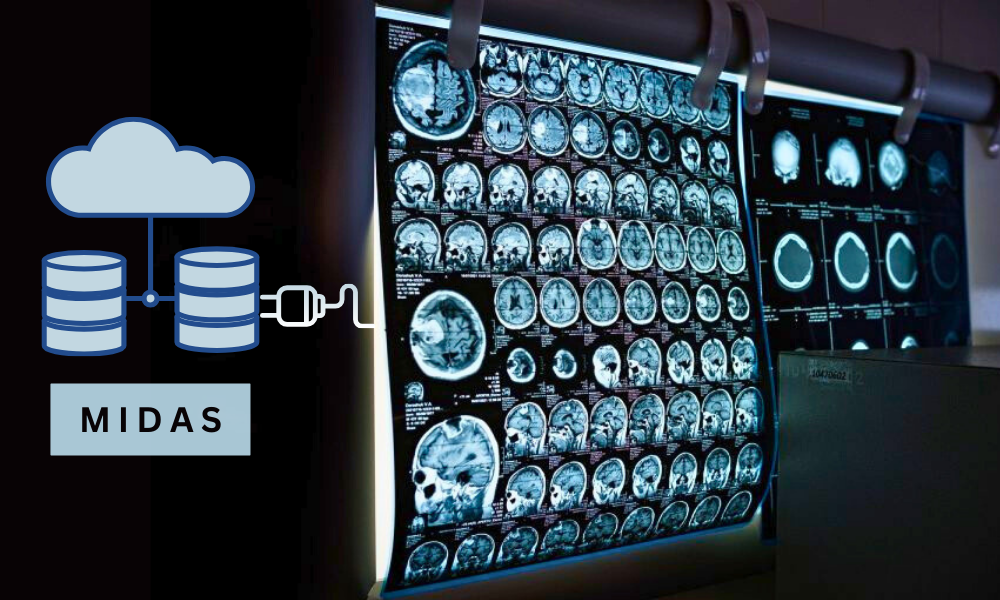
IISc (Indian Institute of Sciences, Bengaluru) and the Indian Council of Medical Research (ICMR) have entered into a collaboration to form — India-MIDAS (Medical Imaging Data Sets), which aims to establish institutional mechanisms for collecting, managing, and facilitating the use of medical imaging data from across India.

Fifteen years ago, a scientific commentary highlighted the shortage of imaging experts in India. Fast forward to years 2023, the situation remains the same. India still has very few radiologists, resulting into longer wait times, and delayed diagnoses and treatments.

While Al has been under a skewed spotlight, its use in medicine is promising. To train Al to diagnose diseases, there is a need for collecting good medical imaging data (X-ray, ultrasound and MRI) . For this reason, IISc and ICMR have collaborated to form 'India-MIDAS'.

To train all these AI models to diagnose diseases, there's a need for data. Not just data, ‘good’ data, explains Debnath Pal, Professor at the Department of Computational and Data Sciences, IISc.

“Good data is that set of data that helps answer your [research or medical] question with minimal failure,” says Debnath Pal. According to Debnath, biology is a complex field, and the data required to answer a question of interest – such as diagnosing a specific disease – should be carefully collected.

There is a need for collecting good medical imaging data, such as CT and MRI scans, and X-ray images, especially from the Indian population.

It is for this reason that IISc and ICMR have come up with the idea of creating India-MIDAS (Medical Imaging Data Sets).

The project is funded by ICMR and will work through a hubs-and-spokes model where IISc is the nodal centre.

Debnath points out that the closest match to this kind of data bank elsewhere is the UK Biobank, a large-scale platform in which carefully curated and anonymised biomedical data from 500,000 participants is made available for researchers studying a variety of diseases and treatments. This includes full body MRI scans, whole genome sequences, dozens of blood biomarkers, data from physical activity monitors, and more. About 10,000 different variables have been collected for each participant, creating a gold mine of data to tap into for research.

The AI and Robotics Technology Park (ARTPARK) at IISc has also been roped in as a technology partner to oversee the building of the platform.

The ICMR-IISc team hopes that their collaboration will bypass existing problems of collecting and preserving good data. More importantly, it will also take steps to ensure patients’ privacy, according to Raghu and Debnath.

Each scan or dataset that will be fed into the database will be anonymised by removing any information that can be used to identify a patient. This is done by assigning coded information to each image, called labelling. Labelling is also important for training AI models that can help scan such images for medical applications.

As a first step in this collaboration, researchers at AIIMS Delhi have already begun collecting images of oral cancer and precancer cases, and labelling them.

The goal is that once all the data is collected and organised, any authorised institution or researcher can put in a request to access the data that they need, whether it is for a study testing the effects of a new treatment for a disease, or a startup trying to build an AI model for diagnosis.

Efforts like these can greatly help the research community at large. For instance, in 2021, the UK Biobank released the whole genome sequences of 200,000 participants, to help researchers uncover links between DNA and disease. In a similar vein, datasets available through MIDAS can accelerate medical research in India using data that represents the Indian population.

More at – IISc.ac.in

Health Ministry Launches MedTech Mitra To Strengthen India's Medical Device Industry

Health Ministry Launches MedTech Mitra To Strengthen India's Medical Device Industry

Union Minister, Health & Family Welfare, Dr. Mansukh Mandaviya has, on Monday, inaugurated "MedTech Mitra," a groundbreaking initiative by ICMR Delhi and Central Drugs Standard Control Organisation (CDSCO), supported by Niti Aayog.

MedTech Mitra will hand-hold innovators and help them in getting regulatory approval. This new platform, along with the recent medical devices policy and the production-linked incentive scheme, will together provide a boost to the medical devices sector and encourage domestic manufacturing of these devices, the minister said.

MedTech Mitra streamlines MedTech R&D with preclinical & clinical support, collaboration initiatives, & funding opportunities. It is a primary step towards building a robust, self-reliant ecosystem for affordable & accessible healthcare in India.

Dr. Mansukh Mandaviya said, "MedTech Mitra is a platform that will help the young talents of the country by holding their hands and giving them final shape to their research, knowledge, logic and help them in getting regulatory approval."

"The medical devices sector is an essential and integral constituent of India’s healthcare sector. Pursuing the vision of Viksit Bharat, India is taking a holistic approach to health with a vision to transform the health landscape in the country by 2047, " added Dr. Mandaviya.

MedTech Mitra will empower emerging start-ups and ensure ease of innovation, ease of doing research and development, ease of rendering service in building an Atmanirbhar Bharat.

Highlighting the fast pace of growth in technology, Dr. Mandaviya added “Due to the developments taking place in sectors like Robotics, Artificial Intelligence, Big Data, Virtual Reality, Nano Technology, the medical device sector is changing rapidly today.”

Lauding the initiative and efforts of the innovators and youth, Dr. Mandaviya stated “There is immense power among the innovators, researchers and start-up youth in the country who know how to do Research and Logic Development. If one gets help at the approval stage itself, then wonders can be achieved which will take India miles ahead in becoming Atmanirbhar and achieving the vision of Viksit Bharat”

Underlining the alignment of MedTech Mitra with the medical devices ecosystem as well as overall boosting the growth and development of health domain, Dr. V.K Paul, Member Health, Niti Aayog, said, “This platform will serve to strengthen India’s commitment to Universal Health Coverage, further consolidating reach of healthcare services to the innermost corners of the nation to become an integral aspect of Viksit Bharat.

Earlier this month, ICMR signed a Memorandum of Agreement with AcSIR (Academy of Scientific and Innovative Research) for a new faculty of "Medical Research" that has been created at AcSIR. This is a significant development towards making AcSIR a multi-disciplinary Research Institution for promotion of cutting-edge research in cross-disciplinary areas. This would provide much needed impetus to the medical research in India.

Biotech Firm Eyestem Partners with RetinAI to Innovate Geographic Atrophy Clinical Research Using State-of-the-Art AI Technology

Biotech Firm Eyestem Partners with RetinAI to Innovate Geographic Atrophy Clinical Research Using State-of-the-Art AI Technology

Eyestem Research, a Bangalore-based biotechnology company specialising in cell therapy approaches, has entered a strategic partnership with Ikerian AG and RetinAI Inc. US (“RetinAI”), a pioneer in clinical and imaging data management software and advanced AI-driven analytics for ophthalmology.

Leveraging RetinAI’s Discovery® platform and AI tools will enable Eyestem to advance in its mission to revolutionise treatment for geographic atrophy with its innovative cell therapy, Eyecyte-RPE™.

This collaboration with RetinAI marks a significant milestone in our journey,” said Dr Jogin Desai, Founder and CEO of Eyestem. “Their sophisticated AI tools and the RetinAI Discovery® platform integrate perfectly with our vision, potentially shortening the timelines for our clinical trials and enhancing the accuracy of our analyses. This is not just a partnership; it’s a confluence of high-end biotech innovation and cutting-edge artificial intelligence aiming to rewrite the narrative for patients affected by geographic atrophy worldwide.”

Dr. Carlos Ciller, CEO of RetinAI, expressed his enthusiasm about the collaboration: “We are excited to partner with Eyestem, known for its forward-thinking approach to biotechnology and cell therapy. Our AI-driven Discovery® platform is poised to significantly accelerate research and provide enhanced insights into disease progression and outcomes. Together, we’re confident that this synergy will not only enrich insights in the development of novel treatments but also manifest in delivering life-altering solutions faster to individuals affected by retinal diseases globally.”

Geographic atrophy, a late-stage form of dry age-related macular degeneration (AMD), is a significant health concern worldwide. Currently, dry AMD affects 200 million individuals globally, contributing to irreversible vision loss. Compounded by an aging population, the prevalence of this serious eye disease is escalating at an alarming rate.

Eyestem is taking a significant step forward by preparing to initiate its Phase I/IIa clinical trials for Eyecyte-RPE™. This multi-centre, dose escalation, and expansion trial aims to assess Eyecyte-RPE™’s safety and efficacy for geographic atrophy. This trial will benefit from RetinAI’s Discovery® platform, which will centralise data management and image analysis for the study. Moreover, RetinAI’s advanced segmentation model will be leveraged for the identification and quantification of retinal biomarkers in geographic atrophy. This automated analysis will provide real-time insights on clinical endpoints, speeding up critical decision-making.

About RetinAI

Established in 2017, Ikerian AG (formerly RetinAI Medical AG) and its subsidiary, RetinAI US Inc., are transforming clinical and pharmaceutical research with cutting-edge machine learning and computer vision. Their collaboration with healthcare experts enhances data analysis for improved research and clinical trials. RetinAI's platform's extensive list of AI models, including for major ophthalmic disorders like Geographic Atrophy, enable detailed analysis of large datasets, offering critical insights into patient demographics and biomarker profiles. This innovation not only expedites informed decision-making but also shifts the healthcare paradigm from reactive to proactive. Discover more of the solutions for pharma here: https://www.retinai.com/solutions/life-sciences-pharma and on their website: www.retinai.com.

About Eyestem

Based in Bangalore and Delaware, Eyestem Research is a clinical-stage biotech company founded by an experienced team in pharmaceuticals, ophthalmology, and cell biology. It's recognised as a top innovator nationwide, earning accolades from Economic Times in 2022. Eyestem has received grants from the Indian Department of Biotechnology and has been celebrated as a successful startup at government events. Backed by global investors, including Switzerland and South Africa, it's supported by prestigious venture capital firms Kotak Investment Advisors and Endiya Partners. Its recent funding came from three major Indian pharmaceutical companies: Alkem Laboratories, NATCO, and Biological E.

GE Healthcare To Develop AI-Assisted Ultrasound Tech; Gets Over $44 Mn Grant from Bill & Melinda Gates Foundation

GE Healthcare To Develop AI-Assisted Ultrasound Tech; Gets Over $44 Mn Grant from Bill & Melinda Gates Foundation

GE HealthCare has announced that it received a grant from the Bill & Melinda Gates Foundation for more than $44 million to create user-friendly, artificial intelligence (AI)-assisted ultrasound imaging auto-assessment tools.

Grant from Bill & Melinda Gates Foundation will facilitate development of AI-assisted applications and tools to enable healthcare professionals with less experience to perform quick and accurate ultrasound scans to help address maternal and fetal health and respiratory diseases

To recall, in February this year GE Healthcare acquired Caption Health, a San Francisco based medtech company that has developed an AI platform that enables heart ultrasound access for early disease detection.

The AI-powered ultrasound technology, for which the GE Healthcare has received the grant, will be developed by Caption Health. The company will design this technology to run across a range of ultrasound devices and probes, including lower-cost handheld devices.

The multimillion grant came shortly after Caption Health had received FDA approval for its first AI tool, which helps clinicians perform heart ultrasounds to spot signs of cardiac disease.

Ultrasound is an essential tool for screening and diagnosis of various medical conditions, including the health of expectant mothers and managing respiratory diseases.

The AI Tools to be developed will seek to aid healthcare professionals—even those without specialized training or experience with ultrasound—with clinical decision information to support more effective obstetric and lung screening ultrasound scans across maternal and fetal care as well as pediatric lung health, with a goal of expanding access to low-and-middle income countries (LMIC) and across diverse sites of care.

Market Reports

Market Report & Surveys
IndianWeb2.com © all rights reserved