Showing posts with label Narendra Modi. Show all posts

How India Anticipated the US Tariff Shock with Aatmanirbhar Bharat Back in 2020

How India Anticipated the US Tariff Shock with Aatmanirbhar Bharat Back in 2020

When Prime Minister Narendra Modi unveiled the Aatmanirbhar Bharat (Self-Reliant India) initiative in May 2020, critics saw it as a pandemic-era slogan. But five years later, as the United States imposes steep tariffs on Indian exports—raising duties to 50% on key sectors—Modi’s vision looks less like a reaction and more like strategic foresight.

The Premonition: Building Resilience Before the Storm

Aatmanirbhar Bharat was never just about domestic pride. It was a calculated pivot toward economic insulation and global leverage. The PM Modi’s five-pillar framework—economy, infrastructure, system, demography, and demand—was designed to:
  • Reduce import dependency
  • Strengthen domestic manufacturing
  • Create export-ready sectors with minimal geopolitical risk
In hindsight, it reads like a blueprint for surviving—and thriving—under external economic pressure.

The Tariff Tsunami: US Strategy in 2025

In August 2025, President Donald Trump’s administration raised tariffs on Indian exports to 50%, targeting textiles, gems, leather, and chemicals. These sectors represent over half of India’s $87B exports to the US. Pharmaceuticals and semiconductors were spared, but the shockwaves were felt across India’s trade corridors.

As of October 2025, the United States and India are on the verge of finalizing a major trade agreement that could dramatically reduce tariffs on Indian exports to the US—from the current 50% down to approximately 15–16%.

Current Tariff Landscape

  • Tariff Rate: US tariffs on Indian goods were raised to 50% in August 2025 under President Donald Trump’s directive.
  • Affected Sectors: Textiles, gems and jewellery, leather, marine products, and chemicals—impacting over 55% of India’s $87B exports to the US.
  • Exempted Sectors: Pharmaceuticals, semiconductors, energy, and critical minerals remain unaffected to preserve supply chain stability.

Strategic Correlation: Aatmanirbhar Bharat as Preemptive Defense

Aatmanirbhar Bharat Pillar 2025 Tariff Impact Strategic Buffer Created
Economy Export slowdown Diversified domestic demand
Infrastructure Supply chain stress Localized logistics hubs
System (Tech & Governance) Trade recalibration Digital trade platforms
Demography Job displacement risk MSME and startup surge
Demand US market volatility “Vocal for Local” campaigns

Defence, Energy, and Digital: Modi’s Strategic Bets Pay Off

  • Defence exports: India’s indigenous missile systems (BrahMos, Akash) now attract global buyers, reducing reliance on US defence imports.
  • Energy diplomacy: India’s gradual pivot from Russian crude—part of the new US-India trade deal—was already underway via renewable investments.
  • Digital infrastructure: India’s startup ecosystem, bolstered by Aatmanirbhar incentives, now powers global SaaS and fintech exports.

The Trade Deal Pivot: From Tariffs to Leverage

At the upcoming ASEAN Summit, India and the US are expected to announce a deal slashing tariffs to ~15–16%. India’s bargaining chip? Its energy realignment and strategic autonomy—both seeded by Aatmanirbhar Bharat.

Final Takeaway: Vision as Strategy

Modi’s 2020 initiative wasn’t just a response to COVID—it was a hedge against future geopolitical shocks. As India negotiates from a position of strength in 2025, Aatmanirbhar Bharat stands vindicated—not as isolationism, but as strategic self-reliance.

India’s Skill Revolution Accelerates: PM Modi Unveils PM-SETU, Felicitates ITI Toppers, Inaugurates 1,200 School Skill Labs

India’s Skill Revolution Accelerates: PM Modi Unveils PM-SETU, Felicitates ITI Toppers, Inaugurates 1,200 School Skill Labs

At a grand ceremony held at Vigyan Bhawan, Hon’ble Prime Minister Shri Narendra Modi presided over the Kaushal Deekshant Samaroh, felicitating 46 All India Toppers from Industrial Training Institutes (ITIs) across the country. This marked the 4th edition of the National Skill Convocation, a unique initiative that was first conceptualised under the inspiration of the Prime Minister to make skill development aspirational.

On the occasion, the Prime Minister also launched PM-SETU (Pradhan Mantri Skilling and Employability Transformation through Upgraded ITIs) — a landmark ₹60,000 crore centrally sponsored scheme to transform 1,000 Government ITIs across India into modern, industry-aligned training institutions.

PM-SETU will follow a hub-and-spoke model, with 200 hub ITIs linked to 800 spoke ITIs. Each hub will be equipped with advanced infrastructure, innovation and incubation centres, production units, training of trainer facilities, and placement services, while the spokes will extend access and outreach. The scheme will:
  • Introduce new, demand-driven courses and revamp existing ones in collaboration with industry;
  • Set up Special Purpose Vehicles (SPVs) with credible Anchor Industry Partners to manage clusters and ensure outcome-based training;
  • Create pathways for long-term diplomas, short-term courses, and executive programs;
  • Strengthen 5 National Skill Training Institutes in - Bhubaneswar (Odisha), Chennai (Tamil Nadu), Hyderabad (Telangana), Kanpur (Uttar Pradesh), Ludhiana (Punjab), as Centres of Excellence with global partnerships.
Under the first phase of PM-SETU, 15 hub-and-spoke ITI clusters have been identified across the country, spanning diverse regions and industrial ecosystems. These include Sonipat (Haryana), Visakhapatnam (Andhra Pradesh), Bijnor and Meerut (Uttar Pradesh), Haridwar (Uttarakhand), Ujjain (Madhya Pradesh), Bengaluru Urban (Karnataka), Bharatpur (Rajasthan), Darbhanga and Patna (Bihar), Hoshiarpur (Punjab), Hyderabad (Telangana), Sambalpur (Odisha), Chennai (Tamil Nadu), and Guwahati (Assam)

Each cluster will serve as a centre of excellence in skills, equipped with advanced infrastructure, modern trades, and industry-led training, creating model ecosystems that can be replicated nationwide.

Adding a transformative step for school education, the Prime Minister also virtually inaugurated 1,200 Vocational Skill Labs set up in 400 Navodaya Vidyalayas and 200 Eklavya Model Residential Schools across 34 States and UTs.

These labs are designed to expose school-going children, including those from rural and tribal areas, to hands-on training in 12 high-demand sectors such as Information Technology, Automotive, Agriculture, Electronics, Logistics, BFSI and Tourism. Each lab is equipped with modern machinery, digital tools and simulation-based learning modules. In line with NEP 2020 and the CBSE curriculum, 1,200 vocational teachers have been trained to deliver industry-relevant learning, building an early pipeline of future-ready talent. This initiative will ensure that skilling starts at the school level, empowering students to explore multiple career pathways early in life.

In his address, Hon’ble Prime Minister Shri Narendra Modi underscored the central role of Industrial Training Institutes in shaping India’s skilled workforce. He said –
ITIs are not only premier institutions of industrial education, they are also the workshops of an Atmanirbhar Bharat.” He noted that these institutes are nurturing millions of young Indians with practical knowledge and employable skills, turning them into confident contributors to the nation’s economy. The Prime Minister emphasised that as India marches towards becoming a skill-based economy, ITIs will remain the bedrock of this transformation, equipping youth with the tools to thrive in a rapidly evolving global market.

Speaking on the occasion, Hon’ble Minister of State (Independent Charge) for Skill Development & Entrepreneurship and Minister of State for Education, Shri Jayant Chaudhary, said: “Today, Hon’ble Prime Minister has given a clear message to India’s youth — focus on your skills, pursue quality education and keep moving forward with confidence. Eleven years ago, when he created a dedicated Ministry of Skill Development & Entrepreneurship, he laid the strong foundation for a Viksit Bharat. With initiatives like Kaushal Deekshant Samaroh, PM-SETU and the Skill Labs, we are carrying forward that vision to empower every young Indian to become self-reliant, capable and globally competitive.

These announcements reaffirm the Government’s commitment to transforming India into a skill-based economy, preparing youth for opportunities in India and across the world, and accelerating the journey towards Viksit Bharat @2047.

PM Modi Unveils World’s First Bamboo-Based Ethanol Plant in Assam

PM Modi Unveils World’s First Bamboo-Based Ethanol Plant in Assam

Prime Minister Narendra Modi has inaugurated the world’s first bamboo-based second-generation bioethanol plant at Numaligarh in Assam’s Golaghat district on September 14, 2025. This ₹5,000-crore facility is a landmark in India’s push for cleanenergy and rural development.

Key Highlights
  • Zero-Waste Facility: Utilizes every part of the bamboo plant to produce ethanol, acetic acid, furfural, and food-grade CO₂.
  • Annual Input: Sources 5 lakh tonnes of green bamboo from four northeastern states, including Assam and Arunachal Pradesh.
  • Economic Impact: Expected to inject ₹200 crore annually into Assam’s rural economy and benefit over 50,000 people directly and indirectly.
  • Strategic Partnership: Joint venture between Numaligarh Refinery Limited (NRL), Finland’s Fortum, and Chempolis OY.
  • Energy Vision: Modi emphasized the plant’s role in reducing fossil fuel dependence and achieving energy self-sufficiency under the Viksit Bharat vision.

Beyond Ethanol

PM Modi Unveils World’s First Bamboo-Based Ethanol Plant in Assam

PM Modi also laid the foundation stone for a ₹7,230-crore polypropylene plant nearby, aimed at reducing India’s import dependency and boosting local manufacturing.

Modi’s Message

“India is one of the fastest-growing economies. Our energy needs are rising, and we must reduce dependence on imports. This bamboo-based ethanol plant is a step toward self-reliance and clean energy.”

This project not only marks a technological milestone but also repositions Assam as a hub for sustainable industrial innovation.

India Expands Astronaut Pool to Include Women and Civilians in Bold Space Push

India Expands Astronaut Pool to Include Women and Civilians in Bold Space Push

In a landmark move to democratize space exploration, India will now include women and professionals from diverse backgrounds in its astronaut pool, breaking away from its earlier reliance solely on Indian Air Force pilots. The announcement was made by Prime Minister Narendra Modi during his address on National Space Day, marking a new chapter in the country’s human spaceflight ambitions.

Prime Minister Modi addressed the country on the National Space Day, August 23, 2025. He announced plans to form a diverse astronaut pool and emphasized the need for 40–50 trained astronauts to support future missions like Gaganyaan, the Bharatiya Antariksh Station, and a manned Moon mission.

From Air Force to All Walks of Life

Until now, India’s astronaut training was limited to elite Air Force personnel. The first batch for the Gaganyaan mission—Group Captains Shubhanshu Shukla, Prashanth Nair, Angad Pratap, and Ajith Krishnan—underwent rigorous training in Russia and India. However, ISRO officials confirmed that future selections will be open to women and civilians, reflecting global trends in space participation.

"The astronaut pool will not be restricted to the Air Force alone. It will have people from all walks of life,” said a senior ISRO official. Globally, it’s not just researchers but also entrepreneurs who are travelling to space.

Vision for Human Spaceflight

The initiative aligns with India’s long-term space roadmap:
  • Gaganyaan Mission: First crewed flight expected by 2027
  • Bharatiya Antariksh Station: Indigenous space station planned by 2035
  • Manned Moon Mission: Targeted for 2040
PM Modi emphasized the need for a ready pool of 40–50 astronauts to support sustained missions and invited youth to join this national endeavor.

A New Era of Inclusivity

The decision to diversify the astronaut pool is seen as a major step toward inclusivity and innovation in India’s space program. It also fulfills a promise made by Modi in his 2018 Independence Day speech: “An Indian boy or girl will unfurl the Tricolour in space."

In my conversation with Group Captain Shubhanshu, I saw the boundless courage and infinite dreams of the youth of New Bharat. On this Space Day, I invite my young friends to join this astronaut pool and give wings to the dreams of Bharat. – PM Modi

Global Context

India joins a growing list of nations expanding astronaut eligibility beyond military ranks. NASA, ESA, and private companies like SpaceX have already sent scientists, engineers, and even artists into orbit.

Modi’s Message on Indigenous Defense Wipes Billions from Chinese Stocks


Chinese defence stocks, including China Aerospace Times Electronics, AVIC Aircraft, and Bright Laser Technologies, have been experiencing a sharp decline following Prime Minister Narendra Modi's speech. The Hang Seng China A Aerospace & Defence Index dropped for the second consecutive session, losing 1.3%, with individual stocks falling between 1% and 4%.

One of the most notable declines was Avic Chengdu Aircraft, the manufacturer of J-10 fighter jets, which saw its share price plummet over 9% in two days. This downturn comes after India's Operation Sindoor, which showcased the effectiveness of indigenous defence systems like the Akash Surface-to-Air Missile (SAM) and electronic warfare systems.

PM Modi emphasized that Pakistan's drones and missiles were neutralized by India's air defence systems, reinforcing confidence in India-made defence equipment.

The Prime Minister's address reinforced confidence in India-made defense equipment, stating that Pakistan's drones and missiles were neutralized by India's air defense systems. This has led to investor skepticism about the reliability of Chinese defense exports.

Investors are reassessing the credibility of Chinese defense exports, especially after India's strong pushback against misinformation regarding airbase attacks. This has resulted in Chinese defense stocks tumbling upto now 9%.

The Hang Seng China A Aerospace & Defence Index has been on a downward trajectory, with major Chinese defense firms experiencing losses between 1% and 4.5%.

The market reaction suggests a shift in investor sentiment, with Indian defence stocks rallying while Chinese defence exporters face uncertainty.


PM Modi and Musk Discuss Expanding India's Tech Frontiers with AI, Space, and Digital Innovation

PM Modi and Musk Discuss Expanding India's Tech Frontiers with AI, Space, and Digital Innovation

Prime Minister Narendra Modi and Elon Musk recently connected over a phone call where they discussed the immense potential for collaboration in the areas of technology and innovation.

The conversation revisited some of the points they had touched upon during their earlier meeting in Washington, D.C., emphasizing the shared vision of leveraging cutting-edge technology to accelerate digital transformation and boost economic growth in India.

The dialogue comes at a time when Musk’s companies, notably Tesla and Starlink, are actively exploring opportunities to expand their presence in the Indian market.

PM Modi posted on X saying —
Spoke to @elonmusk and talked about various issues, including the topics we covered during our meeting in Washington DC earlier this year. We discussed the immense potential for collaboration in the areas of technology and innovation. India remains committed to advancing our partnerships with the US in these domains.

"It was an honor to speak with PM Modi. I am looking forward to visiting India later this year!," Musk posted on X in a response to Modi’s post.

Tesla is reportedly in discussions with Indian officials about the possibility of setting up a local factory, while Starlink—through its parent company SpaceX—is eyeing an expansion of its satellite internet services and has already partnered with Indian telcos airtel and Jio. This strategic engagement underscores India's commitment to advancing its technological capabilities and fostering deep ties with global innovation leaders, which could have a transformative impact on the nation’s tech ecosystem.

Musk To Visit India

PM Modi and Musk Discuss Expanding India's Tech Frontiers with AI, Space, and Digital Innovation

Elon Musk has announced that he will visit India later this year following a conversation with Prime Minister Narendra Modi. Their discussion focused on potential collaborations in technology and innovation, reinforcing India's commitment to advancing partnerships with the U.S. in areas like AI, space exploration, and digital connectivity.

This visit comes as Tesla prepares to enter the Indian market, with reports suggesting that the company will begin selling electric vehicles in Mumbai, Delhi, and Bangalore by the third quarter of 2025. Additionally, Starlink is working on securing regulatory approvals to launch satellite internet services in India, aligning with the government's push for enhanced digital infrastructure.

Musk's engagement with India signals growing ties between his ventures and the Indian government.

PM Modi Lays Foundation Stone for NTPC’s 800 MW Sipat-III in Chhattisgarh

PM Modi Lays Foundation Stone for NTPC’s 800 MW Sipat-III in Chhattisgarh

Hon’ble Prime Minister Shri Narendra Modi today laid the foundation stone for NTPC’s Sipat Super Thermal Power Project Stage-III (1x800MW) in Bilaspur, Chhattisgarh.

The project is being constructed with an investment of Rs 9791 Crore to supply affordable and reliable power to Chhattisgarh as home state and other beneficiary states, such as Gujarat, Madhya Pradesh, Maharashtra & Goa.

Hon’ble Prime Minister laid the foundation stone and dedicated to the nation multiple developmental and transformative projects related to Power, Oil & Gas, Rail, Road, Education and Rural Housing worth more than Rs 33,700 crore at a public programme in Bilaspur, Chhattisgarh in the presence of Hon’ble Governor of Chhattisgarh Shri Ramen Deka, Hon’ble Chief Minister Shri Vishnu Dev Sai, Hon’ble Union Minister of Power and Housing & Urban Affairs Shri Manohar Lal, Hon'ble Speaker of Chhattisgarh Legislative Assembly Dr Raman Singh, Hon’ble Minister of State for Housing & Urban Affairs Shri Tokhan Sahu, Hon’ble Ministers of the Govt of Chhattisgarh and Hon’ble MPs and MLAs.

The pit-head power project of NTPC Sipat is based on the latest state-of-the-art Ultra-Supercritical Technology with highest power generation efficiency. The commissioning of Sipat III – (1x800 MW) power plant will bring the total installed capacity of Sipat STPS to an impressive 3,780 MW.

The project highlights NTPC’s commitment to sustainable development, energy security and socio-economic growth. By advancing Chhattisgarh’s power infrastructure, the project is set to elevate the state as a leading player in India’s development journey, while fuelling its broader economic progress and shaping a brighter future for its people.

Elon Musk Likely to Call on PM Modi for Tesla in India

Elon Musk Likely to Call on PM Modi for Tesla in India

Elon Musk is expected to meet with Indian Prime Minister Narendra Modi next week during Modi's visit to the United States. Musk is anticipated to discuss Tesla's entry into the Indian market, seeking a level-playing field with domestic carmakers and possibly early approval for Starlink to begin operations in India.

It's an important development for the future of electric vehicles and internet services in India.

Elon Musk is expected to meet Prime Minister Modi during Modi's visit to the United States from February 12 to 14.

Since PM Modi's last interaction with Elon Musk, the SpaceX and Tesla promoter now holds the position of a "special government employee" under President Donald Trump's administration. This designation allows him to work for the federal government without being a full-time employee or receiving a paycheck. Musk has been granted broad latitude to reduce the size of the federal government and has access to sensitive payment systems at the US Treasury Department.

Musk is likely to push for a level-playing field for Tesla in India, seeking lower import duties on fully built electric cars. He may also seek early approval for Starlink, a satellite-based broadband Internet service, to begin operations in India.

Tesla is exploring options to enter the Indian market and is considering launching a low-cost electric car model by June this year, with potential introduction in India by 2025.

Musk may seek more time to consider manufacturing in India due to a slowdown in EV sales globally and stiff competition from Chinese EV Makers.

Musk is also likely to discuss forging a deeper collaboration with the Indian Space Research Organisation (ISRO).

Musk leads the Department of Government Efficiency (DOGE), which focuses on cutting costs and streamlining federal operations. This role has raised concerns about potential conflicts of interest and the extent of his influence over public policy.

Modi Govt Approves ISRO's New Launch Pad Valued at $480 Mn

Modi Govt Approves ISRO's New Launch Pad Valued at $480 Mn

The Union Cabinet, chaired by Prime Minister Narendra Modi, has approved the establishment of a new and Third Launch Pad (TLP) of Indian Space agency, ISRO, at the Satish Dhawan Space Centre (SDSC) in Sriharikota, Andhra Pradesh.

This project is valued at Rs 3,984 crore (US $480 Million) and is expected to be completed within 48 months or 4 years.

The project cost includes the establishment of the Launch Pad and the associated facilities.

Currently, Indian Space Transportation Systems are completely reliant on two launch pads viz. First Launch Pad (FLP) & Second Launch Pad (SLP). FLP was realized 30 years ago for PSLV and continues to provide launch support for PSLV & SSLV.

The Second Launch Pad (SLP) at the Satish Dhawan Space Centre (SDSC) in Sriharikota, Andhra Pradesh was established in 2005. It was primarily built to support the Geosynchronous Satellite Launch Vehicle (GSLV) and LVM3 launch vehicles, and it also functions as a standby for the First Launch Pad (FLP).

Key Points of new Third Launch Pad (TLP):

Purpose: The new launch pad will support ISRO's Next Generation Launch Vehicles (NGLV) and serve as a standby for the existing Second Launch Pad.

Capacity Enhancement: This will significantly enhance ISRO's launch capacity, enabling more frequent and complex missions.

Future Missions: The TLP will support upcoming human spaceflight missions and the Bharatiya Antariksh Station (BAS), India's planned space station.

Design: The launch pad will have a universal and adaptable configuration to support various launch vehicles, including the LVM3 vehicles with semicryogenic stages.

This development marks a significant step in strengthening India's space infrastructure and expanding its capabilities in space exploration.

Over Half A Lakh Youth To Get Appointment Letter from PM Modi Tomorrow

Over Half A Lakh Youth To Get Appointment Letter from PM Modi Tomorrow

Prime Minister Narendra Modi will distribute over 51,000 appointment letters to newly appointed youth on October 29, 2024, through video conferencing. This event is part of the Rozgar Mela, which highlights the government's commitment to prioritizing employment generation and empowering the youth with meaningful opportunities to contribute to nation-building.

The Rozgar Mela will be organized at 40 locations nationwide, with new recruits joining various Central Government Ministries and Departments, such as the Department of Revenue, Department of Higher Education, Ministry of Home Affairs, Ministry of Defence, and Ministry of Health and Family Welfare.

The newly appointed recruits will also have the opportunity to undertake foundational training through Karmayogi Prarambh, an online module available on the iGOT Karmayogi portal, which offers over 1400 e-learning courses to equip them with essential skills.

This initiative is a significant step towards building a Viksit Bharat (Developed India) and providing the youth with the tools they need to serve effectively in their roles.

Over 700 Rozgar Melas have been organized across 28 states and union territories, with more than 2.18 lakh registrations and around 93 thousand candidates selected by private companies.

The Rozgar Mela is a significant initiative by the Indian government to boost employment opportunities for the youth. Organized by the National Skill Development Corporation (NSDC) under the Ministry of Skill Development and Entrepreneurship, these events bring together job seekers and employers for a day of interviews and applications.

Typically, the event caters to youth aged 18-35 with various academic qualifications, from 8th grade to graduates.

PM Modi and Spanish PM Pedro Sanchez Jointly Inaugurate TATA Aircraft Complex for Manufacturing C-295 Aircraft in Vadodara, Gujarat

PM Modi and Spanish PM Pedro Sanchez Jointly Inaugurate TATA Aircraft Complex for Manufacturing C-295 Aircraft in Vadodara, Gujarat

  • The C-295 Aircraft facility in Vadodara reinforces India's position as a trusted partner in global aerospace manufacturing:PM
  • Make in India, Make for the World:PM
  • The C-295 aircraft factory reflects the new work culture of a New India:PM
  • India's defence manufacturing ecosystem is reaching new heights:PM
The Prime Minister, Shri Narendra Modi and the Prime Minister of Spain, Mr Pedro Sanchez jointly inaugurated the TATA Aircraft Complex for manufacturing C-295 aircraft at TATA advanced systems limited (TASL) Campus in Vadodara, Gujarat today. Both Prime Ministers also took a walkthrough of the exhibition showcased on the occasion.

Addressing the gathering, the Prime Minister remarked that it is the Prime Minister of Spain, Mr Pedro Sanchez’s first visit to India and the partnership between the two countries is finding a new direction today. Noting the inauguration of the TATA Aircraft Complex for manufacturing C-295 aircraft, the Prime Minister said that it would not only strengthen the relations between the two nations but also give momentum to the mission of ‘Make in India, Make for the World’. Shri Modi conveyed his best wishes to the entire team of Airbus and TATA on the occasion. The Prime Minister also paid his tributes to Late Shri Ratan Tata ji.

The Prime Minister underlined that the factory of C295 aircraft is a reflection of the new work culture of New India and said that India’s speed from idea to the execution of any project in the country can be witnessed here. Recalling the foundation stone laying of the factory in October 2022, the Prime Minister said that the facility is now ready for production of C295 aircrafts.

Emphasizing the focus on eliminating unaccounted delays in the planning and execution of projects, the Prime Minister recalled the setting up of Bombardier Train Coach manufacturing facility in Vadodara as the Chief Minister of Gujarat and said that factory was ready in record time for production. “Metro Coaches made in this factory are being exported to other nations today”, he added. Shri Modi expressed confidence that the aircrafts made in today’s inaugurated facility would also be exported.

Quoting the famous Spanish poet, Antonio Machado, the Prime Minister remarked that as we start treading towards the goal, the path towards the goal is created automatically. Noting that India’s defence manufacturing ecosystem was scaling new peaks today, Shri Modi said that if concrete steps were not taken 10 years ago then it would have been impossible to reach this destination today. He added that a decade ago, the priority and identity of defence manufacturing were about import and none could imagine that defence manufacturing could take place on such a large scale in India. The Prime Minister remarked that the Government decided to walk on a new path, set new goals for India, whose results are evident today.

The Prime Minister said that India’s transformation of the defense sector exemplifies how a right plan and partnership can turn possibilities into prosperity. He underlined that strategic decisions have spurred the growth of a vibrant defense industry in India over the last decade. “We expanded private sector participation in defense manufacturing, made public sector units more efficient, restructured ordnance factories into seven major companies, and empowered DRDO and HAL”, said Shri Modi.

He said establishing defense corridors in Uttar Pradesh and Tamil Nadu infused new energy into the sector. Touching upon iDEX (Innovation for Defence Excellence) scheme, the Prime Minister said that it has driven the growth of around 1,000 defense startups in the past five to six years. He informed that India’s defense exports have increased 30 times over the past decade, with the country now exporting equipment to over 100 countries.

The Prime Minister laid emphasis on skilling and job creation and said that projects like the Airbus-Tata factory will create thousands of jobs. He said that the factory will support indigenous manufacturing of 18,000 aircraft parts, providing immense opportunities for MSMEs across India. Noting that India is one of the biggest suppliers of parts for the world's major aircraft companies even today, Shri Modi said that the new aircraft factory will give a big boost to new skills and new industries in India.

The Prime Minister underlined that he was looking at today's program beyond the manufacturing of transport aircraft. Highlighting the unprecedented growth and transformation of India's aviation sector in the last decade, Shri Modi remarked that India was providing air connectivity to hundreds of small cities in the country, while simultaneously working to make India a hub of aviation and MRO domain. He added that this ecosystem will also pave the way for Made in India civil aircraft in the future. Noting that various Indian airlines have ordered 1200 new aircraft, Shri Modi said that this only meant the newly inaugurated factory will play a major role from designing to manufacturing civil aircraft to meet the needs of India and the world in the future.

Noting that Vadodara City was a stronghold of MSMEs, Shri Modi remarked that the city will act as a catalyst in these efforts of India. He added that the city also had a Gatishakti University, which was preparing professionals for different sectors of India. The Prime Minister also noted that there were many companies related to many sectors like the pharma sector, Engineering and Heavy Machinery, Chemicals and Petrochemicals, Power and Energy Equipment in Vadodara. He added that now this entire region was also going to be a major hub of aviation manufacturing in India. Shri Modi congratulated the Government of Gujarat and its Chief Minister Bhupendra Patel and his entire team for their modern industrial policies and decisions.

Noting that Vadodara was also an important cultural city of India, Shri Modi said he was elated to welcome all the friends from Spain. “The cultural connect between India and Spain has its own importance”, stated the Prime Minister. He remarked that Father Carlos Valle had come from Spain and settled in Gujarat and spent fifty years of his life. He further added that Father Valle had enriched the culture with his thoughts and writings. Shri Modi stated that he also had the good fortune of meeting Father Valle and the Government of India honored him with Padma Shri for his great contribution.

Shri Modi noted that yoga was highly popular in Spain too and Spanish football was also liked in India. Remarking about the football match between Real Madrid and Barcelona clubs which took place yesterday, Shri Modi said that Barcelona's great victory was a topic of discussion in India too and the fervor of the fans of both the clubs was same in India as it is in Spain. Throwing light on India and Spain’s multifaceted partnership, the Prime Minister said, “Whether it's food, films, or football, our strong people-to-people connect has always strengthened our ties.” Shri Modi expressed happiness that India and Spain have decided to celebrate 2026 as the India-Spain Year of Culture, Tourism, and AI.


Concluding the address, the Prime Minister expressed confidence that today's event will inspire many new joint collaboration projects between India and Spain. He extended an invitation to the Spanish industry and innovators and encouraged them to come to India and become partners in the country's development journey.

Under the C-295 program, a total of 56 aircrafts are to be delivered out of which 16 are being delivered directly by Airbus from Spain and remaining 40 are to be made in India.

Tata Advanced Systems Ltd is responsible for making these 40 aircrafts in India. This facility becomes the first private sector Final Assembly Line (FAL) for military aircraft in India. It will involve the full development of a complete ecosystem from the manufacture to assembly, test and qualification, to delivery and maintenance of the complete lifecycle of the aircraft.

Apart from Tatas, leading defence public sector units such as Bharat Electronics Ltd. and Bharat Dynamics Ltd, as well as private Micro, Small and Medium Enterprises will contribute to this program. Earlier in October 2022, Prime Minister had laid the foundation stone for the Vadodara Final Assembly Line (FAL).

PM Modi To Launch 1st Truly Private Make in India Aerospace Assembly Line, Today

PM Modi To Launch 1st Truly Private Make in India Aerospace Assembly Line, Today

  • 2026 Will Mark A New Era
  • C-295 – 1st Made in India Military Aircraft To Roll Out in 2026 From Vadodara
Prime Minister Narendra Modi, along with his Spanish counterpart Pedro Sanchez, is set to inaugurate India's first private sector final assembly line for military aircraft. This significant event will take place at the Tata Advanced Systems Ltd. (TASL) facility in Vadodara, Gujarat, on October 28, 2024.

Set to be a complete example of Atmsnirbharta, the C-295 Manufacturing plant will be a Powerhouse for jobs with direct employment of 3000+ at various sites, and over 15000 indirect employment, 1 million+ hours of labor effort per aircraft by TASL & suppliers.

Key Highlights:

Aircraft: The facility will produce 40 C-295 military tactical transport aircraft in collaboration with Airbus Spain.

Make in India: This project is a flagship initiative under the Make in India program, marking the first instance of a complete military aircraft being manufactured in India by a private company.

Operational Timeline: The first C-295 aircraft from this facility is expected to be delivered by September 2026, with the final aircraft set to be handed over by August.

Capabilities: The C-295 aircraft can transport up to nine tonnes of cargo or up to 71 soldiers and is suitable for various missions, including maritime surveillance, medical evacuations, and disaster relief.

The C-295 Aircraft
The C-295 Aircraft

This project is a significant milestone for India's aerospace sector, enhancing the country's defense capabilities and promoting self-reliance in military manufacturing.

From Stick Holding Depot in Prayagraj to Training Centre at Air Force Station, Agra, the project will expand India's aviation ecosystem as besides the Vadodara's new assembly line it will also boost local industries.

Moreover, the Indian Air Force (IAF) will be inducting the C-295 aircraft. The IAF has already received six C-295 aircraft from Spain, which were delivered in flyaway condition. The remaining 40 aircraft will be manufactured in India by Tata Advanced Systems Ltd (TASL) at the new assembly line in Vadodara 2 The first domestically produced C-295 is expected to roll out in September 2026, with the final aircraft to be delivered by August 2031.

The C-295 aircraft will replace the aging Avro-748 planes and enhance the IAF's tactical transport capabilities.

PM Modi Dedicates India Three Supercomputers and An HPC System for Climate Research

PM Modi Dedicates India Three Supercomputers and An HPC System for Climate Research

Prime Minister Shri Narendra Modi dedicates to nation three PARAM Rudra Supercomputers via video conferencing

Inaugurates High-Performance Computing (HPC) system tailored for weather and climate research

Prime Minister Narendra Modi has dedicated three PARAM Rudra supercomputers to the nation via video conferencing. These supercomputers, developed under the National Supercomputing Mission (NSM) at a cost of around ₹130 crore, have been deployed in Pune, Delhi, and Kolkata.

The PARAM Rudra supercomputers are designed to facilitate advanced research in fields such as physics, earth sciences, and cosmology.

Additionally, a High-Performance Computing (HPC) system tailored for weather and climate research was also inaugurated. This initiative marks a significant step towards self-reliance in computing and driving innovation in science and technology in India.

This project represents an investment of Rs. 850 crore, marking a significant leap in India's computational capabilities for meteorological applications. Located at two key sites, the Indian Institute of Tropical Meteorology (IITM) in Pune and the National Center for Medium Range Weather Forecast (NCMRWF) in Noida, this HPC system has extraordinary computing power.

The new HPC systems are named 'Arka' and 'Arunika,' reflecting their connection to the Sun. These high-resolution models will significantly enhance the accuracy and lead time of predictions related to tropical cyclones, heavy precipitation, thunderstorms, hailstorms, heat waves, droughts, and other critical weather phenomena.

Addressing the occasion, the Prime Minister said that today marks a huge achievement in the field of science and technology for India and is a reflection of the nation’s progress by prioritizing research and development. “Today’s India is carving new opportunities in the endless horizon of possibilities”, the Prime Minister remarked. The Prime Minister mentioned the development of three PARAM Rudra Supercomputers by India’s scientists and their installation in Delhi, Pune and Kolkata, and also spoke about the inauguration of ‘Arka’ and ‘Arunika’, a High-Performance Computing (HPC) system tailored for weather and climate research. The Prime Minister conveyed his best wishes to the entire scientific community, engineers and all citizens.

The Prime Minister dedicated the three PARAM Rudra Supercomputers to the youth of the nation as he recalled granting 25 extra days apart from the 100 days towards youth at the onset of the third term. He underlined that these supercomputers will play a crucial role towards making such state-of-the-art technology available to young scientists in the country and highlighted its usage in aiding advanced research in the fields of physics, earth sciences and cosmology. Such sectors, the Prime Minister said, envision the future of science and technology.

The Real Reason Behind Demonetization 2016 in India

The Real Reason behind Demonetization of 2016 in India

India’s demonetization in 2016 was a significant economic move announced by Prime Minister Narendra Modi on November 8, 2016. One of the main objectives was to tackle the issue of black money in the economy. The government aimed to bring unaccounted wealth into the formal banking system.

The production and smuggling of fake Indian currency notes (FICN) have been significant issues, with India's two closest neighbours— Pakistan and Banglades being implicated in these activities, so much so that a significant portion of both these countries' economy were dependent on FICN.

The demonetization move was also aimed at eliminating counterfeit currency or FICN, which was believed to be used for funding illegal activities, including terrorism.

Pakistan has been a major source of high-quality counterfeit Indian currency. The Inter-Services Intelligence (ISI) of Pakistan is often cited as being involved in these operations. Fake currency from Pakistan is typically smuggled into India through various routes, including a couple of digital payment companies and some national banks where illegal migrants and intruders were already employed to help circulating FICN or counterfeit Indian currency, as well as via direct borders and transit points in Nepal and Bangladesh.

Around 2016-17, Bangladesh replaced Pakistan as hub of fake Indian currency as there have been numerous seizures of counterfeit notes at the India-Bangladesh border, with significant quantities being confiscated. Bangladeshi syndicates have been using sophisticated methods and materials, sometimes smuggling paper from countries like Saudi Arabia and Malaysia to closely match the consistency of genuine Indian notes.

Soon after demonetisation announcement by PM Modi, Pakistan economy started crashing and ironically, the FICN dependent entities in India faced the heat sooner than Pakistan & Bangladesh, which include real estate builders, film production houses, and one or two aviation companies, said a big Indian conglomerate's employee who was aware of this 2016-17 scenario but she doesn't wants to be named.

In early 2023, Bangladesh too started facing severe inflation and a significant drop in the value of the Bangladeshi Taka.

Many of the real estate projects in and around Delhi/Gurgaon, which were directly/indirectly related to the two countries, were halted as the demonetization badly affected the fake currency circulation. This was evident to prove that these were apparently sponsored by FICN activities in Pakistan & Bangladesh.

By reducing the cash circulation, the Modi government intended to lower corruption levels, as cash transactions are often linked to corrupt practices. The move was also aimed at eliminating counterfeit currency, which was believed to be used for funding illegal activities, including terrorism.

In addition, promoting Digital Transactions was another goal of the Modi government to encourage digital and cashless transactions, thereby increasing transparency and reducing the reliance on cash.

The demonetization was also seen as a measure to cut off funding for terrorist activities by invalidating high-denomination notes that could be used for such purposes.
The immediate aftermath saw significant disruption, including cash shortages and long queues at banks. However, it also led to an increase in digital transactions and brought a large amount of money back into the banking system.

The counterfeit currency operations often involve complex international networks, with routes passing through countries like Sri Lanka and Dubai before reaching India. Indian authorities, including the Border Security Force (BSF) and the National Investigation Agency (NIA), have been actively working to combat these activities, leading to several significant busts and arrests.

PM Modi Inaugurates the SEMICON 2024 Conference; Key Takeaways from the SemiCon Speech

PM Modi Inaugurates the SEMICON 2024 Conference; Key Takeaways from the SemiCon Speech

Prime Minister Narendra Modi inaugurated the SEMICON India 2024 conference today at the India Expo Mart in Greater Noida. This three-day event, running from September 11 to 13, aims to position India as a global hub for semiconductor manufacturing and technology. The theme for this year's conference is "Shaping the Semiconductor Future".

The conference will feature over 250 exhibitors and 150 speakers from around the world, showcasing India's semiconductor strategies and policies². PM Modi emphasized India's potential to become a reliable partner in the global semiconductor supply chain and assured stable and predictable policies to support the industry's growth.


In his speech at the SEMICON India 2024 conference, PM Modi highlighted several key points:

1. India's Semiconductor Vision: He emphasized India's ambition to become a global semiconductor hub, leveraging its talent pool and favorable policies.

2. Government Support: Modi assured that the government would provide stable and predictable policies to support the semiconductor industry, including incentives for manufacturing and research.

3. Global Partnerships: He stressed the importance of international collaborations and partnerships to strengthen India's position in the global semiconductor supply chain.

4. Innovation and Talent: The Prime Minister highlighted the need for innovation and skill development, encouraging investments in education and training to build a robust semiconductor ecosystem.

5. Sustainability: Modi also touched upon the importance of sustainable practices in semiconductor manufacturing, aligning with global environmental goals.

These points reflect India's strategic focus on becoming a key player in the semiconductor industry.

PM Modi Inaugurates the SEMICON 2024 Conference; Key Takeaways from the SemiCon Speech


India has been actively developing policies to boost its semiconductor industry.

India Semiconductor Mission (ISM) is an initiative that aims to build a robust semiconductor and display ecosystem in India. It provides fiscal support for setting up semiconductor fabs, display fabs, and other related facilities.

The Production-Linked Incentive (PLI) Scheme offers financial incentives to companies that set up semiconductor manufacturing units in India. The goal is to attract global semiconductor companies to invest in India.

Design-Linked Incentive (DLI) Scheme focuses on promoting semiconductor design companies by providing financial support for their projects.

Besides, India has signed agreements with countries like the US and Japan to enhance bilateral collaboration on semiconductor supply chains.

Top Singapore CEOs Meet PM Modi To Pledge Investment In India

Top Singapore CEOs Meet PM Modi To Pledge Investment In India

Prime Minister Narendra Modi recently met with top business leaders from Singapore during his visit. The CEOs from prominent Singaporean companies, including Blackstone Singapore, Temasek Holdings, Sembcorp Industries Limited, CapitaLand Investment, ST Telemedia Global Data Centers, and Singapore Airlines, pledged their commitment to invest in India.

Prime Minister Narendra Modi met his Singapore counterpart, Lawrence Wong, and the two countries signed 4 Memorandum of Understanding (MoUs).

This meeting underscores the strong interest in India as a leading investment destination and highlights the strategic initiatives being undertaken to boost bilateral trade and economic growth. The areas of investment discussed span a wide range of sectors, including infrastructure, real estate, data centers, and aviation.


It's an exciting development for India's economic landscape. The commitment from top Singaporean CEOs to invest in India is likely to have several positive impacts on India's economy:

1. Boost in Foreign Direct Investment (FDI): Increased FDI can lead to more capital inflow, which can be used for infrastructure development, technology upgrades, and other critical sectors.

2. Job Creation: New investments often lead to the creation of jobs, which can help reduce unemployment and improve the standard of living.

3. Technological Advancements: Investments in sectors like data centers and aviation can bring in advanced technologies and best practices, fostering innovation and efficiency.

4. Economic Growth: Enhanced investment can stimulate economic activities, leading to higher GDP growth.

5. Strengthening Bilateral Relations: Such commitments can strengthen economic ties between India and Singapore, leading to more collaborative projects and mutual benefits.

Overall, these investments can significantly contribute to India's economic development and global competitiveness.

PM Modi Calls For A Stronger 'Design In India' Initiative

PM Modi Calls For A Stronger 'Design In India' Initiative

During his Independence Day address, Prime Minister Narendra Modi emphasized the importance of enhancing India's design capabilities with the new initiative, "Design in India, Design for the World". This initiative aims to build on the success of the "Make in India" campaign by focusing on developing strong indigenous design capabilities that cater to both domestic and international markets.

PM Modi highlighted the significant strides India has made in manufacturing, particularly in sectors like mobile phones and semiconductors. He urged state governments to create policies that attract investments and ensure good governance¹. The goal is to position India as a global manufacturing hub, reducing dependency on imports and enhancing technological self-sufficiency.

The "Design in India, Design for the World" initiative is a visionary step by PM Modi to elevate India's design and manufacturing capabilities on a global scale. It aims to build on the success of the "Make in India" campaign by focusing on creating products that are not only made in India but also designed here, with a global market in mind.

Key components of this initiative include:

Developing Indigenous Design Capabilities: Strengthening local design expertise to create competitive products.

Promoting Innovation and R&D: Encouraging research and development to foster innovation across various sectors.

Investing in Infrastructure: Building advanced infrastructure to support design and manufacturing.

Skill Development: Training and upskilling the workforce to meet the demands of modern design and manufacturing processes.

Policy Support: Implementing policies that attract investments and ensure good governance.

Global Market Focus: Designing products with a global perspective to enhance export potential.

Sustainability: Emphasizing eco-friendly design practices to meet global environmental standards.

This initiative aims to position India as a global leader in design and manufacturing, reducing dependency on imports and enhancing technological self-sufficiency.

This initiative also aligns with India's broader vision of becoming a developed nation by 2047.

PM Modi Inaugurates India's 1st Automobile In-Plant Railway Siding at Suzuki Motor Gujarat

PM Modi Inaugurates India's 1st Automobile In-Plant Railway Siding at Suzuki Motor Gujarat
  • This initiative is a part of Prime Minister’s flagship Gati Shakti programme
  • Aligned with India’s carbon net zero emissions target
  • Significant initiative to cut down fossil fuel consumption and reduce congestion on roads
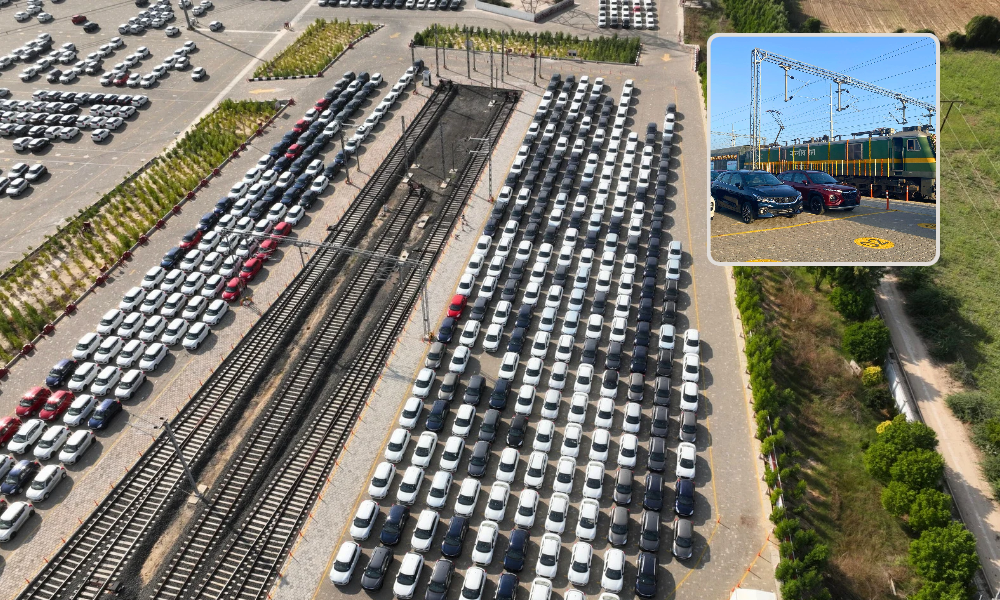
Honourable Prime Minister Shri Narendra Modi inaugurated India's first automobile in-plant railway siding at Suzuki Motor Gujarat Private Limited, a wholly-owned subsidiary of Maruti Suzuki India Limited (MSIL) via video conferencing today. As part of Prime Minister’s flagship Gati Shakti programme, this in-plant railway siding aims to reduce carbon footprint in logistics, bring down fossil fuel consumption, and reduce road congestion.

Once fully operational, the Gujarat railway siding facility can dispatch 300,000 cars annually to 15 destinations across India.

PM Modi Inaugurates India's 1st Automobile In-Plant Railway Siding at Suzuki Motor Gujarat


PM Modi Inaugurates India's 1st Automobile In-Plant Railway Siding at Suzuki Motor Gujarat

The project is a collaboration between Gujarat Rail Infrastructure Development (G-RIDE), a Government of Gujarat and Indian Railways partnership along with Gujarat Industrial Development Corporation (GIDC), and MSIL.

"Dedicating the project to green logistics, Mr. Hisashi Takeuchi, Managing Director & CEO, Maruti Suzuki India Limited said, “We are honoured to be part of the Prime Minister’s ambitious Gati Shakti programme that fosters efficiencies in logistics. Today marks a significant milestone as we become India’s first automobile company to have a railway siding facility within its manufacturing plant.”

Mr. Takeuchi added, “As we gear to double our production capacity from present 2 million units per annum to 4 million units per annum by 2030-31, the dispatches of vehicles from railways too will increase multifold. This in-plant railway facility reinforces our commitment towards sustainable mobility.”

PM Modi Inaugurates India's 1st Automobile In-Plant Railway Siding at Suzuki Motor Gujarat


Boeing Opens India Engg. and Tech Center (BIETC) in Bengaluru As Its Largest Investment Outside US

Boeing Opens India Engg. and Tech Center (BIETC) in Bengaluru As Its Largest Investment Outside US

Prime Minister Narendra Modi on Friday inaugurated the Boeing India Engineering and Technology Center (BIETC) in Bengaluru, marking Boeing’s largest investment outside the United States.

The new BIETC facility is 43-acre in size and built with an investment of Rs 1,600 crores, it is positioned as a key hub for collaboration within India’s startup, private, and government sectors.


This comes within a week after the manufacturer of commercial jetliner had inaugurated the 36,000-square-foot Boeing India Distribution Center in Khurja, Uttar Pradesh.

BIETC, in Bengaluru, is expected to play a pivotal role in fostering partnerships with India’s vibrant aerospace and defense ecosystem.

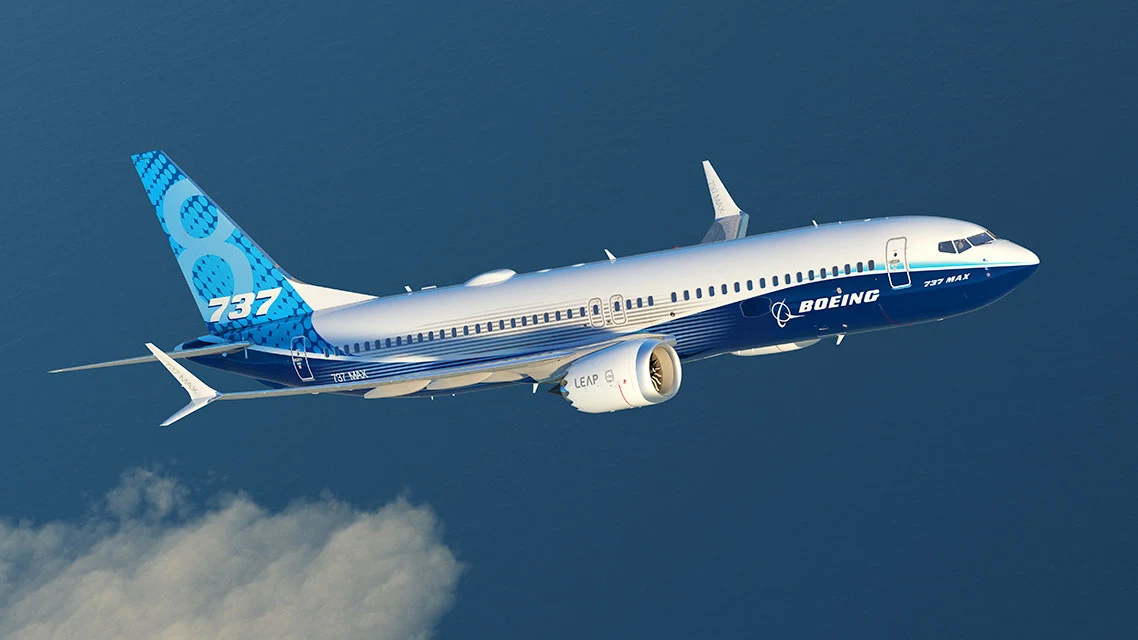
Notably, Boeing is continuously in controversy since 2019 as there have been a series of unfortunate incidents involving Boeing's aircrafts, including two fatal crashes of the 737 Max.

Recently, a Boeing 747 cargo plane made an emergency landing on Thursday night after it was seen spewing flames in the night sky over Miami, United States. Interestingly, on the same day, Boeing announced that Akasa Air, India’s fastest-growing airline co-founded by Late Rakesh Jhunjhunwala, had nearly tripled 737 order book to meet rising demand by confirming 150 more Boeing 737 MAX family jet airplanes.

To recall, there is an incident involving the 737 Max 9, in which a hole blew open in the fuselage of an Alaska Airlines flight in midair. This was the latest in a string of safety lapses in Boeing’s workhorse aircraft — including two fatal crashes in 2018 and 2019 — that are indirectly helping propel the fortunes of Airbus, the European aerospace giant.

For the 1st Time Since Independence, Lakshadweep Getting Connected Through Submarine Optic Fibre Cable

For the 1st Time Since Independence, Lakshadweep Getting Connected Through Submarine Optic Fibre Cable

  • PM inaugurates Kochi-Lakshadweep Islands Submarine Optical Fibre Connection
  • Project will ensure 100 times faster Internet for the people of Lakshadweep: PM
  • Enable faster and more reliable internet services, telemedicine, e-governance, educational initiatives, digital banking, digital currency usage, digital literacy, etc.
  • The project is funded by Universal Services Obligation Fund (USOF), Department of Telecommunications

Prime Minister, Mr Narendra Modi today, in Kavaratti, Lakshadweep, inaugurated Kochi-Lakshadweep islands submarine optical fiber connection (KLI-SOFC) project among various developmental projects worth more than Rs 1,150 crore covering a wide range of sectors including technology, energy, water resources, healthcare and education.

The KLI-SOFC project will lead to an increase in internet speed unlocking new possibilities & opportunities. For the first time since independence, Lakshadweep will be connected through Submarine Optic Fibre Cable. The dedicated submarine OFC will ensure a paradigm shift in communication infrastructure in the Lakshadweep islands, enabling faster and more reliable internet services, telemedicine, e-governance, educational initiatives, digital banking, digital currency usage, digital literacy etc.

Addressing the gathering, the Prime Minister recalled the guarantee given by him in 2020 about ensuring fast internet within 1,000 days. He said, “Kochi-Lakshadweep Islands Submarine Optical Fiber Connection (KLI - SOFC) project has been dedicated to people today and will ensure 100 times faster Internet for the people of Lakshadweep”. He added, “This will improve facilities like government services, medical treatment, education and digital banking. The potential of developing Lakshadweep as a logistics hub will get strength from this”.

The Prime Minister assured the people of Lakshadweep that the government will continue to take every possible step to ensure their ease of living, ease of travel and ease of doing business. The Prime Minister highlighted that “Lakshadweep will play a strong role in the creation of a Viksit Bharat”.

Administrator of UT of Lakshadweep, Shri Praful Patel was present on the occasion among others.

Background of Kochi-Lakshadweep Submarine OFC (KLI) Project

Background of Kochi-Lakshadweep Submarine OFC (KLI) Project

The need for digitally connecting the Lakshadweep Islands through a high capacity submarine cable link with the main land has been felt for some time. Earlier, the only means of communication with the Islands was through Satellite medium, which had limited bandwidth capacity and was not able to meet the growing bandwidth demand.

The Department of Telecommunications (DOT) took immediate action and conceptualized the Kochi-Lakshadweep Submarine OFC Project (KLI project). The KLI project has been completed well within the timelines.

In the Kochi-Lakshadweep Islands Submarine Cable (KLI) project submarine cable connectivity from Mainland (Kochi) to eleven Lakshadweep Islands namely, Kavaratti, Agatti, Amini, Kadmat, Chetlet, Kalpeni, Minicoy, Androth, Kiltan, Bangaram and Bitra has been extended.
The project is funded by Universal Services Obligation Fund (USOF), Department of Telecommunication.

Bharat Sanchar Nigam Limited (BSNL) was the Project Executing Agency and the work was awarded to M/s NEC Corporation India Pvt Ltd through Global Open Tendering process. Major activities related to the project includes Marine Route Survey, Submarine Cable laying, Civil Construction of CLS stations, Installation, Testing and Commissioning of End Terminals (SLTE).

Highlights of the KLI Project:
  • Total link distance: 1,868 kilometres.
  • Total cost of project : Rs 1072 crore plus taxes.

Benefit of the KLI Project:

The project will play a significant role in achieving the objective of ‘Digital India’ and ‘National Broadband Mission’ and for rolling out of various e-governance projects of Government of India in Lakshadweep Islands.

E-Governance, Tourism, Education, Health, Commerce and Industries will get a boost. It will also help in further improvement in standards of living of the people in Island and will accelerate overall social and economic development in these areas.

Population of Lakshadweep Islands will be provided high speed wireline broadband connectivity.

High speed broadband will be provided through FTTH and 5G/4G Mobile network.
The bandwidth created under this project will be available to all Telecom Service Providers (TSPs) to strengthen their telecom services in the Lakshadweep Islands.

Market Reports

Market Report & Surveys
IndianWeb2.com © all rights reserved