Showing posts with label Patents. Show all posts

Biotech Breakthrough: IIT Guwahati’s New Path to Affordable Insulin

Biotech Breakthrough: IIT Guwahati’s New Path to Affordable Insulin

IIT Guwahati has secured two Indian patents for a pioneering insulin production system that could dramatically reduce costs and improve accessibility for millions of diabetes patients.

What’s the Innovation?

  • Developed a novel bioprocess using Pseudomonas fluorescens, a safe and efficient bacterial system.
  • Unlike traditional methods using E. coli, this system yields soluble insulin, simplifying production.
  • Leverages Genetic, Metabolic, and Biochemical Engineering to optimize output and safety.

Key Advantages

  • Lower production costs
  • Higher yield of usable insulin.
  • Potential to produce other therapeutic proteins and industrial enzymes using the same system.

Patent Details


Patent No. Application No. Date of Grant
568947 202431045821 22 July 2025
536416 202331058235 01 May 2024

Research Team

  • Prof. Veeranki Venkata Dasu (Lead)
  • Ansuman Sahoo (PMRF Scholar)
  • Prabir Kumar Das
  • Dr. MSRC Murthy
  • Prof. Sanjukta Patra
With over 537 million adults affected by diabetes worldwide, and projections showing 1 in 8 adults may have diabetes by 2050, this innovation could reshape insulin accessibility and affordability.


Cisco Joins Global Patent Pool to Boost Next-Gen Wi-Fi 6 Technology

Cisco Joins Global Patent Pool to Boost Next-Gen Wi-Fi 6 Technology

Cisco Systems, Inc. has officially joined the Sisvel Wi-Fi 6 patent pool programme, marking a significant milestone in the licensing landscape for next-generation wireless technologies.

The Sisvel Wi-Fi 6 patent pool is a global program that makes it easier for companies to legally use key technologies behind faster, smarter Wi-Fi 6. Instead of negotiating with dozens of patent owners, companies like Cisco can get access to nearly 2,000 essential patents through one simple license. Managed by Sisvel, the program helps avoid legal hassles, speeds up innovation, and ensures fair use of the tech that powers modern wireless devices—from smartphones to enterprise routers.

Key Highlights of the Deal
  • Scope of Access: Cisco gains one-stop access to nearly 2,000 patents (organized into 245 patent families) deemed essential to the 802.11ax Wi-Fi 6 standard.
  • Patent Evaluation: These patents have undergone independent essentiality evaluations, ensuring their relevance to the Wi-Fi 6 specification.
  • Strategic Importance: Cisco, a global leader in enterprise networking and AI-driven connectivity, strengthens its position in the Wi-Fi 6 ecosystem, especially in enterprise-grade access points.

Broader Context

Sisvel’s Wi-Fi 6 Pool: Launched in July 2022, the pool has seen a surge in adoption, with 20+ new licensees joining since Q4 2023.

Patent Contributors: The pool includes patents from multiple key innovators in Wi-Fi 6 technology. You can view the full list of contributors on Sisvel’s official site.

Industry Validation: Sisvel’s Head of Licensing, Nick Webb, called Cisco’s entry a “major validation” of the pool’s transparent and efficient licensing model.

This move not only simplifies Cisco’s access to critical IP but also signals growing industry alignment around collaborative licensing frameworks for emerging standards. Want to explore how this impacts Wi-Fi 7 or enterprise deployments next?

IG Drones Secures India’s First Patent for Defence Drone Simulator, Fulfilling PM Modi’s Vision of Aatmanirbhar Bharat

IG Drones Secures India’s First Patent for Defence Drone Simulator, Fulfilling PM Modi’s Vision of Aatmanirbhar Bharat

In a historic stride towards India's technological sovereignty and defence self-reliance, IG Drones has been granted the patent for the nation’s first indigenous defence drone simulator—a monumental achievement in India's march towards Aatmanirbhar Bharat.

Originally unveiled by Hon’ble Prime Minister Shri Narendra Modi at the Defence Expo 2022, this simulator now stands as a beacon of India’s homegrown defence excellence—a proud symbol of Bharatiya innovation, capability, and resolve.

Designed, developed, and manufactured entirely on Indian soil, this next-generation simulator provides high-fidelity, realistic training for the Indian Army, Navy, Air Force, and paramilitary forces—empowering our soldiers to master combat drone operations in simulated high-risk environments, including GPS-denied zones and multi-drone missions.

Built with state-of-the-art AI, physics-based engines, and real-time terrain dynamics, the simulator eliminates dependence on foreign systems, offering a secure, cost-effective, and fully Indian alternative. This isn’t just a product—it is a strategic force multiplier that strengthens the hands of our warriors and honours the spirit of ‘Jai Jawan, Jai Vigyan’.

This patent is a proud declaration of India’s technological resurgence,” said Bodhisattwa Sanghapriya, Founder & CEO of IG Drones. “Under the visionary leadership of Prime Minister Modi ji, we are not just building products—we are building the future of Bharat’s defence. This Made-in-India drone simulator is a salute to our nation’s armed forces, scientists, and innovators.

With this patent, IG Drones becomes the first Indian company to receive intellectual property rights for a drone simulator platform—a domain previously dominated by foreign entities. The achievement signals India’s growing confidence in designing world-class indigenous defence solutions, perfectly aligned with the Viksit Bharat 2047 mission.

Already a trusted partner of the Indian Armed Forces, IG Drones played a critical role in Operation Sindoor, deploying indigenously built VTOL, FPV, and kamikaze drones for strategic surveillance, mapping, and targeted strikes—reinforcing its reputation as a Bharatiya defence tech pioneer.

At a time when the world is watching India’s rise, this patent showcases the power of Indian intellect, Indian industry, and Indian intent. It is a clarion call to the youth, the soldiers, and the scientists of this great nation—that India can build, lead, and win with its own might.

Bharat is not just participating in the future of warfare—we are shaping it. On our terms. With our technology. And with the Tricolour held high.

IG Drones is a leading drone technology company specializing in advanced defense and industrial solutions. Driven by innovation, it has established itself as a pioneer in delivering cutting-edge technologies to meet the evolving needs of industries and national defense. At the forefront of industry-first breakthroughs, IG Drones is revolutionizing the sector with 5G-enabled drones and Made-in-India manufacturing. With AI-powered solutions, the company enhances drone applications across defense and industry. Founded by Bodhisattwa and Om Prakash and headquartered in Noida, IG Drones exemplifies industrial leadership in drone technology and innovation in India.

Tata Steel Wins Top Innovation Honors for Patents & Sustainability

Tata Steel Wins Top Innovation Honors for Patents & Sustainability

Tata Steel has been recognized with two prestigious awards: the National Intellectual Property Award from the Indian Patent Office and the World Intellectual Property Award from the World Intellectual Property Organization (WIPO). These honors highlight Tata Steel’s leadership in intellectual property creation and commercialization, with over 2,000 patent applications filed globally. In FY24 alone, the company submitted 142 patent applications and was granted 395 patents.

Since establishing one of India’s oldest R&D facilities in 1937, Tata Steel has consistently pushed the boundaries of innovation, filing its first patent in 1938. The company’s patent portfolio was recently featured in a compendium by the Indian Patent Office, showcasing innovations aligned with the United Nations' 17 Sustainable Development Goals (SDGs).

This recognition underscores Tata Steel’s commitment to technological advancement and sustainability, particularly in environmentally responsible steel production.

Subodh Pandey, Vice President – Technology, R&D, NMB and Graphene, Tata Steel, said: “The steel sector today offers immense scope for building competitive advantages in the marketplace on the back of its R&D capabilities and through collaboration with leading academia in the country. There is also a growing need to focus our R&D efforts towards building a more environmentally sustainable steel sector. On both counts, Tata Steel has seized all opportunities and will continue to do so to not only stay ahead of the technology and innovation curve but also create a benchmark for others who are keen to invest in building their intellectual capital.


 Patents filed and granted by Tata Steel
 FY24FY23FY22FY21FY20
Patents filed142132125119116
Patents granted395150163190133

Mphasis Granted U.S. Patent for Quantum Prediction System

Mphasis Granted U.S. Patent for Quantum Prediction System

Mphasis, (BSE:526299; NSE: MPHASIS), a leading Information Technology (IT) solutions provider specialising in cloud and cognitive services, today announced the award of a U.S. patent on “System and method for optimized processing of information on quantum systems”.

The newly issued patent outlines a pipeline to improve the scalability and performance of quantum machine learning (QML) on near-term quantum computing systems including quantum simulators.

This solution transforms high-dimensional classical input data into an enhanced feature space in quantum format. The feature space transformation ensures efficient mapping and preparation for quantum state loading, paving the way for improved quantum data processing and analysis. The optimal representation method for classical data on quantum systems minimizes the need for additional qubits for higher-dimensional data, handles large feature sets and high volumes of data, and ensures efficient convergence during quantum machine learning (QML) model training.

QML leverages its ability to process high-dimensional, complex data, delivering solutions beyond the reach of classical high-performance computing hardware.

Quantum Machine Learning (QML) is emerging as a transformative paradigm, enabling academia and industry to solve real-world AI challenges with unprecedented efficiency. This technology and the associated patent stand as a testament to our commitment to innovation and the advancement of next-generation technologies,” said Srikumar Ramanathan, Chief Solutions Officer, Mphasis.

Tata Power-DDL Secures Patent for A Device that Protects Electric Transformer

Tata Power-DDL Secures Patent for A Device that Protects Electric Transformer

Tata Power Delhi Distribution Ltd (Tata Power-DDL) has secured a 20-year patent for its innovative self-regenerating transformer breather. This technology is designed to protect transformers from moisture, significantly extending their lifespan and reducing maintenance needs.

The self-regenerating breather uses waste heat from the transformer to minimize moisture content, which means the silica gel inside the breather needs to be replaced much less frequently—only during standard maintenance schedules, typically once every two years. This is a substantial improvement over conventional designs, where silica gel replacements are required four to six times within the same period.

This innovation not only enhances the efficiency of power supply infrastructure but also prepares it to handle challenging weather conditions more effectively.

The self-regenerating breather developed by Tata Power-DDL is quite an innovative piece of technology. The breather contains silica gel, which absorbs moisture from the air entering the transformer. This is crucial because moisture can significantly reduce the efficiency and lifespan of transformers.

Unlike traditional breathers, this device uses the waste heat generated by the transformer itself to dry out the silica gel. This process is known as self-regeneration. The heat causes the moisture absorbed by the silica gel to evaporate, effectively "recharging" the gel.

Because the silica gel is continuously regenerated, it doesn't need to be replaced as often. Typically, the gel in a conventional breather needs to be replaced four to six times over two years. With the self-regenerating breather, replacement is only necessary during standard maintenance schedules, usually once every two years.

This technology not only reduces maintenance costs and efforts but also ensures that the transformer operates more reliably, even in challenging weather conditions. By maintaining optimal moisture levels, the breather helps in extending the transformer's lifespan and improving its performance.

This innovation is a significant step forward in transformer maintenance and efficiency, aligning well with Tata Power-DDL's commitment to sustainable and reliable power distribution.

BluSmart Granted US Patent for Innovative Allocation System for e-Mobility

BluSmart Granted US Patent for Innovative Allocation System for e-Mobility

India's first and leading all-electric ride-hailing mobility service provider, BluSmart, has been granted a US patent for its innovative allocation system for e-mobility. This system, titled "Systems and Methods for Allocating Vehicles to Ride Requests," optimizes ride matching, driver efficiency, and charging station utilization. It ensures reduced wait times, fair pricing, and reliable service with 100% uptime.

The system that is granted patent optimally guides driver partners from the initiation of a ride request to picking up the customer and seamlessly navigating to the nearest EV charging station when needed.

BluSmart’s patented allocation system introduces several advancements over existing ride-hailing systems. Unlike traditional ride-hailing systems, BluSmart’s system is specifically designed for electric vehicles (EVs). It integrates with charging stations to ensure efficient vehicle charging and minimal downtime, which is crucial for maintaining 100% uptime.

BluSmart's patented system uses advanced algorithms to match ride requests with available vehicles, ensuring minimal wait times for passengers. The patented system integrates with charging infrastructure to ensure vehicles are charged efficiently, minimizing downtime and ensuring 100% uptime.

By optimizing the allocation of rides and resources, the system helps maintain fair and competitive pricing for passengers.

The system uses sophisticated algorithms to match ride requests with available vehicles, reducing wait times and improving overall efficiency. While other ride-hailing platforms also use algorithms, BluSmart’s focus on EV-specific challenges sets it apart.

The system ensures that vehicles are charged efficiently, minimizing downtime and maintaining high availability.

To address supply shortages, the system can offer incentives to drivers to work during peak periods, ensuring sufficient vehicle availability. It can also inform users about expected wait times and provide alter
native options, enhancing user satisfaction.

This patented technology is a major milestone for BluSmart, solidifying its position as an innovator in sustainable urban transportation. It contributes significantly to reducing carbon emissions and promotes sustainable transportation solutions in key markets such as Delhi NCR, Bengaluru, and Dubai

How to Use AI for Patent Drafting

How to Use AI for Patent Drafting

Artificial Intelligence (AI) can significantly enhance patent drafting. Using AI for patent drafting can significantly enhance efficiency and accuracy. AI can simplify complex technical concepts by generating easy-to-understand summaries for precise patent applications.

There are number of AI tools like Patent Theory and PatentAssist that generate patent drafts based on input data, including claims, descriptions, and figures. These tools' AI algorithms analyze vast patent databases to identify existing inventions. This helps you refine your invention and avoid overlap with prior art.

Here are some ways to leverage AI for more efficient and accurate patent preparation:

1. Automated Patent Drafting Tools:

Tools like davinci integrate with Microsoft Word and assist in patent prosecution. Davinci summarize technical inventions, provide drafting suggestions, and help craft detailed descriptions. You can even understand context from office actions and draft clear responses.

2. Research and Prior Art Analysis:

AI algorithms sift through vast databases to identify relevant prior art quickly. This streamlines the research process and ensures compliance with USPTO requirements.

AI systems rapidly generate vast amounts of text, images, and even hypothetical inventions. Services like “All Prior Art” and “All The Claims” use AI to create prior art, raising questions about their validity and qualification as prior art.

3. Predictive Analytics:

AI models analyze historical patent data to predict trends and patentability. They suggest improvements in patent claims and assess grant success likelihfuture technological developments by analyzing existing data and trends. Non-obvious connections across different technology fields broaden the interpretation of prior art and affect USPTO obviousness determinations.

AI analyzes historical patent data to predict the likelihood of approval for specific claim structures. By identifying patterns and trends, AI provides strategic insights for drafting stronger claims.

Besides, AI can also examines patent data to spot emerging trends and areas of Innovation. It helps inventors and businesses make informed decisions about patent filing and portfolio management.

4. Data Privacy and Security:

Tools like davinci prioritize data privacy. Your information is not stored or used for retraining. These tools adhere to the highest security standards, including ISO27001, HIPAA, and GDPR.

Here are some automated patent drafting tools that can streamline the patent drafting process:

1. Patent Theory:

Patent Theory leverages natural language generation technology to automate patent drafting. You can create custom templates, paste a claim set, and download the generated text and figures.

2. Top AI Patent Drafting Tools:

Explore a curated list of AI tools for patent drafting, both free and paid. These tools offer features like prior art search, interactive generation, and improved quality.

3. Startup Stash's Top Picks:

Startup Stash provides a comprehensive list of reliable automated patent drafting tools. These tools save time, enhance accuracy, and eliminate mundane editing tasks.

Remember to choose a tool that aligns with your specific needs and preferences.

It is to be noted, AI tools don't replace human expertise but complement it. Try out a tool like davinci to experience its benefits firsthand.

Common mistakes to avoid in patent drafting

When it comes to patent drafting, attention to detail is crucial. Here are nine common mistakes to avoid:

1. Failing to Perform Prior Art Search:

Conduct a thorough prior art search before drafting. Identifying existing patents or publications is essential to refine your invention and strengthen your application.

2. Inadequate Description of the Invention:

Provide a detailed and comprehensive description. Clearly define technical features, functionality, and advantages to avoid weak or unenforceable Patents.

3. Omitting Key Patent Claims:

Well-crafted claims define your invention's protection. Include important claim elements to maximize value and enforceability.

4. Inconsistent Terminology:

Use precise and consistent language throughout. Ambiguity can lead to disputes during examination or enforcement.

5. Neglecting Patent Drawings:

Clear, accurate drawings complement the written description. Don't overlook their importance.

6. Ignoring Novel and Non-Obvious Features:

Emphasize unique aspects of your invention. Highlight novelty and non-obviousness.

7. Incomplete or Inconsistent Inventorship:

Properly identify all inventors. Incorrect inventorship can impact patent validity.

Remember, meticulous drafting pays off in successful patent protection.

Tata Motors Filed Record 222 Patents and Secured Grant of 333 Patents in FY24

Tata Motors Filed Record 222 Patents and Secured Grant of 333 Patents in FY24

Tata Motors, India’s leading automobile company, has achieved a significant milestone towards intellectual property rights (IPR) creation with a record-breaking number of 222 Patents and 117 Designs applications filed during the year FY24, highest in its history.

These filings span across a wide spectrum of product and process innovations, addressing key automotive megatrends such as Connectivity, Electrification, Sustainability, and Safety (CESS). They also cover various vehicle systems such as powertrain, body & trim, suspension, brakes, HVAC, and emission control.

Tata Motors also received its highest ever grant of 333 patents during the same period, taking its total tally of granted patents to over 850.

Tata Motors’ strong commitment to engineering excellence, cleaner powertrains, design, connectivity, and intelligent safety features ensures that its innovations seamlessly align with real-world needs.

By prioritising both consumer well-being and environmental stewardship, the company’s purposeful research and innovation efforts have yielded more efficient, greener and safer vehicles, benefiting end-users and transforming the industry. In FY24, Tata Motors received five prestigious accolades and honors of global repute for its excellence in intellectual property rights (IPR).

Commenting on the milestone, Rajendra Petkar, President & Chief Technology Officer – Tata Motors expressed, “Tata Motors’ unwavering commitment to research and innovation has propelled us to new heights in innovation & value creation through intellectual property. With a record number of patents filed and granted, we continue to redefine automotive excellence. Our cutting-edge technologies, greener vehicles, and customer-centric approach position us as trailblazers in the industry. As mobility evolves, Tata Motors remains at the forefront, shaping a smarter, more connected future for all.

Ferrari Files Patent for a Hydrogen-powered Engine

Ferrari Files Patent for a Hydrogen-powered Engine

Italian luxury sports car manufacturer, Ferrari, has filed a patent application for a hydrogen-powered internal-combustion engine. This innovative approach is seen as a way to keep combustion engines relevant in an era of stricter emissions regulations.

The patent, which was filed in 2023 and published by the United States Patent and Trademark Office (USPTO) on February 29, 2024, outlines a system that would generate no greenhouse gases and minimal amounts of other pollutants like carbon monoxide and particulates.

The patent application is titled "CAR PROVIDED WITH A HYDROGEN-POWERED INTERNAL COMBUSTION ENGINE," but it's only one of several documents that describe a number of unorthodox systems for a potential sports car.

Ferrari's move is part of a broader trend among automakers to explore alternative fuels and technologies to reduce the environmental impact of vehicles. Hydrogen combustion engines burn hydrogen instead of gasoline, emitting only water vapor as a byproduct. However, there are challenges associated with hydrogen, such as its lower energy density compared to gasoline, which requires larger volumes of onboard storage to deliver equivalent range.

The patent also suggests that a car with a hydrogen-combustion engine will be "longer and heavier" than a similar car equipped with a petrol-powered internal-combustion engine, due to the need for more extensive hydrogen storage. Despite these challenges, Ferrari is looking into this technology as a potential way to maintain the performance and excitement of their vehicles while addressing climate-change concerns.

Production Model of Hydrogen Engine Cars

As of now, there is no official announcement from Ferrari regarding the release date of a production model featuring the hydrogen-powered internal-combustion engine. While Ferrari has filed a patent for such technology, it appears they are still in the exploratory phase.

The company is already producing plug-in hybrid models and plans to launch its first full-electric vehicle in 2025. However, they have not established a timeline for transitioning to hydrogen fuel cell vehicles. It's important to note that the development and release of new automotive technologies can take several years, especially when it involves significant changes like switching to hydrogen power.

Ferrari is making significant strides towards electrification with a clear vision for the future. The company plans to launch its first electric car in the fourth quarter of 2025.

By 2026, Ferrari aims for 60% of its lineup to be comprised of plug-in hybrid models. The remaining 40% will be internal combustion engine vehicles. The goal is to increase the proportion of EVs to 40%, plug-in hybrids (PHEVs) to 40%, and internal combustion engines to 20% by 2030.

Despite the shift to electric, Ferrari is committed to maintaining its signature performance and driving experience. The electric models will feature multimaterial construction using carbon fiber and aluminum for enhanced strength and rigidity. Ferrari is working on creating a unique sound signature for its electric vehicles to ensure they retain the soul-stirring engine notes that the brand is known for.

The move towards electric vehicles is part of Ferrari's broader strategy to become carbon neutral by 2030. 

Ferrari's journey into electric power has been gradual, marked by hybrid models like the SF90 Stradale, which combines a twin-turbocharged V8 engine with three electric motors¹. The company's electric vision signifies a bold step towards sustainability without compromising on the exhilarating Ferrari experience that fans and drivers have come to expect. 


Kerala Engineer Secures Patent for Hand-Portable Kamikaze Drone

Kerala Engineer Secures Patent for Hand-Portable Kamikaze Drone

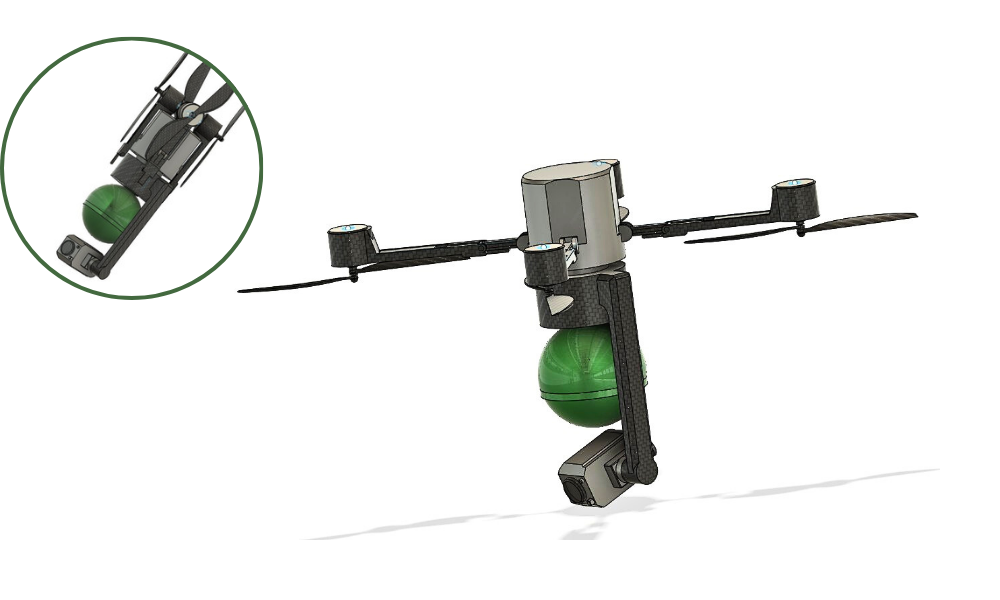
Late last month, C.J Varghese, a Kerala based engineer & innovator, received a patent (#515036) from Indian Patent Office for his pioneering invention of hand-portable Kamikaze drone.

Kamikaze drones, also known as loitering munitions or suicide drones, are weapons that can patrol over a battlefield before attacking a target.

The patent granted to Varghese is third patent by Indian Patent Office to him, out of six applications he has filed to date.

The Hand Portable Track and Kill Suicide Drone, designed by Varghese, to be operated by the army or special ops during war or in the chance of a terrorist attack. The main aim of this is to reduce casualties and allow the force to advance quickly in a face to face combat situation where the enemy is just few metres in front of the force. The enemy can be tracked and the user can decide whether to act or not.

Kerala Engineer Secures Patent for Hand-Portable Kamikaze Drone


Unlike other suicide drones and surveillance drones available in the market, its design is made simple and light so as to be operated with comfort and can be held in the palm of a soldier, which allows him to throw it like a grenade. Thus, it can also be called as a Smart Grenade. But this drone comes with less specs, short life time of about 5 to 10 minutes and a maximum range of about 400 to 700 meters within a limited altitude of 30 to 40 metres from the ground.

Varghese's Kamikaze drone resembles a capsule, or a smart grenade, featuring distinctive foldable and deployable mechanisms, along with an innovative engagement strategy.

The drone is operable by using small tablets that can be fixed on the arms and such drone's controls being partially automated and standard controls will only pop up if needed or on request.

The drone invented has throw mode or normal lift mode that can be selected before deployment by flicking a switch on the drone, wherein the control tablet will have the live feed from the drone; the drones can be taken out from its tube casings and hooked to the exterior part of the user"s backpack and a user in a 6-team unit can carry about three of these drones with the user.

The weight of the drone with warhead is about 1200g. The condition for lifting i.e. fly of Quadcopter is that the ratio of total thrust of the body to the total weight of the body should be minimum 1.5.

Total Thrust/ Total weight = X/1200 = 1.5 So total thrust X = 1.8 Kg. Thus, the minimum required thrust per motor is equal to 450g.

The foldable arm holds the motor and the propeller unit. Upon the deployment of the drone, on releasing the pin the arm is unfolded and for doing this it uses elastic cables or similar spring mechanisms.

The drone, claims Varghese in one of the patent documents, can be taken out from its tube casings and hooked to the exterior part of the soldier's backpack by giving such a mechanism on the drone, so that he can use them quickly and easily while advancing towards an enemy territory.

Vedanta Aluminium with IIT Kharagpur Develop Innovative Breakthrough, Gets Patent

Vedanta Aluminium and IIT Kharagpur Develop Innovative Breakthrough in Bauxite Refining Process, Gets Patent for It

Vedanta Aluminium patents innovative breakthrough in bauxite refining process

Developed in collaboration with IIT Kharagpur, the innovative process will enhance resource efficiency and curb energy consumption

Vedanta Aluminium, the largest aluminium producer in India, has announced the development of a groundbreaking process to significantly reduce the generation of bauxite residue, commonly known as red mud in the alumina refining process. The process reduces bauxite residue by a remarkable 30% by eliminating iron values while simultaneously recovering a higher alumina yield, reducing the total organic content from bauxite during the alumina refining. The process significantly enhances resource efficiency and curbs energy consumption during refining.

The research project was led by the company’s Research & Development (R&D) department in collaboration with the Department of Metallurgical and Materials Engineering, Indian Institute of Technology Kharagpur (IIT KGP), with special support from the Lanjigarh, Odisha unit, home to Vedanta’s world-class alumina refinery. This cutting-edge development will enhance the company’s operational excellence and have a sustainable impact on the global aluminium industry.

Bauxite is the primary ore for aluminium, and it undergoes an intermediate refining stage, known as the Bayer process, to produce alumina, which is then subjected to electrolysis to produce aluminium. This refining process generates bauxite residue as a by-product. To produce 1 kg of aluminium, it requires 2 kg of alumina, which consumes 6 kg of bauxite, leaving behind 4 kg of bauxite residue.

Managing this voluminous by-product sustainably has been a long-standing industry challenge. Vedanta Aluminium is actively engaged in minimising bauxite residue and exploring avenues to extract value from it. The company has developed a revolutionary process, which has been successfully validated in the laboratory and patented. Presently, the company is focusing on establishing a pilot plant to implement and assess the process, along with determining its potential advantages.

On the breakthrough, Mr. GG Pal, Dy. CEO – Alumina Business, Vedanta Ltd., said, “At Vedanta Aluminium, operational efficiency is of paramount importance for us in achieving sustainability. Toward this goal, we are aggressively focusing on our in-house R&D initiatives to drive tech-led innovative solutions to address existing industry problems.”

Sharing his thoughts on the development, Dr. Amit Chatterjee, Chief Research & Development Officer, Aluminium Business, Vedanta Ltd., said, “We look forward to implementing our groundbreaking process in bauxite residue management in our refinery operations. This is a significant milestone that will offer a pathway to enhanced resource efficiency and energy conservation and contribute towards reshaping the global aluminium industry.”

Dr. Chenna Rao Borra, Assistant Professor, Department of Metallurgical and Materials Engineering, IIT Kharagpur said, “Vedanta Aluminium’s dedication to R&D for sustainability goals is truly inspiring. The reduction of bauxite residue has been one of the key challenges for the aluminium industry, requiring significant technological advancements. The process, developed through the collaborative efforts of IIT Kharagpur and the company, will not only significantly improve bauxite residue management but also contribute to reducing the carbon footprint in the process.”

Vedanta Aluminium is the first company in the country to extract the entire volume of water from bauxite residue slurry and recycle it back into operational use, achieving Zero Liquid Discharge (ZLD) and demonstrating its commitment to water conservation. The remaining bauxite residue is densely packed in dried form and stored in a specially constructed and scientifically managed concretized area called the Bauxite Residue Reservoir. This containment method prevents bauxite residue from inadvertently leaching into the groundwater. For this processing purpose, the company was the first in the country to establish a Bauxite Residue Processing Plant. With the new method implementation, this residue generation will be reduced further.

Additionally, Vedanta Aluminium is actively collaborating with research institutes to develop innovative technologies for the utilization of bauxite residue. These technologies include the beneficiation of bauxite residue to enrich Rare Earth Elements (REEs), the recovery of alumina and iron values, and processes for extracting and separating titanium and REEs like Scandium. This effort is crucial because bauxite residue houses valuable metals, including iron, alumina, REEs, and titanium dioxide.

Vedanta Aluminium, a business of Vedanta Limited, is India’s largest producer of aluminium, manufacturing more than half of India’s aluminium i.e., 2.29 million tonnes in FY23. It is a leader in value-added aluminium products that find critical applications in core industries. Vedanta Aluminium ranks 2nd in the Dow Jones Sustainability Index (DJSI) 2022 world rankings for aluminium industry, a reflection of its sustainable development practices. With its world-class aluminium smelters, alumina refinery and power plants in India, the company fulfils its mission of spurring emerging applications of aluminium as the ‘Metal of the Future’ for a greener tomorrow.

LG Innotek Receives 3 EV Charging Specific International Essential Patents

LG Innotek Receives 3 International Essential Patents on EV Charging

LG Group affiliate, LG Innotek, has received three international standard essential patents on Electric Vehicles (EV) charging announced Jeong Cheol-dong, CEO of LG Innotek, on 19th of this month.

LG Innotek, which generates most of its revenue from selling camera modules for the iPhone, is now poised to compete in electric vehicle charging market with international standard essential patents on EV charger components.

The company was chosen by a standard patent licensing company (Via Licensing Alliance or Via LA) specialized in EV charging as a licensor.

A licensor refers to a person or a company that gives permission to another entity to use the patented technology and receives royalties in return. In May this year two licensing organizations — Via Licensing Corporation (Via) and MPEG LA — announced the merger to form Via Licensing Alliance LLC (Via LA), a new collaborative licensing organization with a rich portfolio of patents and intellectual property licensing programs, hundreds of licensors, and thousands of licensees.

Notably, General Electric, Philips and Mitsubishi Electric, which all had partial ownership in MPEG La, now have a stake in the new – Via LA.

Via LA has so far only registered 8 companies globally, including GE, Bosch, Siemens, and LG Innotek, as licensors in the EV charging sector.

The International standard essential patents LG Innotek was recognized for are charging control technologies (two patents) based on battery status data and a charging reservation technology (one patent). The registration has accelerated LG Innotek’s push to fully engage in the global EV component market.

LG Innotek is already fostering the future car business as a new growth driver for the company. The company is ramping up its R&D efforts in order to support control solutions of not only wired charging but also wireless charging, and to implement power conversion solutions for both parts of EVs and outdoor charging systems.

LG Innotek is taking out patents for not just essential EV technologies but also autonomous driving technologies.

In April this year, LG Innotek gained the industry attention for acquiring more than 180 patents from Argo AI, an American startup that develops autonomous vehicles and founded by veterans of the Google and Uber automated driving programs.

Many of the patents LG Innotek acquired are those for the LiDAR technology.

LiDAR is a sensing technology of detecting the target, distance and direction, etc. by sending the light and measuring the time taken to return. The technology is seen as a key autonomous driving system applied in Advanced Driver Assistance Systems (ADAS).

In a context to LiDAR, it may be recalled that in June this year, a Bengaluru-based and NVIDIA's senior executives-backed startup Minus Zero unveiled India's first autonomous/ driverless car that depends less on LiDAR and instead uses high-resolution cameras to analyse driving conditions including traffic. 

Back to LG Innotek, the Korean company is bolstering its patent portfolio envisioning the future as a leader of the automotive market driven by EVs and self-driving cars. In particular, LG Innotek is leveraging an AI patent data system capable of analyzing and using patents at a speed 900 times faster than that of humans.

The company evaluates big data on global patents with 3 million new patents added every year to get an insight into technology trends and the industry. LG Innotek then explores more areas of differentiation against the existing products and reflects findings in the product development strategy.

Kim Jin-hyun, the Head of Intellectual Property Division at LG Innotek, says, “It’s crucial that we secure the proprietary technology to become the top player in the industry, so we need to systematically manage and secure the intellectual property (IP) like patents. LG Innotek will continue to offer differentiated customer value through R&D based on original IP.”

Bizongo Granted Patent for A High Precision Internal Positioning System to Track Movement of Inventory, Equipment and Workforce


Builds moat around automation of warehouse and factories, setting a global benchmark for accuracy tracking of 10cm

Aims to offer higher accuracy and ease of installation to enable Indian manufacturers compete in the global arena of exports.

India's leading supply chain automation platform Bizongo, today announced securing a patent for its innovative technology, InLocate 6.0, a high precision internal positioning system that will transform tracking inventory, machinery and people with an accuracy of 10cm in indoor and outdoor environments. The patent has been recently granted to Clean Slate Technologies, acquired by Bizongo earlier this year, by the Government of India.

The granted patent, InLocate 6.0 will enable live location visibility, process monitoring, deviation alerts and provide data driven insights on inLog, a web based enterprise-ready, real-time locating systems (RTLS) - IIoT platform. Once deployed, the technology will fit seamlessly with Bizongo's vision of equipping 100 factories by 2023 with Internet of Things (IoT) to power Indian manufacturing and supply chain to compete in the global arena of exports.

With the Indian government hoping to have 25% of the economy's output come from manufacturing by 2025, Bizongo’s technology will help manufacturers, including some of the largest factories and warehouses in India optimize production by preventing inventory misplacement, minimizing inventory carrying costs, eliminating incorrect dispatches, increasing fulfillment throughput, improving overall equipment efficiency, and optimizing space utilization.

A bottleneck in the development of indoor positioning has been achieving the high accuracy at a lowered cost. While there are multiple indoor and outdoor positioning systems that work in an accuracy range of 2 to 20 meters, they offer limited efficiency and precision in managing flow of material in a warehouse or factory. Often a factory’s expensive man hours, which could be used to enhance productivity are spent searching the possible location of the goods. Here, Bizongo’s patented technology sets a global benchmark in enabling tracking of any object class with high precision accuracy.

A powerhouse of technology innovation, Bizongo has built a considerable moat in digitizing vendor management, supply chain automation and supply chain finance in the made-to-order or customized goods segment. While it initially started with bringing automation across the packaging industry, over the last three years Bizongo has expanded to several other segments including Textiles & Fashion, FMCG, Metals, Specialty Chemicals, Consumer Durables, Automobile, Healthcare and Construction.

Bizongo Co-founder and CEO, Sachin Agrawal said, "We are proud of our team at Clean Slate Technologies that has put in tremendous effort to build a technology that takes warehouse and factory shop floor management several notches higher in terms of visibility, insights and operations. Bizongo has continuously supported innovation and we are truly humbled to power teams that are building some of the best technologies in supply chain automation anywhere in the world. InLocate 6.0 is our contribution in taking Indian manufacturing right to the center of global trade."

Clean Slate Technologies Co-founder and CEO Siddharth Desai said, "It is a very humbling moment for all of us as the patent is a recognition of the power of home-grown innovation and Indian talent. Several of our large blue chip customers and global partners will benefit from InLocate6.0 to improve throughput, compress order-to-cash cycles, boost productivity, increase efficiency and cut costs."

inLocate 6.0 and inLog sets the foundation for powering digital twins of factories and warehouses which allow for MSMEs to run their factories and warehouses in the most productive and cost-efficient manner.

About Bizongo

Bizongo was founded in 2015 by three IIT graduates Aniket Deb, Sachin Agrawal, and Ankit Tomar, to digitally transform the fragmented and unorganized yet unique and ubiquitous B2B segment of customized goods. Today, the company focuses across made-to-order segments including packaging, textiles, apparel & other contract manufacturing goods as its product portfolio and has a network of over 6,300 partner factories. Through its proprietary digital platforms, such as Procure Live, Partner Hub, and Artwork Flow, Bizongo offers Digital Vendor Management, Supply Chain Automation & Supply Chain Financing as key services to its enterprise customers. The B2B e-commerce platform services 450+ enterprise customers in fashion & lifestyle, pharmaceuticals, consumer discretionary, consumer staples, home & personal care, and e-commerce. For more information on Bizongo, please visit https://www.bizongo.com


Sony Publishes Patent for NFTs and Blockchain in Video Gaming

Sony Publishes Patent for NFTs and Blockchain in Video Gaming

Japan's multinational conglomerate Sony has published a patent suggesting the company is looking into blockchain and NFT technology for tracking in-game assets in video games.

The patent, titled "Tracking Unique In-Game Digital Assets Using Tokens on a Distributed Ledger" shows a theoretical mechanism for tracking the changes to in-game assets, including ownership, visual appearance and Metadata.

In the description of the patent, it says – "Individuals often find it meaningful to own or use unique physical items related to respected celebrities or activities."

"In traditional video games, multiple instances of the same in-game item exist within the same copy of the video game and/or within different copies of the video game. These different instances of the same in-game item are traditionally fungible, as they are indistinguishable from one another," says the patent description.

Sony envisions a system where players can trade unique in-game items, which are verified for authenticity via the blockchain.

Sony's patent describes technology that could track the history of an in-game item as it's passed from player to player, which is one of the core ideas behind NFTs.

The patent further noted — "The digital assets may be video game digital media assets representing moments of gameplay of a video game, such as video clips or images. The digital asset is created, and a distributed ledger tracking a history of the digital asset is created and stored across devices."

Sony Interactive Entertainment Inc. filed for this patent in May last year, which gets published this month. This patent is for video games and notably Sony Interactive Entertainment Inc is owner of video gaming brand 'PlayStation'. 

A few weeks ago, PlayStation launched a program called PlayStation Stars, a rewards program, with rewards for in-game accomplishments, that the company insisted were not NFTs, but after learning about this patent, it could be a Sony's anticipated move for NFTs.


In An Industry's First, ICICI Lombard Risk Management Gets Patent for An IoT System


ICICI Lombard risk management receives a patent for IoT-enabled System to avert fire-hazards

In an industry-first move, ICICI Lombard to offer this product to SME and Corporate institutions

In recent years, the evolution and development of IoT (Internet of Things) devices have provided exciting capabilities and services to the end user. IoT devices have also been introduced in different areas to prevent unexpected mishaps caused by human error or malfunctioning of devices. One such mishap that can happen due to malfunctioning of devices is a fire disaster. ICICI Lombard, India’s leading private non-life insurance company, has identified this area to innovate an IoT-based device that protects properties from various electrical hazards. The company has been awarded a patent to offer this product to its customers.

This is an industry-first initiative undertaken by ICICI Lombard General Insurance Company, and this patented electrical IoT solution is a B2B device geared towards SMEs and corporates. The solution monitors electrical hazards to notify and control if necessary on real time basis. Using this patent, the company aims to strengthen its resources to provide technologically robust and quality customer solutions.

Speaking about the recently approved patent, Sanjay Datta, Chief of Underwriting, Claims and Reinsurance, ICICI Lombard, said, “We have been able to see a high rise in the number of fire incidents in commercial as well as residential buildings, which only goes to show that a lot of infrastructure across our nation, especially in densely populated metros, are vulnerable to fire. However, there is an essential need for advanced technology to plan, manage, monitor, and control electricity delivery to enable a safe and reliable system. Technology has always been a major driving force for us at ICICI Lombard to provide cutting-edge risk solutions to millions of customers."

"With this patent approval of an IoT-based - system, we aim to provide not just insurance covers to our customers but also ensure their safety and prevent hazards. This device will serve as a new-risk solution for customers and having introduced several innovative, tech-enabled insurance solutions in the past years gives ICICI Lombard an edge over his peers.”

Majority of fires in India are caused due to electrical installations. Maximum number of disasters in industries are due to electrical problems such as voltage fluctuations, overheating, and ageing of the material and electrical gadgets. Further, causing huge losses and burdens on small industries. Therefore, the launch of such a solution is more relevant.

At ICICI Lombard we work with customers to develop best in class risk management and mitigation practices. Understanding of risk is fundamental to our business. Today, we have made it a key component of risk management and identified ways to view the risk landscape qualitatively and quantitatively. Our risk management cell has been instrumental in enhancing the overall safety culture for several clients. Risk solutions such as Safety Studies, Risk assessments, Sector wise Solutions, etc. have been developed to create awareness among customers. On the technological front, we have started introducing IoT solutions for key components. We have specifically focused on the problems plaguing the MSME and SME segment and their lack of access to quality risk management services. Accordingly, we have reinvented our offerings to include hard data on the electrical, fire and process safety. It is interesting to see how safety and efficiency go together especially with respect to electrical safety. We are starting to see increased awareness as customers and elevate their risk preparedness.

In the past, ICICI Lombard has developed various technological advancements that have ensured a seamless customer experience. The Company is leveraging natural language processing and robotic process automation technology to automate the quote generation process and policy booking for corporate and SME customers. Under SME segment which is close to 90% of the business sourcing is done through digital solutions. Approximetly 97% of ICICI Lombard’s policies today are issued electronically. With the use of AI-based motor break-in solutions for lapsed policy renewal, drones for motor video surveillance, and agent hiring and on boarding moving digital, the use of AI as well as ML in underwriting and risk management has significantly increased for the Company making it the most tech-enabled companies in the sector.

About ICICI Lombard General Insurance Company Ltd

ICICI Lombard is one of the leading general insurance companies and the leading motor insurer in the country. The Company offers a comprehensive and well-diversified range of products through multiple distribution channels, including motor, health, crop, fire, personal accident, marine, engineering, and liability insurance. With a legacy of over 20 years, ICICI Lombard is committed to customer centricity with its brand philosophy of ‘Nibhaaye Vaade'. The Company has issued over 29.3 million policies, settled 2.3 million claims and has a Gross Written Premium (GWP) of ₹185.62 billion for the year ended March 31, 2022. ICICI Lombard has 283 branches and 11,085 employees as on March 31, 2022.

ICICI Lombard has been a pioneer in the industry and migrated its entire core systems 100% to the cloud. With a strong focus on being digital led and agile, it has launched a plethora of tech-driven innovations, including Face Scan and Cal Scan on its signature insurance and wellness App - IL TakeCare, with over 3.0 million downloads. The Company has won several laurels including the 'Emerging Company of the Year at ET Corporate Excellence Awards, 'Best General Insurance Company at Annual Best & Emerging Insurance Company Awards, 'ACEF Asian Leadership' for 'Combatting COVID 19' initiatives, Guinness World Record for its CSR initiatives and many more. The awards are a testament to the trust reposed in the Company by its customers, partners, and other stakeholders. For more details log on to www.icicilombard.com


Locus Granted Patent for Machine Learning Models To Accurately Predict Traffic Time for Better Last-mile Deliveries

Locus Granted Patent for Machine Learning Models To Accurately Predict Traffic Time for Better Last-mile Deliveries

This is the second patent that the company has secured in the year 2022

Locus, a leading-edge technology company solving for excellence in Last-Mile logistics, today announced that it has been awarded a patent for “Machine Learning Models for Predicting Time in Traffic,” the second patent awarded to the company in 2022.

Predictability of last-mile deliveries is a logistical challenge that continues to affect businesses across various sectors such as e-commerce, 3PLs, etc. Locus’ new patent will enable enterprises to achieve better precision in their last-mile deliveries by factoring in traffic patterns, which have historically been considered too dynamic to map. The patent covers unique technology that analyzes the historical data of traffic and predicts the travel time between origin and destination locations. It also factors in sub-variables such as day of the week and time of day to provide hyper-accurate estimated travel times for logistics providers to get ahead.

“To constantly add value to our growing customer base across 30+ geographies, we at Locus, are pushing our engineering boundaries each day,” said Geet Garg, Founder & CTO, Locus. “The latest patent highlights our relentless effort to bring out new levels of innovation in our product suite, enabling enterprises across industries to drive high-precision logistics operations in any geography, reduce costs and achieve business success.”

To foster a culture rooted in innovation, Locus rolled out a company-wide program in 2018 that empowers all employees to apply for patents and includes regular training sessions, end-to-end support for IPR filings, and much more. Through this initiative, Locus has secured four patents in the last four years, with additional filings already in the pipeline that – collectively – will continue to bring advancements in the company’s unique product suite to serve its customers better.

“Innovation lives within our DNA and we believe that every employee should have an equal opportunity to contribute to the next best idea,” said Nishith Rastogi, Founder & CEO of Locus. “Thus, with the goal to cultivate an environment of entrepreneurship and creativity, we introduced this policy to empower and support our team in their commitment to solving challenges of the last-mile logistics”.

About Locus

Locus is a leading-edge technology company solving one of the most challenging global supply chain problems: Last-Mile logistics. Locus' order-to-delivery dispatch management platform helps enterprises transform their Last-Mile logistics operations from cost centers to revenue generators through advanced optimization algorithms and intuitive workflow automation that equip businesses with the tools needed to maximize efficiency while delighting customers.

Founded in 2015 and backed by GIC Singapore, Tiger Global, Qualcomm Ventures, and Falcon Edge, Locus has helped a wide range of customers globally across industries – including Unilever, Nestle, Bukalapak, The Tata Group, BlueDart, and more – execute 650 million deliveries across 30+ countries across North America, Europe, Southeast Asia, the Middle East, ANZ, and the Indian subcontinent. Its technology has also helped save $200 million in transit costs, offsetting 70 million kilograms in CO2 emissions while maintaining a 99.5% SLA adherence ratio.

CleanTech Startup Pi Green Innovations Receives Patent for Filterless Technology in India

Clean Tech Startup Pi Green Innovations Receives Patent for Filterless Technology in India

This Pune-based start-up has patents across 30 other countries

Pi Green Innovations Pvt Ltd, one of the emerging cleantech start-ups has been granted the India patent for its filterless technology, Carbon Cutter. The patented Pi Green Carbon Cutter Technology is used to manufacture retrofit devices for diesel generators and heavy vehicles. 

Pi Green Innovations filed for its India patent in 2017. The company develops technology-driven solutions to reduce particulate matter emissions (PM 2.5/PM 10) at the source and from ambient air. The company already holds patents for Carbon Cutter in the USA, China, UK, European Union & Singapore. The patents will enable Pi Green Innovations to present opportunities for businesses to adopt technology that will help address emissions at the source and contribute toward a sustainable future.


Mr. Irfan Pathan, Co-Founder & CEO at Pi Green Innovations 

Pi Green Carbon Cutter, is a fully automatic, filterless solution that can be installed on diesel generators, heavy vehicles and industrial boilers to capture over 70% particulate matter. The company has several customers across key sectors like Auto, Hospitality, FMCG, Ports, SEZs, Heavy Engineering and Manufacturing etc. Pi Green’s Carbon Cutter solution has also been recognized as one of the best technologies for air purification globally at Smogathon 2018, a global summit conducted in Poland.

Commenting on this, Mr. Irfan Pathan, Co-Founder & CEO at Pi Green Innovations said, “We are delighted to receive this recognition for Pi Green’s Carbon Cutter technology. This is an encouraging validation for the entire team on how innovative and meaningful initiatives can lead to significant transformation. We aim to make clean air accessible to all and with India patent we are a step closer to our mission.”

Mr. Rizwan Shaikh, Co-Founder & Chief Invention Officer at Pi Green Innovations

Mr. Rizwan Shaikh, Co-Founder & Chief Invention Officer at Pi Green Innovations said, “Since early college days, I had a dream of making India proud on a global platform through innovation, Pi Green’s Carbon Cutter is a mix of some very basic scientific concepts with path-breaking innovation in the field of environment. It was satisfying to be granted patents across the Europe Union, USA, Singapore, China and UK, but being granted the patents in India is a dream come true. Going forward, my team and I will continue to contribute towards cleaning the air in India and make it a better place to breathe.”

The company was founded in 2017 as a five-member team operating out of a 150-sq-ft workshop and has since grown into an established Cleantech start-up with a team of over 100 operating from a 50,000-sq-ft. manufacturing facility in Pune. This is a company that is working to reduce pollution at source at the grassroot level.

About Pi Green Innovations:

Pi Green Innovations is a cleantech company, founded with the aim of creating technology-driven solutions for the reduction of particulate matter emissions (PM 2.5/10) at source and from the ambient air. The company’s key solutions include Carbon Cutter Machines- ‘filterless’ retrofits for diesel generators and heavy vehicles. In addition, Pi Green has also developed RepAir – a filterless ambient air-purification tower that can be installed in public spaces. The company’s revolutionary innovation has been rated as one of the best technologies globally to reduce air pollution at Smogathon 2018 in Poland and has also won several other industry awards.

In 2021, Pi Green raised over $4.5 million in Series A funding from the Investment Fund of Opus Consulting. Previously, Mr. Harshal Morde, Director of Morde Foods, had invested $300,000 as seed capital in its mission to make clean air accessible to everyone. The company is committed to creating sustainable solutions for a greener future. Innovations in technology and design are used to indigenously develop products that hold the promise of a cleaner environment.

Pi Green’s technology has patents granted in the USA, UK, China, EU, and Singapore. For further information about Pl Green Innovations, please visit: https://pigreeninnovations.com/

Bengaluru-based BuoFuel Tech Firm GPS Renewables Receives Patent for Its Decentralised Distributed Biogas Model

GPS Renewables strengthens IP Portfolio; receives patent for its Decentralised Distributed Biogas model

GPS Renewables, a Bengaluru based biofuels technology and EPC firm, has received a patent from Intellectual Property India for its Decentralised Distributed Biogas model (DISPRED model).

GPS Renewables’ DISPRED model which stands for DIStributedPREDigestion is a 100% decentralized model. It enables the direct many-to-one or many-to-many mapping of Waste Generators to Bulk Energy Users in a completely B2B way.

GPS Renewables Receives Patent for Its Decentralised Distributed Biogas Model
GPS- DISPRED MODEL

GPS’ unique proprietary model bypasses the standard global approach of transporting food waste to a centralised location, processing it, and then bottling and delivering it to energy users. Transportation of waste accounts for 60-70 percent of waste management costs. By adopting the DISPRED Model, the cost of transportation as well as the distance of transport greatly reduces.

The DISPRED model includes:

  • Pre-digestor: The Pre-digestor is an ultra-compact Liquid Anaerobic Composter (LAC) that processes and converts food waste at source into a stable pre-digestate, which does not release any biogas. It can be set up in basements or terraces of apartment communities and requires merely 200 sq ft of space for 1 ton waste. The LAC is located at the waste generator’s premises or other designated area near the waste generator. In waste management, about 60-70% of expenses are in transportation of waste. But the slurry from the predigestor needs to be collected once in 4 - 5 days, thus reducing the transportation cost of transportation costs
  • Gas Generation Unit: The second component of the model is the Gas Generation Unit(GGU) that processes the pre-digestate (slurry) produced by Liquid Anaerobic Composter (LAC). The slurry, which is essentially fuel, can be easily transported in tankers, without creating a mess. Hence, the GGU can be set up anywhere, where there is space available and there's a need for large volumes of LPG/PNG.
  • Scheduler: A scheduler tracks every Liquid Anaerobic Composter and communicates the number of tons of pre-digestate to be picked up from each unit to the pre-digestate carrier. The collection can be done on a predetermined route increasing the overall efficiency.
Designed for apartment communities and housing societies, the DISPRED model is easy to manage and operate. The biogas generated from the ‘Gas Generation Unit’ can replace LPG/CNG, thus generating revenues. The DISPRED Model allows maximum resource utilisation of the food waste and ensures segregation at source Since the processing of food waste starts early, it has the highest possible biogas productivity potential. Furthermore, since the biogas is generated near the point of usage, no additional resources are wasted in bottling and transportation of biogas.

Commenting on this, Sreekrishna Sankar, COO and Co-Founder, GPS Renewables, said, “Rapid urbanisation and a burgeoning population have led to an exponential increase in the generation of municipal solid waste (MSW). GPS Renewables’ DISPRED Model has been designed to remove all the challenges that are usually seen in the standard centralised model of waste collection and treatment.”

“ There are no two ways about the fact that the future is all about sustainability and renewable energy. Biogas generation from food waste diverts the entire food waste from landfills. Thus, avoiding the harmful impact of poorly managed waste. Moreover, the biogas generated replaces usage of fossil fuel, thus further contributing to the mitigation of GreenHouse Gases.” he added.

About GPS Renewables

GPS Renewables is a Series B funded cleantech company headquartered in Bangalore. The company focuses on biofuel technologies to solve the organic waste management challenge, accelerate substitution of fossil fuel with bioenergy and play a key role in mitigating climate change. Starting from captive biogas plants, GPS has scaled up to setup some of the world’s largest BioCNG plants, including Indore city’s recently commissioned 500TPD BioCNG plant.

For more information: http://www.gpsrenewables.com/

Innoviti Granted US Patent on its Technology for Secure QR Communication Between Terminal Devices and Target Systems

Innoviti Granted US Patent on its Technology for Secure QR Communication

Innoviti Granted US Patent on its Technology for Secure QR Communication Between Terminal Devices and Target Systems(Patent portfolio expands to 4, with 26 more in pipeline)

Communication security is a key consideration for safe transfer of payment information from a consumer facing product – such as a terminal, website, or mobile app to a payment processing server for authorization. Common security lapses can lead to a) stealing of customer identify, b) change in merchant identity and c) change in transaction amount. Any such lapse would lead to loss of money for the customer and merchant, besides inconvenience to all parties. Security lapses can erode consumer and merchant confidence and are the single biggest factor that can affect the growth of digital payments. 

Innoviti's patent furthers the advancement of secure communications in payment systems.

The patent aims to address certain security challenges that arise in push payment systems, where the merchant (payee) identity capture is disconnected from the payment processing step. Most popular payment methods are pull based, e.g., card payments at a store or online, mobile payments online etc. The merchant sends a debit request to the customer's bank in a single connection-oriented protocol. The challenges if any arise in validating the bonafides of the customer, which are authenticated through a second factor. 

However, in push payments the challenges are related to capture of the merchant's identity. A possible hack of the merchant's identity and its replacement with a false one can lead to the consumer getting debited but a fraudulent account getting credited. A possible use case is in unassisted QR payments, e.g., vending machines, self-check-out, etc., where an unauthorized, random substitution of the QR can cause this issue. Innoviti's patent aims to address these situations through a technology innovation at the network layer that eliminates this possibility.

Commenting on the development, Mr. Amit Ahuja, SVP Technology, Innoviti, said, "Innoviti desires to become the purchase partner to every Indian by helping them make better purchase decisions. We do this by developing sophisticated technology and delivering it through simple, exceptionally crafted purchase experiences. This is hard, very hard to put together. Our patents are a demonstration of the sophisticated technology required to deliver such exceptional experiences. These patents are also a great recognition of the exceptional talent that exists in Innoviti. Further, they not only help us protect our customers against claims by other parties but are also a mechanism for us to deter replication of our technology by competition. We are proud to receive a US grant for this patent. Through these patents, in our own small way, we hope to contribute to the "Make in India, For the World" mission. We have 26 more patents in the pipeline and over the next couple of years plan to increase this to a portfolio of 100+ patents."

Innoviti has developed a collaborative commerce platform that enables businesses to partner on payment transactions and turn them into powerful purchase tools that help consumers buy better products and more products. Merchants, banks, and brands come together on Innoviti's platform to create such purchase tools. The platform is delivered as software applications that run on payment terminals and mobile and web applications, helping the merchants drive more customers, more sales, and more profits than possible otherwise. This technology will further enhance the reliability of Innoviti's products, providing a virtually zero error system that will help boost the consumer-merchant purchase experience.

Based on deep consumer insights, Innoviti's products are crafted using superior technology that has translated into higher GTV per point of purchase than anyone else in the market, and a continuously increasing take rate per $ of GTV. Processing over Rs. 75,000 Cr. of annualized purchase volume, Innoviti's flagship uniPAYNext product commands a dominant market share of 76% in the large enterprise category, providing category specific purchase tools to grocery, fashion, healthcare, and electronics merchants.

Innoviti had raised a Series D round of Rs. 80 Cr. in December 2020, towards fueling the expansion of its mid-market product GENIE. Within the past few months GENIE has rapidly grown to driving Rs. 1,000 Cr. of annualized GTV that is targeted to grow to Rs. 7000 Cr. over next twelve months. Innoviti's highly differentiated product strategy backed by modern enterprise grade technology has not only driven a rapid growth trajectory, but also a highly profitable one with gross margins more than 70%. The company's enterprise business has been EBITDA positive since October 2020.

Market Reports

Market Report & Surveys
IndianWeb2.com © all rights reserved