Showing posts with label Steel. Show all posts

Fabex Steel Structures Inaugurates ₹120-Crore, 50,000 MT Pre-Engineered Building, and Steel Structures Unit in Telangana


  • Targets ₹1,000-Crore Revenue with New Facility and Global Expansion.
  • Plans to infuse additional ₹100-Crore Investment over the next 3 years.
  • Plans to double its workforce to 800 as operations ramp up.
Hyderabad based Fabex Steel Structures today announced the commissioning of its second manufacturing unit at Chityal, near Hyderabad. Built with an investment of ₹120 crore and spread across 40 acres, the new unit marks a significant step in the company’s long-term capacity, and business expansion strategy.

The Chityal facility adds 50,000 MT of annual production capacity, bringing Fabex’s total to 100,000 MT across its two units. The company also operates a high-capacity plant in Vijayawada, supporting domestic and export demand for pre-engineered buildings and structural steel solutions.

Fabex plans to invest an additional ₹100 crore over the next 2–3 years to further enhance manufacturing capabilities and drive innovation. The new unit will focus on producing pre-engineered buildings for industrial applications including factories, warehouses, and logistics infrastructure.

We are aligning our capital deployment with market momentum across our product lines. The ₹100-crore follow-on investment over the next 24–36 months will focus on automation, throughput enhancement, and product diversification, said Venu Chava, Co-Founder and Managing Director of Fabex Steel Structures.
Fabex Steel Structures Inaugurates ₹120-Crore, 50,000 MT Pre-Engineered Building, and Steel Structures Unit in Telangana
Founders along with Dignitaries during the inaugural

Fabex Steel Structures Inaugurates ₹120-Crore, 50,000 MT Pre-Engineered Building, and Steel Structures Unit in Telangana
Mr.I V Ramana Raju, Co-Founder and CEO Lighting the lamp along with Mr. Venu Chava Co-Founder and Managing Director 

With a combined annual capacity of 100,000 MT, we now have the scale to support multi-site PEB rollouts and turnkey design-to-installation projects across India and overseas. We are planning to diversify into new segments” said I V Ramana Raju, Co-Founder and CEO of Fabex Steel Structures.

Fabex, with a turnover of ₹ 463 Crore, employs 400 people and plans to double its workforce to 800 as operations ramp up. The company is targeting ₹1,000 crore in revenue over three years, backed by 70% client retention and expanding global reach.

Fabex exports to three continents, with key markets in North America, Africa, and the Middle East. The company is actively exploring new geographies to expand its global reach.

The inauguration of the new unit on Sunday saw the presence of Sri Vemula Veeresham, MLA Nakerekal; Sri Vasantha Krishna Prasad, MLA Mylavaram; and Sri Sriram Rajagopal, MLA Jaggayyapeta, along with industry stakeholders and dignitaries—highlighting Fabex’s growing contribution to India’s structural steel manufacturing landscape.

About Fabex Steel Structures: FABEX Steel Structures founded in 2020 is engaged in design, detailing, fabrication and installation of Pre-Engineered Buildings and Steel Structures. We are one of the leading solution providers with services ranging from design to installation serving several industries like warehouse, sugar processing, aerospace, heavy manufacturing, FMCG, electrical, food processing, automobile and many more. To know more https://fabexsteel.com.

JSW Steel, POSCO Forge Pact to Explore $6B Steel Plant in India

JSW Steel, POSCO Forge Pact to Explore $6B Steel Plant in India

JSW Steel and South Korea’s POSCO Group have signed a non-binding Heads of Agreement (HoA) to explore setting up a 6 million tonnes per annum (MTPA) integrated steel plant in India.

Key Highlights of the Partnership

  • Joint Venture Structure: Proposed as a 50:50 partnership between JSW Steel and POSCO.
  • Location Under Consideration: Odisha is a prime candidate due to its rich natural resources and logistical advantages.
  • Strategic Intent: The venture aligns with India’s Atmanirbhar Bharat vision and aims to create a globally competitive manufacturing hub for both domestic and export markets.
  • Next Steps: A detailed feasibility study will be conducted to finalize the plant’s location, investment terms, and resource availability.

Why This Matters

  • JSW Steel: India’s leading integrated steel producer with a capacity of 35.7 MTPA.
  • POSCO Group: A global steelmaking leader from South Korea, known for its technological prowess.
  • Industrial Impact: The collaboration is expected to boost India’s steel production capacity and support industrial growth, especially as global steel demand shifts toward emerging markets like India.
India is witnessing a surge in large-scale steel plant developments, with several mega projects slated for completion by 2026. These initiatives reflect the country’s strategic push toward self-reliance in steel production, infrastructure expansion, and industrial growth.

JSW Steel is spearheading a massive greenfield project in Paradip, Odisha, with an estimated investment of ₹65,000 crore. The plant will have a capacity of 13.2 million tonnes per annum (MTPA) and is designed as an integrated facility, including power generation, cement production, and port connectivity. This project is expected to significantly boost JSW’s footprint in eastern India and support downstream industries.

JSW Steel is also expanding its Dolvi plant in Maharashtra from 10.0 MTPA to 14.5 MTPA. The addition of a new blast furnace will contribute 4.5 MTPA, with commissioning expected by March 2026. This expansion complements JSW’s broader strategy to meet rising domestic demand and strengthen its coastal manufacturing base.

Besides, ArcelorMittal Nippon Steel (AM/NS India) is also expanding its Hazira plant in Gujarat from 9.0 MTPA to 15.0 MTPA. With an investment of ₹60,000 crore, the expansion includes the addition of two new blast furnaces and other critical infrastructure. The full commissioning is targeted for 2026, positioning AM/NS as one of the largest private steel producers in the country.

Jindal Steel & Power is ramping up its Angul facility in Odisha from 9.6 MTPA to 15.9 MTPA, backed by a ₹31,000 crore investment. This expansion is part of the company’s broader strategy to consolidate its presence in eastern India and enhance its export capabilities. Most of the new capacity is expected to be operational by March 2026.

In Maharashtra, Surjagad Ispat is developing a new steel plant in Gadchiroli district, a tribal region with significant mineral resources. The ₹10,000 crore project has cleared its environmental public hearing and aims to bring industrial development to a relatively underserved area. While specific capacity details are yet to be disclosed, the project is seen as a catalyst for regional growth.

Breakthrough at Kalinganagar: Tata Steel Rolls Out First Galvanised Coils from State-of-the-Art CGL-1


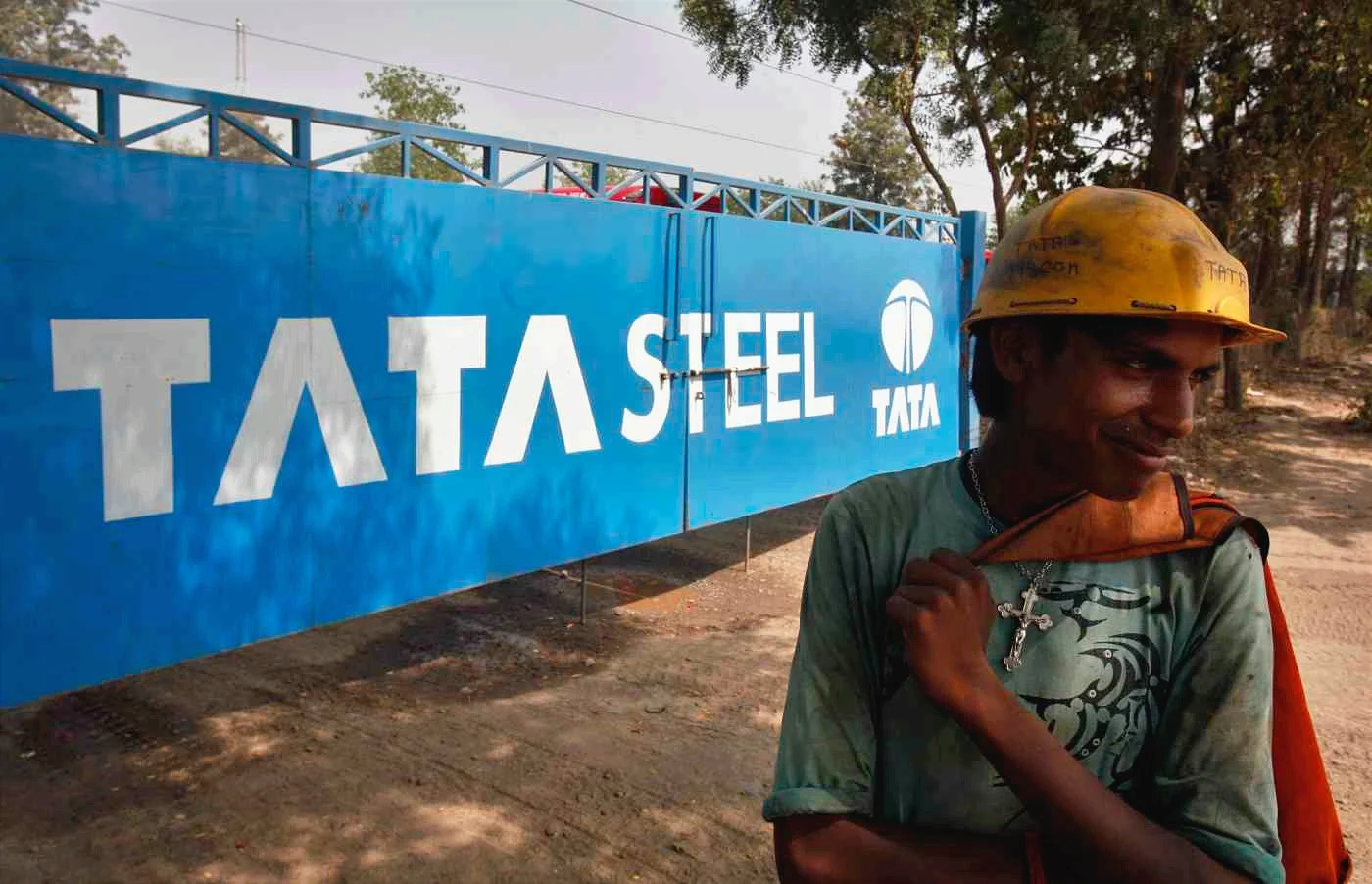
Tata Steel Kalinganagar has successfully rolled out its first batch of galvanised coils from the plant’s new state-of-the-art Continuous Galvanising Line (CGL-1) at the Cold Rolling Mill complex.

The batch was flagged off by Karamveer Singh, General Manager (Operations), Tata Steel Kalinganagar, in the presence of Rabindra Kumar Jamuda, President, Tata Steel Kalinganagar Worker’s Union, along with other senior officials.

Tata Steel Dispatches the First Batch of Galvanised Coils from its New Continuous Galvanising Line in Kalinganagar, Odisha

This milestone marks a significant step in Tata Steel’s capabilities, particularly for the automotive and appliances sector. The advanced Continuous Galvanising Line technology incorporates a third-generation air-knife with magnetic stabiliser, an oxidation chamber, and best-in-class secondary coatings. These features enable the production of high-quality automotive steel, including coated Advanced High Strength Steels (AHSS), ensuring exceptional consistency and reliability.

Prabhat Kumar, Vice President - Marketing & Sales (Flat Products), Tata Steel, said: “The new Continuous Galvanising Line (CGL-1) at Kalinganagar has been engineered to produce advanced coated products with superior surface finish, formability, and corrosion resistance - specifically outlined to meet the stringent quality requirements of the automotive and appliance sectors. This state-of-the-art line has been designed with a forward-looking approach, tailored specifically to meet the evolving needs of our discerning customers. With advanced technology and sustainable practices at its core, the facility reinforces Tata Steel’s position as a trusted partner for the future of mobility.

Last year, Tata Steel had successfully commissioned India’s largest blast furnace at Kalinganagar, Odisha. With a total investment of Rs 27,000 crore, the Phase II expansion at Kalinganagar has augmented the total capacity at the site from 3 million tonnes per annum (MTPA) to 8 MTPA. The CGL-1, part of the Cold Rolling Mill, is an integral part of the Phase II expansion alongside other facilities including Pellet Plant and Coke Plant – each incorporating advanced technologies and sustainable practices.

Being one of India’s most modern and advanced integrated steel plants, Tata Steel Kalinganagar produces world-class steel for critical sectors such as defence, automotive, infrastructure, engineering, capital goods, oil & gas, renewable energy, and shipbuilding.

JSW Group to Invest $120 Bn for World's Largest Steel Plant in Maharashtra

JSW Group to Invest $120 Bn for World's Largest Steel Plant in Maharashtra

JSW Group, led by Chairman Sajjan Jindal, announced an investment of ₹1 lakh crore (approximately $120 billion USD) to build the world's largest steel plant in Gadchiroli, Maharashtra. The plant will have a capacity of 25 million tonnes per annum and is expected to be completed in seven to eight years, with the first phase ready in four years.

Gadchiroli in Maharashtra has significant reserves of high-quality iron ore. The region has significant reserves of high-quality iron ore, with a grade of nearly 64%, making it one of the best sources globally.

The planned Gadchiroli plant will surpass the current largest plant in India, which is the Steel Authority of India Limited (SAIL) plant in Bhilai with a capacity of 7 million tonnes.

The Gadchiroli steel plant will have a capacity of 25 million tonnes per annum, making it the largest in the world.

Iron ore in Gadchiroli was first discovered by Jamshedji Tata in the early 1900s. However, mining activities were limited due to the presence of Maoist insurgents until recent years.

The entire plant is expected to be completed in seven years, with the first phase ready in four years. The plant aims to be the most beautiful and environmentally friendly steel-making facility in the world.

The project is expected to boost employment opportunities and economic growth in the Vidarbha region. This project is part of JSW Group's broader vision to develop the Vidarbha region as a steel hub, which could significantly impact India's steel production and economy.

The state government plans to develop Gadchiroli and the surrounding areas into a steel hub, with multiple steel ventures planned in the district.

Tata Steel Becomes India’s 1st Steel Co. to Develop Steel Pipes for Hydrogen Transportation

Tata Steel Becomes India’s 1st Steel Co. to Develop Steel Pipes for Hydrogen Transportation
  • Company successfully developed hydrogen-compliant API X65 grade steel pipes, contributing to the National Green Hydrogen Mission of India

Tata Steel becomes India’s first steel company to demonstrate end-to-end capabilities to develop pipes for the transportation of hydrogen, marking a significant milestone towards achieving the country’s National Hydrogen Mission.

The API X65 ERW pipes processed at Tata Steel’s Khopoli plant, using the steel manufactured at the Company’s Kalinganagar plant, successfully achieved all the critical properties required for hydrogen transportation. The hydrogen qualification tests were carried out at RINA-CSM S.p.A, Italy, a leading approving agency for hydrogen-related testing and characterisation. The new hydrogen-compliant API X65 grade pipes can be used for the transportation of 100% pure gaseous hydrogen under high pressure (100 bar).

Prabhat Kumar, Vice President - Marketing & Sales (Flat Products), Tata Steel, said: “Tata Steel has always been at the forefront of developing technologies for manufacturing critical steel grades. The successful testing of the new ERW pipes demonstrates our capabilities to deliver critical physical infrastructure for the energy sector, domestically. We are proud to contribute to India’s National Hydrogen Mission, which by itself is a key component of the country’s ongoing clean energy transition. Tata Steel is proud to be the first Indian steel company to successfully take on this challenge and deliver products to cater to the emerging domestic and global demand for these special grade steel pipes.”

Tata Steel's Research and Development team has been extensively engaged in developing innovative and sustainable solutions for hydrogen transportation and storage. In this case, the complete technology development, from the design and development of the hot rolled steel to the pipe manufacturing, was done entirely in-house. In 2024, Tata Steel also became the first Indian steel company to produce hot-rolled steel for the transportation of gaseous hydrogen.

National Hydrogen Mission will enable India to build capabilities to produce at least 5 million metric tonnes (MMT) of Green Hydrogen per annum by 2030, with the potential to reach 10 MMT per annum with additional demand for exports which would require substantial investments in generation and transportation. The demand for steel compliant with hydrogen transportation is expected to start from 2026-27, with the total steel requirement of 350KT spanning over the next 5 to 7 years. While various mechanisms of hydrogen transportation are available, steel pipelines are considered economically more viable for mass transportation.

JSW Steel To Acquire India Unit of German Steel Distributor thyssenKrupp Electrical Steel Via New JV with Japanese Steel Producer

JSW Steel To Acquire India Unit of German Steel Distributor thyssenKrupp Electrical Steel Via New JV with Japanese Steel Producer

JSW Steel, in collaboration with Japan's JFE Steel, has announced a joint venture to acquire Germany-based thyssenkrupp Electrical Steel India, which is one of the first manufacturers of electrical steel in India and reported a revenue of ₹1,271 crore for the fiscal year 2023-24.

The newly formed joint venture will acquire thyssenkrupp's grain-oriented electrical steel (GOES) unit in Nashik for ₹4,051 crore (approximately €440 million) in an all-cash deal.

The acquisition is being made through a 50:50 joint venture between JSW Steel and JFE Steel, named JSW JFE Electrical Steel Private Limited.

The transaction is expected to be completed within eight months, subject to regulatory approvals.

The acquisition will enhance JSW Steel's capabilities in the electrical steel segment, which is crucial for manufacturing components used in electric transformers, generators, and Motors.

This move is part of JSW Steel's strategy to strengthen its position in the specialty steel market and support India's growing demand for advanced materials.

JSW Steel has been actively expanding its portfolio through strategic acquisitions.

In 2018, JSW Steel made two acquisitions. It acquired Bhushan Steel for ₹19,350 crore (approximately $2.8 billion), which significantly increased its steel production capacity. In the same gesr, JSW Steel acquired Monnet Ispat & Energy for ₹2,875 crore (approximately $400 million), adding to its integrated steel production capabilities.

In 2014, JSW Steel acquired Ispat Industries for ₹18,000 crore (approximately $2.9 billion), further strengthening its position in the steel industry.

Tata Steel To Go Beyond Steel and Diversify Into FRP Composites, Graphene and Medical Implant Materials

Tata Steel To Go Beyond Steel and Diversify Into FRP Composites, Graphene and Medical Implant Materials

Tata Steel is expanding its horizons beyond traditional steel production. The global steel company is venturing into knowledge-intensive materials to create parallel revenue streams. Specifically, Tata Steel is exploring areas like fibre-reinforced polymers (FRP) composites, graphene, and medical implant materials. By diversifying into these new materials, Tata Steel aims to counter the cyclicality of the steel business and drive revenue streams in parallel to steel business.

At the 68th Annual General Meeting (AGM) of the Madras Management Association held in Chennai, T. V. Narendran, the Managing Director and CEO of Tata Steel, addressed the audience. During his speech, he highlighted Tata Steel's strategic diversification into knowledge-intensive materials beyond steel production.

Used in aerospace, automotive, and construction Industries, Knowledge-intensive materials refer to substances or composites that are developed through advanced research, scientific understanding, and specialized expertise. These materials often exhibit unique properties or functionalities beyond what traditional materials offer.

While Fibre-Reinforced Polymers (FRP) Composites are combinations of fibres (such as glass, carbon, or aramid) embedded in a polymer matrix (like epoxy or polyester). Tata Steel's FRP business fetched a revenue of ₹375 crore in FY24, according to its latest annual report.

Graphene is a single layer of carbon atoms arranged in a hexagonal lattice. It is known for its exceptional strength, electrical conductivity, and flexibility. It finds its applications in electronics, energy storage, and materials Science. Tata Steel, a flagship company of the Tata Group, has been actively involved in graphene research and development. In 2016, Tata Steel launched its Graphene Initiative and established the Graphene Centre in Jamshedpur, India. This move had signaled Tata Steel's transition from a traditional steel company to a materials production company, emphasizing advanced materials like graphene. In 2017, Tata Steel released a graphene-based product range called "Tiscon Superlinks+". These were graphene-coated stirrups used in construction applications.

Tata Steel continues its research and commercialization efforts related to graphene. The company explores opportunities in graphene supply, processing, and applications.

Beside these, Tata Steel is also getting into Medical Ceramics, which according to Narendran, is imported from outside. 
Medical ceramics play a crucial role in healthcare due to their unique properties. The global medical ceramics market reached $11.3 billion in 2023. By 2032, it's expected to reach $17.3 billion, exhibiting a CAGR of 4.7% during 2024-2032.

By leveraging its expertise in material science, Tata Steel aims to create parallel revenue streams while continuing to build steel plants. This forward-thinking approach reflects their commitment to innovation and sustainable growth.

The Tata Steel CEO Narendran also mentioned Tata Steel’s previous attempt in the titanium business and the company's efforts to build a project in Tamil Nadu. The company had plans to set up a project near Thoothukudi due to the availability of rutile sand in the state and had even begun acquiring land. However, the project did not materialize due to several reasons. To recall, in 2003, Tata Steel initiated a feasibility study for an integrated titanium dioxide plant in Tamil Nadu through an agreement with Outokumpu-Lurgi, Pincock Allen Holt, and Larsen & Toubro.

Tata Steel's strategic diversification reflects its commitment to innovation and sustainable growth beyond traditional steel manufacturing.

Tata Steel Becomes the 1st Indian Steel Co. to Ship Fully Loaded Cargo on B24 Biofuel for Its Raw Material Shipment From Australia to India

Tata Steel Becomes the 1st Indian Steel Co. to Ship Fully Loaded Cargo on B24 Biofuel for Its Raw Material Shipment From Australia to India

Tata Steel has recently announced that it has become the first Indian steel company to complete a full laden leg voyage using B24 biofuel for transporting raw materials from Australia to India.

B24 biofuel is a sustainable marine fuel blend that consists of 24% used cooking oil methyl ester (UCOME) and 76% very low-sulphur fuel oil (VLSFO) 1. This blend is increasingly being used in the maritime sector as a 'plug-and- play' solution to reduce carbon emissions while the industry transitions to lower or zero- carbon alternatives.

This significant achievement by Tata Steel involved importing 1,48,500 metric tons of coal from Gladstone, Australia to Paradip, India, with a 20% reduction in carbon emissions compared to traditional methods.

The vessel, MV Cape XL, embarked on this journey from Gladstone port on April 17, 2024, and successfully berthed at Kalinga International Coal Terminal Paradip Private Ltd. (KICTPPL) on May 8, 2024. The use of B24-grade biofuel, which is a blend of 24% used cooking oil methyl ester (UCOME) and 76% very low sulphur fuel oil (VLSFO), resulted in approximately 565 tons less carbon emission.

This initiative not only demonstrates Tata Steel's commitment to reducing carbon emissions but also sets a new standard for sustainability in the maritime industry. It aligns with the company's ambitious Scope 3 reduction targets and marks a milestone in India's maritime sector. Tata Steel's proactive approach towards sustainable shipping practices is commendable and showcases their alignment with global efforts to combat climate change.

Impact on Tata Steel's overall carbon footprint

Tata Steel's use of B24 biofuel for its raw material shipment is a significant step towards reducing its overall carbon footprint. The company has set ambitious sustainability goals, including a 30% reduction in CO2 emissions by 2030 and a 75% reduction by around 2035, with the ultimate goal of achieving carbon neutrality by 2045.

The successful voyage using B24 biofuel, which resulted in a 20% reduction in carbon emissions for that shipment, contributes to these targets¹. By adopting greener shipping practices and investing in sustainable technologies, Tata Steel is actively working to lower the emission intensity of its steel production.

Moreover, Tata Steel is exploring the transition to green hydrogen-based steel making and other innovative technologies to further reduce emissions³. The company's commitment to climate action is also reflected in its endorsement of the recommendations of the Task Force on Climate-related Financial Disclosures (TCFD).

Overall, such initiatives are critical for Tata Steel to meet its carbon footprint reduction targets and align with global efforts to combat climate change. The impact of these measures is expected to be substantial, considering Tata Steel's scale and the steel industry's significant contribution to global CO2 emissions.

Tata Steel and TEXMiN of IIT (ISM) Dhanbad Partner to Catalyze Innovation in India’s Mining Sector

Tata Steel and TEXMiN of IIT (ISM) Dhanbad Partner to Catalyze Innovation in India’s Mining Sector

Tata Steel and TEXMiN, the Mining Technology Innovation Hub at IIT (ISM) Dhanbad, have entered into a strategic alliance to transform India's mining sector. This partnership is set to catalyze innovation and reshape the landscape of natural resource management in the country. 

The collaboration was announced on April 30, 2024, and involves Tata Steel's Industrial Consulting Division (TSIC) and TEXMiN, at IIT (ISM) Dhanbad.

Through meticulously curated training initiatives, the collaboration aims to empower mining professionals with contemporary proficiencies spanning exploration, mining, remote sensing, and regulatory protocols, ensuring a skilled and competent workforce for the future.

TSIC and TEXMiN will synergise their efforts to conceive novel products and services with commercial viability, focusing on scalability and innovation to address industry challenges and drive transformative change. The partnership will also explore and implement nascent mining technologies, fostering sustainable growth and industry-wide transformation through the adoption of innovative solutions.

Additionally, TSIC and TEXMiN will collaborate in governmental and private sector initiatives, leveraging their complementary competencies to overcome challenges and foster a culture of transformative change within the mining industry.

The Memorandum of Understanding (MoU) between the two entities marks a significant step towards propelling the mining industry into the era of Mining 4.0. It emphasizes both institutions' commitment to fostering a sustainable and efficient future for the sector.

Key Objectives of the Alliance:

  • Technical Advancements: Prioritizing technical advancements to redefine resource management practices.
  • Skill Development: Empowering mining professionals with contemporary skills in exploration, mining, remote sensing, and regulatory protocols.
  • Innovative Technologies: Integrating cutting-edge software and digital methodologies into exploration, mining, and beneficiation processes.
  • Novel Products and Services: Conceiving scalable and innovative solutions to address industry challenges.
  • Sustainable Growth: Implementing nascent mining technologies to foster sustainable growth and industry-wide transformation.
This strategic alliance is expected to drive transformative change across the sector, setting new benchmarks for efficiency and sustainability.

TEXMiN (Technology Innovation in Exploration & Mining) Foundation, instituted by DST, GoI, under the NMICPS mission, is a Section 8 company and the preeminent Mining Technology Innovation Hub of IIT (ISM) Dhanbad. It is committed to addressing the manifold challenges confronting the mining and exploration sector through the strategic deployment of CPS-based technologies.

SAIL's Bhilai Plant Pioneers Next-Gen Steel for S5 Nuclear Ballistic Missile Submarines (SSBNs)

SAIL's Bhilai Plant Pioneers Next-Gen Steel for S5 Nuclear Ballistic Missile Submarines (SSBNs)

The Steel Authority of India Limited's (SAIL) Bhilai Steel Plant (BSP) has made a significant advancement in the development of strategic defense materials. They have pioneered the creation of next-generation steel designed specifically for the S5 class of nuclear-powered ballistic missile submarines (SSBNs).

The S5-class submarine is a planned class of Indian nuclear-powered ballistic missile submarines (SSBNs) currently under development for the Indian Navy.

This new steel is currently undergoing a comprehensive multi-year testing phase to ensure it meets the stringent performance requirements necessary for underwater applications.

Once the testing phase is successfully completed and the steel is cleared for use, it will be utilized in the construction of the S5 class SSBNs. These submarines are reported to be true underwater giants with an estimated submerged displacement exceeding 12,000 tons and a length of nearly 150 meters.

The S5 class submarines are expected to significantly enhance India's underwater deterrence capabilities and reinforce its position as a leading maritime power.

The S5 class submarines project was assessed by the Government of India in 2006, and production is expected to start by 2027. These submarines are part of India's strategic nuclear deterrent and are expected to play a crucial role in the country's defense strategy by providing a second-strike capability. The S5- class will contribute to the triad of India's nuclear deterrence, which comprises land- based missiles, strategic bombers, and SSBNs.

The next-generation steel developed is designed to meet the specific demands of modern submarine construction. While official details on the composition and properties of this new steel are classified, it is undergoing rigorous testing to ensure it surpasses the performance requirements for underwater applications.

Compared to existing materials, this new steel variant is likely to offer improved strength, corrosion resistance, and longevity, which are critical for the harsh conditions submarines encounter in deep-sea environments. The development process for this steel is more extensive than that for the steel used in the INS Vikrant aircraft carrier, indicating a significant advancement in quality and performance.

This specialized steel is expected to enhance the structural integrity and safety of the S5 class submarines, contributing to India's strategic defense capabilities and supporting the nation's goal of self-reliance in defense technology.

This initiative is part of India's strategic move towards self-reliance in defense capabilities. The steel produced by BSP will undergo extensive testing and inspection by the Defence Metallurgical Research Laboratory (DMRL) and the Indian Navy before it is used in the construction of the Submarine.

The development of this steel is a testament to SAIL-Bhilai's commitment to contributing to major defense projects, following their previous work on special steel plates for the INS Vikrant aircraft carrier. The testing for the submarine steel is reported to be ten times more rigorous than that for the steel used in INS Vikrant, highlighting the critical nature and high standards required for submarine construction.

This project is a significant step in bolstering India's defense infrastructure and enhancing its maritime security. The indigenous development of submarines using materials produced within the country not only strengthens national security but also supports the growth of domestic Industries.

Source – Times of India | Via – Idrw.org

SAIL Partners SaaS Startup Sentra.World for Carbon Emission Tracking and Reduction

SAIL Partners SaaS Startup Sentra.World for Carbon Emission Tracking at Durgapur Plant

The Steel Authority of India Limited (SAIL) has partnered with the Bengaluru-based SaaS startup Sentra.world to pioneer carbon emission reduction in steel production.

This collaboration involves using Sentra.world's advanced carbon tracking software at SAIL's Durgapur Steel Plant and its Environment Management Division.

sentra.world is a B2B SaaS carbon accounting software company that helps industrial businesses measure, report, certify, and reduce their carbon emissions.

The initiative is a significant step towards sustainable and eco-friendly practices in the steel industry, aiming to comprehensively monitor and manage carbon dioxide emissions across various production facilities. This partnership aligns with global efforts to decarbonize economies and minimize the environmental impact of industrial activities.

Founded in 2023 by two ex-McKinsey junior partners — Harsh Choudhry and Vikas Upadhyay — each with 16+ years of experience in sustainability, industrial manufacturing and digital technology, Sentra.world's software help industrial companies track and reduce their CO2 emissions. It uses a combination of AI and blockchain technology to provide a comprehensive view of emissions, employing various methods for accurate assessments.

The software uses recognized methodologies like the GHG protocol and standards set by the World Steel Association to measure CO2 emissions.

The startup is headquartered in Bangalore and has received a total funding of $2.0 million from investors such as Avaana Capital, Golden Sparrow Ventures and RPG Ventures.

Sentra.world's software is gaining traction in the industrial sector, particularly among companies focused on sustainability and carbon emission reduction. The software is designed to cater to industries such as Steel, Aluminum, Cement, Chemicals, and Utilities. These sectors are critical for decarbonization efforts due to their significant greenhouse gas emissions. Sentra.world's approach, which combines AI and blockchain technology, is particularly suitable for businesses looking to meet ESG compliance, access new markets, and reduce costs while managing their environmental footprint.

Tata Steel To Infuse ~ Rs 6,600 Crore in Equity of Neelachal Ispat Nigam

Tata Steel To Infuse ~ Rs 6,600 Crore in Equity of Neelachal Ispat Nigam

Tata Steel plans to infuse up to Rs 6,600 crore in Neelachal Ispat Nigam Ltd (NINL) 's equity over the next two years, reported The Telegraph. This capital injection aims to fund NINL's expansion plans, specifically focusing on its long products business segment.

This move comes after Tata Steel acquired NINL, in early 2022, for Rs 12,100 crore through a government divestment process. NINL is expected to benefit from Tata Steel's expertise in the steel industry, allowing it to grow its long products business. Analysts believe this investment is a positive step for Tata Steel, as it strengthens their presence in the long products market and aids NINL's growth trajectory.

Neelachal Ispat Nigam Ltd (NINL) is an integrated iron and steel plant located at Kalinganagar, Duburi, Dist-Jajpur, Odisha. Presently, NINL produces pig iron and LAM coke, along with other products like nut coke, coke breeze, crude tar, ammonium sulphate, and granulated slag (phase-l). The company also has its own captive power plant and exports a substantial quantity of power.

Tata Steel Long Products Limited (TSLP), a subsidiary of Tata Steel, has completed the acquisition of 93.71% in NINL from various entities, including MMTC Ltd., NMDC Ltd., MECON Ltd., and others. The acquisition was made for Rs. 12,100 Crore.

NINL is located in close proximity to Tata Steel's state-of-the-art facility at Kalinganagar. This acquisition provides synergies of shared infrastructure, resources, and management. Tata Steel aims to build a dedicated and sustainable long products complex.

Tata Steel plans to restart the existing 1-million tons per annum steel plant at NINL and simultaneously work on expanding its capacity. The goal is to build a 4.5 million tons per annum state-of-the-art long products complex in the next few years, with further expansion to 10 million tons per annum by 2030.

NINL will focus on producing long products such as wire, bars, and rods, which are crucial for India's infrastructure development and construction sector.

This investment aligns with Tata Steel's commitment to Odisha and its growth strategy in the long products business.

In steel manufacturing, long products refer to a variety of steel shapes and forms that are typically elongated or have extended lengths. These include — Hot Rolled Bar commonly used in construction and manufacturing; Cold Rolled or Drawn Bar; Rebar (Reinforcing Bars), used to reinforce concrete structures, such as in buildings and bridges; Railway Rails, the tracks on which trains run, made from long steel sections, and others.

Long products play a crucial role in construction, infrastructure, and manufacturing sectors.

Bill Gates, Amazon backed Startup Opens World's 1st Green Steel Plant

Bill Gates, Amazon backed Startup Opens World's 1st Green Steel Plant

Electra, a startup backed by Bill Gates and Amazon, has opened its first steel production plant in the United States. This pilot plant, located in Colorado, utilizes renewable energy to produce clean metallic iron from high-impurity ores. The process aims to create "green" steel, which could significantly reduce the environmental impact of steel production.

By integrating renewable energy resources, Electra achieves emissions-free iron production at a much lower temperature than traditional coal-fired furnaces. Their clean iron has a purity of over 99%, making it valuable for electric arc furnace (EAF) steelmakers. This innovative approach represents a significant step toward a cleaner and more sustainable steel industry.

Electra has developed a groundbreaking process for green steel production. Electra's method operates at a mere 60 degrees Celsius (around the temperature of coffee), which is significantly lower than traditional steelmaking processes that rely on coal-fired furnaces. Electra uses a proven industrial-scale electrochemical and hydrometallurgical process. Here are the key steps:
  • Dissolving Iron Oxide: First, they dissolve iron oxide ore in an aqueous acid solution.
  • Precipitating Metals: This step allows them to selectively refine the main impurities in iron ore, such as alumina and silica, as co-products.
  • Direct Reduction: Electra directly reduces iron oxide into iron without the need for a blast furnace or coal burning.
The result is high-purity, gangue-free iron metal with a purity of over 99%. This clean iron can be charged directly into electric arc furnace (EAF) steelmakers, making it valuable for steel production.


Bill Gates, Amazon backed Startup Opens World's 1st Green Steel Plant
 
Electra's Melissa Mansour, Faxson Cockrell, Colleen Wallace, Ben Whitman and Michael Street inspect a plate of iron from Electra's low-temperature iron electrowinning cell at its pilot plant in Boulder, Colorado.

This is a significant improvement compared to traditional steelmaking methods that rely on melting high-grade ores with coal, emitting 10% of global carbon dioxide emissions.

Electra's pilot plant represents a significant step toward a cleaner, more sustainable, and circular steel industry. Partnerships across the value chain support their goal of producing millions of tonnes of clean iron by the end of the decade.

In summary, Electra's process aims to bend the trajectory of climate change by creating green steel through innovative technology and sustainable practices.

In October 2022, Electra raised $85 million in Series B round of funding from notable group of backers including Bill Gates-founded Breakthrough Energy Ventures, Amazon, BHP Ventures, Temasek, S2G Ventures, Capricorn Investment Group, Lowercarbon Capital, Valor Equity Partners, and Baruch Future Ventures.

Several other companies are also actively working on green steel production, aiming to reduce the environmental impact of steelmaking.

Swedish startup, H2 Green Steel, is building a large-scale plant in Sweden that will produce steel using hydrogen made from renewable energy instead of coal. By the end of next year, they plant to begin making steel for customers like Ikea and Mercedes-Benz. Their goal is to produce 5 million tons of green steel annually.

Boston Metal uses electrolysis to create steel from iron ore. By leveraging this innovative process, they aim to reduce emissions associated with traditional steel production.

Arcelor Mittal and China Baowu Group have also announced commitments to net-zero steelmaking, championing solutions for a more sustainable industry.

JSW Steel May Acquire Stakes in Canada's Teck Resources for $2 Bn

JSW Steel May Acquire Canada's Teck Resources for $2 Bn

JSW Steel Limited, an Indian multinational steel producer based in Mumbai, is considering a bid to acquire a stake of up to 20% in Canada's Teck Resources steelmaking coal business, as first reported by Bloomberg.

JSW Steel, India's second largest private sector steel company, is in early-stage talks for a possible acquisition and for financing this deal, JSW is in discussions with banks. The potential deal may total about $2 billion, the report said.

Vancouver-based Teck Resources, known as Teck Cominco until late 2008, is a diversified natural resources company engaged in mining and mineral development, including coal for the steelmaking industry, copper, zinc, and energy.

Besides JSW bid for Teck's steel business, Japanese steel maker Nippon Steel and Swiss trading and mining firm Glencore had also shown interest in the Canadian miner's coal unit.

In an another news-story about Teck Resources, the mines owned by Teck have been the subject of environmental concerns for decades because of chemicals like selenium, a mining waste product, that dissolve into mountain rivers flowing through Indigenous land and across the border into U.S. waterways. Many scientists attribute the malformed creatures and declines in certain fish populations to five enormous Canadian open-pit coal mines including that of Teck's that interrupt this wild landscape of dense forest flush with bears and wolves.

JSW Steel is a flagship company of the JSW Group led by Sajjan Jindal, and is part of the O.P. Jindal Group. The group's diverse businesses include steel, energy, infrastructure, cement and paints, across India, the United States, South America, and Africa.

Last month, it was reported that Sajjan Jindal is reportedly aiming to buy MG Motor India, a wholly owned a subsidiary of the Chinese automotive manufacturer, SAIC Motor, which markets vehicles under the British MG marque.

Green Steel - Vedanta Exploring Tying-up with IIT-Bombay To Research on Using Hydrogen in Steel Manufacturing

Vedanta Exploring Tie-up with IIT-Bombay To Research Using Hydrogen in Steel Manufacturing

Amid climate change crisis, when companies engaged in manufacturing using coal or other fossil-fuels is looking to reduce their carbon footprints, Sesa Goa Iron Ore, a Vedanta Group company engaged in exploration, mining and processing of iron ore, is looking for a tie-up with IIT-Bombay to carry out a research for manufacturing pig iron ore using hydrogen in place of coke (a type of coal).

Steel is combination of iron and carbon, and while the iron is obtained from iron-ore the carbon in steel is obtained from coke. Pig iron is an intermediary product before the Steel is produced. Pig Iron has high amount of carbon content then required for the end-product - 'Steel'.

Vedanta subsidiary, Sesa Goa Iron Ore, is looking to realize "Green Steel". For the same, the company is exploring to collaborate with IIT-Bombay for a study on the use of hydrogen in its steel production. Its in a nascent stage however.

Notably, Steelmaking is one of the most carbon emission intensive industries in the world. According to a last year's report, steelmaking is estimated to be responsible for 7-9% of all direct fossil fuel greenhouse gas emissions across the world.

If a steel manufacturing company is using a non-electric process for steelmaking and instead using coke/coal then there's too much of carbon emission in the process. First - using coke in melting raw iron (iron ore ) is itself increases carbon footprints and Second - releasing CO and CO2, when decarbonizing the pig iron, to convert it into proper steel. 

To make steel, the iron needs to be separated from the oxygen and a tiny amount of carbon needs to be added, which is accomplished by melting the iron ore at a very high temperature (1,700 degrees Celsius) in the presence of air and coke. Here the pig iron is obtained.

This Pig Iron is then converted to Steel by blowing oxygen through molten pig iron. In this process, some of the carbon in the iron converted into CO− and CO2, to turn it into steel.

Last year, consulting firm McKinsey identified a number of technologies for decarbonization including hydrogen usage, carbon capture and reuse, and maximizing use of electric arc furnaces powered by clean energy.

Sujal Shah, Deputy CEO, who is Vedanta's Sesa Goa Iron Ore Business, told news agency PTI, "We have our own vision of going towards the green steel. So my coke ovens will become green coke very soon, where I will be having all the coke-making through a green process, extracting, harnessing... 
and it will simply float over the grid. I would not require power from the grid, rather I would give power to the grid."

Vedanta has earlier committed to reduce carbon emissions to zero by 2050 or sooner and pledging US$5 billion over the next 10 years to accelerate the transition to net zero operations.

Market Reports

Market Report & Surveys
IndianWeb2.com © all rights reserved