Showing posts with label Taiwan. Show all posts

Air India Partners with Taiwan’s STARLUX to Unlock Seamless Travel Across Asia

Air India Partners with Taiwan’s STARLUX to Unlock Seamless Travel Across Asia

Air India, India’s leading global airline, today announced a new interline partnership with Taiwan-based STARLUX Airlines, further enhancing travel options for customers across Asia.

The interline agreement between the two carriers enables single-ticket itineraries that combine Air India and STARLUX flights, offering smoother journeys, coordinated baggage handling, and simplified travel for customers of both airlines.

Through this partnership, Air India customers will be able to access Taipei via Air India’s Southeast Asia gateways namely, Hong Kong, Bangkok, Singapore, Ho Chi Minh City and Kuala Lumpur.

Conversely, STARLUX customers will enjoy seamless connections to Delhi, Mumbai, Chennai and Bengaluru via shared gateways in Hong Kong, Bangkok, Singapore, Ho Chi Minh City and Kuala Lumpur.

Nipun Aggarwal, Chief Commercial Officer, Air India, said: “We are excited to partner with luxury full-service carrier, STARLUX Airlines, to enhance travel options across for our customers to Taiwan. This interline agreement aligns perfectly with Air India’s commitment to delivering premium experiences for our guests, while inviting STARLUX Airlines customers to experience India’s diverse cities in full-service comfort through our robust network.”

Founded on the philosophy that luxury should be available to everyone, not just the elite, Taiwan-based STARLUX Airlines is a boutique international airline serving over 30 routes from Taiwan to the U.S., Japan, Macau, Hong Kong, Vietnam, Thailand, Philippines, Malaysia, Indonesia and Singapore. STARLUX prioritizes safety and offers unparalleled service with the goal of making flying a truly luxurious and unforgettable experience.

Bookings are open via travel agents worldwide and will be progressively opened on Air India’s website (www.airindia.com) and mobile app.

Taiwan’s First Public Bitcoin Treasury Signals Asia’s Corporate Crypto Shift

Taiwan’s First Public Bitcoin Treasury Signals Asia’s Corporate Crypto Shift

In a landmark move for Taiwan’s corporate crypto landscape, Top Win International, originally a luxury watchmaker, has become Taiwan’s first publicly traded corporate Bitcoin treasury. It has successfully raised $10 million to launch the country’s first corporate Bitcoin treasury. The company is rebranding as AsiaStrategy, positioning itself as a regional counterpart to U.S.-based MicroStrategy.

The funding round, completed on August 15, was led by WiseLink, a Taiwan-listed zipper manufacturer and software firm, which contributed $2 million via three-year convertible notes. Additional backing came from U.S. investor Chad Koehn and four unnamed private investors.

AsiaStrategy plans to use the capital to:
  • Accumulate Bitcoin at current market prices (~$42,500 per BTC)
  • Invest in other listed Bitcoin treasury firms
  • Avoid classification as a traditional investment company, sidestepping regulatory hurdles like SEC oversight
The move follows a strategic alliance with Sora Ventures, which previously helped launch Japan’s first Bitcoin treasury firm, Metaplanet. Taiwan’s July 2025 rollout of a blockchain-based payment system further underscores its ambition to become a regional crypto innovation hub.

Global Context: How Taiwan’s Strategy Compares

Region/Country Strategy Type Key Players / Examples Funding Mechanism Regulatory Climate Unique Traits
Taiwan Corporate Treasury (Public) AsiaStrategy (Top Win) $10M via convertible notes Pro-crypto, innovation-focused First public BTC treasury in Taiwan
United States Corporate + Government Reserve MicroStrategy, U.S. Treasury Equity, debt, asset forfeiture Mixed; evolving federal stance Largest BTC holder via seizures
Japan Corporate Treasury (Public) Metaplanet Convertible debt, equity Supportive, ETF approvals Fastest-growing BTC firm in Asia
Bhutan Sovereign Treasury Druk Holdings Mining + strategic purchases Quiet but active BTC mining via hydroelectric surplus
El Salvador Sovereign Treasury Government of El Salvador Direct purchases Fully legalized BTC First country to adopt BTC as legal tender
UK & Europe Corporate Treasury (Public) Smarter Web Co., Blockchain Group IPO + BTC treasury model Varies by country BTC as base layer for equity growth

Strategic Takeaway

Taiwan’s AsiaStrategy is adopting a cautious yet symbolic approach—leveraging convertible debt and public market transparency to build its Bitcoin reserves.
Unlike MicroStrategy’s aggressive accumulation or El Salvador’s sovereign adoption, Taiwan’s model is corporate-first and regulation-aware, signaling a maturing crypto strategy in Asia.

As Bitcoin continues to gain traction as a treasury asset, AsiaStrategy’s pivot could inspire a wave of publicly listed firms across Asia to follow suit—blending traditional business models with digital asset innovation.

Samsung To Get $6.4 Bn in Grants from the US for Chip Production To Reduce Dependence on China, Taiwan

Samsung To Get $6.4 Bn in Grants from the US for Chip Production and Reduce Dependence on China, Taiwan

The Biden administration has decided to award South Korea's Samsung up to $6.4 billion in grants to expand its chip production in central Texas as part of a broader effort to enhance U.S. chipmaking. This funding, provided through the 2022 Chips and Science Act, aims to boost chip production for the aerospace, defense, and auto industries, while also bolstering national security.

The grant will support the following initiatives:
  • Two chip production facilities: These facilities will contribute to the production of advanced chips.
  • A research center: Focused on innovation and development.
  • A packaging facility: Responsible for packaging chip components.
Commerce Secretary Gina Raimondo emphasized that these investments will allow the U.S. to regain its leadership position in semiconductor design and manufacturing. Samsung is expected to invest approximately $45 billion in constructing and expanding its Texas facilities by the end of the decade. This move aims to reduce dependence on China and Taiwan for chip production.

The cluster in Taylor, Texas will include factories producing four- and two-nanometer chips. Additionally, an existing Samsung facility in Austin, Texas, will be expanded. The project is projected to create at least 17,000 construction jobs and more than 4,500 manufacturing jobs. By supporting advanced technology domestically, the U.S. aims to enhance its national security in the face of global competition.

Texas has become a hub for U.S. chip manufacturing due to a combination of factors such as low taxes, new subsidies, and geopolitical tensions between China and Taiwan.

US-based Robot Delivery Firm Kiwibot Acquires Taiwan-based Chipmaker

US-based Robot Delivery Firm Kiwi Acquires Taiwan-based Chipmaker

The delivery robotics firm Kiwibot has acquired Auto Mobility Solutions, a Taipei Taiwan-based chipmaker that specializes in robotics and autonomous driving technologies, reported Techcrunch.com
This strategic move is partly in response to the increasing tensions between the U.S. and China.

The acquisition aims to enhance Kiwibot's cybersecurity measures for AI-powered robotics and establish a stronger presence in Asia. The details of the transaction have not been disclosed, but the merger is seen as a significant step in innovation and privacy protection within the robotics industry.

The development comes within few days after Taiwan got struck by an earthquake, which was the most powerful earthquake to hit the region in last 25 years. The earthquake halted some chipmaking operations including the Taiwan Semiconductor Manufacturing Co. (TSMC), the world's largest maker of advanced chips, that had to evacuate staff and stop machinery as a precaution.

Kiwibot calls this acquisition deal a “significant milestone in both companies" journeys toward innovation and safeguarding privacy in the robotics industry, particularly for intelligent robots sourced from China and deployed in the Western markets.

This move also signifies Kiwibot's expansion and increased presence in the Asian market.

Founded in 2017, Kiwibot is a company that uses autonomous robots to deliver food and packages at over 35 universities and locations worldwide. The company's robots are designed to navigate and drive on sidewalks without human intervention in certain environments. Kiwibot's robots are powered by AI and a team of humans.

US-based Robot Delivery Firm Kiwibot Acquires Taiwan-based Chipmaker
Kiwibot delivery robots

Kiwibot launched its first pilot at the University of California-Berkeley campus. With a presence at 27 US college campuses and 41 cities worldwide, the company aims to revolutionize food delivery with high-driving autonomous robots. They’ve delivered fresh food for restaurants like Dunkin Donuts, Subway, Pizza Hut, and Mr. Beast Burgers, and the service lets customers launch last-mile deliveries at a fraction of the time and cost without the hassle of hiring a courier. Having served 6,942 students and connected 133 restaurants with customers in 2022, Kiwibot is committed to a zero-carbon future eliminating the gas emissions of common delivery vehicles.

Auto Mobility Solutions is a Taipei-based company that specializes in robotics and autonomous driving technologies. The Taiwanese company focus on creating chips for robotics and autonomous conditions, with a strong emphasis on robot cybersecurity. The company was incorporated on April 10, 2018, and operates as a private limited company. Their services include the maintenance and repair of motor vehicles, as indicated by their SIC code 45200.

Back to Kiwibot, the robots delivery firm has raised a total of $45.6 million over various funding rounds. The last known funding round was a Series A for $10 million on February 22, 2023. The company has received investments from a diverse group of investors. Some of the notable investors include Kineo Finance, Bay Wharf Capital Cibersons, Socialatom Ventures, and Sodexo. These investors have contributed to Kiwibot's funding rounds, supporting their development of on-demand delivery robots designed for various services like food delivery.
 

Taiwan Earthquake To Impact Semiconductor Industry and Global Tech Supply Chain

Taiwan Earthquake To Impact Semiconductor Industry and Global Tech Supply Chain

Taiwan got struck by a powerful 7.4 magnitude earthquake, which was the most powerful earthquake to hit the region since a 7.7 magnitude quake in 1999. The event triggered tsunami warnings across Taiwan, Japan, and the Philippines, and was followed by a strong 6.5 magnitude aftershock just 13 minutes later. Reports quickly surfaced of at least 26 buildings collapsing, predominantly in Hualien County.

They say "the world is cruel place" and the latest example of same is that instead of supplying supportive aid to people who have been affected in the region, the world is more concerned for solution to the reliance on Taiwan for semiconductor manufacturing. As Taiwan is a region prone to seismic activity, the disruption could potentially lead to delays and price increases for electronic components, which would affect a wide range of products from smartphones to cars.

The earthquake halted some chipmaking operations. Taiwan Semiconductor Manufacturing Co. (TSMC), the world's largest maker of advanced chips, was among the companies that had to evacuate staff and stop machinery as a precaution.

Moreover, the earthquake could have a considerable impact on the global technology supply chain. The global tech supply chain is already feeling the effects, with predictions of shortages and price hikes for key components. This incident serves as a reminder of the fragility of the global supply chain and the importance of geographic diversification in manufacturing.

Besides TSMC, Taiwan also houses United Microelectronics Corp. (UMC) playing pivotal roles and is a significant supplier to the automotive industry. The earthquake prompted both TSMC and UMC to halt some production units and evacuate plants.

Given that high-end chips require continuous production processes that can span several weeks, any interruption could result in the loss of in-progress chip batches. This disruption could potentially lead to shortages or increased prices for electronic components globally, affecting everything from consumer electronics to automotive industries.

Moreover, the concentration of such a significant portion of the world's semiconductor production in a region prone to natural disasters highlights the vulnerability of the global supply chain and underscores the need for diversification and robust contingency planning.

Need for Alternative Semiconductor Hubs

There are several emerging alternative hubs for semiconductor manufacturing. India, for instance, is making significant strides in this area. The country is not only establishing semiconductor foundries but is also aiming to bring semiconductor wafer fab equipment (WFE) manufacturing in-house. This move is considered a masterstroke based on the geopolitics and geo-economics of semiconductors.

Additionally, India's government has launched initiatives like the India Semiconductor Mission and production-linked incentive (PLI) schemes to attract investments in chip manufacturing, which could make India a reliable source of semiconductors.

Japan is also positioning itself as a potential hub, with plans to develop semiconductor industries in regions like Kyushu, Tohoku, and Hokkaido. However, Japan too is an earthquake prone country. This island country sits at the junction of four tectonic plates, making it a hotspot for seismic activity and thus Japan experiences frequent earthquakes, including some of the most powerful ever recorded.

These efforts reflect a global trend towards diversifying the semiconductor supply chain and reducing reliance on traditional manufacturing powerhouses like Taiwan and China.

Foxconn Founder Terry Gou To Run for Taiwan President As An Independent Candidate

Foxconn Founder Terry Gou To Run for Taiwan President Aa An Independent Candidate

Foxconn Founder, Terry Gou, has announced that he'll run for president of Taiwan as an independent candidate in upcoming elections in next January.

At a news conference, Gou criticised the governing Democratic Progressive Party, saying its policies have brought Taiwan into the risk of war with China, which claims the self-ruled island democracy as part of its territory.

Interestingly, this will be Foxconn founder's second attempt to lead the opposition Kuomintang (KMT). In 2019, Gou resigned from Foxconn and joined the Kuomintang (KMT) to run for president, declaring he was instructed by the sea goddess Mazu in a dream to contest the election. Notably, Gou is also the main owner of HMD Global, which is a company founded in 2016 to sell Nokia branded phones.

However, Gou now needs to get 2,90,000 signatures from voters by 2 November to make his bid official.

Taiwan's current president—Tsai ING-wen, the first female president of Taiwan, has more anti-China stance contrasts with the KMT, which supports closer ties with mainland China.

The Foxconn founder said that he was running to prevent Taiwan from becoming “the next Ukraine,” promised to bring “50 years of peace to the Taiwan Strait,” and pledged to help the island overtake Singapore in terms of GDP per capita.

In 2019 however Gou had contrast point of view towards China when he told reporters that Apple should move its manufacturing out of China.

Owing to his business background and image as a political outsider, Gou has been compared in international media to former U.S. President Donald Trump.

Taiwan's Electric Scooter Co. Gogoro Foraying in Indian Market

Taiwan's Electric Scooter Co. Gogoro Foraying in Indian Market

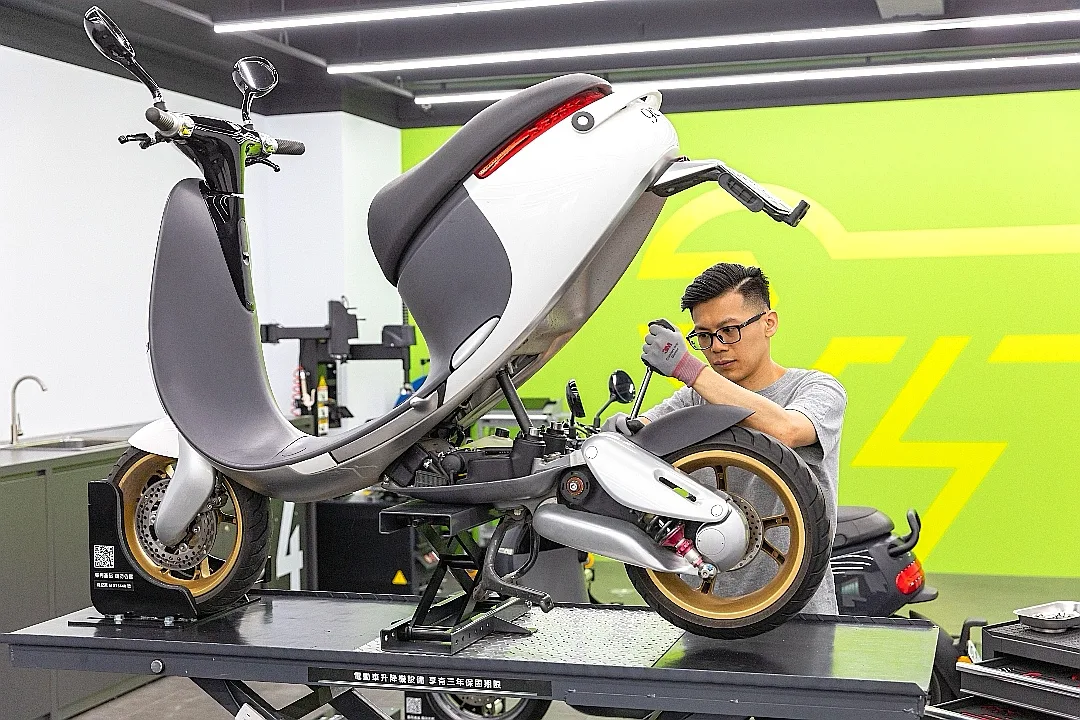
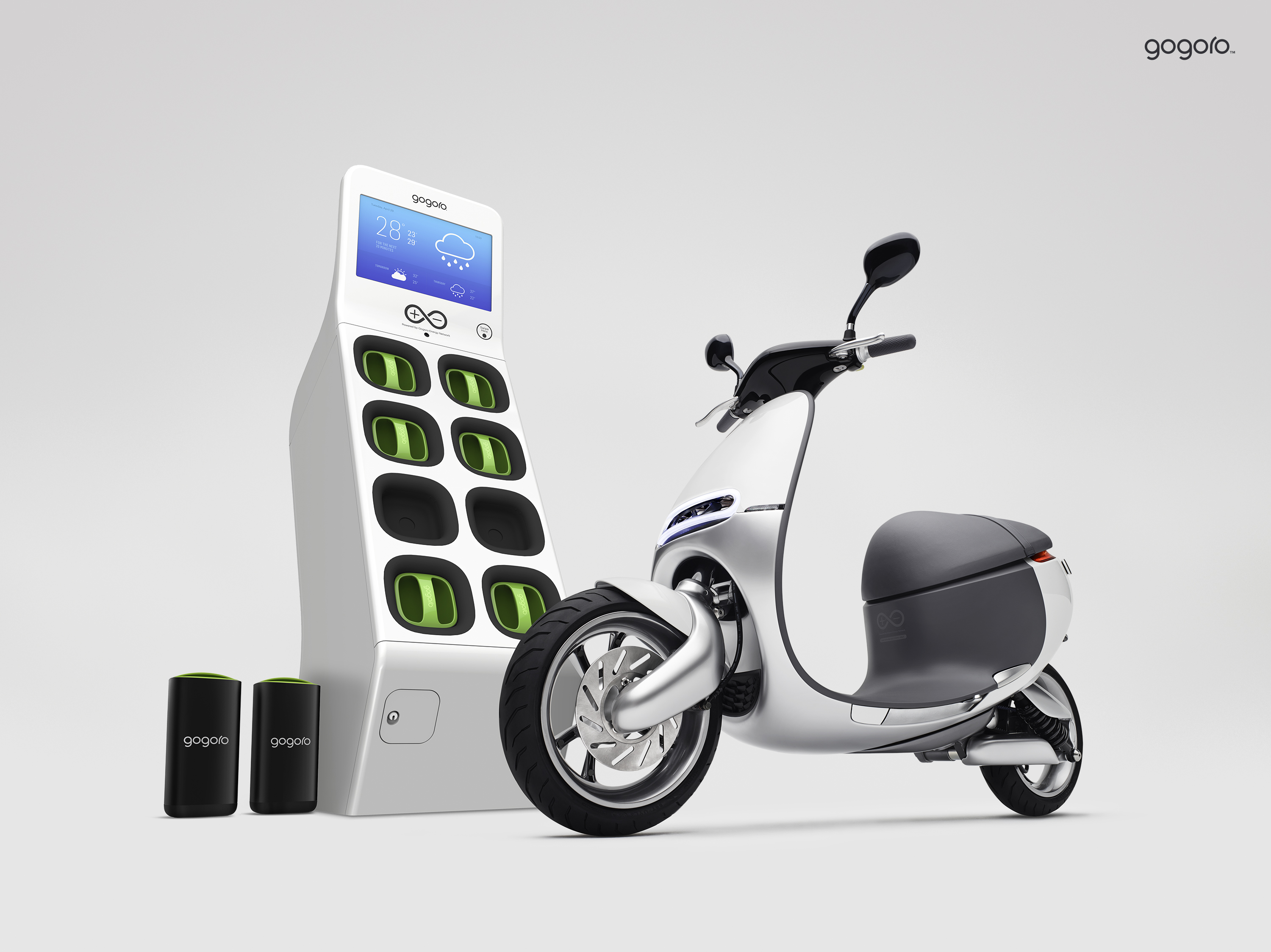
Taiwan's electric scooter company Gogoro is all set to make a debut in the Indian market. The company is reportedly launching its electric scooter on November 3. Gogoro is said to have partnered with Hero MotoCorp for this.

Gogoro manufactures both low speed and high speed electric scooters. Many of its models are already present in the international market.

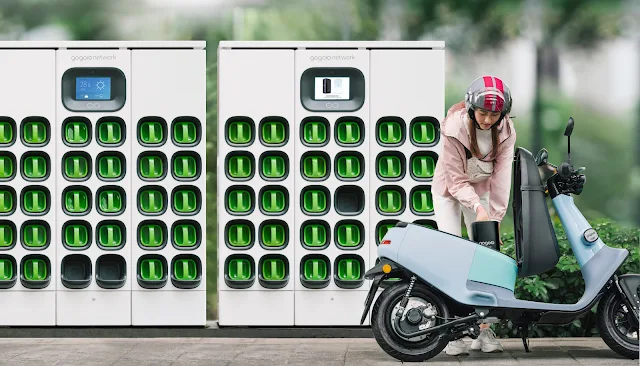
Last year in April, Gogoro announced a strategic partnership with Hero MotoCorp, to roll out its Gogoro Network battery swapping in India.

Taiwan's Electric Scooter Co. Gogoro Foraying in Indian Market
Gogoro Battery Swaps

The company will launch a longer range model in the Indian market. With a range of 90km and a top speed of 30km/hour, Gogoro will launch a low-speed and longer-range electric scooter in India.

The company could foray into the e-scooter segment with its model —   Gogoro S1 or Gogoro Viva— as a last-mile delivery option for B2B customers. 

Gogoro Viva
VIVA

In this scooter, the company is going to provide a lithium-ion battery pack with a capacity of 1.9 kWh. With which 250 W power electric hub motor will be connected. The range of this electric scooter can be 80 to 90 kilometers on a single charge. With which a top speed of 25 to 30 kilometers per hour can be found.It is believed that its battery will be swapped and run. Recently, Baaz Bikes has also launched an electric scooter with battery swap. 


Gogoro offers many great features along with unique design in its electric scooteraccording to the need of the rider .Features such as all-LED lighting, LED instrument console, Bluetooth and app connectivity, multi-ride mode, remote start, anti-theft alarm can be given in the electric scooter to be launched in India. With this, the company can offer many new useful features considering the need of the Rider. The price of this scooter can be between 80 to 85 thousand rupees.

According to a media report, Gogoro will make an official announcement on November 3, 2022.

Founded in 2011, Gogoro develops its own line of electric scooters and offers its own EV innovations to vehicle maker partners like Hero, Yamaha, Aeonmotor, PGO, eReady and eMOVING.

This year, Gogoro went public, with its merger with Nasdaq-listed special-purpose acquisition company Poema Global.

Market Reports

Market Report & Surveys
IndianWeb2.com © all rights reserved