Showing posts with label Health & Wellness. Show all posts

Delhi High Court Intervenes to Revive Rare Disease Crowdfunding Platform

Delhi High Court Intervenes to Revive Rare Disease Crowdfunding Platform

In a landmark move to address India’s rare disease treatment crisis, the Delhi High Court has ordered the formation of a four-member expert panel to oversee and revamp the national crowdfunding platform hosted by the Ministry of Health and Family Welfare. The platform, designed to support patients with life-threatening rare diseases, has so far failed to mobilize adequate public and corporate donations.

Judicial Trigger: A Mother's Plea for Life-Saving Treatment

The court’s intervention was prompted by a petition filed by the mother of an infant diagnosed with Spinal Muscular Atrophy (SMA)—a genetic neuromuscular disorder that causes progressive muscle wasting and respiratory failure. The child requires Zolgensma, a one-time gene therapy injection costing ₹17.5 crore, available only overseas. Despite being registered on the government’s crowdfunding portal, the family had received negligible financial support.

Justice Sachin Datta, presiding over the case, expressed concern over the platform’s underperformance. Of the 3,981 patients registered, only ₹3.91 lakh had been raised in total—highlighting a systemic failure in public outreach and donor engagement.

Understanding Rare Diseases and Their Costs

Rare diseases, also known as orphan diseases, affect a small percentage of the population but often require high-cost, precision therapies such as gene replacement, enzyme infusions, or biologics. These treatments are typically not covered under standard insurance or public health schemes due to their exorbitant costs and limited availability.

India’s National Policy for Rare Diseases (NPRD) 2021 aims to address this gap by enabling innovative funding mechanisms, including public donations and Corporate Social Responsibility (CSR) contributions.

Panel Composition and Mandate

The newly constituted committee includes:
  • A Joint Secretary from the Department of Public Enterprises, Ministry of Finance
  • Representatives from the Ministry of Health and Family Welfare
  • Experts in CSR strategy and public health policy

The mandate:
  • Boost CSR and public donations through strategic outreach
  • Ensure transparency in fund allocation and patient prioritization
  • Enhance platform credibility to attract sustained donor engagement

Crowdfunding Platform: How Donors Can Help

The official portal—https://rarediseases.nhp.gov.in—allows individuals and companies to:
  • View verified patient profiles with medical documentation
  • Donate securely via UPI, net banking, or card
  • Receive tax benefits under Section 80G (subject to eligibility)
  • Contribute under CSR mandates with official acknowledgment

Why This Matters

India faces a growing burden of rare diseases, with thousands of families unable to afford life-saving therapies. While government schemes offer partial support, crowdfunding can bridge the financial gap—but only if platforms are well-managed, transparent, and widely promoted.

The Delhi High Court’s directive is a critical step toward systemic reform, ensuring that India’s rare disease patients are not left behind due to funding failures.


Why Fusion Rehab and Wellness Is Alexandria’s Top-Rated Physical Therapy Clinic

When it comes to recovery, movement, and pain relief, Alexandria residents have made their choice clear. With over 250 five-star Google reviews and multiple local awards, Fusion Rehab and Wellness has become one of the most trusted names in physical therapy in Northern Virginia. For patients searching for Physical Therapy in Alexandria VA this clinic stands out for its personalized care, advanced treatment methods, and genuine community connection.

A Community-First Approach to Care

Founded by Dr. Travis Stoner, Fusion Rehab and Wellness was built on a mission that goes beyond standard therapy sessions.

I started Fusion Rehab and Wellness to serve the community and help grow my amazing profession,” says Dr. Stoner.Fusion is built on providing a space for learning, development, and growth — for patients and providers alike.”

That commitment has shaped how every patient is treated — as an individual, not a diagnosis. The Alexandria team focuses on identifying each person’s specific goals, then creating a personalized plan to achieve them.

Modern Techniques with Proven Results

Fusion Rehab and Wellness offers a comprehensive range of treatments, each supported by the latest research and technology.

Their Alexandria location provides:
  • Aquatic Therapy for low-impact rehabilitation and joint recovery.
  • Cupping and Dry Needling for reducing tension and improving mobility.
  • Pelvic Floor Therapy in Alexandria for both men and women seeking improved strength and function.
  • Sports Performance and Training to help athletes prevent injury and enhance performance.
By combining these services with hands-on manual therapy and guided exercise programs, Fusion Rehab ensures measurable progress — not just temporary relief.

Award-Winning Recognition in Alexandria

Fusion Rehab’s Alexandria clinic has earned local acclaim year after year:

Neighborhood Faves “Best Physical Therapy” Award (2024)
CommunityVotes Winner for 2023, 2024, and 2025


These honors reflect not just patient outcomes, but also the clinic’s genuine reputation for compassionate, effective care throughout the community.

Empowering Recovery Through Education

One of Fusion’s core values is empowerment — helping patients understand their bodies and recovery journey. From posture correction to at-home strength programs, their therapists teach patients how to stay active, prevent future injury, and feel confident in their movement long after treatment ends.

This patient-centered approach is what keeps locals coming back — and recommending the clinic to family and friends.

Why Locals Choose Fusion Rehab and Wellness

For residents across Alexandria, finding reliable Physical Therapy in Alexandria, VA means more than just proximity. It’s about results, empathy, and a clinic that genuinely listens. With a five-star reputation and award-winning service, Fusion Rehab and Wellness has set a new standard for physical therapy in Virginia.

Hormone Harmony: Why Women Are Choosing Plant Oils Over Synthetic Pills

Hormone Harmony: Why Women Are Choosing Plant Oils Over Synthetic Pills

- Satya Tiwari, MD & CEO, Voll Sante

Across the world, more women are exploring plant-based alternatives to synthetic hormone pills to support hormonal balance. This shift reflects growing awareness about side effects
linked with conventional hormone therapies and a preference for natural, gentler approaches that align with broader lifestyle and wellness choices.

Hormone replacement therapy (HRT) has long been prescribed to manage symptoms of menopause such as hot flashes, night sweats, and mood changes. While it remains an effective option for many, studies like the Women’s Health Initiative (WHI) found that long-term use of combined estrogen and progestin therapy could increase the risk of cardiovascular disease, blood clots, and breast cancer in certain groups of women. These findings led many to look for safer or more individualized options.

Plant-based alternatives often include bioidentical hormones derived from plant precursors, botanical extracts, and seed oils rich in essential fatty acids. Compounds like phytoestrogens — found in soy, flaxseed, and red clover — can mimic estrogen in the body and may offer mild relief from symptoms of estrogen decline. A 2016 meta-analysis in JAMA reviewed 62 trials involving more than 6,600 women and found that phytoestrogen supplements led to modest reductions in hot flashes and improvements in vaginal dryness, although results varied widely between studies. Researchers also noted that many trials were small and short-term, so the evidence is not yet conclusive.

Plant oils such as flaxseed, evening primrose, and borage oil are also used for their omega-3 and omega-6 fatty acids, which play a role in hormone production and inflammation regulation. Though popular in integrative medicine, scientific data linking these oils directly to hormone balance remains limited. Some small studies suggest that regular intake may improve premenstrual or menopausal symptoms, but larger, well-controlled research is still needed.

The use of essential oils and aromatic plant extracts for hormonal support is another growing area of interest. Preliminary studies indicate that certain compounds found in lavender, clary sage, and fennel oils may influence stress or estrogen-related pathways. However, most of this research is early-stage, and experts caution that essential oils should be used carefully, especially for internal use or during medical treatments.

One reason for the rise in plant-based hormone support is the growing demand for individualized care. Many women report that standard hormone doses feel too strong or cause side effects such as bloating, headaches, or mood changes. In response, some practitioners offer compounded bioidentical hormones — customized formulations designed to match a woman’s specific hormone profile. These are often derived from plant sources but are still chemically processed to resemble natural hormones. The U.S. Food and Drug Administration (FDA) notes that while these hormones are sometimes marketed as “natural” or “safer,” there is no strong evidence that they are risk-free or more effective than approved hormone therapies.

A 2023 review by the Endocrine Society reiterated that compounded bioidentical hormones lack consistent quality control and standardized dosing, which can lead to unpredictable outcomes. The organization recommends that patients use approved hormone therapies when available and discuss all options with qualified healthcare providers before switching to plant-based or compounded formulations.

At the same time, the shift toward natural solutions is supported by broader lifestyle and wellness trends. Women are increasingly approaching hormonal health as part of a larger ecosystem that includes nutrition, sleep, stress management, and gut health. Within this framework, plant oils and botanical compounds are viewed not as replacements for medicine but as complementary tools that support balance and overall well-being.

Surveys suggest that around 40 to 50 percent of women experiencing menopause now use some form of complementary or alternative therapy, including plant-based remedies. The reasons range from fear of side effects to a desire for holistic, preventive care. However, medical experts continue to emphasize that “natural” does not automatically mean “safe.” Some plant-derived compounds can interact with medications or be unsuitable for women with hormone-sensitive conditions.

For those considering a transition away from synthetic pills, experts recommend a gradual, supervised approach. Hormone testing, symptom tracking, and medical consultation can help ensure that any new regimen—whether based on plant oils, phytoestrogens, or lower-dose bioidentical hormones—is safe and effective.

The move toward plant-based hormonal support reflects a wider shift in health choices: women seeking more control, more information, and more natural interventions. While scientific evidence continues to evolve, the conversation around hormone balance is becoming broader and more nuanced, bridging traditional medicine with modern integrative approaches.

Cough Syrup Horror: Banned Chemical Used, Pharma Firm Under Probe

Cough Syrup Horror: Banned Chemical Used, Pharma Firm Under Probe

The Special Investigation Team (SIT) probing the Coldrif cough syrup tragedy in Madhya Pradesh has confirmed that industrial-grade diethylene glycol—a toxic chemical used in brake fluids and antifreeze—was present in the syrup that led to the deaths of 23 children, including 20 in Chhindwara district.

Key Findings from the SIT Investigation:

  • Source of Contamination: The chemical was traced to Sresan Pharmaceuticals, owned by Ranganathan Govindan in Tamil Nadu. He allegedly procured banned industrial-grade diethylene glycol for production.
  • Supply Chain Mapping: Investigators are now examining the entire supply chain—from raw material sourcing to distribution—to determine how long the chemical had been used and who else may be complicit.
  • Accountability Focus: Authorities aim to fix responsibility at every stage, including suppliers, intermediaries, and production oversight. Govindan initially claimed ignorance, saying production was delegated.
Source: Times of India | The Indian Express [October 11, 2025] 

The Coldrif cough syrup tragedy was first reported by several national and regional outlets, but among the earliest and most locally grounded coverage came from India Today, on October 7, by reporter Ravish Pal Singh, based in Bhopal. The report highlighted the rising death toll in Chhindwara and Betul districts, naming victims and linking the deaths to Coldrif syrup containing toxic substances.

Regulatory Implications

This case has reignited calls for tighter pharmaceutical oversight and raw material traceability. It echoes past tragedies involving toxic syrups and highlights the urgent need for reform in drug manufacturing protocols.

Understanding Urban Fatigue Through Nutrition

Understanding Urban Fatigue Through Nutrition

— Satya Tiwari, MD & CEO- Voll Sante 


Urban tiredness, foggy thinking and the slow burn of burnout are so common now that many assume they’re just part of city life: long commutes, late nights, screens and stress. That explanation explains some of it, but it’s incomplete. A growing body of research points to a second, less visible cause - widespread microscopic nutritional shortfalls and impaired cellular repair that quietly erode energy generation, mental clarity and resilience. When cells can’t produce clean energy, when antioxidant systems are weak, and when key cofactors for brain and muscle function are missing, people feel tired even after “enough” rest.

Satya Tiwari 
National surveys confirm that anaemia remains high across the population. Studies also show that vitamin D insufficiency affects a large share of urban Indians, while deficiencies in vitamin B12 and iron are frequently reported among adults who complain of tiredness or poor concentration. Magnesium deficiency is an under-recognized contributor to urban fatigue. Low magnesium - common where diets are low in whole grains, nuts, seeds and leafy greens, and where stress and processed foods are prevalent - is linked to muscle weakness, poor sleep, anxiety and the brain fog people describe.

These nutrients are not minor extras. Iron carries oxygen and powers mitochondrial enzymes, B-vitamins act as essential cofactors for energy cycles and neurotransmitter synthesis, vitamin D influences muscle strength and mood, while magnesium supports mitochondrial enzymes and is also required for vitamin D metabolism. When levels of these nutrients run low, cells produce energy less efficiently and generate more oxidative stress, which further damages mitochondria and slows repair.

Over time, this biochemistry translates into the symptoms many city dwellers report: constant fatigue, foggy focus, low resilience and even reduced mobility. Screening and addressing iron, B12, vitamin D and magnesium together can therefore be more effective in improving outcomes for people with persistent tiredness.

Evidence also shows that correcting these shortfalls can make a real difference. Iron repletion reduces fatigue even before anaemia becomes severe. Vitamin B12 replacement restores neurological function when levels are low, and vitamin D correction improves muscle performance and mood. Clinical studies suggest mitochondrial cofactors such as Coenzyme Q10 may help people with persistent fatigue, especially where there are signs of oxidative stress. What matters most is a measured approach: testing for deficiencies first, then correcting with targeted, bioavailable nutrients rather than relying on one-size-fits-all multivitamins.

Absorption is a critical piece often overlooked. Urban diets heavy in processed foods, irregular meal timing and digestive issues reduce how much of a nutrient the body actually uses. Choosing better-absorbed forms - such as chelated minerals, active B-vitamin forms, or pairing iron-rich foods with vitamin C - improves results. Equally, everyday habits like spacing tea and coffee away from meals, including protein at each sitting, and using fermented foods to support gut health help the body extract more from what we eat.

Lifestyle changes complement nutrition in repairing energy systems. Consistent sleep, daily movement like brisk walking, and short stress-control practices reduce background metabolic strain and allow mitochondria to recover. Even small changes, when combined with targeted nutrient correction, can shift energy and clarity noticeably.

On a larger scale, workplaces and communities can make an impact by offering simple screenings, creating awareness about common deficiencies, and providing access to fortified or functional foods designed for better absorption. These steps are practical for city life and can improve both wellbeing and productivity.

Urban fatigue is not just about being busy. It is also about cells running below capacity because they lack the tools to make clean energy and repair themselves. The science is clear: checking and correcting iron, vitamin B12 and vitamin D levels, ensuring nutrients are absorbed efficiently, and supporting mitochondrial health can reduce the exhaustion that has come to define urban living. For anyone feeling persistently tired despite rest, the first step is not just more coffee or another weekend off - it is a simple blood test and a plan to rebuild energy from the cellular level up.

#Unplugged: How Vodafone’s Digital Wellbeing Campaign in EU Can Inspire Telcos Across Asia

#Unplugged: How Vodafone’s Digital Wellbeing Campaign in EU Can Inspire Telcos Across Asia

In an era of hyperconnectivity, the Vodafone Foundation’s new pan-European initiative, #Unplugged, offers a timely and replicable blueprint for promoting digital wellbeing among young people. Launched this week across six European countries, the campaign is a social-first movement designed to foster healthier digital habits—without preaching abstinence. For telecom operators and digital foundations in Asia, #Unplugged presents a compelling model for engagement, education, and impact.

What Is #Unplugged?

#Unplugged is an 8-week social media campaign targeting teenagers and young adults across Albania, Germany, the Netherlands, Portugal, Romania, and Spain. It’s hosted on Vodafone Foundation’s Kliick feeds and delivered by local content creators in native languages. The tone is playful, relatable, and challenge-driven—designed to resonate with Gen Z on platforms like TikTok, Instagram, and YouTube.

Rather than advocating for digital detoxes, the campaign encourages:
  • Mindful screen time
  • Offline engagement
  • Self-reflection
It’s about balance, not restriction.

Why It Matters

Vodafone Foundation’s study in Germany revealed:
  • 69% of youth spend over 2 hours daily on social media
  • 29% feel stressed by their usage
  • 26% feel guilty about it
These numbers echo trends across Asia, where smartphone penetration is high and digital stress is rising. From Seoul to Mumbai, Jakarta to Manila, young people are navigating the same pressures—constant notifications, algorithmic addiction, and blurred boundaries between online and offline life.

Why Asia’s Telcos Should Pay Attention

Asia is home to some of the world’s most digitally active youth populations. Telcos here are not just connectivity providers—they’re cultural influencers, content distributors, and digital educators. By adapting #Unplugged, they can:
  • Build trust with younger audiences through authentic, wellbeing-focused messaging
  • Support national digital literacy goals and mental health initiatives
  • Strengthen ESG credentials with measurable social impact
  • Collaborate with educators, creators, and NGOs to localize content and amplify reach

How to Localize #Unplugged in Asia

Component European Model Asian Adaptation
Platform TikTok, Instagram, YouTube Add WhatsApp, LINE, WeChat, and regional platforms like Moj or ShareChat
Content Creators Local influencers in native languages Partner with youth icons, educators, and mental health advocates
Tone Humorous, challenge-based Blend humor with cultural sensitivity and local storytelling
Policy Linkage Vodafone’s Skills Upload Junior + Save the Children Align with national digital literacy programs, school curriculums, and CSR mandates
Measurement Reach, engagement, sentiment Add mental health surveys, school partnerships, and community feedback loops

A Call to Action for Asia’s Telcos

The digital wellbeing of young people is no longer a fringe issue—it’s central to the future of inclusive, responsible connectivity. Campaigns like #Unplugged show that telcos can lead with empathy, creativity, and impact. By adapting this model, Asian telecom companies can move beyond infrastructure and into influence—shaping healthier digital cultures for the next generation.

Truth in the Time of Toxins: What 'Bad Science' Warns Us About


In a world where a celebrity’s juice cleanse gets more airtime than a peer-reviewed study, Bad Science by Ben Goldacre is both sword and shield. With biting humor and analytical rigor, Goldacre aims not just to entertain—but to arm the public against misinformation dressed in lab coats.

Deconstructing Hype: The Core Messages of Bad Science

When its apparently an age where clickbait cures and “breakthroughs" are endorsed by celebrities, the book Bad Science by Ben Goldacre slashes through the noise. It reveals how science can be twisted—or ignored—to sell ideas, products, and agendas.

The book, originally published in the UK in 2008, primarily focuses on examples from the UK and Western media, especially in the context of health journalism, education, and pharmaceutical practices. However, it does touch on global implications of pseudoscience and misinformation—including how misleading health claims can affect developing countries, particularly in Africa and Asia.

Pseudoscience Wears a Lab Coat

Goldacre shows that “science-sounding” jargon and anecdote can mask empty claims. He exposes:
  • Homeopathy’s absurd dilutions presented as potent medicine
  • Brain Gym exercises billed as neurological cures
  • Detox footpads and ear candles marketed with pseudo-anatomical mumbo-jumbo
These examples illustrate how easy it is to dress nonsense in scientific language—and how few people question the rules of biology it violates.

The Media’s Amplification Machine

Headlines trade nuance for drama, and The common men pays the price. Goldacre dissects:
  • Sensational reporting of preliminary or weak studies
  • Inflated links between vaccines and autism during the MMR scare
  • Misuse of relative risk to make tiny effects look earth-shattering
By following the press’s temptation to oversimplify, he warns us that every catchy headline may hide half-truths.

When Money Drives the Data

Scientific research isn’t immune to commercial pressures. Bad Science uncovers tactics like:
  • Cherry-picking favourable trial results and burying the rest
  • Presenting relative risk (e.g., “50% reduction”) without absolute figures
  • Ghost-writing academic papers on behalf of pharmaceutical sponsors
Goldacre argues for open data, transparent methodologies, and independent scrutiny so that medicine serves health and not marketing.

The Curious Power of Placebos

Placebos aren’t “just sugar pills”—they reveal how expectation shapes outcomes. Goldacre highlights studies where:

Pink pills boosted concentration more than blue ones
  • Higher pill counts (even inert) led to stronger symptom relief
  • A doctor’s empathy and confidence significantly altered patient responses
Understanding placebo effects reminds us that context, belief, and presentation matter in every clinical encounter.

A Call to Critical Thinking

Bad Science isn’t about making everyone a lab-coat expert overnight. It’s a manifesto for:
  • Asking pointed questions when faced with bold claims
  • Reading beyond headlines and checking sample sizes, controls, and reporting standards
  • Demanding transparency from researchers, media, and corporations
By arming ourselves with skepticism and curiosity, we become smarter consumers of information—and better guardians of our own health.

Bad Science also touch on the pharmaceutical industry but more as a warning signal than a deep dive. Goldacre critiques how drug companies can distort evidence, manipulate trial results, and influence public perception through selective data and marketing tactics.
  • Clinical Trials and Data Manipulation: Pharmaceutical companies sometimes design trials to favor their products—using small sample sizes, biased endpoints, or excluding negative results. Goldacre highlights how publication bias creates a skewed picture of a drug’s effectiveness.
  • Relative Risk vs. Absolute Risk: Companies use relative risk to make benefits sound bigger than they are. A “50% reduction” might only mean going from 2 in 1,000 to 1 in 1,000—not a miracle, just misleading framing.
  • Ghostwriting and Sponsored Research: Some academic papers are secretly written by pharma staff and published under independent researchers' names. Goldacre critiques the blurry line between science and sales.
The Bad Science author, Goldacre, also wrote Bad Pharma, an entire exposé of the industry. It covers:
  • Regulators and journals enabling bad practices
  • The global consequences of hidden data
  • Reforms needed to fix systemic issues
Whether you’re a student, journalist, or simply a skeptical reader, Bad Science equips you to spot red flags, decode data, and insist on evidence that truly matters.

Ayurveda is One of India’s Greatest Gifts to Humanity and a Trusted Partner to Modern Medicine, Says Dr. Prathap C. Reddy on the 1st National Ayurveda Day 2025

In today’s rapidly evolving and complex healthcare environment, the relevance of Ayurveda has only grown stronger. Rooted in the principles of prevention, personalization, and whole-person care, Ayurveda has pioneered a holistic model of health and wellbeing for centuries. Marking India’s first National Ayurveda Day, today, is therefore of critical significance. It comes at a time when non communicable diseases are rising, post-pandemic self-awareness about immunity and resilience is at peak, and the need for sustainable, preventive healthcare is more urgent than ever. The day underscores Ayurveda’s growing role not just as India’s cultural heritage, but as a future-ready system of medicine that aligns with national priorities in health, wellness, and economic growth.

Commemorating India’s first National Ayurveda Day, Dr. Prathap C. Reddy, Chairman, Apollo Hospitals Group in a special video message said
Ayurveda is one of the greatest gifts of India to humanity. It is renowned and respected globally as a science that goes beyond treatment, offering a complete philosophy of life with wellbeing in body-mind-spirit. From preventing and managing chronic diseases, to contributing to rehabilitation after cancer, stroke, or cardiac events, etc., Ayurveda stands as a trusted partner to modern medicine.


Through personalized lifestyle guidance, diet, mind-body practices, and detox therapies including Panchakarma, Purvakarma and Paschathkarma and other special procedures in eye-care, ENT and surgery, Ayurveda is well positioned to offer a holistic framework to tackle today’s health challenges while working in harmony with modern medicine.

Dr. Preetha Reddy, Executive Vice Chairperson, Apollo Hospitals and Chairperson, Apollo AyurVAID Hospitals said, "The world is increasingly turning to India for its Ayurveda wisdom reflecting a growing global interest in holistic health and wellness. At Apollo, we are privileged to contribute to this movement by advancing a vision where India emerges as a global leader in preventive, promotive, and curative care across the life cycle of human beings."

Over millennia, Ayurveda has demonstrated its efficacy in managing a wide range of non-communicable and communicable disorders, including musculoskeletal & neurological disorders, digestive and respiratory ailments, metabolic disorders such as diabetes and obesity, dermatological issues, and reproductive health concerns, among many others. It has also played a vital role in managing chronic pain, boosting immunity, and correcting metabolic dysregulation, gut dysbiosis and underlying inflammation. Emerging research and patient case studies underscore the future of healthcare as true, patient-centered, integrative care.

Mr. Rajiv Vasudevan, Founder & CEO, Apollo AyurVAID, added, “For over two decades, Apollo AyurVAID has been dedicated to delivering Precision Ayurveda with an unwavering focus on safety, quality, and measurable clinical outcomes. As we enter the next decade, it is vital for stakeholders across industry, academia, research, and government to come together with a ‘patient-first’ approach, reimagining the healthcare delivery model. The future of healthcare is not about choosing one system over another; it requires a collective, integrative approach.”

This year’s theme ‘Ayurveda for People & Planet’ resonates deeply with the need for collective action to advance Ayurveda for both human and planetary wellbeing. Precision Ayurveda shall help India propel itself into the front ranks of developed nations, to become Viksit Bharat.

About Apollo AyurVAID

Apollo AyurVAID Hospitals (www.ayurvaid.com) is India’s leading chain of protocols-driven, precision Ayurveda hospitals and integrative care centres for chronic disease reversal/management, and sustained wellbeing. Since its inception in 2005, Apollo AyurVAID has been committed to transforming Ayurveda into a mainstream system of medicine with Ayurveda hospitals and clinics spread across Bengaluru, Chennai, New Delhi, Kochi, Almora and Hyderabad and soon expanding to Mumbai and other major Indian cities.

Founded in 2005 and part of the Apollo group since 2022, Apollo AyurVAID has emerged as a pivotal force in formalising Ayurveda-led integrative care, developing a unique care model that combines Ayurveda medical science with clinical rigour. The chain of hospitals has demonstrated an impactful model of seamless, integrative care across specialties including neurology, oncology, nephrology, obstetrics and gynaecology, and metabolic disorders, with a focus on adjuvant therapy, palliative care, rehabilitation. Apollo AyurVAID’s unique ‘Whole Person Care’ approach considers the whole person to treat multimorbidity, not just at symptom level but at root-cause level, and supports health across the entire life cycle, from prevention and treatment to rehabilitation, survivorship and wellbeing.

The first and only Ayurveda institution to receive the prestigious QCI DL Shah National Quality Award (2012), Apollo AyurVAID is also India’s first NABH-accredited Ayurveda hospital (2010). It is also the first to gain NABH accreditation for Ayurveda para surgery (2013) and five hospitals in its countrywide network are NABH-accredited. In 2023, it became the first and only QAI-accredited Ayurveda and integrative medicine based Transition Care Centre in India.

It has recently launched ‘Tested Safe’ Ayurveda classical medicines- a pioneering first globally whereby consumers may ascertain safety of medicine by scanning a QR code on each bottle-label and see the test report applicable to that bottle.

Apollo AyurVAID is today India’s fastest growing integrated Ayurveda health enterprise.

Limitless Therapy & Wellness is Redefining What Physical Therapy in Greenville, SC Should Look Like

Limitless Therapy & Wellness is Redefining What Physical Therapy in Greenville, SC Should Look Like

The healthcare system often leaves patients frustrated: long waitlists, confusing payment rules, and care plans that feel more generic than personal. Limitless Therapy & Wellness, a leading provider of physical therapy in Greenville was built to challenge that model and deliver something better.

At the heart of Limitless is Dr. Jordan Floyd, who combined years of experience in professional sports and outpatient care to design a clinic where patients actually feel cared for. His vision was simple but powerful: direct access to quality care, transparent pricing, and individualized treatment. No barriers, no middlemen, no wasted time.

This approach has made Limitless one of the most trusted names in the Greenville community. With 300+ five-star reviews across Google, Yelp, and Facebook, patients repeatedly emphasize the consistency of care, the attention to detail, and the long-lasting results. From everyday athletes looking to stay active and mobile, to stay-at-home parents balancing health with family life, Limitless delivers solutions that adapt to real-world needs.

What makes the clinic stand out is more than just expertise — it’s the commitment to treating people as partners in their recovery. Each session is designed not only to reduce pain but also to equip patients with the tools to stay active and independent.

In a city with many healthcare options, Limitless Therapy & Wellness has become a top choice for physical therapy in Greenville because it delivers results that matter. It’s proof that when care is designed around patients, the community takes notice.

Emily Schupmann Counseling Announces Latest Insights on Fostering Emotional Safety Through Couples Therapy

Emily Schupmann Counseling Announces Latest Insights on Fostering Emotional Safety Through Couples Therapy

Emily Schupmann Counseling & Associates has released an influential new article delving into the transformative nature of couples therapy in cultivating emotional vulnerability. Specializing in Couples Counseling in Fort Worth, the practice highlights how intentional guidance and support can help partners strengthen trust, deepen connection, and foster lasting relationship growth. Titled “How Couples Therapy Creates a Safe Space for Emotional Vulnerability,” this resource explores how a secure therapeutic space empowers partners to be open and honest—laying the groundwork for strengthened relationships.

The article highlights the significance of emotional transparency in building lasting connections, acknowledging that many couples struggle to communicate their deeper feelings due to past hurts, fear of criticism, or ingrained habits of self-protection. By encouraging honest dialogue and empathetic listening, couples therapy gives clients the tools to dismantle misconceptions and approach each other with compassion.

Describing the therapist’s role, the blog details the strategies—such as guided reflection, skillful questioning, and collaborative exercises—that foster trust and safety. Therapy provides a neutral environment where both individuals can express themselves without fear of blame or escalation, encouraging them to replace defensiveness with curiosity and understanding.

Confidentiality and acceptance serve as pillars of safety in therapy sessions. The article discusses how, within these boundaries, couples can address recurring interaction patterns—including cycles of withdrawal or confrontation—and learn to resolve differences collaboratively. By speaking candidly about hopes, fears, and needs, partners can begin to heal past wounds and develop genuine intimacy.

Rather than avoiding conflict, the piece proposes that emotional security is built through the shared experience of overcoming challenges. Therapy becomes a pathway to authentic communication, forgiveness, and personal growth—setting the stage for lasting trust and resilience.

Emily Schupmann Counseling & Associates offers couples counseling services in Fort Worth designed to foster this level of safety, helping partners reconnect, communicate more effectively, and build a shared vision for the future.

For additional information or to book a private session, please contact Emily Schupmann Counseling & Associates directly.


Over 70% Employees Face Lifestyle-related Health Risks: CII–MediBuddy Report

Over 70% Employees Face Lifestyle-related Health Risks: CII–MediBuddy Report
  • Only 20% of employers offer regular health screening
MediBuddy, India’s largest digital healthcare company, in collaboration with CII, today unveiled the second edition of its corporate wellness report, marking a continued effort to decode the evolving landscape of employee well-being in India Inc. The latest edition, titled Workplace Health Reimagined: Corporate India’s Readiness for Digital Health Leadership, highlights how employee wellness is evolving from a peripheral initiative to a strategic lever for workforce productivity, talent retention, and business continuity.

India’s healthcare and workplace wellness landscape is undergoing a significant transformation, with wellness emerging as a national priority in the journey towards Viksit Bharat 2047. This is being shaped by rising medical inflation (14%), increased chronic disease risk, a digitally empowered workforce, and growing demand for inclusive and preventive care models.

In a post-pandemic world, where hybrid work models have become the norm, organisations are rethinking wellness, placing equal weight on physical and mental health, and moving from episodic to always-on care models. Technology is at the heart of this transformation; AI-driven insights, data-enabled personalisation, and mobile-first platforms are enabling more impactful care delivery. The nation's digital health infrastructure demonstrates remarkable scale. Public health initiatives such as the Ayushman Bharat Digital Mission (ABDM) and the IRDAI’s push for 100% cashless insurance claims are further accelerating the shift toward digitally integrated, OPD-first healthcare systems. Together, digital infrastructure and insurance are proving to be critical enablers of equitable, future-ready wellness delivery across India.

The report reveals a stark reality of over 70% of employees carrying at least one lifestyle-related health risk, yet only 20% of employers providing routine health screenings. This alarming scenario calls for a shift from episodic, event-based health programs to always-on, digital-first ecosystems that drive workforce productivity, talent retention, and business continuity, all fostering business growth in today’s evolving times of shifting workforce priorities.

Key findings/highlights from the report:
  • Macro View: The National Wellness Landscape
  • Rising Burden of NCDs: Non-communicable diseases now account for 63% of all deaths in India, with heart disease, diabetes, and stroke impacting the workforce at median ages of 32, 34, and 36, respectively.
  • Healthcare Infrastructure Crisis: The doctor-to-population ratio remains below WHO guidelines, with 70% of Indians in rural/semi-urban areas facing significant access barriers to diagnostics and routine care. 
  • Healthcare Coverage Crisis: Only 41% of Indian households have any form of health insurance, leaving over 50 crore people, belonging largely from India’s 40-crore “missing middle” population, particularly comprising gig, daily wage, and informal workers, vulnerable to catastrophic health expenses. 
  • Low OPD Insurance Penetration: OPD insurance penetration in India remains below 0.1%, a significant gap compared to over 85% in the US and 95% in Singapore, leaving most outpatient expenses uncovered, despite OPD accounting for nearly 70% of out-of-pocket healthcare spending
  • High Out-of-Pocket Spending: OOPE accounts for 63% of India’s total health spend. 

Within Workplaces: The Corporate Lens

  • Productivity Loss: Presenteeism and chronic illnesses cost Indian companies up to ₹1.12 lakh per employee annually, while structured wellness programs deliver a 3–4x return on investment
  • Limited Access to Diagnostics: Less than 20% of corporate health programs cover essential diagnostics, despite their role in 60–70% of clinical decisions
  • Low Preventive Screening for Women: Only 1.9% of eligible Indian women undergo cervical cancer screening, and just 36% of corporates provide targeted wellness benefits for women
  • Gaps in Women-Centric Benefits: Just 36% of corporates offer targeted wellness benefits for women, with even fewer extending support for eldercare and mental health. 
  • Lifestyle Risks and Screening Gaps: Over 70% of employees have at least one lifestyle-related risk factor, yet only 20% of employers provide routine health screenings. 
  • SMEs Lag in Wellness Coverage: Although SMEs employ over 111 million people, only 9% offer structured wellness programs. 
  • Corporate Wellness Readiness: India’s average Corporate Wellness Quotient (CWQ) score stands at 55/100, with fewer than 15% of companies achieving a ‘Mature’ wellness readiness level
Satish Kannan, Co-founder & CEO, MediBuddy, said, “India’s journey towards becoming a Viksit Bharat by 2047 cannot rest on economic metrics alone; it must be built on the health, productivity, and well-being of its people. As we stand at this inflection point, employee wellness can no longer be treated as an optional benefit but must be considered a strategic imperative. With rising health risks and evolving workforce expectations, this report in collaboration with CII offers actionable insights and data-driven frameworks to help organisations transition from annual health camps to always-on, digital-first ecosystems. At MediBuddy, we are happy to support this transformation by delivering care that is proactive, personalised, and powered by technology.”

Insights from the report: Trends reshaping care culture

The report highlights how employee wellness in India is moving beyond one-size-fits-all health programs to more integrated, inclusive, personalised, and digitally powered wellness solutions. Employees now expect benefits that reflect their life, role, and risk profile across domains such as mental health, chronic care, eldercare, and preventive screenings. At the same time, employee engagement is being increasingly driven by features such as gamified health journeys and wellness wallets. Additionally, mobile-first platforms and OPD access for dependents are now becoming differentiators in how employees engage with corporate wellness programs, with inclusion-focused benefits becoming key in addressing diverse workforce needs.

To direct this shift, the report introduces the Corporate Wellness Quotient (CWQ), an original and comprehensive benchmarking tool measuring digital wellness maturity and readiness across four pillars: access & affordability, policy integration, digital enablement, and employee engagement; and the ten-step wellness blueprint, which offers companies a strategic roadmap to build resilient and inclusive care ecosystems.

About MediBuddy

MediBuddy has always been at the forefront of India’s digital healthcare transformation. The digital healthcare company has a partner network of 125,000+ doctors across 22+ specialities, 7,500+ hospitals and clinics, 7,700+ diagnostic centres, and 10,000+ pharmacies, along with a team size of 2,300+ members. Serving 100,000+ lives per day, it has created an integrated healthcare ecosystem that offers patients seamless access anytime and anywhere, 24x7, 365 days a year. With its healthcare services available in 16 Indian languages to enable customer-friendly consultation, MediBuddy is bridging the urban-rural quality healthcare divide. MediBuddy offers online and offline doctor consultations, medicine delivery, lab tests at home, mental health consultations, and surgery care, among other healthcare services.

Jaslok Hospital Partners with AnginaX AI to Launch Maharashtra’s First Operational AI-Powered Heart Disease Prevention Model

Jaslok Hospital Partners with AnginaX AI to Launch Maharashtra’s First Operational AI-Powered Heart Disease Prevention Model

In a landmark initiative that could redefine how India tackles its leading cause of death, Jaslok Hospital & Research Centre has partnered with AnginaX AI, India’s first licensed AI Doctor Assistant in cardiology, to launch Maharashtra’s first operational AI-powered heart disease prevention model.

This collaboration places Jaslok at the forefront of India’s shift from late-stage cardiac intervention to early, technology-driven prevention. The advanced AnginaX AI system, now deployed across Jaslok’s outpatient departments, enables doctors to assess cardiovascular risk in just seconds using structured, science-backed reports that identify risk even before symptoms appear and recommend personalized lifestyle and treatment plans.

With heart disease affecting millions of Indians and often going undetected until it’s too late, this prevention model brings speed, clarity, and access to the very first point of contact: the OPD.

For decades, cardiology has focused on damage control.” said Padma Bhushan Awardee Dr. Ashwin B. Mehta, Director of Cardiology at Jaslok Hospital. “But with advanced AI, we can now assess who is at risk before damage begins. This is not just innovation, but reimagining the timeline of care."

The AnginaX system evaluates more than 20 critical clinical and lifestyle-based indicators, including extended lipid profiles, blood sugar, inflammatory biomarkers, metabolic complexities, family history, and lifestyle patterns. Based on validated Indian data, the system generates a structured clinical summary that includes individualized risk stratification, investigation recommendations specific to each patient, and clear, actionable treatment and follow-up guidance.

“The AnginaX AI system gives us clinical clarity in under a minute, especially vital in high-volume OPD settings.” said Dr. Ajit Desai, Senior Cardiologist at Jaslok. “We’re now able to consult more patients, detect silent risks early, and guide people to act before their first symptom.”

Recognizing that cost and fear are often barriers to early checkups, Jaslok and AnginaX have ensured the program is fast, accessible and affordable, making prevention routine rather than rare.

This isn’t just about digital transformation, but about medical timing,” said Mr. Jitendra Haryan, CEO of Jaslok Hospital. “Our hospital is proud to lead this change in India’s healthcare system. When technology and medicine work together, lives are saved earlier.”

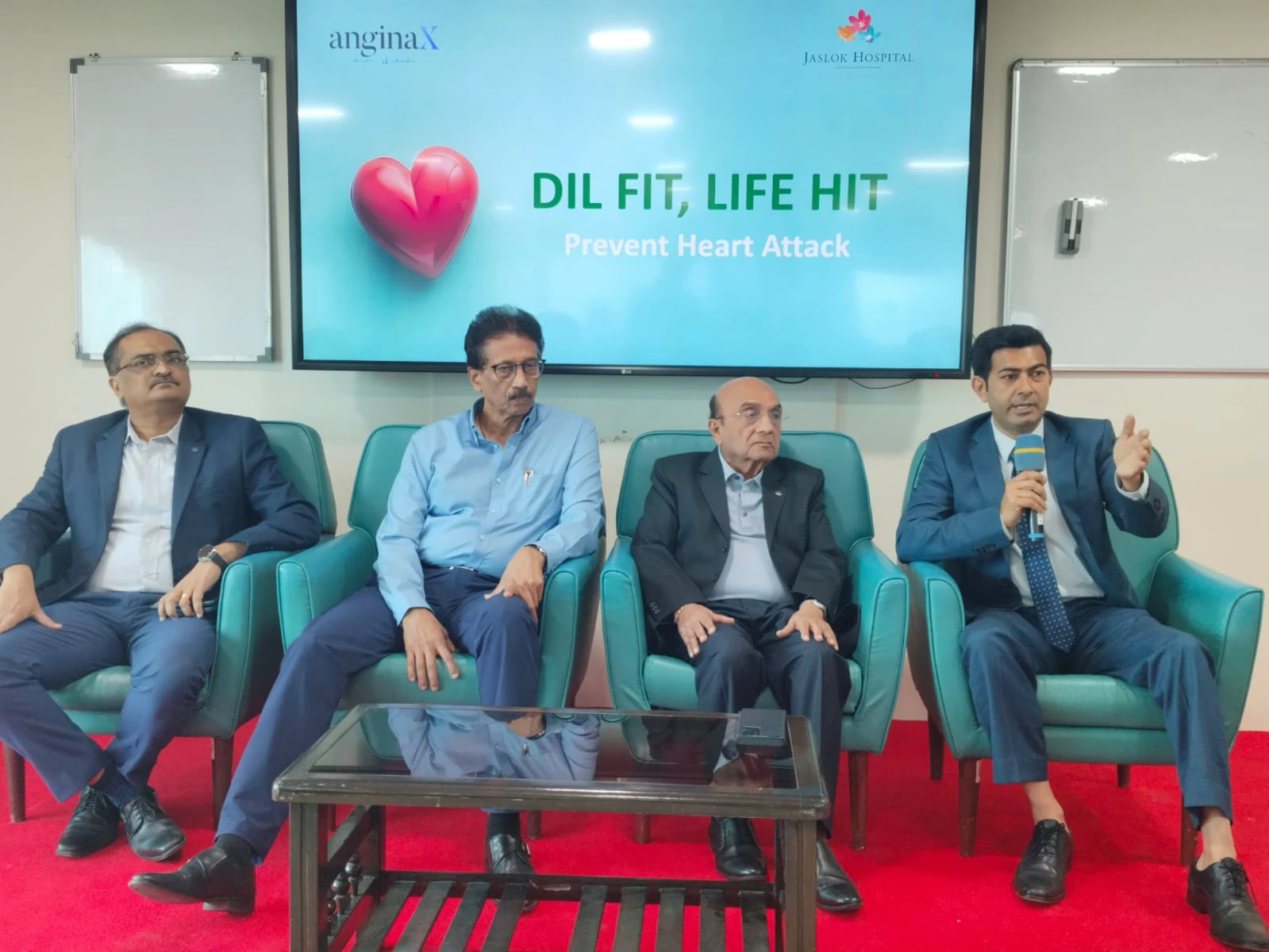
Jaslok also launched AI-powered initiative “Dil Fit, Life Hit” under the leadership of Dr. Ashwin B. Mehta, bringing structured cardiovascular prevention into everyday clinical care. The program empowers doctors, transforms OPD practice, and makes prevention accessible to every patient, not just those with symptoms.

Naman Gosalia, Founder of AnginaX AI, added: “We’ve built an advanced AI medical system that fits seamlessly into any hospital or clinic, helping doctors halt the progression of cardiovascular disease through precision-led risk assessment and personalized treatment recommendations. Our mission is to bring primary prevention to every clinic, every hospital and every corner of India without disrupting how doctors practice.”

The KPI of this model was simple: could it work on my own mother? We made a clear decision that we would only release it if it worked on her. We tested it on our mother first before going into the pilot. That trial was successful and it gave us the conviction to move forward.” he said.

“Launching it at Jaslok and having their leadership activate it first in Maharashtra, reflects a shared belief that people deserve better outcomes, and prevention should not come with fear, friction, or financial burden. This partnership helps us put the patient first and take this mission to scale across India.”

Dr. Neeraj Desai, Strategic Medical Advisor at AnginaX AI said, “AnginaX AI system is a bridge between data and decision, between missed chances and timely care. In medicine, timing is everything. And for the first time, we are putting timing on the side of prevention”. 

AI-based screening has already begun at Jaslok. Doctors are now taking swift, informed preventive steps, especially for patients who might otherwise remain undiagn

What Makes a Good De-Addiction Centre? Key Factors to Look For

What Makes a Good De-Addiction Centre? Key Factors to Look For

Standing at the crossroads of addiction and recovery often feels confusing. Families look for hope, individuals look for relief, and everyone wants answers that make sense. A quality de–addiction centre offers more than detox beds and therapy rooms; it offers a path back to stable living. Choosing wisely can save time, safeguard dignity, and set the stage for lasting change. Centres like Sukoon demonstrate how carefully designed care can transform a difficult chapter into a turning point. Read on to know more.

Basic understanding

Before exploring the finer details, it helps to know what “good” really means in this context. A strong de addiction centre:
  • Cares for the person, not just the habit
  • Combines medical skill with emotional understanding. 
  • Creates an atmosphere of safety, comfort, and respect
  • Plans for life after discharge, not only the weeks inside the facility
With that framework in mind, the following sections break down the specific qualities to watch for.

Key Things to Look for in a Good De-Addiction Centre

The following are key things to look out for in an ideal

People come first

A centre must see more than the substance being misused. Behind every pattern of use lies a story of stress, trauma, or unresolved pain. When mental health professionals start with empathy, they invite cooperation instead of resistance.

Personalised assessments

On arrival, a thorough interview and physical check reveal the individual’s unique triggers, health concerns, and strengths. From there, every step—from therapy type to sleep schedule—adjusts to fit the person rather than forcing the person to fit the programme.

Skilled and collaborative team

Addiction care cannot rest on a single therapist. A balanced roster includes psychiatrists' assessments, counsellors, nurses, nutrition experts, and support staff who share information quickly. Regular team huddles allow them to spot small changes and modify treatment before minor issues become setbacks.
  • Depth of knowledge keeps medical safety high.
  • Shared decision-making gives each expert a voice, reducing blind spots.
  • Consistent communication stops conflicting instructions, easing stress for the individual.

Healing environment

Walls, light, noise, and daily rhythm all influence mood. Thoughtful design removes unnecessary friction while encouraging healthy habits.

Privacy and comfort

Single rooms—furnished simply but warmly—allow rest without feeling exposed. Clean bedding, natural light, and calm colours lower anxiety and make therapy sessions more effective.

Immediate support round the clock

Cravings and panic do not follow office hours. A nurse station that stays open every hour of the day offers reassurance. Knowing help is always there reduces late-night despair and encourages honest sharing.

Balanced daily rhythm

Rigid timetables can feel punishing, yet loose schedules lead to boredom. The best centres strike a middle path: predictable wake-up times, meals that nourish, therapy blocks with breaks between, and evenings that wind down gently. Over time, the body relearns at a healthier pace.

Inclusive family engagement

Addiction ripples through households. When relatives understand the process, they move from helpless witnesses to supportive partners.
  • Education sessions explain withdrawal signs, boundary setting, and relapse cues.
  • Open channels keep families informed of progress without overwhelming them.
  • Guided visits rebuild trust step by step, preventing emotional ambushes.

Varied and practical therapies

No single technique suits everyone. Centres that offer options allow individuals to explore what resonates:
  • One-to-one counselling for private exploration of thoughts. 
  • Group discussions that normalise shared struggles
  • Creative outlets like art or music to express feelings words cannot reach
  • Skill workshops on stress management, sleep hygiene, and assertive communication
The aim is not to flood the schedule with activities, but to select tools that fit the person’s readiness and goals.

Medication with mindful oversight

Some recoveries need medical support to manage withdrawal or mood swings. A careful centre:
  • Prescribes only when benefits outweigh risks.
  • Reviews doses often, adjusting gently rather than abruptly.
  • Explains side effects in plain language so no one feels kept in the dark.
  • When medication feels transparent, adherence rises and fear drops.

A plan that looks beyond the gate

Stepping back into daily life can trigger old patterns. Preparing for that moment starts on day one.
  • The relapse prevention map outlines high-risk situations and coping tactics.
  • Follow-up appointments keep momentum going after discharge.
  • Peer support referrals provide community, replacing isolation with connection.
  • Emergency contacts give immediate lifelines during unexpected urges.
Leaving the centre should feel like walking with a guidebook and phone numbers, not wandering alone.

Culture of compassion

Credentials impress on paper, yet tone and attitude shape lived experience. Signs of a compassionate culture include:
  • Questions are answered without rush or condescension. 
  • Setbacks are treated as information, not failure.
  • Small victories—one full night of sleep, a clear meal plate—are noticed and praised.
  • Such an environment chips away at shame, allowing genuine healing to take root.

Conclusion

Choosing a de addiction centre is a pivotal step. Focus on places that honour individuality, employ knowledgeable teams, and foster warmth alongside clinical skill. Look for spaces that feel calming the moment you walk in, schedules that support natural rhythms, and mental health professionals who understand both science and human emotion.

Recovery thrives where dignity is protected and growth is celebrated. With the right environment, the journey from dependence to stability becomes not only possible, but sustainable, giving individuals and their families the fresh start they deserve.

What is Benevolent Misperception and How It Affects Your Workplace Dynamics?

What is Benevolent Misperception and How It Affects Your Workplace Dynamics?

In today’s fast-paced workplace, relationships thrive not just on facts—but on how we perceive each other’s intentions. One psychological quirk, benevolent misperception, plays a surprisingly powerful role in shaping team culture, trust, and collaboration. But what is it really, and how does it help—or hurt—organizational dynamics?

What Is Benevolent Misperception?

Benevolent misperception is the tendency to assume someone’s actions are kind, constructive, or well-intentioned—even when the reality might be more complex. It’s not necessarily delusion; it’s a subtle optimism that keeps the wheels of cooperation turning.

Imagine interpreting a colleague’s abrupt email as being "pressed for time" instead of "cold and dismissive." That instinct to believe the best? That’s benevolent misperception .....in action.

The Upside: Trust, Teamwork, and Resilience

When this bias leans in the right direction, it can be the glue that keeps teams together during high-stress periods.
  • Fuels Collaboration: Assuming good intent reduces defensiveness and opens space for dialogue.
  • Builds Psychological Safety: Employees feel more comfortable taking risks and voicing ideas.
  • Encourages Forgiveness: Mistakes are seen as human rather than malicious, maintaining morale and cohesion.
In environments that demand agility—like startups, consultancies, and innovation hubs—benevolent misperception fosters the kind of resilience that keeps teams thriving.

The Downside: Naïveté and Blind Spots

But unchecked optimism has its risks. When benevolent misperception goes too far, it can mask dysfunction or stall progress.
  • Enables Toxic Behavior: Misinterpreting manipulation as enthusiasm allows unhealthy patterns to persist.
  • Stifles Honest Feedback: Leaders may believe all is well, missing disengagement or quiet dissent.
  • Ignores Inequities: Power dynamics or microaggressions may get glossed over in the name of harmony.
Take, for instance, a manager who constantly interrupts meetings. If the team interprets this as excitement, rather than control, it might silence quieter voices and limit creative input.

The Game Theory Twist

In strategic settings—like negotiations or cross-functional collaborations—benevolent misperception can shape outcomes. Research in game theory suggests that trusting an opponent’s goodwill (even inaccurately) can foster cooperative strategies, especially when stakes are high.
Hypergame models, where participants perceive the same “game” differently, show that even misperceptions can produce stable outcomes if grounded in reciprocity.

The Solution: Balance Benevolence with Curiosity

So how do you embrace this optimistic bias without losing sight of reality?
  • Practice Constructive Questioning: Don’t just assume—ask, clarify, and reflect.
  • Encourage 360° Feedback: Give everyone a voice, not just the loudest or most visible.
  • Use Structured Dialogue: Establish frameworks for decision-making that check assumptions and reduce bias.

Final Thought

Benevolent misperception isn’t just a psychological quirk—it’s a silent architect of workplace culture. When nurtured with awareness and critical thinking, it can transform how we collaborate, innovate, and lead.

Want to make your workplace truly dynamic? Start by seeing others with generosity—and listening with curiosity.

Common Kitchen Herbs Show Promise in Slowing Alzheimer’s Disease

Common Kitchen Herbs Show Promise in Slowing Alzheimer’s Disease

Scientists have discovered that common herbs like rosemary and sage may help slow down Alzheimer’s disease. These herbs have a natural ingredient called carnosic acid. The researchers created a special lab-made version of it, called diAcCA, which activates only in damaged parts of the brain.

This compound was tested on mice that showed signs of Alzheimer’s. The results were encouraging:
  • Better memory and learning in mice
  • Healthier connections between brain cells
  • Less buildup of harmful substances in the brain
  • Lower brain swelling (inflammation)
The special thing about diAcCA is that it stays inactive until it finds a problem in the brain, so it doesn’t affect healthy areas.

Cooking with rosemary or sage won’t have the same effect, because the useful compound needs to be specially made and given in a proper form.

What's next for this research:
  • More safety testing in animals
  • Trials in healthy people to check if it’s safe
  • Bigger trials in Alzheimer’s patients to see if it truly works
  • Getting government approval if the results are positive
  • Possibly combining with other Alzheimer’s drugs
This study is an exciting step, but more research is needed before it becomes a medicine for people.

Before moving to humans, researchers will continue testing the stabilized compound diAcCA in animals to confirm it’s safe at different doses over time.

Phase 1 human clinical trials – If animal studies go well, the next step is small-scale trials in healthy volunteers to test safety, dosage, and how the body processes the drug.

If the trials show strong results, the compound could be submitted for approval by agencies like the FDA.

Researchers may also test diAcCA alongside existing Alzheimer’s drugs to see if it enhances their effects or reduces side effects.

The fact that carnosic acid is already on the FDA’s “generally regarded as safe” list could help speed things up, but human trials are still essential to prove it works and is safe in real-world conditions.

YOG, Not YOGA: Reclaiming the Essence of an Ancient Science

YOG, Not YOGA: Reclaiming the Essence of an Ancient Science

Let’s get one thing straight at the outset—it's Yog (योग), not Yoga. The westernized suffix “-a” might roll off global tongues easily, but it subtly distorts the deep, rooted philosophy that Yog truly represents. In Sanskrit, “Yog” comes from the root “yuj,” meaning union—of mind, body, and consciousness—not just a sequence of postures on a mat.

Here’s a glimpse into Yog as a holistic system:
  • Yama: Ethical disciplines (non-violence, truthfulness, restraint)
  • Niyama: Personal observances (cleanliness, contentment, self-discipline)
  • Asana: Physical postures for bodily stability and readiness
  • Pranayama: Breath control, seen as life-force regulation
  • Pratyahara: Withdrawal of the senses
  • Dharana: Concentration of the mind
  • Dhyana: Meditation
  • Samadhi: Ultimate absorption or enlightenment
To reduce Yog to just stretching or stress relief is like calling the ocean a puddle. It’s a living science—adaptable yet timeless—designed to help individuals align their inner rhythm with the cosmic one.

In reclaiming the pronunciation, we also reclaim its integrity. Names carry essence. Just as we honor original pronunciations in classical music or scientific discoveries, Yog too deserves its true sonic identity—precise, powerful, and purposeful.

Ashtanga Yog: The Eightfold Path According to Patanjali

  1. Yama – Ethical restraints
    • Ahimsa (non-violence)
    • Satya (truthfulness)
    • Asteya (non-stealing)
    • Brahmacharya (moderation or celibacy)
    • Aparigraha (non-possessiveness)
  2. Niyama – Personal observances
    • Shaucha (cleanliness)
    • Santosha (contentment)
    • Tapas (discipline)
    • Svadhyaya (self-study)
    • Ishvarapranidhana (surrender to the divine)
  3. Asana – Posture
    • Cultivating stillness and comfort in the body to support meditation
  4. Pranayama – Breath control
    • Regulated breathing to master the life force and bridge body with mind
  5. Pratyahara – Withdrawal of senses
    • Turning attention inward, away from external distractions
  6. Dharana – Concentration
    • Fixing the mind on a single object or idea to train steadiness
  7. Dhyana – Meditation
    • A continuous and effortless flow of concentration leading to deep absorption
  8. Samadhi – Liberation or absorption
    • Merging with the object of meditation, transcending ego and duality
Image above is of Tirumalai Krishnamacharya, one of the most important gurus of modern yog, and is often called "Father of Modern Yog" for his wide influence on the development of postural yog.

How Social Media Affects Your Brain Chemistry

How Social Media Affects Your Brain Chemistry

You check your phone without thinking, scroll endlessly, and suddenly—hours vanish. But what’s happening in your brain during this digital trance? Social media isn’t just shaping how we interact—it’s rewiring your neurochemistry in ways you might not expect.

The Dopamine Trap: Addiction by Design

Every notification, like, or comment triggers dopamine, the “feel-good” neurotransmitter. Platforms are engineered to keep you hooked, creating a reward cycle like gambling. Studies show that each scroll or swipe delivers micro-doses of dopamine, conditioning your brain to crave more, and often at the expense of real-world interactions.

How Social Media Affects Your Brain Chemistry

The Stress Spiral: Anxiety and the Comparison Game

Social media amplifies stress. Constant exposure to highlight reels of others’ lives can make yours feel inadequate. This fuels cortisol, the stress hormone, leading to heightened anxiety, especially among younger users. Studies confirm that excessive screen time correlates with depression and self-esteem issues.[Report]

Attention Hijacking: The Shorter Span Phenomenon

Struggling to focus? Social media may be why. Platforms fragment your attention, making deep concentration harder. Frequent interruptions increase “switch-costs,” meaning your brain wastes energy shifting between tasks. Over time, this rewiring makes sustained focus nearly impossible.

Sleep Disruptions: Blue Light vs. Melatonin

The glow of your screen can suppress melatonin, the hormone regulating sleep. Late-night scrolling tricks your brain into staying alert, leading to poorer sleep quality and cognitive fatigue. Research warns that excessive phone use before bed reduces REM sleep, affecting memory and emotional regulation.

Escaping the Cycle: Reclaiming Your Brain

The good news? You can rewire your brain for balance:
  • Curate your feed: Follow content that enriches, not drains, your mind.
  • Set time limits: Reduce endless scrolling with intentional habits.
  • Digital detox: Scheduled screen-free time resets your dopamine cycle.
  • Mindful consumption: Engage actively—don’t just passively absorb.
Social media isn’t inherently bad—it’s about how you use it. Understanding its effects empowers you to take control, making it a tool rather than a trap.

India’s COVID-19 Resurgence: What the Numbers Reveal and Why Vigilance Matters

India’s COVID-19 Resurgence: What the Numbers Reveal and Why Vigilance Matters

India is witnessing a fresh uptick in COVID-19 cases, with 257 active infections reported across nine states as of May 19, 2025. While the numbers remain relatively low compared to previous waves, health experts urge caution, particularly as new Omicron subvariants— JN.1 and its descendants LF.7 and NB.1.8 —drive infections

Where Are Cases Rising?

The states reporting the highest increases include:
  • Kerala: 95 cases (sharpest rise)
  • Maharashtra: 56 cases
  • Tamil Nadu: 66 cases
  • Delhi, Gujarat, Haryana, Karnataka, Rajasthan, Sikkim: Smaller clusters.
Despite the rise, experts emphasize that no new variant of concern has emerged, and hospitalizations remain low. However, the actual number of infections may be higher than reported, as many individuals with mild symptoms are not getting tested.

Why Are Cases Rising Again?

Several factors contribute to the resurgence:
  • Waning immunity: Many people have not received booster doses.
  • Relaxed preventive behavior: Mask-wearing and social distancing have declined.
  • Seasonal effects: Increased travel and gatherings may be fueling transmission.
  • Global trends: Countries like Singapore and Hong Kong have seen spikes due to Omicron subvariants.

What Symptoms Should You Watch For?

The dominant JN.1 subvariant typically causes mild symptoms, including:
  • Fever
  • Sore throat
  • Cough
  • Fatigue
  • Runny nose
  • Occasional shortness of breath (in vulnerable individuals).

What Can You Do?

Health officials recommend:
  1. Wearing masks in crowded places and enclosed spaces.
  2. Avoiding unnecessary travel if symptomatic.
  3. Getting tested promptly if symptoms appear.
  4. Following hand hygiene and respiratory etiquette.
  5. Staying up to date with vaccinations and booster doses.

The Bigger Picture: Lessons from the Pandemic

While India’s current COVID-19 situation is not alarming, it serves as a reminder that pandemic preparedness must remain a priority. The rise in cases highlights the importance of genomic surveillance, public health infrastructure, and community awareness in managing future outbreaks.

As the world moves beyond the peak of the pandemic, vigilance—not panic—is key. Staying informed and adopting basic preventive measures can help curb the spread and protect vulnerable populations.

Anaemia Rates in Urban Workforce Fall to 12.14%: MediBuddy Study Highlights Impact of Screenings and Preventive Care

Anaemia Rates in Urban Workforce Fall to 12.14%: MediBuddy Study Highlights Impact of Screenings and Preventive Care

MediBuddy, India’s largest digital healthcare company, has released new research data revealing a significant drop in Anaemia among urban working women—driven by better preventive care, timely screenings, and improved nutrition awareness.

The study, which analysed health records from 4,397 urban corporate employees, found that 32.67% of women surveyed were anaemic—a significant reduction compared to the national urban average of 56.5% reported by National Family Health Survey-5 (NFHS-5, 2019–21) for women aged 15–49. Among male employees, our research shows anaemia prevalence was just 5.63%, and NFHS-5 data also shows the urban average is lower of 25% for men in the same age group.

This improvement is attributed to factors such as rising health literacy, regular screenings, timely interventions, and expanded access to corporate wellness programs promoting balanced diets.

According to the study, working women aged 40–50 emerged as the most vulnerable group, making up 26.44% of all anaemic female respondents, likely due to age-related hormonal changes and higher nutritional needs. Among men, the 40–50 age group also reported the highest incidence (4.40%), suggesting age-related lifestyle and dietary factors may influence anaemia risk for both genders.

On a state-wise level, Maharashtra recorded the highest number of anaemic employees (3.66% of the total sample), followed by Karnataka, Tamil Nadu, and West Bengal. However, several states, including Kerala, Madhya Pradesh, and Gujarat, demonstrated relatively low anaemia prevalence—highlighting regional disparities and the influence of local healthcare programs and outreach efforts.

Despite regional and gender gaps, the overall data suggests a positive trajectory in urban employee health in terms of anaemia.

MediBuddy study shows that anaemia prevalence among urban employees has dropped to just 12.14% over the last five years—a significant improvement compared to the 40%+ national average reported in NFHS-5 (2019–21). This decline reinforces the positive impact of improved health literacy and early interventions, especially through regular health check-ups, across the urban workforce.

Dr. Gowri Kulkarni, Head of Medical Operations, MediBuddy, highlighting the importance of early action, said, "The reduction in anaemia prevalence among urban women is an encouraging indicator that corporate India is waking up to the importance of preventive healthcare. Increased access to regular health check-ups, workplace nutrition initiatives, and timely diagnosis has allowed many women to better manage and reverse nutrient deficiencies. However, continued efforts are needed to bridge the gap completely—especially for those in the most vulnerable age groups."

MediBuddy’s findings reinforce the need for continued investment in preventive health through routine blood tests, iron supplementation programs, and dietary consultations.

Boosting Medicinal Plant Farming: Govt & Industry Join Hands to Help Farmers

Boosting Medicinal Plant Farming: Govt & Industry Join Hands to Help Farmers

A recent Stakeholder Consultation in New Delhi focused on boosting India's medicinal plant sector through collaboration, regional clusters, and industry partnerships. Officials emphasized the need for policy support, dedicated markets, and financial incentives to empower farmers and foster sector growth.

Key discussions included:
  • Mission-mode program for medicinal plant cultivation, identifying best practices and efficient techniques.
  • Industry-farmer partnerships to ensure stable markets and fair pricing.
  • Region-specific clusters for medicinal plants to streamline production and marketing.
  • Expansion of AYUSH sector, which has grown eightfold in the past decade, highlighting export potential.
The consultation underscored the economic opportunities in medicinal plant cultivation, particularly in light of rising global demand for natural and holistic healthcare products.

In his opening remarks, Shri. Devesh Chaturvedi, Secretary, Ministry of Agriculture & Farmers Welfare, highlighted that there is a scope to increase domestic production of medicinal plants as inter-state trade and export of medicinal plants. He highlighted the need for better convergence between Ministry of AYUSH and Agriculture departments and collaboration with State Medicinal Plant Boards, to promote medicinal plants at national level. He also mentioned that important medicinal plants have been included under the Mission for Integrated Development of Horticulture (MIDH) scheme, DA&FW. He stressed that there is a need for a mission-mode program for medicinal plant cultivation, identifying good practices of cultivation, efficient techniques, etc., which will help in the upliftment of the sector.

Shri Vaidya Rajesh Kotecha, Secretary, Ministry of AYUSH highlighted that there is a huge possibility of growth in the sector. The AYUSH manufacturing sector has grown by 8 times in the last 10 years and has vast export potential. The sector has enormous economic opportunities, and especially after the COVID-19 pandemic, the demand for AYUSH products including medicinal plants has grown immensely.

Market Reports

Market Report & Surveys
IndianWeb2.com © all rights reserved