Showing posts with label Science. Show all posts

ISRO’s Giant Leap: Heaviest Communication Satellite CMS-03 Successfully Launched

ISRO’s Giant Leap: Heaviest Communication Satellite CMS-03 Successfully Launched

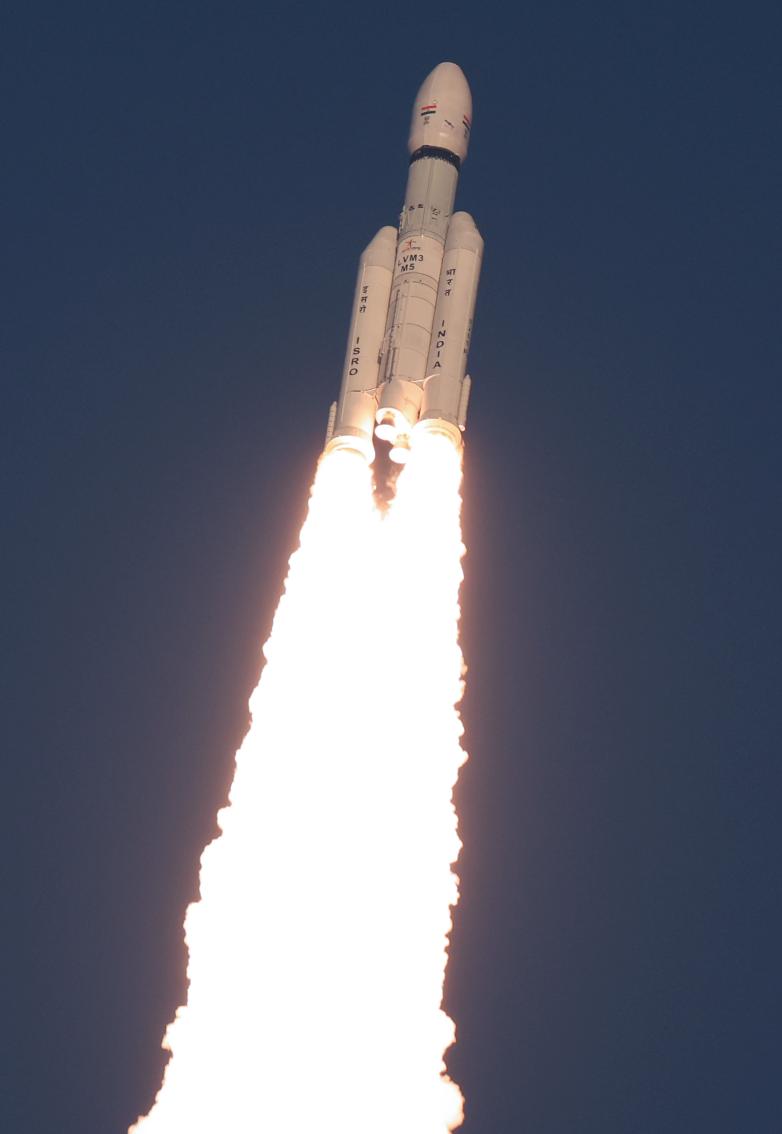
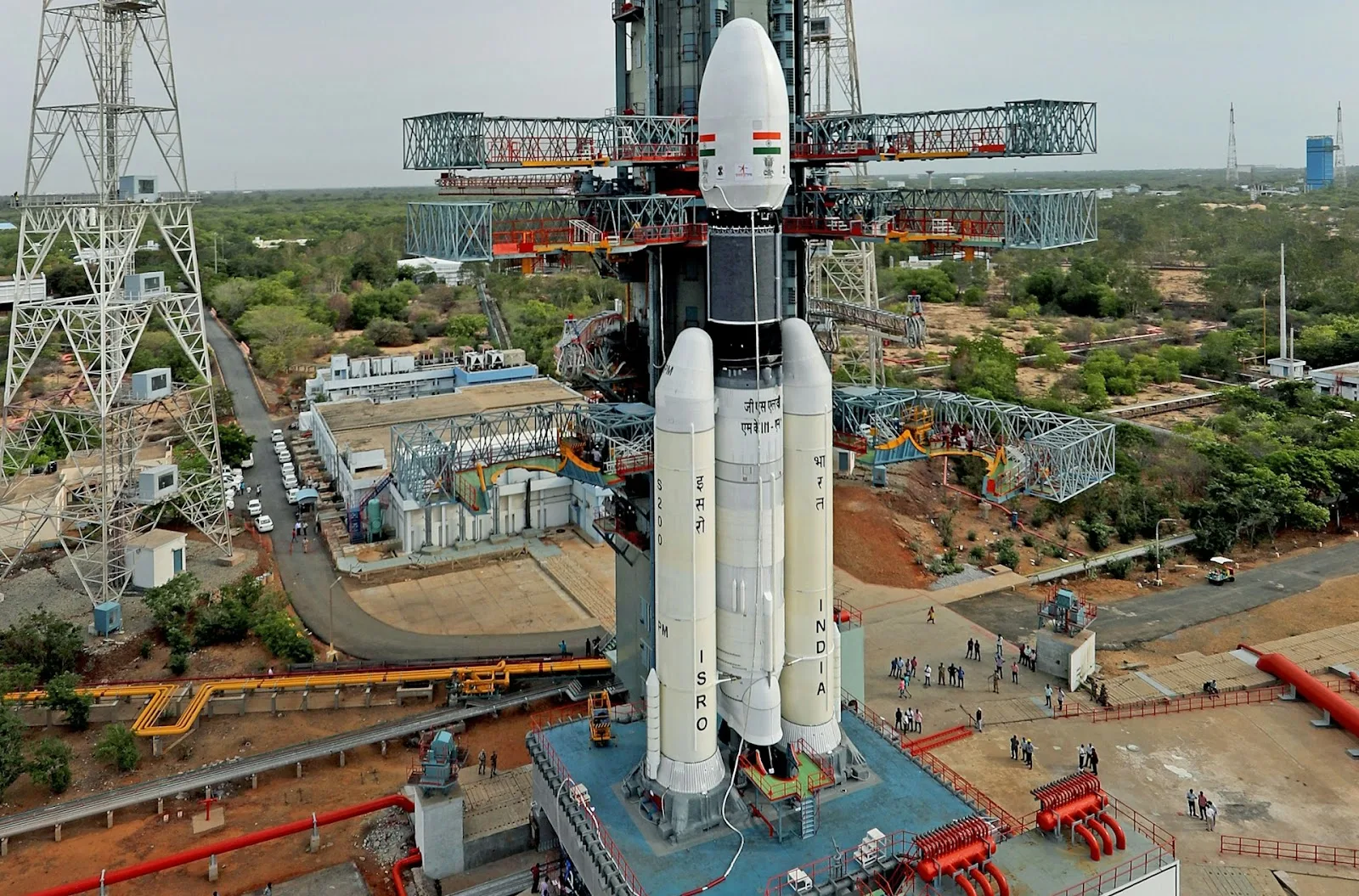
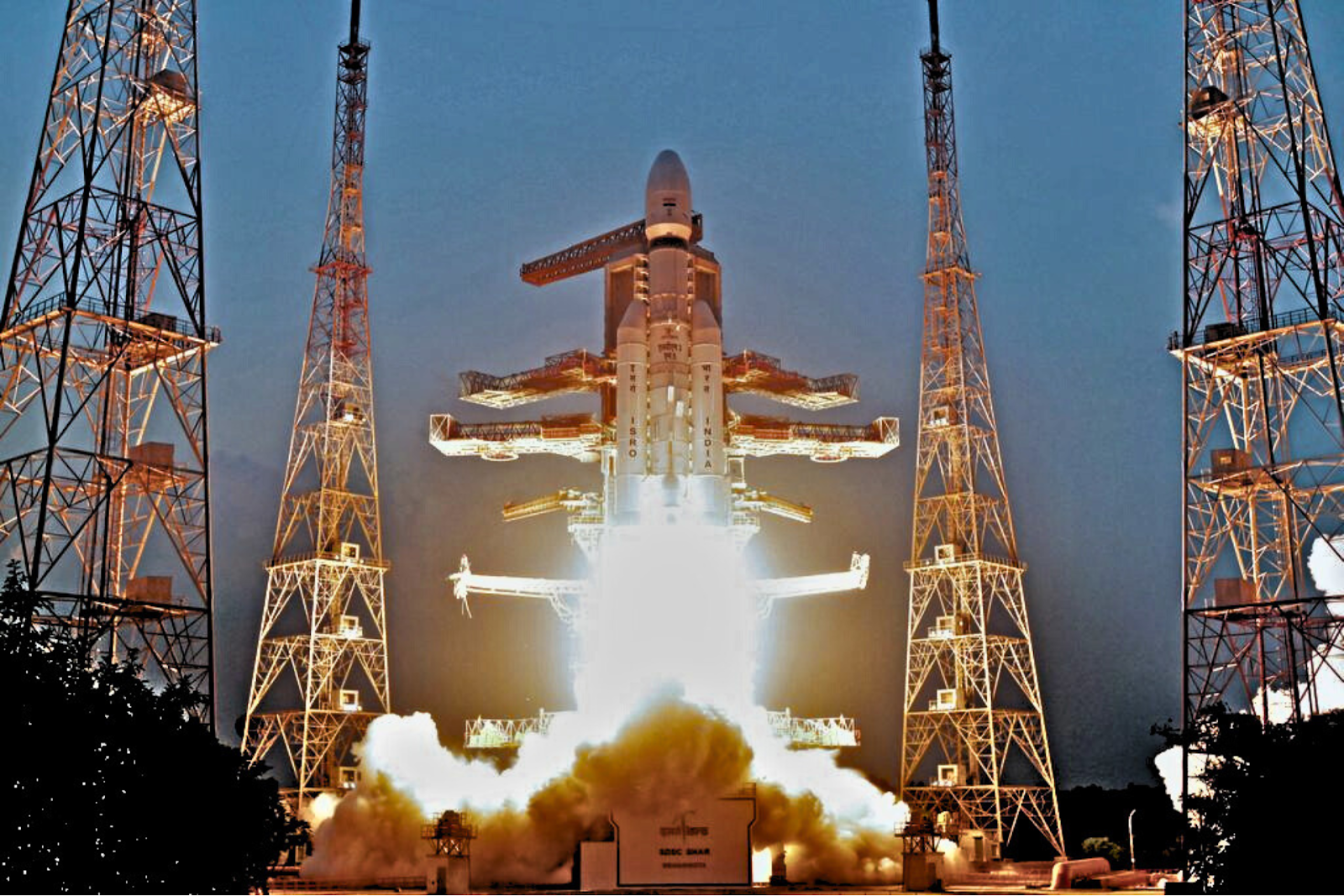
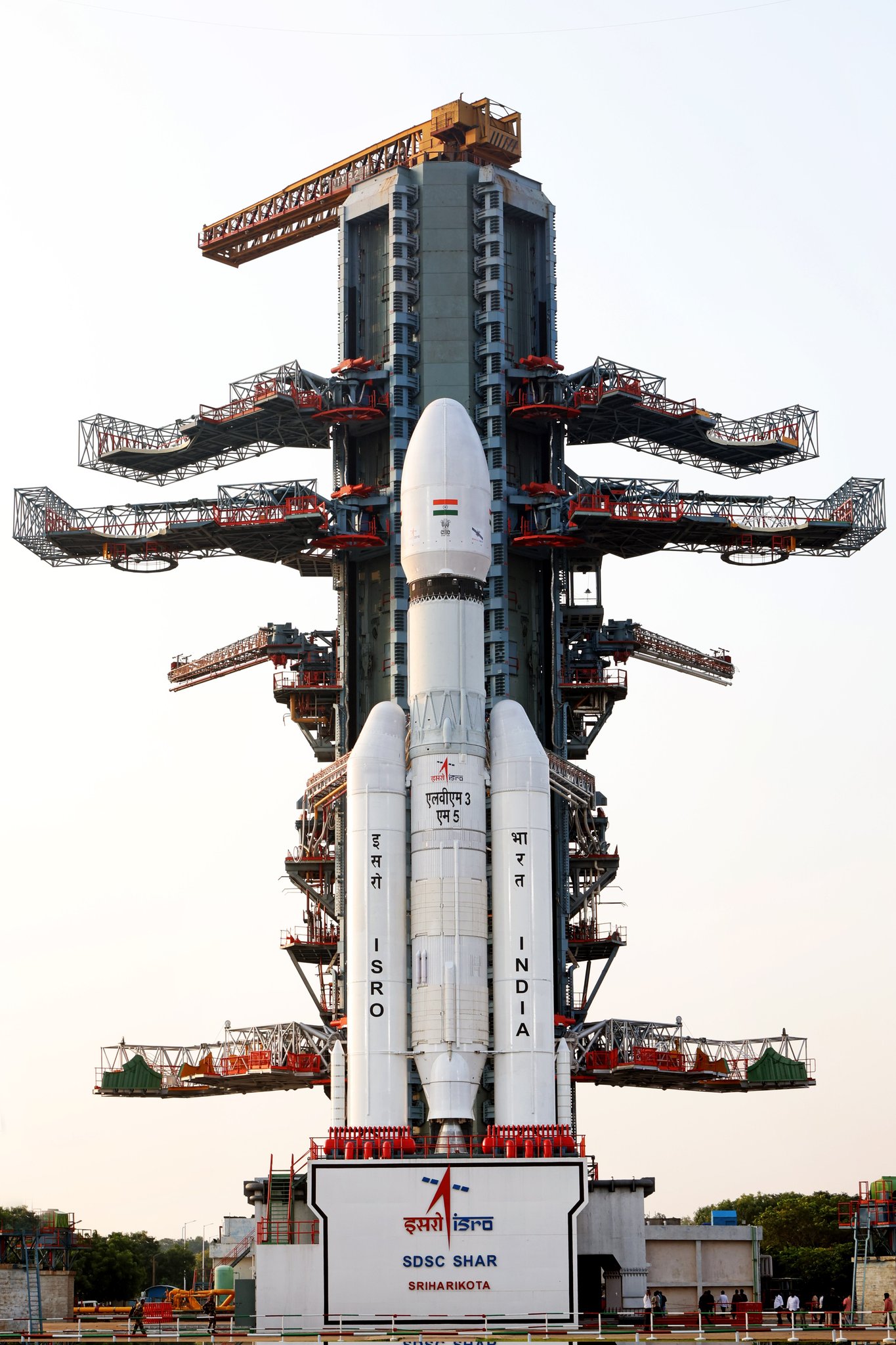
ISRO successfully launched its heaviest communication satellite, CMS-03 (also known as GSAT-7R), aboard the LVM3-M5 rocket on November 2, 2025, from Sriharikota. The 4,410 kg satellite is designed to provide secure, high-bandwidth, multi-band communication for the Indian Armed Forces, especially the Navy, marking a major milestone in India’s heavy-lift space capabilities.

Key Highlights of the CMS-03 Mission

  • Launch Vehicle: LVM3-M5 (Bahubali), India’s most powerful rocket
  • Launch Site: Satish Dhawan Space Centre (SDSC), Sriharikota
  • Date & Time: November 2, 2025, at 17:26 IST
  • Satellite Mass: ~4,410 kg — heaviest communication satellite launched from Indian soil
  • Orbit: Geosynchronous Transfer Orbit (GTO), ~29,970 km x 170 km
  • Mission Purpose: Replace GSAT-7 (2013) and enhance secure naval and defense communications

Strategic Importance

  • Defense Communications: Tailored for the Indian Navy, ensuring encrypted, high-capacity links
  • Indigenous Capability: Fully developed in India, reinforcing strategic autonomy
  • Heavy-Lift Milestone: First >4,000 kg satellite launched into GTO from Indian soil
  • Continuity & Upgrade: Replaces GSAT-7 with greater bandwidth and wider coverage

Comparative Context

Mission Rocket Payload Mass Orbit Purpose
CMS-03 (2025) LVM3-M5 4,410 kg GTO Secure defense communications
GSAT-7 (2013) Ariane-5 2,625 kg GTO Naval communications
Chandrayaan-3 (2023) LVM3-M4 3,900 kg Lunar Transfer Lunar exploration

Broader Implications

  • For India’s Space Program: Strengthens ISRO’s credibility in the global heavy-lift launch market
  • For National Security: Enhances maritime domain awareness and secure communication
  • For Future Missions: Validates LVM3’s readiness for heavier payloads, including crewed missions
ISRO’s Giant Leap: Heaviest Communication Satellite CMS-03 Successfully Launched

ISRO’s Giant Leap: Heaviest Communication Satellite CMS-03 Successfully Launched

ISRO Pioneer Who Brought Satellite TV to Villages Passes Away at 100

ISRO Pioneer Who Brought Satellite TV to Villages Passes Away at 100

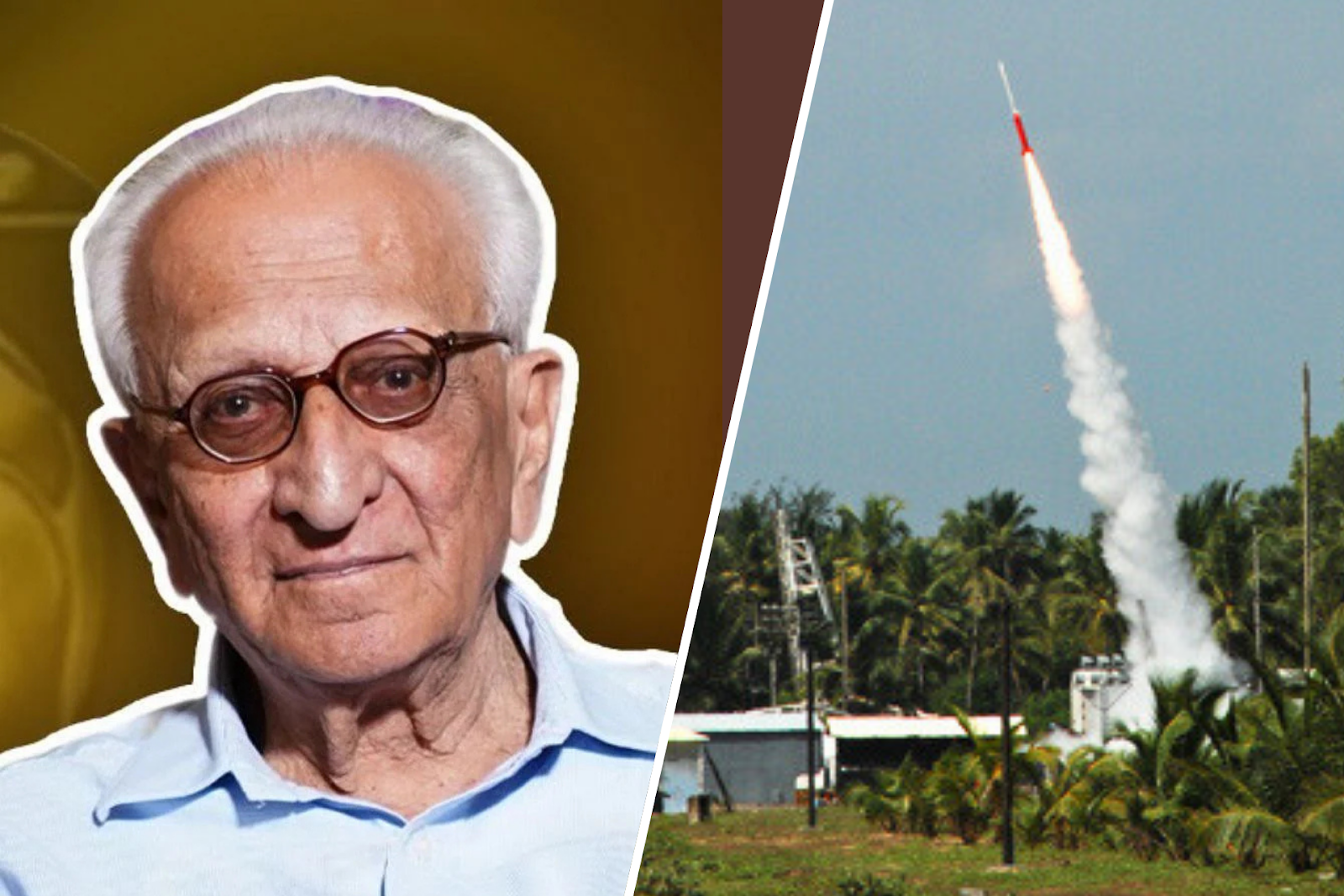
Professor Eknath Vasant Chitnis, one of the founding architects of India’s space programme, passed away in Pune on October 22, 2025, at the age of 100.

Legacy Highlights

  • Handpicked by Dr Vikram Sarabhai, Chitnis played a pivotal role in shaping INCOSPAR into what became ISRO.
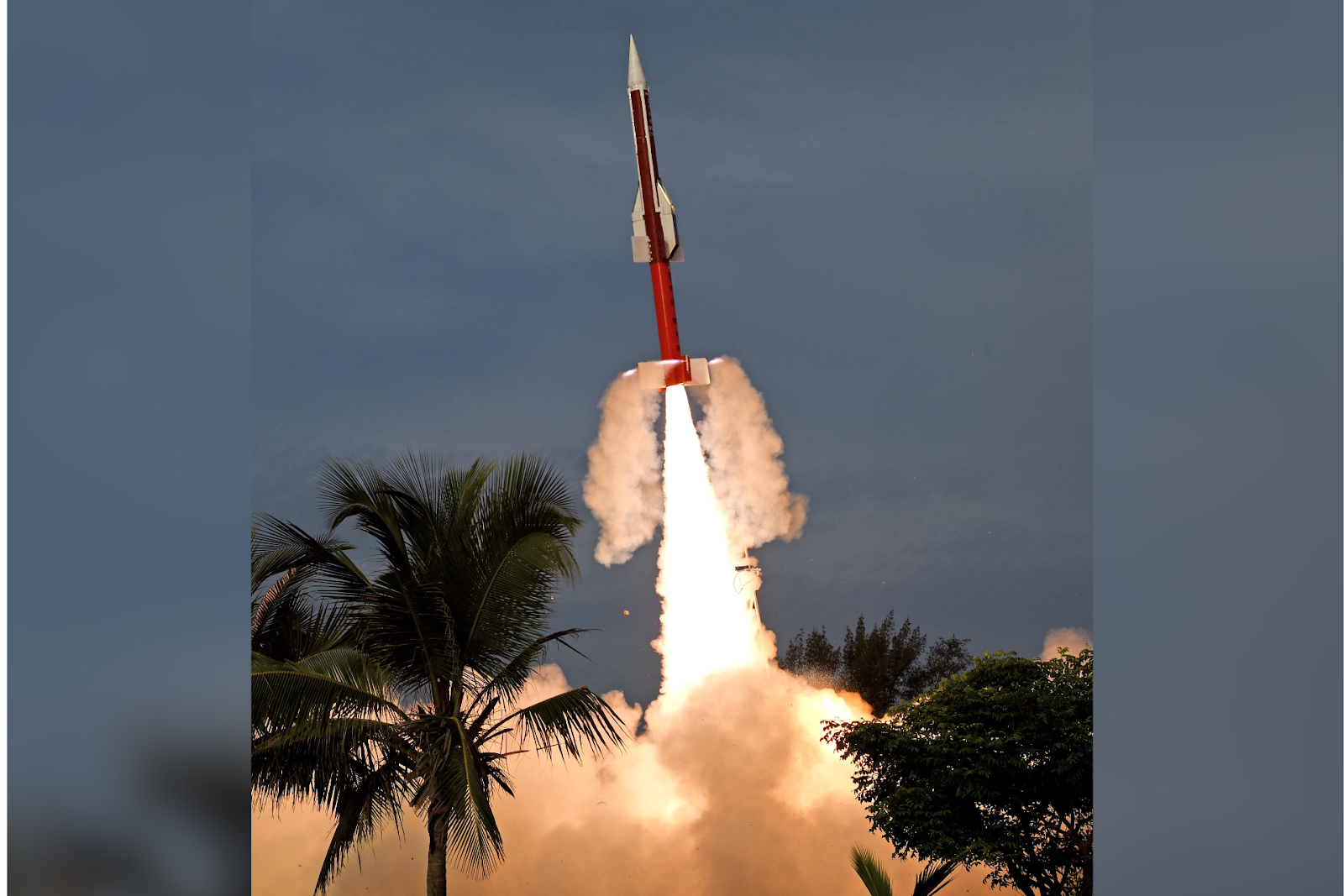
  • He led the selection of India’s first launch sites—Thumba in Kerala and Sriharikota in Andhra Pradesh.
  • As Director of the Space Applications Centre, he spearheaded the Satellite Instructional Television Experiment (SITE) in 1975–76, bringing educational TV to 2,400 villages using NASA’s ATS-6 satellite.
  • He was instrumental in recruiting Dr APJ Abdul Kalam into ISRO.
  • Honored with the Padma Bhushan in 1985 for his contributions to science and education.
Professor Eknath Vasant Chitnis

Chitnis also served on the Board of Directors of Press Trust of India for nearly three decades, twice as chairman. His passing marks the end of an era in Indian space science, leaving behind a legacy that continues to shape the nation’s technological ambitions.

IndianaWeb2.com mourn the passing of Prof. Eknath Vasant Chitnis, a visionary scientist and founding architect of India’s space programme. His contributions laid the groundwork for ISRO’s rise and India’s journey into space.

A Lifelong Commitment to Science
Prof. Chitnis’s work bridged technology and education, empowering generations through satellite communication and digital infrastructure. His legacy lives on in every rocket launched, every satellite deployed, and every young mind inspired by India’s space story.

“We Could’ve Done It in 3 Years”: Nambi Narayanan Slams Funding Delays in India’s Space Tech Journey

“We Could’ve Done It in 3 Years”: Nambi Narayanan Slams Funding Delays in India’s Space Tech Journey

At a time when India’s space startup ecosystem is surging, one of its foundational voices has issued a sobering reminder: progress could have come decades earlier, if only the money had followed the vision.

Narayanan emphasized that while India has made strides in rocket technology, financial bottlenecks remain a major hurdle for faster adoption of cutting-edge space systems.

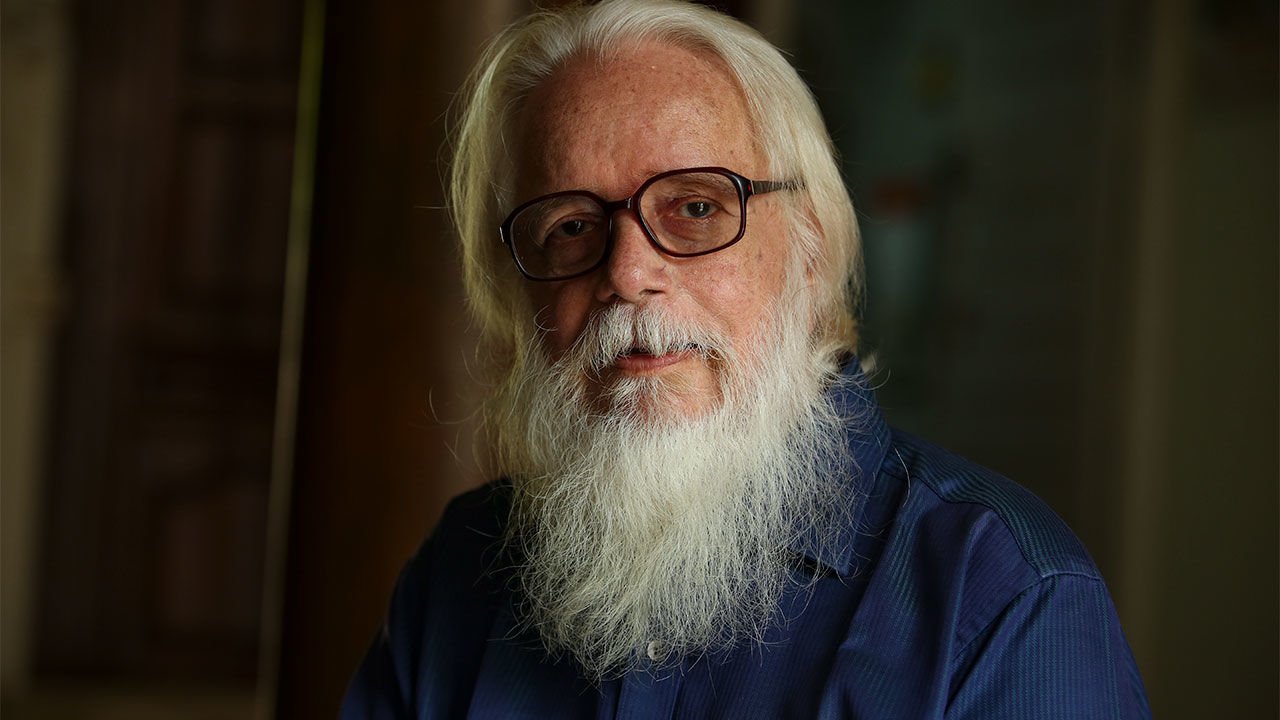
Speaking at National Innovation Day at Rajalakshmi Engineering College, Padma Bhushan awardee and former ISRO scientist Nambi Narayanan reflected on the long, winding road of India’s space propulsion development. His message was clear: funding bottlenecks—not technical limitations—were the real drag force.

Nambi Narayanan
Nambi Narayanan
We could have completed the liquid propulsion system in three yearsNarayanan said. But it took nearly 20 years. Why? Because the funds were not available when we needed them.

The Cost of Delay

  • Narayanan’s remarks cut to the heart of a recurring theme in India’s tech evolution: brilliant minds hamstrung by budgetary hesitation.
  • The liquid propulsion system—critical for modern satellite launches and interplanetary missions—was ready to leap forward in the 1990s.
  • Instead of a sprint, it became a marathon.
We had the technology. We had the talent. What we lacked was timely investment, he added.

A New Era, But Old Lessons

  • India’s space sector has since opened its doors to private players, with over 300 startups now active.
  • The market is projected to reach $44 billion by 2033.
  • Yet Narayanan’s warning resonates: innovation without funding is just aspiration.

Editorial Takeaway

  • Narayanan’s voice is more than nostalgic—it’s strategic.
  • As India positions itself as a global space power, his message is a call to fund not just the future, but the present.
  • Because in space, delays aren’t just costly—they’re orbital.

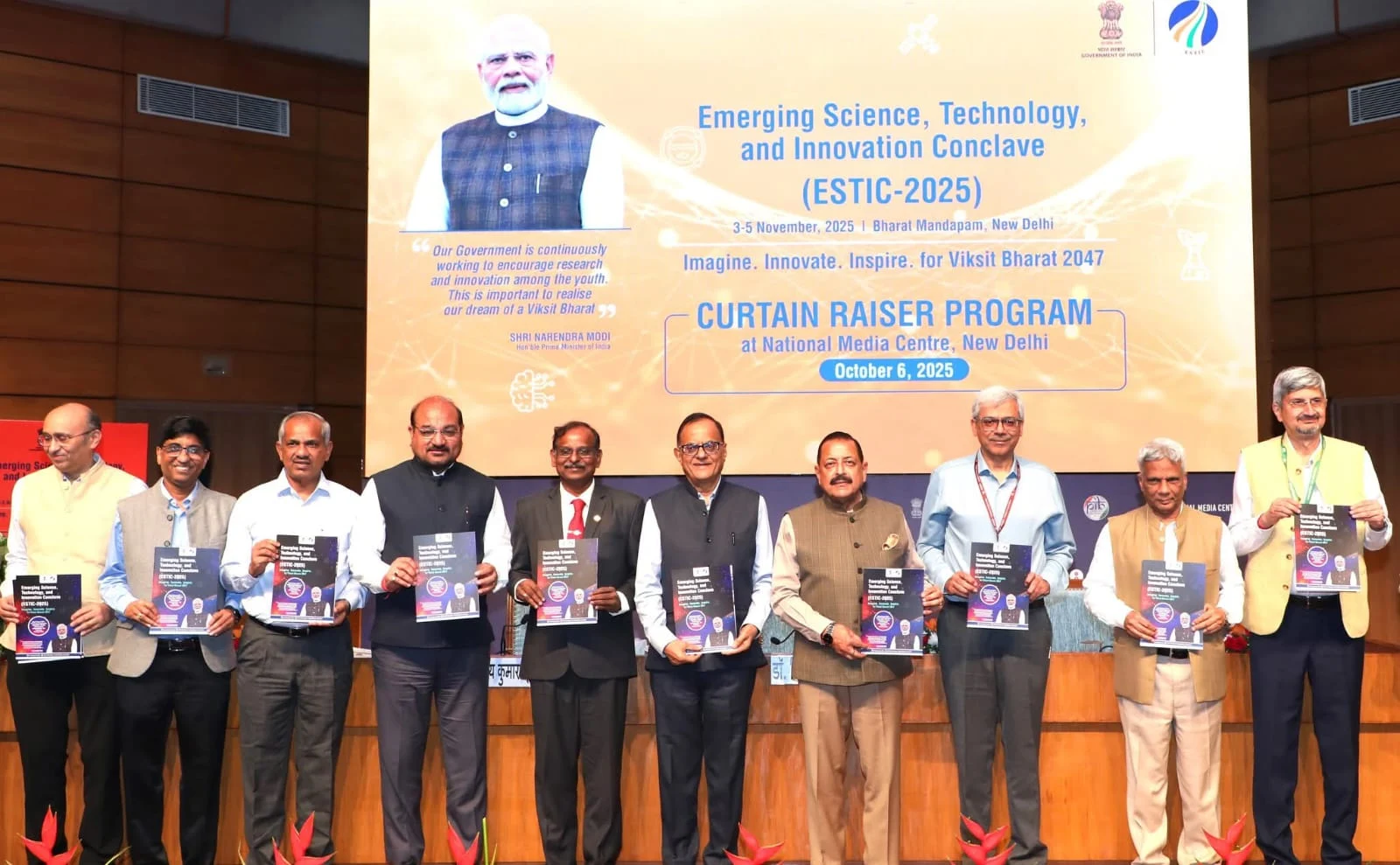
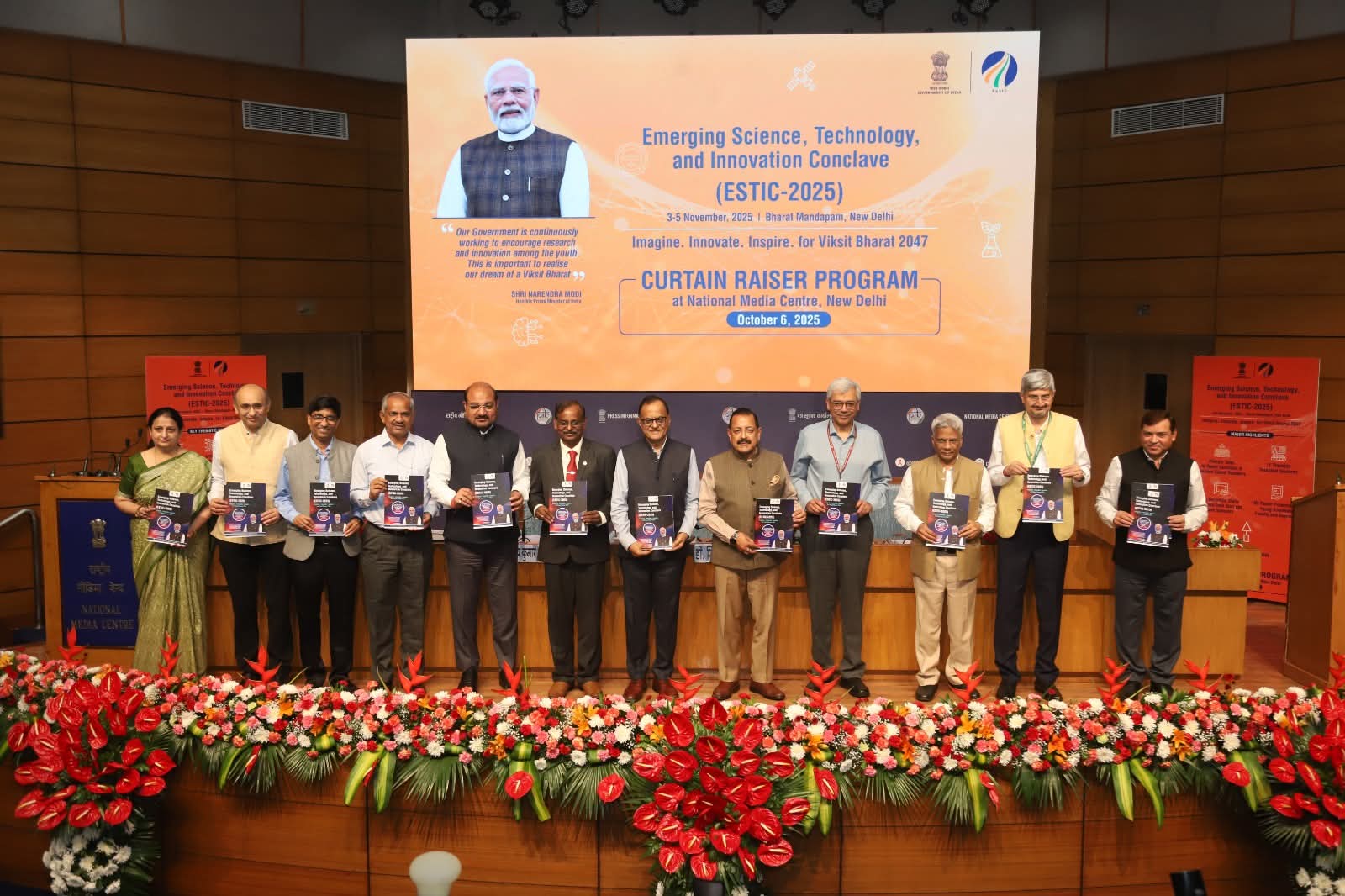
India’s Flagship Sci. & Tech Conclave ESTIC-2025 to Chart Roadmap for Atmanirbhar and Viksit Bharat

India’s Flagship Sci. & Tech Conclave ESTIC-2025 to Chart Roadmap for Atmanirbhar and Viksit Bharat

  • A stage for young innovators and startups to showcase solutions and connect with industry, says Dr. Jitendra Singh, Union Minister
  • Designed as an outcome-oriented forum, the event aims to accelerate the lab-to-market journey for disruptive innovation. 
  • Scheduled for 3–5 November 2025 at Bharat Mandapam, New Delhi, the conclave will feature three days of plenaries, technical sessions, and exhibitions. 
India's flagship Emerging Science, Technology, and Innovation Conclave, ESTIC-2025 is set to bring together the nation's top scientific minds, innovators and policymakers. Scheduled for November 3-5 at New Delhi’s Bharat Mandapam, the conclave will propel the nation towards an Atmanirbhar Bharat, turning the vision of Viksit Bharat 2047 into action. 

As India's flagship S&T conclave under the theme Imagine, Innovate, Inspire for Viksit Bharat 2047, ESTIC 2025 will unite the country's innovation ecosystem across the entire gamut of the scientific spectrum. Curtain raiser programmes by participating Ministries and Departments are building momentum for detailed discussions across the 11 thematic sessions spanning Advanced Materials & Manufacturing, Artificial Intelligence, Bio-Manufacturing, Blue Economy, Digital Communications, Electronics & Semiconductor Manufacturing, Emerging Agricultural Technologies, Energy--Environment--Climate, Health & Medical Technologies, Quantum Science & Technology, and Space Technologies. 

India’s Flagship Sci. & Tech Conclave ESTIC-2025 to Chart Roadmap for Atmanirbhar and Viksit Bharat

The programme features plenary addresses by global experts and Nobel Laureates, thematic technical discussions with S&T leaders, women entrepreneurs, and deep-tech startup CEOs, and on-ground showcases that spotlight disruptive innovation, including an exhibition by deep-tech startups and a poster forum for young scientists, faculty, and engineers. Designed as an outcome-oriented forum, ESTIC-2025 aligns research, standards-readiness, and scale-up mechanisms to accelerate the lab-to-market journey.

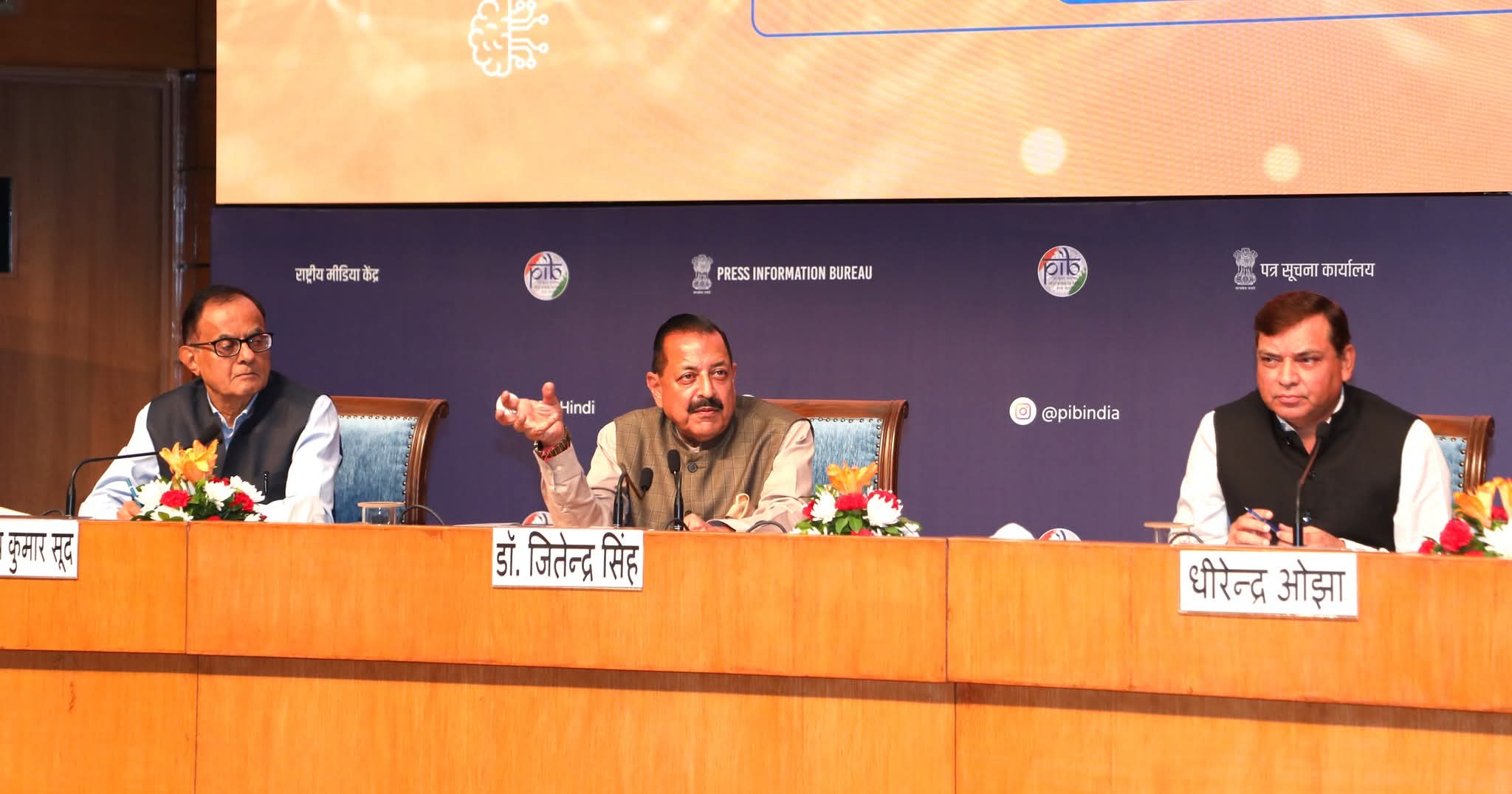
"The conclave is a stage for young innovators, startups and researchers to showcase innovative solutions, find mentorship, and connect with industry and stakeholders," said Union Minister of State (Independent Charge) for Science & Technology; Minister of State for Earth Sciences; PMO; Personnel, Public Grievances and Pensions; Department of Atomic Energy and Department of Space, Dr. Jitendra Singh. He highlighted the integration of key frontier technologies, including semiconductors, AI, quantum computing, biotech, space, and clean energy, across all eleven themes.

ESTIC brings together India's scientific community, industry and startups on a single platform to turn ideas into impact. By connecting efforts across ministries and aligning with national priorities, the conclave strengthens translation pathways from laboratories to scale," said Prof. Ajay Kumar Sood, Principal Scientific Adviser to the Government of India.

"Through eleven thematic sessions and high-level panels, ESTIC-2025 will chart a comprehensive roadmap for Viksit Bharat 2047, enabled by a whole-of-government approach," said Prof. Abhay Karandikar, Secretary, Department of Science & Technology (DST), emphasizing ESTIC's role in advancing collaborative pathways that translate science into societal and economic impact.

ESTIC-2025 is designed as an outcome-oriented forum that celebrates stakeholder contributions while fostering collaborations among researchers, entrepreneurs, industry and funding bodies. The conclave's discussions and showcases are structured to identify actionable next steps and measurable follow-ups so that momentum continues beyond the three event days.

The conclave is a collaborative initiative of the Department of Science & Technology, under the guidance of the Office of the Principal Scientific Adviser, and brings together an association of key ministries and departments including the Department of Atomic Energy, Ministry of Ayush, Department of Biotechnology, Council of Scientific & Industrial Research (CSIR), Defence Research & Development Organization (DRDO), Ministry of Earth Sciences, Ministry of Education, Ministry of Electronics and Information Technology, Indian Council of Agricultural Research (ICAR), Indian Council of Medical Research (ICMR), Department of Space, and Department of Telecommunications.

About ESTIC-2025:

The Emerging Science, Technology, and Innovation Conclave (ESTIC) is India’s premier STI platform, bringing together ministries, innovators, and global visionaries. A flagship annual event, ESTIC fosters collaboration, celebrates disruptive innovation, and drives forward the vision of “Viksit Bharat 2047." This transformative platform showcases cutting-edge research, deep-tech breakthroughs, and thought-provoking discussions with Nobel Laureates, global experts, policymakers, and emerging leaders. ESTIC-2025 is scheduled for 3-5 November 2025 at Bharat Mandapam, New Delhi.

Starscapes and Gujarat Tourism Join Forces to Build India’s 1st Dark-Sky Astro Villages

Starscapes and Gujarat Tourism Join Forces to Build India’s 1st Dark-Sky Astro Villages
  • Starscapes to conduct a detailed study to identify potential stargazing locations across the state
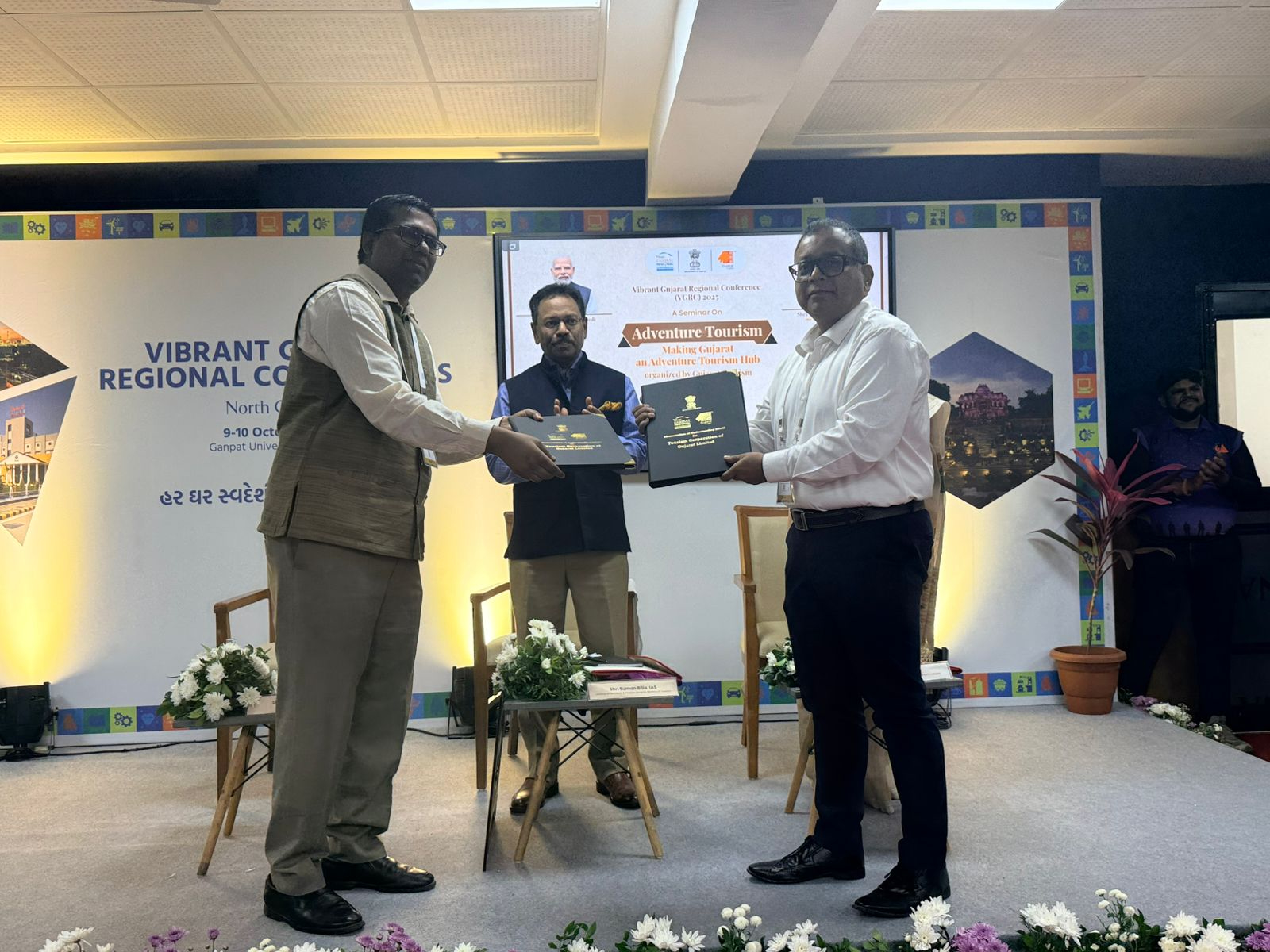
Starscapes, India’s leading astro-tourism company, has signed a Memorandum of Understanding with Gujarat Tourism to jointly develop Gujarat as a key astro-tourism destination over the next five years.

As a part of the collaboration, Starscapes will conduct a detailed study to identify potential stargazing locations across the state, starting with North Gujarat. The selected sites will be evaluated based on light pollution levels, accessibility, and suitability for astro-tourism infrastructure. Gujarat Tourism’s approach to categorizing various types of tourism such as adventure, heritage and nature tourism provides a clear advantage in designating specific areas as dark-sky zones. This will play an important role in exclusively developing astro-tourism without interference from other tourism activities that may contribute to light pollution.

The identified astro-tourism zones will later be developed into Astro Villages, where local communities will play a key role in reducing light pollution and preserving dark skies. The initiative aims to generate employment opportunities for local communities, improve livelihood while creating sustainable astro tourism experiences.
 
Starscapes and Gujarat Tourism Join Forces to Build India’s st Dark-Sky Astro Villages

Commenting on the partnership, Ramashish Ray, Founder, Starscapes, said, “ "From the vast salt deserts of Kutch to the clear skies around Gir National Park, Gujarat offers some of the most pristine and untouched dark-sky locations with immense potential for astro-tourism. Our goal is to work closely with the local communities, empowering them to become ambassadors of dark skies and to create a model of responsible, sustainable tourism. We’re excited to partner with Gujarat Tourism to develop the state into a leading astro-tourism destination."

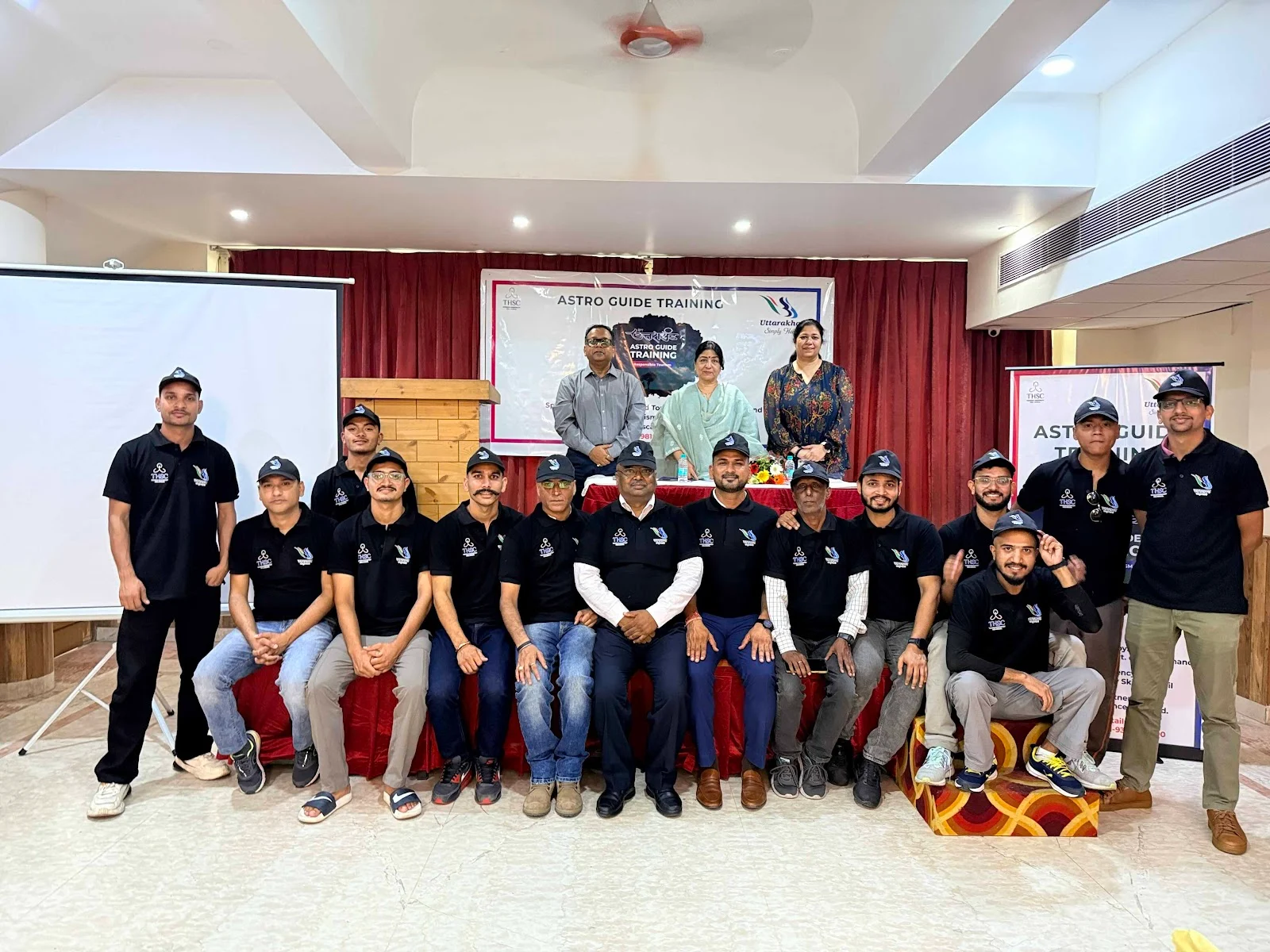
This initiative builds on Starscapes’ ongoing efforts to promote astro-tourism across India. After a successful ‘Nakshatra Campaign’ with Uttarakhand Tourism Development Board (UTDB), Starscapes has recently launched ‘Astro-Tourism Guides’ Skill Development Program in collaboration with UTDB and Tourism & Hospitality Skill Council (THSC).

About Starscapes:

Starscapes is India’s premier experiential astronomy venture, dedicated to promoting sustainable live and online celestial exploration. With a nationwide network of observatories, skilled teams, school and hospitality affiliates, and eco-friendly initiatives, Starscapes strives to enrich education and provide unforgettable cosmic experiences.

Starscapes and Uttarakhand Govt Launch India’s First Statewide Astro-Tourism Guide Training Program

Starscapes and Uttarakhand Govt Launch India’s First Statewide Astro-Tourism Guide Training Program

Starscapes, India’s leading astro-tourism company, has partnered with the Uttarakhand Tourism Board (UTTB) and the Tourism & Hospitality Skill Council (THSC) to launch a comprehensive skill development initiative aimed at training 500 aspiring Astro-Tourism Guides across the state over the next six months. This fully funded program, supported by the Government of Uttarakhand, combines astronomy education with practical skills in hospitality, marketing, and community engagement.

Under the tripartite agreement, UTTB will serve as the sponsoring authority, Starscapes as the training partner, and THSC as the executing partner.

Recognizing the importance of community involvement in conserving dark skies and reducing light pollution, Starscapes has collaborated with the Tourism and Hospitality Skill Council, a government-recognized body under India’s Skill Development Mission, to certify its training curriculum as an official course. This ensures that participants not only gain in-depth knowledge of astronomy and telescope handling but also acquire employable skills that can empower them to pursue careers in astro-tourism and related hospitality services.

The training will be conducted across multiple locations in Uttarakhand, including Dehradun, Rishikesh, Loha Ghat (Champawat), Munsiyari (Pithoragarh), Ramnagar (Nainital), Powri Lansdowne, Almora, Kausani, Karnaprayag, Tehri, Udham Singh Nagar, Nainital, and Chopta.

Targeting local youth, the program is designed to support community-driven tourism initiatives such as homestays. Participants will learn to operate independently while promoting sustainable astro-tourism, contributing to dark sky conservation, and generating income for their communities.

Vivek Shandilya, Vice President, Business Development, Tourism & Hospitality Skill Council (THSC),Initiatives like these play a significant role in building a future of community-led and responsible tourism. The ‘Astro-Tourism Guides’ Skill Development Program will equip local youth with the right skill set for promising careers in the field of tourism, empower local economies and help preserve our dark skies. We look forward to working with Uttarakhand Tourism Board and Starscapes to bring formal recognition and certification to this unique program."

Mrs Poonam Chand, Additional Director, Uttarakhand Tourism Development Board, "This initiative aligns perfectly with our vision of promoting responsible and community-based tourism in Uttarakhand. By supporting local youth, we are fostering both economic development and environmental conservation."

Commenting on this Ramashish Ray, Founder of Starscapes, said, "At Starscapes, we believe that sustainable impact comes from engaging communities directly. By training local youth astro tourism guides and empowering them with employability skills, we are building a network of advocates who can help conserve our dark skies while creating meaningful livelihood opportunities."

Participants who complete the program will receive government-certified certification, making them eligible for employment within the tourism and hospitality sector, as well as opportunities to collaborate with Starscapes in ongoing community and astro-tourism initiatives.

The program will officially commence in October, and training will continue through March 2026, ensuring a thorough and impactful learning experience across the state.

About Starscapes:

Starscapes is India’s premier experiential astronomy venture, dedicated to promoting sustainable live and online celestial exploration. With a nationwide network of observatories, skilled teams, school and hospitality affiliates, and eco-friendly initiatives, Starscapes strives to enrich education and provide unforgettable cosmic experiences.

IIT Mandi’s Quantum-Inspired Theory Reveals Hidden Logic Behind Collective Movement

IIT Mandi’s Quantum-Inspired Theory Reveals Hidden Logic Behind Collective Movement
  • IIT Mandi researchers uncover how quantum-inspired dynamics in visual perception can explain flocking, swarming, and coordination, opening doors to new advances in robotics and neuroscience

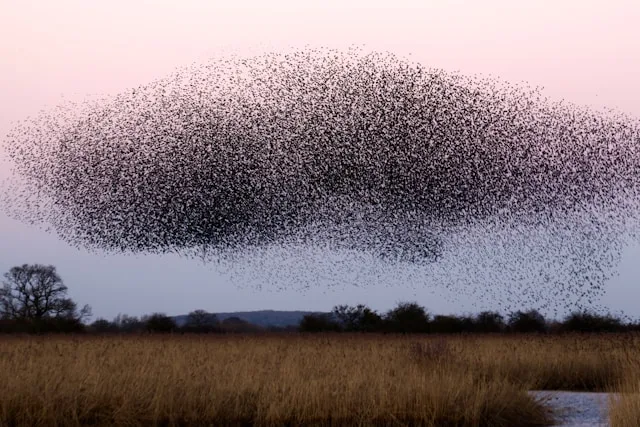
Why do birds flock, fish school, or humans synchronize their movements without a designated leader? This age-old question has fascinated scientists across disciplines for decades. Now, 0 at the Indian Institute of Technology (IIT) Mandi have put forward a groundbreaking explanation: the secret may lie in quantum-inspired perception.

The study, led by Prof. Laxmidhar Behera and his team, Dr. Jyotiranjan Beuria and Mayank Chaurasiya, recently published in the prestigious journal Proceedings of the Royal Society A (2025), introduces a radical mathematical framework to explain how coordination emerges in nature. In classical models of collective motion, such as the well-known Vicsek model, agents align their movement based on their neighbors’ directions. While these models capture some aspects of swarming and flocking, they often fall short in accounting for real-world complexities, such as noisy environments, delays in response, or ambiguous information. The IIT Mandi team approached the puzzle from a different angle. Drawing inspiration from quantum mechanics, they proposed that each agent’s perception does not collapse immediately into a definite decision. Instead, it exists in a superposition of possibilities, much like a particle in quantum physics can exist in multiple states until observed.

Commenting on the study, Prof. Laxmidhar Behera, Director of IIT Mandi and co-author of the paper, said –
“Our work shows that quantum-inspired ideas can move beyond physics and provide fresh insight into one of nature’s oldest mysteries: how collective order arises out of local perception. The implications range from understanding the mind and brain to engineering next-generation intelligent systems.”

His words reflect a growing trend in modern science: borrowing principles from quantum theory to enrich disciplines far beyond fundamental physics. By bridging cognitive science, biology, and engineering, the IIT Mandi study points to a unifying framework for perception and coordination.

A Unified Framework for Nature and MachinesIn this framework, agents perceive their neighbors not through fixed snapshots but through entangled perceptual states that evolve dynamically. Coordination arises naturally as these states resolve, balancing uncertainty and alignment in a way that mirrors quantum behavior. A central contribution of the study is the introduction of two novel quantities: perception strength, which measures how strongly agents align their perceptual states, and perceptual energy, which measures the stability of collective perception within the group. Together, these measures allow scientists to quantify how coordination emerges even in noisy or incomplete conditions. Importantly, the researchers demonstrated that classical flocking models are special cases of their broader, quantum-inspired theory. This means that existing frameworks for collective motion can be seen as approximations within a more general, perception-driven model.

New Metrics for Measuring Group Intelligence

The implications of this work extend far beyond theory. In biology, the framework offers a new perspective on how swarms of animals remain cohesive despite disturbances. Instead of relying solely on physical interaction rules, the study suggests that perception itself plays a fundamental role in generating order in living systems.

Game-Changing Implications

In robotics, swarm robotics such as coordinated drones used in search-and-rescue operations, environmental monitoring, or planetary exploration could adopt quantum-inspired perception to achieve more flexible and adaptive coordination. In neuroscience and psychology, the study resonates with how human perception often involves ambiguity, sudden switching, and context-dependent interpretation. By offering a rigorous mathematical model for perceptual dynamics, the framework provides a fresh way to understand brain function and cognitive processes. In artificial intelligence, future AI systems could harness quantum-inspired perceptual operators to handle uncertainty with greater robustness, avoiding brittle or premature decisions when confronted with ambiguous or incomplete data.

About IIT Mandi:

IIT Mandi is one of the top second-generation IITs located in Kamand Valley, Mandi district of Himachal Pradesh, India. It is one of eight new Indian Institutes of Technology (IITs) established by the Ministry of Human Resource Development, Government of India, and recognized as one of Institutes of National Importance. IIT Mandi's permanent campus about 14 km (8.7 mi) from Mandi consists of the South and North campuses connected by a narrow neck. The South campus is on the left bank of the Uhl River below Kamand village. The North campus is along the Kataula Khad opposite Salgi village. A transit campus at Government Post graduate College, Mandi was handed over by the Himachal Pradesh Government on 16 November 2009. The Kamand campus ground-breaking ceremony, to mark the start of construction, was held on 13 April 2012.

On 25 April 2015, IIT Mandi became the first of all the new IITs to completely shift B. Tech students to its permanent campus in Kamand. Since its inception the institute has been involved with more than 275 Research and Development (R&D) projects worth more than ₹120 crore. In the past 10 years, the institute has signed Memorandum of Understanding (MoU) with as many as 11 international and 12 national universities.

Truth in the Time of Toxins: What 'Bad Science' Warns Us About


In a world where a celebrity’s juice cleanse gets more airtime than a peer-reviewed study, Bad Science by Ben Goldacre is both sword and shield. With biting humor and analytical rigor, Goldacre aims not just to entertain—but to arm the public against misinformation dressed in lab coats.

Deconstructing Hype: The Core Messages of Bad Science

When its apparently an age where clickbait cures and “breakthroughs" are endorsed by celebrities, the book Bad Science by Ben Goldacre slashes through the noise. It reveals how science can be twisted—or ignored—to sell ideas, products, and agendas.

The book, originally published in the UK in 2008, primarily focuses on examples from the UK and Western media, especially in the context of health journalism, education, and pharmaceutical practices. However, it does touch on global implications of pseudoscience and misinformation—including how misleading health claims can affect developing countries, particularly in Africa and Asia.

Pseudoscience Wears a Lab Coat

Goldacre shows that “science-sounding” jargon and anecdote can mask empty claims. He exposes:
  • Homeopathy’s absurd dilutions presented as potent medicine
  • Brain Gym exercises billed as neurological cures
  • Detox footpads and ear candles marketed with pseudo-anatomical mumbo-jumbo
These examples illustrate how easy it is to dress nonsense in scientific language—and how few people question the rules of biology it violates.

The Media’s Amplification Machine

Headlines trade nuance for drama, and The common men pays the price. Goldacre dissects:
  • Sensational reporting of preliminary or weak studies
  • Inflated links between vaccines and autism during the MMR scare
  • Misuse of relative risk to make tiny effects look earth-shattering
By following the press’s temptation to oversimplify, he warns us that every catchy headline may hide half-truths.

When Money Drives the Data

Scientific research isn’t immune to commercial pressures. Bad Science uncovers tactics like:
  • Cherry-picking favourable trial results and burying the rest
  • Presenting relative risk (e.g., “50% reduction”) without absolute figures
  • Ghost-writing academic papers on behalf of pharmaceutical sponsors
Goldacre argues for open data, transparent methodologies, and independent scrutiny so that medicine serves health and not marketing.

The Curious Power of Placebos

Placebos aren’t “just sugar pills”—they reveal how expectation shapes outcomes. Goldacre highlights studies where:

Pink pills boosted concentration more than blue ones
  • Higher pill counts (even inert) led to stronger symptom relief
  • A doctor’s empathy and confidence significantly altered patient responses
Understanding placebo effects reminds us that context, belief, and presentation matter in every clinical encounter.

A Call to Critical Thinking

Bad Science isn’t about making everyone a lab-coat expert overnight. It’s a manifesto for:
  • Asking pointed questions when faced with bold claims
  • Reading beyond headlines and checking sample sizes, controls, and reporting standards
  • Demanding transparency from researchers, media, and corporations
By arming ourselves with skepticism and curiosity, we become smarter consumers of information—and better guardians of our own health.

Bad Science also touch on the pharmaceutical industry but more as a warning signal than a deep dive. Goldacre critiques how drug companies can distort evidence, manipulate trial results, and influence public perception through selective data and marketing tactics.
  • Clinical Trials and Data Manipulation: Pharmaceutical companies sometimes design trials to favor their products—using small sample sizes, biased endpoints, or excluding negative results. Goldacre highlights how publication bias creates a skewed picture of a drug’s effectiveness.
  • Relative Risk vs. Absolute Risk: Companies use relative risk to make benefits sound bigger than they are. A “50% reduction” might only mean going from 2 in 1,000 to 1 in 1,000—not a miracle, just misleading framing.
  • Ghostwriting and Sponsored Research: Some academic papers are secretly written by pharma staff and published under independent researchers' names. Goldacre critiques the blurry line between science and sales.
The Bad Science author, Goldacre, also wrote Bad Pharma, an entire exposé of the industry. It covers:
  • Regulators and journals enabling bad practices
  • The global consequences of hidden data
  • Reforms needed to fix systemic issues
Whether you’re a student, journalist, or simply a skeptical reader, Bad Science equips you to spot red flags, decode data, and insist on evidence that truly matters.

NASA-ISRO Satellite Sends 1st Radar Images of Earth's Surface

NASA-ISRO Satellite Sends 1st Radar Images of Earth's Surface
Captured on Aug. 21, this image from NISAR’s L-band radar shows Maine’s Mount Desert Island. Green indicates forest; magenta represents hard or regular surfaces, like bare ground and buildings. The magenta area on the island’s northeast end is the town of Bar Harbor. (Credit: NASA/Pl-Caltech) 

The NASA-ISRO Synthetic Aperture Radar (NISAR) satellite has successfully transmitted its first radar images of Earth’s surface, marking a major milestone in the joint U.S.-India mission.

Highlights from the First Radar Images
  • Mount Desert Island, Maine (Aug 21):
    • Captured using NASA’s L-band radar.
    • Forests appear green, water bodies in dark tones, and urban areas in magenta.
    • The town of Bar Harbor is clearly visible, showcasing the radar’s ability to distinguish land cover types.
  • Forest River, North Dakota (Aug 23):
    • Shows wetlands, forests, and farmland with circular irrigation plots.
    • Differentiates fallow fields from active crops like corn and soybeans.
NASA-ISRO Satellite Sends 1st Radar Images of Earth's Surface
On Aug. 23, NISAR imaged land adjacent to northeastern North Dakota’s Forest River. Light-colored wetlands and forests line the river’s banks, while circular and rectangular plots throughout the image appear in shades that indicate the land may be pasture or cropland with corn or soy. (Credit: NASA/JPL-Caltech) 

What Makes NISAR Unique

  • Dual Radar System: Combines NASA’s L-band with ISRO’s S-band for comprehensive Earth surface analysis.
  • High Resolution: Can resolve features as small as 5 meters.
  • Global Coverage: Orbits Earth every 12 days from 747 km altitude.

Applications

  • Disaster response (e.g., landslides, floods, earthquakes)
  • Agricultural monitoring and food security
  • Climate change and ecosystem tracking
  • Infrastructure and urban planning
Science operations begin November 2025. NISAR is set to revolutionize Earth observation and environmental monitoring.

Source – usembassy.gov

Self-Assembling Materials: Programmable Matter That Builds Itself

Self-Assembling Materials: Programmable Matter That Builds Itself

I've watched materials science evolve for two decades, but self-assembling materials still feel like something from science fiction. These substances can automatically arrange themselves into predetermined shapes when triggered — no external assembly required. The concept challenges our basic assumptions about manufacturing and construction. Think about how algorithms drive predictable outcomes in digital environments, like the sophisticated random number generators that power platforms such as 1xbet online casino free games. Self-assembling materials work on similar principles, but with physical atoms instead of digital code.

Current Research and Laboratory Breakthroughs

The latest developments in programmable matter research show promising but uneven progress. Self-assembling materials research reveals significant advances at MIT, Harvard, and several international research centers.

Key areas where researchers are making headway include:
  • DNA-based assembly systems that create predetermined structures at the molecular level
  • Shape-memory alloys that transform into specific configurations when heated
  • Magnetic particle systems that organize into complex three-dimensional structures
  • Polymer networks that respond to pH changes or electrical stimulation
  • Protein-based materials that fold into functional shapes when exposed to specific chemicals
Current laboratory demonstrations remain limited in scale and complexity. MIT's recent work with DNA origami can create structures measuring just a few hundred nanometers. The precision is remarkable, but scaling up presents significant challenges. Shape-memory alloys work at larger scales but typically only perform simple transformations — bending, twisting, or expanding.

Research teams face a fundamental challenge: maintaining precision as complexity increases. Simple structures self-assemble reliably, but adding more components introduces exponentially more failure points. The mathematics governing these systems become unwieldy quickly.

Temperature control proves critical for most self-assembling systems. Small temperature variations can derail the entire assembly process. This sensitivity limits practical applications in uncontrolled environments.

Engineering Applications and Manufacturing Potential

The manufacturing implications could reshape how we build everything from electronics to buildings. Self-assembling manufacturing applications show early adoption in specialized fields.

Aerospace engineers are testing self-assembling components for spacecraft that can repair themselves during long missions. The components remain dormant during launch, then activate when needed. This approach could reduce mission costs significantly by eliminating the need for redundant backup systems.

Medical applications show particular promise. Self-assembling drug delivery systems can target specific cells, then release their payload when they encounter the right chemical signals. Early trials suggest this approach could reduce side effects while improving treatment effectiveness.

Construction materials that adapt to environmental conditions represent another frontier. Concrete that self-heals when cracked, or building materials that adjust their thermal properties based on weather conditions. These aren't theoretical anymore — small-scale prototypes exist.

The electronics industry is experimenting with self-assembling circuits. Components could organize themselves during manufacturing, potentially reducing defect rates and production costs. Samsung and Intel have invested in research programs, though commercial applications remain years away.

Limitations and Technical Hurdles

Let's be realistic about the current state of this technology. Self-assembling materials work well in controlled laboratory conditions, but real-world environments present numerous challenges.

Contamination derails most self-assembly processes. A single foreign particle can prevent proper assembly or cause the structure to form incorrectly. Clean room manufacturing might solve this problem, but it limits where these materials can be used.

Energy requirements remain substantial for most systems. Many self-assembling materials need external energy sources — heat, electricity, or chemical fuel — to trigger assembly. This dependency limits autonomous applications.

Timing coordination becomes complex when multiple components must assemble simultaneously. Getting everything to happen in the right sequence, at the right speed, requires precise control systems. Current approaches work for simple structures but struggle with complex assemblies.

Material compatibility issues restrict design options. Not all substances can be programmed to self-assemble, and those that can often require specific environmental conditions that conflict with other materials in the same system.

Quality control presents unique challenges. Traditional manufacturing allows inspection at multiple stages, but self-assembling systems often work as black boxes. You trigger the process and hope everything works correctly.

Cost remains prohibitive for most applications. Programmable materials require expensive precursor chemicals and sophisticated control systems. Mass production might reduce costs, but we're nowhere near that scale yet.

The field progresses steadily, but predictions about widespread adoption keep getting pushed back. What seemed possible in five years now looks more like ten or fifteen years away. That's not pessimism — it's the reality of translating laboratory successes into practical applications.

Nevertheless, the potential applications justify continued research investment. Self-assembling materials could solve manufacturing problems we haven't figured out any other way.

India to Launch Ultra-Precise Timekeeping System with ISRO & NPL

India to Launch Ultra-Precise Timekeeping System with ISRO & NPL

In a major leap toward technological self-reliance, India is set to roll out a nationwide precision timekeeping system, developed in collaboration with the Indian Space Research Organisation (ISRO) and the National Physical Laboratory (NPL), reported news agency PTI. The initiative aims to deliver nanosecond-level synchronization across critical sectors, from telecom and transport to defense and energy.

A Strategic Partnership for National Precision

The project, announced during the 89th International Electrotechnical Commission (IEC) General Meeting in New Delhi, will establish five regional hubs to disseminate Indian Standard Time (IST) with unprecedented accuracy.
  • ISRO will provide satellite infrastructure and signal transmission.
  • NPL, India’s official timekeeper, will anchor the system using atomic clocks and calibration protocols.
  • The Ministry of Consumer Affairs is overseeing implementation, aligning it with India’s legal metrology and digital infrastructure goals.

Why It Matters

This precision timing backbone is expected to revolutionize:
  • Smart grids and energy distribution
  • Automated transport and logistics
  • High-frequency financial transactions
  • Cybersecurity and data integrity
  • Telecom and 5G rollout
India’s emergence as the second-largest mobile phone manufacturer and its growing footprint in EVs, solar tech, and AI-driven automation make synchronized timing essential for global competitiveness.

Global Standards, Local Impact

India will join a select group of nations—like the US, Germany, and Japan—with multi-site time dissemination networks. The system also supports India’s recent milestone as the 13th country authorized to issue OIML pattern approvals, strengthening its role in international legal metrology.

Enabling National Missions

The timekeeping system complements flagship initiatives such as:
  • FAME India (electric mobility)
  • PM-KUSUM (solar-powered agriculture)
  • National Green Hydrogen Mission
Together, these efforts signal India’s intent to lead in climate resilience, digital infrastructure, and scientific innovation.

Scientists Discover a New Organ Inside Your Throat


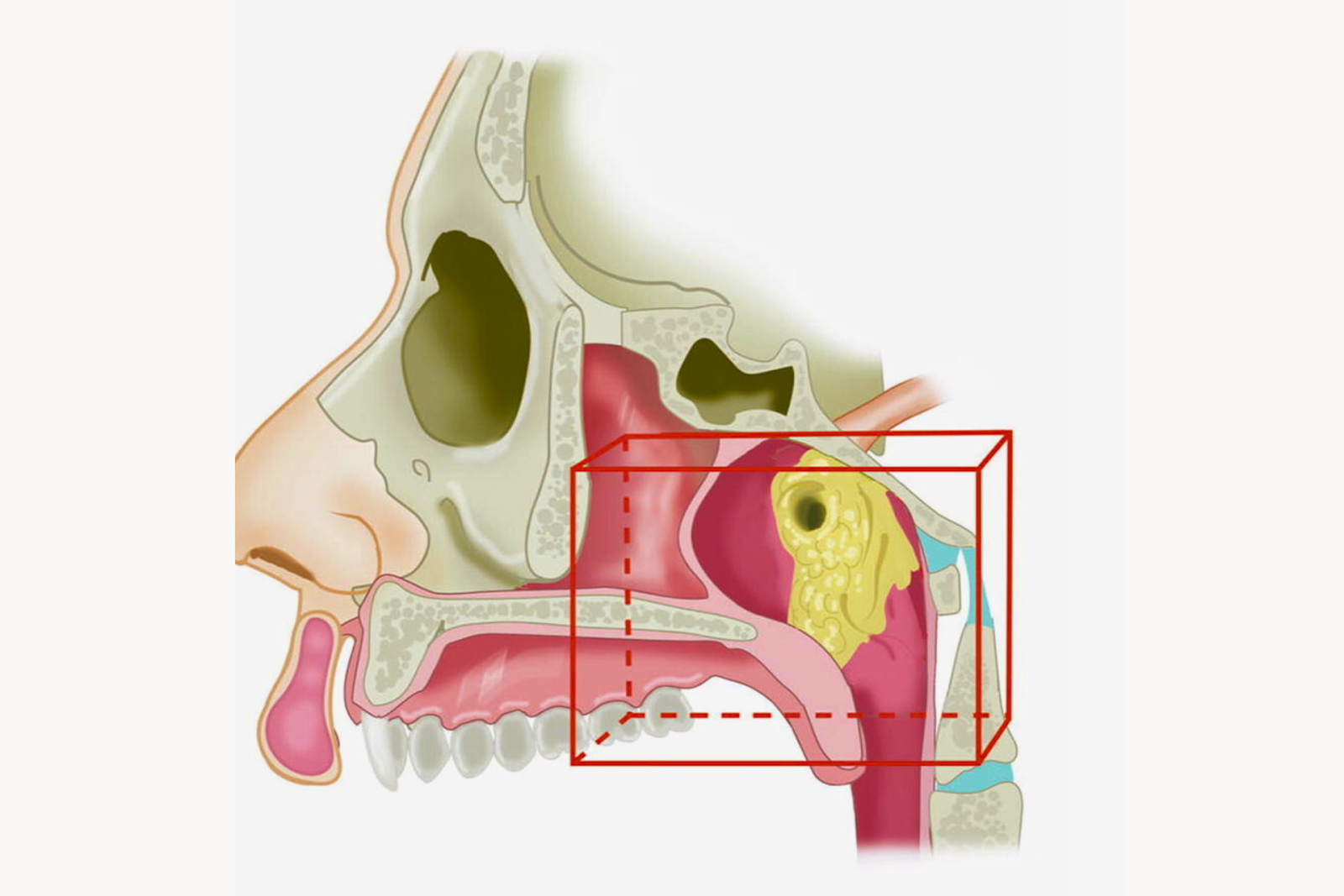
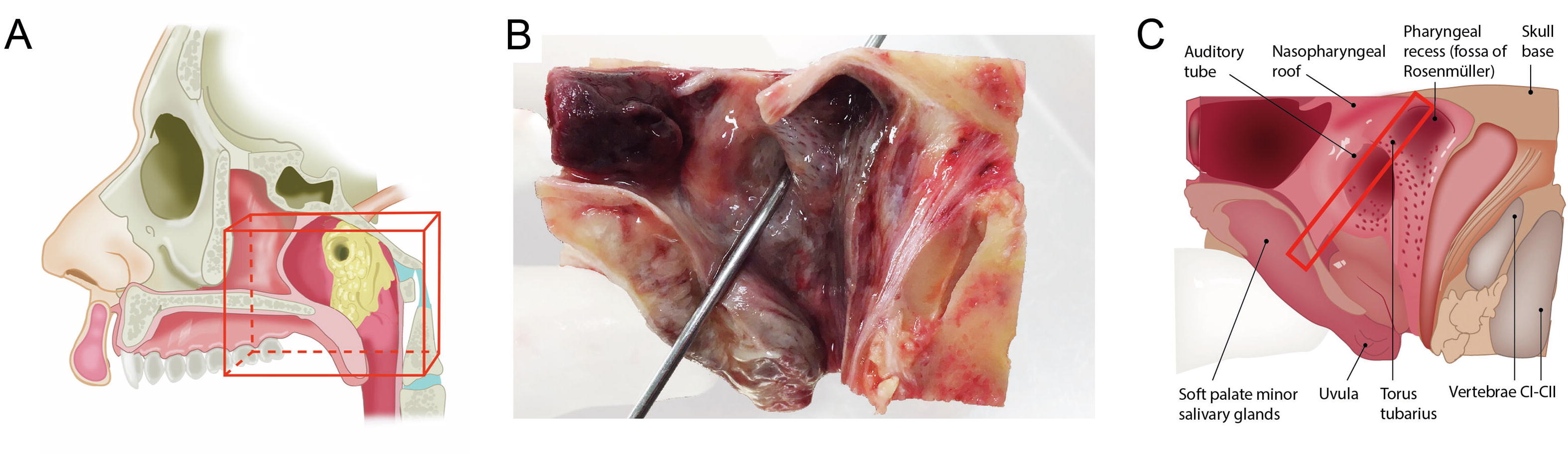
Scientists at the Netherlands Cancer Institute have identified a previously unknown set of salivary glands located deep inside the human throat, specifically in the nasopharynx—the area behind the nose and above the throat.

What is Found:

  • Name: Tubarial salivary glands
  • Size: Approximately 3.9 cm long
  • Location: Over the cartilage called the torus tubarius
  • Function: Likely to lubricate and moisten the upper throat
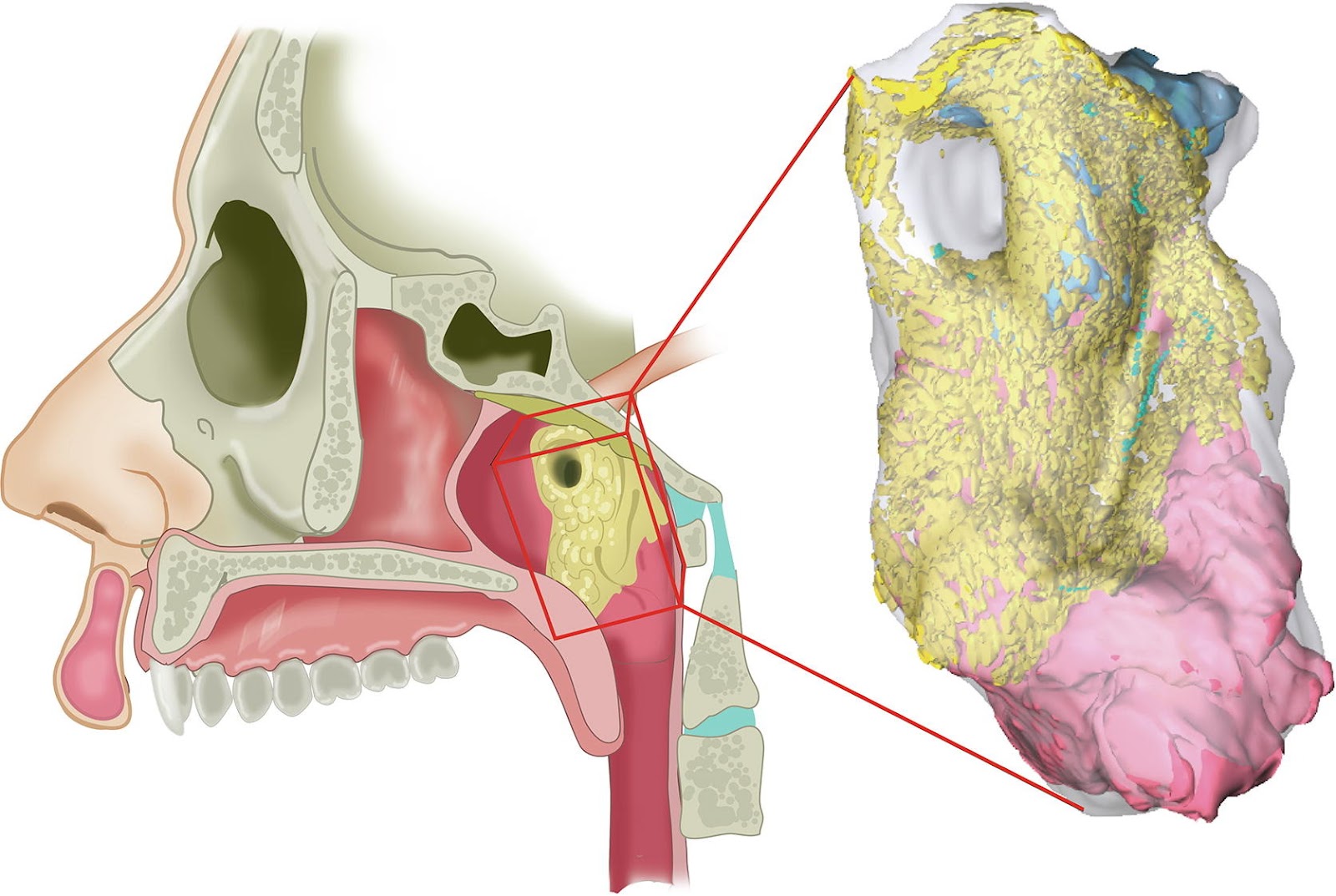
Anatomy of the torus tubarius area. Macroscopic views of the torus tubarius area. Global anatomical overview with the area of interest in yellow and dissection planes in red (A) with aligned dissection specimen of the right nasopharynx, including a probe showing the auditory tube (B) and annotated graphical overview (C).

How It Was Discovered:

  • Spotted during PSMA PET-CT scans used for prostate cancer detection
  • Scans revealed salivary gland-like tissue lighting up in a previously overlooked region

Confirmed by:

  • Imaging of 100 patients showing consistent gland structure
  • Dissection of two cadavers verifying mucosal gland tissue and ducts

Why It Matters:

  • Could reshape radiotherapy practices for head and neck cancers
  • May explain post-treatment issues like dry mouth and swallowing difficulties
  • Highlights the power of advanced imaging in anatomical discoveries

ISRO Accelerates Lunar Ambitions with Chandrayaan-4 and 5: Sample Return, Polar Rover, and Global Partnerships in Play

ISRO Accelerates Lunar Ambitions with Chandrayaan-4 and 5: Sample Return, Polar Rover, and Global Partnerships in Play

ISRO Chairman V. Narayanan has officially confirmed that Chandrayaan-4 and Chandrayaan-5 are actively in development—marking a bold leap in India’s lunar ambitions.

Mission Highlights

Chandrayaan-4

  • Scheduled for launch around 2027
  • Will be India’s first lunar sample-return mission, targeting the Shiv Shakti landing site
  • Includes a Venus Orbiter Mission, expanding ISRO’s interplanetary portfolio

Chandrayaan-5

  • A joint venture with Japan’s JAXA
  • Features a 250 kg rover—a major upgrade from Chandrayaan-3’s 25 kg Pragyan rover
  • Designed to operate through the harsh lunar night at the Moon’s south pole

Technologies Powering Chandrayaan-4 & Chandrayaan-5

Chandrayaan-4: Lunar Sample Return Mission

This mission is a complex ballet of modular engineering and orbital choreography:
Module Function
Propulsion System Transports lander and ascender to lunar orbit
Descender (Lander) Executes soft landing and collects lunar regolith
Ascender Detaches post-sampling and lifts off from Moon’s surface
Transfer Module Receives samples from Ascender and hands off to Re-entry Module
Re-entry Module Returns samples safely to Earth, designed to survive atmospheric re-entry
  • Space Docking Capability via SPADEX experiment
  • Dual Rocket Launch Strategy using LVM3 and PSLV
  • Robotic Sampling Arm for precise regolith collection
  • Thermal Shielding for safe Earth re-entry

Chandrayaan-5: Indo-Japanese LUPEX Mission

This mission is all about long-duration survival and deep polar exploration:
 
Feature Details
Heavy Rover (250 kg) Equipped for subsurface analysis and night-time operation
Advanced Power Systems Likely includes RTGs or high-efficiency solar arrays
JAXA Collaboration Brings precision landing and terrain mapping expertise
South Pole Targeting Focus on permanently shadowed regions for water ice detection
  • Autonomous Navigation for rugged terrain and low-light conditions
  • Cryogenic Sampling Tools to extract and preserve volatiles
  • Radiation-Hardened Electronics for extreme lunar environments

Strategic Impact

These missions aren’t just scientific—they’re foundational for:
  • Crewed lunar landings by 2040
  • Bharatiya Antariksh Station development
  • Global partnerships in deep space exploration

Broader Vision

  • ISRO is also developing the Bharatiya Antariksh Station (BAS), with the first module planned for 2028 and full deployment by 2035. 
  • The Gaganyaan human spaceflight mission will see an uncrewed launch in December 2025, followed by a crewed mission in early 2027. 
  • India aims for a crewed lunar landing by 2040, using fully indigenous technologies
This roadmap positions India among the elite spacefaring nations, blending scientific ambition with strategic partnerships. Want a visual timeline or stylized summary for editorial use? I’d be thrilled to co-create one with you.

Blood Moon 2025: Science, Spectacle & Spiritual Shifts

Blood Moon 2025: Science, Spectacle & Spiritual Shifts

On the night of September 7–8, 2025, the skies over India and much of the Eastern Hemisphere were set ablaze by one of the most mesmerizing celestial events of the year—a Blood Moon, also known as a total lunar eclipse. For 82 minutes, the Moon bathed in a deep crimson glow, captivating skywatchers and stirring ancient myths and modern reflections alike.

The Science Behind the Scarlet Glow

Blood Moon 2025: Science, Spectacle & Spiritual Shifts
  • Earth aligns perfectly between the Sun and Moon, casting its shadow across the lunar surface.
  • Sunlight filters through Earth’s atmosphere, scattering shorter blue wavelengths and allowing longer red wavelengths to bend toward the Moon.
  • The result: a coppery-red Moon, visible to the naked eye and safe to observe without any special equipment.
This year’s eclipse was especially notable because:
  • It lasted 82 minutes, making it one of the longest total lunar eclipses since 2022.
  • It was visible across India, Asia, Africa, Europe, and Australia, reaching nearly 85% of the global population.
  • The Moon was near apogee (its farthest point from Earth), which slowed its transit and extended the eclipse duration.

Cultural Echoes & Ancient Lore

  • In Incan mythology, a jaguar was believed to devour the Moon.
  • In Hindu tradition, the demon Rahu swallows the Moon, causing eclipses.
  • Ancient Greeks saw the Moon goddess Selene veiled in darkness, prompting rituals to ward off ill omens.
Today, while science explains the phenomenon, the spiritual symbolism remains potent.

Astrological Insights: Pisces & Aquarius Energy Collide

This year’s Blood Moon occurred at 15° Pisces, opposing the Sun in Virgo—a cosmic tug-of-war between dreams and practicality. Astrologers interpret this eclipse as a powerful emotional reset, urging us to:
  • Release illusions and outdated beliefs.
  • Heal emotional wounds and embrace transformation.
  • Step into new chapters with clarity and courage.

Zodiac Highlights

Zodiac Sign Astrological Impact
Aries Let go of impulsiveness; embrace patience and long-term vision.
Leo Relationships mirror your ego—seek balance and humility.
Pisces Expect deep emotional revelations and spiritual growth.
Virgo Your routines may shift—prioritize health and inner harmony.

How to Experience It

  • No gear needed—just clear skies and curiosity.
  • Best viewed from rooftops, open fields, or hilltops.
  • Binoculars enhance the view, revealing lunar textures and color gradients.
Whether you're a scientist, a stargazer, or a seeker of cosmic meaning, the Blood Moon of 2025 offered more than just a visual treat, it was a moment to pause, reflect, and realign. As the Moon glowed red, it reminded us that even in shadow, there is beauty, mystery, and transformation.

SpaceX's 1,900th Starlink Satellite Launch

SpaceX's 1,900th Starlink Satellite Launch

On Sunday, August 31, 2025, SpaceX is set to launch its 1,900th Starlink V2 Mini satellite aboard a Falcon 9 rocket from Cape Canaveral Space Force Station in Florida. This mission, designated Starlink 10-14, marks SpaceX’s 77th Starlink launch of the year, and its ninth Starlink mission in August alone.

Mission Highlights

  • Date: Sunday, August 31, 2025
  • Mission: Starlink 10-14
  • Launch Site: Cape Canaveral Space Force Station, Florida
  • Launch Time: 7:20 a.m. EDT (11:20 UTC)
    • Rocket: Falcon 9 Booster 1077 (23rd flight)
    • Trajectory: North-easterly path from Florida’s Space Coast
    • Landing Target: Drone ship Just Read the Instructions in the Atlantic Ocean

Network Expansion

  • Over 1,900 Starlink V2 Mini satellites launched in 2025 alone
  • Total active constellation exceeds 8,100 satellites
  • Global coverage spans 130+ countries, including rural India

Reusability Record

  • 489th Falcon 9 landing
  • 454th reflight milestone

Weather Outlook

  • 90% chance of favorable conditions
  • Minor risks from cumulus and anvil clouds
Summary: This launch marks SpaceX’s relentless cadence, operational efficiency, and its vision for global connectivity.

Starlink Launches by Year (2019–2025)

Year Launches Satellites Deployed Key Milestones
2019 6 ~360 First operational batch (v0.9) launched in May
2020 15 ~900 Regular cadence begins; v1.0 satellites dominate
2021 17 ~1,020 Laser interlinks introduced; global coverage expands
2022 25 ~1,500 v1.5 satellites deployed; polar orbit missions begin
2023 30+ ~2,000 v2 Mini satellites debut; constellation crosses 4,500
2024 40+ ~2,400 Direct-to-cell (DTC) satellites begin launching
2025 (Jan–Aug) 77 ~1,900+ Monthly launches peak; global user base hits 7M+

📊 Total Launches (2019–Aug 2025): ~210+
🛰️ Total Satellites Launched: ~9,580
🌐 Active Satellites in Orbit: ~8,280

🔍 Strategic Notes:
  • Reusability: Most launches used Falcon 9 Block 5 boosters, many flying 20+ times.
  • Coverage Expansion: Starlink now serves 150+ countries, including recent additions like Kazakhstan.
  • Tech Evolution: From basic v0.9 satellites to v2 Mini and DTC-enabled units, each year brought major upgrades.

India Expands Astronaut Pool to Include Women and Civilians in Bold Space Push

India Expands Astronaut Pool to Include Women and Civilians in Bold Space Push

In a landmark move to democratize space exploration, India will now include women and professionals from diverse backgrounds in its astronaut pool, breaking away from its earlier reliance solely on Indian Air Force pilots. The announcement was made by Prime Minister Narendra Modi during his address on National Space Day, marking a new chapter in the country’s human spaceflight ambitions.

Prime Minister Modi addressed the country on the National Space Day, August 23, 2025. He announced plans to form a diverse astronaut pool and emphasized the need for 40–50 trained astronauts to support future missions like Gaganyaan, the Bharatiya Antariksh Station, and a manned Moon mission.

From Air Force to All Walks of Life

Until now, India’s astronaut training was limited to elite Air Force personnel. The first batch for the Gaganyaan mission—Group Captains Shubhanshu Shukla, Prashanth Nair, Angad Pratap, and Ajith Krishnan—underwent rigorous training in Russia and India. However, ISRO officials confirmed that future selections will be open to women and civilians, reflecting global trends in space participation.

"The astronaut pool will not be restricted to the Air Force alone. It will have people from all walks of life,” said a senior ISRO official. Globally, it’s not just researchers but also entrepreneurs who are travelling to space.

Vision for Human Spaceflight

The initiative aligns with India’s long-term space roadmap:
  • Gaganyaan Mission: First crewed flight expected by 2027
  • Bharatiya Antariksh Station: Indigenous space station planned by 2035
  • Manned Moon Mission: Targeted for 2040
PM Modi emphasized the need for a ready pool of 40–50 astronauts to support sustained missions and invited youth to join this national endeavor.

A New Era of Inclusivity

The decision to diversify the astronaut pool is seen as a major step toward inclusivity and innovation in India’s space program. It also fulfills a promise made by Modi in his 2018 Independence Day speech: “An Indian boy or girl will unfurl the Tricolour in space."

In my conversation with Group Captain Shubhanshu, I saw the boundless courage and infinite dreams of the youth of New Bharat. On this Space Day, I invite my young friends to join this astronaut pool and give wings to the dreams of Bharat. – PM Modi

Global Context

India joins a growing list of nations expanding astronaut eligibility beyond military ranks. NASA, ESA, and private companies like SpaceX have already sent scientists, engineers, and even artists into orbit.

Govt of India and Springer Nature Unite to Launch RISE-UTTHAN to Elevate Research Integrity and Rural Innovation

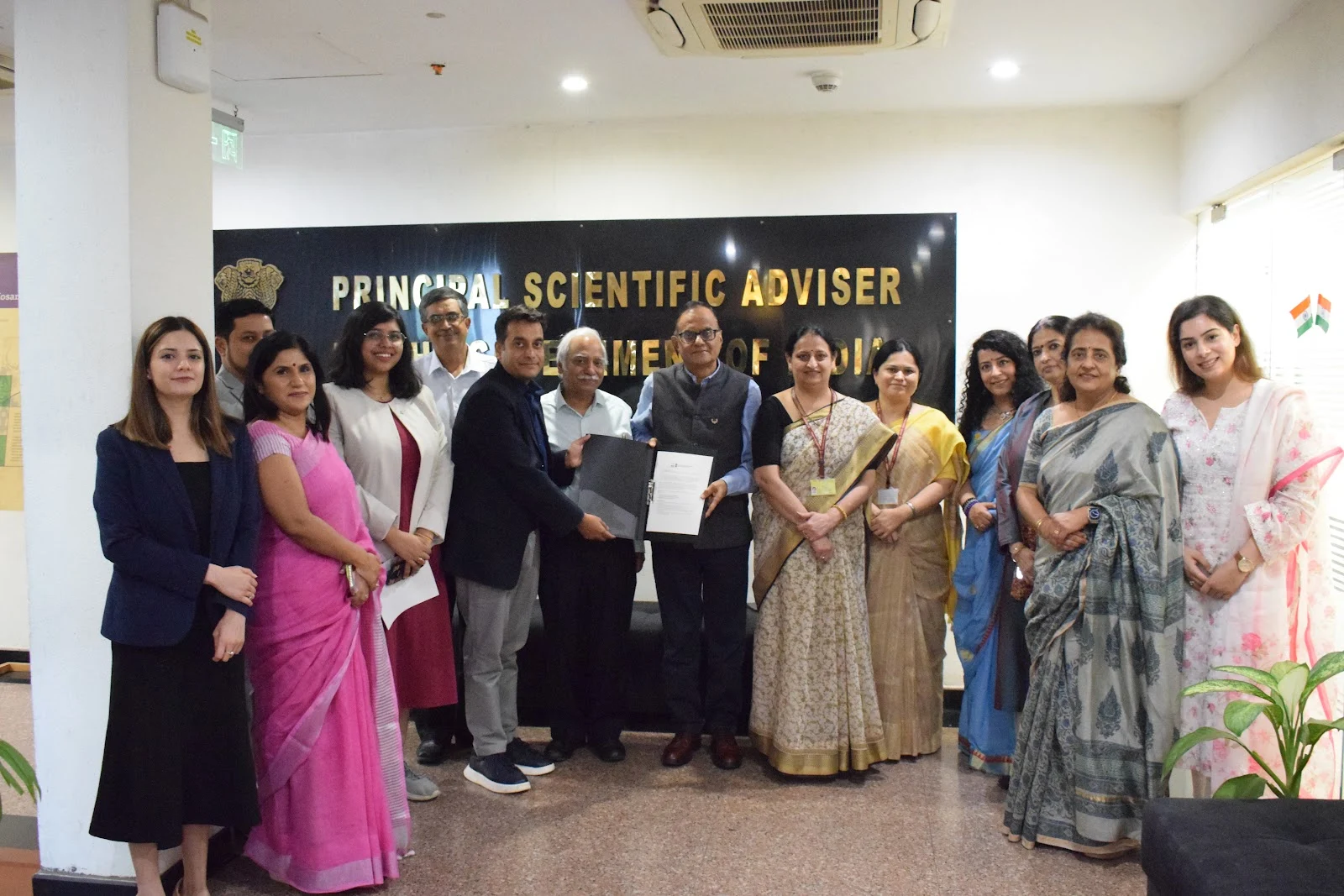
Springer Nature collaborates with PSA Office
  • The Office of the Principal Scientific Adviser and Springer Nature partner to strengthen research integrity and open access publishing in Tier 2 & 3 academic institutions
The Office of the Principal Scientific Adviser (PSA) to the Government of India and Springer Nature, a global leader in research publishing, have announced a strategic collaboration to increase awareness of the importance of research integrity, open access and other scholarly publishing practices across India’s Tier 2 and Tier 3 academic institutions.

The partnership will drive the RISE-UTTHAN initiative – a structured academic engagement programme designed to equip academia, researchers, and scholars with globally benchmarked tools and knowledge to foster ethical, accessible, and high-impact research practices.

The RISE-UTTHAN initiative will focus on three critical pillars of the academic research lifecycle:
  1. Research Integrity in Science and Education - equipping scholars to conduct and communicate research that meets the highest standards of ethics and transparency.
  2. Open Access Awareness and the Future of Science - complementing India’s One Nation, One Subscription initiative by helping researchers understand the evolving landscape of open science globally.
  3. Book Publishing in a Changing World - building researcher capacity to navigate evolving publishing models, from traditional to digital and open formats, ensuring their work reaches wider audiences and contributes to global knowledge-sharing.
Through a mix of workshops, lectures, and hands-on training, the initiative will engage 25–30 research-active institutions and reach approximately 5,000 researchers during the India Research Tour 2025, scaling further in subsequent years based on institutional feedback and resource alignment.

Prof. Ajay Kumar Sood, Principal Scientific Adviser to the Government of India, said: “India’s vision for a self-reliant, innovation-driven future rests not only on scientific breakthroughs, but equally on the ethics, accessibility, and impact of the research we produce. The RISE- UTTHAN initiative, in collaboration with Springer Nature, will strengthen these very pillars across higher education institutions, particularly in tier-2 and tier-3 cities where the need and potential for research excellence are significant. These sessions are timely and aligned with India’s science and technology agenda where research must translate into real-world solutions for communities across healthcare, education, clean energy, and sustainable livelihoods.”

Dr. Sapna Poti -Director, Strategic Alliances, Office of PSA, said : “Strengthening research integrity and open access is essential to democratizing knowledge and empowering institutions across India. Through the RISE-UTTHAN initiative, we aim to build a robust ecosystem where researchers from Tier 2 and Tier 3 institutions are equipped to contribute meaningfully to global science and national development. This collaboration with Springer Nature is a step toward inclusive excellence in research."

Venkatesh Sarvasiddhi, Managing Director, Springer Nature India, said: “For over 180 years, Springer Nature has been committed to advancing discovery by supporting the global research community. Our collaboration with the Office of the PSA is a milestone in strengthening India’s research ecosystem ensuring that researchers across the country, irrespective of geography, have the knowledge, tools, and support to publish with integrity, embrace open science, and contribute meaningfully to national and global challenges.

This partnership aligns with India’s national priorities, including the Sustainable Development Goals (SDGs), and reflects a shared commitment to fostering a culture of responsible, high-quality, and accessible research.

About Office Of PSA:

The Government of India established the Office of the Principal Scientific Adviser (PSA) in November 1999. The PSA’s office aims to provide pragmatic and objective advice to the Prime Minister and the cabinet in matters of Science and Technology. The Office of PSA was placed under the Cabinet Secretariat in August, 2018. Prof. Ajay Kumar Sood is currently serving as the Principal Scientific Adviser to the Government of India. The office’s vision is to help enable and empower all spheres of science and technology so that the execution of programs is effective for society and the economy.

About Springer Nature:

Springer Nature is one of the leading publishers of research in the world. We publish the largest number of journals and books and are a pioneer in open research. Through our leading brands, trusted for more than 180 years, we provide technology-enabled products, platforms and services that help researchers to uncover new ideas and share their discoveries, health professionals to stay at the forefront of medical science, and educators to advance learning. We are proud to be part of progress, working together with the communities we serve to share knowledge and bring greater understanding to the world. For more information, please visit about.springernature.com and @SpringerNature.


NIT Calicut Named India’s First I-STEM Catalyst Center, Pioneering Regional Innovation and Scientific Access

NIT Calicut Named India’s First I-STEM Catalyst Center, Pioneering Regional Innovation and Scientific Access

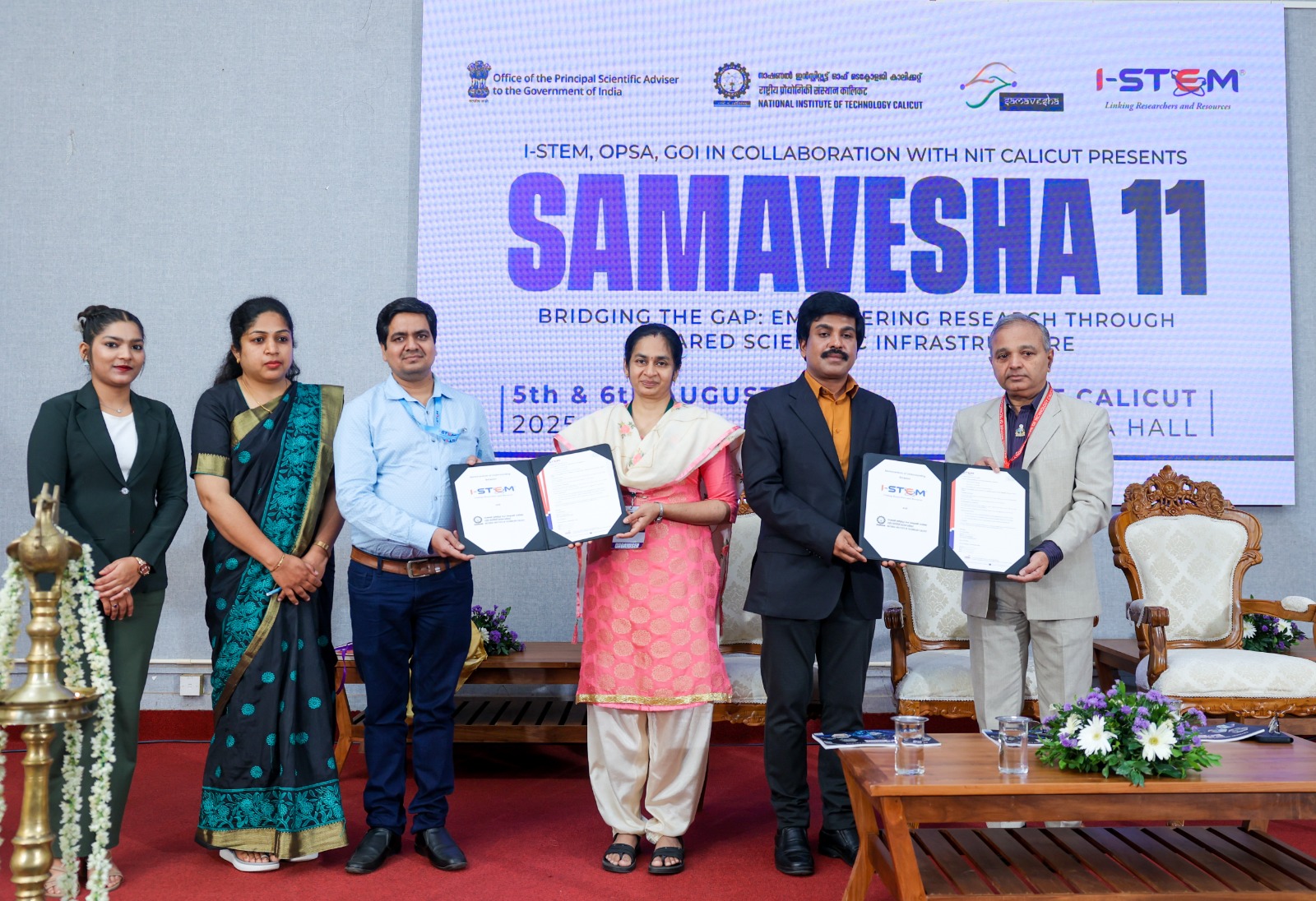
The Indian Science, Technology and Engineering facilities Map (I-STEM), supported by the Office of the Principal Scientific Adviser to the Government of India, officially announced National Institute of Technology (NIT) Calicut as the first I-STEM Catalyst Center.

The milestone was marked by the signing of a formal Memorandum of Understanding (MoU) between I-STEM and NIT Calicut during SAMAVESHA 11, the flagship I-STEM outreach and engagement event, held at the institute on August 5–6, 2025.

Speaking at the inaugural session, Dr. Harilal Bhaskar, National Coordinator and Chief Operating Officer of I-STEM, highlighted the significance of this initiative, “The Catalyst Center model transforms institutions into living laboratories, enabling hands-on training, local innovation, industry collaboration, and inclusive outreach. By anchoring I-STEM’s national mission into the grassroots, we create a federated network of institutions that serve as change-makers in their regions.

NIT Calicut Named India’s First I-STEM Catalyst Center, Pioneering Regional Innovation and Scientific Access

Catalyst Centers are envisioned as autonomous innovation hubs that decentralize access to high-end scientific infrastructure while aligning with national missions such as Atmanirbhar Bharat, Digital India, and Startup India. These Centers will play a key role in
  • Boosting utilization of scientific infrastructure
  • Enhancing visibility of underutilized research assets
  • Driving community-centered innovation
  • Facilitating collaborations between academia, industry, and government stakeholders
Speaking on the occasion, Prof. Prasad Krishna, Director of NIT Calicut, emphasized, “By becoming the first I-STEM Catalyst Center, NIT Calicut is set to play a pivotal role in bridging India’s scientific infrastructure divide, driving innovation, and fostering collaborations between academia, industry, and startups at the grassroots level.”

The two-day SAMAVESHA 11 event brought together researchers, faculty, startups, and R&D institutions from across Kerala. Day 1 included lab tours, equipment demonstrations, expert sessions and the Catalyst Center announcement, while Day 2 focused on I-STEM portal training and institutional onboarding.

With NIT Calicut now serving as a regional node for Kerala, I-STEM looks forward to further expanding its Catalyst Center network across India to accelerate innovation, foster collaboration, and democratize access to science.

About I-STEM

The Indian Science, Technology and Engineering facilities Map (I-STEM) is a national initiative of the Office of the Principal Scientific Adviser (PSA) to the Government of India. It aims to provide open access to publicly funded R&D facilities across the country, promote collaboration between academia and industry, and improve the optimal utilization of scientific infrastructure through a unified digital platform. I-STEM is committed to democratizing science, enabling innovation, and creating a more inclusive research ecosystem for India.

About NIT Calicut

National Institute of Technology Calicut (NITC) is one of India’s premier engineering institutions and a Centre of Excellence in technical education and research. Known for its cutting-edge research facilities and academic rigor, NIT Calicut is dedicated to fostering innovation, technology development, and knowledge dissemination. With a strong commitment to community engagement and regional development, NITC plays a pivotal role in shaping India's STEM landscape.

Time Reversal: Scientists Achieves A Real-Life Sci-Fi Breakthrough

Time Reversal:  Scientists Achieves A Real-Life Sci-Fi Breakthrough

Austrian scientists have pulled off something that sounds straight out of science fiction: they’ve successfully reversed time for a single photon using a device called a quantum switch. This isn’t about building a time machine to visit the dinosaurs—it’s about manipulating the flow of time within quantum systems, where the rules of reality bend in mind-boggling ways.

What They Did

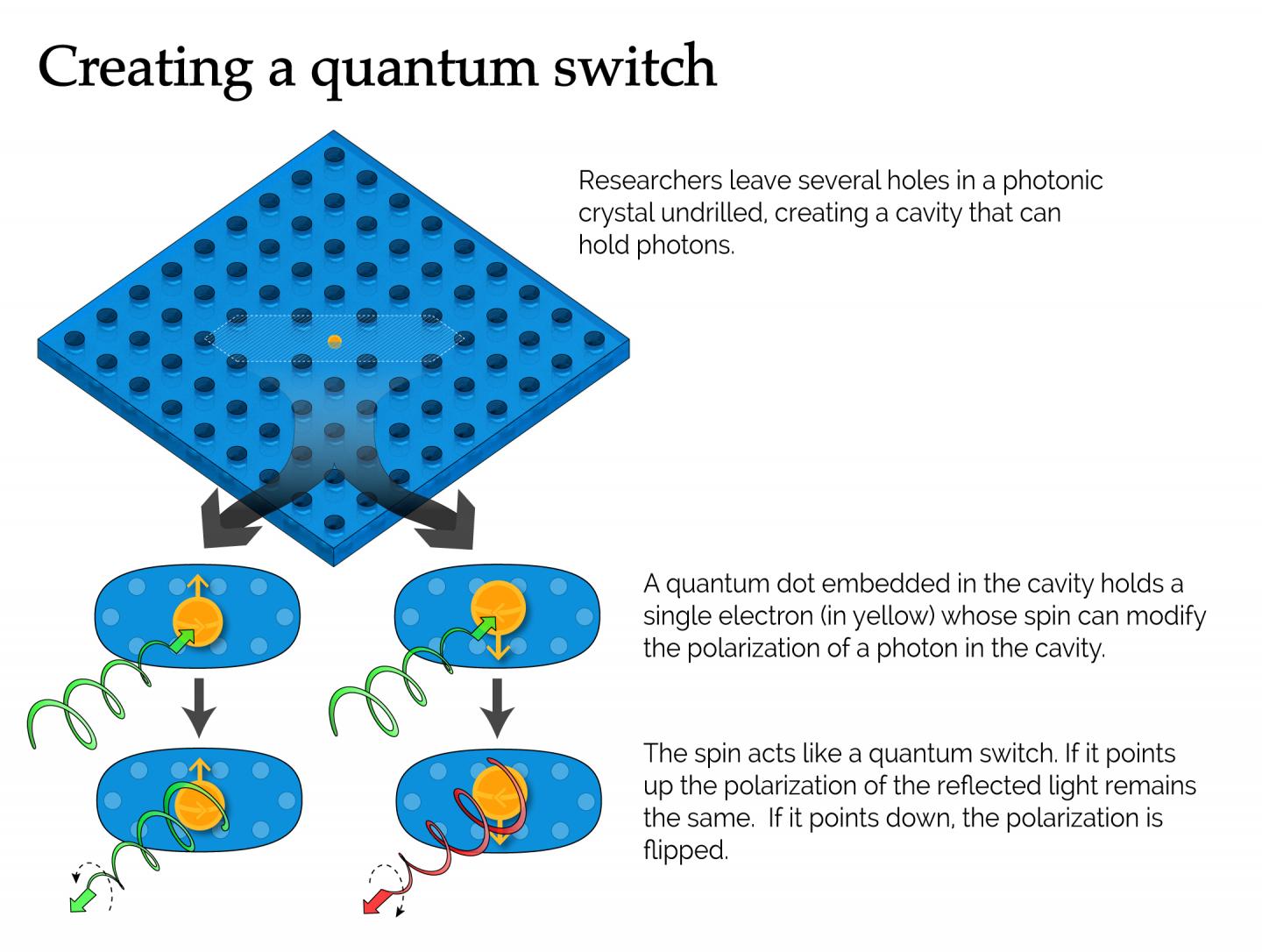
  • Researchers from the Austrian Academy of Sciences (ÖAW) and the University of Vienna used a photon (a particle of light) and sent it through a crystal.
  • With the help of the quantum switch, they were able to rewind the photon’s state—returning it to how it was before the journey began.
  • This process, called a rewind protocol, works even without knowing what happened to the particle during its journey—a feat previously thought impossible in quantum mechanics.

Quantum Switch
Image Credits – S. Kelley/JQI


Fast-Forwarding Time Too

  • The team didn’t stop at rewinding. They also discovered how to accelerate time for a quantum system.
  • By redistributing “evolutionary time” among identical systems, they made one system age 10 years in just one, while the others remained unchanged.

Why It Matters

  • While reversing time for humans is far beyond reach (it would take millions of years to rewind even one second of a person’s life), this discovery could revolutionize quantum computing.
  • It opens the door to undoing errors in quantum processors, making them more powerful and reliable.

A New Way to Watch Reality

Physicist Miguel Navascués likened classical physics to watching a movie in a theater—linear and unchangeable. Quantum physics, he said, is like watching at home with a remote: you can rewind, fast-forward, or skip scenes.

Market Reports

Market Report & Surveys
IndianWeb2.com © all rights reserved