Showing posts with label Technology. Show all posts

US DoE and AMD Launch $1B AI Supercomputing Initiative to Accelerate Nuclear, Fusion, and Quantum Research

US DoE and AMD Launch $1B AI Supercomputing Initiative to Accelerate Nuclear, Fusion, and Quantum Research

The U.S. Department of Energy (DOE) has partnered with AMD to build two of the world’s fastest AI supercomputers, aimed at advancing nuclear power, fusion energy, and quantum technologies.

On October 27, AMD and the U.S. DOE announced two next-generation systems at Oak Ridge National Laboratory (ORNL) designed to expand America’s leadership in artificial intelligence (AI) and high-performance computing (HPC), the Lux AI supercomputer and the Discovery supercomputer.
  • Strategic Partnership Overview
    • Investment: $1 billion collaboration between the U.S. DOE and AMD
    • Purpose: Construct two cutting-edge AI supercomputers for scientific and national security challenges
    • Partners: AMD (hardware), Hewlett Packard Enterprise and Oracle (infrastructure and software)
  • Scientific and Technological Focus
    • Nuclear & Fusion: Accelerate simulations for next-gen reactors and fusion containment
    • Quantum Tech: Support quantum algorithm development and hybrid computing experiments
    • Medical Breakthroughs: Drug discovery and cancer modeling using massive datasets
    • National Security: Defense simulations, threat detection, and strategic planning
  • AI Capabilities
    • Performance: Among the fastest AI systems globally, real-time data processing
    • Use Cases: Scientific discovery, energy dominance, and national security operations
  • Geopolitical Implications
    • Reinforces U.S. leadership in AI and high-performance computing
    • Supports President Trump’s push to repatriate advanced tech infrastructure

Lux and Discovery are two next-generation AI supercomputers being developed by the U.S. Department of Energy (DOE) at Oak Ridge National Laboratory (ORNL), with deployment planned for 2026 and 2028 respectively. Lux will serve as the nation’s first AI Factory for science, while Discovery will be a second-generation exascale system designed to unify AI and high-performance computing.
  • Lux AI Supercomputer (Deployment: Early 2026)

    • Purpose: First U.S. AI Factory supercomputer for science, energy, and national security
    • Architecture: AMD Instinct MI355X GPUs, AMD EPYC CPUs, AMD Pensando networking
    • Platform: Multi-tenant, cloud-like system for flexible AI training and inference
    • Use Cases: Fusion energy, quantum computing, cancer research, cybersecurity
    • Partners: ORNL, AMD, Oracle Cloud Infrastructure, HPE

  • Discovery Supercomputer (Deployment: 2028)

    • Purpose: Second-generation exascale successor to ORNL’s Frontier system
    • Architecture: HPE Cray Supercomputing GX5000 and K3000 storage systems
    • Performance: Up to 10X productivity boost over current systems
    • Use Cases: Precision medicine, nuclear energy, aerospace, climate modeling
    • Strategic Role: Supports secure, federated AI infrastructure and sovereign AI leadership
  • Combined Impact
    • Investment: $1 billion joint public-private funding
    • Strategy: Aligned with U.S. AI Action Plan for scientific and competitive leadership
    • Location: Oak Ridge National Laboratory (ORNL), Tennessee
Hexaware Acquires CyberSolve to Strengthen Global Identity Security and AI-Driven Cyber Resilience

Hexaware Technologies [NSE: HEXT], a global provider of IT solutions and services, today announced it has acquired CyberSolve, a global specialist in identity and access management (IAM) solutions. Together, the companies will help enterprises modernize identity foundations, automate controls with artificial intelligence (AI), and run secure operations across complex, hybrid technology estates.

Across boardrooms, chief information officers cite cybersecurity as a top priority, as trusted digital identity—and the governance, risk, and compliance frameworks around it—now underpin every transformation, from cloud adoption and application modernization to data protection and workforce productivity.

CyberSolve brings nearly a decade of focused work in large identity programs, with 230+ specialists, 20+ IAM tech alliances, and 650+ implementations across sectors including retail, healthcare, pharma, automotive, financial services, logistics, government, and technology. Its teams are known for fast, reliable app onboarding, smooth platform migrations, and audit-ready operations. Hexaware adds consulting depth, engineering excellence, and 24x7 cybersecurity and resilience operations, spanning GRC, cloud security, and DevSecOps—helping clients move from isolated fixes to an integrated identity capability that reduces risk and accelerates growth at global scale.

Cybersecurity has moved from an IT concern to a business imperative, and chief information officers tell us that getting identity right is at the top of the agenda,” said Siddharth Dhar, President & Global Head – Digital IT Operations & AI, Hexaware. “By bringing CyberSolve into Hexaware, we combine their craftsmanship in identity programs with our platform-led delivery and global operations. Clients will see faster value, stronger controls, and a clearer path to secure digital growth.”

Our mission has always been to inspire trust in every digital interaction,” said Mohit Vaish, CEO, CyberSolve. “Joining Hexaware allows us to scale that mission—expanding our reach, applying AI more deeply, and creating measurable security outcomes for enterprises worldwide.”

Atul Agrawal, Managing Partner, CyberSolve, said, “We’re truly delighted to join Hexaware. The combined strengths of our IAM expertise and Hexaware’s AI-first operations create tremendous potential to redefine how global enterprises approach digital identity and security.”

Shubham Khandelia, Managing Partner, CyberSolve, added, “This is an exciting milestone for our people and clients alike. Together, we can deliver broader capabilities, faster innovation, and stronger assurance, building on our shared commitment to trust and excellence.

Client organizations also welcomed the announcement. Chris Lugo, VP – CISO, Blue Cross Blue Shield Association, said, “CyberSolve has consistently helped bring clarity and momentum to complex initiatives. With Hexaware, they’ll have the scale and structure to deliver even greater impact. I’m excited to see what the two teams achieve together.

The combined team will focus on what leaders need most today, delivering accurate and effective identity security, dependable operations, and easier adoption of change across large enterprises, resulting in faster onboarding, smoother migrations, continuous compliance, and secure work from anywhere.

DST Supported QNu Labs Demonstrates India’s 1st 500 km Quantum-Safe Network Under National Quantum Mission

DST Supported QNu Labs Demonstrates India’s 1st 500 km Quantum-Safe Network Under National Quantum Mission

India’s Department of Science & Technology (DST), under the National Quantum Mission (NQM), announced that Bengaluru-based startup QNu Labs has successfully demonstrated a 500 km quantum-safe communication network — the country’s first extensive Quantum Key Distribution (QKD) deployment.

Key Facts

  • Startup: QNu Labs Pvt. Ltd., incubated at IIT Madras and supported under DST’s National Quantum Mission (NQM).
  • Achievement: Demonstrated India’s first 500 km Quantum Key Distribution (QKD) network over existing optical fiber infrastructure.
  • Event: Officially announced at the Emerging Science, Technology and Innovation Conclave (ESTIC 2025).
  • Stakeholders Present: Dr. Jitendra Singh, Prof. Ajay K. Sood, Dr. Ajai Chowdhry, Prof. Abhay Karandikar.

What is Quantum Key Distribution (QKD)?

  • QKD uses quantum mechanics to securely share cryptographic keys between two parties.
  • Any attempt to intercept the quantum signal disturbs the system, alerting legitimate users.
  • QKD is provably secure against classical and future quantum attacks, unlike conventional encryption.

Strategic Importance

  • Cybersecurity Leap: A 500 km QKD backbone is a milestone for India’s digital security, especially for defense and critical infrastructure.
  • Collaboration: Indian Army facilitated access to fiber networks in Rajasthan for testing.
  • Global Positioning: Positions India alongside China, the US, and EU in building quantum-secure communication networks.
  • Commercial Potential: QNu Labs expected to commercialize quantum-safe products for government, defense, and enterprise clients.

Why It Matters

This demonstration is a proof-of-concept for India’s quantum-secure future, showing that indigenous startups can deliver cutting-edge infrastructure. It strengthens India’s strategic autonomy in cybersecurity, reduces reliance on imported encryption technologies, and aligns with the National Quantum Mission’s vision of building a robust quantum ecosystem.

Paytm Launches AI-Powered Travel App ‘Checkin' for Smarter Bookings

Paytm Launches AI-Powered Travel App ‘Checkin' for Smarter Bookings
  • Introduces an interactive AI-first travel experience that is simple, delightful, cost-effective, and more consumer-friendly
  • Enabled with an AI assistant for conversational trip planning that recommends destinations, personalises itineraries, and manages bookings
  • Features a modern, intuitive interface designed for easy navigation, faster checkout, and transparent pricing across flights, trains, buses, and metro bookings
  • Provides real-time flight tracking, keeping travellers informed throughout their journey. 
Paytm (One 97 Communications Limited), India’s full stack merchant payments leader serving MSMEs and enterprises, and a leading financial services distribution company, and the pioneer of mobile payments, QR codes, and Soundbox, has announced the launch of its new AI travel app, Paytm Checkin. This marks a significant step in Paytm’s journey to bring artificial intelligence into travel through a dedicated app that aims to redefine how people plan, book, and experience their journeys.

With Paytm Checkin, travel planning becomes an interactive experience. The in-app AI assistant understands queries intuitively, allowing travellers to ask, browse, and make bookings through simple conversation. It can recommend destinations, curate personalised itineraries, and organise bookings across flights, trains, buses, and metro, creating a seamless travel journey from planning to checkout. The AI continuously refines results based on preferences, previous selections, and travel patterns, delivering contextually relevant recommendations that improve with every interaction. These AI features are currently in early beta and will continue to evolve through real-world interactions and feedback.

Building on Paytm’s legacy of innovation and customer-focused interface, Paytm Checkin introduces a comprehensive suite of benefits that bring ease, flexibility, and transparency to travel. The platform offers zero convenience fees on bookings, ensuring complete price clarity with no hidden charges. For flight bookings, free cancellation at just ₹99 adds flexibility and peace of mind, while the Travel Pass priced at ₹249 unlocks additional savings and exclusive benefits. Paytm Assured for Buses ensures timely and reliable refunds, while Ticket Assure for Trains provides confirmed seat assistance for a smoother travel experience.


Paytm Checkin features a modern, intuitive interface for easy navigation, faster checkout, and transparent pricing, helping travellers find, compare, and book their trips effortlessly. With real-time flight tracking, it offers complete visibility and a seamless travel experience. Paytm believes artificial intelligence will redefine the way travel bookings are made by shifting from traditional searches to conversational, intuitive planning that makes travel simpler, faster, and more personal.

Vikash Jalan, CEO - Paytm Travel said, “We are taking a big step in AI-led travel with Paytm Checkin, creating a new and smarter way for people to plan and book their journeys. We believe AI will change the way travel bookings are done, and with Paytm Checkin, we are bringing a world-class, AI-first experience through a dedicated app designed to make travel planning simple, personal, and effortless.”

Paytm has pioneered mobile payments innovation in India and continues to integrate AI across multiple verticals to enhance personalization, speed, and efficiency. With Paytm Checkin, the company extends this vision to the travel segment, creating a smarter and more intuitive way to plan and book trips while ensuring reliability and transparency at every stage of the journey.


Link to the video: Here

NetApp Excellerator Cohort-14 Demo Day Showcases India’s Deep-Tech Startups Driving AI and Cloud Innovation

NetApp Excellerator Cohort-14 Demo Day Showcases India’s Deep-Tech Startups Driving AI and Cloud Innovation

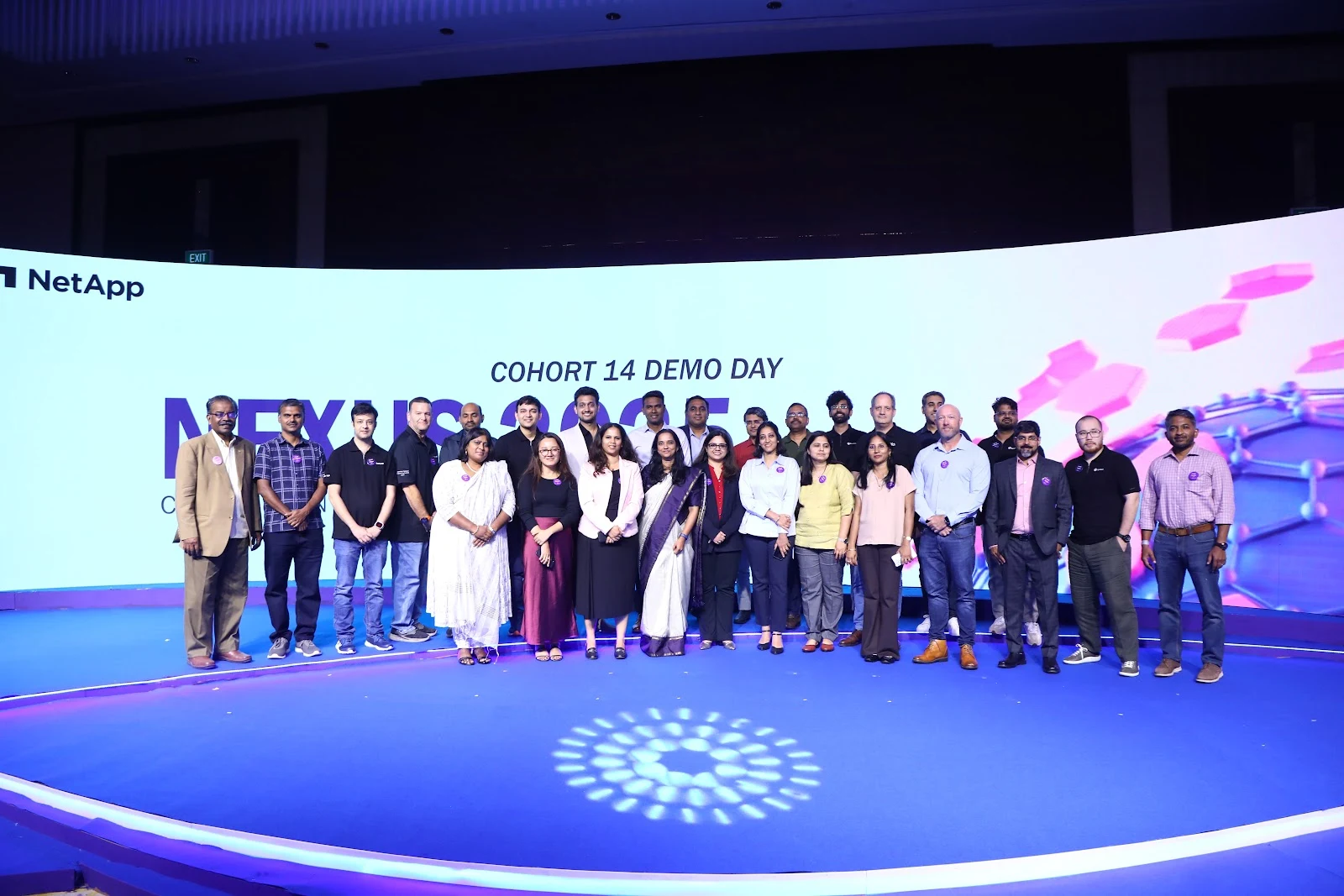
NetApp, the Intelligent Data Infrastructure company, today hosted the Demo Day for the 14th cohort of its flagship accelerator program – NetApp Excellerator. The event brought together some of the most promising deep-tech startups working at the intersection of AI, data, and cloud. The event showcased how the selected startups are redefining possibilities in enterprise technology, responsible AI, and digital infrastructure.

The Demo Day marked the culmination of an intensive, mentorship-driven journey for Synthefy, Filo Systems, TrueFoundry, Sentra, and Genloop.ai — five innovative startups that were part of the current cohort. Over the past few months, these startups worked closely with NetApp’s global leadership and technology experts to fine-tune their solutions, build scalable go-to-market models, and explore proof-of-concept (PoC) opportunities with NetApp customers and partners.

Through NetApp Excellerator, we aim to nurture innovation that has real-world impact — supporting startups building the next generation of data and AI infrastructure. Each cohort reinforces our belief that collaboration between startups and established enterprises can accelerate meaningful change,” said Vasanthi Ramesh, VP & Engineering Head, NetApp India. “As we celebrate another successful Demo Day, we’re proud to see how these founders are pushing boundaries and strengthening India’s position as a global innovation hub.”

Speaking about the impact of the program, Anuraag Gutgutia, COO, Co-Founder, TrueFoundry, shared, “NetApp Excellerator has been instrumental in refining our platform which will help us scale our business vision. The mentorship, technical guidance, and access to NetApp’s network with real business value delivered, helped us accelerate faster than we imagined while building for global markets with confidence.”

Since its inception in 2017, NetApp Excellerator has emerged as one of India’s leading corporate accelerator programs, dedicated to empowering deep-tech and AI-led startups. To date, the program has accelerated 90 startups over eight years and 13 cohorts. Its alumni have collectively raised over USD 600 million, and eight startups have achieved successful exits. Recognized among the top five accelerator programs in India for corporate innovation by the NexTT Awards, NetApp Excellerator continues to play a pivotal role in building innovation-driven businesses.

As the Demo Day for Cohort 14 concluded, the spotlight was on collaboration, responsible innovation, and the power of India’s deep-tech ecosystem to drive future-ready solutions. With each new cohort, NetApp continues to strengthen its mission to empower startups that are building for scale, sustainability, and global relevance.

About NetApp

For more than three decades, NetApp has helped the world’s leading organizations navigate change – from the rise of enterprise storage to the intelligent era defined by data and AI. Today, NetApp is the Intelligent Data Infrastructure company, helping customers turn data into a catalyst for innovation, resilience, and growth.

At the heart of that infrastructure is the NetApp data platform – the unified, enterprise-grade, intelligent foundation that connects, protects, and activates data across every cloud, workload, and environment. Built on the proven power of NetApp ONTAP, our leading data management software and OS, and enhanced by automation through the AI Data Engine and AFX, it delivers observability, resilience, and intelligence at scale.

Disaggregated by design, the NetApp data platform separates storage, services, and control so enterprises can modernize faster, scale efficiently, and innovate without lock-in. As the only enterprise storage platform natively embedded in the world’s largest clouds, it gives organizations the freedom to run any workload anywhere with consistent performance, governance, and protection.

With NetApp, data is always ready – ready to defend against threats, ready to power AI, and ready to drive the next breakthrough. That’s why the world’s most forward-thinking enterprises trust NetApp to turn intelligence into advantage.

NETAPP, the NETAPP logo, and the marks listed at www.netapp.com/TM are trademarks of NetApp, Inc. Other company and product names may be trademarks of their respective owners.

Maharashtra Becomes 1st State to Partner with Starlink for Rural Connectivity

Maharashtra Becomes 1st State to Partner with Starlink for Rural Connectivity

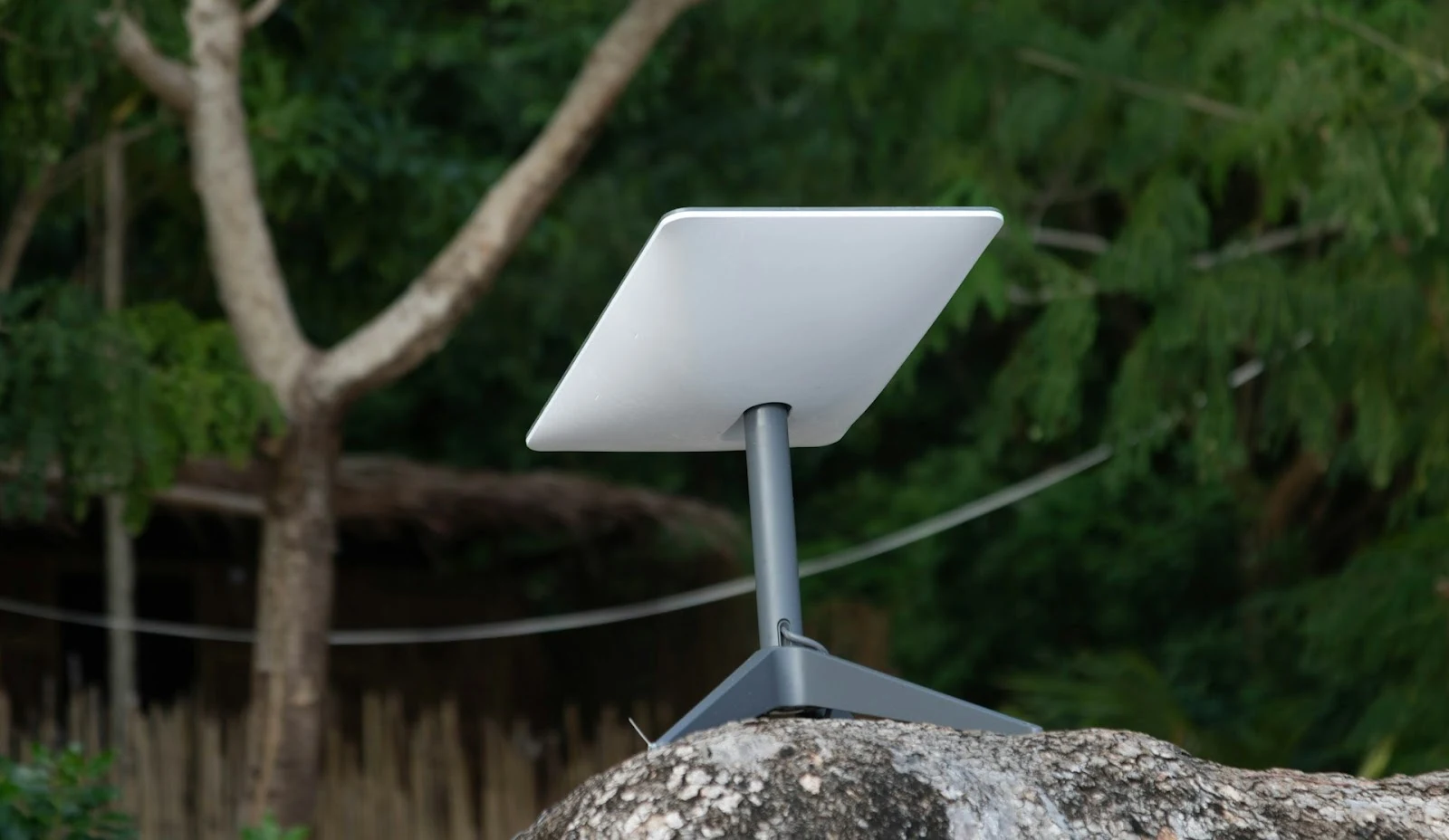
Maharashtra has officially become the first Indian state to sign a partnership with Elon Musk’s Starlink for satellite internet, marking a major step in bridging the digital divide across rural and underserved regions. The agreement was formalized on November 5, 2025, through a Letter of Intent (LOI) signed in Mumbai.

Key highlights of the partnership

  • Historic first: Maharashtra is the first state in India to partner with Starlink, positioning itself as a pioneer in satellite-based connectivity.
  • Digital Maharashtra mission: The collaboration supports the state’s flagship initiative to make the state future-ready by expanding internet access to remote communities.
  • High-speed, low-latency internet: Starlink’s satellite technology will deliver fast, reliable internet to areas where traditional telecom infrastructure is limited or absent.
  • Focus areas:
    • Rural education: e-learning platforms and school connectivity
    • Telemedicine: remote diagnostics and healthcare access
    • Government services: digital governance and citizen services
    • Disaster resilience: coastal development and emergency connectivity

Who was involved

  • Chief Minister Devendra Fadnavis: Led the signing ceremony, highlighting transformative potential for state development.
  • Lauren Dreyer (Starlink VP): Attended the event in Mumbai, underscoring Starlink’s commitment to India.
  • Starlink Satellite Communications Pvt Ltd: The Indian arm that signed the LOI.

Strategic implications

  • Complementary to telecom: Meant to fill connectivity gaps rather than replace existing providers.
  • Digital inclusion: Expected to reduce the digital divide and enable access to education, e-commerce, and government services.
  • Global signal: Indicates India’s openness to next-gen satellite internet solutions and may spur other states to follow.

Broader context

  • Last-mile connectivity: Addresses persistent access challenges in rural and tribal regions.
  • LEO constellation: Uses low-Earth orbit satellites to leapfrog infrastructure hurdles and accelerate adoption.
  • Alignment with DPI: Complements India’s digital public infrastructure like Aadhaar, UPI, and BharatNet.

Summary


Maharashtra’s deal with Starlink is a landmark move that could redefine rural connectivity in India, serving as a test case for integrating satellite internet with national digital strategies.

Tata Elxsi and GSMA Collaborate to Deliver Enterprise-Ready Network APIs Under Open Gateway Framework

Tata Elxsi and GSMA Collaborate to Deliver Enterprise-Ready Network APIs Under Open Gateway Framework

Tata Elxsi, a global leader in design and technology services, and global mobile industry association, the GSMA have signed a Memorandum of Understanding (MoU) under the GSMA Fusion initiative to help accelerate enterprise API adoption. The collaboration also includes a global Statement of Requirements which aims to help mobile operators unlock new revenue streams by monetizing their networks through standardized APIs, enabling enterprise-ready services across key industries such as automotive, industrial, healthcare, and entertainment.

The two organizations will first focus on supporting enterprise demand in the automotive and drone sectors for new digital services and applications that can benefit from standardized Quality on Demand (QoD) APIs and other relevant network APIs that are available and likely to become available soon.

Driving the Network Monetization agenda for Future ready Telcos

Network monetization is a core pillar of Tata Elxsi’s AI First Telco strategy, designed to help operators move beyond connectivity and capture high-value enterprise opportunities. According to a recent market forecast by ResearchAndMarkets.com, the global network API market is projected to grow from $1.96 Billion in 2025 to $6.13 billion by 2030, driven by 5G adoption and enterprise digital transformation. This collaboration strategically positions Tata Elxsi to support operators in accelerating time-to-market for API-driven services, simplifying integration, and unlocking new monetization opportunities across multiple enterprise verticals and use cases.

Through its connection with Tata Elxsi, GSMA will help mobile operators in their delivery of scalable, programmable network services—such as QoD, location verification, and enhanced security—driven by regional and industry-specific enterprise needs. Leveraging GSMA’s Open Gateway framework and CAMARA-standardized APIs, Tata Elxsi will develop demand-driven use cases that utilize network APIs to address specific enterprise needs across key verticals.

In the automotive sector, use cases such as enhanced driver and cabin monitoring, rear-seat entertainment powered by QoD network APIs, location-based services, and KYC for passengers or drivers in shared mobility and fleet operations will be delivered to enterprise customers through Tata Elxsi’s Connected Digital Platform & Solutions, ensuring seamless integration and efficient consumption of network APIs.

Rajagopalan Rajappa, Chief Technology Officer – Communication Technologies & Platforms, Tata Elxsi, said, “This collaborative effort is a strategic offering to help telcos transform their value and value proposition for the future. By enabling operators to monetize their networks through standardized APIs, we help them unlock enterprise revenue with best-in-class integration, platform services and managed offerings from Tata Elxsi.”

Paresh Modi, Senior Director, GSMA Fusion, added: “We look forward to working with Tata Elxsi through the GSMA Open Gateway initiative. Their deep enterprise knowledge and expertise in systems integration and software innovation will play an important role in accelerating the adoption of mobile network APIs. As the mobile industry opens up new network capabilities, companies like Tata Elxsi will be essential in helping us understand enterprise needs, unlock value and scale new digital services across sectors, from automotive to digital entertainment.”

Strategic Focus Areas Under the MoU

Enterprise Demand Generation: Tata Elxsi publishes a Global Statement of Requirement for operators to drive global adoption of standardized APIs.

Technical Enablement: Integration of Open Gateway certified CAMARA APIs into Tata Elxsi’s TETHER platform for seamless enterprise connectivity.

Go-to-Market Acceleration: Joint engagement with mobile operators, pilot programs, and awareness campaigns through GSMA platforms.

Commercial Models: Tata Elxsi will propose API consumption and monetization models for OEMs and Operators, creating sustainable revenue streams.

About Tata Elxsi

Tata Elxsi is a global leader in design and technology services, enabling enterprises to reimagine their products and services through digital transformation. With deep expertise in telecom, automotive, healthcare, and media, Tata Elxsi delivers cutting-edge solutions that combine design thinking with advanced engineering. For more information, visit tataelxsi.com.

About the GSMA

The GSMA is a global organization unifying the mobile ecosystem to discover, develop, and deliver innovation foundational to positive business environments and societal change. Our vision is to unlock the full power of connectivity so that people, industry, and society thrive. Representing mobile operators and organizations across the mobile ecosystem and adjacent industries, the GSMA delivers for its members across three broad pillars: Connectivity for Good, Industry Services and Solutions, and Outreach. This activity includes advancing policy; tackling today’s biggest societal challenges; underpinning the technology and interoperability that make mobile work; and providing the world’s largest platform to convene the mobile ecosystem at the MWC and M360 series of events.

AI Startup Giga Secures $61M to Scale Emotionally Intelligent Support Agents

Giga, the AI company redefining how people interact with customer support, today announced it has raised a $61 million Series A round led by Redpoint Ventures, with participation from Y Combinator and Nexus Venture Partners.

The funding will accelerate Giga’s growth as it continues to outperform global incumbents and emerges as the product of choice for complex enterprise support automation. Giga will grow its technical team, accelerate go-to-market motion, and scale deployments with the world’s largest enterprises.

Founded by IIT Kharagpur graduates and Forbes 30 Under 30 honorees Varun Vummadi (CEO) and Esha Manideep (CTO), Giga is redefining how companies scale high quality support. The platform enables companies to deploy emotionally intelligent agents that can reason, act, and resolve issues — all in real time.

"What excites me most about Giga is that it's not just building a best-in-class support bot—it’s that the team is building a foundational AI infrastructure layer for customer voice,” said Satish Dharmaraj, Managing Director at Redpoint Ventures. “This is one of our largest early stage investments to date because we believe deeply in both the strength of the product to reshape the world of customer support and the pace of execution from the Giga team.”

Abhishek Sharma, Managing Director, Nexus Venture Partners, added,
Giga is leading a paradigm shift in enterprise support with AI. Their category‑leading platform helps the biggest enterprises in the world to achiecompanies move from human and outsourced support to scalable, software‑driven AI—boosting efficiency, quality, and compliance. Varun, Esha, and the team are building one of the most transformational AI companies of our time, and it’s been a privilege for Nexus to be part of their journey since the early days.

Rather than bolting together prebuilt scripts or APIs, Giga has engineered a unified platform for real-time automation — purpose-built for scale, precision, and emotional fluency. Giga’s AI agents are logical, perceptive, emotionally aware, and always improving. And their breakthrough is context — giving AI the memory to truly understand every situation. All of this comes in a platform that can be deployed across even the most complex enterprises, in just weeks, not months.

Key capabilities include - Highly Configurable Intelligence, Low Latency, High Empathy – Multi-intent understanding, emotional awareness, and multilingual fluency, Built for the Enterprise - Giga was designed to scale to the largest B2C companies in the world, with enterprise-grade security, compliance, and reliability built in from day one, Enterprise-Grade Security Powerful Platform – Out-of-the-box analytics, automated QA, and low-code tools to customize every part of the agent, Context as a Superpower – Every conversation is remembered, analyzed, and used to improve the next.

Giga’s system ingests a company’s entire support knowledge base and instantly generates high-accuracy agents. These agents handle real-time reasoning across complex policies and systems — without human handoff.

Organizations globally spend billions on call centers every year and yet the customer experience is still broken. ” said Varun Vummadi, co-founder and CEO. “We built Giga to change that. For the first time ever, machines are capable of understanding the nuances of customer voices and holding conversations with them, fundamentally changing the way the world interacts with devices.

Aniket Kamthe of Nexus Venture Partners, said, “We’re thrilled to be working with Giga at this inflection point for AI-powered customer experiences. They're setting new standards for deploying AI reliably at scale across complex enterprise environments."

Designed for high-compliance industries like ecommerce, financial services, healthcare, and telecommunications, Giga’s agents use retrieval-augmented generation and contextual reasoning to deliver policy-safe, emotionally intelligent conversations, without sacrificing speed or accuracy.

Giga’s voice systems already handle millions of customer calls every month for large-scale enterprises, dramatically reducing wait times.

At DoorDash, Giga’s deployment improved resolution speed, reduced escalations, and enhanced operational efficiency across teams.

At DoorDash, we operate at a massive scale across services, platforms, and languages,” said DoorDash co-founder Andy Fang.Giga leveraged usage data to deliver measurable improvements, including fewer escalations, faster resolution paths, and more efficient workflows across our teams. As we continue to grow across more than 40 countries and serve nearly 50 million people each month, partnerships like this are critical to delivering better outcomes for consumers on a global scale.

To learn more, please visit https://giga.ai/.

About Giga

Giga is an AI platform that automates enterprise customer support with emotionally intelligent, real-time agents. Designed for high-compliance environments, Giga’s agents combine contextual reasoning, secure orchestration, and sub-second response times to deliver human-quality conversations at global scale and ease a variety of customer support issues, from call abandonment to customer wait times. To learn more, please visit https://giga.ai/ .

Capgemini and Orano Deploy 1st AI-Powered Humanoid Robot in Nuclear Industry

Capgemini and Orano Deploy 1st AI-Powered Humanoid Robot in Nuclear Industry

Orano, a recognized industrial leader in the recovery and transformation of nuclear materials, and Capgemini, an AI-powered global business and technology transformation partner, announce the deployment of the first intelligent humanoid robot in the nuclear sector. This project marks a major step forward for a strategic industry that has long been a pioneer in innovation.

Deployed at the Orano Melox Ecole des Métiers [Created in early 2018, Ecole des Métiers is dedicated to promoting and developing the Orano’s technical training] in the Gard region of France, the robot named Hoxo is equipped with embedded artificial intelligence (AI) and advanced sensors for real-time perception, autonomous navigation, execution of technical gestures, and interaction. Its purpose is to replicate human movements and operate alongside teams within nuclear facilities, including in challenging intervention environments.

Over the next four months, Orano Melox’s innovation teams will conduct a testing phase to validate the robot’s range of applications, combining mobility, precision, and artificial intelligence (AI). By offering an agile, scalable robotic platform, this initiative is expected to enhance industrial performance and potentially support operators through robotic assistance.

"Hoxo opens new perspectives for our operations by combining an intelligent and ergonomic robotic solution with the expertise of our on-site teams. It’s an innovation we aim to evolve to meet our industrial needs, contributing to both safety and competitiveness as we tackle the challenges of today and tomorrow," said Arnaud Capdepon, Director of Orano Melox.

"This project, led by our AI Robotics & Experiences Lab, embodies the convergence of robotics, artificial intelligence, computer vision, and digital twins. It redefines human-machine interaction in sensitive environments and pushes the boundaries of industrial automation. Through this initiative, we harness the potential of physical AI to address Orano’s most demanding industrial challenges," added Pascal Brier, Chief Innovation Officer at Capgemini and member of the Group Executive Committee.

About Orano

As a leading international operator in the field of nuclear materials, Orano delivers solutions to address present and future global energy and health challenges. Its expertise and mastery of cutting-edge technologies enable Orano to offer its customers high value-added products and services throughout the entire fuel cycle. Every day, the Orano group’s 18,000 employees draw on their skills, unwavering dedication to safety and constant quest for innovation, with the commitment to develop know-how in the transformation and control of nuclear materials, for the climate and for a healthy and resource-efficient world, now and tomorrow. Orano, giving nuclear energy its full value.

About Capgemini

Capgemini is an AI-powered global business and technology transformation partner, delivering tangible business value. We imagine the future of organizations and make it real with AI, technology and people. With our strong heritage of nearly 60 years, we are a responsible and diverse group of 420,000 team members in more than 50 countries. We deliver end-to-end services and solutions with our deep industry expertise and strong partner ecosystem, leveraging our capabilities across strategy, technology, design, engineering and business operations. The Group reported 2024 global revenues of €22.1 billion.

Discover the humanoid robot Hoxo in pictures:

humanoid robot Hoxo


Samsung Wallet Redefines Digital Payments in India with UPI Onboarding, Biometric Authentication, and Tap & Pay Upgrades

Samsung Wallet Redefines Digital Payments in India with UPI Onboarding, Biometric Authentication, and Tap & Pay Upgrades

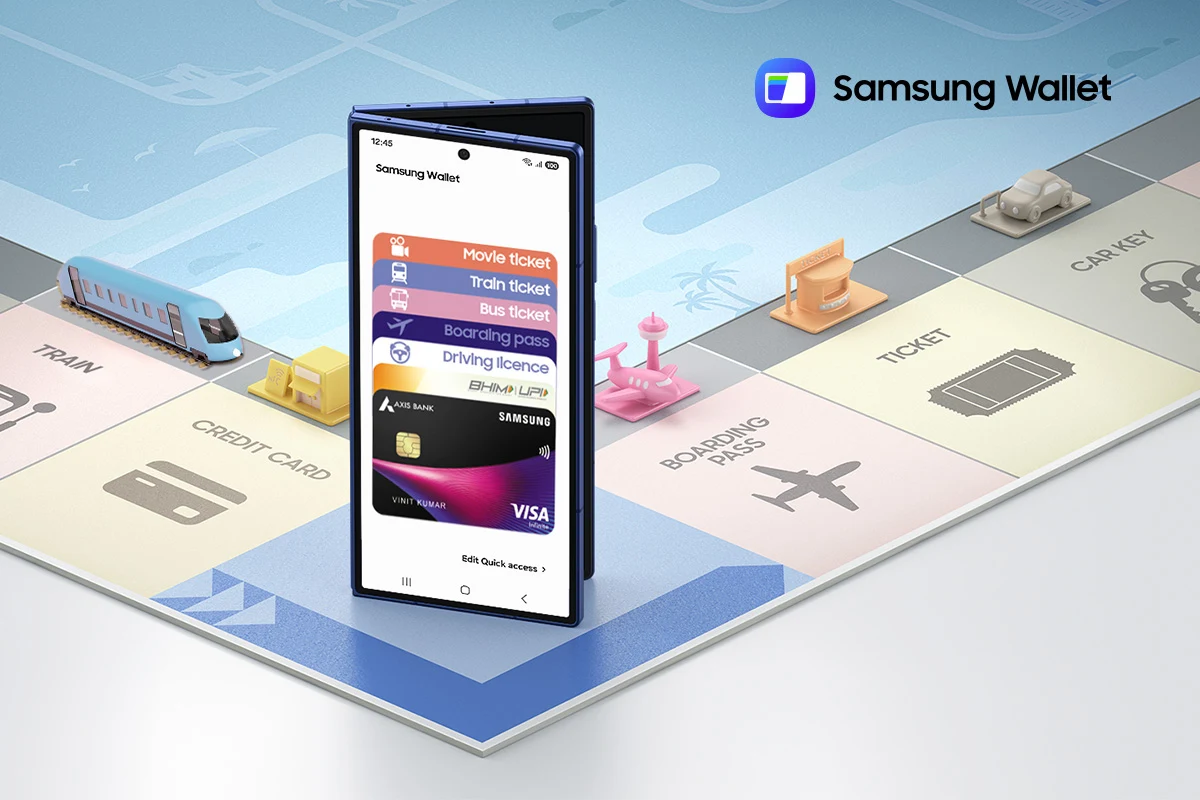
Samsung, India’s largest consumer electronics brand, today announced significant innovations to Samsung Wallet - a versatile platform that allows Galaxy users to organize digital keys, payment methods, identification cards and more in one secure application. The breakthrough features are designed to transform how millions of Galaxy users can set up new devices, manage payments and transact digitally. With seamless UPI onboarding as part of device setup, PIN-free biometric authentication, and enhanced Tap & Pay support — including FOREX cards and online card payments — Samsung Wallet is accelerating its mission to become the universal and secure gateway to your digital life.

We are thrilled to introduce these breakthrough innovations to Samsung Wallet. With the new updates, Samsung Wallet is no longer just a digital wallet, it has become a universal and secure gateway for digital payments, travel essentials, identity cards, and digital keys. From the moment users set up their new Galaxy device to the way they pay, transact, and travel, we are removing barriers and redefining convenience, said Madhur Chaturvedi, Senior Director, Services & Apps Business, Samsung India. 

UPI Onboarding Built-In with New Device Setup – Catalysing Rapid Adoption

Samsung is the first Original Equipment Manufacturer (OEM) to enable onboarding of Unified Payments Interface (UPI) accounts through Samsung Wallet as part of the new-device setup experience on Galaxy smartphones. By integrating UPI registration early in the setup journey, users can be payment-ready from the moment they power on their new Galaxy device. This friction-free experience ensures quick and seamless adoption of UPI on Galaxy devices, further boosting digital payments in India and simplifying the path from out-of-box to pay-ready.

Samsung Wallet, Biometric Authentication for UPI — No PIN Needed Every time

Samsung Wallet’s authentication experience has been enhanced with the introduction of biometric verification — device fingerprint and facial recognition — eliminating the need for PIN entry for everyday use. Users will soon be able to access the app and make UPI payments using just their Galaxy device’s fingerprint or face recognition. The upgrade not only streamlines access but also enhances security and convenience, reducing manual input and minimizing friction during payment flows. With this added authentication method, Samsung Wallet makes secure payments as effortless as unlocking your phone.

Online Credit and Debit Card Payments at Key Merchants

Samsung Wallet will soon support direct online usage of stored credit and debit cards across a wide set of key merchants. Users will be able to seamlessly pay for goods and services online using the credit and debit cards safely tokenised in their Samsung Wallet—no need to manually key in card details, making checkout faster and more secure.

FOREX Cards and New Partnerships for Samsung Wallet Tap & Pay

In addition to Samsung Wallet already supporting credit and debit cards from leading banks and card issuers, the digital payments experience is enhanced beyond borders as Samsung Wallet will support FOREX cards for Tap & Pay, powered by WSFx Global Pay Limited, enabling Galaxy users to make seamless international transactions with a simple tap. Additionally, Samsung has onboarded AU Bank cards for Tap & Pay, further expanding its network of banking partners and supported card issuers.

Samsung Wallet & Availability

Samsung Wallet is a versatile platform that allows Galaxy users to organize Digital Keys, Payment methods, Identification cards and more in one secure application. Samsung Wallet features a seamless interface protected by defense-grade security from Samsung Knox. It integrates with the Galaxy ecosystem, providing powerful connectivity and fortified security for users in their everyday lives. The new features will begin rolling out across supported Galaxy devices soon.

UST Invests in Israel’s aiOla to Advance Voice-Led AI Workflows for Frontline Industries

UST Invests in Israel’s aiOla to Advance Voice-Led AI Workflows for Frontline Industries
Amir Haramaty, President and Co-founder, aiOla

UST, a leading AI and technology transformation solutions company, has strengthened its presence at the intersection of human-AI interaction with its recent investment in aiOla. Israel-based aiOla is a deep tech voice and conversational AI lab that has built a voice-agentic AI platform that powers workflow agents, converting frontline speech into structured, auditable workflows. The deal follows a successful collaboration initiated and incubated by UST’s open-innovation arm, UST Spark.

With this strategic investment, UST expands its growing technology advantage in next-generation AI solutions. With expertise in frontline intensive verticals such as healthcare and life sciences, retail, manufacturing, and automotive, UST and aiOla are strongly positioned to transform the frontline worker experience in these industries through AI and natural voice-to-system execution. This partnership strengthens aiOla’s ability to bring innovation to market and scale voice-agentic automation in mission-critical settings across a variety of verticals.

So far, enterprises have primarily found success integrating AI into back-office processes. But this has resulted in the collection of more valuable frontline data has lagged because it remains stuck behind unconnected keyboards, clipboards, and fragmented apps. Natural and agentic voice processing efficiently captures this critical frontline data, resulting in superior demand forecasting and richer insights while also reducing costs associated with traditional manual data capture methods.

aiOla is a leader in this emerging field, and its platform turns shorthand data captured through spoken inputs into structured, auditable information. With aiOla, frontline workers can interact with their own systems through voice input in any environment, overcoming background noise, accents, and jargon to work faster, reduce manual errors, and seamlessly capture critical information. This replaces keystrokes with agentic, voice-led workflows that capture triple the data, three times faster. UST invested in aiOla because it is the only voice-to-workflow platform purpose-built for enterprise operations, scaling in jargon-heavy, industry-specific environments, while also adapting to each site’s terminology and enforcing consistent processes across locations.

Because UST is a key strategic partner for Fortune 500 enterprises, the company is well positioned to streamline the rollout of this innovative technology to clients, allowing them to benefit from a holistic approach to products and platforms that support complex work processes.

Manu Gopinath, President, UST

"At UST, we envision enterprise transformation enabled by AI as the next major leap for business. By integrating advanced voice and conversational AI technologies with our platforms and solutions, we empower frontline workers with seamless, intuitive experiences—automating data capture, accelerating workflows, and optimizing operational efficiency at scale. These capabilities are redefining how work gets done in the field, bringing actionable intelligence and measurable outcomes directly to those who deliver value every day. Our investment in aiOla, aligned with UST’s proven technology ecosystem, reinforces our commitment to delivering the powerful tools enterprises need to transform services, drive innovation, and set new standards for operational excellence,” said Manu Gopinath, President, UST.

UST is the ideal partner to help bring aiOla’s voice-agentic workflows into the heart of the enterprise. Together, we’re enabling organizations in critical industries like pharmaceuticals and manufacturing to replace manual, error-prone processes with seamless, voice-driven workflows that give teams real-time access to data and processes, unlocking a more efficient and agile way of working at scale,” said Amir Haramaty, President and Co-founder, aiOla.

UST and aiOla did not disclose the investment value.

HP Bets Big on India: Plans 100% Local PC Manufacturing in 3–5 Years

HP Bets Big on India: Plans 100% Local PC Manufacturing in 3–5 Years

Global technology giant HP has announced plans to manufacture all personal computers sold in India locally within the next three to five years, marking a significant boost to the country’s electronics manufacturing ambitions under the government’s Make in India initiative.

HP’s Chief Executive Officer Enrique Lores, speaking during a recent visit to India, said the company is committed to deepening its presence in the country by not only meeting domestic demand through local production but also by turning India into an export hub for PCs in the future.

Our goal is that in three to five years, every PC we sell in India will be manufactured in IndiaLores said, adding that the company is also preparing to export India-made devices to global markets.

Rising Demand for AI PCs

The announcement comes at a time when demand for AI-enabled PCs is surging. According to HP, nearly 25% of its shipments in India over the past three quarters were AI-powered PCs, a sharp increase from just 5% six months ago. The company expects this trend to accelerate as artificial intelligence becomes a standard feature in personal computing.

Strategic Shift Amid Global Supply Chain Realignment

HP’s move reflects broader shifts in global supply chains, as technology companies diversify manufacturing away from China amid geopolitical tensions. Lores noted that the world is increasingly splitting into two technology ecosystems—one led by China and another by the West—making India a strategically vital market and production base.

Alignment with India’s Industrial Policy

The decision aligns with India’s Production-Linked Incentive (PLI) scheme for IT hardware, which offers financial incentives to companies that expand local manufacturing. India has already attracted major investments from smartphone makers like Apple, and HP’s commitment signals a similar trajectory for the PC industry.

Industry analysts say the move could:
  • Create thousands of jobs in electronics manufacturing.
  • Reduce India’s dependence on imports.
  • Lower costs for consumers by cutting duties and logistics expenses.
  • Position India as a global hub for AI-driven computing devices.

HP’s Market Position in India

HP currently leads the Indian PC market, with strong demand from enterprises, small businesses, and consumers in smaller towns. By localizing production, the company aims to strengthen its supply chain resilience and expand its reach into emerging markets within India.

Looking Ahead

HP expects the next five years to bring new device categories and ambient AI experiences, reshaping how PCs are designed and used. With India at the center of its strategy, the company is betting that local manufacturing will not only serve domestic needs but also make the country a key node in the global technology supply chain.

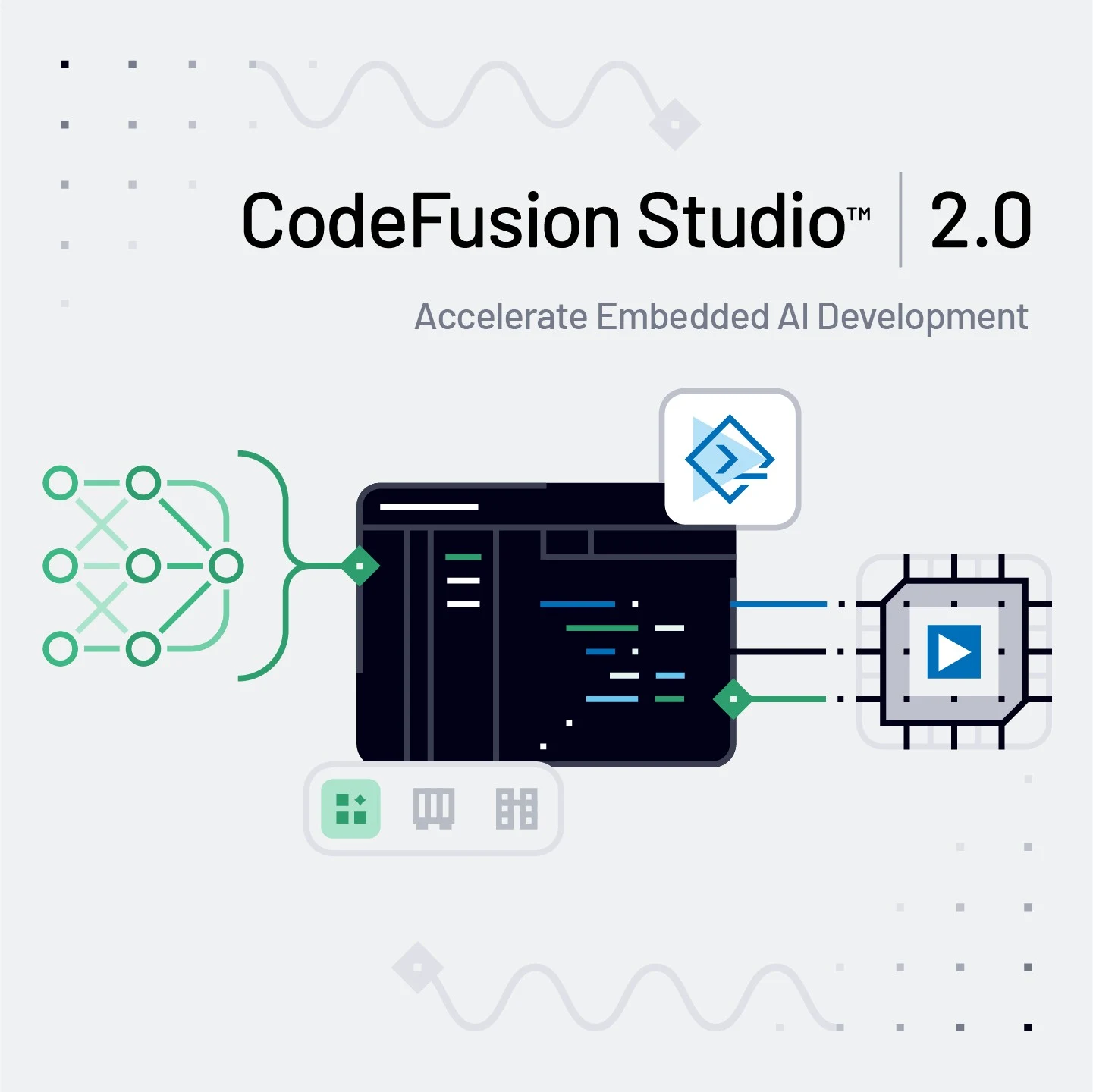
Analog Devices Launches CodeFusion Studio™ 2.0 to Simplify AI-Enabled Embedded Development

Analog Devices Launches CodeFusion Studio™ 2.0 to Simplify AI-Enabled Embedded Development
  • New End-to-end AI workflow support with bring-your-own-model capability, model checks and performance profiling enables rapid deployment across ADI’s full hardware portfolio.
  • New Unified configuration tools, multi-core support and integrated debugging streamline development across heterogeneous systems.
  • New Zephyr-based modular framework for runtime AI/ML profiling and layer-by-layer analysis enhances the open source foundation, eliminating toolchain fragmentation and reducing complexity.
Analog Devices, Inc. (Nasdaq: ADI), a global leader in semiconductor innovation, today launched CodeFusion Studio™ 2.0, a significant upgrade to its open source embedded development platform. Designed to simplify and accelerate the development of AI-enabled embedded systems, CodeFusion Studio 2.0 introduces advanced hardware abstraction, seamless AI integration and powerful automation tools to streamline the journey from concept to deployment across ADI’s diverse processors and microcontrollers.

The next era of embedded intelligence requires removing friction from AI development,” said Rob Oshana, Senior Vice President of the Software and Digital Platforms group, ADI. CodeFusion Studio 2.0 transforms the developer experience by unifying fragmented AI workflows into a seamless process, empowering developers to leverage the full potential of ADI's cutting-edge products with ease so they can focus on innovating and accelerating time to market.”

Empowering Developers with End-to-End AI Workflows

CodeFusion Studio 2.0 now supports complete AI workflows, enabling developers to bring their own models and deploy them efficiently across ADI’s processors and microcontrollers—from low-power edge devices to high-performance DSPs (digital signal processors). The latest platform, based on Microsoft’s Visual Studio Code, features a built-in model compatibility checker, performance profiling tools and optimization capabilities that are designed to ensure robust deployment and an accelerated time-to-market.

A new Zephyr-based modular framework enables runtime performance profiling for AI/ML workloads, offering layer-by-layer analysis and seamless integration with ADI’s heterogeneous platforms. This encapsulation of toolchains simplifies machine learning deployment and enhances system-level performance insights.

Unified Development Experience

The updated CodeFusion Studio System Planner now supports multi-core applications and expanded device compatibility, while unified configuration tools reduce complexity across ADI’s hardware ecosystem. Developers benefit from integrated debugging capabilities, including Core Dump Analysis and GDB (GNU debugger) support, making troubleshooting faster and more intuitive.

ADI Future Proofs Its Digital Roadmap

CodeFusion Studio 2.0 is the latest milestone in ADI’s open-source embedded development platform, embodying its commitment to delivering developer-first tools that simplify complexity and accelerate innovation. As ADI expands its digital roadmap, future releases will continue to push the boundaries of embedded intelligence, bringing deeper hardware-software integration, expanded runtime environments and new capabilities tailored to evolving developer needs as they experiment with physical AI.

“Companies that deliver physically aware AI solutions are poised to transform industries and create new, industry-leading opportunities. That’s why we’re creating an ecosystem that enables developers to optimize, deploy and evaluate AI models seamlessly on ADI hardware, even without physical access to a board,” said Paul Golding, Vice President of Edge AI and Robotics, ADI. “CodeFusion Studio 2.0 is just one step we’re taking to deliver Physical Intelligence to our customers, ultimately enabling them to create systems that perceive, reason and act locally—all within the constraints of real-world physics.”

Availability

CodeFusion Studio 2.0 is now available for download. Developers can access the platform, documentation and community support at https://developer.analog.com/solutions/codefusionstudio

NetApp, NASSCOM Foundation Join Forces to Bridge AI Talent Gap with New Skilling Program

NetApp, NASSCOM Foundation Join Forces to Bridge AI Talent Gap with New Skilling Program
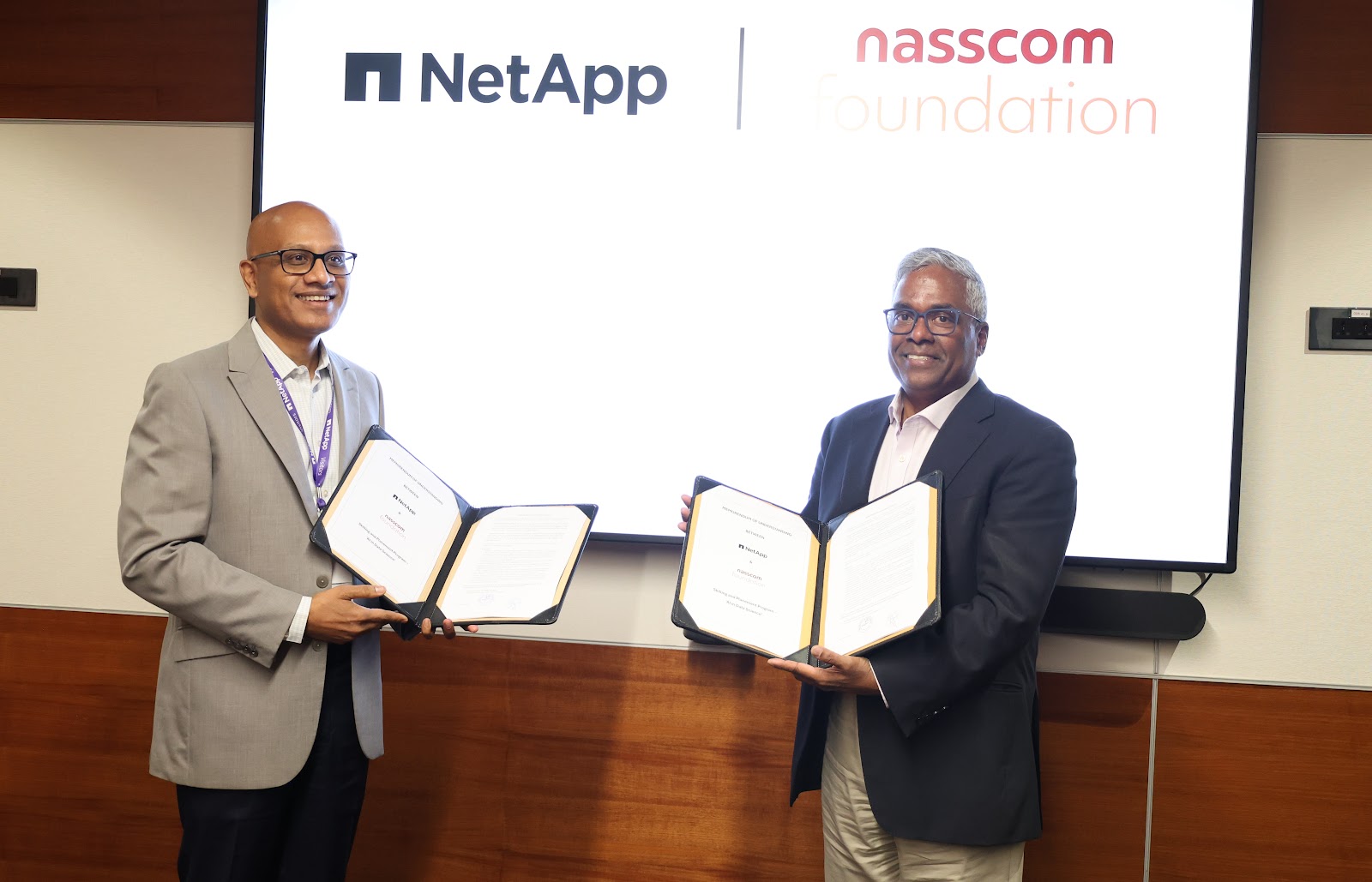
George Kurian, CEO, NetApp and Rostow Ravanan, Chairperson, Nasscom Foundation
Recognizing India’s pivotal role in the global AI economy, NetApp®, the Intelligent Data Infrastructure company, today announced a multi-year partnership with the Nasscom Foundation to launch a skilling program in AI in Data Science. Furthering its commitment to promoting Data Science and AI Education, the initiative was unveiled in Bengaluru in the presence of George Kurian, CEO, NetApp and Rostow Ravanan, Chairperson, Nasscom Foundation.

The program is designed to prepare the next generation of technology talent from underserved communities by equipping them with in-demand skills in Data Science and Artificial Intelligence. In its first phase, engineering graduates from resource-constrained communities across the states of Karnataka and Delhi will be trained through a comprehensive curriculum that blends technical expertise with workplace readiness and industry exposure.

Our partnership with Nasscom Foundation reflects our shared vision of building a future-ready workforce. We are meeting the evolving needs of the digital economy by co-creating industry-relevant curricula. This helps not only in nurturing AI talent at scale but also strengthening Nasscom Foundation’s skilling ecosystem, said Vasanthi Ramesh, Vice President of Engineering and Site Leader, NetApp India.

Participants will undertake 120 hours of technical training in Python, data analytics, machine learning, and deep learning, complemented by NetApp-curated sessions on Kubernetes, persistent storage, and AI infrastructure. Beyond technical skills, the initiative will also deliver 60 hours of soft skills development, including communication, teamwork, and career guidance, to enable graduates to be job-ready. Industry-recognized certifications and job placement support will further enhance employability, with a target of placing nearly 70 percent of the cohort in technology roles.

The growing demand for AI and Data Science professionals is reshaping the future of work,” said Mr. Rostow Ravanan, Chairperson, Nasscom Foundation. “To meet this transformation head-on, it is vital to bridge the opportunity gap by ensuring equitable access to continuous, industry-aligned skilling. Our collaboration with NetApp reflects this vision where we are empowering youth, especially women from underserved communities, with the digital, AI, and data capabilities needed to thrive in an inclusive and future-ready economy.”

The skilling program launched by NetApp and Nasscom Foundation furthers India’s ambition to be a global hub for AI talent by addressing a critical gap: the need for skilled, ethical, and job-ready professionals. Through rigorous technical training combined with real-world exposure, the initiative will create pathways into meaningful technology careers and broaden inclusion in the digital economy.

About Nasscom Foundation:

Established in 2001, Nasscom Foundation has been witness to the transformative power of technology for over two decades. Part of the Nasscom ecosystem, we are a neutral not-for-profit organization representing the Indian tech industry. We remain rooted to our core philosophy of TechForGood, where our efforts are focused on unlocking the power of technology by creating access and opportunity for those who need it the most. We work on helping people and institutions transform the way they tackle social and economic challenges through technology. We have five key areas of intervention – Digital Literacy, Skilling and Employability, Women Entrepreneurship, Scaling Social Innovation and Empowering NGO Ecosystem.

About NetApp

For more than three decades, NetApp has helped the world’s leading organizations navigate change – from the rise of enterprise storage to the intelligent era defined by data and AI. Today, NetApp is the Intelligent Data Infrastructure company, helping customers turn data into a catalyst for innovation, resilience, and growth.

At the heart of that infrastructure is the NetApp data platform – the unified, enterprise-grade, intelligent foundation that connects, protects, and activates data across every cloud, workload, and environment. Built on the proven power of NetApp ONTAP, our leading data management software and OS, and enhanced by automation through the AI Data Engine and AFX, it delivers observability, resilience, and intelligence at scale.

Disaggregated by design, the NetApp data platform separates storage, services, and control so enterprises can modernize faster, scale efficiently, and innovate without lock-in. As the only enterprise storage platform natively embedded in the world’s largest clouds, it gives organizations the freedom to run any workload anywhere with consistent performance, governance, and protection.

With NetApp, data is always ready – ready to defend against threats, ready to power AI, and ready to drive the next breakthrough. That’s why the world’s most forward-thinking enterprises trust NetApp to turn intelligence into advantage.

NETAPP, the NETAPP logo, and the marks listed at www.netapp.com/TM are trademarks of NetApp, Inc. Other company and product names may be trademarks of their respective owners.

India Unveils ₹1 Lakh Crore RDI Fund at TiEcon Delhi-NCR 2025 to Power Deep-Tech Sovereignty

India Unveils ₹1 Lakh Crore RDI Fund at TiEcon Delhi-NCR 2025 to Power Deep-Tech Sovereignty
  • Industry voices at TiEcon align with PM’s mission to accelerate R&D, innovation, and high-tech manufacturing
TiEcon Delhi-NCR 2025, India's largest deeptech summit, set the tone for one of the nation’s most significant science and technology developments — the launch of the ₹1 lakh crore Research, Development and Innovation (RDI) Fund by Prime Minister Narendra Modi at the Emerging Science and Technology Innovation Conclave (ESTIC) 2025.

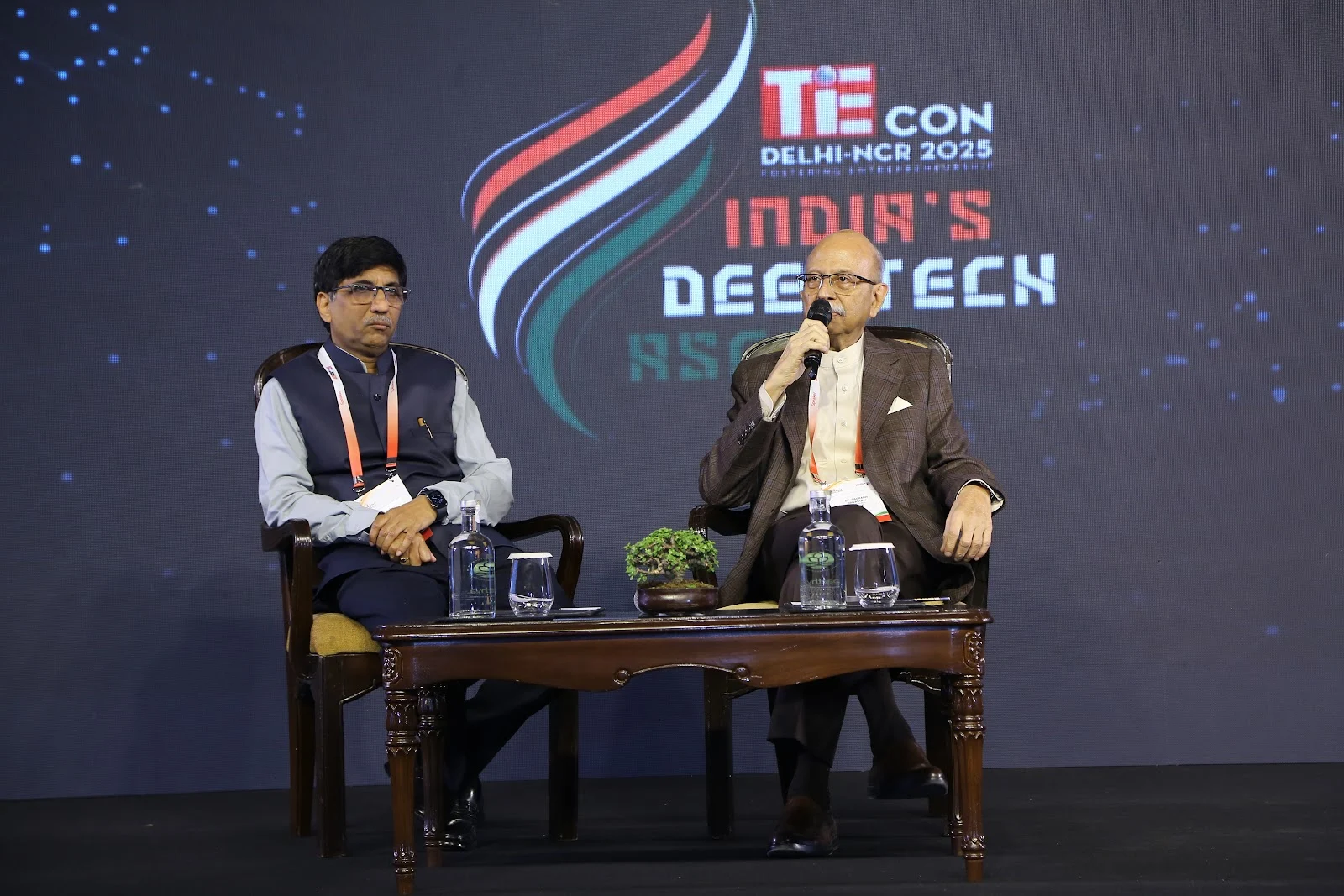
At the two-day TiEcon Delhi-NCR, a keynote fireside conversation titled “Quantum Leap: Accelerating India’s Tech Sovereignty” brought together Dr. Abhay Karandikar, Secretary, Department of Science & Technology (DST- GOI), and Dr. Saurabh Srivastava, Chairman Emeritus, TiE Delhi-NCR. The discussion highlighted India’s focus on strengthening deep-tech capabilities through collaborative R&D, private sector participation, and startup-led innovation - a vision that aligns closely with the objectives of the newly launched RDI Fund.

Dr. Abhay Karandikar, Secretary, Department of Science & Technology, GOI said, “India stands at a defining moment in its deep-tech journey. The Research, Development and Innovation Fund is a first-of-its-kind initiative to empower corporates, industries, and startups across sunrise sectors such as quantum, AI, semiconductors, biotech, and advanced manufacturing. With liberalized norms and a two-tier fund management model, it aims to catalyse private sector R&D, promote IP creation within India, and strengthen our path toward technological sovereignty. The government’s role is to enable, not control - fostering risk-taking and long-term R&D investment that builds India’s innovation strength.”

Sharing his perspective, Dr. Saurabh Srivastava, Chairman Emeritus, TiE Delhi-NCR, said,
India’s ambition to achieve tech sovereignty depends on uniting scientific excellence with entrepreneurial execution. By deepening collaboration between academia, research, and startups, we can turn cutting-edge discoveries into world-class products. TiE Delhi-NCR continues to be a catalyst for this ecosystem, connecting innovators, investors, and policymakers to drive India’s next wave of technological breakthroughs.

The session followed the inaugural keynote by Shri Piyush Goyal, Hon’ble Union Minister of Commerce and Industries, who emphasised the government’s vision to build a deep-tech ecosystem powered by innovation and youth engagement.

Organised by TiE Delhi-NCR, TiEcon Delhi-NCR 2025 brought together policymakers, investors, founders, and global thought leaders to discuss India’s next growth frontier in technology and entrepreneurship. For over 25 years, TiE Delhi-NCR has been a driving force in India’s innovation landscape, fostering collaboration, mentorship, and investment that continue to shape the country’s transformation into a global innovation powerhouse.

About TiE Delhi-NCR

TiE Delhi-NCR is one of the most active and vibrant chapters of TiE Global, dedicated to fostering entrepreneurship through mentoring, networking, education, and funding. With a legacy spanning over two decades, TiE Delhi-NCR continues to empower innovators and founders, driving India’s transformation into a global innovation powerhouse.

India and U.S. Advance iCET, AI Governance & Defense Collaboration for a Shared Future

India and U.S. Advance iCET, AI Governance & Defense Collaboration for a Shared Future

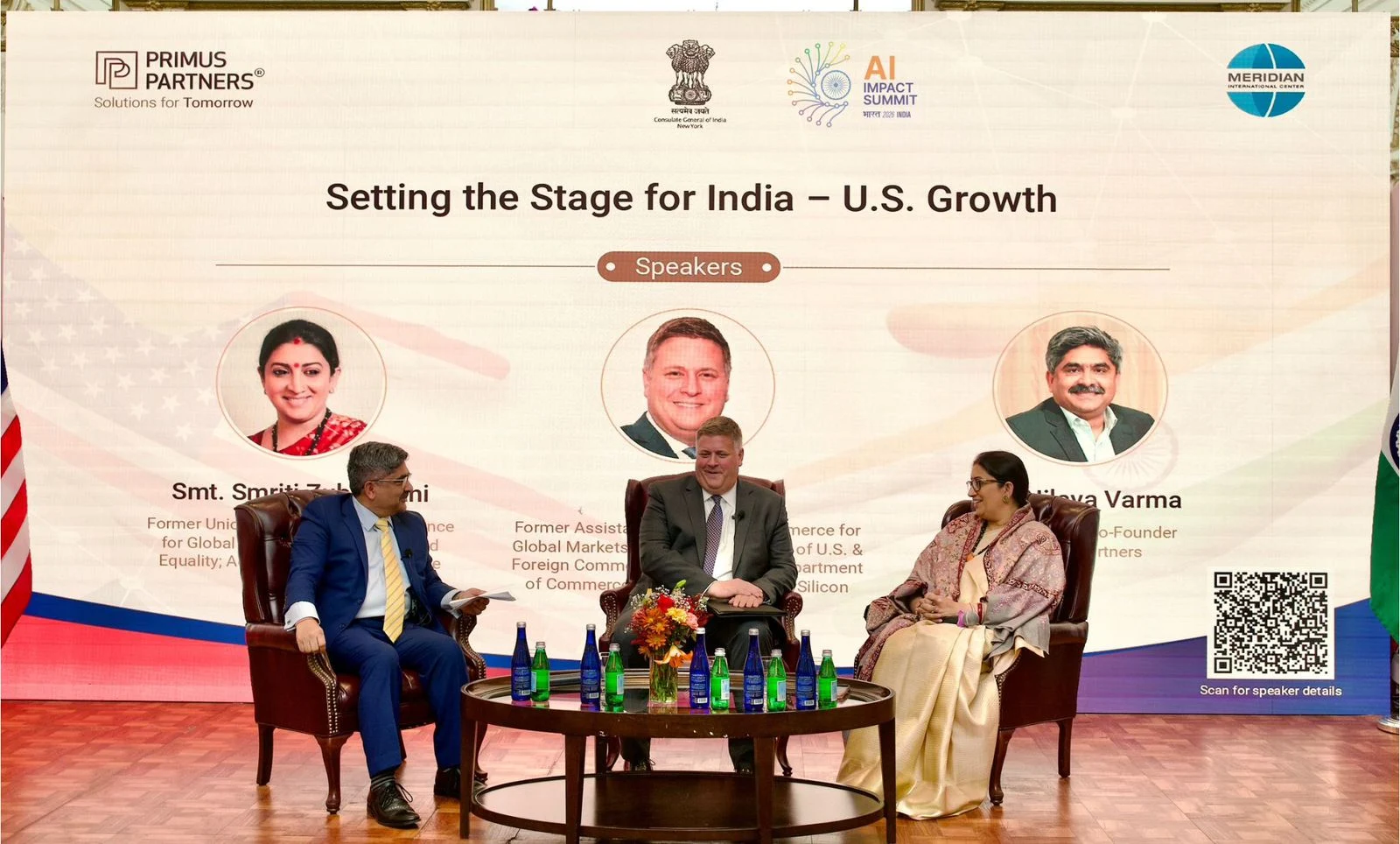
The Consulate General of India in New York hosted a high-level roundtable titled “From Traction to Transaction: Bridging the Gap – Co-creating the Next Era of Innovation, Investment & Global Leadership,” bringing together senior policymakers, industry leaders, and academic experts from India and the United States to advance the next phase of bilateral cooperation in emerging technologies, investment, and talent exchange.

Hosted jointly by Primus Partners and Meridian International Center, the discussions marked a decisive shift in the India–U.S. partnership—from shared intent to tangible outcomes—focused on innovation, defense collaboration, responsible AI, and cross-border investment.

Opening remarks from representatives of both nations underscored the shared vision of advancing Mission 500, which seeks to double bilateral trade to $500 billion by 2030. The session explored how deeper integration in clean energy, digital infrastructure, manufacturing, and defense could reshape global supply chains and unlock new investment pathways.

India U.S. Roundtable NYC

Education and talent mobility emerged as a key pillar of long-term cooperation. Leaders emphasized the creation of a strong India–U.S. knowledge corridor through enhanced student exchange, academic partnerships, and skill development initiatives aimed at strengthening the global innovation workforce.

On the frontier of AI governance, participants discussed how the two democracies could co-develop frameworks that align ethics, data sovereignty, and technology standards—positioning India and the U.S. as partners in building a transparent and secure digital future.

Conversations on the Initiative on Critical and Emerging Technologies (iCET) reaffirmed the need to move beyond policy dialogue toward joint execution in deep-tech and defense manufacturing. With momentum from agreements like GE–HAL jet engine co-production, speakers called for regulatory alignment and joint R&D ecosystems to ensure delivery-driven cooperation by 2026–2027.

Reflecting on the dialogue, Nilaya Varma, Co-Founder and CEO, Primus Partners, said:
Talk is easy. What matters is turning ideas into impact. This U.S.–India dialogue did exactly that — real conversations to drive real outcomes.

Adding her perspective, Union Minister for Women and Child Development and Minority Affairs, Smriti Irani, remarked, “
India and the US don’t need a handshake — they need a steel frame of trust. A partnership grounded in shared ideals and respect for each other’s strengths, free from the shadows of old hierarchies, and focused on building a future of equal purpose.

In closing, representatives from both sides highlighted that the strength of the India–U.S. partnership now lies in its ability to deliver measurable progress—driven by innovation, investment, and shared democratic values.

About Primus Partners – Primus Partners is one of India’s leading management consulting firms with operations in India, the USA, UAE, and KSA. Built on the philosophy of Idea Realisation, Primus combines strategic insights with execution excellence to deliver long-term impact.

Zupee Expands Global Footprint With Acquisition of Australia’s Nucanon

Zupee Expands Global Footprint With Acquisition of Australia’s Nucanon
  • The acquisition is a landmark India-Australia collaboration in digital entertainment.
  • It strengthens Zupee’s expansion into AI-powered interactive storytelling, extending its ecosystem beyond social gaming.
  • Nucanon’s proprietary AI engine enables dynamic narratives, evolving characters and immersive, user-driven worlds.
  • The move reinforces India’s growing position as a global hub for AI-led storytelling and innovation.
Zupee, India's leading social gaming and entertainment platform, today announced the acquisition of Nucanon, a Sydney-based innovator in AI-driven interactive storytelling. The strategic acquisition marks a first-of-its-kind collaboration between India and Australia in the digital entertainment sector, bringing together Zupee’s vast distribution reach and Nucanon’s breakthrough narrative AI technology.

The acquisition will help Zupee accelerate its vision of building the world’s most advanced platform for interactive story entertainment. It will create an ecosystem where creators can craft branching narratives, dynamic characters and AI-powered worlds that engage audiences at scale.

Driving the Next Phase of Entertainment Innovation

At the core of Nucanon’s innovation is a proprietary world-building AI engine that aims to redefine how stories are created and experienced. The technology allows stories to unfold naturally, adapting to every choice a user makes. Dialogues feel authentic and spontaneous, characters remember past interactions and plotlines shift in response to each decision.

The result is a story that grows and changes just like real human relationships do. Users can move freely within the world without breaking its flow or structure. Every experience feels unique and meaningful, whether expressed through text, voice or visuals. It is a system designed to make stories feel alive and responsive, turning every player into a true participant rather than a passive viewer.

Dilsher Singh Malhi, Founder and CEO of Zupee, said “At Zupee, we have always liked to push the boundaries on innovation. We're very excited about partnering with Nucanon and building the future of how humans will experience stories. For decades, we've been trapped between two worlds: the emotional depth of cinema and the agency of games. With Nucanon we want to crack something fundamental — which is not just generating content but understanding narrative causality. We believe the Pixar of the next century won’t emerge through traditional film or animation, but rather through interactive mix of Videos and Games. And we're going to build it from India for the world.”

"The holy grail of interactive entertainment is true player agency within a compelling story. This is the challenge that has stumped the industry for decades, and it's the one we were founded to solve," said Nilushanan Kulasingham, CEO of Nucanon "Our goal is to build an AI that doesn't just generate text, it understands the story. With Zupee's backing, we now have the resources to take on this challenge at scale", he added.
A new chapter for interactive entertainment

Following the acquisition, Nucanon’s founding team will lead product innovation from Zupee’s India headquarters. The company’s proprietary technology will become the foundation of a new interactive storytelling vertical within Zupee, combining the company’s scale in gaming & entertainment with cutting-edge AI and creative design.

This collaboration marks an important step in strengthening India’s position as a global hub for gaming and digital entertainment innovation. By bringing world-class technology and creative talent together under one roof, Zupee aims to build next-generation storytelling experiences from India for the world.

The company is growing its team across product, technology and design. It welcomes creators and innovators who want to shape a new era of entertainment that feels smarter, more inclusive and deeply connected to culture.

ISRO’s Giant Leap: Heaviest Communication Satellite CMS-03 Successfully Launched

ISRO’s Giant Leap: Heaviest Communication Satellite CMS-03 Successfully Launched

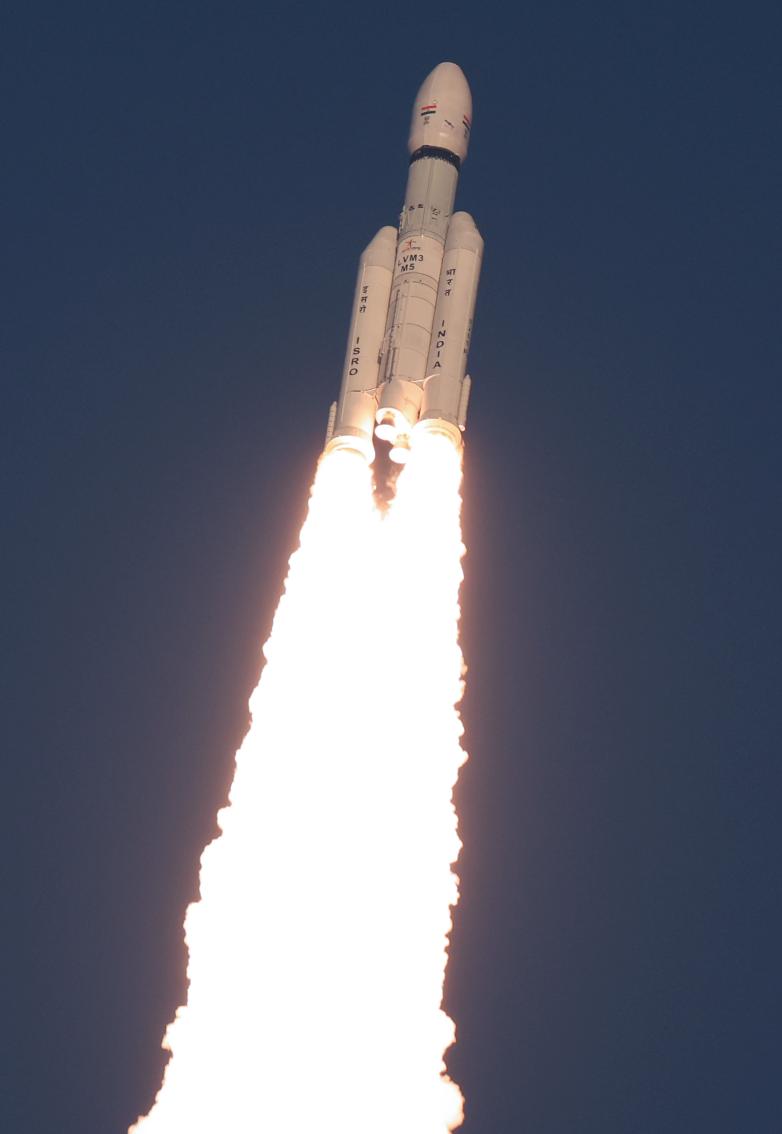
ISRO successfully launched its heaviest communication satellite, CMS-03 (also known as GSAT-7R), aboard the LVM3-M5 rocket on November 2, 2025, from Sriharikota. The 4,410 kg satellite is designed to provide secure, high-bandwidth, multi-band communication for the Indian Armed Forces, especially the Navy, marking a major milestone in India’s heavy-lift space capabilities.

Key Highlights of the CMS-03 Mission

  • Launch Vehicle: LVM3-M5 (Bahubali), India’s most powerful rocket
  • Launch Site: Satish Dhawan Space Centre (SDSC), Sriharikota
  • Date & Time: November 2, 2025, at 17:26 IST
  • Satellite Mass: ~4,410 kg — heaviest communication satellite launched from Indian soil
  • Orbit: Geosynchronous Transfer Orbit (GTO), ~29,970 km x 170 km
  • Mission Purpose: Replace GSAT-7 (2013) and enhance secure naval and defense communications

Strategic Importance

  • Defense Communications: Tailored for the Indian Navy, ensuring encrypted, high-capacity links
  • Indigenous Capability: Fully developed in India, reinforcing strategic autonomy
  • Heavy-Lift Milestone: First >4,000 kg satellite launched into GTO from Indian soil
  • Continuity & Upgrade: Replaces GSAT-7 with greater bandwidth and wider coverage

Comparative Context

Mission Rocket Payload Mass Orbit Purpose
CMS-03 (2025) LVM3-M5 4,410 kg GTO Secure defense communications
GSAT-7 (2013) Ariane-5 2,625 kg GTO Naval communications
Chandrayaan-3 (2023) LVM3-M4 3,900 kg Lunar Transfer Lunar exploration

Broader Implications

  • For India’s Space Program: Strengthens ISRO’s credibility in the global heavy-lift launch market
  • For National Security: Enhances maritime domain awareness and secure communication
  • For Future Missions: Validates LVM3’s readiness for heavier payloads, including crewed missions

ISRO’s Giant Leap: Heaviest Communication Satellite CMS-03 Successfully Launched

ISRO’s Giant Leap: Heaviest Communication Satellite CMS-03 Successfully Launched

Cisco and NVIDIA Introduce AI‑Native 6G Wireless Stack, Redefining Cloud and Enterprise Infrastructure

Cisco and NVIDIA Introduce AI‑Native 6G Wireless Stack, Redefining Cloud and Enterprise Infrastructure

Cisco and NVIDIA have announced a broad set of AI infrastructure innovations designed to accelerate adoption of artificial intelligence across cloud, enterprise, and telecom sectors. The collaboration brings together Cisco’s networking and security expertise with NVIDIA’s AI computing leadership, marking what executives described as the beginning of the “largest data center build‑out in history.”

Spectrum‑X Powered Switches

At the center of the announcement is the Cisco N9100 Series data center switch, the first NVIDIA partner‑developed switch built on NVIDIA Spectrum‑X Ethernet technology. The switch is designed to deliver high‑performance, low‑latency networking for AI workloads and will be available with both NX‑OS and SONiC operating models. Cisco said the platform will serve as a Cloud Partner‑compliant reference architecture, enabling neocloud and sovereign cloud providers to deploy AI infrastructure at scale.

Enterprise AI Security and Observability

Cisco also expanded its Secure AI Factory with NVIDIA, a framework that integrates compute, networking, security, and observability into enterprise AI deployments. The initiative aims to give organizations end‑to‑end visibility and protection as they scale AI workloads, particularly in regulated industries. New ecosystem partnerships were announced to strengthen monitoring and compliance capabilities.

Telecom and 6G Readiness

In a move aimed at telecom operators, Cisco and NVIDIA unveiled the industry’s first AI‑native wireless stack for 6G networks. The stack is designed to handle ultra‑low latency and massive device connectivity, preparing carriers for the surge in AI‑driven traffic expected over the next decade. Analysts said the development could redefine mobile networks by enabling real‑time AI services at the edge.

Strategic Context

Executives from both companies emphasized that the innovations are not standalone products but part of a joint reference architecture for next‑generation AI deployments. “We are entering a new era where AI workloads will reshape every industry,” said a Cisco spokesperson. “Our partnership with NVIDIA ensures customers have the flexibility, interoperability, and scalability to build AI infrastructure securely and globally.”

Why It Matters

  • For Cloud Providers: A unified, NVIDIA‑compliant architecture accelerates AI adoption in sovereign and neocloud environments.
  • For Enterprises: Enhanced security and observability ensure safer AI deployments.
  • For Telecoms: The AI‑native 6G stack positions operators to deliver next‑generation services.
With these announcements, Cisco and NVIDIA are positioning themselves at the heart of the global AI infrastructure race, targeting the needs of hyperscalers, enterprises, and telecom operators alike.

Starlink Begins Hiring in India, Sets Bengaluru as Hub Ahead of 2026 Broadband Launch

Starlink Begins Hiring in India, Sets Bengaluru as Hub Ahead of 2026 Broadband Launch

Elon Musk’s satellite internet venture, Starlink, opens finance and compliance roles in Bengaluru as it seeks DoT approvals, gateway stations, and prepares to challenge Jio Satellite and OneWeb in India’s fast-emerging satellite broadband market.  

Key highlights

  • Hiring drive: Payments manager, accounting manager, senior treasury analyst, and tax manager.
  • Location: Bengaluru as the operational hub in India.
  • Launch timeline: Commercial satellite broadband rollout targeted for early 2026, subject to approvals.

Regulatory and infrastructure plans

  • Licensing: Working with India’s Department of Telecommunications (DoT) on approvals and security requirements.
  • Gateway stations: Permissions sought for three ground stations in Mumbai, Chennai, and Noida.
  • Competition: Facing Jio Satellite (Reliance Jio) and OneWeb (Bharti-backed) in the Indian market.

Strategic importance

  • Market potential: LEO satellites to deliver low-latency, high-speed connectivity to underserved rural regions.
  • Global expansion: India positioned as a critical growth market.
  • Investor signal: Shift from regulatory negotiations to on-ground operational buildout.

Who’s behind it

  • Parent company: SpaceX, founded by Elon Musk.
  • Global footprint: Starlink operates across numerous countries with a rapidly growing subscriber base.

Takeaway

Starlink’s India hiring marks a strategic milestone—building a local finance and compliance backbone in Bengaluru, pursuing gateway approvals, and aiming for a 2026 launch to compete with Jio and OneWeb in satellite broadband.

Market Reports

Market Report & Surveys
IndianWeb2.com © all rights reserved