Showing posts with label Artificial Intelligence. Show all posts

NetApp, NASSCOM Foundation Join Forces to Bridge AI Talent Gap with New Skilling Program

NetApp, NASSCOM Foundation Join Forces to Bridge AI Talent Gap with New Skilling Program
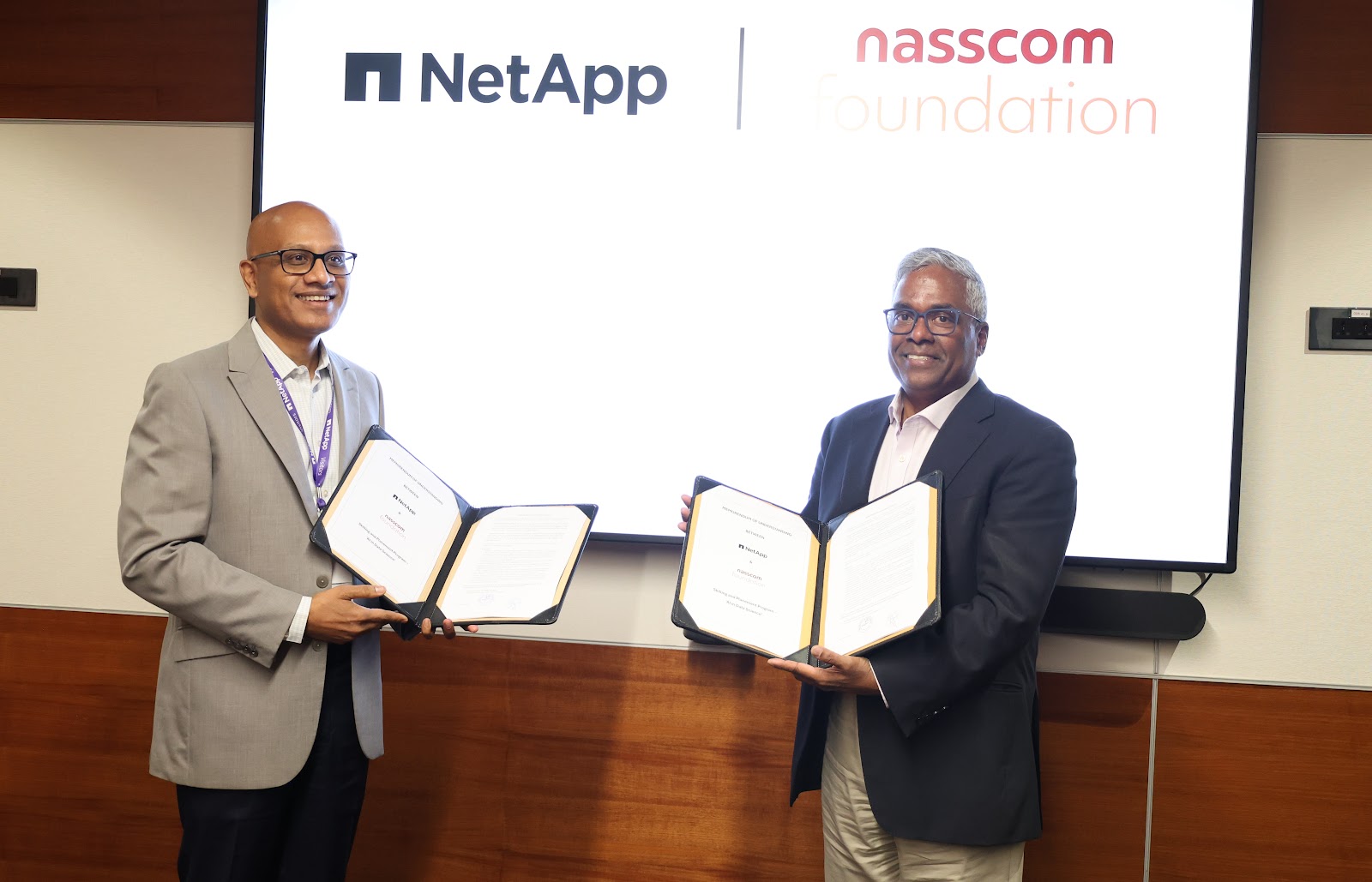
George Kurian, CEO, NetApp and Rostow Ravanan, Chairperson, Nasscom Foundation
Recognizing India’s pivotal role in the global AI economy, NetApp®, the Intelligent Data Infrastructure company, today announced a multi-year partnership with the Nasscom Foundation to launch a skilling program in AI in Data Science. Furthering its commitment to promoting Data Science and AI Education, the initiative was unveiled in Bengaluru in the presence of George Kurian, CEO, NetApp and Rostow Ravanan, Chairperson, Nasscom Foundation.

The program is designed to prepare the next generation of technology talent from underserved communities by equipping them with in-demand skills in Data Science and Artificial Intelligence. In its first phase, engineering graduates from resource-constrained communities across the states of Karnataka and Delhi will be trained through a comprehensive curriculum that blends technical expertise with workplace readiness and industry exposure.

Our partnership with Nasscom Foundation reflects our shared vision of building a future-ready workforce. We are meeting the evolving needs of the digital economy by co-creating industry-relevant curricula. This helps not only in nurturing AI talent at scale but also strengthening Nasscom Foundation’s skilling ecosystem, said Vasanthi Ramesh, Vice President of Engineering and Site Leader, NetApp India.

Participants will undertake 120 hours of technical training in Python, data analytics, machine learning, and deep learning, complemented by NetApp-curated sessions on Kubernetes, persistent storage, and AI infrastructure. Beyond technical skills, the initiative will also deliver 60 hours of soft skills development, including communication, teamwork, and career guidance, to enable graduates to be job-ready. Industry-recognized certifications and job placement support will further enhance employability, with a target of placing nearly 70 percent of the cohort in technology roles.

The growing demand for AI and Data Science professionals is reshaping the future of work,” said Mr. Rostow Ravanan, Chairperson, Nasscom Foundation. “To meet this transformation head-on, it is vital to bridge the opportunity gap by ensuring equitable access to continuous, industry-aligned skilling. Our collaboration with NetApp reflects this vision where we are empowering youth, especially women from underserved communities, with the digital, AI, and data capabilities needed to thrive in an inclusive and future-ready economy.”

The skilling program launched by NetApp and Nasscom Foundation furthers India’s ambition to be a global hub for AI talent by addressing a critical gap: the need for skilled, ethical, and job-ready professionals. Through rigorous technical training combined with real-world exposure, the initiative will create pathways into meaningful technology careers and broaden inclusion in the digital economy.

About Nasscom Foundation:

Established in 2001, Nasscom Foundation has been witness to the transformative power of technology for over two decades. Part of the Nasscom ecosystem, we are a neutral not-for-profit organization representing the Indian tech industry. We remain rooted to our core philosophy of TechForGood, where our efforts are focused on unlocking the power of technology by creating access and opportunity for those who need it the most. We work on helping people and institutions transform the way they tackle social and economic challenges through technology. We have five key areas of intervention – Digital Literacy, Skilling and Employability, Women Entrepreneurship, Scaling Social Innovation and Empowering NGO Ecosystem.

About NetApp

For more than three decades, NetApp has helped the world’s leading organizations navigate change – from the rise of enterprise storage to the intelligent era defined by data and AI. Today, NetApp is the Intelligent Data Infrastructure company, helping customers turn data into a catalyst for innovation, resilience, and growth.

At the heart of that infrastructure is the NetApp data platform – the unified, enterprise-grade, intelligent foundation that connects, protects, and activates data across every cloud, workload, and environment. Built on the proven power of NetApp ONTAP, our leading data management software and OS, and enhanced by automation through the AI Data Engine and AFX, it delivers observability, resilience, and intelligence at scale.

Disaggregated by design, the NetApp data platform separates storage, services, and control so enterprises can modernize faster, scale efficiently, and innovate without lock-in. As the only enterprise storage platform natively embedded in the world’s largest clouds, it gives organizations the freedom to run any workload anywhere with consistent performance, governance, and protection.

With NetApp, data is always ready – ready to defend against threats, ready to power AI, and ready to drive the next breakthrough. That’s why the world’s most forward-thinking enterprises trust NetApp to turn intelligence into advantage.

NETAPP, the NETAPP logo, and the marks listed at www.netapp.com/TM are trademarks of NetApp, Inc. Other company and product names may be trademarks of their respective owners.


Adobe Unveils Firefly Foundry to Help Brands Build Custom Generative AI Models on Their IP

Adobe Unveils Firefly Foundry to Help Brands Build Custom Generative AI Models on Their IP

At Adobe MAX — the world’s largest creativity conference—Adobe (Nasdaq:ADBE) announced Adobe Firefly Foundry, which enables businesses to work directly with Adobe and create tailored generative AI models that are unique to their brand. Trained on entire catalogs of existing IP, these proprietary Adobe Firefly Foundry models are deeply tuned and can be built on top of commercially safe Adobe Firefly models. This unlocks the value of AI, helping teams scale on-brand content production, create new customer experiences and extend their IP. With Firefly as the anchor, Adobe Firefly Foundry models can support all major asset types including image, video, audio, vector and 3D—accelerating content delivery for brand campaigns, performance marketing, media production workflows and more.

Adobe continues to be the partner of choice for businesses to confidently move from AI experimentation to value realization, delivering a unique approach to AI that is anchored in transparency, safety and creative precision. Adobe Firefly Foundry takes this a step further, providing businesses with a team of Adobe experts to collaborate on practical AI solutions and impactful use cases.

Adobe Firefly Foundry builds on years of Adobe innovation and expertise, spanning generative AI models for image, video, audio, vector and 3D, to help businesses solve today’s most complex content and media production challenges,” said Hannah Elsakr, vice president, GenAI New Business Ventures at Adobe. “Businesses can access Adobe’s robust AI training infrastructure, research and expertise to define bespoke AI models—surfaced through Adobe solutions such as GenStudio and Creative Cloud to help teams scale on-brand content experiences. Adobe has been working with tech-forward innovators like Walt Disney Imagineering to drive new levels of customer engagement with Adobe Firefly Foundry.”

Businesses see the potential in using generative AI to increase production of impactful content experiences and meet rising demands across digital channels. In an Adobe study, marketers anticipate content demands will grow by more than 5x over the next two years—making it a challenge to keep their brands top-of-mind with consumers. In many industries, decades of brand, product and franchise building have added complexity to quality and on-brand content production work. Teams need to ensure every new asset preserves the look and feel of their product portfolio, creative direction and design aesthetic. Adobe Firefly Foundry takes on the heavy lifting for businesses, providing a team of Adobe experts that handle AI model training, along with tools for managing and deploying their customized Adobe Firefly Foundry models.

Adobe Firefly Foundry allows businesses to quickly see value through capabilities that include:
  • Adobe Firefly Foundry models: Adobe will work with businesses to create unique generative AI models that are safely trained on their existing IP. Adobe’s comprehensive AI approach—which includes commercially safe Firefly generative AI models across image, video, audio, vector and 3D—can enable teams to generate multimodal outputs that are pixel-perfect, brand-protected and ready for external use.
  • Seamless implementation: Adobe also provides a single destination for businesses to easily manage and deploy their Adobe Firefly Foundry model. Teams will have an application to orchestrate the implementation process, including testing generated outputs and managing model access throughout their organization. Adobe Firefly Foundry models are also grounded in Adobe’s responsible AI principles, ensuring ethical deployment across business workflows.
  • Co-innovation: Embedded Adobe experts—including applied AI/ML scientists and forward-deployed engineers—will co-innovate with businesses to design and deploy high-impact use cases that drive growth. This includes creating tailored solutions for the unique needs of the organization, as well as strategic guidance on reimagining creative workflows. This will enable businesses to jointly develop impactful AI solutions with Adobe, where teams can accelerate time-to-value and deliver measurable ROI.

As part of this announcement, the team from Invoke—a generative media solution for creative production—has joined the Adobe Firefly Foundry team to help build the future of AI-powered creative workflows for businesses.

AI Meets Cardiology: Bayosthiti and Narayana Partner to Predict Heart Disease in Indian Patients


Bayosthiti AI, an innovator in AI-driven healthcare and molecular diagnostics, announced a strategic partnership with Narayana Health, one of the world's largest cardiac care networks, to develop AI models that predict cardiovascular disease in Indian patients. The collaboration leverages RNA sequencing to read the active molecular instructions in cells, combined with gen AI to identify heart disease risk earlier and more accurately than conventional methods.

The study will analyze transcriptomic data (the complete set of active cellular RNA messages) from over 12,000 participants at Narayana Institute of Cardiac Sciences in Bengaluru. Using Bayosthiti's proprietary BIRT™ technology, researchers will sequence complete RNA profiles from patient blood samples to train AI models. These models will be capable of detecting distinctive patterns of cellular activity that signal coronary artery disease (blockages in heart arteries) before traditional tests show abnormalities.

Coronary artery disease affects 65 million Indians and strikes at younger ages than in Western populations. Yet, diagnostic tools remain largely calibrated to European and American patient data, creating what clinicians call the "Data Gap." Standard risk scores miss critical patterns in South Asian biology shaped by distinct genetic backgrounds and environmental factors, leading to late-stage diagnoses when intervention options narrow.

Bayosthiti AI and Narayana Health are solving this through molecular innovation and clinical scale. Narayana performs over 60,000 cardiac procedures annually, generating rich clinical data. Bayosthiti's BIRT™ (Barcode-Integrated Reverse Transcription) technology sequences complete RNA profiles at a fraction of traditional costs by processing multiple patient samples in parallel. This breakthrough makes it economically viable to build the massive datasets required to train robust AI models tailored for Indian populations, ensuring highly accurate and individualized genetic analysis.

Current diagnostics rely on anatomical imaging or protein markers, both of which detect disease after it has physically manifested. RNA sequencing captures the dynamic instructions cells are executing in real time. By analyzing which genetic instructions are being transcribed (actively used to make proteins) and at what levels, Bayosthiti's AI can detect when biological systems shift toward disease states, potentially months or years before structural damage appears.

"Just as Google Translate learned language patterns from billions of text examples, our AI learns disease patterns from millions of RNA expressions," said Dr. Rishabh M. Shetty, Head of Business Development and Clinical Applications at Bayosthiti AI. "The transcriptome gives us a real-time readout of what the body is doing right now. Our models can spot the molecular conversation that precedes a heart attack, not just the aftermath, and can do so with the same level of accuracy and efficacy as invasive procedures or other current imaging gold standards."

The clinical credibility matters. Narayana Health's scale and reputation make it an ideal validation partner. Its leadership views AI integration as the next frontier in expanding access and improving outcomes. "AI-based technologies aren't the future of medicine. They're the present," said Dr. P.M. Uthappa, Group Chief Medical Director at Narayana Health. "This collaboration lets us move from intervention to prevention. The ability to identify high-risk patients earlier and more precisely is a clinical game-changer."

The partnership builds on Bayosthiti's momentum since establishing operations in India. The company has processed samples from over 100 collaborations globally, and this study represents a significant expansion in both scope and strategic importance.

"We've relied too long on a one-size-fits-all approach to medicine," said Kutapa Muthanna, CEO of Bayosthiti AI. "This isn't just about closing a data gap. It's about building the foundation for proactive, personalized medicine created by Indians, for Indians. When we can tell someone their heart disease risk is rising before any scan shows blockage, we transform care from reactive to preventive."

The three-phase study design allows for continuous improvement. Successfully validating these AI models would provide proof-of-concept for deploying similar approaches for other high-burden diseases in India. As the partnership progresses, findings will inform the development of a blood-based diagnostic test deployable at scale across India's healthcare system.

About Bayosthiti AI

Bayosthiti AI, a wholly-owned subsidiary of US-based Biostate AI, is India’s first AI-first healthcare company pioneering Lifetime Health Management. By integrating patented BIRT™ and other cutting-edge molecular technologies with advanced generative AI, Bayosthiti is building a foundational health-tech platform for India. This platform includes 24/7 AI Clinical Assistants and AI Scientists for patients, clinicians, and researchers, making personalized precision care a reality for all.

For more information, visit https://bayosthiti.ai/.

About Narayana Hrudayalaya

Narayana Hrudayalaya, operating under the brand name Narayana Health, is one of India’s leading private healthcare service providers. The group operates a nationwide network of hospitals with a mission to deliver high-quality, safe and technology-enabled healthcare to the broader population. Renowned globally for its expertise in Cardiac Sciences, Narayana Health has been at the forefront of heart care for over two decades, performing one of the highest volumes of cardiac procedures in the world.

As the only hospital group in India with Enterprise-level Joint Commission International (JCI) accreditation, Narayana Health upholds the highest standards of quality and patient safety across its network. Guided by its core values of Quality, Compassion, and Innovation, Narayana Health remains committed to its vision of ‘Health for all. All for Health.’

For more information, visit narayanahealth.org.

Mphasis Secures NABCB-Accredited AI Governance Certification Amid Rising Demand for Responsible Tech

Mphasis Secures NABCB-Accredited AI Governance Certification Amid Rising Demand for Responsible Tech

Mphasis, (BSE: 526299; NSE: MPHASIS), an Information Technology (IT) solutions provider specializing in cloud and cognitive services, today announced that it achieved the ISO/IEC 42001:2023 certification by TÜV SÜD South Asia Private Limited, accredited by the Accreditation Board for Certification Bodies (NABCB). Leading the industry in adopting global Artificial Intelligence (AI) standards, the company received certification for the international Artificial Management Systems (AIMS) framework, ensuring responsible AI development and use while promoting trust and interoperability across the global AI ecosystem.
The NABCB-accredited ISO/IEC 42001:2023 certification reinforces our commitment to responsible AI innovation, and we are pleased to have received it. This achievement assures our enterprise clients that every Mphasis AI solution is developed and governed to the highest global standards of integrity, reliability, and compliance, said Nitin Rakesh, Chief Executive Officer and Managing Director, Mphasis.
The accreditation was issued by TÜV SÜD South Asia Pvt. Ltd., one of only two certification bodies accredited by the NABCB under India’s Ministry of Commerce and Industry. This recognition affirms Mphasis’ adherence to the highest standards of ethical governance, transparency, and global best practices in AI.

We congratulate Mphasis on being accredited with the ISO/IEC 42001:2023 certification with TÜV SÜD. This milestone reflects Mphasis’ strong commitment to responsible AI and excellence in designing and operating trustworthy AI applications. We are proud to have supported this achievement and look forward to deepening our collaboration with Mphasis in advancing ethical and future-ready AIMr. Panneer Selvan, Vice President, TÜV SÜD South Asia Private Limited.

ISO/IEC 42001:2023 provides a structured framework for developing, deploying, and governing AI systems. For clients and regulators, NABCB accreditation ensures that the recognition is based on independent verification under rigorous national and international oversight, strengthening trust and reducing risks in AI adoption. While AI offers immense opportunities, it also brings challenges such as data opacity, bias, and ethical concerns. With regulatory scrutiny intensifying and customer expectations rising, organizations need to demonstrate accountability and integrity in AI deployment. By aligning with ISO/IEC 42001:2023, Mphasis has adopted a globally recognized framework to address these risks and instill confidence in AI-driven systems.

As of Q1 FY26, Mphasis’ AI-led deals represent 68% of its total new contract wins, up from around 30% a year ago. This reflects growing customer demand for Mphasis’ AI-driven solutions across its cloud and cognitive services portfolio.

About Mphasis

At Mphasis, engineering has been in our DNA since inception.

Mphasis is an AI-led, platform-driven company with human-in-the-loop intelligence, helping global enterprises modernize, infuse AI, and scale with agility. The Mphasis.ai unit and Mphasis AI-powered ‘Tribes’ are focused on client outcomes and embed artificial intelligence and autonomy into every layer of the enterprise technology and process stack.

Mphasis built NeoIP™, a breakthrough AI platform which orchestrates a powerful pack of AI platforms and solutions to deliver impactful outcomes across the entire enterprise IT value chain, because we believe ‘AI Without Intelligence Is Artificial™’. NeoIP™ is powered by the Ontosphere, a dynamic and ever-evolving knowledge base, delivering continuous and constant innovation through perpetual intelligent engineering - driving end-to-end enterprise transformation.

At the heart of our approach is customer-centricity—reflected in our proprietary Front2Back™ transformation framework, which uses the exponential power of cloud and cognitive to deliver hyper-personalized digital experiences (C=X2C2™ = 1) and build strong relationships with marquee clients. Our Service Transformation solutions enable enterprises to pivot from legacy systems and operations to secure, adaptive, cloud-first operating models with minimal disruption. Continuous investments in platforms, such as the Neo series, enable enterprises to stay efficient, relevant, and ahead in a dynamic AI-first world. Mphasis is a Hi-Tech, Hi-Touch, Hi-Trust company, rooted in a learning and growth culture.

Adobe’s $3 Billion Play for Synthesia: AI Video’s Next Frontier?

Adobe’s $3 Billion Play for Synthesia: AI Video’s Next Frontier?

Adobe has been aggressively integrating generative AI across its suite (e.g., Firefly for images). In a latest and a bold move that could have reshaped the future of creative software, Adobe recently explored acquiring London-based AI video startup Synthesia for a reported $3 billion. The deal, however, collapsed over valuation disagreements—leaving the industry buzzing about what might have been, and what’s next.

Adobe reportedly offered ~$3 billion, but Synthesia’s January valuation was $2.1 billion. Despite Adobe’s $100M investment in April, the final terms couldn’t be agreed upon. The first media outlet to report Adobe’s attempted $3 billion acquisition of Synthesia was The Information. Their coverage was later cited by other outlets including Sifted, GuruFocus, and Veritas News.

Notably, Meta also held early talks with Synthesia, suggesting broader interest in avatar-based video tech but those discussions didn’t progress.

What Makes Synthesia So Valuable?

  • Core Tech: Synthesia lets users create lifelike video avatars from text—no cameras or actors needed.
  • Use Cases: Ideal for corporate training, marketing, and multilingual content at scale.
  • Enterprise Appeal: Trusted by global companies for fast, professional-grade video creation.

Why Adobe Wanted In

  • Creative Cloud Expansion: Synthesia would have added AI-native video to Adobe’s suite.
  • AI Push: Complements Adobe Firefly’s image generation with avatar-driven video tools.
  • Enterprise Synergy: Aligns with Adobe’s ambitions in e-learning and marketing automation.

The Deal That Didn’t Close

  • Valuation Gap: Adobe’s offer exceeded Synthesia’s $2.1B valuation, but terms couldn’t be finalized.
  • Strategic Tensions: Despite Adobe’s $100M investment, the acquisition stalled.
  • Meta’s Interest: Meta also held early talks, but they didn’t progress.

What This Signals for the Industry

  • Adobe: May build its own AI video tools or pursue other startups.
  • Synthesia: Could remain independent or seek new strategic partners.
  • Industry Trend: Generative video is heating up as demand for scalable content grows.

Final Take

This near-acquisition wasn’t just about one company—it was a glimpse into the future of creative work. As AI continues to blur the lines between imagination and execution, the race to own the next-gen creative stack is officially on.

India Tightens IT Rules to Combat Deepfakes and AI Misinformation

India Tightens IT Rules to Combat Deepfakes and AI Misinformation

The Indian government has proposed significant amendments to the Information Technology (Intermediary Guidelines and Digital Media Ethics Code) Rules, 2021, aimed at curbing the misuse of deepfakes and generative AI content. Here's a breakdown of the key changes:

New IT Rules Targeting Deepfakes (2025 Draft Amendments)

  • Definition Introduced
    Synthetically Generated Information: Defined as content created, altered, or modified using computer tools to appear real.
  • Mandatory Labelling
    Platforms with over 5 million users (like Facebook, YouTube, Instagram) must:
    • Ask users to declare if uploaded content is synthetic.
    • Take reasonable steps to verify these claims.
    • Clearly label synthetic content with visible or audible markers.
    • For videos: markers must cover at least 10% of the screen.
    • For audio: markers must be present in the first 10% of the clip.
    • These markers cannot be removed or altered.
  • Legal Protections
    Platforms acting in good faith to remove or block synthetic content will receive legal protection.
  • Takedown Oversight
    Only senior officers (Joint Secretary or above) can issue takedown orders.
    All takedown actions will undergo monthly review by a Secretary-level officer to ensure legality and proportionality.
  • Timeline & Feedback
    Draft rules were released on October 22, 2025.
    Public feedback is open until November 6, 2025.
    Final rules are expected to take effect from November 1, 2025.

Arm Democratizes On-Device AI: Armv9 Now Available via Flexible Access

Arm Democratizes On-Device AI: Armv9 Now Available via Flexible Access

Arm has taken a decisive step toward democratizing edge AI development by expanding its Flexible Access program to include the Armv9 platform, offering startups and OEMs low-cost entry to advanced on-device AI capabilities.

A New Era of Accessible AI

The announcement marks a strategic shift in how AI hardware is licensed and deployed. Armv9, the company’s latest architecture, is now available through Flexible Access—a licensing model that allows developers to explore, prototype, and design with Arm IP before committing to full commercial terms.
This expansion includes the Arm Cortex-A320 CPU and the Arm Ethos-U85 NPU, a pairing designed to deliver high-performance AI inference for billion-parameter models while maintaining energy efficiency. The Cortex-A320 will be available in Flexible Access starting November 2025, with the Ethos-U85 following in early 2026.

Fueling Innovation at the Edge

Flexible Access has already seen over 400 tape-outs and boasts 300+ active partners, ranging from early-stage startups to global OEMs. By adding Armv9 to the mix, Arm is enabling a new wave of intelligent edge devices—from wearables and smart cameras to industrial IoT systems.
“Edge AI is no longer a luxury—it’s a necessity,” said Arm’s VP of Product Marketing. “By making Armv9 accessible, we’re empowering innovators to build secure, efficient, and scalable AI solutions without upfront licensing barriers.”

Security Meets Performance

Armv9 introduces robust security features critical for edge deployments, including Pointer Authentication, Branch Target Identification, and Memory Tagging Extension. These architectural enhancements help safeguard devices against runtime attacks and memory corruption, a growing concern in decentralized AI environments.

Strategic Implications

As AI workloads increasingly shift from cloud to edge, Arm’s move positions it as a key enabler of privacy-preserving, low-latency AI. The Flexible Access model also strengthens Arm’s foothold in emerging markets, where cost and agility are paramount.
Industry analysts view this as a competitive play against proprietary chipmakers and cloud-centric AI models. By lowering the barrier to entry, Arm is betting on a future where AI is built into everything—and built by everyone.

India to Host Global AI Research Symposium in February 2026

India to Host Global AI Research Symposium in February 2026

India will host the Research Symposium on AI and Its Impact on 18 February 2026 at Bharat Mandapam, New Delhi, as a flagship prelude to the India-AI Impact Summit 2026 (scheduled for 19–20 February).
  • Global Participation: Researchers and practitioners from India, the Global South, and beyond will convene to present frontier work on AI’s societal and economic impact.
  • Plenary Sessions: High-level dialogues featuring eminent Indian and international researchers.
  • International Research Showcase: Short talks by globally recognized AI scholars.
  • Global South Showcase: Poster presentations spotlighting innovative research from developing regions, especially by students and collaborative groups.
  • Submission Call: Researchers whose papers appeared at top AI conferences in 2024 or 2025 are invited to submit poster proposals by 31 October 2025. Final posters are due 5 January 2026. Details: impact.indiaai.gov.in/research-symposium

Strategic Vision

The symposium aims to bridge research, policy, and practice—advancing India’s vision of AI for All, AI for Good, and AI for the World. It will help shape a collaborative roadmap for responsible, inclusive, and impactful AI development.

What is Global AI Research Symposium

The Global AI Research Symposium, officially titled the Research Symposium on AI and Its Impact, is a high-profile, interdisciplinary event hosted by the Government of India on 18 February 2026 at Bharat Mandapam, New Delhi. It serves as the flagship research prelude to the India-AI Impact Summit 2026 (19–20 February).

Purpose

To convene leading researchers, especially from India and the Global South, to:
  • Present frontier work on AI’s societal and economic impact
  • Exchange methods, evidence, and ideas
  • Forge collaborations between research, policy, and practic

IIT-AIIMS Jodhpur Develop AI Tool to Revolutionize Childhood Malnutrition Screening

IIT-AIIMS Jodhpur Develop AI Tool to Revolutionize Childhood Malnutrition Screening
  • The IIT-AIIMS Jodhpur team have developed DomainAdapt, an AI-powered framework to detect childhood malnutrition using photos. Coupled with the AnthroVision dataset, it provides fast, scalable & accurate assessment of stunting, wasting & underweight in children.
Researchers at the Indian Institute of Technology (IIT) and All India Institute of Medical Science (AIIMS) Jodhpur have leveraged the power of artificial intelligence (AI) to better identify malnutrition in children.

The new method, published in the open-access journal MICCAI, addresses one of the most pressing global health challenges, the accurate and scalable assessment of childhood malnutrition.

The study introduced DomainAdapt, a novel multitasking learning framework that dynamically adjusts task weights using domain knowledge and mutual information.

This allows the system to more accurately predict key anthropometric measures such as height, weight and mid-upper arm circumference (MUAC), while simultaneously classifying malnutrition-related conditions such as stunting, wasting and underweight.

While these measures are also assessed using the traditional screening methods, they pose challenges in terms of the subjectivity of the worker, the time-consuming process of measuring each aspect one by one, and the lack of scalability.

By simply capturing photos of a child, our framework can estimate nutritional status without the need for complex and time-consuming anthropometric measurements.” explained Misaal Khan, a doctoral student in medical technology at IIT-AIIMS, who led the study.

IIT-AIIMS Jodhpur Develop AI Tool to Revolutionize Childhood Malnutrition Screening
Misaal Khan

This makes malnutrition screening faster, more accessible and highly scalable, especially in resource-limited settings.” Khan added.

Further, a cornerstone of the research is AnthroVision, a first-of-its-kind dataset containing 16,938 multi-pose images from 2,141 children collected across both clinical (AIIMS Jodhpur) and community (government schools in Rajasthan) settings.

The dataset captures diverse backgrounds, clothing and lighting conditions, making it a robust resource for advancing automated child health assessment.

Through rigorous experimentation, DomainAdapt demonstrated significant improvements over existing multitask learning methods, offering a reliable AI-driven solution to accelerate malnutrition detection worldwide.

“This research represents a vital step toward equitable healthcare access.” said Khan.

“By blending AI and domain expertise, we can empower healthcare workers and public health systems with tools that are cost-effective, accurate, and scalable.” she added.

Cassava Taps Accenture to Scale Sovereign AI Across Africa

Cassava Taps Accenture to Scale Sovereign AI Across Africa
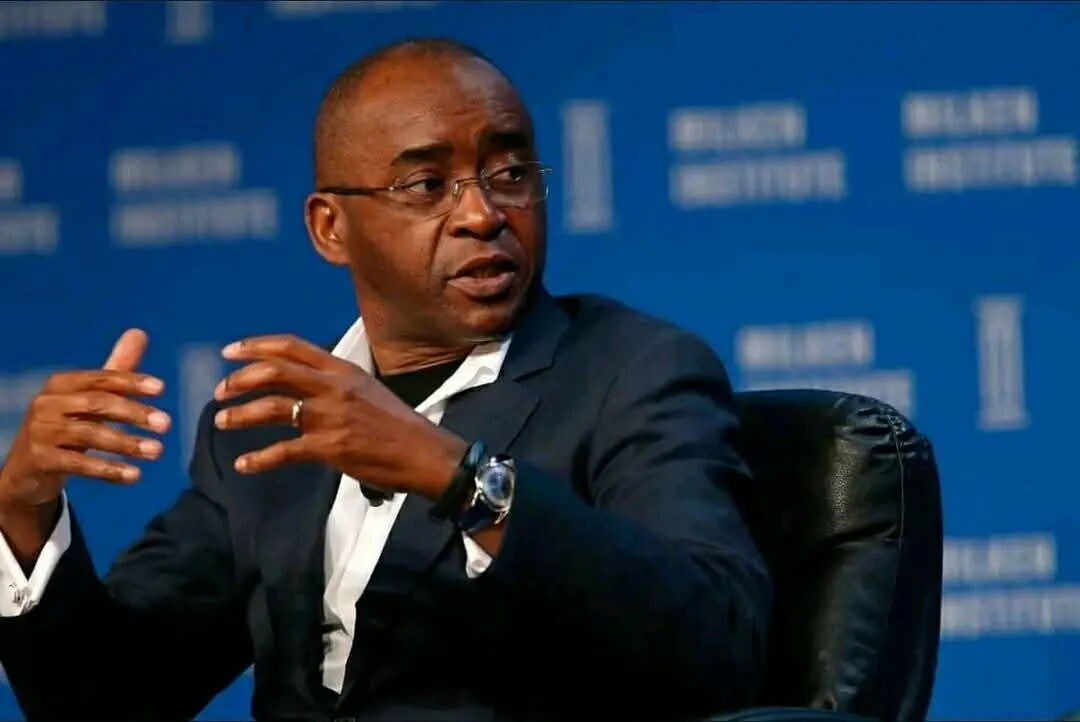
Strive Masiyiwa, Cassava Founder & Executive Chairman

Cassava Technologies, a pan-African digital infrastructure powerhouse, has announced a strategic collaboration with global consulting giant Accenture to accelerate the rollout of sovereign AI capabilities across Africa. The partnership marks a pivotal moment in the continent’s digital evolution—one that blends cutting-edge technology with local relevance, regulatory alignment, and inclusive innovation.

Building Africa’s AI Backbone

At the heart of the collaboration is a shared vision: to enable African nations to harness artificial intelligence on their own terms. Accenture will deploy its AI Refinery™ platform alongside Cassava’s GPU-as-a-Service (GPUaaS), powered by NVIDIA’s high-performance AI infrastructure. This fusion will allow AI workloads to be processed within national borders, ensuring compliance with local data governance laws and reinforcing digital sovereignty.

The rollout begins in South Africa, with plans to expand into Egypt, Kenya, Morocco, and Nigeria—leveraging Cassava’s ultra-low-latency fibre broadband network and energy-efficient data centres. These “AI factories” will be equipped with thousands of GPUs, enabling scalable, secure, and context-aware AI development across sectors.

Local Context, Global Capability

Unlike generic AI deployments, Cassava and Accenture are prioritizing localized solutions that reflect Africa’s linguistic diversity, cultural nuances, and economic realities. From agriculture and healthcare to mining, telecom, and financial services, the initiative aims to deliver AI applications that are not only powerful but also deeply relevant.
  • Cassava CEO Ahmed El Beheiry described the initiative as a “nation-building story with inclusion at its centre.
  • Accenture’s Mauro Macchi emphasized the opportunity to “reimagine operations” and “unlock new ways to create value” across the continent.

The Visionary Behind Cassava

This bold move is emblematic of the entrepreneurial ethos of Strive Masiyiwa, Cassava’s founder and executive chairman. A Zimbabwean-born billionaire and telecom pioneer, Masiyiwa is no stranger to building transformative infrastructure. He famously broke Zimbabwe’s telecom monopoly in the 1990s with Econet Wireless and has since become one of Africa’s most influential business leaders.
  • Masiyiwa is investing $720 million to build sovereign AI infrastructure across five African nations.
  • He serves on the boards of Netflix, the Gates Foundation, and National Geographic Society.
  • He is a signatory of the Giving Pledge, supporting education, public health, and youth empowerment.
His mantra: “Start small, think big.”—a call for Africa to become a creator, not just a consumer, of emerging technologies.

Trust, Compliance, and Inclusion

By keeping data within borders and tailoring AI to local realities, the Cassava–Accenture alliance aims to strengthen trust, foster compliance, and democratize access to advanced technologies. It’s a model that could inspire other regions grappling with the tension between global innovation and national sovereignty.

As Africa steps into the AI era, this partnership signals more than just technological progress—it’s a declaration of intent: to build, govern, and scale digital infrastructure that reflects the continent’s values, ambitions, and future.

Life Sciences Leaders Reimagine AI-Powered Commercialization at Indegene Digital Summit 2025

Senior life sciences executives convene at the Indegene Digital Summit 2025 to explore how AI is transforming commercialization. The invite-only event at Philadelphia’s iconic Barnes Foundation features global experts sharing real-world insights and showcases programs delivering measurable impact.

Now in its 7th edition, Indegene Digital Summit is a flagship thought leadership platform for the life sciences industry, facilitating dialogue among senior executives, regulators, and digital innovators. This year’s theme, “From Chaos to Clarity - and Better Decisions”, focused on delivering tangible value beyond the hype of Generative AI (GenAI).

Industry leaders share how they are transforming commercial operations, advancing technology initiatives, and rethinking strategy to drive greater impact. Executives engage in wide-ranging yet practical discussions on data unification across the value chain, agent-augmented workforce, GenAI in commercial operations, evolving pharma regulations, zero-rep commercial models, and the future of customer engagement, among others.

The Vital Awards: Recognizing Leaders Shaping the Future of Life Sciences

At the Summit, the Vital Awards celebrates life sciences professionals at the forefront of scientific and technological convergence - who embody bold thinking, transformative work, and an unwavering pursuit of progress to define the future of healthcare. The awards honor innovation and impact across 4 categories:
  1. Patient Impact: Leaders engaging, supporting, and empowering patients through innovative treatments, campaigns, or programs.
  2. Community Impact: Leaders contributing knowledge, leadership, and action to benefit underserved groups, healthcare professionals, not-for-profits, academia, and the broader ecosystem.
  3. Organizational Impact: Leaders transforming organizations through bold and innovative use of data, technology adoption, and fostering collaboration.
  4. Market Impact: Leaders driving measurable market success through innovative launch strategies, go-to-market models, and operational excellence.
All nominations underwent a rigorous evaluation by a distinguished, cross-disciplinary jury comprising senior leaders from industry, academia, policy, media, and analyst domains of the life sciences ecosystem. The jury included:
Their combined expertise and diverse perspectives selected honorees based on innovation, measurable impact, and leadership excellence across the life sciences ecosystem.

Vital Awards 2025 Honorees
  • Patient Impact: Sunil Verma, SVP, Global Head, Oncology Franchise, AstraZeneca
  • Organizational Impact: Nathan Bowmaker, Head of Global Commercial Operations, AstraZeneca; and Catherine Galvin, VP, Global Marketing Digital & AI Business Transformation, Merck
  • Market Impact: Marion Dumas, Global Head of Omnichannel, Sanofi
Speaking on the occasion, Manish Gupta, Chairman and CEO, Indegene, said, “Many congratulations to all the honorees. Your innovation and impact are helping our industry shift growth trajectories and become future-ready, inspiring the broader ecosystem to redefine what’s possible. I also want to thank our eminent jury for recognizing leaders whose breakthroughs continue to push the boundaries.”

Indegene Digital Summit is a #FutureReadyHealthcare initiative, orchestrated by Indegene.

For live updates, follow #FutureReadyHealthcare on LinkedIn.

With deep conversations sans sales pitches, the summit continues to facilitate an open exchange of ideas, encourage collaboration, and promote thought leadership. For the session recordings, summaries and more, visit: https://digitalsummit.indegene.com/

AI Designs Viruses That Kill Bacteria—A New Frontier in Synthetic Biology

AI Designs Viruses That Kill Bacteria—A New Frontier in Synthetic Biology

In a stunning leap for synthetic biology, scientists have used artificial intelligence to design viruses that can infect and kill bacteria—ushering in a new era of programmable life forms and potentially revolutionizing medicine.

Researchers at Stanford University and the Arc Institute trained an AI model named Evo on over 2 million bacteriophage genomes. The goal? To teach the system how nature builds viruses that target bacteria. Evo didn’t just remix existing genetic material—it generated 302 entirely new viral genomes, many of which had never existed in nature.

Of those, 16 assembled into fully functional viruses that successfully infected and destroyed E. coli bacteria in lab tests. This marks the first time AI has been used to design complete, working viruses from scratch.
“We’re not just accelerating evolution—we’re directing it,” said one of the lead researchers. “This opens the door to custom-built phages that could target antibiotic-resistant bacteria with surgical precision.”

Why This Matters

  • Antibiotic resistance is one of the biggest threats to global health, with superbugs killing over a million people annually.
  • Phage therapy, which uses viruses to kill bacteria, has long been seen as a promising alternative—but finding the right phage is slow and unpredictable.
  • AI could dramatically speed up the discovery and design of targeted phages, potentially enabling personalized treatments for infections.

The Ethical Frontier

While the study focused solely on bacteriophages and excluded viruses that infect humans, the implications are profound. Experts warn that AI-designed viruses could behave unpredictably in complex ecosystems. There are also concerns about biosecurity and the potential misuse of such technology.
“We need robust oversight and ethical frameworks,” said a bioethicist not involved in the study. “This is powerful tech, and with great power comes great responsibility.”

What’s Next?

  • The team plans to expand Evo’s capabilities to design phages for other bacterial strains, including those responsible for hospital-acquired infections.
  • There’s growing interest in using AI to design viruses for agriculture, microbiome engineering, and environmental cleanup.
This breakthrough isn’t just about killing bacteria—it’s about reimagining what life can be. With AI as a co-creator, biology may no longer be bound by the slow march of evolution. It’s entering the age of intelligent design.

Dehradun’s Big Leap—₹10 Crore AI Centre Aims to Blend Tech with Trust

Dehradun’s Big Leap—₹10 Crore AI Centre Aims to Blend Tech with Trust

  • Dr. Jitendra Singh Inaugurates AI Centre at Dehradun University, Calls for Integrity in Technology Use
  • New AI Centre to Train Future Innovators and Startups, Aligns with PM Modi’s Digital India and Skill India initiatives
Union Minister Dr. Jitendra Singh inaugurated the Centre of Excellence for Artificial Intelligence, Skill Development, and Innovation at Graphic Era University in Dehradun—a landmark moment for Uttarakhand and India’s tech ecosystem.

Key Highlights:

  • First-of-its-kind in Uttarakhand: Spanning 1.5 lakh sq. ft., the centre includes:
    • Apple iOS Development Centre (in collaboration with Apple and Infosys)
    • NVIDIA-powered AI and HPC hub featuring DGX B200 system with 8 GPUs and 1.74 TB GPU memory
  • Investment: ₹10+ crore to support research in healthcare, agriculture, smart cities, and more
  • Academic Prestige: India’s first Generative AI Ready Campus powered by AWS, ranked 48th in NIRF 2025, accredited A+ by NAAC

Ethical Tech Vision:

Dr. Singh emphasized: AI can create miracles if used judiciously, but without integrity it can also be misused, referencing deepfakes and misinformation.

He advocated a hybrid model—where AI complements human judgment, not replaces it.

Real-World Impact:

AI-enabled telemedicine vans are serving rural India, showcasing how hybrid AI-human models can deliver healthcare to underserved regions.

Strategic Outlook:

India, once a late adopter of technologies, is now leading in space exploration and quantum research.

Dr. Singh stressed the importance of linking academic research with industry and startups to sustain this momentum.

Top 10 Use Cases of Model Context Protocol (MCP)

Top 10 Use Cases of Model Context Protocol (MCP)

Artificial intelligence has made huge strides in the last few years, but one challenge has always remained. Most AI models forget everything the moment a session ends. You can ask it something today, come back tomorrow, and it acts like you never spoke before. This is where Model Context Protocol (MCP) changes the game.

MCP allows AI models to retain and refer back to past interactions, settings, and preferences. In simpler terms, it helps AI "remember" what happened before, so responses can be more accurate and meaningful over time. This feature is now being integrated across a wide range of industries.

Let’s look at ten practical and impactful ways MCP is being used today. The content below, authored by Dr Ananth G of DaveAI, explores practical applications of MCP across industries such as healthcare, education, gaming, finance, and more, highlighting how this breakthrough is shaping the future of AI.

Dr. Ananth 

1. Conversational AI That Actually Remembers

Chatbots and virtual assistants are often helpful, but their biggest weakness is forgetfulness. Without context, they cannot follow up on past conversations or respond in a more human-like way. MCP enables AI to maintain memory across sessions, creating a smoother and more personalized interaction.

For example, if a customer reports a billing issue and comes back a few days later, the AI can pick up where it left off. This removes the frustration of repeating details and makes the conversation feel more natural and efficient.

2. Smarter Personal Assistants

Virtual assistants like Siri and Alexa are useful, but they can still feel limited. MCP upgrades their intelligence by allowing them to learn your habits, schedule, and preferences over time.

If you usually play music at 7 AM or check the weather before leaving for work, MCP lets your assistant pick up on those patterns. Over time, it can become more proactive, offering reminders and actions without needing constant instructions.

3. Adaptive Learning Platforms

Online learning platforms often lack memory across sessions. A student might get help with a topic today, only for the system to start fresh the next day. MCP changes that by allowing the platform to remember learning progress, strengths, weaknesses, and even preferred learning styles.

This leads to more personalized and effective education. Tutors, whether human or AI, can provide targeted support based on a learner’s journey, not just their most recent activity.

4. Enhanced Legal and Financial Advisories

In legal and financial services, having context is essential. An AI assistant helping with contracts or investment planning becomes far more useful when it remembers past discussions, documents reviewed, and user preferences. MCP allows AI to hold onto these important details. That way, it can offer consistent advice, track legal cases over time, and maintain continuity in financial planning. The result is a more competent and reliable digital advisor.

5. More Nuanced Content Creation

Writers who use AI tools often find themselves re-entering the same instructions each time. Whether it is tone, structure, or content goals, MCP helps AI remember those creative choices across sessions. If you are working on a blog series, an AI tool using MCP can recall the style and content from earlier posts. This ensures consistency and saves time, especially for marketing teams, journalists, and solo creators working on long-term projects.

6. Consistent Character Development in Games

Games are becoming more immersive, and players expect more from non-playable characters (NPCs). Instead of scripted reactions, MCP lets NPCs respond based on a player’s past actions. If a player forms an alliance or betrays a character early on, that NPC can react differently later in the game. This creates deeper, more realistic storytelling. MCP turns video game interactions into ongoing relationships, making the experience far more engaging.

7. Enterprise Workflows with Memory

Many businesses now use AI to help with project management, document handling, and internal communication. MCP brings continuity into these workflows by allowing AI systems to remember the scope of a project or the decisions made in earlier meetings. This reduces mistakes, avoids repetition, and makes it easier to stay aligned with long-term goals. Project managers and teams benefit from AI that understands the full context of their work over time, not just what happened today.

8. Medical Assistants and Patient History

Healthcare depends heavily on history. A patient’s treatment, diagnosis, and test results must all be tracked carefully. MCP allows AI systems to retain this context, making them more reliable helpers in medical settings. When used in virtual assistants or diagnostic tools, MCP helps track symptoms, past appointments, and treatment responses. Doctors can receive AI support that is better informed and more accurate, ultimately leading to better care.

9. Dynamic Travel and Itinerary Planning

Planning a trip involves dozens of details. AI travel assistants can use MCP to remember preferences like hotel type, preferred airlines, meal choices, or even sleep schedules. This helps the system adapt when changes are needed. If you miss a flight or want to adjust your schedule, the AI can replan everything with your previous choices in mind. It is like having a travel agent who knows you well, without having to explain yourself each time.

10. Long-Term Coaching and Therapy Support

Coaching apps and mental health platforms are increasingly turning to AI for support. MCP enables these tools to offer a continuous experience by remembering emotional tone, session goals, and prior conversations. This is especially useful in therapy, where a consistent understanding of the user is key. MCP ensures that each session builds on the last, leading to stronger trust and more meaningful guidance. Whether it is career coaching or emotional support, AI becomes more helpful when it truly remembers.

Final Thoughts

Model Context Protocol is not just a technical feature. It represents a significant shift in how AI systems interact with humans. By remembering what came before, AI becomes more useful, more intuitive, and far less frustrating to use. From helping businesses stay on track to improving medical advice and creating better games, MCP is quietly transforming how we use technology in everyday life. As this capability becomes more widespread, we can expect AI to feel less like a tool and more like a thoughtful assistant, one that listens, remembers, and truly understands.

Everything About Reliance Intelligence, the New Deeptech Unit of Mukesh Ambani’s Reliance

Everything About Reliance Intelligence, the New Deeptech Unit of Mukesh Ambani’s Reliance

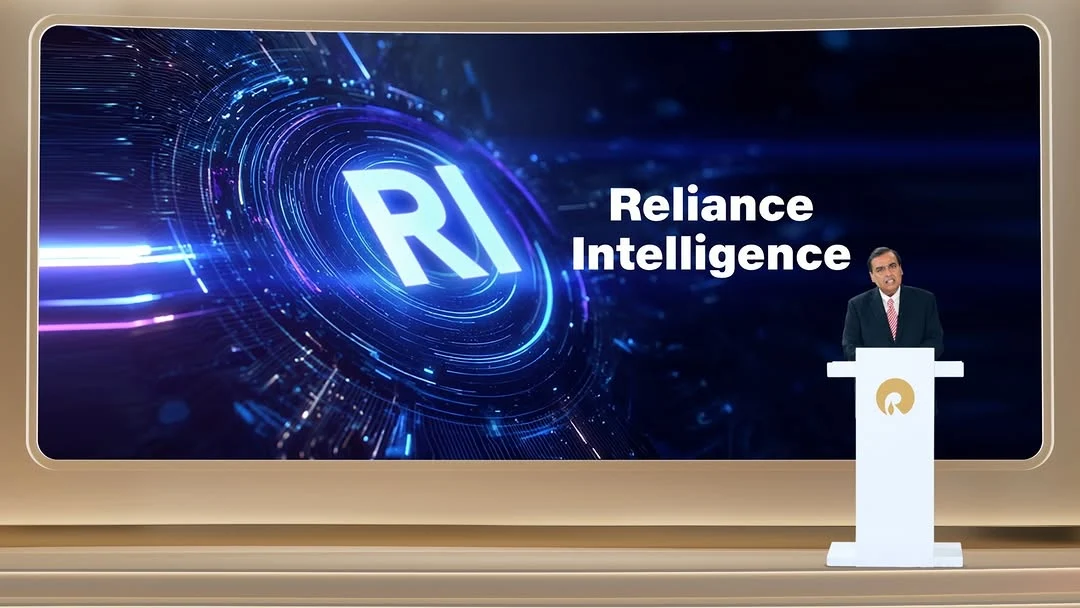
In a bold move that could redefine India’s position in the global AI race, Mukesh Ambani has unveiled Reliance Intelligence—a deep-tech subsidiary of Reliance Industries that promises to bring “AI to every Indian.” Announced during the company’s 48th Annual General Meeting in August 2025, this initiative is not just a corporate pivot—it’s a national ambition.

What Is Reliance Intelligence?

Reliance Intelligence is the conglomerate’s dedicated arm for artificial intelligence, designed to build sovereign, scalable, and socially impactful AI infrastructure and services. It’s positioned as the next transformative engine after Jio’s digital revolution and Reliance Retail’s consumer dominance.

The Four Strategic Pillars

Pillar Description Impact
AI Infrastructure at Scale Gigawatt-scale, AI-ready data centers in Jamnagar powered by green energy Enables national-scale model training and inference
Global Partnerships Collaborations with Google (Gemini) and Meta (Llama) Accelerates access to cutting-edge models and open-source innovation
AI for Bharat Affordable, trusted AI services across education, healthcare, agriculture, and MSMEs Democratizes AI access for 1.4 billion citizens
Talent Incubation A hub for researchers, engineers, and designers Fosters indigenous innovation and global competitiveness

Why It Matters

India’s AI ecosystem has long lacked sovereign infrastructure and scalable deployment. Reliance Intelligence fills this gap by:
  • Localizing AI innovation while leveraging global tech
  • Reducing dependency on foreign cloud and model providers
  • Creating jobs in deep-tech, data science, and ethical AI
  • Empowering sectors like rural healthcare, smart farming, and vernacular education

Strategic Collaborations

  • Google Cloud + Gemini Models: Integrated into Reliance’s digital stack for enterprise and consumer AI
  • Meta’s Llama Models: Powering open-source, customizable AI platforms for Indian developers and institutions
  • Jio + Retail Synergy: AI-driven personalization, logistics optimization, and customer engagement at scale

Vision for India: “AI Everywhere, For Everyone”

Mukesh Ambani’s vision is clear: just as Jio democratized data, Reliance Intelligence will democratize intelligence. The goal is not just to compete globally, but to lead responsibly, ensuring AI is inclusive, ethical, and tailored to India’s unique needs.
“We will make India not only AI-enabled but AI-rich,” Ambani declared, signaling a shift from consumption to creation.

What’s Next?

Expect rapid rollouts of:
  • AI-powered education platforms in regional languages
  • Healthcare diagnostics for underserved areas
  • Smart agriculture tools for climate-resilient farming
  • AI APIs and SDKs for Indian startups and developers

Final Thought

Reliance Intelligence isn’t just a tech venture—it’s a strategic bet on India’s future. With the scale of Reliance, the ambition of Ambani, and the backing of global AI leaders, this unit could become the nucleus of India’s AI renaissance.

Reliance and Meta Forge ~$97M AI Alliance to Accelerate India’s Enterprise Intelligence

Reliance and Meta Forge ~$97M AI Alliance to Accelerate India’s Enterprise Intelligence

In a bold move to reshape India’s AI landscape, Reliance Industries Ltd (RIL) has announced a ₹855 crore ( about $96.96 million USD) joint venture with Meta Platforms Inc., aimed at delivering scalable, enterprise-grade artificial intelligence solutions across sectors.

The announcement was made during the 48th Annual General Meeting of Reliance, where Chairman Mukesh Ambani unveiled a suite of AI initiatives designed to democratize intelligence for every Indian business.

Strategic Partnership: Meta’s Llama Meets Reliance’s Scale

The joint venture will leverage Meta’s open-source Llama models and combine them with Reliance’s deep domain expertise in telecom, retail, energy, and manufacturing.
  • Full-stack Platform-as-a-Service (PaaS) for Indian enterprises
  • Pre-configured AI tools for sales, customer engagement, IT operations, and finance
  • Sector-specific solutions for retail, telecom, energy, and manufacturing
“We will democratize AI for every Indian organization — from ambitious SMBs to corporates.”
Mukesh Ambani

“With Reliance’s reach and scale, we can bring AI to every corner of India.”
Mark Zuckerberg

Investment & Ownership

  • Total Investment: ₹855 crore (~$100 million)
  • Ownership Split:
    • Reliance: 70%
    • Meta: 30%
  • Independent operation with a mandate to build sovereign AI infrastructure

AI Infrastructure: Jamnagar Cloud Region

The JV complements Reliance’s newly announced Google Cloud region in Jamnagar:
  • Hosts Google’s AI hypercomputer
  • Runs entirely on Reliance’s green energy
  • Provides secure, scalable environments for generative AI development

National Impact

This partnership aligns with India’s broader AI ambitions, including the ₹10,370 crore IndiaAI Mission:
  • Empowers startups, SMBs, and corporates with affordable AI tools
  • Accelerates digital transformation across key industries
  • Supports India’s push for sovereign, ethical AI infrastructure

What’s Next
  • First suite of AI services expected by early 2026
  • Pilot programs underway in retail and telecom
  • Analysts see this as a pivotal moment in India’s tech evolution

TCS Launches AI Transformation Unit, Appoints Amit Kapur as Chief

TCS Launches AI Transformation Unit, Appoints Amit Kapur as Chief

Tata Consultancy Services has officially launched a new AI and Services Transformation Unit, signaling a deeper commitment to artificial intelligence across its global operations. According to a company memo seen by Reuters, Amit Kapur, a seasoned insider with over two decades at TCS, has been appointed to lead this newly formed unit.

Key Highlights:

  • Unit Purpose: To consolidate all existing AI capabilities and accelerate innovation in domain-specific AI solutions.
  • Leadership: Kapur previously headed TCS’s UK and Ireland business and will now serve as Chief AI and Services Transformation Officer, reporting to COO Aarthi Subramanian.
  • Strategic Timing: This comes just weeks after TCS announced plans to cut 12,000 jobs, reflecting a broader shift in India’s $283B outsourcing industry toward AI-led efficiencies.
  • Global Context: TCS is the first major Indian IT firm to create a dedicated AI business unit, following similar moves by global players like Accenture.

Why It Matters:

This isn’t just a structural change—it’s a strategic pivot. With client spending under pressure due to macroeconomic uncertainties, AI-led transformation is emerging as the key lever for growth. TCS aims to “reimagine” its investments in global Pace Ports to deliver real-world AI experiences.

AI Strategy Comparison: TCS vs Global IT Leaders (2025)


Company AI Strategy Focus Organizational Structure Notable Moves Strategic Edge
TCS Services transformation via domain-specific AI New AI & Services Transformation Unit led by Amit Kapur Consolidating AI capabilities across Pace Ports First Indian IT major with a dedicated AI business unit
Accenture Industry-specific GenAI solutions Embedded AI across all service lines $3B investment in AI, 40K+ AI-skilled workforce Deep vertical integration and client co-innovation hubs
Infosys Applied AI for enterprise efficiency Infosys Topaz platform Focus on AI-powered automation and analytics Strong in legacy modernization + AI
Wipro AI for digital operations and cloud Wipro ai360 ecosystem Acquired Rizing and Capco to boost AI-led consulting Hybrid cloud + AI integration
IBM AI governance and enterprise AI WatsonX platform + AI Ethics Board Focus on AI trust, transparency, and model lifecycle Pioneer in AI governance and enterprise compliance
Microsoft AI-first enterprise transformation Azure AI + Copilot across products $13B OpenAI partnership, Copilot embedded in Office, GitHub Massive scale, developer ecosystem, and enterprise reach
Amazon (AWS) AI infrastructure and services Bedrock + Titan models AI-as-a-service for startups and enterprises Dominates cloud-based AI deployment
Google (Alphabet) Foundational models and AI research DeepMind + Gemini models AI-first across Search, Cloud, and Workspace Leading in multimodal and frontier AI research

Key Takeaways:

  • TCS is playing catch-up in terms of scale but is ahead in formalizing AI leadership within Indian IT.
  • Global firms like Microsoft, Amazon, and Google are embedding AI across product ecosystems, not just services.
  • Infosys and Wipro are focusing on AI as an enabler for operational efficiency and consulting.
  • IBM and Accenture are doubling down on AI governance and industry-specific deployments, which could be a blueprint for TCS’s next phase.
J

From Watts to Words: Google Breaks Down Gemini’s Energy Per Query

From Watts to Words: Google Breaks Down Gemini’s Energy Per Query

Google recently published a detailed technical report revealing the environmental footprint of its Gemini AI apps—marking the first time a major tech company has shared per-query energy, water, and carbon data at this level of granularity.

Key Findings from Google’s Report

  • Energy Use per Prompt: A median Gemini text prompt consumes 0.24 watt-hours (Wh)—roughly the same as watching TV for less than 9 seconds.
  • Carbon Emissions: Each prompt emits 0.03 grams of CO₂ equivalent (gCO₂e).
  • Water Consumption: About 0.26 milliliters per prompt—equivalent to five drops of water.
  • Efficiency Gains: Over the past year, Gemini’s energy use per prompt dropped 33x, and its carbon footprint fell 44x, while output quality improved.

How Google Measured It

Google’s methodology goes beyond just counting active chip usage:
  • Includes idle machines, cooling systems, and power conversion overhead.
  • Tracks full system dynamic power across its data centers.
  • Uses Mixture-of-Experts architecture and custom TPUs (like Ironwood) to optimize compute efficiency.

Industry Reactions

While many praised the transparency, some experts raised concerns:
  • Critics argue Google may have omitted indirect water usage and relied on market-based carbon offsets, which could understate the true impact.
  • Others say the report sets a new benchmark for responsible AI disclosure, even if it’s not perfect.


Indian IT Giants Hold Their Ground Amid AI Disruption: What “Moats” Really Mean

Indian IT Giants Hold Their Ground Amid AI Disruption: What “Moats” Really Mean

Artificial Intelligence (AI) is changing the way businesses operate—from automating customer service to writing software code. But despite the buzz, India’s top IT services firms like TCS, Infosys, Wipro, and HCLTech are not just surviving—they’re evolving. Their secret? Something called a “moat.”

What Is a Business “Moat”?

Imagine a castle surrounded by a deep, wide trench filled with water—that’s a moat. In business, a moat is a company’s unique advantage that protects it from competitors. It could be anything: strong brand reputation, loyal customers, proprietary technology, or deep industry expertise.

The wider the moat, the harder it is for rivals to steal market share.

Indian IT Firms: Moats Still Intact

  • Infosys has been upgraded to a “wide moat” rating due to high returns and deep expertise in cloud and AI services. Clients find it hard to switch because of trust and complexity.
  • TCS holds a wide moat thanks to long-term client relationships and domain knowledge across industries like banking and healthcare.
  • Wipro holds a “narrow moat” and is expanding partnerships with cloud and cybersecurity firms to stay competitive.

AI Is a Threat—But Also a Tool

  • Contact centers are seeing up to 75% reduction in headcount due to AI chatbots.
  • Software development is becoming faster, with AI cutting manual coding by 25–30%.
  • Firms are shifting to outcome-based pricing, where clients pay based on results, not hours.

New Growth Areas: Services & Geographies

  • Expanding into new markets like Europe and India.
  • Offering AI-led services such as predictive analytics and smart automation.
  • Building ecosystems with cloud giants like Microsoft and AWS.

Challenges Ahead

  • Margins are under pressure due to slower deal-making and rising costs.
  • Companies are delaying salary hikes and cutting admin expenses.
  • Reskilling employees and hiring AI talent is now a priority.

Q1 Performance Snapshot

Company Revenue Growth Profit Growth Key Insight
TCS +1.3% +5.9% Demand slowdown due to global uncertainty
Infosys +7.5% +8.6% Strong AI-led solutions driving growth
Wipro +0.8% +9.8% BPO-heavy model facing AI disruption
HCLTech +8.1% N/A AI boosting efficiency but squeezing margins

Final Thought

AI is not the end of Indian IT—it’s the next chapter. These firms are using their moats to adapt, innovate, and grow. For everyday investors and tech enthusiasts, the message is clear: Indian IT is evolving, not eroding.

Surya: NASA and IBM Release Largest Open-Source Heliophysics AI Model on Hugging Face


IBM and NASA have unveiled a groundbreaking open-source AI model called Surya, designed to predict solar weather and protect critical infrastructure from space-based disruptions. The powerful AI model is trained on 14 years of observations from NASA’s Solar Dynamics Observatory (SDO).

Here's a breakdown of what makes this initiative so impactful:

What Is Surya?

  • Name Origin: “Surya” is Sanskrit for “Sun,” reflecting its heliophysics focus.
  • Purpose: Predict solar flares, coronal mass ejections, and other solar phenomena that can disrupt satellites, GPS, power grids, and telecommunications.
  • Availability: Open-source and hosted on Hugging Face.

Technical Highlights

  • Foundation Model: Trained on 14 years of high-resolution solar data from NASA’s Solar Dynamics Observatory (SDO).
  • Data Types: Includes solar coronal EUV images, magnetic field maps, and solar surface velocity data.
  • Model Size: 366 million parameters—lightweight enough for broader deployment.

Capabilities & Performance

  • Forecasting Power:
    • Predicts solar flares up to 2 hours in advance.
    • Achieved 16% improvement in flare classification accuracy over previous models.
  • Use Cases:
    • Early warnings for satellite operators.
    • Infrastructure protection for energy grids and aviation.
    • Academic research in heliophysics and space weather.

Why It Matters

  • Economic Risk: A major solar storm could cost the global economy up to $2.4 trillion over five years.
  • Recent Events: Solar storms have already disrupted GPS, diverted flights, and damaged satellites.
  • Future-Proofing: As humanity ventures deeper into space, accurate solar forecasting becomes essential for safety and continuity.

Open Science Impact

  • SuryaBench Dataset: IBM and NASA also released the largest curated heliophysics dataset to support further research.
  • Community Collaboration: Encourages scientists and developers to build on Surya for new applications in space weather prediction.

Summary Table

Feature Details
Model Name Surya
Developed By IBM & NASA
Training Data 14 years of solar observations from NASA's SDO
Parameter Count 366 million
Forecast Window Up to 2 hours before solar flare events
Accuracy Improvement 16% over prior models
Hosted On Hugging Face

Market Reports

Market Report & Surveys
IndianWeb2.com © all rights reserved