Showing posts with label Banking. Show all posts

Bank of India Announces 4 Major Launches, Strengthening Its Innovation Edge

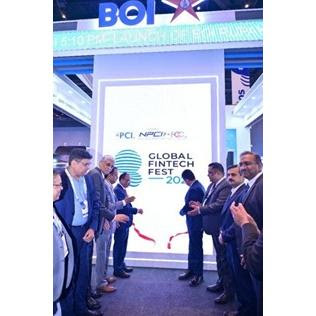
Bank of India, one of India’s leading public sector banks reinforced its commitment to digital innovation and customer-centric solutions with the launch of four breakthrough products and initiatives aimed at enhancing security, convenience, and inclusivity in banking. The launches were unveiled during the Global Fintech Fest (GFF) 2025, where the Bank made a strong impression with its engaging and interactive booth.

The Bank’s booth was inaugurated by Dr. Arjun Deore, IFS, Regional Passport Officer & Head, MEA Branch, Mumbai, in the presence of Shri Rajneesh Karnatak, MD & CEO, and senior leadership of the Bank. Dr. Deore commended the Bank’s leadership in driving digital innovation and introducing cutting-edge solutions relevant to today’s evolving financial landscape.
Bank of India Announces 4 Major Launches, Strengthening Its Innovation Edge


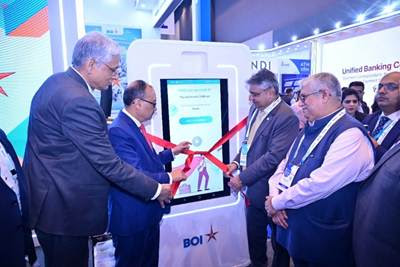
Among the key launches was a Proof-of-Concept (PoC) solution designed to prevent fraudsters from registering on mobile banking applications through social engineering or fraudulent calls. The PoC was inaugurated by Shri Atul Kumar Goel, CE, IBA, who described the initiative as a potential game changer for the banking sector, addressing one of its most critical cybersecurity challenges.

The Bank also introduced NPCI’s biometric-based UPI transactions for small-value payments via mobile phones. This solution simplifies the user journey by mitigating UPI PIN fatigue and reducing transaction time by up to 20%, thereby improving the overall payment experience.
Bank of India Announces 4 Major Launches, Strengthening Its Innovation Edge

Further, the Bank unveiled two new premium credit card offerings in partnership with RuPay—
  • Celestia, a premium credit card designed for high-value customers, offering benefits worth up to ₹1.5 lakh.
  • Lakshmi Credit Card, a special card curated exclusively for women customers, offering a differentiated and empowering experience.
In line with its focus on financial inclusion, Bank of India also signed an MoU with PayNearby Technologies to avail business correspondent services under the Digital Naari Initiative. The MoU was exchanged in the presence of Shri Atul Kumar Goel, Shri Rajneesh Karnatak, Shri Subrat Kumar, Shri Rajeev Mishra, Shri Ashok Pathak, and Mr. Anand Bajaj. This partnership aims to empower hardworking women across rural and urban India, supporting the Government of India’s vision of inclusive and accessible banking.

NUCFDC–CSC Alliance to Launch Phased Digital Infrastructure for Urban Cooperative Banks

NUCFDC–CSC Alliance to Launch Phased Digital Infrastructure for Urban Cooperative Banks

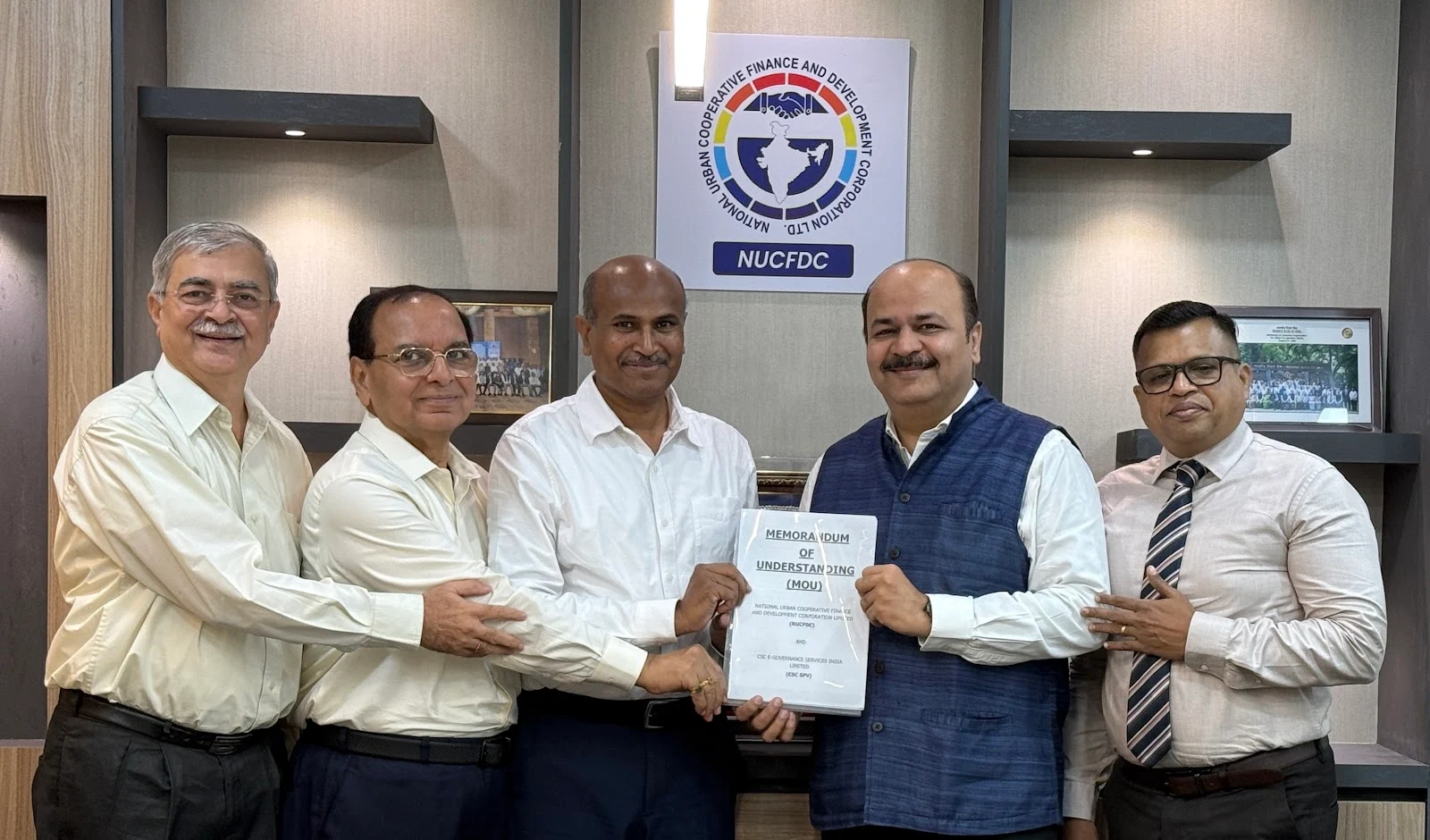
The National Urban Cooperative Finance and Development Corporation Ltd (NUCFDC), the Umbrella Organisation for India’s Urban Cooperative Banks (UCBs), has signed a Memorandum of Understanding with CSC e-Governance Services India Ltd. (CSC SPV) to fast-track the sector’s digital transformation.

The partnership aims to equip UCBs with secure and compliant digital infrastructure. The rollout will be undertaken in phases, beginning with Aadhaar-based eKYC, eSign, digital signature certificates, DigiLocker integration, e-stamp services, cloud hosting, data centre management, and cybersecurity solutions. Subsequent phases will introduce internet and mobile banking, kiosk-based services, and digital communication platforms.

NUCFDC will facilitate adoption across its member UCBs, while CSC SPV will provide platforms, APIs, and operational support. A joint governance team will oversee implementation and capacity building. The agreement also covers training, compliance support, grievance redressal, and data protection measures, with an emphasis on aligning with applicable regulatory norms to strengthen institutional processes within the UCBs.

The MoU was formally signed in Mumbai in the presence of Shri Prabhat Chaturvedi, CEO, NUCFDC, and Shri Bhagwan Patil, Group President, CSC SPV.

Commenting on the partnership, Shri Prabhat Chaturvedi, CEO, NUCFDC, said, “The Urban Cooperative Banking sector needs to leapfrog into the digital era along with its legacy grassroots character. This partnership equips UCBs with future-ready digital infrastructure, enabling them to serve millions with greater efficiency, transparency, and compliance. At a time when financial inclusion and trust are central to sectoral growth, this collaboration places UCBs firmly on the path of modernisation and resilience.”

Shri Bhagwan Patil, Group President, CSC SPV, said, “CSC SPV’s digital backbone, coupled with NUCFDC’s institutional mandate, creates a powerful Technology platform for transformation of Urban Cooperative Banks (UCBs). Together, we will deliver scalable solutions that strengthen the Cooperative Bank sector and also ensure last-mile citizens experience banking services with the same convenience. This is about reimagining urban cooperative banking for a digital India.”

About The National Urban Cooperative Finance and Development Corporation (NUCFDC)

The National Urban Cooperative Finance and Development Corporation Ltd. (NUCFDC) serves as the umbrella organization for India’s Urban Cooperative Banking (UCB) sector. Constituted with the support of the Ministry of Cooperation and in consultation with the Reserve Bank of India, NUCFDC has been mandated to explore avenues for capital mobilisation and enhance the professionalisation of the sector. It also aims to strengthen public confidence in UCBs by fostering a unified, resilient, and transparent banking framework.

About The CSC e-Governance Services India Ltd. (CSC SPV)

CSC SPV is a Special Purpose Vehicle incorporated as a Company under Companies Act to implement CSC Scheme and monitor Common Service Centers (CSC) incorporated under CSC Scheme and enables a range of services to be delivered through CSCs like Government to Citizen (G2C), Business to Customers (B2C), Business to Business (B2B). Education, Skills and other services to rural citizens. Also, it provides services for e-sign, e-KYC, Digilocker, Data Centre and other services.

HSBC’s Quantum Breakthrough Could Reshape Wall Street

HSBC’s Quantum Breakthrough Could Reshape Wall Street

In a landmark moment for financial technology, HSBC has unveiled results from a quantum computing trial that could redefine how Wall Street approaches bond trading. The bank’s experiment, conducted in partnership with IBM, demonstrated a 34% improvement in predicting bond trade execution—an edge that could translate into billions in competitive advantage.

Quantum Meets Wall Street

Using IBM’s Heron quantum processor, HSBC ran simulations on anonymized, production-scale European corporate bond data. Unlike previous quantum trials that relied on synthetic datasets or theoretical models, HSBC’s test was grounded in real-world trading conditions. The result: quantum algorithms outperformed classical methods in forecasting whether a bond would trade at its quoted price.


HSBC’s Quantum Breakthrough Could Reshape Wall Street

This is our Sputnik moment, said Philip Intallura, HSBC’s global head of quantum technologies. It’s the first time quantum computing has shown tangible value in live financial markets.

Why It Matters

Bond trading, especially in less liquid markets, hinges on predicting execution probability. A 34% boost in accuracy means traders can quote more confidently, manage risk better, and potentially unlock new revenue streams. For Wall Street firms competing on milliseconds and margins, quantum’s predictive power could be transformative.

The Quantum Arms Race

HSBC’s Quantum Breakthrough Could Reshape Wall Street

HSBC’s breakthrough adds fuel to a growing quantum race among global banks. JPMorgan Chase, Goldman Sachs, and Citigroup have all invested in quantum research, but HSBC’s use of real trading data sets a new benchmark. The trial also signals a shift from theoretical promise to practical deployment.

According to McKinsey, quantum computing could generate $72 billion in annual revenue by 2035, up from $4 billion last year. Financial services are expected to be among the earliest beneficiaries, especially in areas like portfolio optimization, risk modeling, and fraud detection.

What’s Next

While quantum computers remain in their infancy, HSBC’s trial proves that even today’s noisy intermediate-scale quantum (NISQ) devices can deliver meaningful results. As hardware improves and algorithms mature, quantum could become a core pillar of financial infrastructure.

For now, HSBC’s experiment is a wake-up call: the quantum future isn’t decades away—it’s already reshaping the foundations of Wall Street.

SBI Divests 13.18% Stake in Yes Bank to Japan’s SMBC in Landmark Cross-Border Deal

State Bank of India (SBI), the country’s largest lender, today, announced the successful completion of the divestment of a 13.18% (approx.) stake in Yes Bank Limited (YBL) to Sumitomo Mitsui Banking Corporation (SMBC). SMBC is a Japanese multinational financial services company belonging to the Sumitomo Mitsui Financial Group (SMFG) and is amongst the leading foreign banks in India. SMFG is the second largest Banking Group in Japan with Total Assets of US$ 2.0 trillion (approx.).

SBI Divests 13.18% Stake in Yes Bank to Japan’s SMBC in Landmark Cross-Border Deal
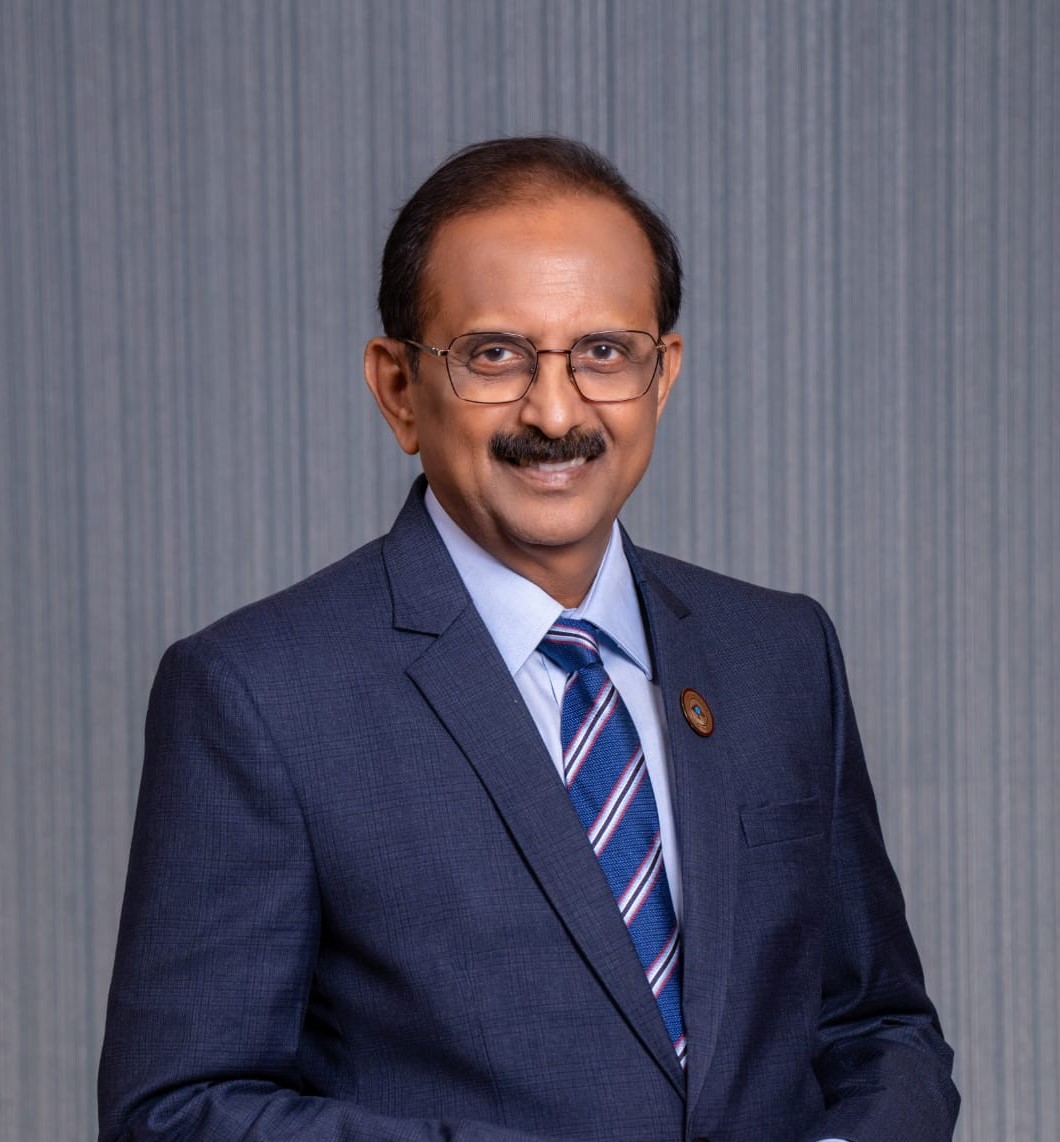
Mr. C. S. Setty, Chairman, IBA & SBI

SBI became the largest shareholder of YBL in March 2020 under the Yes Bank Limited Reconstruction Scheme, 2020, as notified by the Central Government. Subsequently, SBI had also acquired additional shares as part of follow-on public offer by YBL in July 2020. Post the aforesaid divestment, SBI will continue to remain a shareholder in YBL with a shareholding of 10.8% (approx.) of YBL shares (Residual shareholding).

The partial stake sale by SBI and other shareholder Banks in YBL to SMBC represents the largest cross-border investment in the Indian banking sector. The transaction has received the necessary regulatory and statutory approvals including from the Reserve Bank of India and the Competition Commission of India.

SBI Chairman, Shri Challa Sreenivasulu Setty said, “Yes Bank restructuring plan by RBI in 2020 was an innovative, first of its kind public sector – private sector partnership that was fully supported and facilitated by Government of India. We are incredibly proud of the journey we have shared with Yes Bank in supporting their transformation since we came onboard as the major shareholder in 2020. This is perhaps the best example of protecting the customer interests of a large bank by collaborative efforts of SBI and other banks under the guidance of Government of India and RBI. We are excited to welcome SMBC, a marquee financial institution, as a strategic partner through the largest cross-border transaction in India’s banking sector. Their global expertise will be a great complement to Yes Bank’s ongoing progress and future ambitions”.

SBI and the other selling Shareholder Banks were advised by SBI Capital Markets Limited as their financial advisor and S&R Associates as their legal advisor.

Bank of Baroda Empowers Small Businesses with bob Digi Udyam—Fast, Collateral-Free Loans up to ₹50 Lakh

Bank of Baroda Empowers Small Businesses with bob Digi Udyam—Fast, Collateral-Free Loans up to ₹50 Lakh

Bank of Baroda (Bank), one of India’s leading public sector banks, announced the launch of bob Digi Udyam – a digital, collateral-free lending platform offering Micro and Small Enterprises (MSEs) quick access to working capital loans above ₹10 lakh to ₹50 lakh. The initiative, aligned with the Union Budget 2024–25 announcement that public sector banks would develop in-house capabilities for MSME credit assessment, leverages the digital footprint of MSEs to enable faster credit assessment and reduce reliance on external assessment. This marks a major step in strengthening credit accessibility for India’s small businesses. The scheme is open to both existing and new customers of the Bank.

The bob Digi Udyam platform leverages a wide range of digital data points to comprehensively assess credit applications. It generates an automated, risk-based scorecard that enables seamless credit assessment, significantly reducing the turnaround time for loan processing. A provisional sanction is provided within minutes, after which the application is automatically routed to branches through TEJAS, the Bank’s Loan Origination & Processing System for the MSME segment, for final sanction and post-sanction formalities.

Eligible entities can apply for loans under bob Digi Udyam through both Do-it-Yourself (DIY) and Assisted mode at branches. The platform conducts digital eligibility checks, risk assessment, and credit limit calculations, ensuring a seamless and transparent lending process.

Speaking on the launch, Shri Lal Singh, Executive Director, Bank of Baroda, said, “MSEs are key drivers of India’s economy, yet timely credit remains a challenge. With bob Digi Udyam, we bring a digital, cash flow-based lending model that delivers quick, collateral-free working capital finance. bob Digi Udyam is a step towards making MSE credit truly accessible, with plans to expand the offering to cover a wider range of credit needs and higher ticket sizes.

bob Digi Udyam – At a Glance

  • Purpose: Digital, cash flow-based working capital finance for MSEs
  • Facilities: Cash Credit & Overdraft facilities
  • Loan Size: Above ₹10 lakh to ₹50 lakh
  • Tenure: 12 months
  • Collateral: Nil – covered under CGTMSE
bob Digi Udyam aligns with the Government of India and Reserve Bank of India’s vision for digital transformation in MSE lending, broadening access to bank credit and empowering India’s MSE businesses to grow sustainably. Bank of Baroda is aligned with the Government’s vision of Viksit Bharat@2047.

Applicants can apply for bob Digi Udyam, by clicking on https://mllps.bankofbaroda.co.in/BOBSTPCustomerPortal/

About Bank of Baroda

Founded on 20th July, 1908 by Sir Maharaja Sayajirao Gaekwad III, Bank of Baroda is one of the leading commercial banks in India. At 63.97% stake, it is majorly owned by the Government of India. The Bank serves its global customer base of over ~180 million through around 65,000 touch points spread across 17 countries in five continents and through its various digital banking platforms, which provide all banking products and services in a seamless and hassle-free manner. The Bank’s vision matches the aspirations of its diverse clientele base and seeks to instil a sense of trust and security in all their dealings with the Bank.

Visit us at www.bankofbaroda.in

HCLTech and Thought Machine Forge Global Alliance to Accelerate AI-Powered Banking Transformation

HCLTech and Thought Machine Forge Global Alliance to Accelerate AI-Powered Banking Transformation

HCLTech, a leading global technology company, today announced a global partnership with Thought Machine, a pioneer in cloud native banking technology, to accelerate the modernization of banks worldwide. The partnership aims to enable banks to rapidly transition from legacy systems and frameworks to intelligent, autonomous financial institutions powered by AI and cloud technologies.

Thought Machine’s Vault platform — next-generation core banking and payments technology — will be at the core of this transformation. By replacing outdated infrastructure with Vault’s cloud native architecture, banks can automate key operations, enhance efficiency and deliver personalized customer experiences. HCLTech will bring its deep expertise in banking technology, regulatory compliance and complex integrations to support rapid innovation and faster product launches.

As part of the partnership, HCLTech will offer full-stack transformation services through Vault-certified delivery teams, global fintech Centers of Excellence (CoEs) and a robust DevSecOps foundation. The company will also establish a dedicated global CoE for Vault Core and Vault Payments, focused on delivering modular, real-time and scalable solutions for the financial services sector. The joint offering will enable banks, whether established institutions or new challengers, to build agile, resilient and future-ready ecosystems rooted in AI-led strategies.

Our global partnership with HCLTech marks a significant step in helping banks break free from legacy constraints and adopt truly digital-first models,” said Randy McFarlane, Global Head of Partnerships at Thought Machine. Together, we will deliver intelligent, self-optimizing systems that evolve with customer needs.”

This collaboration reflects our vision to lead the future of autonomous banking through cloud, data and AI,” said Sudip Lahiri, Executive Vice President and Head—Europe and UKI, Financial Services, HCLTech. “By joining forces with Thought Machine, we will help banks unlock exponential value, reduce operational friction and accelerate time to market.”

About Thought Machine

Thought Machine has developed the foundations of modern banking with its cloud-native core banking and payments technology. Its cloud-native core banking platform, Vault Core, is trusted by leading banks and financial institutions worldwide, including Intesa Sanpaolo, ING Bank ÅšlÄ…ski, Lloyds Banking Group, Standard Chartered, SEB, Lunar, Atom bank, Curve, and more.

Vault Payments is a cloud-native payments processing platform – comprising a Universal Payment Engine to support all card and account-to-account payment types.

Vault Core and Vault Payments have been written from scratch as an entirely cloud-native system, giving banks full control to build any product required to flourish in a rapidly changing world.

Thought Machine is a global team spread across offices in London, New York, Singapore, and Sydney and has raised more than $500m in funding.

For more information, visit thoughtmachine.net

Global Banks Invest $100 Bn in Blockchain & Digital Asset Infrastructure Since 2020

Global Banks Invest $100 Bn in Blockchain & Digital Asset Infrastructure Since 2020
A joint study by Ripple, CB Insights, and the UK Centre for Blockchain Technologies titled Banking on Digital Assets reveals:
  • Over $100 billion invested by traditional banks in blockchain infrastructure (2020–2024).
  • 345 blockchain deals, including 33 mega-rounds over $100 million.
  • Top investors: Citigroup, Goldman Sachs (18 deals each), JPMorgan Chase, Mitsubishi UFJ (15 deals each), SBI Group.

What Are Banks Investing In?

Focus Area Details
Payment Infrastructure Largest share of investments; modernizing cross-border payments
Digital Asset Custody 65% of banks exploring custody services
Tokenization of Real-World Assets Stablecoins and tokenized bonds are top priorities
Settlement & Issuance Rails 25% of deals focused on blockchain-based settlement systems
  • Examples: HSBC’s tokenized gold platform, Goldman Sachs’ GS DAP, SBI’s quantum-resistant currency.

Strategic Shift & Global Momentum

  • 90% of finance leaders expect blockchain to have a “significant or massive” impact by 2028.
  • Banks are pivoting from speculation to infrastructure to modernize legacy systems.
  • Emerging markets like India, UAE, and Singapore are driving adoption.

What’s Next?

  • Two-thirds of banks plan to launch digital asset initiatives within 3 years.
  • Upcoming focus areas:
    • Tokenized bonds
    • CBDC settlement layers
    • Private stablecoin networks

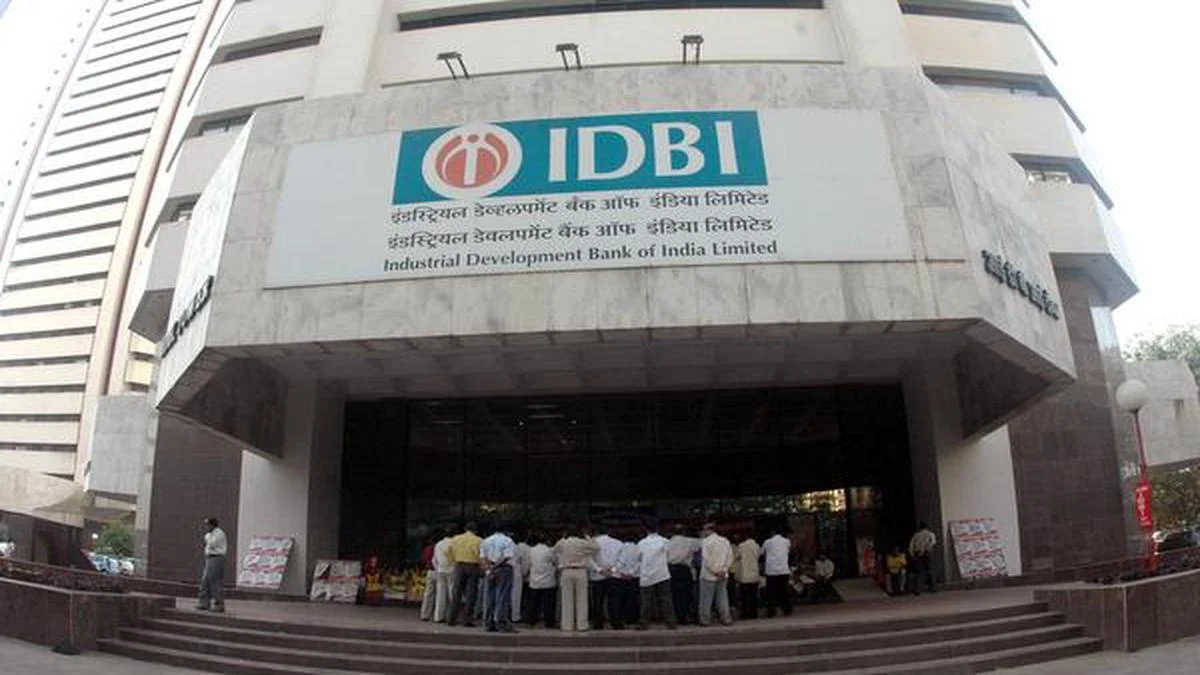
India to Invite Financial Bids for IDBI Bank Stake Sale in Q3 FY26

India to Invite Financial Bids for IDBI Bank Stake Sale in Q3 FY26

India is set to invite financial bids for the strategic stake sale of IDBI Bank during the October–December quarter of FY26, according to DIPAM Secretary Arunish Chawla.

Key Highlights:

  • Stake on offer: 60.72% jointly held by the Government of India (45.48%) and LIC (49.24%).
  • Due diligence completed: All data room protocols and consultations with qualified bidders are finalized.
Expected timeline:
  • Financial bids: Q3 FY26 (Oct–Dec 2025)
  • Winning bidder announcement: By March 2026.
  • Potential buyers: Include Fairfax India Holdings, Emirates NBD, and Kotak Mahindra Bank.
  • Estimated proceeds: Around ₹50,000 crore for the government and LIC.
This sale marks a major step in India’s broader privatization agenda, especially for public sector banks.

Banking Fraud and Regulatory Action: Lessons from HDFC’s Controversies

Banking Fraud and Regulatory Action: Lessons from HDFC’s Controversies

Banking fraud is an unfortunate reality in the financial sector, and even India’s leading private-panel institutions like the HDFC group have had to confront serious allegations. From multi-crore fund misappropriation claims to internal fraud by bank employees—and even regulatory actions that halted new digital initiatives—the HDFC saga provides important insights into the challenges of maintaining robust financial integrity.

Major Cases of Fraud and Misconduct within HDFC Bank

1. Lilavati Trust Fund Misappropriation Allegations

The controversy began when the Lilavati Kirtilal Mehta Medical Trust, which manages Mumbai’s Lilavati Hospital, leveled several allegations against HDFC Bank’s top executive, CEO Sashidhar Jagdishan. The Trust claimed that:
  • ₹2.05 crore was paid in bribes to influence internal decision-making in favor of a rival faction.
  •  ₹25 crore was transferred into an HDFC Bank account without proper authorization.
  • An additional ₹1.5 crore was falsely recorded as a Corporate Social Responsibility (CSR) donation.
  • HDFC Bank adamantly denied these assertions, describing them as attempts to derail the bank’s ongoing legal endeavors to recover a long-outstanding loan of ₹65.22 crore from Splendour Gems Ltd—a firm with historical ties to the Mehta family.

2. Fraud by a Relationship Manager Involving a ₹3 Crore Transfer

In another striking case, customer Meenakshi Kapuria alleged that her trusted relationship manager, Payal Kothari, defrauded her by transferring ₹3 crore from her fixed deposits into fraudulent accounts. Key details of the case include:
  • Kothari convincing Kapuria to sign blank cheques under the guise of investing in lucrative schemes, such as mutual funds and gold bonds.
  • The unauthorized breaking of fixed deposits and subsequent rerouting of funds into accounts set up for fraudulent purposes.
  • A deliberate change in Kapuria’s registered contact details to delay any alerts regarding these transfers.
The Bombay High Court took note of the mismanagement, condemning the slow response from local police. HDFC Bank later reimbursed almost the entire disputed amount (₹2.9 crore) and confirmed that enhanced internal controls were being implemented to prevent such occurrences in the future.

3. Regulatory Action: RBI’s Temporary Ban on New Credit Card Issuances

In a significant regulatory move, the Reserve Bank of India (RBI) in December 2020 temporarily barred HDFC Bank from issuing new credit cards and launching additional digital initiatives. This action came as a result of repeated outages in HDFC’s online and mobile banking services:
  • Multiple disruptions over a two-year span highlighted vulnerabilities in the bank’s IT infrastructure.
  • A major outage on November 21, 2020—stemming from a power failure at the primary data center—triggered concerns about service resilience.
  • The RBI mandated that HDFC Bank address accountability measures and upgrade its IT systems before the resumption of new credit offerings.
Following substantial corrective measures, the ban was lifted in 2022, enabling the bank to resume its credit card business.

Other Alleged Frauds and Irregularities within the HDFC Group

Beyond these headline-grabbing cases, various other statements and reports have raised concerns about internal practices within the broader HDFC group. While many of these incidents have not attracted the same level of public or regulatory scrutiny as the cases above, they nonetheless highlight systemic challenges:
  • Internal Process Irregularities: Aside from the high-profile misappropriation cases, there have been reports of isolated incidents where internal controls within certain HDFC group operations—ranging from the bank’s retail and corporate divisions to its mutual fund and brokerage entities—appeared to falter temporarily. These isolated irregularities have occasionally involved unauthorized or unexplained fund movements, prompting additional internal audits and adjustments to compliance protocols.
  • Employee Misconduct: There have been instances, similar in nature to the relationship manager fraud, where smaller-scale misconduct by bank employees came to light. Such cases, although less publicized, reinforce the need for continuous staff training and vigilant monitoring of employee activities.
  • Operational and IT Vulnerabilities: Beyond fraud allegations, recurring operational lapses (such as the outages leading to the RBI intervention) have raised questions about the integrity of digital transactions and the robustness of security measures. This has spurred the HDFC group to continuously invest in upgrading its IT infrastructure and fraud detection systems.
While many of these allegations have been quickly addressed through internal reforms and increased regulatory oversight, they serve as important reminders that even well-established financial institutions must remain proactive in combating fraud and maintaining customer trust.

How Banks Combat Fraud and Secure Their Operations

The HDFC group’s experience—with both high-profile controversies and more minor irregularities—underscores the need for robust anti-fraud measures throughout the banking sector. Key initiatives include:

1. Advanced Fraud Detection Technologies

Banks today leverage artificial intelligence and machine-learning algorithms to monitor transactions in real time, spotting anomalies quickly and reducing the window for potential fraud.

2. Multi-Factor Authentication (MFA) and Enhanced Cybersecurity

Institutions enforce stringent security protocols, including passwords, one-time passwords (OTPs), and biometric verification, to protect customer data and ensure that only authorized transactions occur.

3. Rigorous Internal Audits and Regulatory Oversight

Regular internal audits and compliance checks—alongside vigilant oversight by bodies like the RBI and SEBI—are critical in identifying and rectifying lapses before they evolve into larger issues.

4. Customer Education and Awareness

Banks routinely engage with their customers, advising them on best practices such as regularly checking account activity, updating contact details, and being cautious of unsolicited requests for sensitive information.

Conclusion

The HDFC group’s multiple challenges—from the dramatic allegations involving its top executive and relationship managers to broader internal irregularities—serve as lessons for the entire banking industry. They spotlight the importance of robust internal controls, advanced security technologies, and proactive regulatory oversight. For customers and stakeholders, the message is clear: while banks are improving their systems continuously, awareness and vigilance remain key in safeguarding one’s financial interests.

Would you like more details on other regulatory actions across the banking sector or insights into how emerging technologies are reshaping fraud prevention?

How to Open a Demat Account in India: A Step-by-Step Guide

How to Open a Demat Account in India: A Step-by-Step Guide

Investing in the stock market requires a safe place to store your dematerialised shares and securities. This is where a Demat account becomes necessary. When you open a Demat account, you create electronic storage for your financial holdings, making trading easier and more secure.

What is a Demat Account?

A Demat (or dematerialised) account lets you keep a variety of holdings including shares, bonds, government securities, mutual funds and ETFs in an electronic, paperless manner. Your investments are easier to manage and more safe in the digital format.

How a Demat Account Works

A Demat account is opened through a Depository Participant (DP), which connects you to depositories like NSDL or CDSL. Your Demat account is linked to your bank account for fund transfers when you buy or sell securities.

When buying shares, they get credited to your account after settling the trade. Similarly, when selling shares, they are debited from your account, creating a seamless electronic transfer system.

Step-by-Step Process to Open a Demat Account

Step 1: Choose a Depository Participant

Select a reliable DP based on its reputation, service quality and charges. Your bank, stockbroker, or financial institution may offer this service.

Step 2: Fill Out the Application Form

Visit the DP's website and complete the opening form with your personal details like name, contact information and address.

Step 3: Provide Bank Details

Enter your bank account information to receive dividends and other investment payouts. This ensures your earnings are deposited directly into your account.

Step 4: Submit Required Documents

Upload scanned copies of all mentioned documents to verify your identity and address. These are required to complete your account verification process.

Step 5: Complete KYC Verification

Undergo the Know Your Customer process, which may include in-person verification through video or by showing original documents.

Step 6: Sign the Agreement

Review and sign the DP-client agreement that outlines the terms, conditions and obligations of maintaining a Demat account.

Step 7: E-Sign Authentication

Most DPs allow digital signatures using your Aadhaar-linked mobile number for a paperless process.

Step 8: Account Activation

Once your account has been verified, it will be activated, and you will be sent your unique Demat account number and login information.

Documents Required to Open a Demat Account

  1. PAN Card
  2. Address proof (Aadhaar card, passport, driving license, or recent utility bill)
  3. Identity proof (Aadhaar card)
  4. Passport-size photographs (only for offline Demat account opening)
  5. Bank statement or passbook copy
  6. Cancelled cheque
  7. Income proof (for currency/derivative trading)

Important Considerations Before You Open a Demat Account

  • Brokerage and fees: Compare transaction charges, annual maintenance fees and other costs between different brokers before choosing.
  • Trading platform: Look for easy-to-use interfaces with reliable performance and helpful trading tools.
  • Security measures: Ensure your broker offers two-factor authentication and other protection for your investments.
  • Customer service: Check the broker’s support hours, communication channels (phone, email or live chat) and response times for assistance.
  • Broker's reputation: Research existing customer reviews and the broker’s market reputation. Choose established brokers with positive customer feedback.

Conclusion

These days, opening a Demat account is easy and mostly digital. It only takes 15 to 20 minutes. By following the steps outlined above, you can safely open a Demat account and begin your investment journey in the stock market. For the best experience, choose a trustworthy DP with affordable fees and excellent service.

How to Manage Your Current Account Effectively?

How to Manage Your Current Account Effectively?

Managing your Current Account effectively is the foundation of a healthy financial life. Your Current Account is more than just a place to store your money, it is a tool that can help you achieve your financial goals and build a stronger financial future.

In this article, we will share some practical tips on how to take control of your Current Account, make the most of your money and start building a brighter financial future.

Expert tips for effective management of your Current Account

Monitor your account balance regularly

Keeping track of your money can be a challenge. But this simple habit can make all the difference. By doing so, you will be able to see exactly how much money is coming in and going out, spot any suspicious transactions and avoid unnecessary overdraft fees.

So, it is suggested that you check your Current Account balance at least once a week.

Set up account alerts

Another great way to stay on top of your finances is setting up Current Account alerts. This helps you get instant notifications when your account has a low balance, a big transaction or an upcoming payment.

By receiving timely alerts, you will be able to take immediate action to manage your Current Account effectively.

For example, if you are notified about an upcoming payment, you can make sure you have enough balance in the bank to cover it and avoid any late fees or penalties.

Use online and mobile banking

With online and mobile banking, you can check your Current Account balance, pay bills and transfer funds from anywhere and at any time. But it is not just about convenience, it is also about making informed decisions about your money.

By monitoring your Current Account activity in real time, you can catch potential issues before they become major problems, avoid overdrafts and late fees and even identify areas where you can cut back and save. This will help you streamline your financial life and make the most of your money.

Keep your Current Account information up-to-date

It is one of those often-overlooked tasks that can have a significant impact on your financial well-being.

By ensuring that your address, phone number, and email address are updated and accurate, you will be able to receive timely notifications from your bank about important Current Account activity, such as suspicious transactions and overdrafts.

This not only enables you to respond quickly to potential issues but also stops them from escalating into full-blown financial crises. Moreover, it also prevents identity theft and other forms of financial fraud, giving you an added layer of security and peace of mind.

Avoid unnecessary overdrafts

Managing overdrafts can be tricky, especially if you have automatic payments or direct debits set up. Plus the fees and charges that come with overdrafts can quickly add up and even damage your credit score.

To avoid this, monitor your Current Account balance closely, particularly around payday or when you have large bills to pay. You can also set up overdraft protection, which transfers funds from a linked account or Credit Card to cover any shortfalls.

By adopting a proactive and informed approach to managing your finances, you can maintain a healthier, more stable financial foundation.

Key takeaways

Managing your Current Account effectively is vital to have a profound impact on your and your business’ financial well-being.

By following these simple yet effective tips, you can confidently navigate the complexities of modern banking, avoid costly pitfalls and make smart decisions that align with your business goals.

Axis Bank and JPMorgan Partner to Enhance Blockchain-based Payments

Axis Bank and JPMorgan Partner to Enhance Blockchain-based Payments

JPMorgan and Axis Bank have partnered to enhance blockchain-based payments, introducing 24/7 programmable USD clearing for commercial clients. This collaboration  aims to streamline cross-border transactions, offering real-time payment execution and improved liquidity management.

A 24/7 programmable USD clearing is a blockchain-based payment system that allows businesses to settle USD transactions in real time, anytime, without being restricted by traditional banking hours. This system is powered by Kinexys, JPMorgan's blockchain platform, and has been adopted by Axis Bank, making it the first Indian bank to offer this capability.

Traditional payments often involve multiple intermediaries, leading to delays. Blockchain enables real-time settlements, significantly reducing processing times from days to minutes.

The Axis–JPMorgan partnership leverages Kinexys, JPMorgan's blockchain platform, to streamline cross-border transactions, offering real-time payment execution and improved liquidity management. Axis Bank is the first Indian bank to adopt this infrastructure, operating out of GIFT City, India's international financial hub.

The Kinexys platform has already processed over $1.5 trillion in transaction volume, with a daily average exceeding $2 billion, reflecting a 10x year-over-year growth in payment transactions.

This move aligns with India's broader push for financial innovation, integrating blockchain into mainstream banking. This could be a game-changer for businesses seeking faster, more transparent payments.

To recall, in early of last month Axis Bank become the first Indian bank to execute an aircraft financing transaction through its International Banking Unit (IBU) at GIFT City IFSC. The landmark deal was completed for AI Fleet Services Ltd (AIFS), the leasing arm and wholly owned subsidiary of Air India (a Tata Group Company).

In January 2022, Axis Bank executed India’s first domestic trade transaction on the Secured Logistics Document Exchange (SLDE), a Government of India-backed blockchain platform. This initiative enhances transparency, speed, and auditability in trade finance.

Notably, Axis Bank is part of a 15-bank consortium exploring blockchain solutions for trade finance, aiming to reduce fraud and improve transaction efficiency.

Tamilnad Merchantile Opens 6 New Branches Across India

Tamilnad Merchantile Bank Opens 6 New Branches Across India

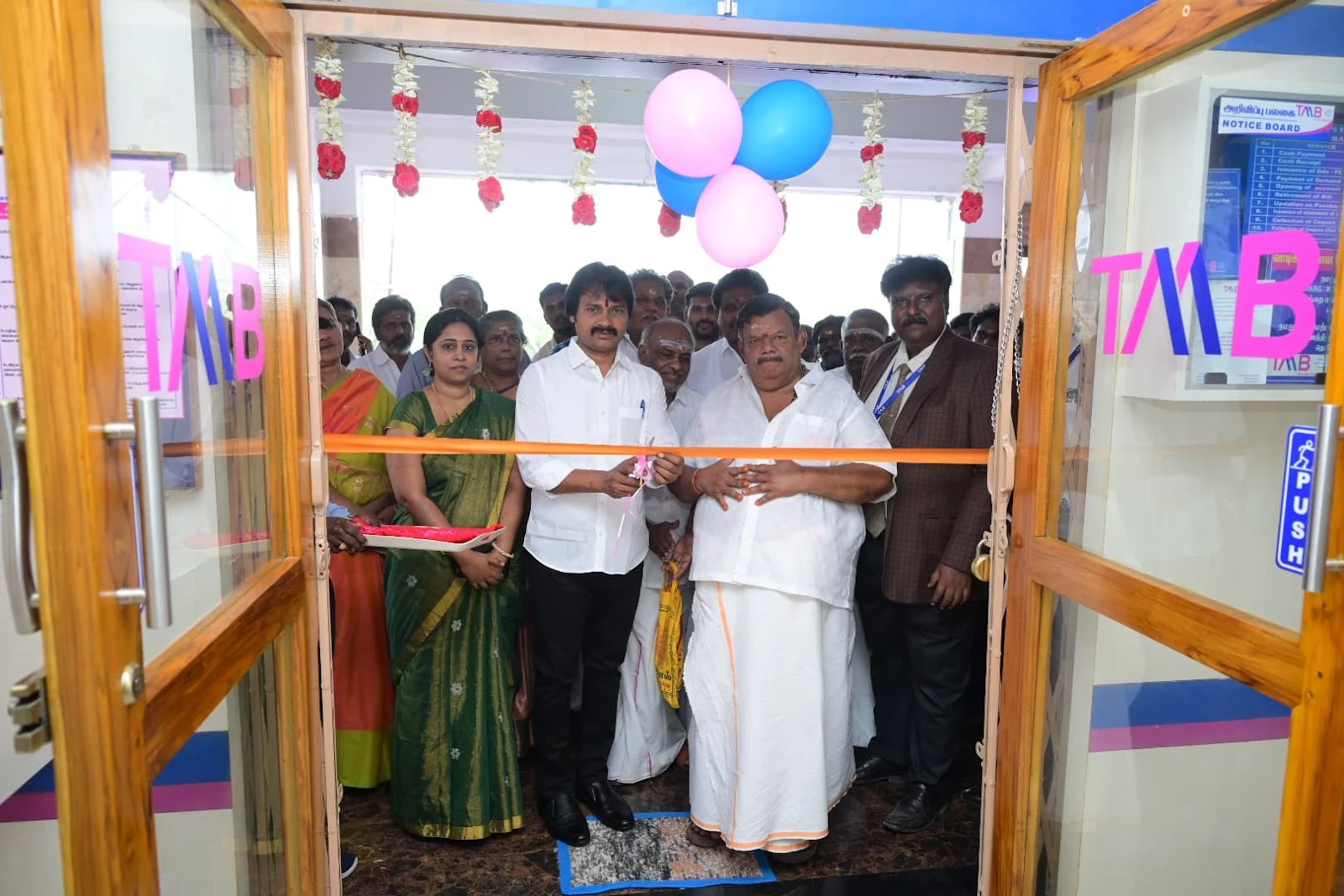
Tamilnad Mercantile Bank Limited (TMB), one of the premier scheduled commercial Banks, has realigned its vision of expanding network to enhance its business after the listing of the Bank’s shares in the stock exchanges. Marching towards the vision, On Thursday (27.03.2025) the Bank opened Six New Branches with onsite ATM / CRM at Rathinapuri – Coimbatore District, PN Road – Tirupur District, Peruntholuvu – Tirupur District, Ettayapuram – Thoothukudi District, Karimnagar – Telangana, Ayodhya – Uttar Pradesh

It is to be noted that TMB was the first private sector bank in India to introduce computerisation for branch-level operations. The bank adopted modernization as early in the year 1983.

Below are the locations of the newly opened Branches:

Rathinapuri – Coimbatore District – 573rd Branch

The branch was declared opened by Dr. S. Chandrasekar, Director, Strategic Sourcing, Plant Engineering & Corporate Relations, Roots Group of Companies, Coimbatore

PN Road – Tirupur District– 574th Branch

The branch was declared opened by Shri. Mohan K Karthik, Chairman, Kids Club Group of Schools Matric / IGCSE / CBSE.

Peruntholuvu – Tirupur District – 575th Branch

The branch was declared opened by Shri. Tirupur M Subramaniam, President, Tamilnadu Cinema Owners Association, Owner – Sri Sakthi Cinemas, Tirupur

Ettayapuram – Thoothukudi District – 576th Branch

The branch was declared opened by Sakthi. A. Thirukumaran M.A., M.L., PGDJMC, Secretary, SRMS Matriculation Higher Secondary School, Sinthalakarai.

Karimnagar – Telangana – 577th Branch

The branch was declared opened by Shri. Boinpally Narasinga Rao Garu, President, The Karimnagar District Rice Millers Welfare Association.

Ayodhya – Uttar Pradesh– 578th Branch

The branch was declared opened by Shri. Rajeev Kumar Madan, Director – M/s. Sahara Bakers.

Regional Manager, Officers, staff members from the Bank, customers and general public were present to grace the function.

Shri. Salee S Nair, MD & CEO, Tamilnad Mercantile Bank Limited (TMB) said, “Our bank has opened Six New Branches today at Rathinapuri - Coimbatore District, PN Road – Tirupur District, Peruntholuvu – Tirupur District, Ettayapuram – Thoothukudi District, Karimnagar – Telangana, Ayodhya – Uttar Pradesh, we also have plans to open many more branches in the near future covering Pan India. It gives us immense pleasure in sharing this momentous of expansion to all our stakeholders.”

Tamilnad Mercantile Bank Limited (TMB), one of the renowned Old Private Sector Banks having its Head Quarters in Thoothukudi, Tamilnadu has a long cherished history of 100+ years of eventful existence with strong fundamentals and track record of continuous profit making in the industry. TMB is having Pan India presence with 578 branches and 12 Regional Offices across 17 states and 4 Union Territories serving more than 5.30 million delighted customers.

For more information, please visit the Bank’s website at www.tmb.in

L&T Finance Ltd. Announces Jasprit Bumrah As Their Brand Ambassador

L&T Finance Ltd. Announces Jasprit Bumrah As Their Brand Ambassador

L&T Finance Limited (LTF), one of the leading Non-Banking Financial Company (NBFC), today, has named renowned Indian cricketer Jasprit Bumrah as its brand ambassador. This partnership marks an exciting chapter for LTF in its ongoing efforts to expand and strengthen its brand presence and engage its diverse customer base spread across the length and breadth of the country.

Jasprit Bumrah will feature prominently in LTF's comprehensive Above The Line (ATL) and Below The Line (BTL) marketing campaigns, spanning a variety of channels. These campaigns are strategically designed to elevate brand awareness and drive customer engagement, highlighting the diverse portfolio of financial products and services currently offered by LTF.

Speaking on this occasion, Ms. Kavita Jagtiani, Chief Marketing Officer at L&T Finance said, "We are delighted to welcome Jasprit Bumrah, one of India's most iconic sports figures, to the LTF family as our brand ambassador. This partnership directly aligns with one of our core pillars, i.e., heightened brand visibility. Bumrah's stellar performance has propelled him to household name status, making him an instantly recognizable and respected figure. His unwavering discipline and commitment to cricket, fostering deep trust, make him an ideal persona for the LTF brand.”

“His humbleness and relatable nature are visible both on and off the field. This universal appeal extends to his versatility and enables us to connect seamlessly with people from all walks of life. Bumrah perfectly embodies the values of our company, reflecting our dedication to excellence and customer-centricity. Therefore, this collaboration is not just a partnership but a powerful alignment of values and vision, driving us towards greater success,” added Ms. Jagtiani.

Mr. Jasprit Bumrah, exclusively managed by RISE Worldwide, said, “I am excited to associate with L&T Finance, a brand renowned for its strong legacy, excellence, and commitment. I look forward to being a part of this wonderful journey.”

LTF is one of the leading financiers in Rural Business Finance, Farm Equipment Finance, and Two-wheeler Finance. LTF's significant presence in urban finance is particularly noteworthy. By providing accessible and tailored financial solutions to urban and rural communities, LTF empowers individuals and families to achieve their financial goals.

As per data for the quarter ended December 31, 2024, the Company's market leadership is underpinned by its extensive reach into approximately 2 lakh villages, facilitated by a strong retail franchise that includes 2,028 rural branches, 185 urban branches, and over 12,500 distribution touch points.

The partnership with Bumrah was facilitated by RISE Worldwide, which works closely with players and brands to create meaningful brand extension and unlock value for stakeholders.

About L&T Finance Ltd. (LTF):

L&T Finance Ltd. (LTF) (https://www.ltfs.com), formerly known as L&T Finance Holdings Ltd., is a leading Non-Banking Financial Company (NBFC), offering a range of financial products and services. Headquartered in Mumbai, the Company has been rated ‘AAA’ — the highest credit rating for NBFCs — by four leading rating agencies. It has also received leadership scores and ratings by global and national Environmental, Social, and Governance (ESG) rating providers for its sustainability performance. The Company has been certified as a Great Place To Work® and has also won many prestigious awards for its flagship CSR project – “Digital Sakhi”- which focuses on women's empowerment and digital and financial inclusion. Under Right to Win, being in the ‘right businesses’ has helped the Company become one of the leading financiers in key Retail products. The Company is focused on creating a top-class, digitally enabled, Retail finance company as part of the Lakshya 2026 plan. The goal is to move the emphasis from product focus to customer focus and establish a robust Retail portfolio with quality assets, thus creating a Fintech@Scale while keeping ESG at the core. Fintech@Scale is one of the pillars of the Company’s strategic roadmap - Lakshya 2026. The Company has approximately 2.5 Crore customer database, which is being leveraged to cross-sell, up-sell, and identify new customers.

Are Fixed Deposits better than Debt Mutual Funds?

Are Fixed Deposits better than Debt Mutual Funds?

Many times, investors struggle to choose between Fixed Deposits (FDs) and debt mutual funds. Both are debt-based products, but their returns and risk levels differ. While FDs provide guaranteed returns, debt mutual funds offer market-linked growth.
Understanding their differences is essential for making the right financial decision. Let us explore which option better suits your needs.

What Are Fixed Deposits?

Fixed Deposits are time-bound investments that banks and financial institutions offer. You invest a lump sum for a specific tenure and earn a fixed interest rate. The returns remain unaffected by market fluctuations. You may use a Fixed Deposit calculator to know about the returns before investing.

Key Features of Fixed Deposits:
  • Guaranteed returns with fixed interest rates.
  • Tenure flexibility ranges from a few months to several years.
  • Premature withdrawal is allowed (penalty may be charged).
  • You can avail yourself of loans against your FD, up to 90% of the deposit amount.

What Are Debt Mutual Funds?

Debt mutual funds, also known as Income or Bond Funds invest in fixed-income instruments like money market instruments, treasury bills, government bonds, etc. These funds give you returns based on interest rates and market conditions.

Key Features of Debt Mutual Funds:
  • Debt funds deliver returns that track market movements and shift with interest rate changes.
  • Expert fund managers diversify portfolios, aiming for stable performance through careful debt-instrument selection that align with the fund’s objective.
  • Investors enjoy higher liquidity than Fixed Deposits because debt funds do not require a fixed lock-in period.
  • Indexation benefits make debt funds more tax-efficient for long-term investors seeking reduced tax liability.
  • Debt funds suit individuals who want moderate returns while accepting some degree of risk exposure in their investments.

Comparing Fixed Deposits and Debt Mutual Funds

Choosing Debt Mutual Funds and Fixed Deposits (FDs) depends on your investment goals.

Factor Fixed Deposits (FDs) Debt Mutual Funds
Returns FDs offer fixed interest rates. Returns do not change with market conditions. Debt funds provide market-linked returns. Performance depends on interest rate movements.
Risk FDs carry minimal risk as banks guarantee returns. Debt funds have moderate risk due to market fluctuations.
Liquidity FDs have a lock-in period. Premature withdrawal attracts penalties. Debt funds allow withdrawals anytime. Some may have an exit load.
Investment Tenure FD is ideal for short to medium-term financial goals. Debt funds are suitable for both short and long-term investments.

When should you choose Fixed Deposits?

Let us explore some criteria that make FDs suitable. 
  • If you prefer guaranteed returns without market risk.
  • If you need a secure investment for short-term savings.
  • If you want a predictable income source for retirement.
  • If you have a low-risk tolerance and seek capital protection.
Use a Fixed Deposit calculator to compare interest earnings across different tenures and banks.

When should you choose Debt Mutual Funds?

Let us explore some criteria that make Debt Mutual Funds suitable.
  • If you can tolerate moderate risk for higher returns.
  • If you need liquidity with no strict lock-in period.
  • If you want tax-efficient returns for long-term goals.
  • If you seek diversification in a fixed-income portfolio.

Conclusion

Fixed Deposits and debt mutual funds serve different investment needs. FDs offer security and fixed returns, while debt mutual funds provide liquidity and tax efficiency. Choose FDs for stability and guaranteed income. Opt for debt mutual funds if you seek flexibility and market-linked returns. Evaluate your financial goals and risk appetite before making a decision.

Axis Bank First Indian Bank to Execute Aircraft Financing at GIFT City IFSC

Axis Bank First Indian Bank to Execute Aircraft Financing

Axis Bank, one of the largest private sector banks in India, has become the first Indian bank to execute an aircraft financing transaction through its International Banking Unit (IBU) at GIFT City IFSC. The landmark deal was completed for AI Fleet Services Ltd (AIFS), the leasing arm and wholly owned subsidiary of Air India (a Tata Group Company). This milestone marks a major breakthrough in India’s aviation finance sector, traditionally dominated by multinational banks, and reinforces GIFT City’s role as an emerging hub for aircraft leasing and financing.

The deal involves a long-term USD Loan for the purchase of 34 training aircraft, which will be deployed at Air India’s upcoming pilot training institute in Amravati, Maharashtra. This facility is set to become one of India’s largest pilot training hubs, contributing to the country's expanding aviation infrastructure.

By financing this transaction, Axis Bank is reshaping the aviation finance ecosystem by providing Indian airlines with access to home-grown funding solutions and strengthening India’s financial self-reliance in global aviation.

GIFT City is emerging as India’s Aircraft Financing Hub. For the first time in India’s banking history, all key stakeholders in the transaction—Lender, Borrower, Law Firm, Facility Agent, and Security Agent are GIFT City entities. The Government of India has been actively promoting GIFT City as a strategic alternative to global aviation finance centers, and Axis Bank’s leadership in this space is a significant step toward realizing that vision.

Rajiv Anand, Deputy Managing Director, Axis Bank said, “At Axis Bank, we believe in pushing the boundaries of financial innovation to empower India’s long-term economic growth. This pioneering aircraft financing deal, structured end-to-end by our GIFT City IBU Team, is a strategic step towards creating a robust aviation finance ecosystem within India. By leveraging its presence in the IFSC ecosystem, our GIFT City franchise has demonstrated capabilities to offer home grown financing options that strengthen India’s position in the global aviation landscape. As India’s aviation industry scales new heights, Axis Bank remains committed to providing dynamic and customized financial solutions that align with the vision of an Atmanirbhar Bharat."

Sanjay Sharma, Chief Financial Officer, Air India said,
Air India has embarked on a five-year transformation journey Vihaan.AI, placing an order for 570 aircraft, and GIFT City will be important for financing of these aircraft. In FY 2023-24, our leasing arm AI Fleet Services Ltd (AIFS) executed eight finance lease transactions worth more than USD 1 billion while the recent transaction for 34 training aircraft was one of the first transactions where an Indian bank has been involved in a long tenor, US dollar aircraft financing. We are glad to see GIFT City maturing further and emerging as an aircraft leasing and financing option for airlines as Indian aviation takes strides.

Key Highlights of the Transaction:
  • First Indian Bank to Finance an Aircraft Deal - A historic step in domestic aviation financet
  • Srengthening India’s Aviation Financing Capabilities – Paving the way for more Indian banks to support fleet expansion needs. 
  • Supporting Pilot Training Infrastructure – Financing 34 training aircraft to enhance India’s pilot training capacity
  • Providing Indian airlines with homegrown financing options
  • Reinforcing GIFT City’s Position – A milestone in establishing India as a global hub for aviation finance and leasing
‘One Axis’ Approach in Aviation Finance – Axis Trustee acted as Facility Agent and Security Trustee, making it an integrated financial solution from Axis group.

India’s aviation sector is projected to require approximately USD 30 billion in funding over the next decade for fleet modernization and expansion. Historically, Indian airlines have relied on multinational banks for aircraft loans due to the lack of a strong domestic financing framework. Axis Bank’s entry into this space provides a new pathway for Indian carriers, enabling them to tap into Indian banking expertise for their fleet expansion needs.

As India’s aviation industry continues to soar, Axis Bank remains committed to providing innovative financial solutions that empower domestic enterprises and strengthen India’s standing in the global aviation sector.

NPST and Hyperface Partner to Enable Instant Credit Access via UPI for Banks

NPST and Hyperface Partner to Enable Instant Credit Access via UPI for Banks
Partnership Set to Democratize Digital Credit Access for 400+ Million UPI Users

NPST, a leading provider of banking and payment solutions in India, and Hyperface, Asia’s first Credit Cards as a Service (CCaaS) platform, have announced a strategic partnership to enable banks and credit issuers to offer embedded credit solutions through UPI, marking a significant milestone in India's digital financial ecosystem and expanding instant credit access for millions of users.

With India's growing middle class and increasing discretionary spending, affordable access to credit remains a challenge due to low credit card penetration — just 100 million cards compared to over 400 million UPI users. The NPST-Hyperface alliance bridges this gap, delivering a seamless, digital-first credit experience that enhances purchasing power, fuels consumer spending, and drives financial inclusion at scale.

Banks and credit issuers can leverage their vast infrastructure and rich customer data to offer tailored UPI-based credit products. Eligible consumers will gain access to pre-approved credit lines at the point of sale, empowering them to make purchases and split payments into flexible instalments. Merchants stand to benefit from higher conversion rates, larger basket sizes, and stronger customer loyalty.

Through this partnership, NPST will integrate its UPI switch technology with Hyperface’s advanced Embedding Banking Platform. Hyperface's Credit Management Engine, built on a sophisticated technology stack, is a completely modular, flexible, and comprehensive solution; it enables banks not only to build, iterate and deploy Credit Line on UPI-ready products rapidly but also re-calibrate in real-time to drive scalability. The combined solution equips banks with digital-first credit solutions with full-spectrum lifecycle support — including customer risk assessment, real-time business insights, and built-in compliance tools — enabling innovative and sustainable credit offerings through UPI.

NPST and Hyperface Partner to Enable Instant Credit Access via UPI for Banks


Commenting on the partnership, Deepak Chand Thakur, Co-Founder and CEO, NPST, stated; “We are proud to partner with Hyperface to democratize access to credit through UPI. As consumer expectations evolve, this collaboration positions banks to meet those needs with agility — driving customer satisfaction, boosting transaction volumes, and creating new revenue streams through interchange fees. Together, we’re not just transforming credit; we’re shaping the future of embedded finance in India.”

"The rapidly evolving UPI ecosystem demands both technological sophistication and extraordinary agility — qualities that legacy systems simply cannot deliver”, said Ramanathan RV, Co-Founder and CEO, Hyperface. “As new use cases emerge and requirements rapidly evolve, we recognized the need to partner with a modern, tech-forward player who could match our pace of innovation. Hyperface's advanced Credit Management Platform, combined with NPST's proven expertise in UPI technology, creates a powerful synergy that will enable banks to build, rapidly deploy and scale innovative credit solutions for tailored customer segments. This partnership exemplifies how new-age companies can collaborate to solve complex financial challenges at the speed the market demands."

About NPST

Incorporated in 2013, NPST is a leading fintech firm in India, part of the Make in India initiative and listed on the NSE Small and Medium Exchange. We specialize in UPI payments and digital banking and operate as both a Technology Service Provider (TSP) and a Payment Platform as a Service Provider (PaaS). Our solutions include online and offline transaction processing, banking super apps, fraud prevention, dispute management, and RegTech.

NPST’s mission is to deliver financial technology solutions across the financial value chain — serving banks, fintech’s, and other industry players — and to drive the growth of the digital payments ecosystem. NPST supports 100+ customers, and processes 50+ million transactions daily, advancing businesses, individuals, communities, and economies through its innovative solutions. For details, please visit https://www.npstx.com/.

About Hyperface

Hyperface is the Definitive Credit Cards Innovation Platform that is revolutionizing the way banks, brands, and fintechs approach credit card and credit line solutions. As Asia’s first Credit Cards as a Service (CaaS) platform, Hyperface provides businesses with the technology to launch, manage and scale their own credit card and credit line programs. From program design and development to risk management and compliance, Hyperface empowers banks and co-brands to deliver exceptional, digital-first experiences that resonate with modern consumers.

For details, please visit https://www.hyperface.co/.

How to Choose the Best Online Bank Account for Your Needs

How to Choose the Best Online Bank Account for Your Needs

Earlier, a bank account was only an option, but now it is a fundamental banking requirement. In fact, it's hard to imagine today's banking world without one. This is because a bank account enables so many possibilities.

It acts as a gatekeeper for your hard-earned money and provides you with anytime access to it. It allows you to make transactions and payments and fulfil your financial needs.

Opening a bank account could be your first step towards getting credit. And it also plays a significant role in income tax filing. So, if you haven't already, open a bank account.

Bank accounts come in many different types. Each differs in terms of eligibility, features, and benefits. Open an account that's appropriate for your personal profile and banking needs.

Different Types of Bank Accounts:

The following are the primary types of bank accounts in India:

1. Savings Account

A Savings Account is a basic account many individuals open. The account encourages saving. You earn a competitive interest rate on your deposit. This grows your savings. You can access a bouquet of banking products and services with the account. They enhance your daily banking experience.

Note: You need to maintain a minimum balance in your Savings account.

2. Current Account

A Current Account is a type of business bank account. It confers higher limits on deposits, withdrawals, and transactions, ensuring your money is secure yet readily accessible. The account also extends valuable services, such as an overdraft facility, which helps you manage unexpected business expenses.

Note: You do not need to maintain a minimum balance in your Current Account.

3. Salary Account

A Salary Account is an employer account in the employee’s name dedicated to salary disbursement. Generally, the employer opens the Salary account at an affiliated bank.  

Note: You do not need to maintain a minimum balance in the Salary Account.

4. Fixed Deposit Account

Fixed Deposit is an effective old-school investment option. You can invest a significant amount for a preferred tenure in the account. Your deposit will earn you modest interest throughout the tenure. This means your deposit will grow over time. This corpus is handy for goal fulfilment and for tackling emergencies.

5. Recurring Deposit Account

The Recurring Deposit Account facilitates savings and wealth creation. You can make regular fixed contributions to the account. Your deposits will earn an attractive interest rate. Your principal deposits and interest collectively will form a considerable financial corpus. This corpus can prove valuable in both prosperous and challenging times.

6. NRI Accounts

According to the governing laws, non-Indian residents (NRIs) cannot bank through Resident Accounts. They need to open specialised NRI bank accounts.

They are of two types: Non-Resident Ordinary (NRO) and Non-Resident External (NRE) Accounts. The NRO Account is useful for securing and growing domestic income. The NRE Account lets you earn a competitive interest rate on your foreign income in India. You hold both accounts in Indian Rupees, enabling you to bank freely in the country.

How to Choose the Best Online Bank Account for Your Needs?

Consider the following to choose a suitable bank account for your needs:

Establish the Purpose of Banking

Each type of bank account serves a specific banking purpose. Hence, clearly define your banking purpose when choosing the right account. Opening a savings account is appropriate if your banking purpose is personal finance management. The Family Savings Account is a viable option to manage your family finances.

Interest-Earning Objective

If earning interest is your goal, open a bank account that offers a competitive interest rate. Typically, all types of Savings Accounts fetch you an interest rate. Note that the Savings Account interest rate differs for each bank and account type. Consider opening an account with a bank offering the most attractive interest rate. This may enhance your interest earning.

Preferred Accessibility

Each bank account has a different level of accessibility. For instance, a Regular Savings Account requires minimum balance maintenance and has very specific account limits. It’s the right account if you have basic accessibility expectations. If you desire better accessibility, opening a Current Account is a viable option because the account has higher account limits.

Matching eligibility

All bank accounts have specific eligibility criteria. Consider opening a bank account for which you qualify. This will make the account opening process hassle-free.

Summing it up

A bank account is a modern banking necessity. It allows you to secure and instantly access your money, make easy withdrawals, and conduct transactions. There are different types of bank accounts. Learn about them. Consider your profile and banking needs to open a suitable bank account.

Australian Fintech Findi Gets RBI Nod for Acquiring Tata Communications’ White Label ATM Business for ₹300 Cr

Australian Fintech Findi Gets RBI Nod for Acquiring Tata Communications’ White Label ATM Business for ₹300 Cr

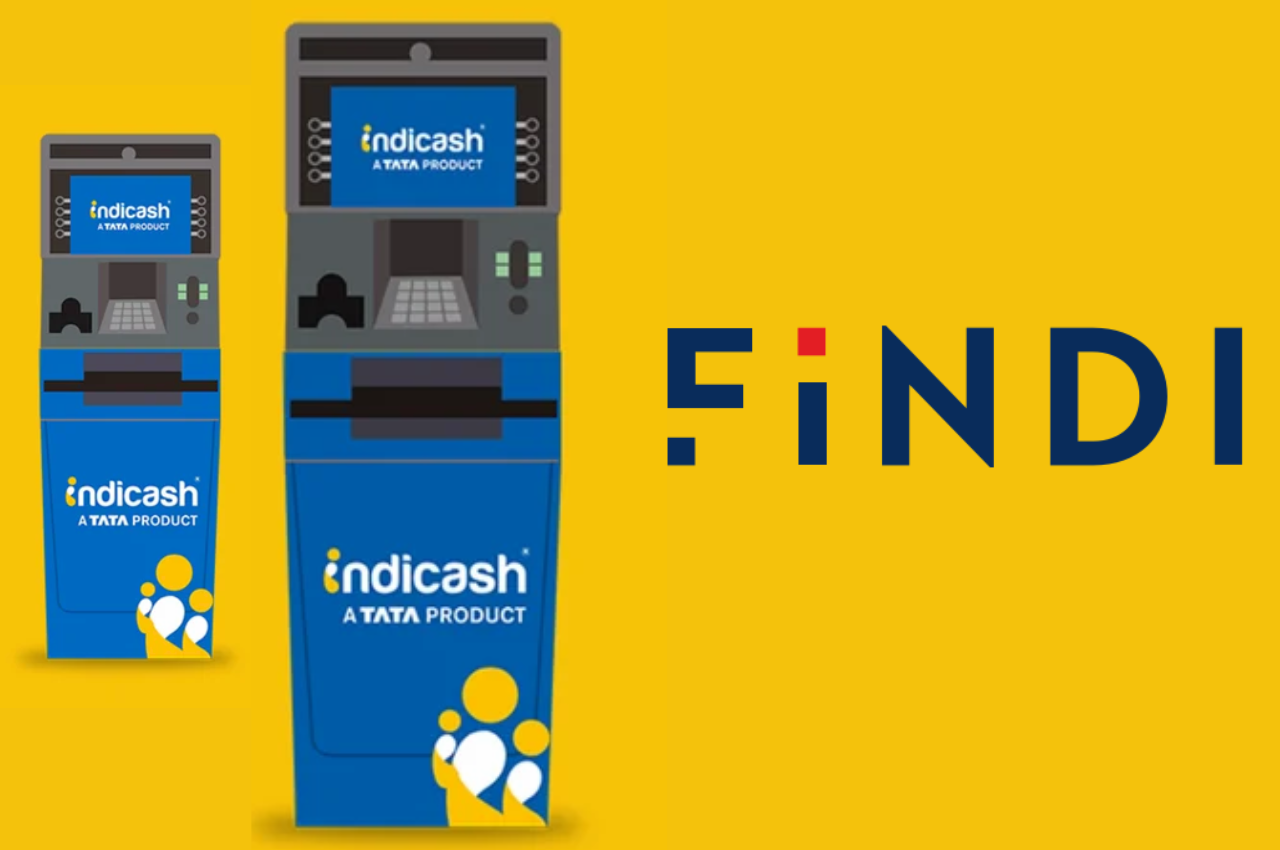
The Reserve Bank of India (RBI) has approved Tata Communications' sale of its 100% stake in Tata Communications Payment Solutions Limited (TCPSL) to the Australian fintech company Findi's Indian subsidiary, Transaction Solutions International (TSI).

The deal, announced in November 2024, is valued at Rs 330 crore (AUD 59.1 Mn), with an additional Rs 75 crore contingent on certain conditions.

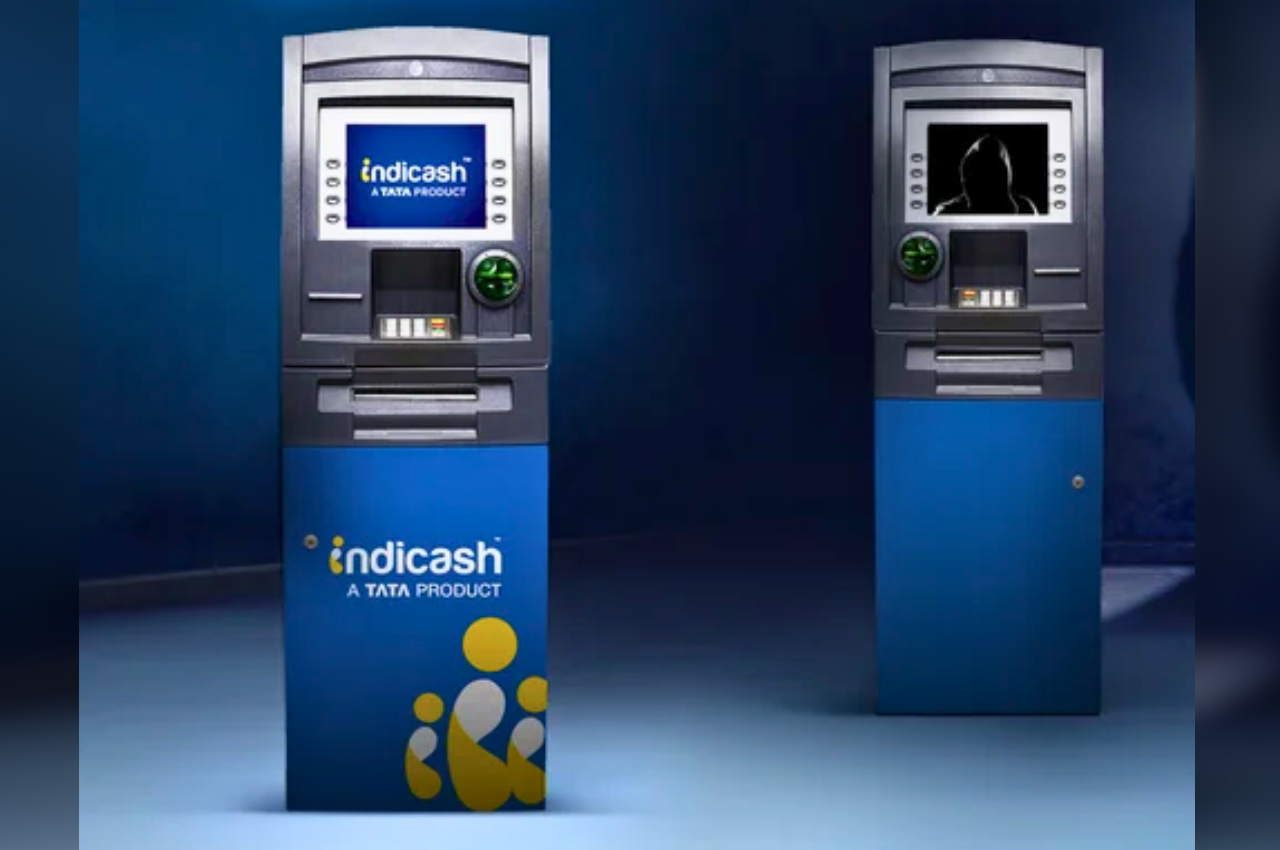
Indicash, Tata Communications Payment Solutions Limited's White Label ATM network, was launched in June 2013. Indicash became India’s first-ever network of white label ATMs. It was in line with the RBI’s vision to accelerate growth and increase ATM penetration across the country. TCPSL currently owns and manages one of the largest networks of white label ATMs in the country.

Indicash

White Label ATMs do not display the branding of any specific bank. Instead, they operate under the label of the non-bank entity.

This acquisition will significantly expand Findi's presence in India's financial services sector, particularly targeting the 'underbanked' population. It aligns with TSI's ambition to evolve into a full-fledged payments bank, leveraging its current network of over 7,500 ATMs.

Launched in 2005, TSI operates a brown label ATM business, partnering with 12 public and private sector banks (including State Bank of India, Central Bank of India, Punjab National Bank and HDFC Bank), and has experience of managing backend operations for 10,000+ white label ATMs over the last eight years. It also enables payment services through its network of 40,000+ merchants via the brand FindiPay (started in 2018).

For an uninitiated, White Label ATMs (WLAs) are owned and operated by non-bank entities, do not display any specific bank branding, and aim to increase ATM accessibility, especially in rural and semi-urban areas. While Brown Label ATMs (BLAs) are where a third-party service provider owns the ATM hardware and lease, while a sponsor bank provides cash management and network connectivity. These ATMs display the branding of the sponsor bank.

While the RBI does not directly regulate BLAs, it ensures that banks and service providers adhere to necessary regulations through contractual obligations. Banks like Axis and ICICI Bank often use BLAs to expand their ATM presence.

Union Minister Amit Shah Inaugurates NUCFDC Corporate Office in Mumbai to Strengthen Urban Co-operative Banks

Union Minister Amit Shah Inaugurates NUCFDC Corporate Office in Mumbai to Strengthen Urban Co-operative Banks

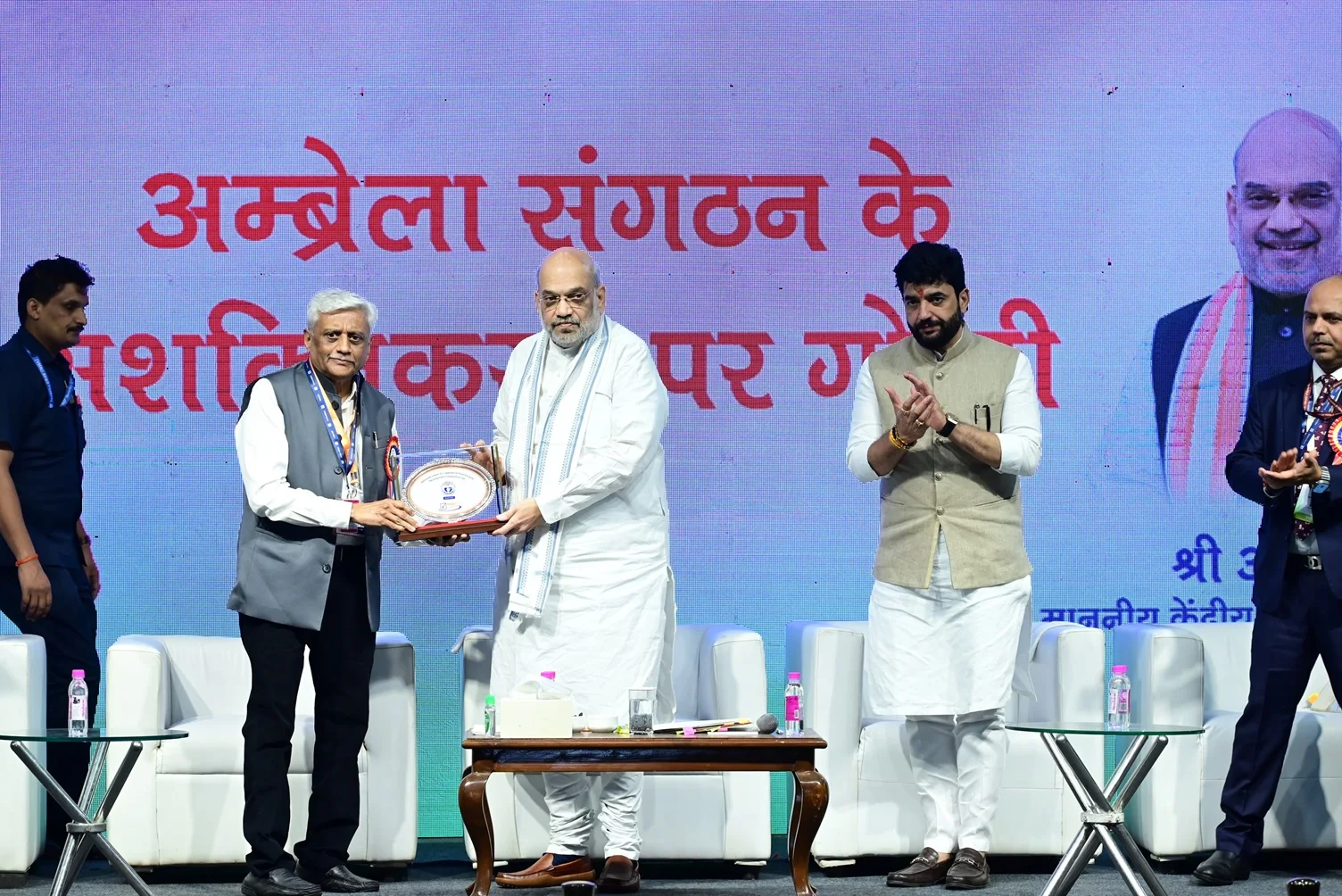
The National Urban Co-operative Finance and Development Corporation (NUCFDC) has officially inaugurated its Corporate Office in Mumbai. The Honourable Union Home and Cooperation Minister, Amit Shah, virtually inaugurated the NUCFDC Corporate Office on the sidelines of the inaugural event for the International Year of Co-operatives 2025 in Mumbai.

The event was attended by a distinguished group of dignitaries, including Shri Murlidhar Mohol, Minister of State for Co-operation; Shri Eknath Shinde and Shri Ajit Pawar, Deputy Chief Ministers of Maharashtra; and Dr. Ashish Kumar Bhutani, Secretary of the Ministry of Co-operation.

The inauguration of the NUCFDC office marks a significant step toward modernizing the Urban Co-operative Banking (UCB) sector. The event was attended by Laxmi Dass, President of NAFCUB; Ajay Brahmecha, President of the Maharashtra Federation; Satish Marathe, Central Board Member of the Reserve Bank of India; Uday Joshi, President of Sahakar Bharati; Milind Kale, Director of NAFCUB and former Chairman of Cosmos Bank; Gautam E. Thakur, Chairman of Saraswat Co-operative Bank; and Kantibhai Patel, Vice-Chairman of the Gujarat Federation, along with several other prominent leaders from the UCB sector.

Emphasizing the multidimensional benefits that the NUCFDC will provide to Urban Co-operative sector Honourable Union Home and Cooperation Minister Amit Shah, said
The principle of Co-operation Among Co-operatives will be implemented across the country in the coming days. The Umbrella Organization will integrate activities such as digital banking, mobile banking, online transactions, and international trade with Urban Co-operative Banks. All financial dealings of co-operative institutions will be conducted through co-operative banks. By implementing this principle nationwide, we will achieve significant success, leading to the economic self-reliance of the co-operative sector.


Shri Jyotindra Mehta, Chairman of NUCFDC, spoke on the occasion, describing the inauguration as a pivotal moment in the transformation of the UCB sector
The establishment of this new office for the Umbrella Organization marks a major milestone in driving inclusive growth. NUCFDC is dedicated to providing essential resources to this vital segment of the country's financial ecosystem. We are committed to fostering the development of UCBs and addressing the key challenges they face. 

The NUCFDC has received approval from the Reserve Bank of India (RBI) to operate as a non-banking finance company (NBFC) and, once it achieves a paid-up capital of ₹300 crore, can approach the RBI to become a self-regulatory organization (SRO) for the urban co-operative banking sector, with functions prescribed by the RBI. Positioned to play a crucial role in the digital transformation of UCBs, NUCFDC aims to equip these institutions with the necessary tools to succeed in an increasingly digital and competitive financial landscape. As the umbrella organization for UCBs, NUCFDC's focus will be on modernizing these institutions, integrating essential financial services, and aligning them with the operational standards of commercial banks. The goal is to enhance customer service, strengthen sector stability, and ensure compliance with the Banking Regulations Act.

The organization’s operations will include providing capital, secured credit lines, refinancing loans, and offering emergency liquidity support to UCBs facing short-term financial difficulties. In addition to funding, NUCFDC will also focus on non-fund-based services aimed at enhancing the technological infrastructure of UCBs. This will include the rollout of a shared IT platform offering a comprehensive suite of services. Furthermore, NUCFDC will provide treasury management, payment and settlement services, and other operational solutions to improve the capabilities of UCBs. It will also offer training, consultancy, and HR support to ensure UCBs are well-equipped to navigate evolving regulatory and market demands, laying a solid foundation for the future growth and resilience of the co-operative banking sector.

Market Reports

Market Report & Surveys
IndianWeb2.com © all rights reserved