Showing posts with label Energy. Show all posts

Tata Power’s EcoCrew Engages 3 Lakh Students, Fuels India’s Largest Energy Literacy Movement

Tata Power’s EcoCrew Engages 3 Lakh Students, Fuels India’s Largest Energy Literacy Movement

In yet another pioneering initiative to bring alive its commitment to India’s energy transition and to fast track the adoption of solar energy, Tata Power has created new benchmarks with its EcoCrew program - India’s largest Energy Literacy Movement.

Reaching almost 3 Lakh students in 1000+ schools across Uttar Pradesh and Uttarakhand, the program sensitised students to the impact of global warming and climate change and educated them on adoption of solar energy for their homes as an easy and affordable alternative solution.

The program has not only created legions of EcoCrew who are BFFs of Nature and true ambassadors of sustainability in their communities, but also helped the cause of making Uttar Pradesh and Uttarakhand the 3rd largest adopters of rooftop solar under the PMSGY with 3.14 lakh installations to date amounting to 1.1 GW.

The EcoCrew movement has travelled 24 cities over the last 12 months, cumulating more than 50,000 minutes of interactive on-ground learning and close to 1,50,000 minutes of online engagement. Students learnt about clean energy alternatives, solar energy and energy conservation. They pledged to become change makers in their homes, communities and neighbourhoods.

Students also participated in energy audits, creative competitions, and a 21-day gamified online sustainability challenge, encouraging measurable planet-friendly actions both at school and at home. Tata Power’s sustainability buddy Globey brought alive the need for each of us taking small actions every day to make a big change for planet Earth.

The top schools and students who actively championed and engaged with the initiative are all set to be felicitated and celebrated at 5 mega finale events over the next 2 weeks in Lucknow, Varanasi, Agra, Gorakhpur and Meerut.

Today, Uttar Pradesh stands among India’s top 3 states in rooftop solar adoption, with 2.6 lakh installations and a total installed capacity of 901.42 MW. This rapid progress has been enabled by the dual subsidy structure, combining Central and State incentives — with up to ₹78,000 from the Central Government and ₹30,000 from UPNEDA — making solar adoption more accessible and affordable for households. In alignment with the Government’s clean energy vision and to further accelerate rooftop solar adoption, Tata Power has also been promoting its ‘GharGharSolar’ initiative — first launched in Varanasi last year — to drive large-scale awareness and installation of residential rooftop solar systems under PMSGY.

The journey of EcoCrew in Uttar Pradesh marks the beginning of a larger national mission. Tata Power plans to expand the initiative across multiple states, reaching millions of students in the coming years to build a foundation of energy literacy, climate responsibility, and accelerate solar readiness.

By nurturing a generation of informed and responsible young citizens, Tata Power is strengthening India’s roadmap to energy independence, in line with the national vision of Atmanirbhar Bharat and the clean energy goals of the PM Surya Ghar Yojana.
Serentica Renewables to Develop 170 MW Hybrid Project to Supply Captive Power to MRF Ltd

Serentica Renewables to Develop 170 MW Hybrid Project to Supply Captive Power to MRF Ltd

Serentica Renewables, a leading renewable energy provider in India, has signed a long-term Power Purchase Agreement (PPA) with MRF Limited, India's largest tyre manufacturer, to supply clean power under the captive power framework. A SPV was created specifically to supply RE power to MRF in which MRF has picked captive minority stake and the rest is held by Serentica.

The clean energy will be supplied from a new hybrid renewable energy project with a total installed capacity of around 170 MW, currently under development by Serentica Renewables. The project will integrate both solar and wind generation to deliver round-the-clock renewable energy for MRF’s manufacturing facilities across India through the ISTS (Inter-State Transmission System) network.

This agreement helps in expanding company’s renewable energy solutions for a large industrial clients seeking flexible and reliable clean power. The captive arrangement will allow MRF to meet its substantial electricity requirements, supporting its ongoing sustainability and net-zero ambitions.

Commenting on the partnership, Akshay Hiranandani, CEO, Serentica Renewables, said, “Our partnership with MRF marks another major step in enabling India’s industrial decarbonization journey. By combining renewable energy with cutting-edge storage and hybrid solutions, we are delivering clean and reliable power to help leading industries like MRF transition to a sustainable future.”

This partnership further reinforces Serentica’s commitment to accelerating clean energy adoption in India’s industrial and manufacturing sectors, complementing its growing portfolio of renewable energy projects across the country.

About Serentica Renewables

Established in 2022, Serentica Renewables is a leading renewable independent power producer (IPP) committed to decarbonizing hard-to-abate industries by providing firm dispatchable renewable energy (FDRE) solutions. With a vision to make renewables the primary energy source across India's energy landscape, Serentica is driving large-scale decarbonization & contributing to the nation’s broader goals, including through government tenders.

The company has achieved a significant milestone by reaching 1,000 MW of renewable energy capacity, with ongoing projects across multiple states, leveraging a mix of solar, wind, energy storage, and advanced balancing solutions. Serentica’s innovative approach ensures reliable and cost-effective green power for its growing customer base, which includes some of India's largest energy-intensive industries. Backed by a $650 million investment from KKR, Serentica aims to supply over 50 billion units of clean energy annually, enabling the displacement of 47 million tons of CO2 emissions. With a strong pipeline of projects under development, the company is at the forefront of India’s energy transition, deploying cutting-edge technology and innovative contractual structures to accelerate the shift to sustainable power.

IGRPL, An IndianOil-GPS JV, Raises ₹836 Cr in Landmark CBG Financing Deal

IGRPL, An IndianOil-GPS JV, Raises ₹836 Cr in Landmark CBG Financing Deal

IOC GPS Renewables Private Limited (IGRPL), a joint venture between IndianOil Corporation Ltd. (IndianOil) and GPS Renewables, focused on advancing India’s biofuels sector, has raised INR 836 crore (approximately USD 95 million) in debt financing from Indian Bank for the execution of 9 Compressed Biogas Projects across the country. The facility agreements were executed on 30th September in New Delhi between Indian Bank and IGRPL, represented by its CEO, Devendra Singh Sehgal, and CFO, Punit Jain.

This funding is the largest single-bank debt raise in the Compressed Biogas sector (CBG) (also referred to as Renewable Natural Gas or RNG). This is also the first case of a fully non-recourse debt raise in this sector.

The funds will be used towards development of CBG plants across India, with 4 projects in Haryana, 3 in Uttar Pradesh, 1 in Chhattisgarh and 1 in Andhra Pradesh. Each plant has a capacity to produce 15 tonnes of CBG per day and will use paddy straw as the primary feedstock. All 9 plants are expected to be completed and commissioned in 2026.

Commenting on the fundraise, Devendra Singh Sehgal, CEO, IGRPL (IOC and GPS Renewables Private Limited), said, “IGRPL was formed with an aim to scale India’s biogas infrastructure and drive wider adoption. This funding gives us the momentum to accelerate that mission. This is the first time that an OMC Joint Venture has secured a sanctioned loan for CBG projects without any corporate collateral, indicating IOCL’s strong credibility and the sector’s massive potential. This not only builds confidence among stakeholders but also encourages more large-scale investments in India’s clean energy sector

Deepak Agarwal, MD, of GPSR ARYA (GPS Renewables’ asset platform), said, “Securing the largest single-bank funding in the CBG sector underscores the scale of the opportunity that exists. As the country makes significant strides towards a clean energy transition, our vision is to drive biofuel production and position India as a leading producer of renewable energy. This fundraise is a pivotal step in IGRPL’s journey as it enables us to execute our ambitious plan of building a nationwide network of CBG plants to significantly reduce our dependence on fossil fuels and lower greenhouse gas emissions.”

About IGRPL

IGRPL is a 50:50 Joint Venture by IndianOil and GPS Renewables Arya established in 2024. The joint venture will focus on integrating advanced biogas technologies to convert organic waste into Compressed Biogas (CBG), a cleaner and renewable energy source. This will significantly reduce greenhouse gas emissions while providing a sustainable alternative to traditional fossil fuels. By leveraging their combined expertise, IndianOil and GPS Renewables aim to accelerate the deployment of CBG plants nationwide. These initiatives complement IndianOil’s long-term low-carbon development strategy and to achieve operational net zero by 2046, which will also help achieve net-zero target by 2070 for our Country. CBG offers numerous benefits to India and the environment. For the country, it promotes energy security by reducing dependence on imported fossil fuels and supports the rural economy by creating local employment opportunities.

About IndianOil

IndianOil, a leader in the global energy sector and ranked 116th on the Fortune Global 500 list, is driving India's transition to cleaner and greener energy with a strong focus on sustainability. The company has set an ambitious target of achieving operational Net-Zero Emissions by 2046, aligning with India's national goal of Net-Zero by 2070. Alongside its green energy focus, IndianOil remains a major player in the oil and gas industry, operating a refining capacity of 70.25 million metric tonnes per annum (MMTPA) and an extensive pipeline network stretching nearly 20,000 kilometers. IndianOil processes over 1.6 million barrels of crude oil daily and operates more than 61,000 customer touchpoints, including 37,500+ fuel stations. The company also serves over 150 million LPG customers and is a leader in the petrochemicals and lubricants segments. At the forefront of hydrogen mobility,biofuels, and electric vehicle infrastructure, IndianOil has installed over 10,028 EV charging stations across India, along with battery swapping services at key locations. As a promoter of the Government's SATAT initiative, IndianOil is advancing Compressed Biogas (CBG) under its "IndiGreen" brand. Additionally, the company has expanded its ethanol initiatives, launching E20 fuel at more than 5,700 outlets and Ethanol 100 fuel at 400 locations. IndianOil’s innovative solar cooktop, ‘Surya Nutan,’ is further proof of its commitment to clean energy, with plans to deploy 350 units in Madhya Pradesh. Beyond its core businesses, IndianOil remains dedicated to environmental sustainability, investing over Rs 457 crore in CSR projects focused on healthcare, education, skill development, and women empowerment. As IndianOil leads the charge towards a greener future, it continues to power the nation’s progress while expanding its presence in international

About GPSR (GPS Renewables) Group

Headquartered in Bengaluru, GPS Renewables (“GPSR”) is a full-stack biofuels firm offering technology and project solutions for climate-positive biofuel projects. Starting from captive biogas plants, GPSR has scaled up to set up some of the world’s largest RNG plants. In 2022, GPS Renewables launched GPSR Arya Pvt Ltd (“ARYA”) a wholly-owned subsidiary, to commission BOO (Build-Own-Operate) projects, augmenting its climate impact ambitions.

GPSR has formed joint ventures with Indian Oil, Bharat Petroleum, and Oil India to build compressed biogas (CBG) plants across India. These plants will process agricultural and organic waste, reduce carbon emissions, and support the government’s SATAT initiative.

Tata Power Signs PPA for 80 MW Dispatchable Renewable Energy Project to Power Mumbai Peak Demand

Tata Power Signs PPA for 80 MW Dispatchable Renewable Energy Project to Power Mumbai Peak Demand
  • Tata Power Renewables signs PPA with Tata Power Mumbai Distribution to Set up 80 MW Firm and Dispatchable Renewable Energy Project
  • The project will generate 315 MUs of electricity annually, reducing over 0.25 million tons of CO₂ emissions and strengthening India's clean energy goals. 
Tata Power Renewable Energy Limited (TPREL), a subsidiary of The Tata Power Company Limited and a prominent player in India’s renewable energy sector, has entered into a Power Purchase Agreement (PPA) with Tata Power Mumbai Distribution for a contracted capacity of 80 MW Firm and Dispatchable Renewable Energy (FDRE) project.

A dispatchable renewable energy project refers to a renewable energy system that can reliably deliver electricity on demand, even when the sun isn’t shining or the wind isn’t blowing.

The project will integrate advanced solar, wind and battery storage systems to enable reliable energy dispatch during peak demand, thereby strengthening grid stability.

The project, to be completed within 24 months, is expected to generate approximately 315 million units (MUs) of electricity annually, mitigating over 0.25 million tons of carbon dioxide emissions per year. A key feature of this initiative is the commitment to a 4-hour peak power supply, ensuring at least 90% availability during peak demand hours to support the growing energy needs of Tata Power Mumbai Distribution.

This project will play a pivotal role in helping Tata Power Mumbai Distribution meet its Renewable Purchase Obligation (RPO), as mandated by the State's Regulatory Commission.

Once commissioned, the clean energy generated from this project will be seamlessly integrated into Tata Power’s Mumbai distribution network, enabling the delivery of reliable, low-emission electricity to around 8 lakh customers across residential, commercial, and industrial consumers.

This collaboration reinforces TPREL's position as a trusted leader in India's renewable energy sector. With a steadfast commitment to sustainability and innovation, the company continues to drive forward India's mission of a greener and more resilient energy future.

With this addition, TPREL's total renewable utility capacity is 11.3 GW (PPA capacity is 9.4 GW) including 5.7 GW projects under various stages of implementation and its operational capacity is 5.6 GW, which includes 4.6 GW solar and 1 GW wind. Presently, the company's solar EPC portfolio is more than 15.7 GWp of ground-mount utility-scale and over 3 GW of rooftop and distributed ground-mounted systems. TPREL aims to provide energy access to millions of people across the country via its integrated green energy solutions.

PM Modi Inaugurates Sunstream’s 140 MWp Solar Project in Maharashtra; Company Targets 1 GW Renewable Portfolio

PM Modi Inaugurates Sunstream’s 140 MWp Solar Project in Maharashtra; Company Targets 1 GW Renewable Portfolio

Honorable Prime Minister Shri Narendra Modi today inaugurated Sunstream Green Energy’s 140 MWp solar project in Maharashtra, as part of the 2,458 MW of renewable energy projects launched nationwide. The Company also announced its plan to develop a 1-gigawatt (GW) portfolio of operating renewable energy assets within the next 18–24 months. This vision builds on Sunstream’s 500 MW project portfolio with 250 MW operational and 250 MW under execution, underlining its strategy of scaling high-quality assets for India’s clean energy transition.

Sunstream Green Energy was founded by Mr Bhadra Kanaiya in 2019 which is backed by Lighthouse Trust Singapore based, emerging market focussed growth fund, “At Sunstream, our work is centered on powering India’s Utility and C&I sector with reliable distributed renewable energy. Our 140 MWp project in Maharashtra reflects our execution strength, while our long-term focus is on helping large corporates and multinational companies achieve their clean energy and net-zero commitments,” said Kanaiya Bhadra, Founder & CEO, Sunstream Green Energy.

The launch of 2,458 MW of solar projects by Prime Minister Modi marks a major step in India’s journey toward energy independence and net-zero by 2070. With PM-KUSUM the world’s largest distributed renewable energy program and initiatives such as Maharashtra’s Mukhya Mantri Saur Krushi Vahini Yojana (MSKVY), India is building a model that combines clean power growth with economic empowerment.

Sunstream Green Energy’s strategic focus is to be the partner of choice for Corporate & Industrial customers, including listed entities and multinational corporations. By delivering cost-effective and scalable renewable power solutions, the company enables its customers to lower energy costs, enhance competitiveness, and meet global sustainability commitments such as RE100 and net-zero goals. With its growing expertise in hybrid and storage-backed solutions, Sunstream is also enabling corporates to secure reliable round-the-clock clean power for their operations.

Backed by a Lighthouse Trust, Singapore-based fund, Sunstream Green Energy is well-capitalized to expand its footprint. The company is actively developing projects that integrate solar, wind, and energy storage, strengthening its position as a trusted partner for corporates in their net-zero transition.

ACWA Power and L&T Unite for Saudi’s Yanbu Green Hydrogen Megaproject

ACWA Power and L&T Unite for Saudi’s Yanbu Green Hydrogen Megaproject

In a important step toward advancing Saudi Arabia’s clean energy ambitions, Saudi Arabia based ACWA Power and India's Larsen & Toubro (L&T) have signed a Memorandum of Understanding (MoU) to collaborate on the renewables and grid infrastructure for the Yanbu Green Hydrogen Hub, one of the world’s largest green ammonia projects.

ACWA Power is a key player in Saudi Arabia’s Vision 2030, driving large-scale renewable energy projects and green hydrogen initiatives. It often partners with global firms and sovereign entities to deliver sustainable infrastructure at scale.

The agreement was formalized between ACWA Power and L&T’s Renewables arm (RENU), outlining joint development of critical components including solar photovoltaic systems, wind energy installations, battery energy storage systems (BESS), and high-voltage substations and transmission lines.

A Catalyst for Global Decarbonization

The Yanbu Green Hydrogen Hub is designed as a fully integrated facility powered entirely by renewable energy, aligning with Saudi Arabia’s Vision 2030 and its commitment to global climate goals. Once operational, the hub will produce green ammonia for export, supporting international decarbonization efforts.

This project underscores Saudi Arabia’s leadership in the global energy transition,” said Marco Arcelli, CEO of ACWA Power. “We are proud to partner with L&T to deliver a facility that will help countries meet their net-zero targets.”

T Madhava Das, Whole-Time Director and Senior Executive Vice President at L&T, emphasized the strategic importance of the region: “Saudi Arabia’s competitive renewable energy landscape and its geographic advantage along the India–Middle East–Europe corridor make it a pivotal player in the clean energy economy.”

Next Steps: Toward EPC Execution

Following the MoU, L&T is expected to enter into an Engineering, Procurement, and Construction (EPC) contract, subject to final proposal approvals. The collaboration marks a deepening of ties between Indian and Saudi energy stakeholders, reinforcing regional cooperation in sustainable infrastructure.

Tata Power Renewable Signs 838 MW Wind Turbine Deal with Suzlon to Accelerate India’s Clean Energy Goals

Tata Power Renewable Signs 838 MW Wind Turbine Deal with Suzlon to Accelerate India’s Clean Energy Goals

Tata Power Renewable Energy Limited (TPREL), a key player in India’s green energy landscape and a subsidiary of The Tata Power Company Limited (Tata Power), has signed a contract with Suzlon Group (Suzlon) for the supply of wind turbine generators with a combined capacity of 838 MW. These turbines will support TPREL’s various projects across multiple states, scheduled for completion over the next few years.

This partnership reinforces TPREL’s position as a leader in India’s renewable energy transition, playing a vital role in advancing the country’s target of reaching 500 GW of renewable energy capacity by 2030. It also reflects TPREL’s focus on scaling up wind-led clean energy projects that are reliable, dispatchable, and economically viable.

TPREL has a wind energy portfolio exceeding 3.9 GW, with over 1 GW operational and the remainder under various stages of development across Rajasthan, Gujarat, Madhya Pradesh, Maharashtra, Andhra Pradesh, Karnataka, and Tamil Nadu.

Under the agreement, Suzlon - a prominent renewable energy player- will deliver a comprehensive end-to-end solution for these projects, leveraging its extensive expertise in the wind energy domain.

The agreement marks the third strategic collaboration between TPREL and Suzlon, highlighting a strong partnership built over more than a decade.

This initiative supports Tata Power’s overarching goal of achieving 100% clean energy by 2045 and complements its expanding renewable energy portfolio, which currently totals 15.7 GW, with 6.9 GW sourced from clean energy.

PM Modi Unveils World’s First Bamboo-Based Ethanol Plant in Assam

PM Modi Unveils World’s First Bamboo-Based Ethanol Plant in Assam

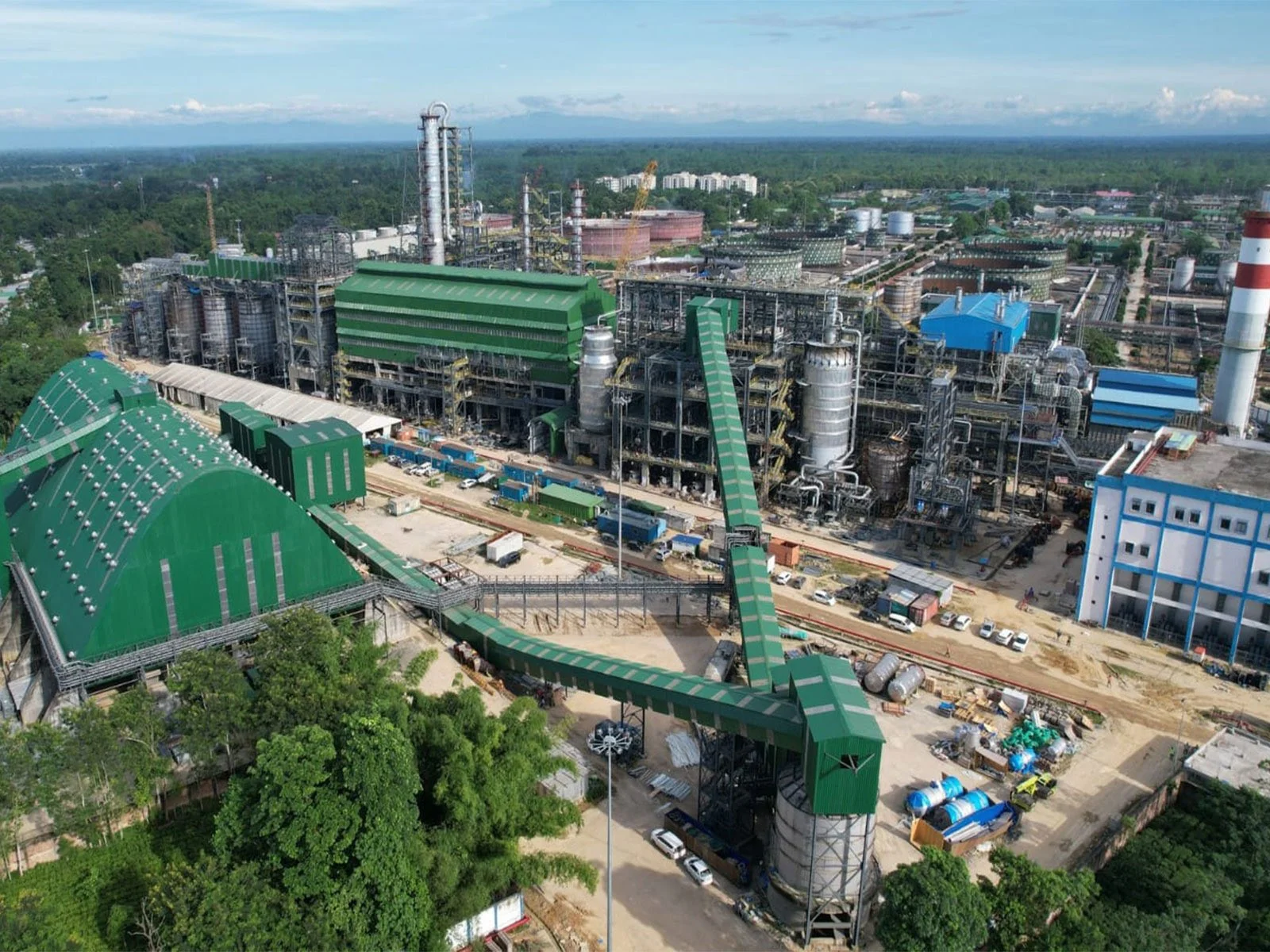
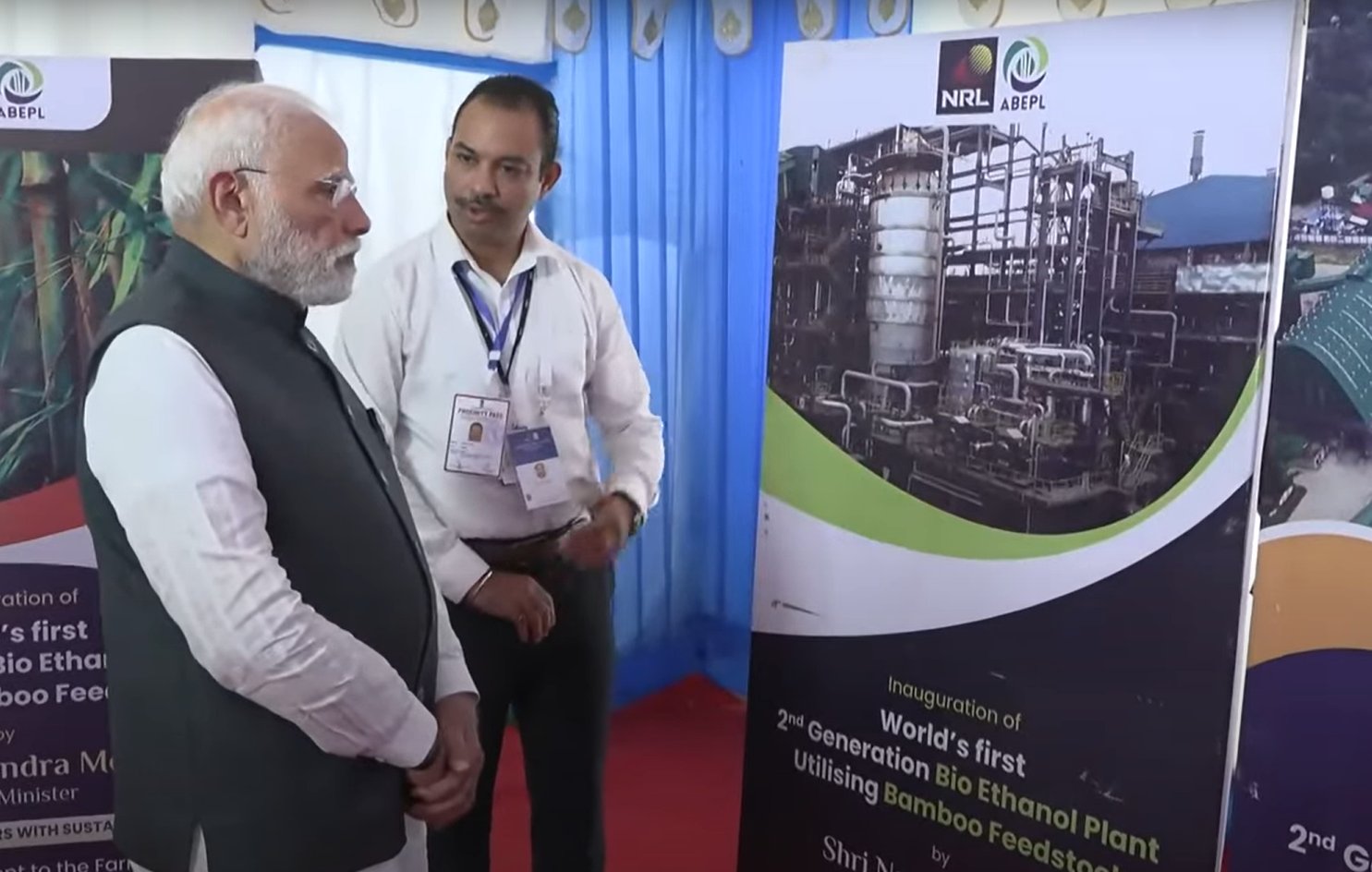
Prime Minister Narendra Modi has inaugurated the world’s first bamboo-based second-generation bioethanol plant at Numaligarh in Assam’s Golaghat district on September 14, 2025. This ₹5,000-crore facility is a landmark in India’s push for cleanenergy and rural development.

Key Highlights
  • Zero-Waste Facility: Utilizes every part of the bamboo plant to produce ethanol, acetic acid, furfural, and food-grade CO₂.
  • Annual Input: Sources 5 lakh tonnes of green bamboo from four northeastern states, including Assam and Arunachal Pradesh.
  • Economic Impact: Expected to inject ₹200 crore annually into Assam’s rural economy and benefit over 50,000 people directly and indirectly.
  • Strategic Partnership: Joint venture between Numaligarh Refinery Limited (NRL), Finland’s Fortum, and Chempolis OY.
  • Energy Vision: Modi emphasized the plant’s role in reducing fossil fuel dependence and achieving energy self-sufficiency under the Viksit Bharat vision.

Beyond Ethanol

PM Modi Unveils World’s First Bamboo-Based Ethanol Plant in Assam

PM Modi also laid the foundation stone for a ₹7,230-crore polypropylene plant nearby, aimed at reducing India’s import dependency and boosting local manufacturing.

Modi’s Message

“India is one of the fastest-growing economies. Our energy needs are rising, and we must reduce dependence on imports. This bamboo-based ethanol plant is a step toward self-reliance and clean energy.”

This project not only marks a technological milestone but also repositions Assam as a hub for sustainable industrial innovation.

Serentica Acquires Norway-based Statkraft’s India Solar Portfolio, Adds 1.4 GWp Toward 2030 Decarbonization Goal

Serentica Acquires Norway-based Statkraft’s India Solar Portfolio, Adds 1.4 GWp Toward 2030 Decarbonization Goal

Serentica Renewables, India’s largest decarbonization platform for C&I and utility customers, has signed binding agreements with Norway based Statkraft to acquire their Indian solar business.

Statkraft’s Indian solar business comprises of 445 MWp operational solar plant at Bikaner and 1 GWp of development assets across Rajasthan. The portfolio is strategically located in resource rich states and is currently supplying power on a merchant basis. These assets will be transitioned to serve Serentica’s C&I customers on a round-the-clock basis, thereby offsetting an estimated ~0.6 Mn tonnes of CO2 annually.

The acquisition will grow Serentica’s operating portfolio to 1.5 GW keeping the company on course to achieving its target of 17 GW by 2030. The completion of the transaction is subject to the fulfilment of conditions precedent and necessary regulatory approvals, if any.

Standard Chartered Bank acted as the buy-side transaction advisor along with Khaitan & Co. as the legal advisor. Ernst & Young LLP acted as the exclusive sell-side M&A banker to Statkraft, with Cyril Amarchand Mangaldas acting as the legal advisors.

Commenting on the development, Pratik Agarwal, Chairman, Serentica Renewables, said, “Serentica renewables is committed to the energy transition goals of India, and this acquisition is one more step in furthering that vision. By integrating this asset with wind and storage systems we will be able to provide a faster round-the-clock solution to our largest clients.”

Fernando de Lapuerta, Executive Vice President International, Statkraft, said, “We are very pleased with this transaction. Serentica Renewables is a fast-growing renewable energy company with high ambitions. We are confident that they will continue to operate and develop these assets with competence and commitment, contributing to India’s green energy transition. I am also glad that this offers new opportunities for our competent employees following the transaction.”

About Serentica Renewables

Established in 2022, Serentica Renewables is a leading renewable independent power producer (IPP) committed to decarbonizing hard-to-abate industries by providing firm dispatchable renewable energy (FDRE) solutions. With a vision to make renewables the primary energy source across India’s energy landscape, Serentica is driving large-scale decarbonization & contributing to the nation’s broader goals, including through government tenders. The company has achieved a significant milestone by reaching 1,000 MW of renewable energy capacity, with ongoing projects across multiple states, leveraging a mix of solar, wind, energy storage, and advanced balancing solutions. Serentica’s innovative approach ensures reliable and cost-effective green power for its growing customer base, which includes some of India’s largest energy-intensive industries. Backed by a $650 million investment from KKR, Serentica aims to supply over 50 billion units of clean energy annually, enabling the displacement of 47 million tons of CO2 emissions. With a strong pipeline of projects under development, the company is at the forefront of India’s energy transition, deploying cutting-edge technology and innovative contractual structures to accelerate the shift to sustainable power.

About Statkraft

Statkraft is a leading company in hydropower internationally and Europe’s largest generator of renewable energy. The Group produces hydropower, wind power, solar power, gas-fired power and supplies district heating. Statkraft is a global company in energy market operations. Statkraft has around 7,000 employees in more than 20 countries.

Adani Power to Build 1,600 MW Ultra-Supercritical Plant in MP Under DBFOO Model

Adani Power to Build 1,600 MW Ultra-Supercritical Plant in MP Under DBFOO Model

Adani Power has clinched a major win by securing a 1,600 MW ultra-supercritical thermal power project from MP Power Management Company Ltd (MPPMCL). The project will be developed in Anuppur district under the Design, Build, Finance, Own, and Operate (DBFOO) model, with a total investment of ₹21,000 crore. Earlier, the company had received LoA for supply of 800 MW power.

This marks the first use of the greenshoe mechanism in India’s thermal power sector—a notable innovation in public-private energy contracts.

This innovative inclusion of a greenshoe mechanism in coal-based power procurement will help Madhya Pradesh in meeting its ever-growing electricity demand owing to increased industrialization and urbanisation, enhancing energy security for the state.

Key Highlights:

  • Capacity Split: 800 MW initially awarded, followed by another 800 MW under the Greenshoe Option—a first-of-its-kind move in Indian thermal tenders.
  • Tariff: Both allocations are priced at ₹5.838/kWh.
  • Timeline: Commissioning expected within 60 months from the appointed date.
  • Fuel Security: Coal linkage secured under the SHAKTI Policy of the Government of India.
  • Employment Impact: Estimated 9,000–10,000 jobs during construction and 2,000 jobs during operations.

Strategic Implications:

This deal not only boosts Adani Power’s total awarded capacity to 7,200 MW in the past year, but also strengthens Madhya Pradesh’s energy security amid rising industrial and urban demand. The greenshoe mechanism—borrowed from capital markets—signals a new era of flexibility in power procurement.

While Adani Power has existing thermal operations across 12 plants nationwide, including one in Madhya Pradesh, the Anuppur project appears to be its primary active expansion in the state.

The company’s broader energy portfolio includes solar, wind, and transmission infrastructure, but no additional MP-specific projects have been publicly confirmed beyond this thermal initiative.

GPS Renewables to Manufacture High-Efficiency Biogas Agitators in India Under Exclusive BGTS Partnership

GPS Renewables to Manufacture High-Efficiency Biogas Agitators in India Under Exclusive BGTS Partnership
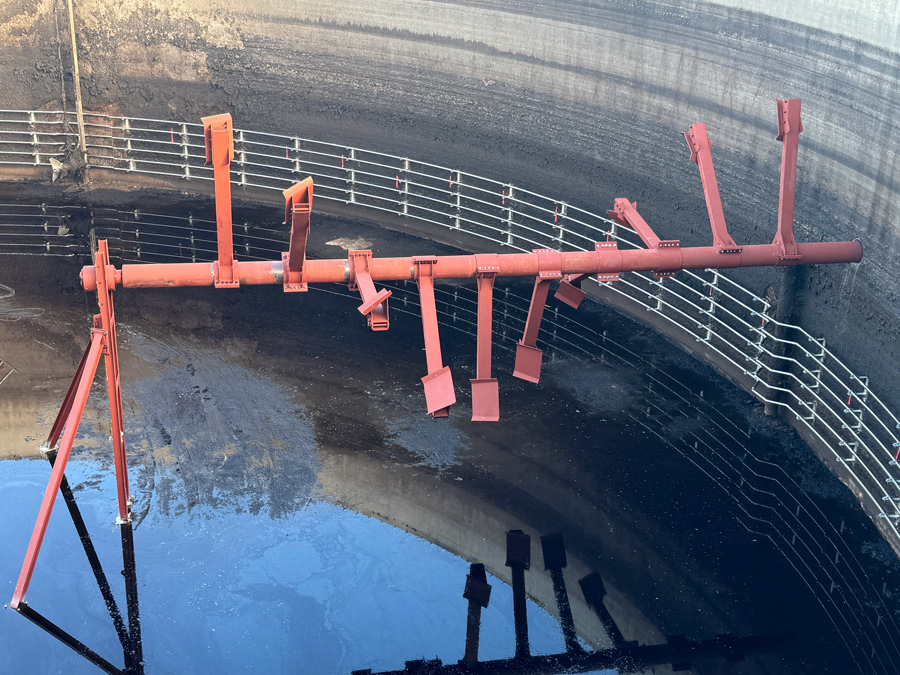
Image - biogastechnik-sued.de
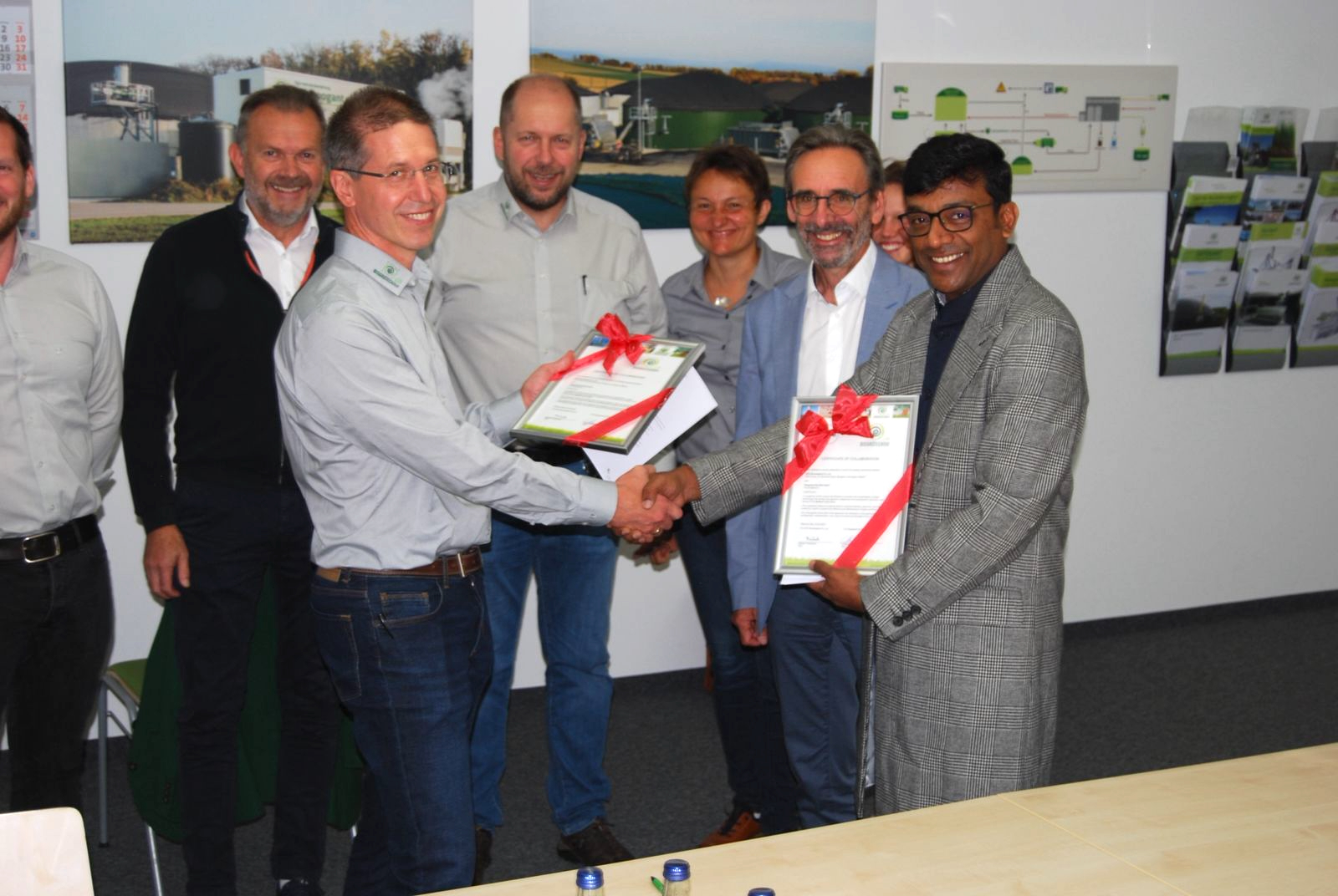
GPS Renewables, a full-stack biofuels firm offering technology and project solutions for climate-positive biofuel projects, and its subsidiary Proweps, have entered into an exclusive partnership with Germany-based Biogastechnik Süd GmbH (BGTS) to introduce Advanced Paddle Agitators (mixers) under their brand Varibull to India. This partnership aims to improve operational efficiency of biogas plants and reduce costs for Indian CBG (Compressed Biogas) Developers.

Currently, most CBG developers use conventional agitators – mechanical devices that mix organic waste and water within anaerobic digester. These consume more power and are inefficient in handling high fibrous substrates like paddy straw or Napier grass often leading to operational challenges such as poor mixing, crust formation and deposits inside biogas digesters. These inefficiencies are addressed by the Varibull Paddle Agitator, developed by Biogastechnik Süd in Germany. It offers high mixing efficiency, better handling of difficult substrates and significantly lower power consumption.

GPS Renewables to Manufacture High-Efficiency Biogas Agitators in India Under Exclusive BGTS Partnership

The agitator will be manufactured at GPS Renewables’ facility in Bengaluru and it will be offered competitively than currently available conventional biogas equipment. The company also plans to explore exports from India to other markets as part of its larger goal of making advanced biogas technologies easily accessible.

Rajesh Ayyappasur, Director - Business Development & Partnerships at GPS Renewables, said, “At GPS Renewables, our focus has always been on introducing innovative technologies that can categorically address challenges in biogas production in India. We do this either through our in-house solutions or through collaborations with global experts. This partnership with Biogastechnik Süd Germany marks a significant milestone for us as we enter into a new product category with the introduction of paddle agitators. Biogastechnik Süd is a pioneer in biogas components, and their Varibull Paddle Agitator is one of the best-selling agitators worldwide, trusted for its durability, low maintenance, and efficiency.”

Mainak Chakraborty, CEO and Co-founder, GPS Renewables, said, “Many Indian CBG plants that rely on conventional agitators face crusting, sediment build-up, uneven mixing, higher power consumption, and frequent breakdowns—challenges that directly impact throughput and reliability. As India’s leading full-stack biofuel firm offering TEPC services and critical process equipment under the OptiMaxx brand, we are committed to solving these issues through global technology partnerships, in-house R&D, and strong execution on the ground. Proven paddle agitators like Varibull from BGTS are purpose-built for tough substrates and will enable efficient mixing, lower energy use, and reliable, low-maintenance operation for CBG developers.”

Gregor Maier, CEO of Biogastechnik Süd, said, “At Biogastechnik Süd, our mission has always been to deliver reliable, efficient and durable technologies that add long-term value to biogas operators worldwide. India is one of the most important growth markets for bioenergy, and we are proud to partner with GPS Renewables, whose strong execution capabilities and deep sector understanding make them the ideal partner for localizing our solutions. The integration of our Varibull Paddle Agitator will help Indian plants maximize performance, reduce downtime, and ensure sustainable operations over decades.”

Robert Ohneberg, International Sales Manager at Biogastechnik Süd, added, “Our products are designed to perform under the toughest operating conditions. Many biogas and CBG plants in India struggle with uneven mixing, sedimentation, and excessive energy consumption. With GPS Renewables, we are confident that we can address these challenges effectively. The Varibull Paddle Agitator has become one of the best-selling agitators worldwide for its robustness, minimal maintenance needs, and efficiency. By bringing it to India, we aim to support developers and operators in achieving higher process stability, greater gas yields, and reduced lifecycle costs.”

Through this partnership, GPS Renewables will distribute and integrate Biogastechnik Süd paddle agitator technology within its turnkey plant solutions and OptiMaxx equipment portfolio, offering Indian CBG developers a proven, future-ready mixing solution.

About GPSR (GPS Renewables) Group

Headquartered in Bengaluru, GPS Renewables (“GPSR”) is a full-stack biofuels firm offering technology and project solutions for climate-positive biofuel projects. Starting from captive biogas plants, GPSR has scaled up to set up some of the world’s largest RNG plants. In 2022, GPS Renewables launched GPSR Arya Pvt Ltd (“ARYA”) a wholly-owned subsidiary, to commission BOO (Build-Own-Operate) projects, augmenting its climate impact ambitions.

GPSR has formed joint ventures with Indian Oil, Bharat Petroleum, and Oil India to build compressed biogas (CBG) plants across India. These plants will process agricultural and organic waste, reduce carbon emissions, and support the government’s SATAT initiative.

About Biogastechnik Süd GmbH

In 1999, Biogastechnik Süd’s founders Clemens and Gregor Maier created the Varibull paddle agitator to overcome crusting and poor mixing issues on their own farm. Today, Varibull is the world’s best-selling mixer, proven in thousands of installations. Over the years, BGTS has expanded into a full range of biogas solutions—including paddle agitators, screw presses, feeding systems, and other critical plant components—developed from practice, for practice. This farmer-driven innovation ensures durable, low-maintenance, and energy-efficient technologies that deliver sustainable success for CBG developers worldwide.

About proweps

proweps envirotec GmbH is a Germany based international active consulting and engineering company specialized in technologies to utilize organic waste and biomass for biogas, biomethane or BioCNG or BioLNG production. The company offers a wide range of engineering services that are necessary for the realization of turnkey treatment plants. This includes feasibility studies, design & engineering, project management, supervision of construction and commissioning Furthermore key process equipment or key technologies required for turnkey plants are delivered as pretreatment, pasteurization, digester systems are completely supplied on customer demand. Long time international experience is the key for many successful projects realized on the international waste and biomethane market.

Renewable Energy Industry Veteran Jeff Tolnar Joins Hylenr’s Board of Directors

Renewable Energy Industry Veteran Jeff Tolnar Joins Hylenr’s Board of Directors
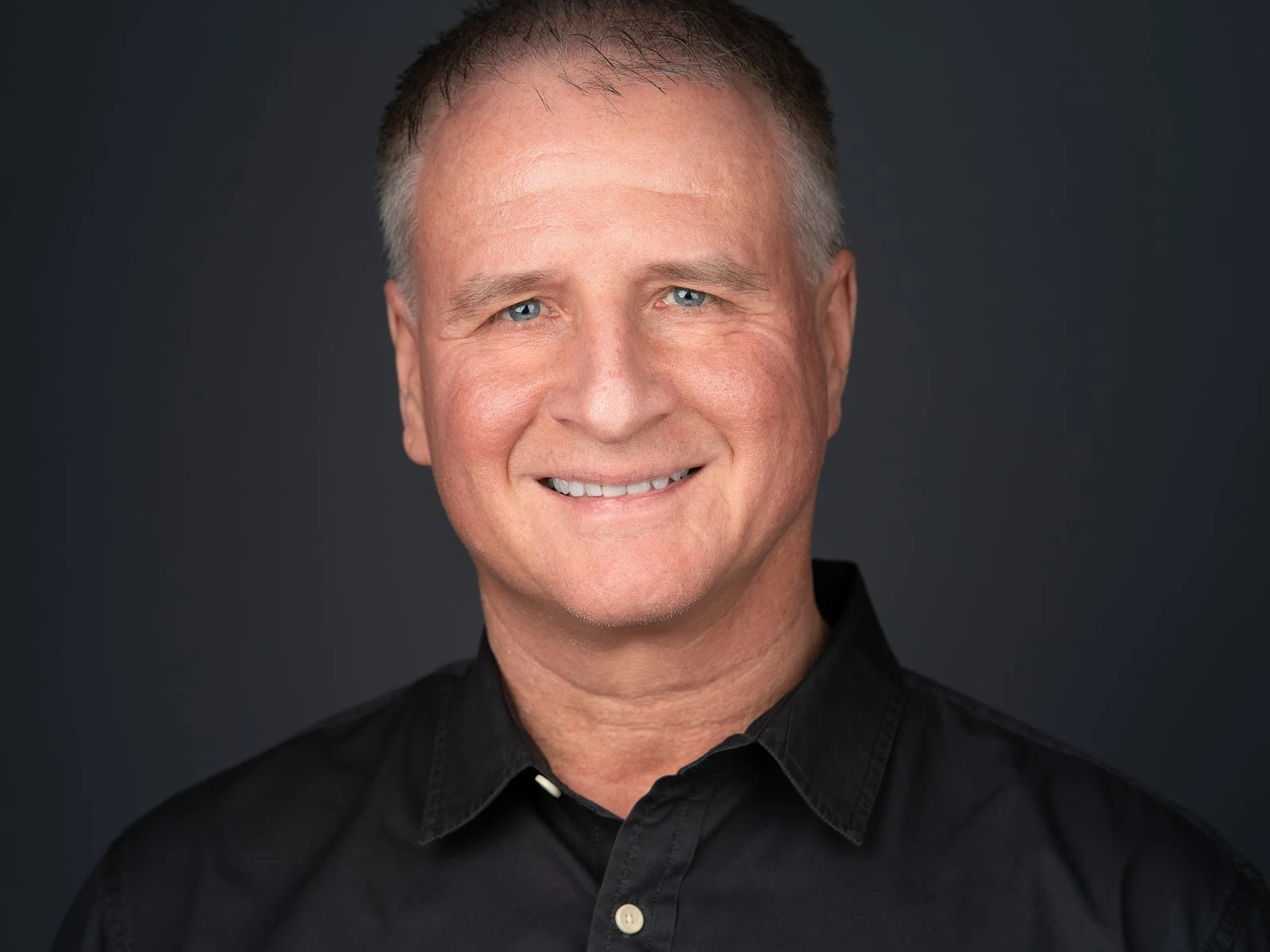
Jeff Tolnar
Hylenr, a pioneering clean energy company focused on commercializing Low Energy Nuclear Reactions (LENR) for global markets, today announced the appointment of Jeff Tolnar to its Board of Directors. Tolnar, a seasoned executive and thought leader in the renewable energy industry, brings expertise in technology commercialization, energy systems, and market development.

With a proven track record at leading energy and technology companies including Honeywell, Shoals Technologies Group, and Landis+Gyr, Tolnar has been instrumental in advancing sustainable solutions across the energy value chain. His leadership roles spanned strategy, operations, and innovation, making him uniquely positioned to support Hylenr’s next phase of growth.

Hylenr’s vision of deploying LENR technology to deliver scalable, clean, and affordable energy aligns perfectly with my lifelong passion for renewable energy and energy innovation,” said Jeff Tolnar. “I’m honored to join the Board and work with Ram, Sid, and the entire team to help bring this transformative technology to the world.”

Hylenr’s LENR platform represents a breakthrough in clean energy generation, offering high energy density with minimal environmental footprint. As the company transitions from advanced R&D to productization and commercialization, Tolnar’s experience will help guide strategic decisions, partnerships, and go-to-market execution.

We’re thrilled to welcome Jeff to the Board,” said Ram Ramaseshan, Co-Founder & CEO, Hylenr. “His insight into scaling renewable technologies and building high-performing teams will be invaluable as we bring our LENR solutions to the global energy market.

Siddhartha Durairajan, Co-Founder & Managing Director, Hylenr, added: “Jeff has led innovation at some of the most respected names in the industry, and shares our mission-driven commitment to solving the world’s energy challenges. His guidance will help ensure Hylenr delivers on its bold promise.” With Tolnar joining the board, Hylenr strengthens its leadership bench at a critical inflection point, positioning itself to disrupt traditional energy paradigms and deliver sustainable power worldwide.

About Hylenr

Hylenr is a clean energy technology company developing cutting-edge solutions based on Low Energy Nuclear Reactions (LENR). Its mission is to provide safe, scalable, sustainable energy for a cleaner, more equitable future. With a team of innovators, scientists, and entrepreneurs, Hylenr is redefining what’s possible in the renewable energy space.

Vedanta’s Meenakshi Energy Goes Live with 1000 MW Thermal Plant—Saline Water Innovation and Zero Legacy Waste Lead the Way

Vedanta’s Meenakshi Energy Goes Live with 1000 MW Thermal Plant—Saline Water Innovation and Zero Legacy Waste Lead the Way

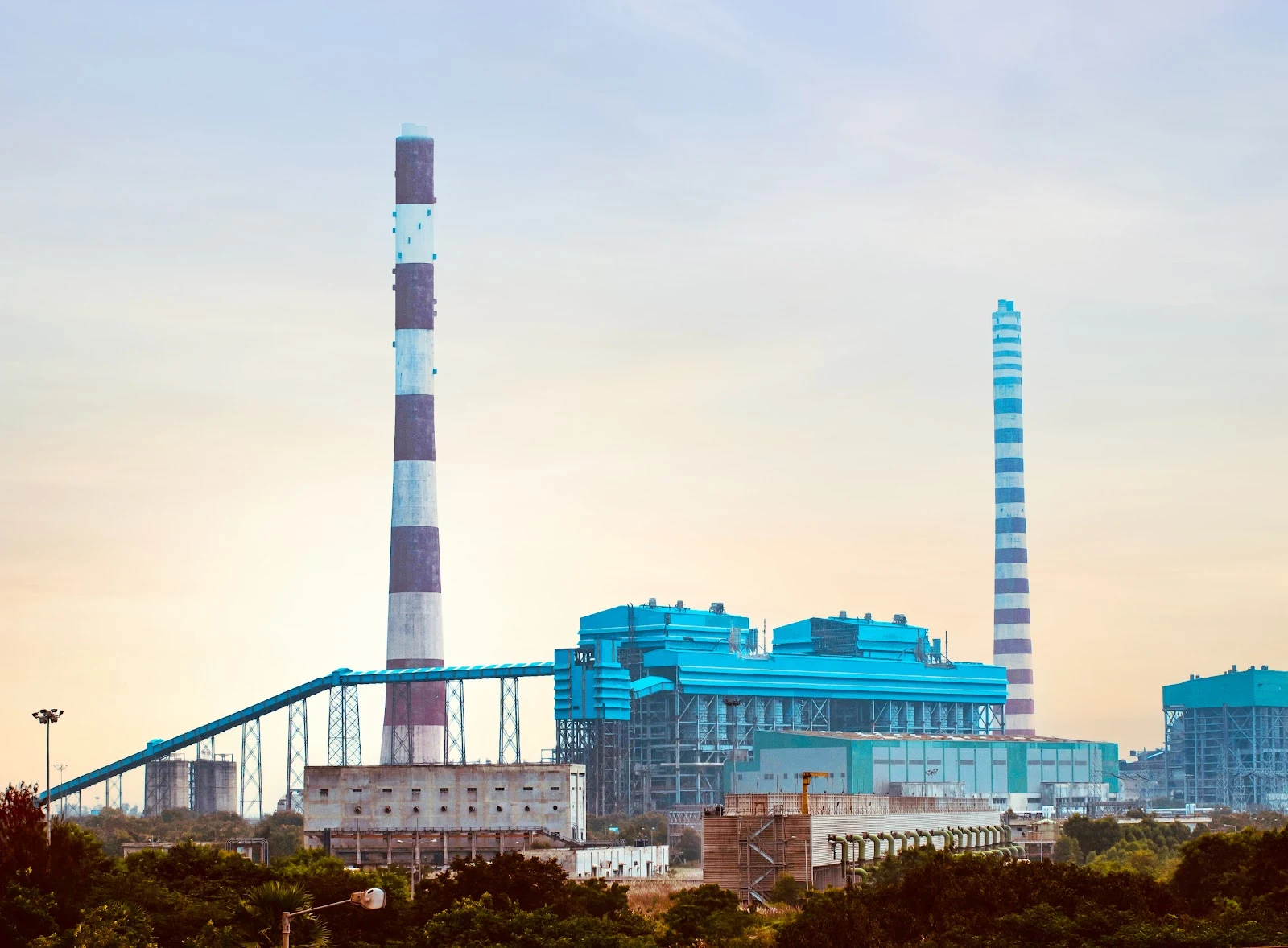
Meenakshi Energy Limited (MEL), a subsidiary of Vedanta Limited, has announced the full operationalization of its 1000 MW thermal power plant, comprising two units of 350 MW and two units of 150 MW.

Meenakshi Energy, the latest acquisition of Vedanta in 2023, has achieved a remarkable turnaround within two years through a structured and accelerated commissioning plan. Earlier this year, both 150 MW units were stabilized and operationalized, followed by the commissioning of two 350 MW units in this month. With this, Meenakshi Energy’s full 1,000 MW capacity has been restored to deliver reliable and sustainable power. This milestone strengthens Vedanta Power’s portfolio and contributes to the nation’s energy security.

Bolstered by Vedanta’s technological prowess, Meenakshi Energy operates with cutting-edge, state-of-the-art technology that drives efficiency, reliability, and sustainability. Advanced control systems, high-efficiency turbines, and optimized processes make it one of the most efficient newly commissioned thermal power plants in the country. Besides, supplying dependable energy to industrial clusters in the proximity, MEL is ready to deliver stable baseload power to grids. This combination of technology and efficiency positions MEL as a key enabler of India’s energy security and industrial growth.

On achieving operationalization status, Rajinder Singh Ahuja, CEO- Power, Vedanta Ltd said, “With thermal projects accounting for over 70% of India’s electricity, they remain the backbone of the country’s energy security, meeting peak demand, ensuring fuel availability, and providing stable baseload generation. This comeback reinforces our commitment to meeting India’s growing energy needs and marks a defining chapter in our journey to become the country’s most efficient and sustainability-driven power producer.”

A distinctive feature of MEL is its 100% reliance on saline water, treated and used exclusively for internal industrial processes. This eliminates dependence on freshwater resources, preserving supplies for agriculture and local communities, and aligns with India’s water-security goals. MEL has also implemented a water recovery system from the ash dyke, further conserving resources and enhancing plant sustainability. In addition, the company has eliminated legacy ash waste. Through such strategic resource management, MEL not only meets its operational needs but also contributes to a broader vision of environmental sustainability.

MEL employs world-class digital safety and risk-management platform to standardize reporting, strengthen compliance, and foster a proactive safety culture for its 1150 strong workforce, across the plant.

Vedanta Power is among India’s largest private power producers with 4,780 MW installed capacity, catering to discoms, utilities, and industries nationwide. Its portfolio includes Talwandi Sabo Power Limited, a supercritical 1980 MW plant in Mansa, Punjab serving 30% of state’s power needs; Vedanta Ltd. Chhattisgarh Thermal Power Plant (VLCTPP) of 1200 MW in Singhitarai, Chhattisgarh; Meenakshi Energy of 1000 MW in Tirupati, Andhra) and the 600 MW Jharsuguda Thermal Power Plant in Odisha.

Japan’s First Osmotic Plant Signals a New Era of Water-Based Energy

Japan’s First Osmotic Plant Signals a New Era of Water-Based Energy

In a quiet corner of southern Japan, something revolutionary is happening beneath the surface. No smoke. No noise. Just the silent push and pull of salt and fresh water generating clean electricity. Welcome to Japan’s first osmotic power plant—a bold step into the future of renewable energy.

What Is Osmotic Power?

Osmotic Power

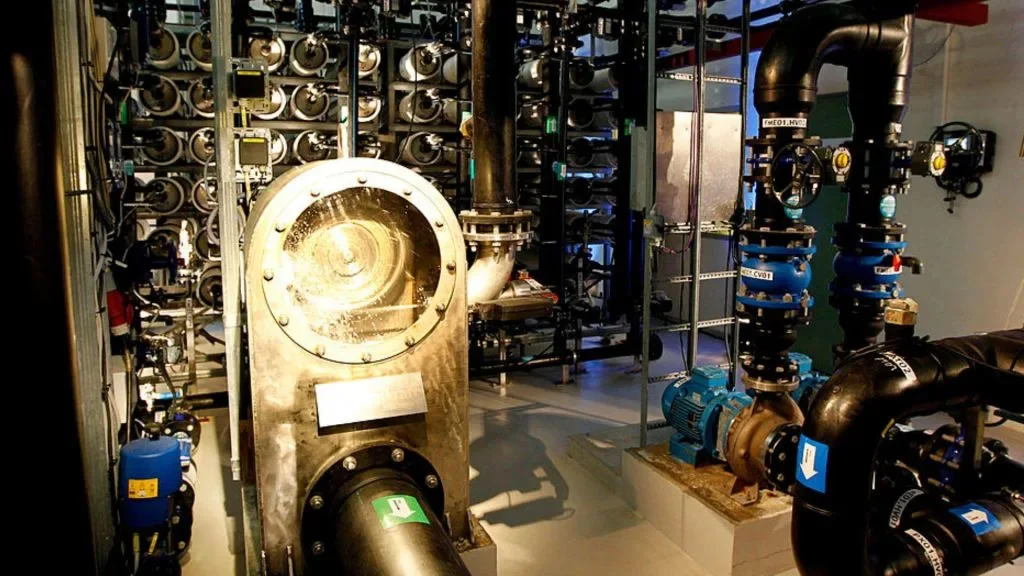
Imagine placing freshwater and seawater side by side, separated by a special membrane. Nature wants balance, so freshwater flows toward the saltier side, creating pressure. That pressure can spin a turbine—and voilà, you’ve got electricity. It’s called osmotic energy, or more poetically, “blue energy.”

Unlike solar or wind, osmotic power doesn’t care if it’s cloudy or calm. It runs 24/7, quietly converting water chemistry into clean power.

Japan’s First Plant: Small but Mighty

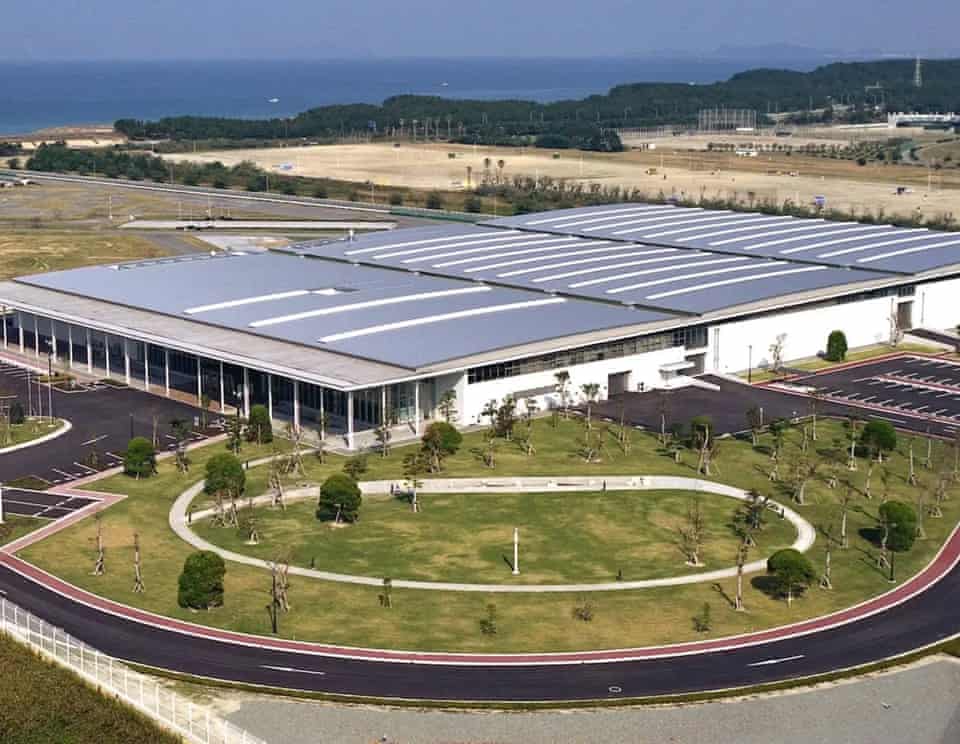
Osmotic power plant by Fukuoka District Waterworks Agency
Launched in August 2025 by the Fukuoka District Waterworks Agency, the plant uses treated wastewater and concentrated seawater—both byproducts of desalination—to generate power. It’s expected to produce 880,000 kilowatt-hours annually, enough to run a desalination facility and supply clean water to nearby communities.

That might not sound like much, but it’s a proof of concept with global implications.

This is next-generation renewable energy, says Akihiko Tanioka, a leading researcher in osmotic systems. It’s clean, constant, and scalable.

Why It Matters

Always On: Unlike solar panels or wind turbines, osmotic power doesn’t depend on weather.

Eco-Friendly: No emissions, no fuel, no noise—just water doing what it naturally does.

Global Potential: Countries like Norway, South Korea, and Australia are exploring similar tech.

What’s Next?

Japan’s move could spark a wave of innovation. Coastal cities, desalination hubs, and wastewater treatment plants might soon double as power stations. And with climate change demanding cleaner solutions, osmotic energy offers a tantalizing new option.

It’s not just science—it’s strategy. Turning water into power without harming the planet? That’s the kind of quiet revolution the world needs.

L&T Ships First Steam Generator for Haryana Nuclear Power Plant Ahead of Schedule, Boosting India’s Nuclear Energy Drive

L&T Ships First Steam Generator for Haryana Nuclear Power Plant Ahead of Schedule

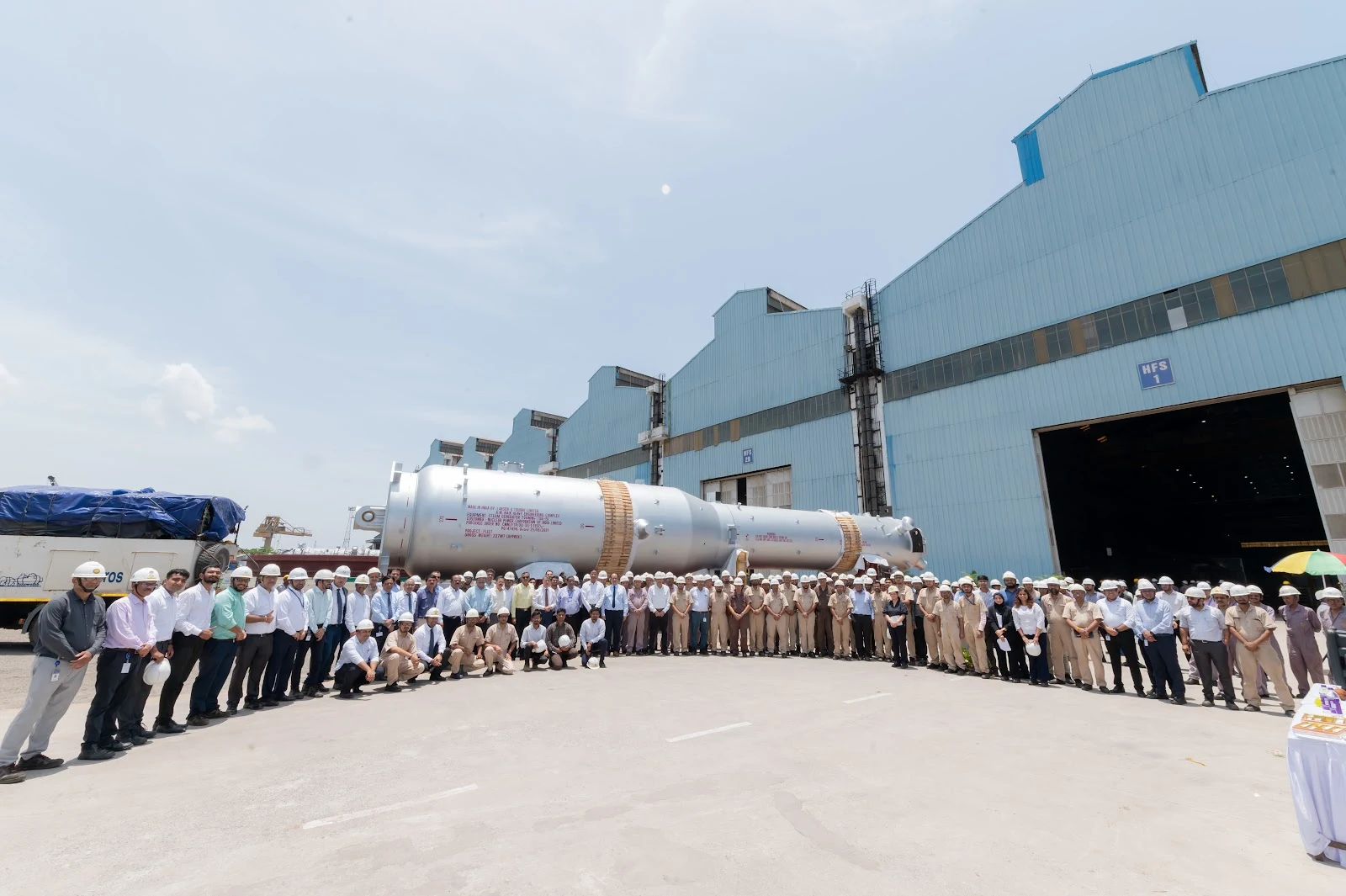
Marking yet another milestone in India’s civil nuclear energy programme, L&T Heavy Engineering has despatched a Steam Generator to the Gorakhpur Haryana Anu Vidyut Pariyojana (GHAVP), located in Fatehabad district, Haryana.

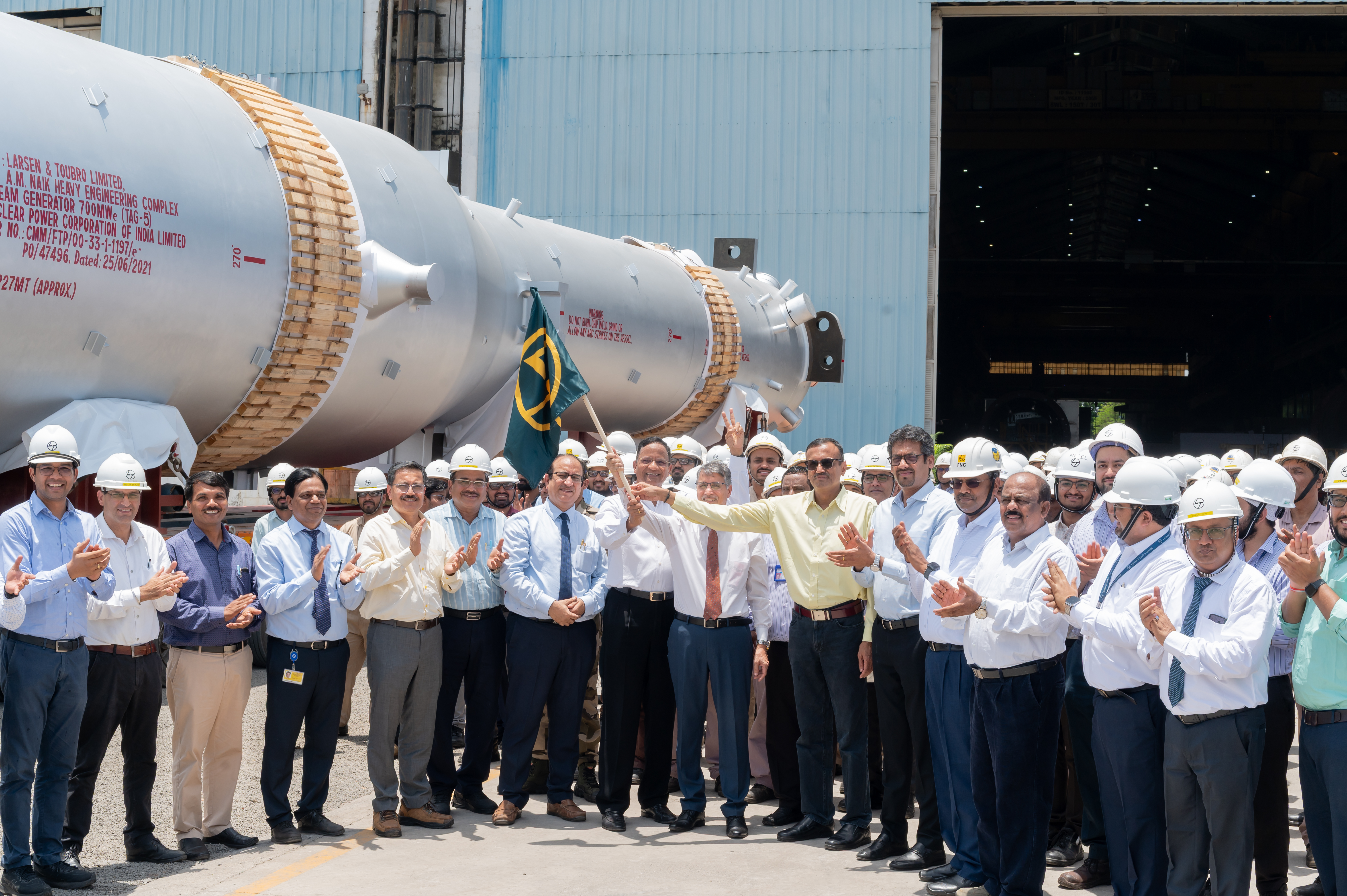
The Steam Generator was ceremonially flagged off from L&T’s state-of-the-art manufacturing facility at Hazira in Gujarat, in the presence of NPCIL Chairman & Managing Director Mr Bhuwan Chandra Pathak, Director (Technical) Mr Rajesh Veeraraghavan along with other senior officials of NPCIL and L&T.

This is first of the four Steam Generators that L&T is manufacturing for GHAVP and is meant for its Unit 3 & 4. Notably, the Steam Generator has been despatched seven months ahead of schedule, reinforcing L&T’s reputation for excellence and reliability in nuclear manufacturing.

GHAVP 3&4 are a part of the ten indigenous 700 MWe Pressurised Heavy Water Reactors (PHWRs) being set up in the country in fleet mode by NPCIL.

L&T Heavy Engineering Despatches Steam Generator for Haryana Nuclear Power Plant

Speaking at the flag-off ceremony, NPCIL CMD Mr Pathak said:
With a remarkable technology transformation, L&T Heavy Engineering has enhanced both speed and quality of its execution. This is a strong indication of industry preparedness in manufacturing of critical equipment for nuclear power plants and will go a long way to achieve the target of 100 GWe by 2047


Mr Anil V Parab, Whole-time Director and Senior EVP (Heavy Engineering and Construction Equipment & Industrial Product Design Development, L&T) said: “Heavy Engineering continues to be the industry trendsetter in the manufacture of critical nuclear components. With end-to-end capability as one-stop-shop solution provider, L&T will be a major contributor to India’s 100 GWe nuclear programme of Viksit Bharat - 2047”.

L&T set a global benchmark by delivering a Steam Generator in just 33 months. L&T has till date delivered 5 steam generators for the 10 X 700 MWe fleet programme.

Background:

Larsen & Toubro is a USD 30 billion Indian multinational engaged in EPC Projects, Hi-Tech Manufacturing, and Services, operating across multiple geographies. A strong, customer–focussed approach and the constant quest for top-class quality have enabled L&T to attain and sustain leadership in its major lines of business for eight decades.

Trane Technologies Launches BrainBox AI Lab to Drive Sustainable HVAC and Building Intelligence

Trane Technologies Launches BrainBox AI Lab to Drive Sustainable HVAC and Building Intelligence
Trane Technologies (NYSE:TT), a global climate innovator, announced the launch of the BrainBox AI Lab – igniting a new era in energy optimization for heating, ventilation, and air conditioning (HVAC) solutions in the built environment and refrigerated transport.

The Trane Technologies BrainBox AI Lab is dedicated to advancing technologies designed to support more intelligent, efficient, and sustainable building operations across the industry. With the infusion of AI through Trane Technologies’ products, solutions, and operations, the organization is poised to lead the market transition towards fully digitized building operations in alignment with its sustainability principles.

Through the BrainBox AI Lab, we are bringing together world-class talent and industry-leading technology to shape the next generation of climate innovation,” said Riaz Raihan, Chief Digital Officer, Trane Technologies. “Demand continues to grow for solutions that reduce energy, emissions and operational costs. This premier lab is an important element in our strategy to remain at the forefront of digital and AI solutions that create positive impact for our customers and the world.”

The new BrainBox AI Lab serves as a hub for rigorous research, collaboration, and real-world testing to set new standards within the industry and beyond. This network of AI experts within Trane Technologies will continue to advance autonomous control systems, predictive models, and algorithms aimed at reducing emissions through smarter energy use. The BrainBox AI Lab will also focus on evolving fields of study, including agentic AI and the application of physics-informed neural networks, enabling total digital transformation for the built environment.

AI is accelerating at a pace few could have imagined, unlocking extraordinary opportunities to solve some of humanity’s greatest challenges,” said Jean-Simon Venne, President at BrainBox AI and Head of the AI Lab. “Our responsibility is not just to innovate quickly, but to also ensure that it is being done wisely and sustainably. The BrainBox AI Lab will define what is next for AI within the industry.”

Leveraging a multidisciplinary team of technical experts including software engineers, data scientists, AI researchers, machine learning developers and AI engineers, this AI Lab will be guided by the following principles:Product Creation: Turning breakthrough ideas and discoveries into ready-to-use products and applications – moving past the concept phase and into real-world impact.
  • Research & Development: Teaming up with world-class researchers and universities to push scientific discovery and shape the future of AI in energy management.
  • Ethics & Guardrails: Embedding ethical and responsible AI principles and safeguards into how we design, develop, and deploy our solutions.
  • Sustainability: Creating AI technologies that support energy optimization and reduction of global carbon emissions in support of Trane Technologies’ ambitious 2030 Sustainability Commitments.
Trane Technologies acquired BrainBox AI in January 2025 amid fast-growing demand for sustainable, autonomous building solutions, bringing industry-leading autonomous HVAC controls and generative AI building technologies to more customers. The companies previously teamed up for more than two years, combining BrainBox AI’s leading artificial intelligence technology with Trane Technologies’ advanced building management and digital capabilities.

For more information, visit Trane Technologies BrainBox AI Lab.

Can India’s Power Infrastructure Keep Up with Its Digital Ambitions?

Can India’s Power Infrastructure Keep Up with Its Digital Ambitions?

India’s data center industry is experiencing an unprecedented growth trajectory, driven by rapid digitalization, the rollout of 5G networks, AI adoption, and increasing cloud demand. Industry forecasts estimate that the country’s data center capacity will rise from around 1.4 gigawatts today to over 9 gigawatts by 2030. This surge translates into data centers potentially consuming roughly 3% of India’s total electricity by that year, up from less than 1% currently. Expanding hyperscale and colocation facilities in metros like Mumbai, Bengaluru, Chennai, and Delhi, alongside rising secondary hubs in tier 2 and 3 cities, underline the vast scale and geographic diversification of this growth.

Power Infrastructure Challenges Unique to the Digital Era

Can India’s Power Infrastructure Keep Up with Its Digital Ambitions?
Vikas Srivastava, Director-Product Management, Product Development/Engineering, Vertiv

Data centers require uninterrupted, high-quality power that traditional grids, especially beyond metropolitan areas, often struggle to provide. Frequent outages, voltage instability, and limited grid capacity plague many emerging digital hubs in smaller cities and rural areas. Moreover, the scale of power demand from mega data centers rivals that of large industrial operations, placing additional strain on local utilities and transmission infrastructures. Maintaining uptime for critical digital services requires a fundamental rethink of power supply, distribution, and resilience strategies tailored to these demanding environments.

Decentralized, Intelligent Power Ecosystems as the Future

To address these challenges, the industry should pivot toward self-sustained power ecosystems. This entails integrating microgrids, hybrid energy sources including renewables augmented by battery energy storage systems, and real-time power optimization technologies. Decentralized power distribution architectures reduce dependency on unstable grids, enabling edge locations such as rural data nodes, telecom towers, and smart factories to operate autonomously with high reliability. Intelligent infrastructure monitoring and AI-driven energy management can further optimize load distribution, predictive maintenance, and increase energy efficiency across interconnected digital sites.

Sustainability and Policy Enablement

India’s ambitious renewable energy targets aim for 500 gigawatts of renewable capacity by 2030, and government incentives such as data center policies and production-linked incentives are catalyzing the integration of green power into digital infrastructure. Operators are increasingly leveraging rooftop solar, wind power, and advanced cooling technologies to reduce carbon footprints. Notably, energy storage initiatives backed by viability gap funding have accelerated battery storage adoption, crucial for bridging supply-demand gaps and mitigating renewables’ intermittency.

Strategic Enterprise Investment and Advanced Solutions

While policy frameworks set the stage, private sector leadership is paramount. Investors and operators are scaling infrastructure with modular, scalable power units capable of operating in extreme ambient conditions prevalent across India. Technologies such as high-efficiency uninterruptible power supplies, AI-based monitoring platforms, and hybrid grid-storage combinations ensure consistent power quality and resilience. These advancements also embrace operational flexibility, allowing data centers to dynamically adjust to fluctuations in demand and supply, reducing total cost of ownership and sustainability risk.

The symbiotic growth of India’s digital economy and power infrastructure faces complex challenges requiring innovative, integrated approaches. Developing decentralized, intelligent, and green power systems tailored to the evolving needs of data centers, supported by proactive investment and enabling policies, will be critical. Successfully navigating these challenges will ensure India’s digital ecosystems remain robust and adaptive, securing its place as a global technology powerhouse in the decade ahead.

Reference Links:

Vedanta Crosses $5 Billion Capex in India

Ahead of Independence Day, Vedanta Limited (NSE: VEDL), India’s leading critical minerals, energy transition metals, energy, and technology conglomerate, announced a major milestone - crossing USD 5 billion in capital expenditure in India from its total planned outlay of USD 8.5 billion within the country. These investments are focused on capacity expansions, backward integration, and raw material security projects, reinforcing India’s journey towards resource atmanirbharta and building a resilient industrial base capable of withstanding global market volatility.

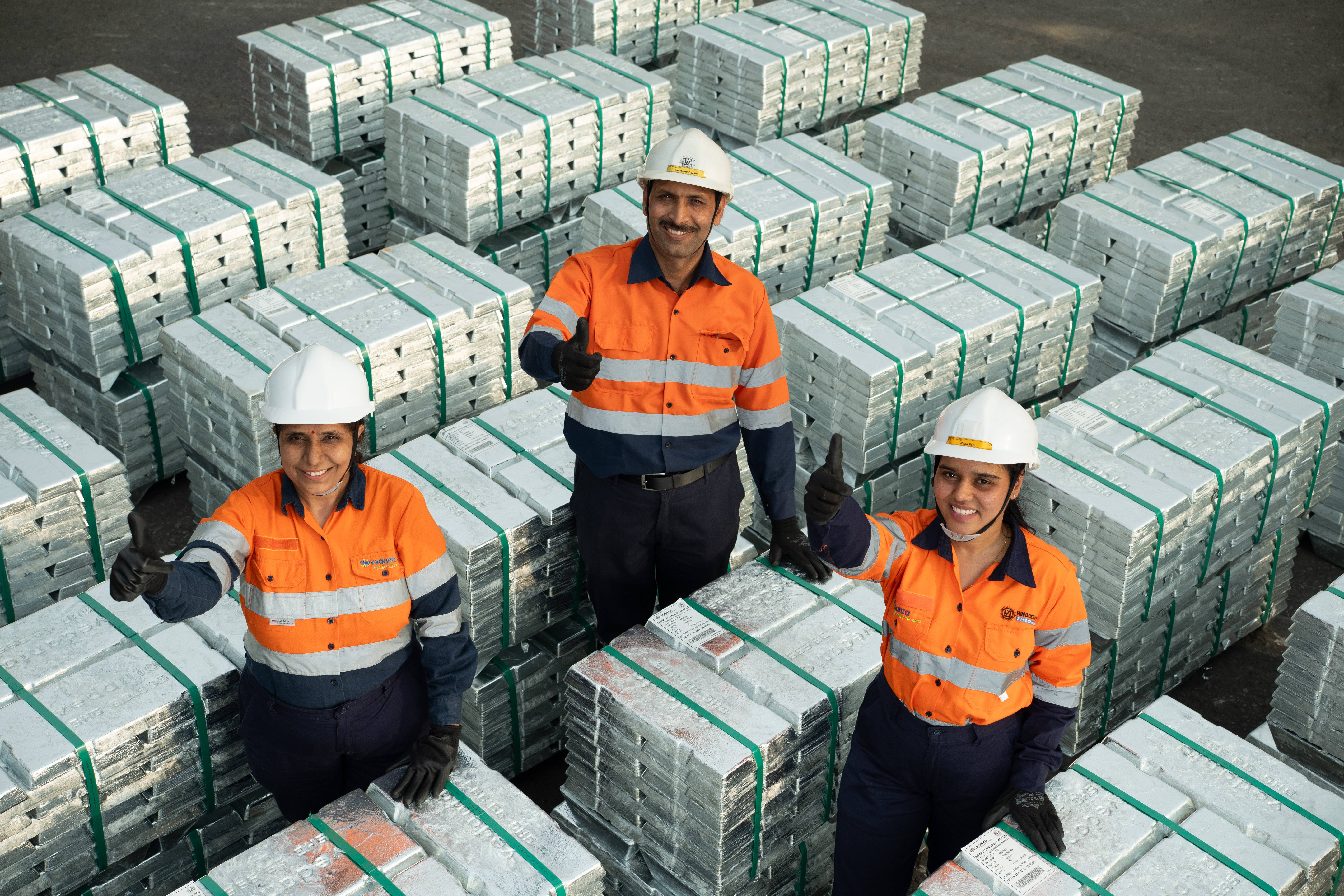
Vedanta operates some of the largest and most strategic natural resource assets in the country, including the world’s largest single-location aluminium smelter, the world’s largest underground zinc mining site, the world’s largest single location zinc-lead smelter, and India’s largest onshore oil field. In the past two fiscals alone, the company has invested nearly USD 2.5 billion in India to boost production capacity, strengthen backward integration, integrate new technologies and expand its value-added product portfolio.

Vedanta Crosses $5 Billion Capex in India
Vedanta’s Zinc Bolsters India’s Industrial Self-Reliance

In the first quarter of the current fiscal year, Vedanta’s subsidiary business Hindustan Zinc announced an investment of USD 1.4 billion as part of its board-approved first phase of doubling capacity plans. The investment is centred towards setting up a 250 KTPA integrated smelting complex in Udaipur along with mines and mills expansion.

Vedanta has been at the forefront of ensuring domestic availability of key resources including oil & gas, aluminium, zinc, silver, lead, ferrochrome, steel and nickel for India’s growing economy and finding applications in infrastructure, defence, aerospace, automotive, hi-tech manufacturing and technology. The aluminium business caters to nearly half of India’s total demand and Vedanta is expanding its value-added product portfolio to serve high-end applications in renewable energy, automotive, aerospace and other growth sectors.

In zinc, Vedanta holds a 77% market share in the domestic primary market and meets around 10 percent of India’s silver demand with 100% of the sales within the country. The oil and gas operations produce roughly a quarter of the nation’s hydrocarbons and has produced approximately 1.4 billion barrels of oil equivalent since inception. The company’s steel production caters entirely to the domestic market. While for nickel, Vedanta is the sole producer of nickel in India and 80% of the metal is sold in the domestic market.

Vedanta Crosses $5 Billion Capex in India
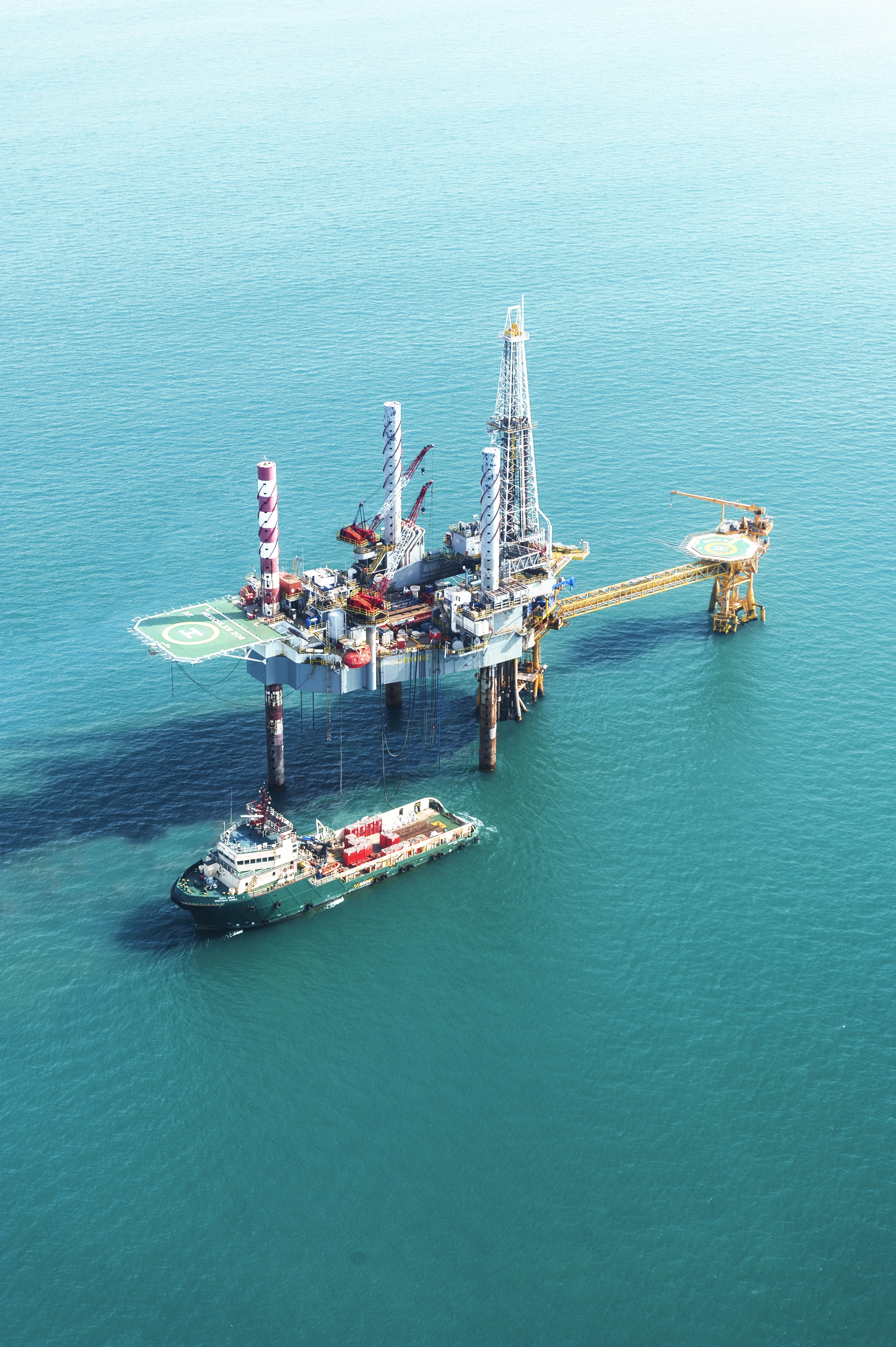
Vedanta's Cairn Oil & Gas Offshore Unit in Andhra Pradesh

In the wake of the recent tariffs, Vedanta believes that ensuring the domestic availability of energy transition metals such as aluminium, zinc, silver and oil & gas at globally competitive prices will be critical to powering India’s public infrastructure, renewable energy and defence projects.

In an era of rising resource nationalism, Vedanta is committed to ensuring India’s growth is powered by its own resources. Our integrated operations, scale and sustained investments enable us to meet domestic demand with world-class products while insulating the economy from volatile global trade policies and geopolitical vagaries. This is not just about self-reliance, it’s about securing India’s long-term strategic and economic future,” said a Vedanta spokesperson.

Vedanta’s vision of producing for Desh ki Zarooraton ke Liye (for the needs of the country) reflects the broader call for economic sovereignty and positions the country to leverage its abundant mineral wealth for sustainable, inclusive and globally competitive growth. By aligning its operations with India’s atmanirbharta vision, Vedanta aims to turn the current global trade turbulence into a long-term competitive advantage, using its scale and integration to position India as a resource-secure, globally competitive economy.

In A Historic Shift, India Opens Uranium Mining to Private Sector

In A Historic Shift, India Opens Uranium Mining to Private Sector

India is poised to make a historic shift in its nuclear energy strategy by allowing private firms to mine, import, and process uranium—ending a decades-old state monopoly, said a report by Reuters.

Key Highlights of the Policy Shift

  • Private Sector Entry: Companies can now mine, import, and supply control systems for nuclear plants.
  • State Retains Core Control: Government will manage spent fuel reprocessing and plutonium waste.
  • Timeline: Policy expected to be announced in FY26.

Nuclear Expansion Goals

Metric Current Status 2047 Target
Nuclear Power Capacity 8.8 GW 100 GW
Share of Electricity from Nuclear ~2% 5%
Uranium Demand Coverage (Domestic) ~25% Remainder to be imported

Implications for Industry & Investment

  • Legal Overhaul: Amendments needed in mining, electricity, and FDI laws.
  • Foreign Participation: Minority stakes in nuclear plants to be allowed.
  • Corporate Interest: Indian conglomerates preparing investment plans.

Global Context

Countries like Canada, South Africa, and the United States already allow private firms to mine and process uranium, offering international precedents for India’s move.

This shift is part of Prime Minister Modi’s broader Viksit Bharat 2047 vision, aiming to make nuclear energy a cornerstone of India’s clean energy and energy security strategy.

Maharashtra Partners with AEEE to Boost Energy Efficiency and Decarbonisation Under Climate Action Plan

Maharashtra Partners with AEEE to Boost Energy Efficiency and Decarbonisation Under Climate Action Plan

The Alliance for an Energy Efficient Economy (AEEE) and the State Climate Action Cell (SCAC), Department of Environment and Climate Change, Government of Maharashtra, announced a Memorandum of Understanding (MoU) today to establish a strategic framework supporting the State Action Plan on Climate Change (SAPCC).

The MoU aims to drive decarbonisation and reduce emission intensity by strengthening energy efficiency and demand-side management across key sectors such as buildings, industries, space cooling, and cold chains. This marks a significant step forward in advancing Maharashtra’s climate action.

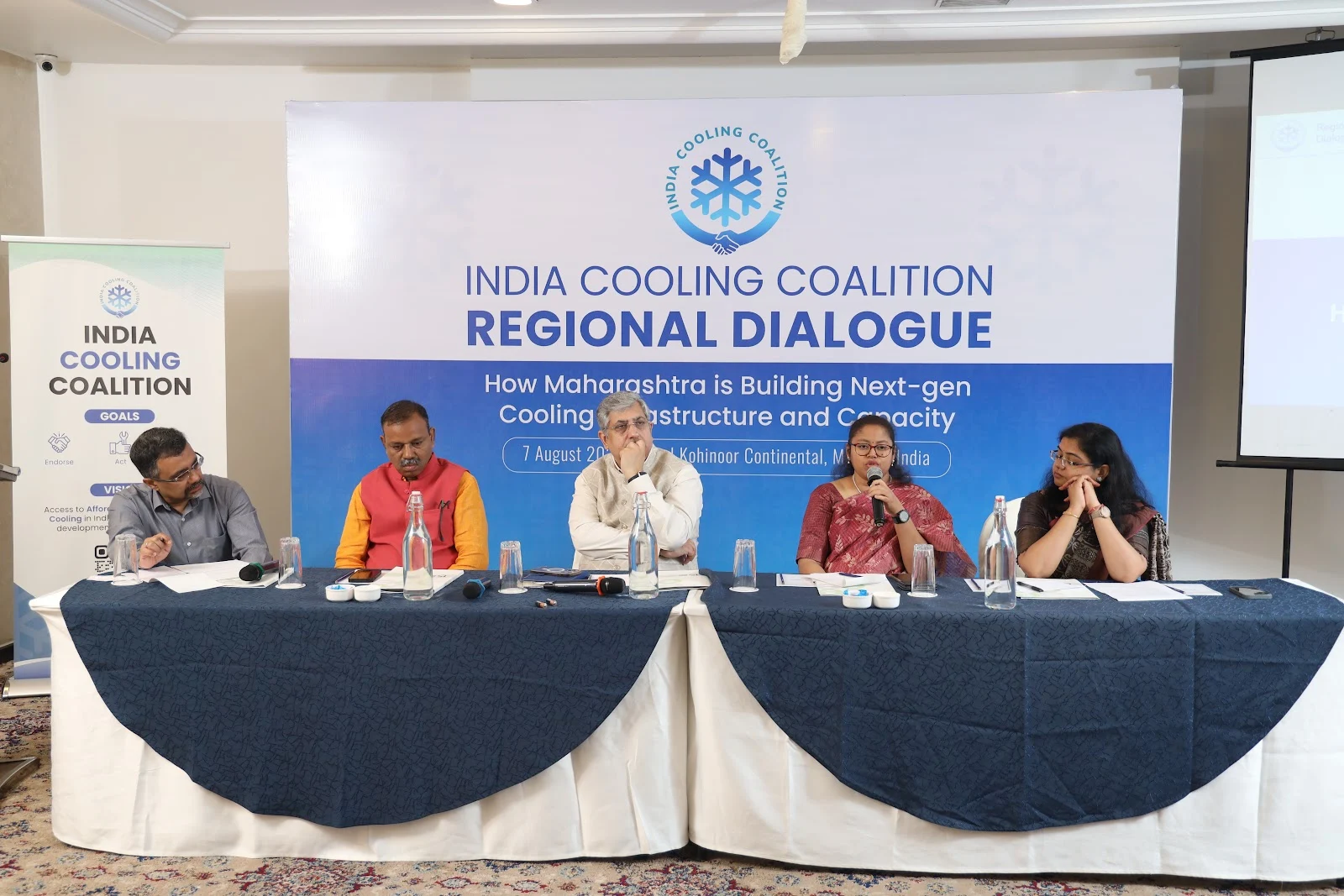
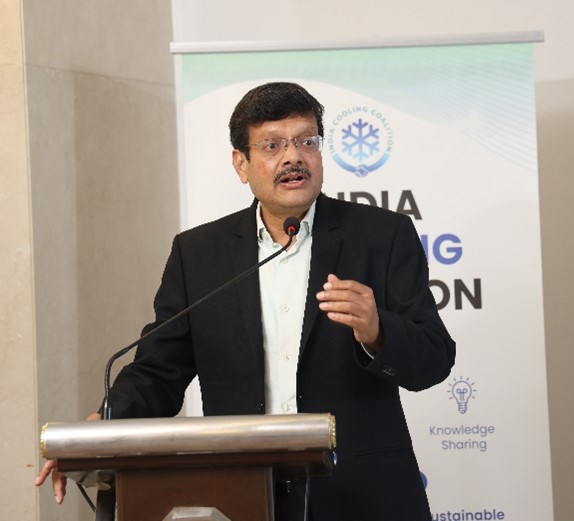
This announcement was made at a Regional Dialogue convened by the India Cooling Coalition (ICC), titled “How Maharashtra is Building Next-Gen Cooling Infrastructure and Capacity.” The event brought together public and private sector experts, implementation partners, and members of the media, reaffirming Maharashtra’s leadership in advancing climate-resilient cooling solutions.

Maharashtra Partners with AEEE to Boost Energy Efficiency and Decarbonisation Under Climate Action Plan
Abhijit Ghorpade

Announcing the MoU, Shri Abhijit Ghorpade, Director, State Climate Action Cell, Government of Maharashtra, said, "Maharashtra is committed to acting decisively and urgently on climate change. Our partnership with AEEE, and our growing engagement with the India Cooling Coalition, is a step toward scaling sustainable solutions that are suited to Indian conditions. As the state aspires to become India’s first trillion-dollar economy by 2028–30, we must integrate long-term, low-carbon strategies into our growth model. Through the revised State Action Plan on Climate Change and strengthened climate action at the grassroots, we are setting the direction for a climate-resilient future."

The Coalition also explored the urgent need for climate-aligned cold chain solutions in India’s agriculture and food systems, especially to tackle high post-harvest losses in perishable crops like fruits and vegetables. Maharashtra alone produces over 28.8 million tonnes of horticultural output annually, but loses an estimated 2.1 million tonnes to inadequate storage and handling.

A central theme throughout the dialogue was the critical need for robust and accessible cooling infrastructure, particularly in light of India's significant post-harvest losses, estimated between 6.02% to 15.05% for fruits and 4.87% to 11.61% for vegetables. Discussions highlighted the practical application of various support mechanisms, drawing insights from comprehensive resources like the Micro Cold Storage Schemes: A User-Friendly SOP Guide. Developed by the Alliance for an Energy Efficient Economy (AEEE), this guide compiles the key government schemes supporting micro cold chain infrastructure, bringing together scheme-wise Standard Operating Procedures (SOPs), eligibility criteria, documentation requirements, and step-by-step guidance in one accessible resource. It is designed to benefit smallholder farmers, Farmer Producer Organisations (FPOs), cooperatives, rural entrepreneurs, resource institutions, and financial institutions – helping unlock timely access, increase awareness of available support, and drive broader adoption of climate-smart, energy-efficient cold chain solutions that can transform outcomes for farmers and rural communities.

Resources like this are crucial to turning policy promises into real progress,” said Khushboo Gupta, Principal Research Associate, AEEE. “By simplifying complex processes, they bridge the gap between intent and implementation – ensuring that support actually reaches those who need it most, especially smallholder farmers and grassroots enterprises.”

The Coalition also addressed critical areas such as passive cooling, thermal comfort in buildings and appliances, and innovating cold chains for a climate-resilient Maharashtra. These discussions showcased Maharashtra's leadership in modernising cold chains for the agri and fisheries sectors, scaling indigenous cooling technologies, and proactively shaping policy for sustainable cooling transitions, including the implementation of urban cool roofs.

This event, held on 7 August – a day observed as MS Swaminathan Day – also underscored India’s commitment to agricultural innovation and food security, building on the legacy of the ‘Father of the Green Revolution’ to drive climate-resilient transformation in the years ahead.

Market Reports

Market Report & Surveys
IndianWeb2.com © all rights reserved