Showing posts with label e-commerce. Show all posts

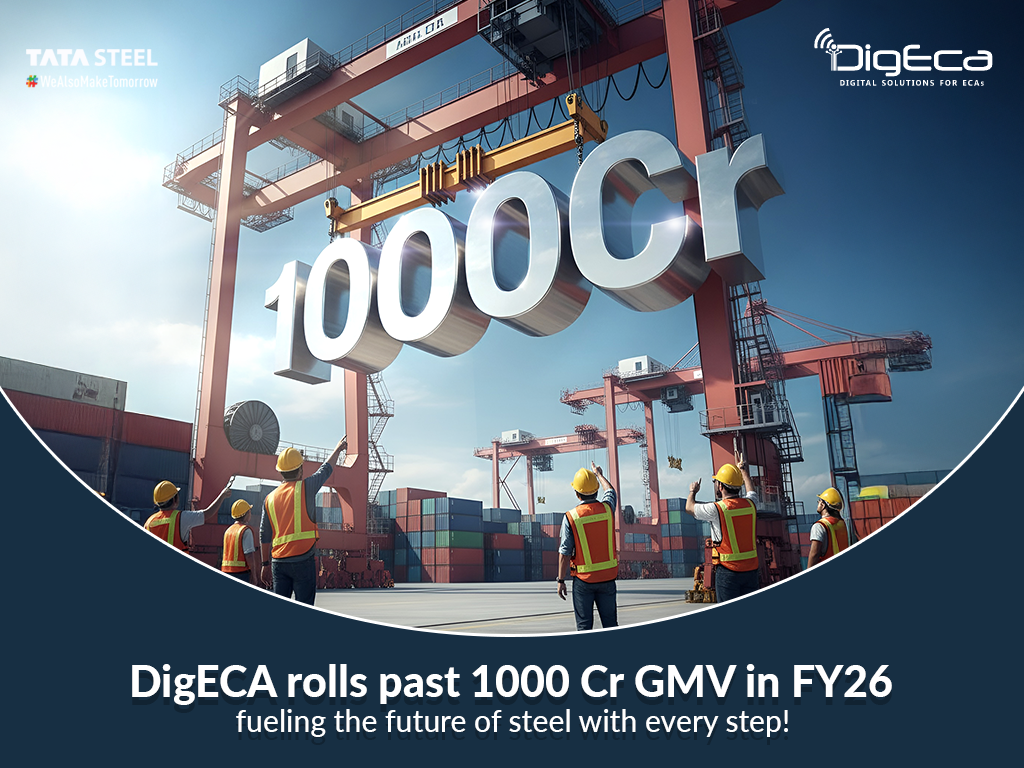
Tata Steel’s B2MSME E--Commerce Platform, DigECA, Crosses ₹1,000 Crore GMV

Tata Steel’s B2MSME E--Commerce Platform, DigECA, Crosses ₹1,000 Crore GMV

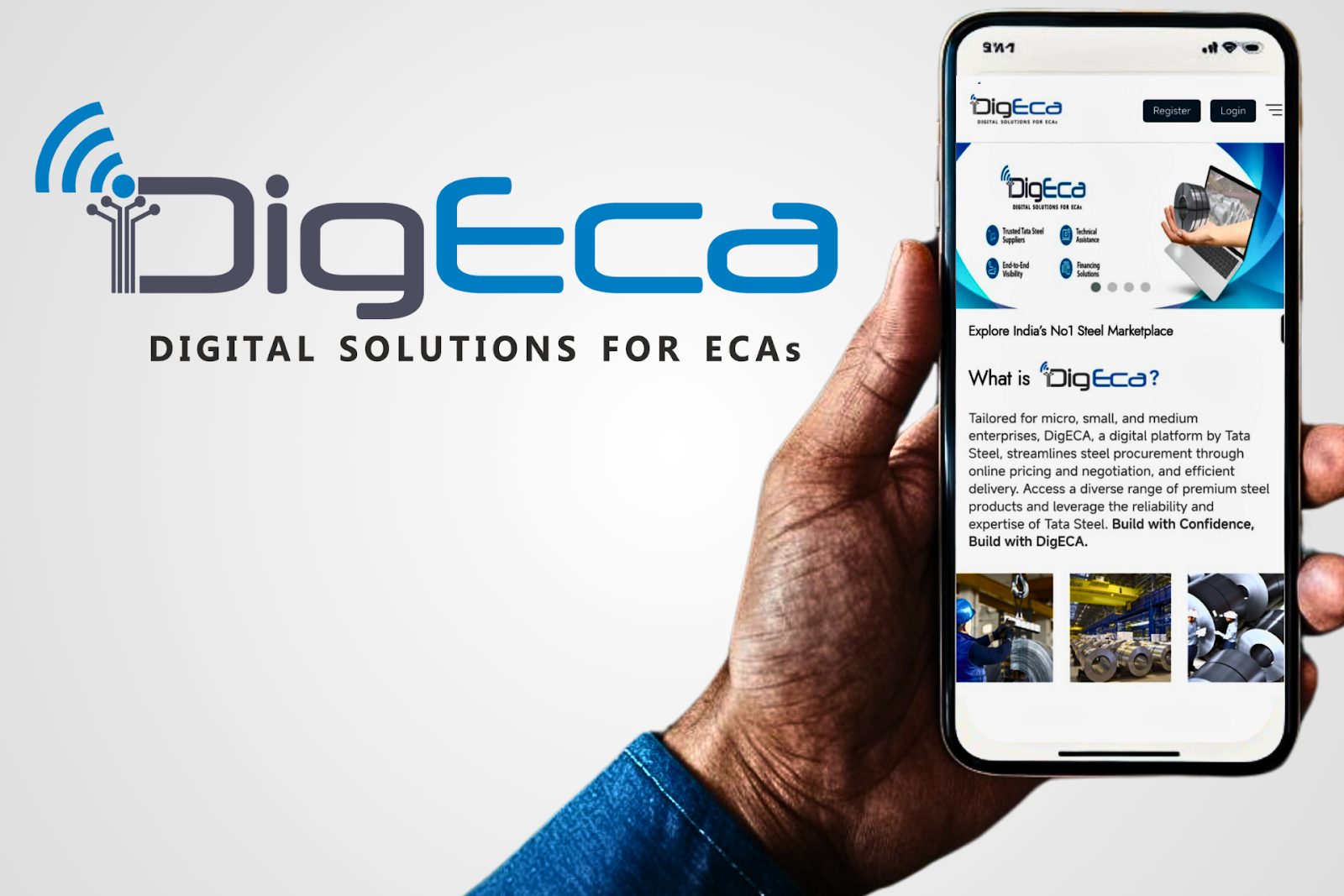
Tata Steel today announced a significant milestone for its B2MSME e-commerce platform, DigECA, which has surpassed ₹1,000 crore in Gross Merchandise Value (GMV) in the current financial year (FY26). The platform has also recorded over 160 kilo tonnes (KT) in sales and onboarded more than 3,500 Micro, Small and Medium Enterprises (MSME) customers, underscoring its growing role as a catalyst in the digital transformation journey of India’s MSMEs, known as Emerging Corporate Accounts (ECAs) within Tata Steel.

Designed to make steel buying simple, transparent and efficient, DigECA offers ECAs an integrated, omni-channel experience with features such as embedded financing options, real-time order visibility, and dedicated technical support. The platform primarily focuses on flat steel products including Tata Astrum, Tata Steelium, and Galvano, bringing together quality assurance and digital convenience under one ecosystem.

Prabhat Kumar, Vice President - Marketing & Sales (Flat Products), Tata Steel, said: “Surpassing ₹1,000 crore GMV and 160 KT in sales is a testament to the trust our ECA customers place in DigECA. This platform is not just about transactions - it’s about building meaningful relationships, enhancing customer experience through seamless integration of MSME value chain, and aligning our services with their evolving business needs.”

Since its pilot launch in fourth quarter of Financial Year 2024-25, DigECA has registered a 30x growth, driven by Tata Steel’s relentless focus on innovation, customer-centricity, and digital enablement. The platform’s growth mirrors Tata Steel’s broader vision to digitalise the steel supply chain and promote inclusive growth across India’s industrial ecosystem.

With DigECA, Tata Steel continues to lead the way in digital transformation, equipping ECAs with the right tools, services, and support to achieve their business aspirations and contribute to India’s industrial progress.
Why e-commerce Companies In India are Upgrading to Smarter Payment Gateways

Why e-commerce Companies In India are Upgrading to Smarter Payment Gateways

Indian e-commerce has witnessed rapid growth in recent years as more consumers move online for everything from essentials to luxury items. At the heart of every successful transaction is a payment gateway in India that enables fast secure payments while meeting rising expectations for convenience and reliability.

As competition increases and customer habits evolve, e-commerce companies are recognising the need for smarter payment gateways in India. These solutions offer multiple payment options and advanced security while enabling instant refunds, real-time analytics and seamless integration with various sales platforms.

The right payment gateway can boost sales, reduce abandoned carts and enhance brand trust. Knowing the reasons behind business upgrades to payment infrastructure is essential for staying ahead in an evolving marketplace.

The changing face of Indian e-commerce

The Indian e-commerce sector has evolved beyond simply offering products online. Today's shoppers expect fast checkouts, flexible payment options and complete security for their data. As mobile shopping becomes the norm and digital wallets, UPI and Buy Now Pay Later grow in popularity, businesses need a payment gateway that can keep up with evolving innovations.

Legacy payment gateways were built for basic card processing and standard bank transfers. In contrast, a modern payment gateway in India delivers a superior experience by supporting multiple payment modes, instant refunds and advanced security features. E-commerce businesses are now recognising that their choice of payment partner is as critical as their product range or website design.

Why the right payment gateway matters for e-commerce success

A smooth and dependable payment process is key to earning customer trust and increasing conversions in online retail. As customers demand faster checkouts and greater security, choosing the right payment gateway has become critical for e-commerce businesses looking to stay ahead. The right partner helps reduce abandoned carts, supports multiple payment options and strengthens brand loyalty.

With competition growing and technology advancing quickly, businesses cannot afford to overlook their payment infrastructure. An efficient payment gateway streamlines operations and helps maintain compliance with evolving regulations. Upgrading your gateway is an investment that supports growth, improves customer satisfaction and gives your e-commerce brand a distinct advantage in the marketplace.

Key features driving the shift to smarter payment gateways in India

As e-commerce in India evolves, businesses must choose payment solutions that meet both customer expectations and operational demands. The latest payment gateways in India come packed with features that make every transaction faster, safer and easier for both merchants and buyers.

Below are the essential advantages that set smarter payment gateways apart from older solutions:

Faster and smoother checkouts

Speed is crucial in e-commerce. A modern payment gateway in India is built to reduce checkout friction with quick load times, fewer redirects and support for one-click payments for returning customers.

With a large portion of Indian shoppers now transacting via smartphones, mobile-optimised payment flows are essential. A seamless experience ensures customers can complete purchases without hassle, directly increasing conversion rates and reducing the likelihood of abandoned carts.

Support for new payment methods

Today's shoppers expect a variety of ways to pay. An advanced payment gateway enables credit or debit cards alongside UPI, digital wallets, EMI, Pay Later and net banking.

By bringing these options together in a single interface, businesses can meet the needs of diverse audiences. This flexibility is especially important for younger buyers and shoppers in Tier 2 and Tier 3 cities who often prefer UPI or wallets over traditional cards.

Reliability and high success rates

Payment failures cause frustration and may deter repeat purchases. Smarter payment gateways in India use features such as intelligent routing, backup servers and real-time error monitoring to ensure high success rates for transactions. Many leading providers now publish their uptime and performance statistics giving e-commerce brands the data needed to choose a reliable partner.

Fraud prevention and security

With increased online transactions comes increased risk. A payment gateway must prioritise security through PCI DSS compliance, tokenisation, two-factor authentication and live fraud monitoring. These measures protect both customer data and business revenue, building trust and long-term loyalty.

Instant refunds and easy settlements

Efficient handling of refunds and settlements is a critical part of customer service. Some of the best payment gateways in India allow for instant or same-day refunds, real-time settlement dashboards and automated reconciliation. This helps businesses manage cash flow, speeds up returns for buyers and keeps communication transparent.

Advanced analytics and seamless integration

Informed decisions come from actionable insights. Leading payment gateways in India provide real-time analytics dashboards, advanced integration with ERP or accounting software and detailed transaction reports. These tools empower companies to optimise payment processes, spot trends and address issues quickly.

Regulatory compliance

Staying compliant with changing regulations is non-negotiable. Smarter payment gateways support automated GST invoicing, tax reporting and always stay updated with the latest RBI and data privacy mandates. This automation simplifies business operations and lets e-commerce brands focus on growth.

Upgrade your payment experience with a smarter payment gateway

Switching to a smarter payment gateway in India is no longer just an option for e-commerce companies aiming to grow in India's fast-changing retail environment. The right gateway supports multiple payment methods, provides strong security and ensures rapid checkouts across all devices. It delivers real-time insights to help businesses adapt quickly to market demands and regulatory changes. A modern payment gateway is a strategic partner that powers business growth, customer satisfaction and brand loyalty.

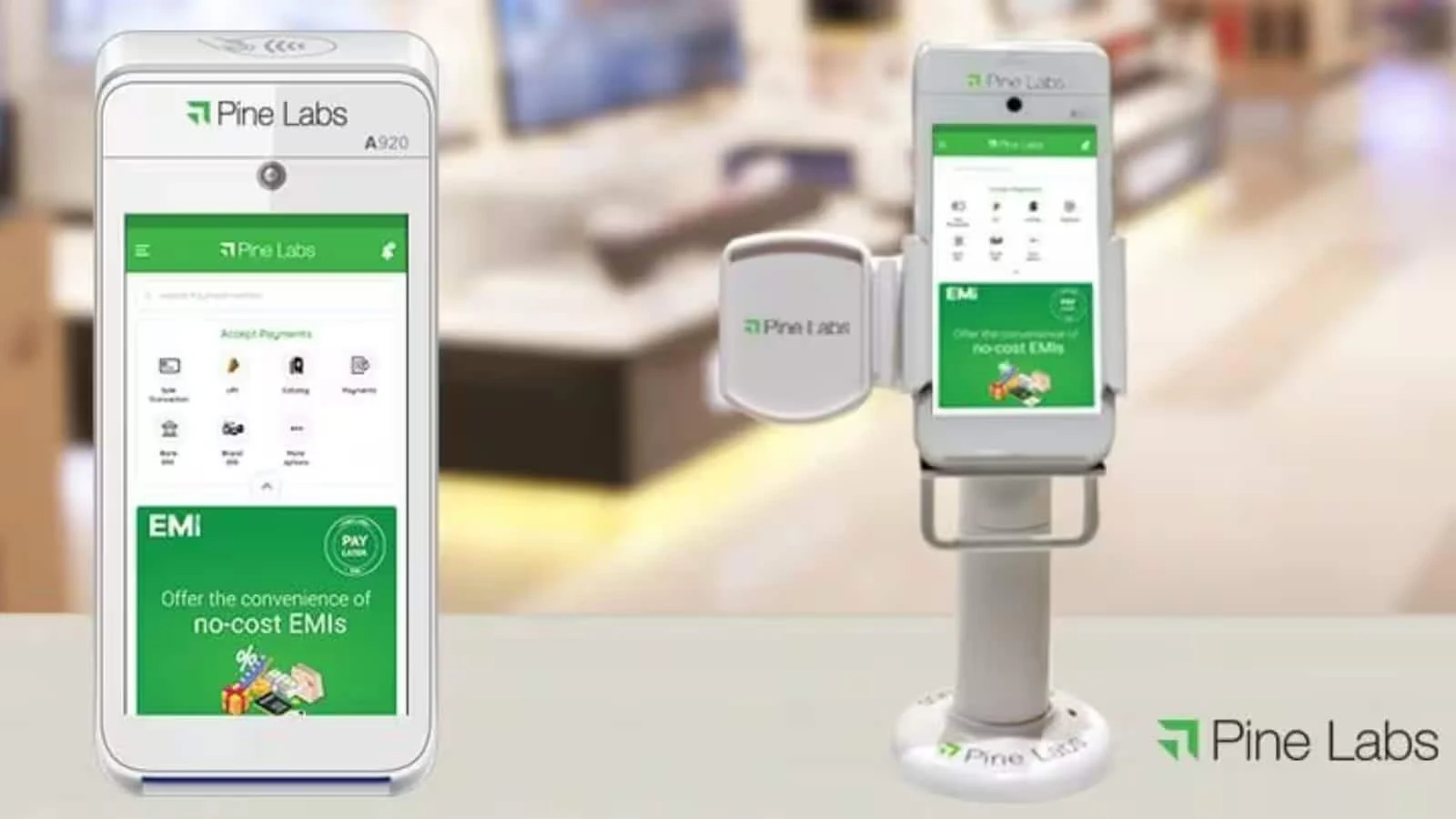
Payment gateways like Pine Labs Online offer the advanced solutions today's e-commerce brands need to stay ahead. As consumer expectations keep rising, an advanced and flexible payment gateway in India gives your business the advantage to grow and succeed with confidence.

India Anchors Dutch Investor Prosus’ Global Strategy as E-Commerce Revenue Surges 21%

India Anchors Dutch Investor Prosus’ Global Strategy as E-Commerce Revenue Surges 21%

Prosus is doubling down on its ambition to become a global e-commerce powerhouse. In its latest annual report, the Dutch tech investor revealed a 21% surge in e-commerce revenue, reaching $6.2 billion for FY2025. This growth is being driven by its expanding portfolio across India, Latin America, and Europe, with a strong emphasis on AI-powered innovation and lifestyle commerce.

Prosus has invested $8.6 billion across more than 30 Indian ventures. It’s building a “lifestyle e-commerce ecosystem” by integrating food delivery (Swiggy), fintech (PayU), commerce (Meesho), and services (Urban Company).

Key Highlights:
  • Adjusted EBIT for e-commerce jumped 12x to $443 million, signaling a sharp pivot toward profitability.
  • Prosus is now free cash flow positive (excluding Tencent dividends) for the first time, with a $513 million improvement
  • The company invested $7.8 billion to strengthen regional ecosystems and acquire AI-native startups, including the ongoing integration of Just Eat Takeaway.com.
  • CEO Fabricio Bloisi emphasized a cultural shift toward an AI-first mindset, aiming to create the next $100 billion in value through innovation and ecosystem synergy.
India remains a central pillar of this strategy, with Prosus backing major players like Swiggy, Meesho, PayU, and Urban Company.

The company aims to replicate its Tencent success story in India, expecting the country to produce a $100 billion tech company.

After Swiggy’s successful IPO in 2024, Prosus is eyeing five more public listings in FY26, including Meesho, Urban Company, BlueStone, and Captain Fresh. 

Tata Steel Unveils DigECA, a one-stop digital steel Buying Platform, for MSME customers

Tata Steel Unveils DigECA, a one-stop digital steel Buying Platform, for MSME customers

Tata Steel today launched a new version of DigECA, expanding access beyond channel partners to include Micro, Small and Medium Enterprises (MSMEs), broadly classified as Emerging Corporate Accounts (ECA) by Tata Steel. DigECA is a groundbreaking B2MSME e-commerce platform specifically designed to meet the needs of ECA customers, enabling them to transact directly with ease and convenience while accessing the highest quality products and services.

Building on the success of Tata Steel’s B2C e-commerce portal, Aashiyana, DigECA envisions a revolution in the customer journey for ECAs. The platform focuses on flat products such as Tata Astrum, Tata Steelium, and Galvano, providing MSMEs with hassle-free purchase experience with Tata Steel and its channel partners.

Since the pilot launch in Q4 FY25, DigECA has experienced impressive growth, onboarding over 2,000 ECA customers and achieving significant milestones in its Gross Merchandise Value (GMV). This growth reflects our commitment to empowering customers with complete transparency regarding material availability and order fulfillment, ensuring a seamless process from enquiry to delivery, further augmented with post-supply services.

Prabhat Kumar, Vice President, Marketing & Sales (Flat Products), Tata Steel, said: “At Tata Steel, we are committed to enhancing customer satisfaction through digital innovation. With the launch of DigECA for our ECA customers, we are simplifying the steel buying experience and strengthening their direct engagement with Tata Steel. The platform is designed to enable a more connected and efficient relationship between customers and our distribution network, helping us better align our offerings with evolving market needs.”

With DigECA, Tata Steel reinforces its expertise in technology and innovation to deliver an unparalleled experience for customers, setting the stage for a thriving future. The Company is dedicated to ensuring that its ECAs feel supported and valued in the collective pursuit of meeting the business aspirations.

Google-backed Glance and Samsung Partner to Launch New AI Shopping Experience for Samsung Users in the US

Google-backed Glance and Samsung Partner to Launch New AI Shopping Experience for Samsung Users in the US

Glance, the consumer technology company backed by Google, launches an integrated lock screen version of Glance AI, an AI commerce platform designed specifically for Samsung users in the US. The strategic partnership will allow Samsung users exclusive access to Glance's AI shopping and styling experiences and content discovery.

Glance AI is a new AI Commerce platform that delivers inspirational, Generative AI-led commerce and content discovery. Launched earlier this month, Glance AI is disrupting how consumers shop today, allowing them to instantly visualize themselves in AI-curated stylized looks and purchase their favorites with a tap. Built on Google Gemini's intelligence and Imagen's state-of-the-art image generation capabilities, Glance AI is unveiling its new custom lock screen experience designed for Samsung users through this new partnership.

"Glance AI is driven by a core human truth: we want to become the best version of ourselves. What stands between that aspiration and reality is the awareness of what is possible or access to platforms that enable this," said Naveen Tewari, Founder and CEO, Glance & InMobi. "Glance AI helps consumers discover and visualize what's possible, starting with an outfit that makes them look and feel great, and own it with just a tap on the platform. Samsung's commitment to enable Glance AI across its devices in the US ensures consumers enjoy an experience where inspirational commerce and content converge."

Available as an app and a lockscreen experience, Glance AI is a fully opt-in experience. It trains itself on a single selfie or an image from the image gallery to generate hyper-real images of consumers in outfits best suited for them. Consumers can then make real-time purchase decisions in just a tap; recommendations and order fulfilment are driven by Glance AI's extensive partnership with more than 400 leading brands in the US and beyond. The app further allows users to place the feature directly on their lock screen for easy access and the ability to save each look as either their lockscreen wallpaper or download to share across their network.

Glance AI also leverages trending content, local events, and social media moments to make recommendations fresh, relevant, and engaging. High-speed inferencing helps deliver options such as flash sales and trend-driven commerce, making every shopping experience unique and effortless. By utilizing Samsung's extensive reach alongside the power of AI, Glance aims to redefine user interaction with smartphones, making every moment spent on the device richer and more efficient.

"At Samsung Galaxy Store, we're proud to be more than just an app marketplace – we're a destination for innovation, discovery, and meaningful experiences tailored for Galaxy users," said Jason Shim, Sr. Director and Head of Samsung Galaxy Store USA. "Glance AI is a perfect example of the kind of high-quality and unique content we strive to deliver. By using AI to personalize content and shopping directly on the lock screen, it brings a smarter, more dynamic experience that reflects the forward-thinking spirit of the Galaxy Store."

This collaboration paves the way for a mobile ecosystem that enables users to discover new styles and trends, transforming the smartphone into a dynamic center of styling and commerce.

Flipkart’s Strategic Exit: Sells 6% Stake in Aditya Birla Fashion via Block Deal

Flipkart’s Strategic Exit: Sells 6% Stake in Aditya Birla Fashion via Block Deal

Flipkart Investments, a subsidiary of Flipkart Pvt Ltd, has completely exited Aditya Birla Fashion and Retail (ABFRL) by selling its 6% stake through block deals worth ₹583 crore. The transaction involved selling 7.31 crore equity shares at a floor price of ₹79.50 per share, which was a 7.6% discount compared to ABFRL's closing price of 86 on the NSE.

Following the stake sale, ABFRL's shares plunged nearly 11%, trading at 76.94 apiece on the NSE. Goldman Sachs acted as the sole bookrunner for the deal. Flipkart's exit marks a complete divestment from ABFRL, which owns brands like Pantaloons, Van Heusen, and Louis Philippe.

As Flipkart is owned by Walmart, the decision could align with Walmart’s broader global strategy, possibly shifting focus to other high-growth areas.

Flipkart initially invested ₹1,500 crore in ABFRL in 2020, likely as part of a broader retail strategy. The exit suggests the investment has run its course. The stake sale was executed at a 7.6% discount to ABFRL’s closing price, indicating a calculated move to liquidate holdings amid market fluctuations.

While ABFRL has narrowed its net loss in Q4FY25 (₹23.55 crore vs. ₹266.36 crore in Q4FY24), Flipkart may have reassessed its long-term growth prospects in the fashion retail segment.

Flipkart’s exit from Aditya Birla Fashion & Retail (ABFRL) signals a strategic shift in its retail investments, while ABFRL undergoes structural changes to refine its market positioning.

This ₹582 crore divestment could be redirected towards strengthening Flipkart’s private labels, expanding grocery and electronics verticals, or enhancing supply chain capabilities. Flipkart might explore collaborations with emerging fashion-tech startups or global brands to diversify its offerings.

Post-demerger, ABFRL is expected to prioritize Pantaloons, ethnic wear, and digital-first brands leveraging e-commerce and omnichannel strategies.

ABFRL recently spun off its lifestyle brands into Aditya Birla Lifestyle Brands Limited (ABLBL), housing premium labels like Louis Philippe, Van Heusen, and Allen Solly. This move aims to sharpen brand focus and improve profitability.

Nike’s Amazon Return After 6-Years Signals a Shift from D2C Ambitions

Nike’s Amazon Return After 6-Years Signals a Shift from D2C Ambitions

Nike is making a comeback on Amazon after a six-year hiatus, said a report by The Information. The sneaker giant originally pulled its products from the platform in 2019 to focus on direct-to-consumer sales and maintain tighter control over its brand experience. However, with shifting market dynamics and a dip in sales, Nike is reestablishing its direct relationship with Amazon to expand its reach.

Starting in June, Nike will also be raising prices on select adult apparel and footwear, though children's products and certain iconic items like Air Force 1s will remain unchanged. The move is part of a broader strategy under CEO Elliott Hill to regain market share and optimize distribution channels.

Amazon, in turn, will begin sourcing a wider range of Nike products directly, reducing reliance on third-party sellers. This marks a significant shift in Nike's retail strategy.

It is to be noted that before pulling out in 2019, Nike struggled with unauthorized third-party sellers flooding Amazon with counterfeits or unverified products. Now, by selling directly (via Amazon), Nike can maintain better control over pricing, branding, and authenticity.

Nike will now sell directly on Amazon, rather than relying on third-party sellers. Previously, Nike was a "gated" brand, meaning its products were highly restricted to prevent counterfeits. Amazon has informed some third-party sellers that they will no longer be allowed to sell overlapping Nike products after July 19, 2025. This move ensures Nike maintains tighter control over its brand presence. 

Nike previously emphasized DTC channels like its own website and retail stores for higher profit margins and brand control. Selling on Amazon again signals a shift—perhaps acknowledging that exclusive reliance on DTC wasn’t sustainable long-term.

Nike aggressively pushed its D2C model, prioritizing its own website, apps, and flagship stores while cutting ties with wholesale partners. While this boosted profit margins, it also alienated retailers and limited Nike’s reach.

Nike’s direct-to-consumer (D2C) strategy, once a cornerstone of its growth, has undergone a significant recalibration. Here’s what might have happened:

1. Over-Reliance on D2C Channels

Nike aggressively pushed its D2C model, prioritizing its own website, apps, and flagship stores while cutting ties with wholesale partners. While this boosted profit margins, it also alienated retailers and limited Nike’s reach.

2. Market Saturation & Slower Growth

Despite initial success, Nike’s D2C sales began to plateau. The brand struggled to maintain the same level of growth, especially as economic conditions shifted and consumer spending patterns evolved.

3. Challenges in Customer Acquisition Costs

Nike’s heavy investment in digital marketing and personalized experiences increased customer acquisition costs. While D2C offers higher margins, it also demands significant spending on logistics, advertising, and customer engagement.

4. Return to Wholesale & Amazon

Recognizing the limitations of an exclusive D2C approach, Nike is now rebalancing its strategy. The brand is rekindling partnerships with major retailers and returning to Amazon to regain lost market share and improve accessibility.

5. Renewed Focus on Brand Building

Nike is shifting back to long-term brand storytelling rather than just performance-driven marketing. The company is emphasizing emotional connections with consumers, reinforcing its iconic status rather than relying solely on direct sales.

Other major brands like Adidas and Under Armour will closely watch how Nike performs on Amazon. If successful, this might encourage more premium brands to embrace Amazon, despite initial hesitations about price dilution or brand perception.

Beside these, Nike is also partnering with Printemps, a luxury department store, and launching AI-powered conversational search to enhance its online shopping experience.

Nike’s evolution highlights the delicate balance between direct sales and wholesale partnerships. Do you think this shift will strengthen Nike’s position, or does it signal a retreat from its ambitious D2C vision? Do comment below....

Shiprocket Launches India’s First AI-Integrated MCP Server for eCommerce

Shiprocket Launches India’s First AI-Integrated MCP Server for eCommerce

Shiprocket, India’s leading eCommerce enablement platform, has launched the country’s first Model Context Protocol (MCP) Server for eCommerce Shipping. This breakthrough innovation allows AI agents to directly handle key operations—from checking shipping rates to tracking orders—using a single line of instruction.

This marks a significant milestone in the evolution of agentic eCommerce, giving businesses the ability to automate and execute actions across the eCommerce stack using natural language commands or AI assistants, eliminating the need for traditional dashboards or APIs. With a single, natural-language prompt, businesses can now create, track, or manage shipments, no dashboards, no APIs, just intent. Shiprocket’s newly launched MCP makes this possible by enabling AI assistants, whether internal tools or automation bots, to directly interact with Shiprocket’s platform. From real-time tracking to scheduling a pickup, commerce operations can now be triggered through voice or text commands.

Designed for the next generation of eCommerce operations, the MCP Server delivers:
  1. Faster execution – Instantly perform logistics actions, reducing manual effort and delays
  2. Seamless integration – Connect effortlessly with AI tools or enterprise systems
  3. Hands-free operations – No dashboards or human intervention needed
  4. Enterprise-grade security – Built on Shiprocket’s trusted, scalable infrastructure.
Once integrated, AI agents can estimate delivery timelines, check courier rates, track orders, create or cancel shipments, assign couriers based on smart rules, list pickup addresses, or schedule pickups—all with a single line of instruction. Imagine asking:
  • “What are the courier options and delivery times from Delhi to Bangalore for a 0.5 KG COD package?”
  • “Create a new prepaid order for Order ID 456789 and schedule a pickup from our warehouse.”
  • “Track the latest status of Order ID 12345 and notify the customer if delayed.”
The MCP Server integrates effortlessly with modern AI ecosystems, enabling businesses to embed intelligent commerce actions within the tools they already use:

Claude and Cursor: Developers can connect the MCP Server to AI assistants like Claude and Cursor, enabling natural language interactions or voice commands for tasks such as order tracking, shipping rate calculations, and courier selection.

Zapier: Through Zapier's MCP integration, businesses can link Shiprocket's logistics capabilities with over 7,000 applications, facilitating automated workflows without the need for complex coding.

Commenting on the launch, Saahil Goel, MD & CEO of Shiprocket, said: "At Shiprocket, we’re building not just for scale, but for the future. Our MCP Server launch marks a transformative shift from manual workflows to autonomous operations powered by AI. This is how we enable millions of businesses to work smarter, respond faster, and scale effortlessly. This is more than just an integration, it’s a new interface for eCommerce. We’re enabling a world where AI doesn’t just support business decisions, it executes them."

With MCP Server, Shiprocket is not just launching a new integration—it’s introducing a new way to interact with commerce infrastructure. By eliminating friction between decision and execution, businesses can operate smarter, move faster, and scale effortlessly.

JSW One Platforms Raises Fresh Capital of ₹340 Cr, Enters Unicorn Club

JSW One Platforms Ltd., India’s leading tech-led B2B e-commerce platform, has raised ₹340 Cr of fresh capital, led by Principal Asset Management, OneUp, JSW Steel, and other investors. This round brings the company’s valuation to $1 billion, earning it a coveted unicorn status.

This milestone marks a valuation jump of over 3x from its earlier round of funding in April 2023, a testament to the platform’s strong product-market fit, resilient supply chain, and rapid business execution in just four years.

The capital raised will strengthen national supply chain leadership in steel and cement categories, deepen distribution and logistics networks across India, scale the fintech and NBFC arms, and enable wider access to credit for MSMEs. This will be enabled by building a robust tech stack that creates a truly integrated and digital procurement journey for small businesses.

By offering an end-to-end ecosystem, including commerce, credit, and fulfilment, JSW One aims to simplify sourcing and accelerate growth for over 500,000 building and manufacturing MSMEs across the country.

Parth Jindal, Chairman, JSW One Platforms, said, "JSW One Platforms is more than a marketplace, it’s how India's MSMEs procure, finance, and grow. We're solving critical pain points by combining our tech-led distribution model with JSW Group's strength in manufacturing. We are well-positioned to fulfil the ambitions of India's expanding MSME sector."

Gaurav Sachdeva, Joint Managing Director & CEO, JSW One Platforms, added, "JSW One’s goal is to enable reliable procurement for MSMEs through quality materials, timely delivery, and the right credit solutions. This capital allows us to expand our service network, scale our private brands and NBFC arm, and invest further in tech and logistics. We’re building a supply chain that will continue to add efficiency for MSMEs across India."

In April 2023, JSW One raised ₹205 Cr in funding from Japan’s Mitsui & Co., which helped scale its credit and logistics capabilities and expand into new markets.

Amazon Announces Zero Referral Fees on Over 1.2 Crore Products; Move Aimed at Boosting Growth of Lakhs of Sellers Across India

Amazon Announces Zero Referral Fees on Over 1.2 Crore Products; Move Aimed at Boosting Growth of Lakhs of Sellers Across India

  • Zero referral fees on products under ₹300, enabling significant savings on low-price items for sellers.
  • Applicable across 135 product categories like apparel, shoes, fashion jewelry, grocery, home décor and furnishings, beauty, toys, kitchen products, automotive, and pet products amongst others.
  • Simplified flat shipping rate introduced for sellers using external fulfilment (Easy Ship and Seller Flex): National shipping rates now start at ₹65, down from ₹77.
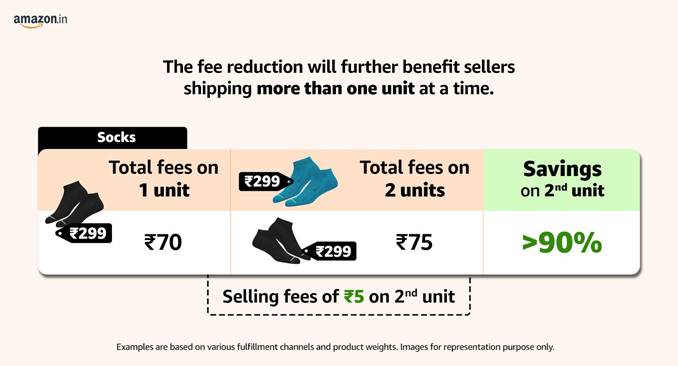
  • Sellers shipping more than one unit at a time stand to see up to 90%+ savings in selling fees on the second unit.
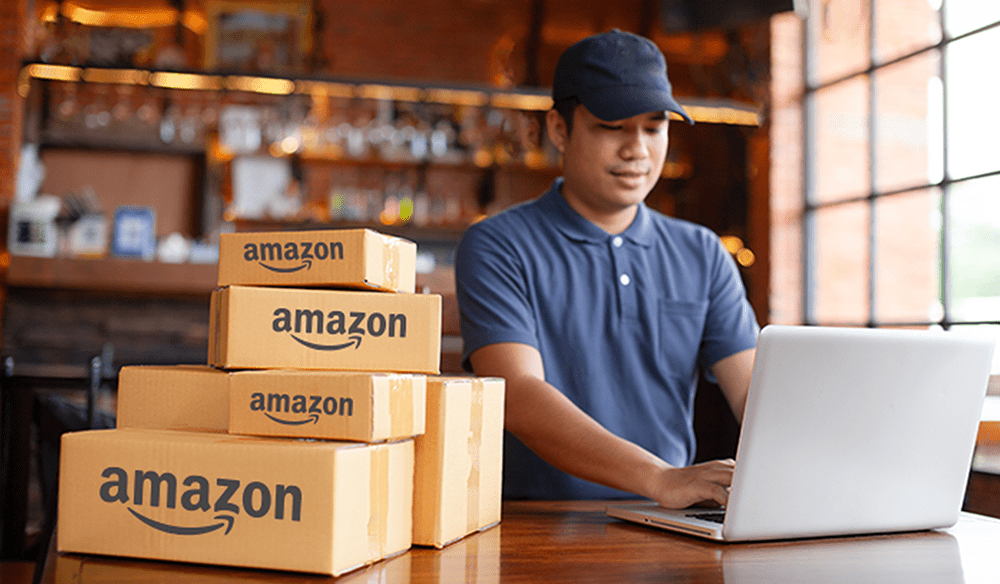
Amazon India today announced its highest-ever reduction in seller fees to support lakhs of small businesses selling on Amazon.in from across the country. In a move aimed at further boosting growth of sellers on Amazon.in, the company has introduced zero referral fees on over 1.2 crore products that are priced below ₹300. Referral fees is a commission that sellers pay to Amazon for each product sold. The zero referral fees apply to more than 135 product categories.

Amazon has also brought in a simplified flat rate for sellers using external fulfilment channels like Easy Ship and Seller Flex, with national shipping rates now starting at ₹65, down from ₹77. While Easy Ship is a fulfilment channel where Amazon collects packages from a sellers’ location and delivers them to customers, as part of Seller Flex, Amazon manages a portion of the sellers’ warehouse as an Amazon fulfilment center.

Additionally, the company has reduced the weight handling fees for lightweight items under 1 kg by up to ₹17, lowering the overall fees that sellers pay to Amazon. Sellers shipping more than one product unit at a time stand to see up to 90%+ savings in selling fees on the second unit. These changes will enable sellers to offer a wider selection, competitive offers and grow their business. The revised fees come into effect from April 7, 2025.

Amit Nanda, Director, Selling Partner Services, Amazon India, said "At Amazon India, we are committed to enabling the growth of all sellers because we strongly believe that our success lies in their success. By eliminating referral fees on crores of products and reducing shipping costs, we're making it more lucrative for sellers to sell on Amazon.in. This initiative supports seller growth on Amazon by enabling them to offer a wider selection and present more competitive offers to customers, particularly on everyday low-value items. As we gain efficiencies in our operations, we ensure those benefits reach our sellers and customers.”

The combined effect of eliminated referral fees and reduced shipping costs translates to substantial savings for sellers.

Amazon Announces Zero Referral Fees on Over 1.2 Crore Products; Move Aimed at Boosting Growth of Lakhs of Sellers Across India

Amazon Announces Zero Referral Fees on Over 1.2 Crore Products; Move Aimed at Boosting Growth of Lakhs of Sellers Across India


In 2013, Amazon started its e-commerce business in India with just 100 sellers and a selection comprising mainly books, with deliveries in select cities. Today, Amazon.in has over 1.6 million sellers on its marketplace selling a wide variety of products from smartphones to household items, from stationery to kitchen products and from gardening tools to musical instruments to customers across all serviceable pin-codes in India. The company has been focused on digitizing small businesses to enable the largest selection, using technology to remove inefficiencies and deliver value to customers. This aligns with Amazon's vision of transforming the way India buys and sells. More than 90% of sellers on Amazon.in are small and medium businesses, and over 50% of the seller base is located in tier 2, 3, and 4 cities. This reflects Amazon's commitment to empowering local entrepreneurs and businesses across India, contributing to the growth of India’s digital economy.

Glossary:
  • Easy Ship: Amazon collects packages from sellers' locations and delivers them to customers.
  • Seller Flex: Amazon manages a portion of the seller's warehouse as an Amazon fulfilment center.
  • Selling Fee: A combination of all fee types - referral fees, weight handling fees, closing fees and others.
  • Weight Handling Fee: Charges associated with the physical handling and shipping of products based on weight.
  • External Fulfilment: External fulfilment channels refer to Easy Ship and Seller Flex fulfilment channels.

Shiprocket Unveils Same Day Delivery in Bengaluru, continues to revolutionise eCommerce for India's MSMEs

Shiprocket Unveils Same Day Delivery in Bengaluru, continues to revolutionise eCommerce for India's MSMEs

Aims to empower merchants to meet growing consumer demand for faster deliveries

Shiprocket, India’s leading eCommerce enablement platform, has launched Same Day Delivery (SDD) in Bengaluru, bringing enterprise-grade, fast deliveries to every seller of Bharat. Traditionally, fast delivery has been a luxury available only to major eCommerce brands. Shiprocket is changing this by democratising high-speed delivery, ensuring that MSMEs can also offer quicker deliveries and stay competitive. The service is already live in Delhi NCR, Mumbai, Kolkata, and Hyderabad.

With eCommerce shifting towards speed-driven consumer expectations, merchants who offer quick deliveries see higher conversions and stronger customer retention. A Market Data Forecast report states that India’s Same Day Delivery market is projected to surpass $10 billion by 2028 at a CAGR of 23.6%. Shiprocket is leading this transformation by leveraging its advanced tech-driven platform and strategic courier partnerships to bring quick commerce capabilities to a broad spectrum of sellers.

Saahil Goel
Saahil Goel

Bringing Speed as a Competitive Advantage to Bengaluru’s eCommerce Ecosystem.

Bengaluru is a high-potential eCommerce hub, with an average order value of ₹2,000. The top three selling categories in the city include beauty & grooming, clothing & accessories, and jewellery. Shiprocket's Same Day Delivery as a product has already proven to be a game changer, with brands such as Bata, Ketch, Mamaearth, BoAt, Giva, NEK, Plum, and Wildcraft leveraging it to drive their business forward. SDD provides Bengaluru-based sellers a powerful tool to enhance customer satisfaction, drive repeat purchases, and scale their businesses.

Key Offerings:

Shiprocket’s Same Day Delivery offers multiple fulfilment solutions designed to cater to various business models:
  • Same-Day Delivery: Orders picked up between 12 PM to 1 PM from a merchant’s location will be delivered on the same day.
  • 3 PM Pickup/Half-Day Delivery: Orders picked up by 3 PM from the seller’s location or warehouse will be delivered on the same day with PICO as the courier partner.
  • Store Pickup/Mall Pickup: Designed for omni-channel brands, this service enables stores within shopping malls to function as supply points. Orders picked up between 2–3 PM will be delivered the same day. Bata and Khadim currently utilise this service at Bhartiya Mall, Brigade Road, Falcon City Mall, Forum Neighbourhood Mall, Garuda Mall, Lulu Mall, Mall Of Asia, Mantri Square, Nexus Forum Mall, Orion Mall, Phoenix Marketcity in Bengaluru.

Powering the Future of Commerce.

Shiprocket is a tech platform that empowers sellers with seamless high-speed delivery integration, advanced checkout solutions, and cutting-edge marketing tools. Through AI-driven routing and optimised delivery networks, Shiprocket anticipates merchant needs and offers solutions that unlock massive, baseline-shifting growth. By partnering with leading courier services like Pikndel, PICO, Blitz, Shadowfax, and Xpressbees, Shiprocket ensures merchants can deliver orders with unprecedented speed and efficiency.

Driving MSME Growth with Innovation

Commenting on the launch, Saahil Goel, MD & CEO, Shiprocket, said,
We at Shiprocket are committed to being the trusted growth partner for merchants across India. By introducing Same Day Delivery, we are empowering MSMEs of Bharat to compete with the best in the industry, providing them with tools to enhance customer experience and drive repeat business. Speed is no longer a luxury—it’s a necessity, and we are ensuring that every seller, regardless of size, has access to best-in-class solutions.

This initiative is a crucial step towards our vision of democratising eCommerce tech for every seller in India while contributing to the broader digital transformation of the economy,” he added.

Amazon To Expand Its Shein & Temu Rival, Globally

Amazon To Expand Its Shein & Temu Rival Globally

Amazon Haul is a relatively new initiative by Amazon, designed to cater to budget-conscious consumers by offering ultra-low-priced products. Launched in beta for U.S. customers in late 2024, Amazon Haul focuses on providing a wide range of products priced at $20 or less, with many items under $10.

The primary goal of Amazon Haul is to compete with other budget-focused e-commerce platforms like Shein and Temu. By offering low-cost items, Amazon aims to attract price-sensitive shoppers who prioritize value over brand names.

Following its initial success in the U.S., Amazon Haul is reportedly expanding to several European countries starting this year, further enhancing its global presence in the e-commerce sector.

Amazon is planning a global expansion of Haul, its discount storefront designed to compete with Shein and PDD's Temu. This expansion will cover several European countries starting this year. Haul offers ultra low-priced items, with most products priced at $20 or less. This move is part of Amazon's strategy to enhance its global presence in the e-commerce sector and diversify its offerings.

The launch of Haul is a strategic pivot for Amazon, aiming to capture the attention of bargain hunters and value-conscious consumers worldwide. By offering a wide range of products at competitive prices, Amazon is positioning itself as a one-stop shop for cost-sensitive shoppers. This expansion is expected to have far-reaching implications on the global e-commerce landscape, potentially filling the market gap left by region-specific bans on platforms like Temu and Shein.

Amazon's international expansion strategy is driven by a calculated analysis of key market indicators, such as population size, internet penetration, and rising disposable incomes in target markets. By meticulously selecting markets with the potential for explosive growth, Amazon aims to replicate its success across continents.

Amazon Haul offers a curated selection of products across various categories, including fashion, home goods, lifestyle, and electronics. The platform has its own distinct search, cart, and checkout system, creating a streamlined experience for those seeking low-cost items. Unlike traditional Amazon purchases, Haul items have longer shipping times, typically ranging from 1-2 weeks. However, all products sold through Amazon Haul are backed by Amazon's A-to-Z Guarantee, ensuring consumer protection.

Amazon Haul represents a strategic shift for Amazon, aiming to capture a growing market of price-sensitive consumers while leveraging the trust and reliability of the Amazon brand.

Amazon's Haul in Asia and India

Amazon is also reportedly planning to expand its Haul discount storefront to Asia and India, aiming to fill the market gap left by platforms like Temu and Shein. This expansion is expected to cater to the growing demand for low-cost retail products in these regions.

In India, Haul is anticipated to compete with local players like Meesho, Uniqlo, and Zudio. The platform's focus on ultra-low-priced items, combined with Amazon's extensive logistics network, is likely to attract a significant customer base. The expansion aligns with Amazon's strategy to enhance its global presence and diversify its offerings in the e-commerce sector.

Shein in Asia, Europe and India

Shein has established a significant presence in Asia, Europe, and the United States, leveraging its innovative business model and efficient supply chain to capture market share. Shein's headquarters are now in Singapore, strategically positioned to navigate international markets and regulatory landscapes. The company has also expanded its logistics capabilities in China, with the Bay Area Smart Industrial Park in Zhaoqing, Guangdong province, adding substantial warehouse space.

In Europe, Shein has offices in key cities like Dublin, Paris, and London. The company has become one of the most visited fashion and apparel websites in the region, outpacing established brands like H&M and Zara.

Shein's sales in countries like France and Germany have surged, positioning it as a leading fashion brand. In France, Shein's annual sales have surpassed those of H&M, Primark, and Kiabi, making it the second-largest fashion brand in the country.

In the United States, Shein has rapidly expanded its presence. With offices in Los Angeles and Washington D.C., Shein has invested in local fulfillment centers to ensure faster delivery times and better customer service.

Shein's sales in the U.S. have seen significant growth, driven by its affordable pricing and trendy fashion offerings. The company's app is one of the most downloaded in the country, highlighting its popularity among American consumers.

Shein has made a comeback in India through a partnership with Reliance Retail, nearly five years after being banned due to data security and privacy concerns. This collaboration allows Shein to operate in India under strict conditions, with Reliance Retail holding full control over operations and data, while Shein functions as a technology partner. The partnership aims to create a local e-commerce platform, offering trendy fashion and competing with brands like Myntra and Zudio.

The strategy includes a tech agreement between Reliance Retail Ventures and Roadget Business Pte Ltd. to connect Indian manufacturers and suppliers to produce Shein-branded products. This move ensures that all customer data is stored in India, with mandatory security audits to maintain compliance. The re-entry of Shein into the Indian market is expected to have a significant impact on the fast-fashion industry, providing consumers with more options and competitive pricing.

Haul Vs Temu & Shein

Amazon Haul, Shein, and Temu are similar platforms offering affordable products, but they have distinct features and challenges.

While Shein specializes in fast fashion, offering trendy and affordable clothing, accessories, and beauty products, Amazon Haul offers a wide variety of goods, including electronics, apparel, and household items. Temu offers a diverse selection of products, including clothing, home goods, electronics, and beauty products, and is known for incredibly low prices, often undercutting other e-commerce giants.

After entering the U.S. market in 2022, Temu has continued to grow, covering numerous countries and regions across Europe, Latin America, Africa, and Oceania. By the end of July 2024, Temu had launched in Thailand, bringing its presence to 79 countries within just two years.

Moglix Introduces Biofuels as New Category on Its B2B E-Commerce Platform

Moglix Introduces Biofuels as New Category on Its B2B E-Commerce Platform

Moglix, one of Asia’s leading B2B e-commerce companies, is introducing biofuels as a new category to accelerate India’s clean energy goals. The fragmented and decentralized market for solid biofuels—including briquettes, pellets, biochar, and bio-coal—has posed challenges for industries in terms of availability, quality, and supply chain efficiency. Moglix aims to address these gaps by creating a structured, full-stack solution that ensures consistent fuel quality, reliable procurement, and seamless access for enterprises while empowering rural communities and driving industrial adoption of cleaner fuels.

Moglix will utilize their platform to simplify biofuel procurement across India. It will provide industries with access to a variety of biomass briquettes and pellets with year-round availability, on-time delivery, and consistent quality—solving a major pain point for enterprises. The focus is on ensuring high-quality fuel from best-in-class manufacturing facilities governed by proprietary SOPs, enabling seamless procurement through an integrated logistics platform with full tracking and transparency, securing long-term rate contracts to ensure uninterrupted supply. And strengthening the biomass sourcing ecosystem by engaging directly with farmers to enhance rural incomes through structured trade of agro-waste.

Biofuels, derived from biomass, offer a viable alternative to fossil fuels. While the government has outlined a clear sustainability mandate, industry-wide adoption remains a challenge. Moglix aims to bridge this gap by not only aligning with national clean energy goals but also actively educating stakeholders on the benefits of transitioning to biofuels, fostering industry collaborations, and enabling structured solutions to drive large-scale adoption of sustainable energy sources.

Rahul Garg, Founder and CEO of Moglix, stated, 
India’s energy transition needs scalable and reliable alternatives, and the biofuels sector holds immense potential. However, its fragmented structure has slowed progress. Moglix plans to build an organized, transparent ecosystem that enables industries to make a seamless shift to sustainable fuels.

Moglix’s initiative aims to help industries transition to cleaner fuels, generate employment in the renewable energy sector, support policy development through industry-led case studies, and invest in biomass densification technology to enhance fuel efficiency and cost-effectiveness, ensuring biofuels become a mainstream energy source for industrial consumers.

About Moglix

Moglix is a leading B2B commerce company helping manufacturing and infrastructure businesses optimize procurement and distribution. With a digital-first approach and a strong supplier and logistics network, Moglix serves over 1,000 large manufacturers and 3,000+ factories, enabling operational efficiencies across India.

Swiggy to Deliver Stunning Silver Jewellery in 10 Minutes, Partners With Mia by Tanishq

Mia by Tanishq, one of India’s trendiest precious fine jewellery brands, announces its collaboration with Swiggy Instamart, marking its entry into the burgeoning quick commerce space. Starting this week, Mia’s exquisite silver jewellery collection will be available on Swiggy Instamart in more than 35 cities, including Gurgaon, Delhi, Kolkata, Pune, Bengaluru, Chennai, Mumbai, and Hyderabad. The operations will be offering customers the convenience of doorstep delivery of silver jewellery in under 10 minutes.

Swiggy to Deliver Stunning Silver Jewellery in 10 Minutes, Partners With Mia by Tanishq

This partnership leverages Swiggy Instamart’s position as a market leader in quick commerce, known for its exceptional communication and operational excellence, to enhance the e-commerce experience for consumers.

The collaboration aligns with Mia by Tanishq’s strategy to expand its omni-channel presence, reaching new customers through diverse sales channels. As part of this partnership, Mia will introduce a range of stunning silver jewellery catering to the growing demand for precious jewellery in the quick commerce market. Whether it’s a special occasion or a thoughtful gift, Mia's silver jewellery promises to bring a touch of elegance and good fortune, delivered swiftly and seamlessly.

Sampurna Rakshit, Marketing & E-commerce Head - Mia by Tanishq, shared her thought on the collaboration:
This is an effort at our end to prioritise our consumers convenience and be present wherever the users are. Owing to Mia’s exquisite design language coupled with our affordable pricing, we have always been India’s favourite gift of choice. As quick commerce transforms the way India shops, consumers are also looking for stylish jewellery gifting options from trusted brands. So we are thrilled to partner with Swiggy Instamart, who can get many more consumers to access and experience our brand at their fingertips.

This strategic collaboration highlights the growing trend in the Indian retail landscape, where quick commerce platforms are emerging as key touchpoints for consumers prioritizing convenience. It ensures that customers are well-informed about Mia’s beautiful collections and the ease with which they can access these offerings through Swiggy Instamart.

Amazon Reaches More than 10,000 EVs in Its Delivery Fleet Across India; Begins Testing Electric Heavy Goods Vehicles

  • The company met its goal of deploying more than 10,000 electric vehicles (EVs) in 2024 – a year ahead of schedule
  • Indian vehicle manufacturers, charging infrastructure providers, and its Delivery Service Partners worked with Amazon to achieve the goal
  • The company is working on further electrifying its delivery fleet, testing electric heavy goods vehicles between Bengaluru and Chennai.
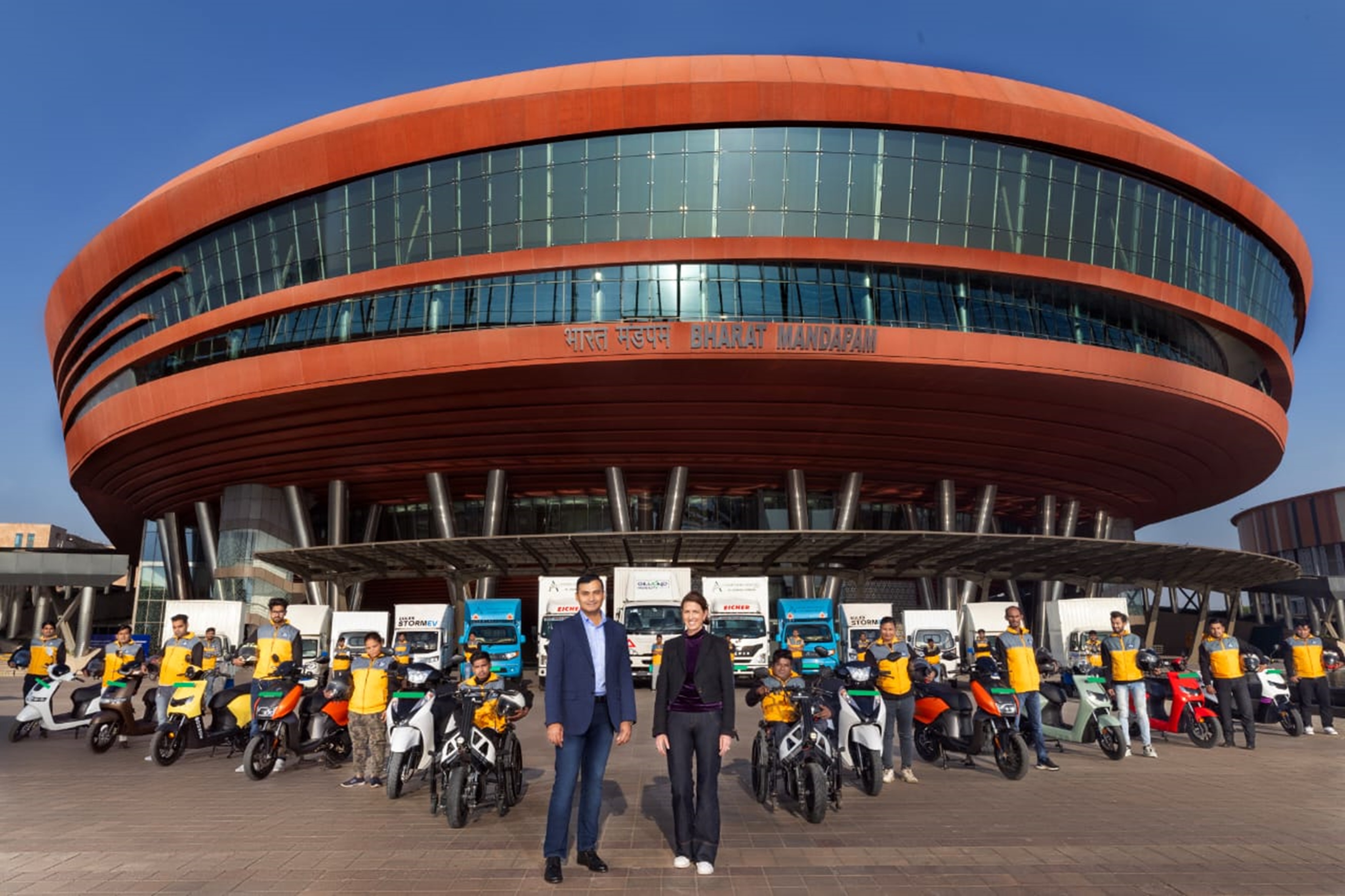
Amazon today announced that it had passed its goal of reaching 10,000 electric vehicles (EVs) in its India delivery fleet, more than a year earlier than planned, in October 2024. The EVs are making deliveries in Delhi, Mumbai and Bengaluru – and a total of 500 cities from Leh to Gangtok.

Achieving this goal more than a year early is an important milestone in Amazon’s efforts to meet its Climate Pledge commitment of net-zero carbon emissions across its operations by 2040, 10 years ahead of the Paris Agreement. The achievement reduces carbon emissions by taking traditional diesel vehicles off Indian roads.

Amazon Reaches More than 10,000 EVs in Its Delivery Fleet Across India; Begins Testing Electric Heavy Goods Vehicles
Abhinav Singh - VP Operations, Amazon India and Kara Hurst, Chief Sustainability Officer, Amazon with Amazon EV fleet and Delivery Associates celebrating 10,000 EVs goal a year early

Amazon continues to make progress in decarbonising its fleet and is the first e-commerce company to test long-range electric heavy trucks along the 350km Bengaluru-Chennai highway under The Climate Pledge’s Laneshift Initiative. The project brings together industry leaders including Amazon, Ashok Leyland, Billion-E, and ChargeZone to explore the potential of long-range electric freight transportation.

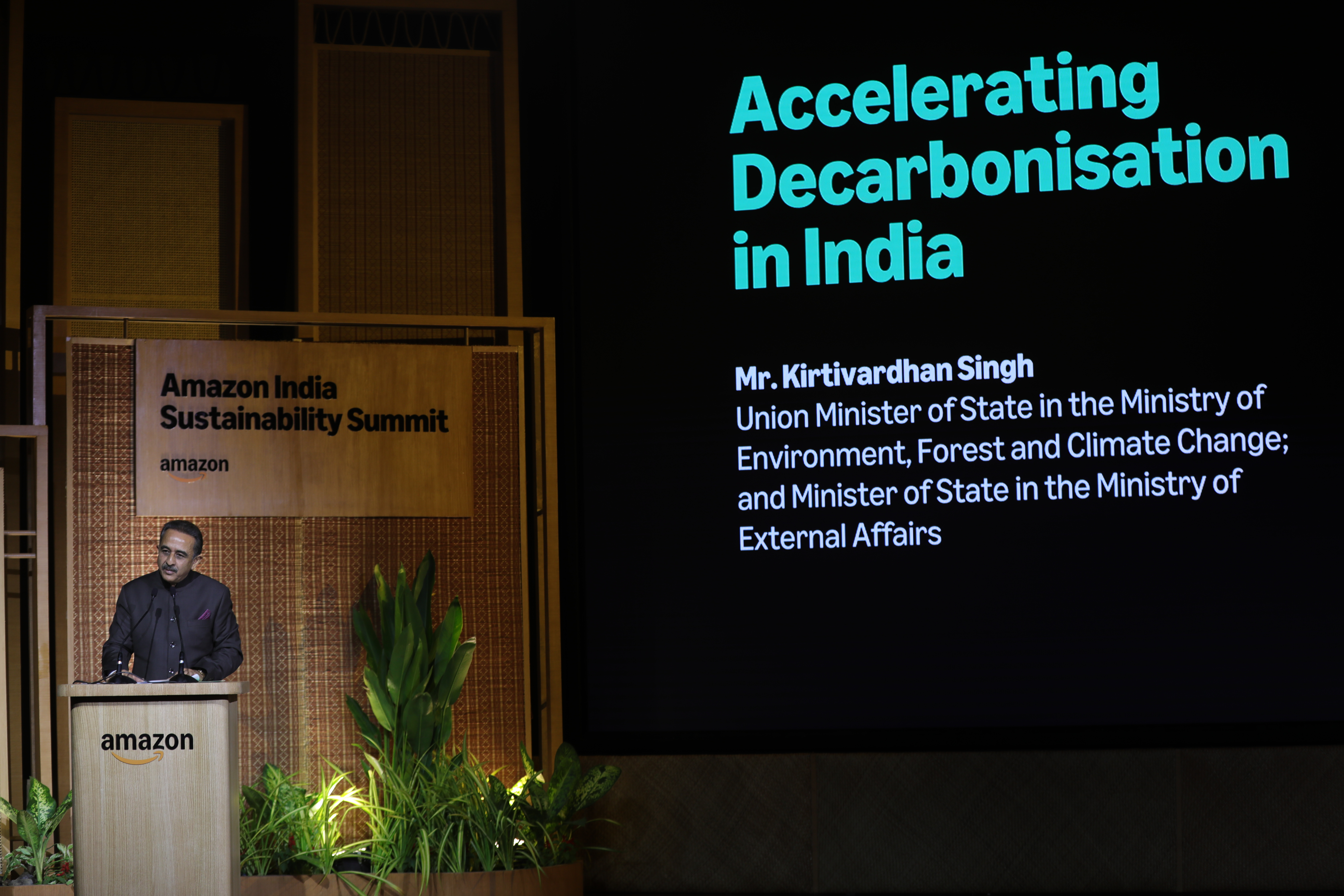
Shri Kirtivardhan Singh delivering keynote at Amazon India Sustainability Summit 2024
Shri Kirtivardhan Singh, Minister of State for Environment, Forest & Climate Change and Minister of State for External Affairs, delivering keynote at Amazon India Sustainability Summit 2024

As well as bringing together vehicle manufacturers and charging infrastructure providers, Amazon and The Climate Pledge have enabled hundreds of new jobs in India, thanks to collaboration with Delivery Service Providers, fleet operators, and finance providers.

Abhinav Singh, Vice President, Operations at Amazon India, said: “Having more than 10,000 electric vehicles in our fleet and successfully testing long-range electric trucks are achievements that we are very proud of at Amazon. As a company and as a country, we must transition to zero tailpipe emission trucks to meet India’s net-zero goals and cut reliance on diesel freight. The logistics industry still faces limited charging infrastructure and range anxiety, and we are excited to continue to work with the government and key players in the industry to find solutions.”

Amazon has developed custom EVs through collaborations with leading manufacturers like Volvo Eicher, Tata Motors, Mahindra Electric, Ashok Leyland and Altigreen. The company enables affordable financing for electric two-wheelers, three-wheelers and trucks, helping to lower adoption barriers among Delivery Service Providers and Delivery Associates, working with fintech firms including Risewise, VidyutTech, cKers, Turn0, NBFCs, lending institutions and the Small Industries Development Bank of India. The company has also collaborated with government initiatives like "Shoonya" and NITI-Aayog's e-FAST program.

Myntra Reports Loss of ₹1.1 Crore Due to Refund Scam in Bengaluru, Fraudster Exploits Refund Policy

Myntra Reports Loss of ₹1.1 Crore Due to Refund Scam in Bengaluru, Fraudster Exploits Refund Policy

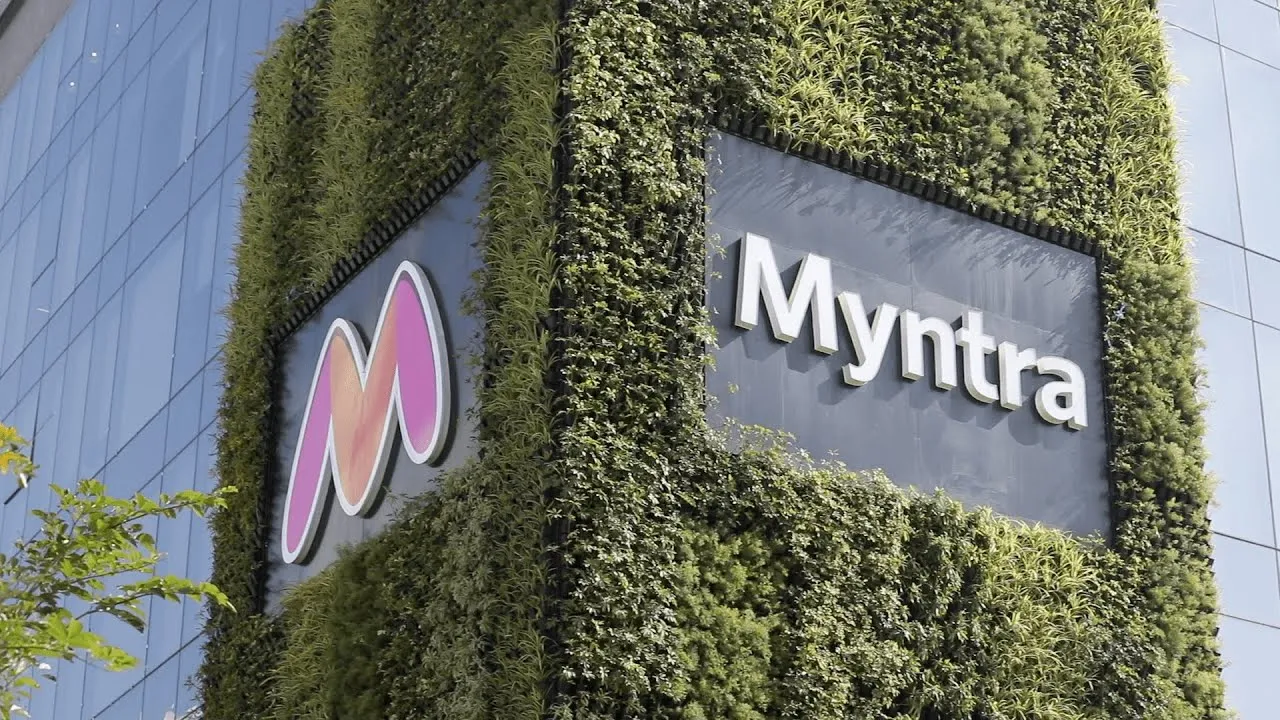
Myntra, a Flipkart subsidiary, recently reported a significant loss of ₹1.1 crore due to a refund scam in Bengaluru. Fraudsters exploited the company's refund policy by placing bulk orders and then claiming refunds for non-existent, incorrect, or fake items.

The scam took place between March and June 2024, and involved around 5,529 fraudulent orders delivered to various addresses across Bengaluru.

The fraudsters would often claim that the number of products received was less than what they had ordered, or that the items were different from what was ordered.

Myntra has approached the Bengaluru police to investigate the matter. It's suspected that a gang from Jaipur, Rajasthan, is behind these fraudulent activities. The police have registered a case under the Information Technology Act and IPC sections 419 (cheating by personation) and 420 (cheating and dishonestly inducing delivery of property).

Myntra's case of fraud comes within a few days after another e-commerce platform Meesho faced similar cheating by fraudsters. Cybercrime police in Surat arrested three individuals who cheated Meesho by posing as suppliers and customers. They placed orders and then claimed refunds or raised complaints about the products received.

Myntra is also working on tightening its refund policies and improving its fraud detection mechanisms to prevent such incidents in the future.

According to reports, Flipkart and Myntra may soon start charging cancellation fees for orders that are canceled. The reports, that are still speculative, suggest that Flipkart and Myntra customers will only have a limited amount of time to cancel their orders. After that deadline is crossed, the customers will not be able to cancel the order. However, the e-commerce giant has not confirmed the development yet.

Besides, Myntra has recently ventured into quick commerce with its new service, M-Now, which promises to deliver fashion and beauty products within 30 minutes.

Myntra has bounced back to profitability in FY24 after a loss of ₹782 crore in FY23. The company posted a profit of ₹30.9 crore in FY24, driven by a 14.71% growth in operational revenue and effective cost-cutting strategies.

Getting back to rise in cases of frauds, e-commerce frauds in India have been on the rise, especially with the increase in online shopping. About 57% of all fraud incidents in India are platform frauds, with over 26% of organizations losing over USD 1 million due to it, said a report by PwC India.

Payment Fraud accounts for 92% of all customer frauds, including unauthorized digital purchases and identity theft. Around 40% of platform frauds are conducted by internal actors, often in collusion with external perpetrators.

Infosys and German E-Commerce Firm zooplus Setup Global Capability Center (GCC) in Hyderabad

Infosys and German E-Commerce Firm zooplus Setup Global Capability Center (GCC) in Hyderabad

Infosys and Zooplus, a leading European e-commerce company based in Munich, Germany, have announced a strategic collaboration to drive digital transformation and enhance e-commerce capabilities.

Infosys will establish a state-of-the-art Global Capability Centre (GCC) in Hyderabad, India, to support Zooplus's digital transformation efforts.

Zooplus will leverage Infosys Topaz, an Al-first offering using generative Al technologies, to drive Al innovation, growth, and operational efficiency. The collaboration will also help improve its marketing, e-commerce, and supply chain capabilities. It will support zooplus by enhancing its expertise in product management, technology, quality, design, and engineering; and set up a new order management system.

The collaboration aims to enhance Zooplus's marketing, e-commerce, and supply chain capabilities, significantly improving customer experience and service efficiency.

This partnership is set to revolutionize Zooplus's operations and e-commerce prowess, making it a significant step towards digital transformation.

Founded in 1999 and headquartered in Munich, Germany, Zooplus serves customers across 30 countries in Europe, including the United Kingdom. The company went public in 2008 and is listed on the Frankfurt Stock Exchange.

Geoffroy Lefebvre, Chief Executive Officer, zooplus SE, said, “At zooplus our growth strategy has always been focused on leveraging data-driven insights to meet our customers’ demands. Our collaboration with Infosys to establish our new technology hub is a strategic decision driven by their AI-first strategies combined with expertise in delivering AI-powered solutions, with Infosys Topaz. We are confident that through this collaboration we will unlock greater operational efficiencies, enhance customer experience, and stay ahead in the competitive e-commerce landscape.”

Zooplus offers a wide range of pet products, including food, accessories, and toys, with over 8,000 top products in stock. The company is known for its commitment to quality and customer satisfaction, providing pet owners with a convenient and reliable shopping experience.

Karmesh Vaswani, Executive Vice President & Global Head of Consumer, Retail & Logistics, Infosys, said, "At Infosys, we believe in harnessing the power of technology to drive innovation enabling profitable and sustained future growth. Collaborating with zooplus to establish this new GCC in Hyderabad underscores Infosys' commitment to driving digital transformation at scale for our clients. By leveraging Infosys Topaz, we will empower zooplus to realize their full potential and also position them at the forefront of excellence in digital commerce and marketing.”

Infosys has been involved in several notable e-commerce projects over the years. Infosys helped Prologis achieve flexibility and agility for its online marketplace, resulting in an 83% increase in revenue.

Amazon Expand Partnership With India Post to Unlock Deliveries Across All of India’s Serviceable Pin Codes, Even in the Remotest Areas

Amazon Expand Partnership With India Post to Unlock Deliveries Across All of India’s Serviceable Pin Codes, Even in the Remotest Areas

Amazon India and India Post have signed a Memorandum of Understanding (MoU) to boost nationwide delivery capabilities. This collaboration aims to enhance Amazon's reach, especially in remote and rural areas, by leveraging India Post's extensive last-mile delivery network.

Amazon will tap into India Post's vast postal network to facilitate deliveries across every pin code in the country.

Under the MoU signed, Amazon India and India Post aim to collaborate to harness the postal service's extensive last-mile delivery network, enabling Amazon to enhance the speed, efficiency, and reach of its deliveries, especially in remote and rural areas, which is about 19,300 pin-codes and Army pin-codes across India. 

Notably, Amazon and India Post have been partners since 2013, and this MoU further strengthens their collaboration.

In 2014, Amazon India launched a pilot project to test India Post’s cash on delivery model, and eventually became the first e-commerce company to enable an end-to-end integrated cash-on-delivery solution with India Post. This along with overall improvements has resulted in an almost 3x increase in the volume of Amazon parcels being delivered via India Post in the past 18 months.

Both companies will closely synchronize operations to maximize efficiencies, optimize resource utilization, and explore capacity sharing across their logistics networks.

Amazon has enabled an end-to-end integrated cash-on-delivery solution with India Post, which has significantly increased the volume of Amazon parcels being delivered via India Post.

Over the years, this India Post-Amazon collaboration has hit several milestones—from Amazon India becoming the only e-commerce company to serve Army-restricted locations through the Army Postal Service, to serving customers in remote locations such as Leh’s Nubra Valley, the South Garo hills in Meghalaya, and the Andaman and Nicobar Islands, among others.

This partnership is expected to improve delivery speed, efficiency, and reach, benefiting both Amazon and its customers.

Amazon India Partners With Startup India, DPIIT to Empower Startups Through E-Commerce

Amazon India Partners With Startup India, DPIIT to Empower Startups Through E-Commerce

  • Amazon India will collaborate with Startup India to help startups scale their businesses across the nation through e-commerce.
  • Amazon India will partner with Startup India to support in increasing the reach of the Bharat Startup Knowledge Access Registry (BHASKAR) platform.
  • Through the Amazon Saheli x Startup India program, Amazon will work to accelerate the e-commerce journey of select women entrepreneurs by building capacity, providing upskilling opportunities, and fostering growth.

Amazon India has announced that it will be working with Startup India under the aegis of the Department for Promotion of Industry and Internal Trade (DPIIT), to drive multiple initiatives aimed towards empowering startups to build and grow their businesses through e-commerce. Amazon will collaborate with Startup India to enable eligible startups to tap into opportunities in ecommerce by registering on Amazon India’s marketplace through a dedicated page on the Startup India portal. Amazon will provide dedicated onboarding experience to the startups, which will help them gain access to the domestic market as well as mentorship from Amazon leaders, go-to-market support and logistics guidance.

Further, it will partner with Startup India to empower women entrepreneurs in e-commerce, through its Saheli program. The collaboration will drive a high-impact learning program designed to fuel the e-commerce journeys of eligible women led small and medium businesses in India. Amazon’s extensive suite of services including Amazon Pay, Amazon Incentives, Amazon Business, Amazon Transport, AWS, Amazon Advertising, and Mini TV will be available to the women startups, who will be part of the program. It will cover a broad gamut of relevant industries including Fashion, F&B, Textile & Apparel, Toys and Games, Automotive, Art & Photography, Pets & Animals, Agriculture and many more.


Additionally, Amazon will partner with Startup India to create awareness about the Bharat Startup Knowledge Access Registry (BHASKAR) initiative, under the Startup India program. BHASKAR is a platform designed to centralize, streamline, and enhance collaboration among key stakeholders within the entrepreneurial ecosystem, including startups, investors, mentors, service enablers, and government bodies.

Sharing his views on the occasion, Shri Sanjiv, Joint Secretary, Department for Promotion of Industry and Internal Trade (DPIIT), said “Our collaboration with Amazon is aimed at empowering startups to unleash their entrepreneurial potential and access new growth avenues. By combining Amazon's e-commerce expertise with Startup India's role as the Government of India’s flagship initiative for the development of the startup ecosystem, we will provide a robust platform for Indian startups and businesses to scale domestically. Further, the collaboration of Startup India with Amazon India is a testament to our commitment to the empowerment of Indian entrepreneurs across sectors and regions and driving economic development in the country through entrepreneurship and innovation.

Mr. Chetan Krishnaswamy, Vice President – Public Policy, Amazon India said, “Startups in India are an inspiration to everyone because of their sheer determination and willpower to build successful businesses across different industries. By leveraging the power of e-commerce, they are scaling new heights, and catering to customers across different parts of the country with their innovative products. We are honoured to join hands with Startup India, DPIIT, to pursue our common goal of empowering entrepreneurs and driving economic growth in India.Additionally, it underscores Amazon India's dedication to fostering a diverse and inclusive ecosystem, where women entrepreneurs are equipped with the tools and opportunities to realize their full potential.”

This comprehensive partnership between Startup India and Amazon India will create a powerful platform to drive the growth of startups in India, enabling SMBs to scale their businesses through e-commerce and reach a vast customer base across all serviceable pin codes where Amazon delivers, becoming national brands.

The Amazon.in marketplace is operated by Amazon Seller Services Private Ltd, an affiliate of Amazon.com, Inc. (NASDAQ: AMZN). Amazon.in seeks to build the most customer-centric online destination for customers to find and discover virtually anything they want to buy online by giving them more of what they want – vast selection, competitive prices, fast and reliable delivery, and a trusted and convenient experience; and provide sellers with a world-class e-commerce marketplace.

HCLSoftware's Startup SYNC Announces 1st-Ever Startup Cohort Program Focused on Retail and E-commerce Innovation

HCLSoftware's Startup SYNC Announces 1st-Ever Startup Cohort Program Focused on Retail and E-commerce Innovation

HCLSoftware, the software division of HCLTech and a leading global provider of enterprise software solutions, today announced the successful launch of its first-ever startup cohort program, designed to foster innovation within the retail and e-commerce industry. This program, run by HCL Startup SYNC, aims to identify new software trends and create synergies with HCLSoftware's existing products and platforms.

Building Partnerships for a Thriving Future

The program kicked off with comprehensive marketing campaigns to attract promising startups across key challenge areas, including omnichannel & customer experience, supply chain & traceability, and business intelligence & personalization. From a pool of nearly 100 applications, 25 startups were chosen to pitch their solutions. Ultimately, seven cutting-edge companies were shortlisted for the program: 
  1. SaleAssist (India),
  2. AiCodePro (India), 
  3. Tasq.AI (Israel), 
  4. Footprint Labs (Australia), 
  5. Houston Analytics (Finland), 
  6. Synthiq (UK), and 
  7. Tip Top Technologies (USA).
“Together, through partnerships fostered by our program, we can chart a course to a thriving future where innovation propels progress, and enterprise software becomes the wind in the sails of a more connected, efficient and prosperous world,” said Kalyan Kumar (KK), Chief Product Officer at HCLSoftware.

Selected startups are currently undergoing an onboarding process and have begun collaborative discussions with HCLSoftware’s product teams. These discussions aim to finalize use cases, pave the way for joint development efforts, and ultimately build comprehensive solutions that address critical retail and e-commerce challenges.

For more information about the HCLSoftware Startup Cohort program, please visit: https://www.hcl-software.com/resources/partner-connect/sync/retail-cohort

HCL Software, the software division of HCLTech is a global leader in software innovation. We develop, market, sell, and support transformative solutions across business and industry, intelligent operations, total experience, data and analytics, and cybersecurity.

Built on a rich heritage of pioneering spirit and unwavering commitment to customer success, we deliver best-in-class software products that empower organizations to achieve their goals. Our core values of integrity, inclusion, value creation, people centricity, and social responsibility guide everything we do.

HCL Software serves more than 20,000 organizations, including a majority of the Fortune 100 and almost half of the Fortune 500.

Market Reports

Market Report & Surveys
IndianWeb2.com © all rights reserved