Showing posts with label Defence Tech. Show all posts

UP Police Embraces AI and Cyber Training in Yogi Adityanath’s Hybrid Model for 60,244 Recruits

UP Police Embraces AI and Cyber Training in Yogi Adityanath’s Hybrid Model for 60,244 Recruits

In a landmark move to modernize law enforcement, Uttar Pradesh Chief Minister Yogi Adityanath has unveiled a tech-forward hybrid training model for 60,244 newly appointed police personnel. The initiative marks one of India’s largest digital transformations in police training, integrating artificial intelligence, cybercrime modules, and simulation-based learning into the traditional curriculum.

Tech Highlights of the Hybrid Training Model

  • AI-Powered Simulations: Recruits will engage with artificial intelligence-driven scenarios that mimic real-world policing challenges—ranging from crowd control to cyber fraud detection. These simulations aim to sharpen decision-making and situational awareness.
  • Cybercrime and Digital Forensics: The curriculum includes hands-on training in cybercrime investigation, digital evidence handling, and online threat mitigation. Officers will learn to trace IP addresses, decrypt digital trails, and respond to phishing and ransomware cases.
  • Smart Classrooms and E-Learning: Training centers are being equipped with smart boards, biometric attendance systems, and cloud-based learning platforms. Recruits can access legal modules, case studies, and forensic tutorials remotely.
  • Drone and Surveillance Tech: Select units will receive exposure to drone operations, facial recognition systems, and real-time surveillance tools—preparing them for tech-assisted field operations.
  • Data Ethics and Privacy: Officers will be sensitized to digital rights, data protection laws, and ethical boundaries in tech-enabled policing.
Strategic Vision

The hybrid model reflects CM Yogi Adityanath’s broader vision to align UP Police with global standards in digital law enforcement. By embedding technology into foundational training, the state aims to build a force that is not only physically agile but digitally literate and ethically grounded.

Marine Robotics Startup EyeROV Bags ₹47 Cr Order from Indian Navy to deliver Underwater Remotely operated Vehicles (UWROVs)

Marine Robotics Startup EyeROV Bags ₹47 Cr Order from Indian Navy to deliver Underwater Remotely operated Vehicles (UWROVs)

EyeROV, India’s pioneering underwater robotics startup, has announced the signing of a landmark ₹47 Cr contract with the Indian Navy for advanced Underwater Remotely Operated Vehicles (UWROVs). The deal strengthens India’s naval capability with field-tested, indigenously built technology.

EyeROV’s UWROVs have been tested in the most demanding environments, from the turbulent seas for deep water missions as deep as 400+ m for underwater volcanic studies to the coldest depths of the Antarctic Sea. These successful tests prove that the Navy receives systems designed for real-world challenges where precision, safety and reliability are paramount.

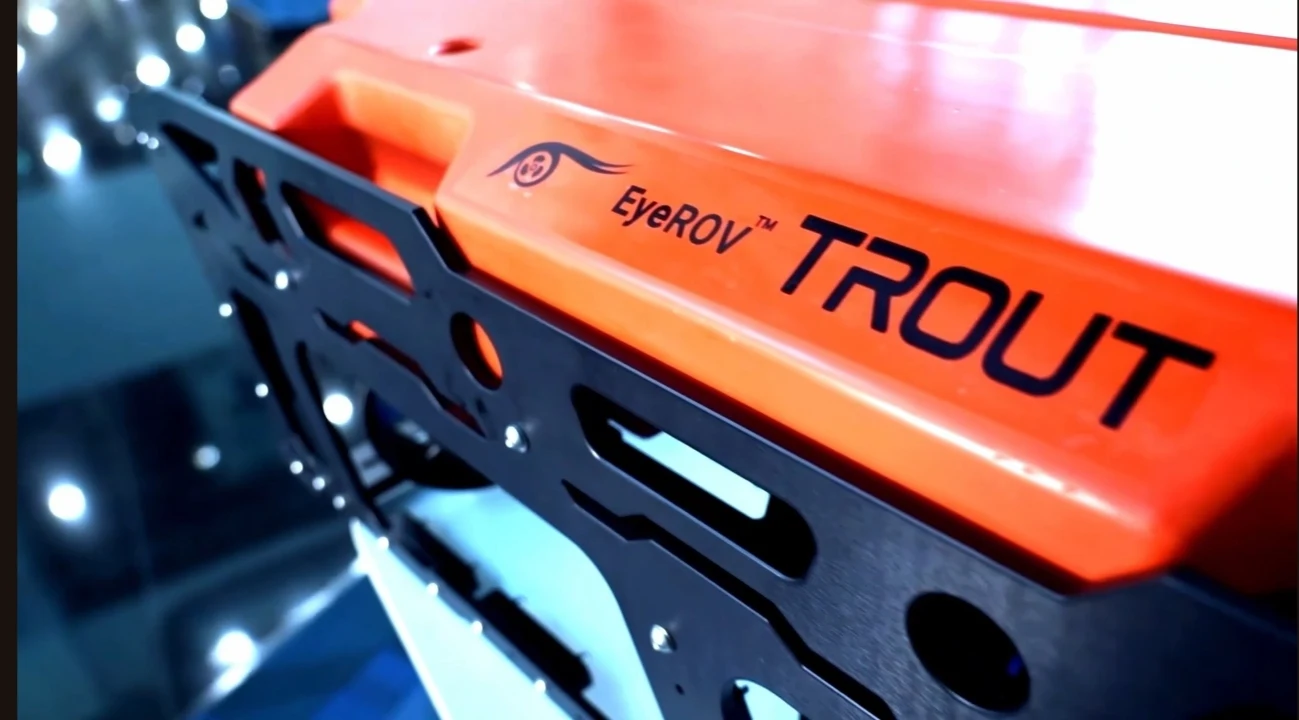
EyeROV TROUT, a 300m depth rated, is a military grade rugged ROV developed for dual applications of defence as well as commercial. It can deep dive equipped with advanced payloads to carry out multiple missions like underwater surveillance & reconnaissance to monitor naval environments and more.

Commenting on the development, Johns T. Mathai, Co-Founder & CEO, EyeROV, said, “This recognition is a true reward for our dedicated efforts over the past eight years. We sincerely thank the iDEX and Navy teams for their support in fostering advanced indigenous solutions. Our vision has always been to serve the nation by delivering technologies that are at par with global standards.”


EyeROV brings nearly a decade of field experience delivering underwater intelligence in mission-critical projects — from disaster & recovery to dam safety inspections to offshore energy operations and naval operations.

EyeROV’s indigenous technology stack is fully developed in India, reinforcing the nation’s push towards self-reliance in defence. Beyond cost efficiency, EyeROV’s systems deliver operational resilience, strategic autonomy, and global competitiveness — making the company a national asset in India’s defence deep-tech landscape.

Kannappa P., Co-Founder & CTO, EyeROV, added, “For eight years, EyeROV has engineered underwater systems tested in the harshest conditions. This partnership with the Navy is proof that Indian innovation can set benchmarks globally in defence deep-tech.”

Founded in 2017, EyeROV has completed more than 100 successful deployments across India, West Asia, APAC and Europe. The Company has more than 80 customers including some of the most prestigious names like DRDO, Indian Coast Guard, CSIR and NCPOR. Key product portfolio includes EyeROV TUNA (ROV), EyeROV TROUT (ROV), iBoat Alpha (USV) serving sectors like Defence & Security, Hydro & Marine Infrastructure, Disaster Management, Energy, Environmental Conservation. The Company also raised a Pre Series A round of $1.2 million from Unicorn India Ventures last year. EyeROV has been recognised among the top 5 def-tech startups in India and has won the National Startup Award in 2022.

About EyeROV

EyeROV is India’s pioneering deep-tech company specializing in underwater robotics and marine technology solutions. Founded in 2017 and headquartered in Kochi, EyeROV designs, develops, and deploys indigenously built Remotely Operated Vehicles (ROVs) and Unmanned Surface Vessels (USVs) that serve critical applications across Defence & Security, Hydro & Marine Infrastructure, Disaster Management, Energy, and Environmental Conservation. With over 100 successful deployments across India, West Asia, APAC, and Europe, EyeROV has earned the trust of 80+ customers including DRDO, Indian Coast Guard, CSIR, and NCPOR. Recognized among the Top 5 Defence Startups in India, EyeROV continues to drive innovation, delivering mission-critical systems that combine precision, resilience, and cost efficiency. EyeROV’s vision is to empower nations with strategic autonomy in underwater intelligence and contribute to global advancements in marine robotics.

Defence Ministry and EdCIL Ink ASPIRE Pact to Scale Defence-Education Tech Synergies

Defence Ministry and EdCIL Ink ASPIRE Pact to Scale Defence-Education Tech Synergies

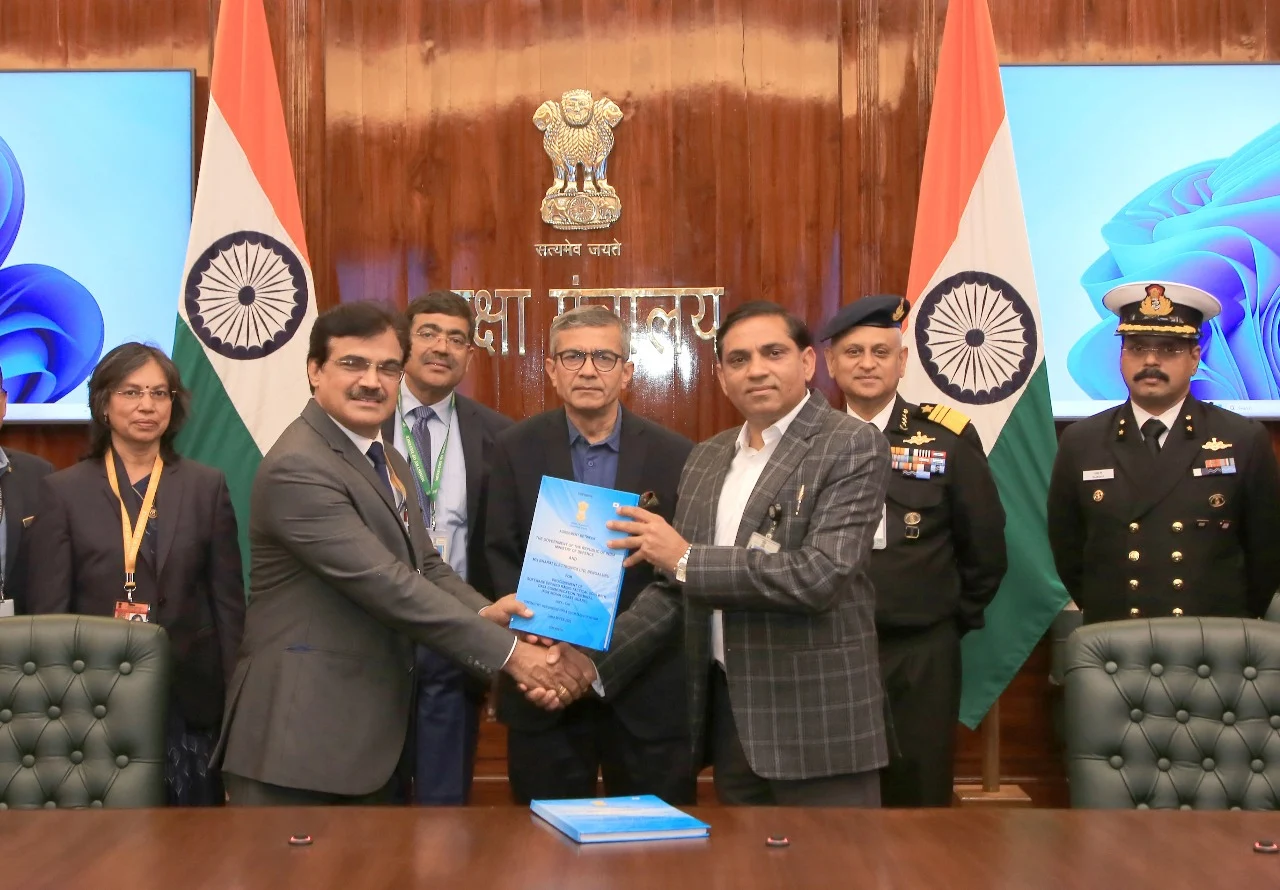
In a landmark move to accelerate India’s self-reliance in technology, the Ministry of Defence’s iDEX-DIO and EdCIL (India) Ltd have signed a Memorandum of Understanding (MoU) to jointly develop dual-use technologies under a new initiative titled ASPIRE—Accelerating Strategic Progress in Research and Education.

The ASPIRE program aims to bridge the gap between defence innovation and civilian applications by leveraging India’s growing start-up ecosystem. It will foster the development of technologies that serve both military and societal needs, aligning with the broader goals of the Aatmanirbhar Bharat mission.

Strategic Collaboration

The MoU was signed by Shri Amit Satija, Joint Secretary (Defence Innovation Promotion) and Additional CEO of DIO, and Shri Govind Jaiswal, Joint Secretary (Technical Education) and CMD of EdCIL. The partnership marks a significant expansion of iDEX’s innovation model, which has already engaged over 650 start-ups in defence R&D.

EdCIL, a Mini Ratna CPSE under the Ministry of Education, brings deep expertise in educational consultancy, digital learning solutions, and international project management. Its collaboration with iDEX-DIO is expected to unlock new pathways for scalable, tech-driven solutions in both defence and education sectors.

What ASPIRE Will Deliver

  • Dual-use technology development for defence and public benefit
  • Cross-sector innovation by integrating defence R&D with ed-tech and skill development
  • Start-up engagement to solve national challenges through strategic funding and mentorship
  • Scalable deployment of solutions across institutions, communities, and strategic sectors

Aatmanirbhar Bharat in Action

The ASPIRE program reflects India’s evolving approach to innovation—moving from siloed sectoral efforts to integrated, mission-driven collaboration. It also signals a shift in government procurement models, emphasizing scalable public benefit and strategic autonomy.

With EdCIL’s revenue growing from ₹74 crore to ₹655 crore over the last decade, and iDEX’s proven track record in defence innovation, ASPIRE is poised to become a cornerstone of India’s tech-led development strategy.

DRDO Successfully Tests Indigenous Integrated Air Defence Weapon System (IADWS)

DRDO Successfully Tests Indigenous Integrated Air Defence Weapon System (IADWS)

In a landmark achievement for India’s defense modernization, the Defence Research and Development Organisation (DRDO) today successfully conducted the maiden flight-tests of the all-indigenous Integrated Air Defence Weapon System (IADWS) off the coast of Odisha. The multi-layered system, designed to neutralize a spectrum of aerial threats, marks a significant leap in India’s self-reliant defense capabilities.

What Is IADWS?

The Integrated Air Defence Weapon System is a tiered, modular air defense architecture that combines:
  • QRSAM (Quick Reaction Surface-to-Air Missiles) for medium-range threats
  • VSHORADS (Very Short Range Air Defence System) for close-range engagements
  • Directed Energy Weapons (DEW) using high-power lasers to disable drones and low-altitude targets
All components are seamlessly coordinated through a Centralised Command and Control Centre, developed by DRDO’s Defence Research & Development Laboratory (DRDL), enabling real-time threat assessment and response.

Inside the Test: Precision Across Layers

Conducted at 12:30 PM IST at the Integrated Test Range, Chandipur, the test involved three aerial targets:
  • Two high-speed fixed-wing UAVs
  • One multi-copter drone
Each target was intercepted by a different tier of the IADWS:
  • QRSAM neutralized medium-range UAVs with precision-guided missiles
  • VSHORADS engaged short-range threats using shoulder-fired systems
  • DEW successfully disabled the drone using laser energy

Strategic Implications

Defence Minister Rajnath Singh lauded the achievement, stating:
“The successful demonstration of IADWS reflects India’s growing prowess in multi-layered air defence and indigenous innovation. It strengthens our ability to protect critical infrastructure and national assets against evolving aerial threats.”
This test places India in elite company alongside nations like:
Country System Name Capabilities
🇺🇸 USA Patriot, THAAD Long-range, ballistic missile defense
🇷🇺 Russia S-400 Multi-target, long-range interception
🇮🇱 Israel Iron Dome Short-range rocket and drone defense
🇮🇳 India IADWS Integrated kinetic + laser-based defense

What’s Next?

With successful validation of its layered architecture, IADWS is expected to undergo further trials before deployment across strategic zones, including border regions and critical urban infrastructure. Its modular design allows for rapid deployment and scalability, making it a cornerstone of India’s future air defense grid.

India’s Pralay Missile Passes Back-to-Back Trials, Showcases Indigenous Precision Strike Power

India’s Pralay Missile Passes Back-to-Back Trials, Showcases Indigenous Precision Strike Power

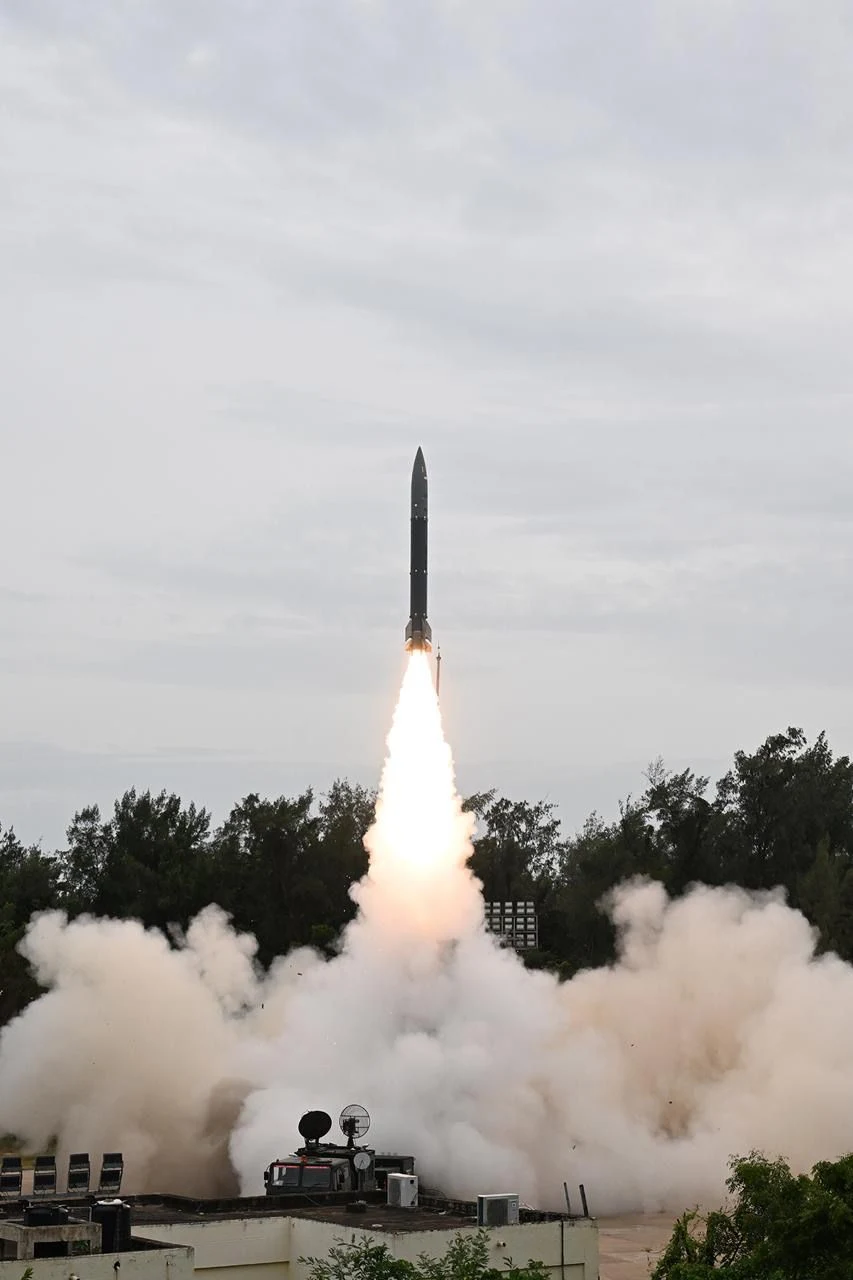
DRDO has conducted two consecutive successful flight-tests of Pralay missile from Dr APJ Abdul Kalam island off the coast of Odisha. The flight-tests were carried out as a part of User Evaluation Trials to validate the maximum and minimum range capability of the missile system.

Pralay is an indigenously-developed solid propellant quasi-ballistic missile employing state-of-the-art guidance and navigation to ensure high precision. It is capable of carrying multiple types of warheads against various targets.

Test Overview

  • Dates: July 28 & 29, 2025
  • Location: Dr APJ Abdul Kalam Island, off the coast of Odisha
  • Purpose: User Evaluation Trials to validate maximum and minimum range capabilities
  • Outcome: Both missiles hit their targets with pinpoint accuracy, meeting all test objectives

Missile Specifications

Feature Details
Type Quasi-ballistic, surface-to-surface missile
Propulsion Two-stage solid propellant rocket motor
Range 150–500 km
Speed Mach 1 to Mach 1.6
Warhead Capacity 350–700 kg, multiple conventional types
Guidance System Inertial navigation with real-time trajectory correction
Launch Platform Mobile 8x8 BEML Tatra Transporter Erector Launcher
Maneuverability Mid-course adjustments to evade interception

Test Highlights

  • Trajectory: Quasi-ballistic, low-altitude flight path to evade radar detection
  • Tracking: Verified using sensors from Integrated Test Range (ITR), including ship-based instruments
  • Participants: Senior DRDO scientists, Indian Army & Air Force reps, and industry partners

Strategic Significance

  • Battlefield Utility: Designed for tactical strikes on enemy logistics hubs, airbases, and command centers
  • Rapid Deployment: Mobile launch capability ensures quick response in high-stakes scenarios
  • Self-Reliance: Fully indigenously developed by DRDO and partners like Bharat Dynamics & BEL

Official Statements

  • Defence Minister Rajnath Singh: Praised the trials as a “technological boost” to India’s Armed Forces
  • DRDO Chairman Dr Samir V Kamat: Called it a milestone that paves the way for induction into active service

Indian Army Inducts First Batch of AH-64E Apache Helicopters

Indian Army Inducts First Batch of AH-64E Apache Helicopters

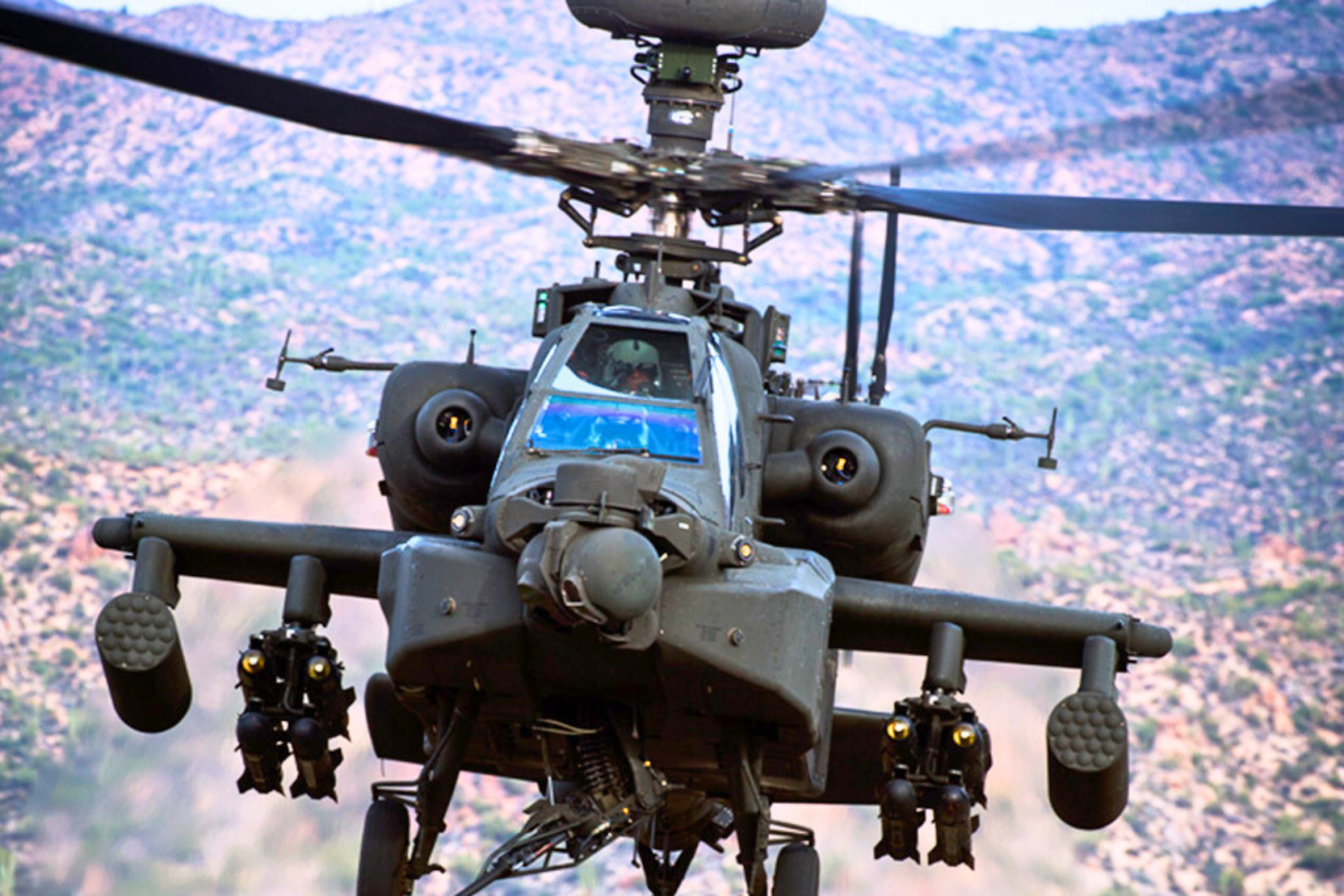
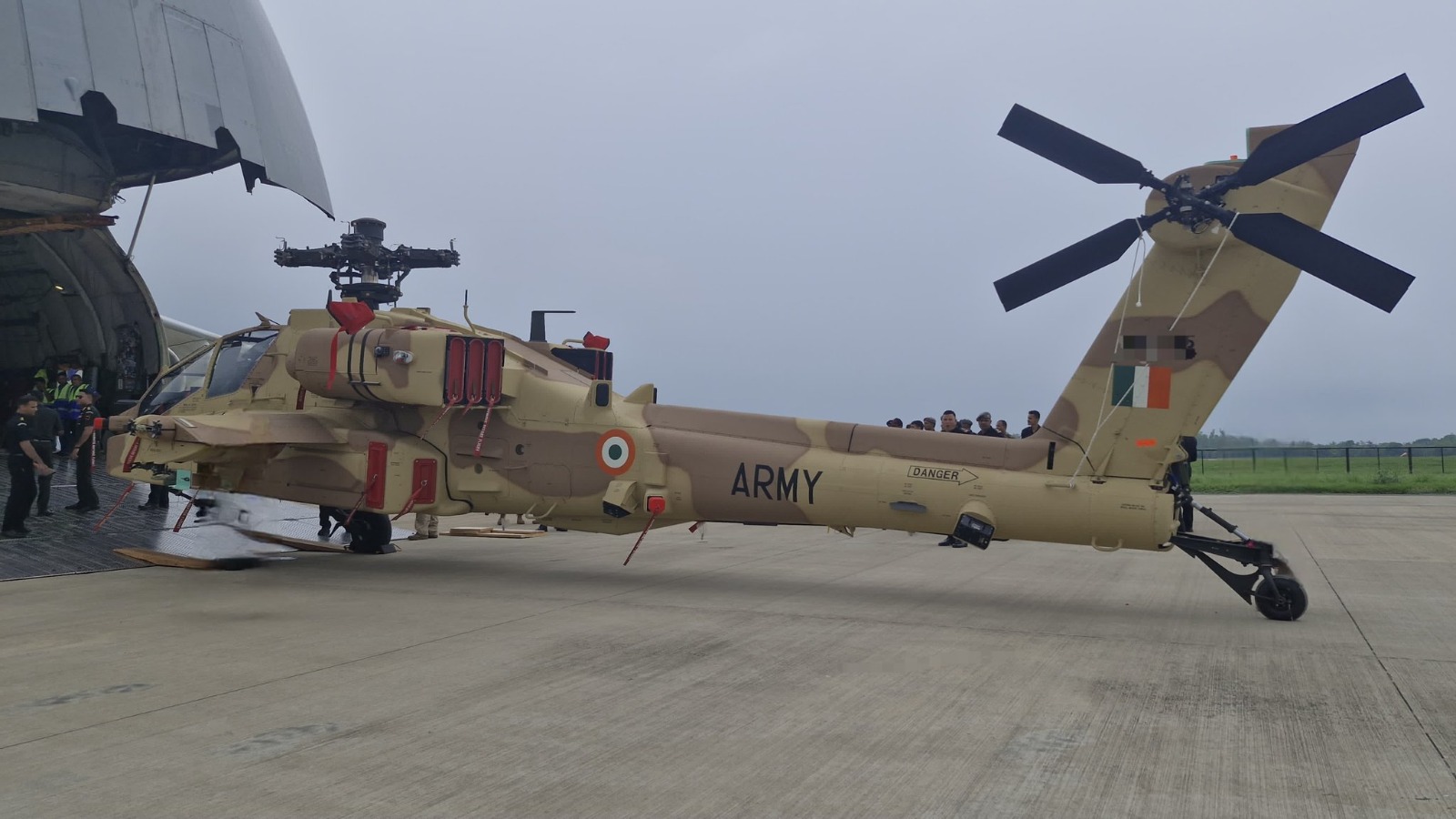
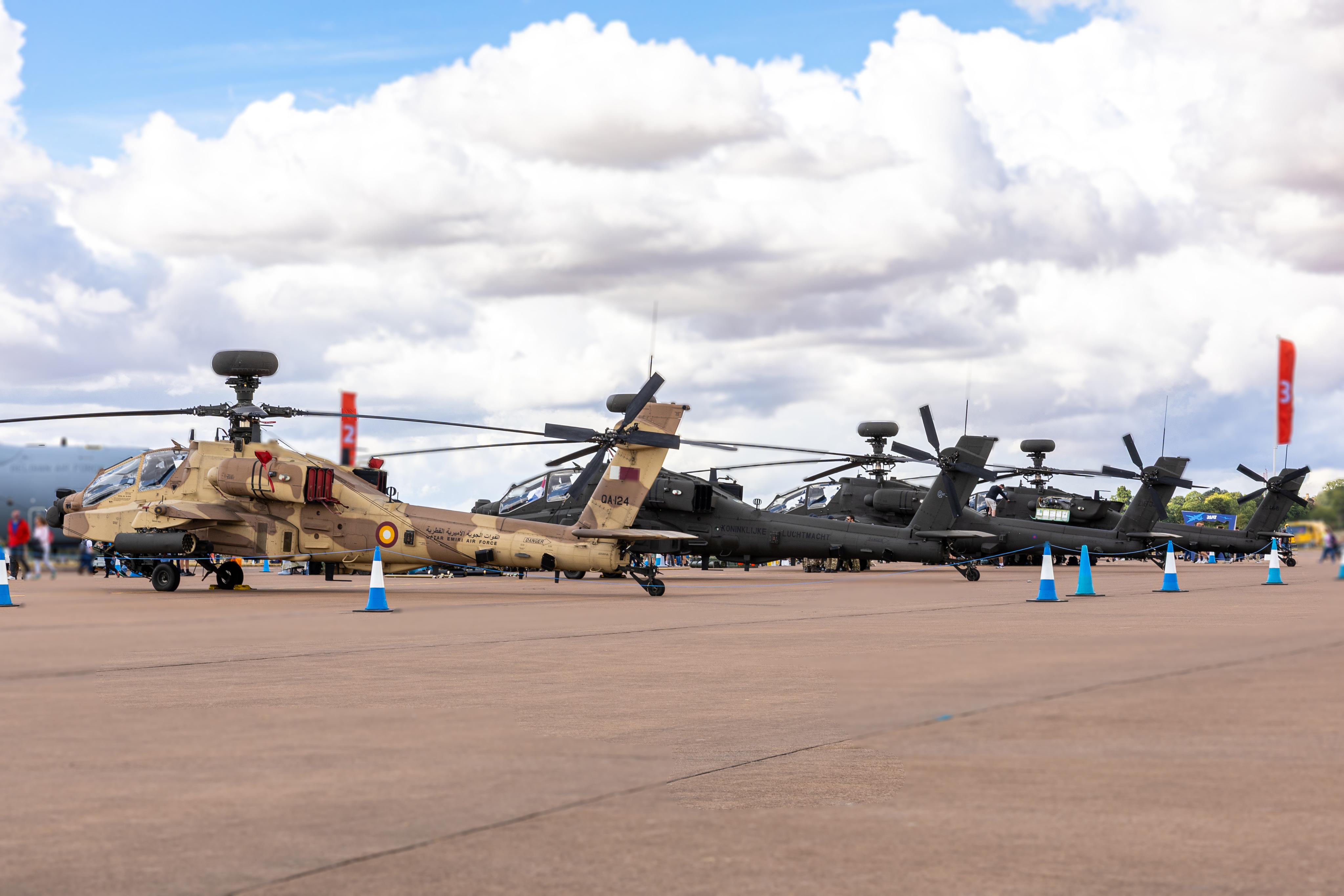
On July 22, 2025, the Indian Army received its first batch of three AH-64E Apache attack helicopters at the Hindon Airbase, marking a milestone in its combat aviation modernisation. These helicopters will soon join the Army Aviation Corps squadron in Jodhpur, significantly enhancing battlefield readiness along India’s western border.

It was in 2020 when India signed a US$ 600 million deal with the United States for six AH-64E Apaches specifically for the Indian Army, following a 2017 approval by the Defence Ministry. This order supplements the Indian Air Force’s earlier acquisition of 22 Apaches under a 2015 contract, whose deliveries were completed by mid-2020. The Army’s contract was valued at ₹4,168 crore, with deliveries slated to begin in 2024.

Delivery and Induction Process

Indian Army Inducts First Batch of AH-64E Apache Helicopters

Upon arrival at Hindon, the three helicopters underwent Joint Receipt Inspection (JRI) to verify airworthiness and systems integrity. After completion of inspections, they will be formally handed over to the Army Aviation Corps and ferried to their Jodhpur base for immediate operational deployment. The remaining three Apaches are expected to arrive by the end of 2025, completing the six-helicopter order.

Batch Quantity Arrival Month/Year Base
First 3 July 2025 Hindon
Second 3 By end 2025 Hindon → Jodhpur

AH-64E Apache: Key Capabilities

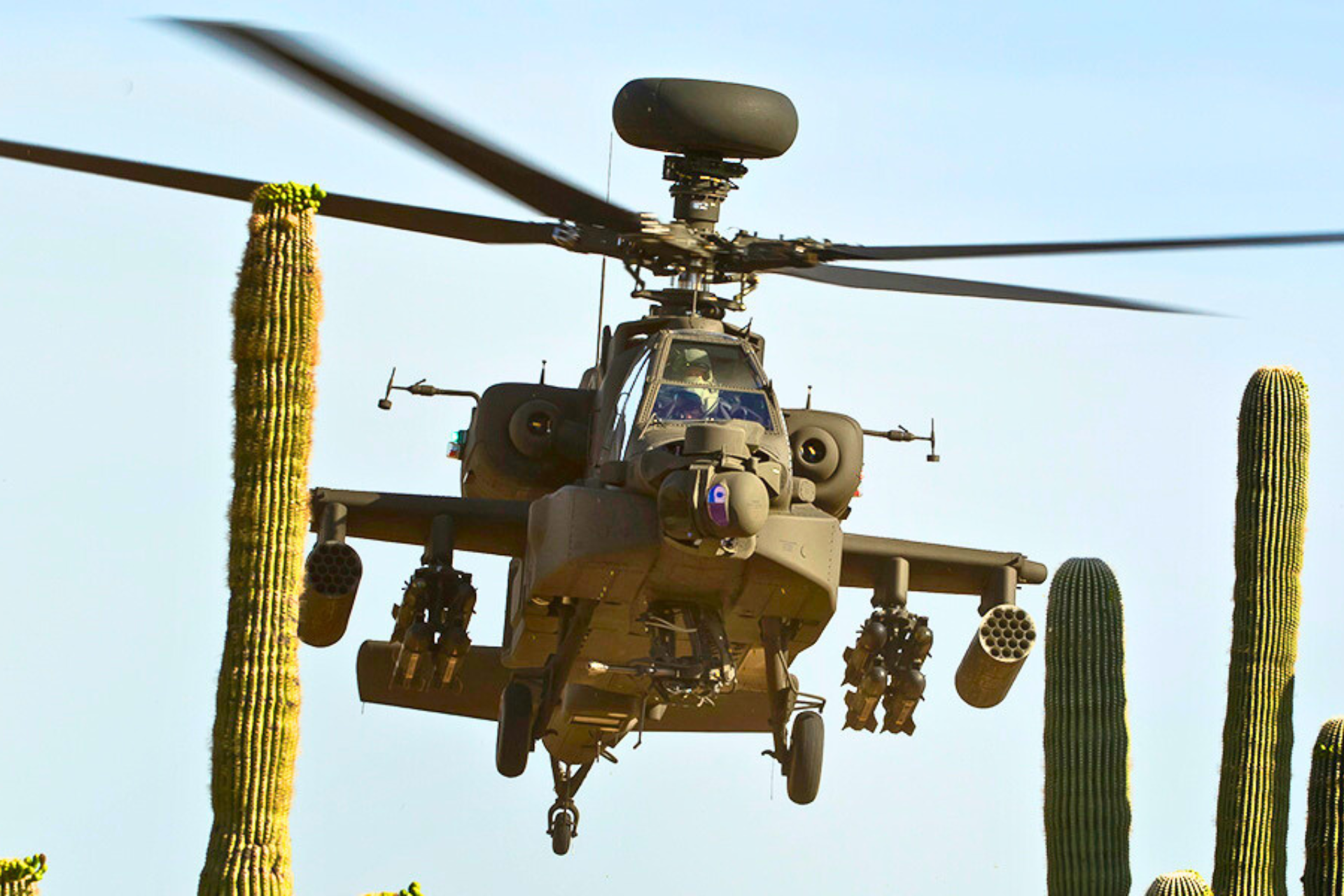
  • Twin-engine, tandem-seat attack platform equipped with state-of-the-art avionics and sensor suites for all-weather, day-night operations.
  • Armament includes laser- and radar-guided AGM-114 Hellfire missiles, 70 mm Hydra rocket pods, air-to-air Stinger missiles, and a 30 mm M230 chain gun with 1,200 rounds.
  • Longbow radar above the main rotor provides 360° target detection and fire control, enabling precision anti-armour and close-air-support missions.

Advanced Operational Features

Indian Army Inducts First Batch of AH-64E Apache Helicopters

The AH-64E Apache Guardian integrates network-centric warfare capabilities, linking onboard sensors with off-board assets to deliver rapid target acquisition and precision engagement. Its enhanced digital connectivity and open-systems architecture allow seamless integration into multi-domain operations, making it a force multiplier in high-intensity conflict scenario. 

Strategic Impact

Indian Army Inducts First Batch of AH-64E Apache Helicopters

Introducing Apaches into the Indian Army fleet bolsters India’s deterrence posture by providing “tank-in-the-air” capabilities against armoured threats. These helicopters fill critical capability gaps in rugged and high-altitude theatres, complementing the Indian Air Force’s own Apache squadrons and strengthening joint air–ground operations. This induction underscores a broader push to modernise India’s defence forces with cutting-edge technologies.

As the remaining helicopters join service later this year, the Army Aviation Corps will ramp up training exercises and joint drills to fully harness the Apache’s capabilities. Longer term, the platform’s interoperability with UAVs and light attack helicopters will further diversify India’s aerial combat toolkit, strengthening readiness across multiple theatres of operation.

Britain’s New Laser Weapon Can Blast Drones from the Sky at Lightning Speed


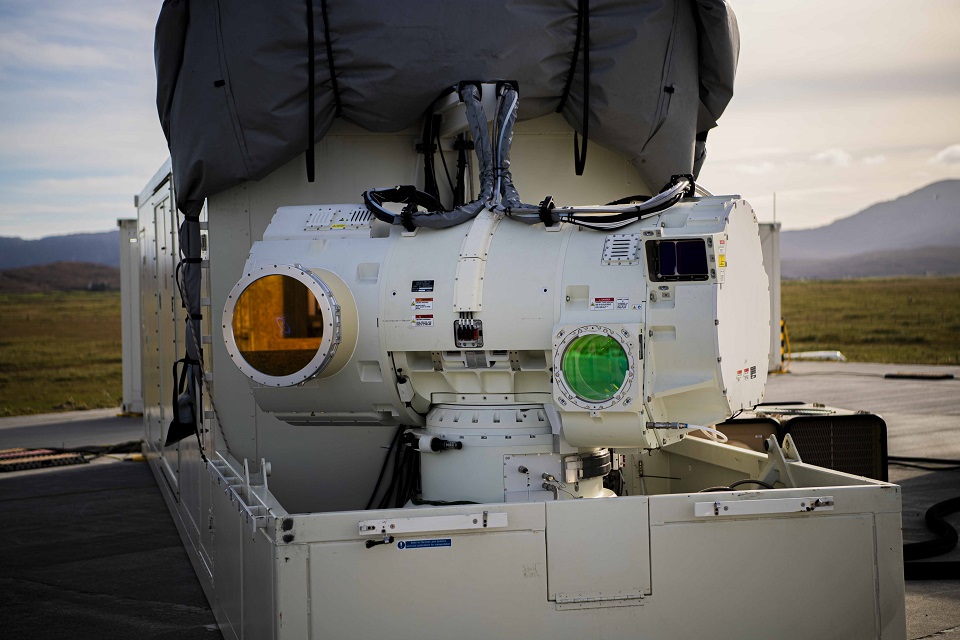
It sounds like something out of a sci-fi thriller, but DragonFire is very real—and very potent. Developed by a UK consortium this laser-directed energy weapon (LDEW) is designed to neutralize drones, mortars, and even missiles with pinpoint accuracy.

DragonFire is no ordinary military system—it's a laser-directed energy weapon (LDEW) developed by a collaboration of MBDA, Leonardo, and QinetiQ. With a high-power solid-state laser that uses beam-combining technology and doped glass fiber bundles, it can strike targets as small as a £1 coin from over a kilometer away.


The beam is estimated to range between 50 and 100 kilowatts, strong enough to melt metal and neutralize drones, mortars, and even incoming missiles with extraordinary accuracy.

Cost and Efficiency

Each DragonFire shot costs less than £10—comparable to running a home heater for an hour—making it exponentially cheaper than traditional missile systems that can cost hundreds of thousands per launch. This affordability could redefine air defense economics.

Deployment and Timelines

Britain’s New Laser Weapon Can Blast Drones from the Sky at Lightning Speed

Initially slated for deployment in 2032, DragonFire’s timeline has been fast-forwarded to 2027. The UK Ministry of Defence has commissioned the first two systems for £240 million, with plans to equip four Royal Navy warships. Both the British Army and Navy are actively evaluating how to incorporate it into wider air defense strategies.

Combat Trials and Capability

During trials in January 2024 in Scotland, DragonFire successfully engaged aerial targets, showcasing its potential against drones, mortars, and hardened naval-grade surfaces. It demonstrated effectiveness at distances up to 2.1 miles, signaling it’s nearly ready for real combat scenarios.

Geopolitical Impact

There’s serious consideration being given to dispatching early versions of DragonFire to Ukraine, marking it not just as a technological marvel but as a strategic tool in real-world conflicts. Its implications could reshape defense dynamics globally.

A Glimpse Ahead

DragonFire isn’t merely about melting drones mid-air—it represents a leap into a battlefield where speed-of-light weapons offer precision, cost savings, and a redefinition of aerial defense. The United Kingdom is not just preparing for tomorrow; it's helping write the rulebook.

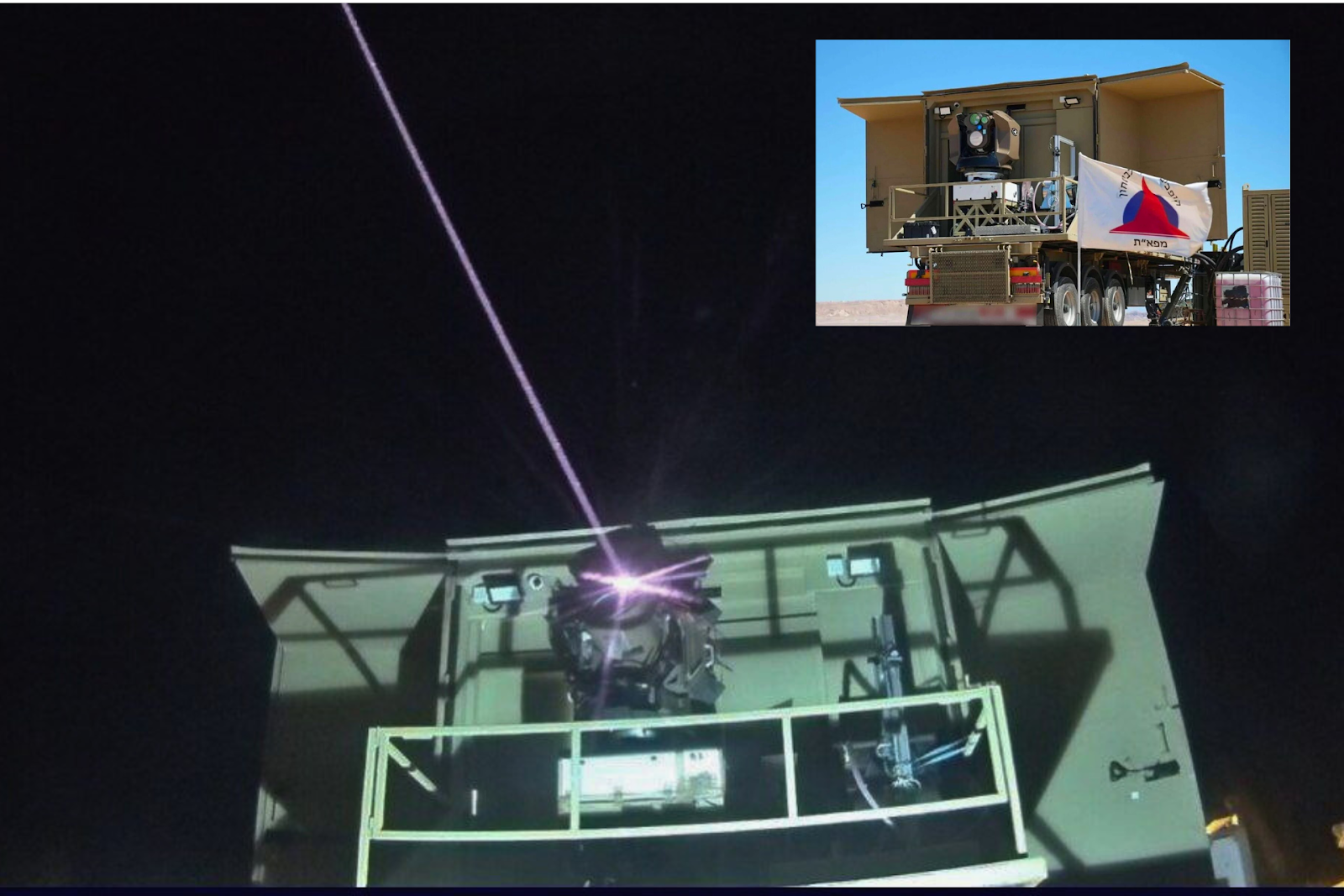
Earlier this month, Israel made history by becoming the first country to successfully intercept enemy drones using laser weapons in real combat.

It may also be recalled that in last month, India’s DRDO successfully developed a 30-kilowatt laser-based directed-energy weapon (DEW) capable of neutralizing aerial threats like fixed-wing aircraft, missiles, and swarm drones.

DRDO Successfully Tests SAAW, Enhancing India’s Precision Strike Capability

DRDO Successfully Tests SAAW, Enhancing India’s Precision Strike Capability

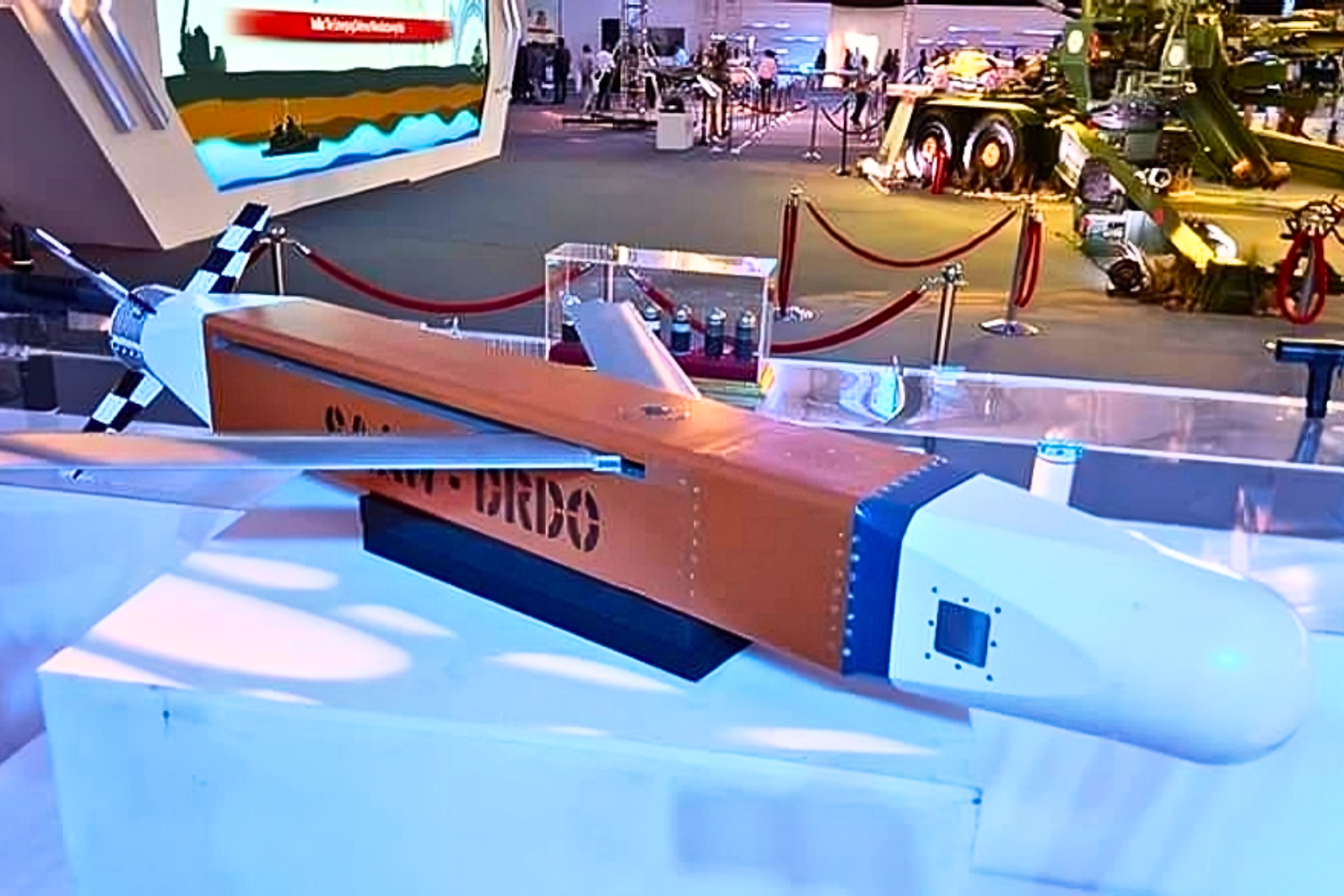
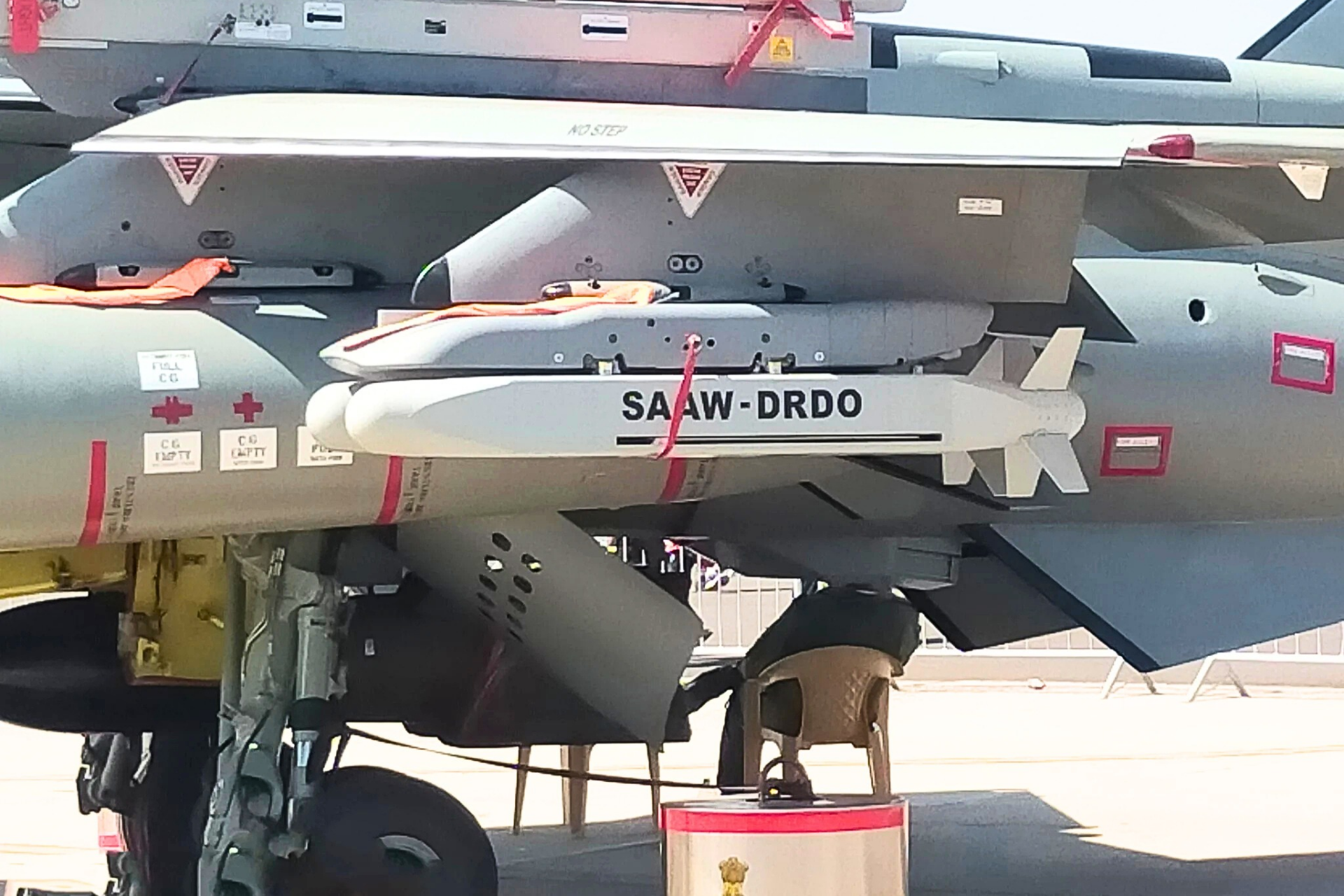
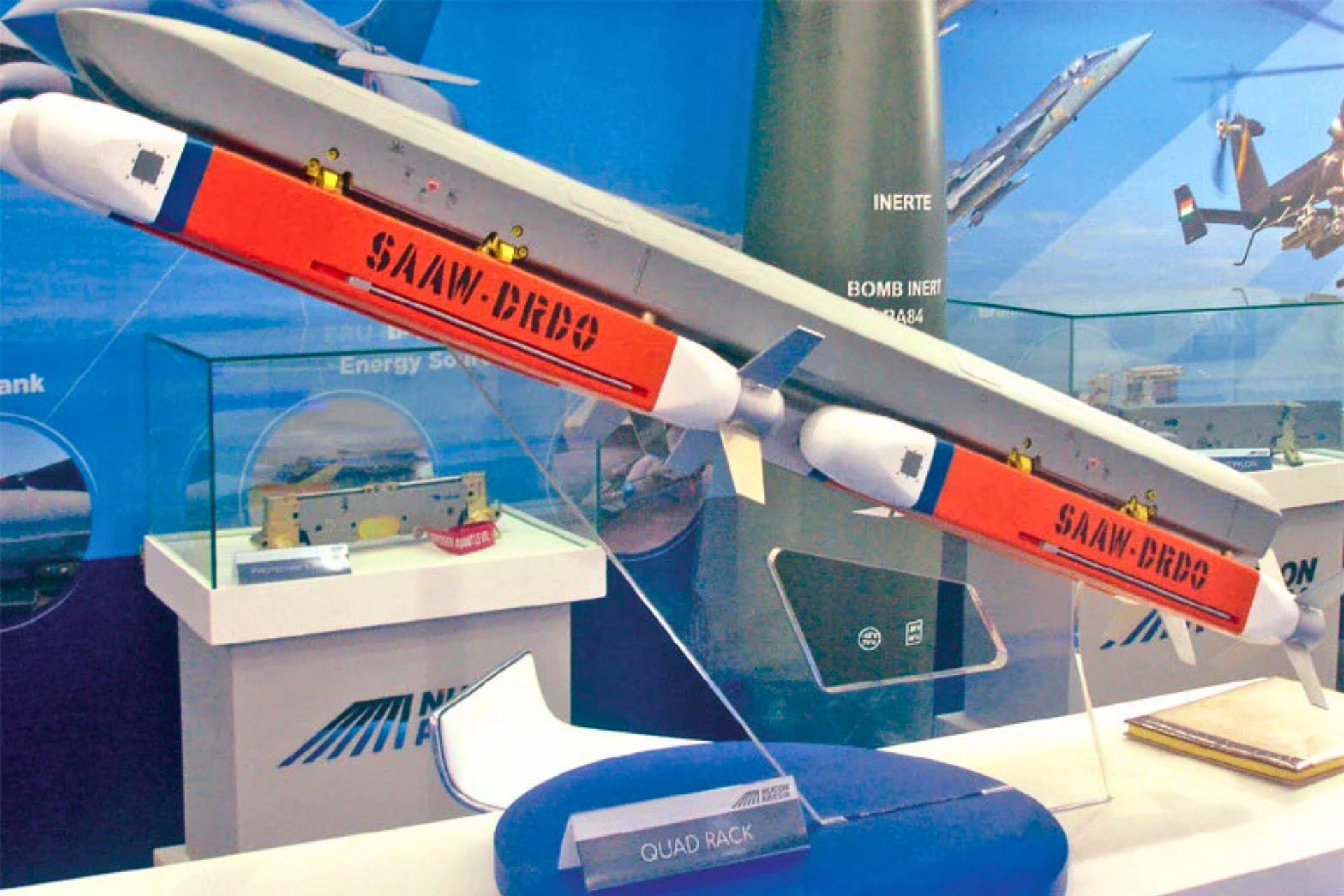
In a major boost to India’s defense technology, the Defence Research and Development Organisation (DRDO) has successfully tested the Smart Anti-Airfield Weapon (SAAW)—a precision-guided glide bomb designed to neutralize enemy airbases without crossing the border.

What is SAAW?

DRDO Successfully Tests SAAW, Enhancing India’s Precision Strike Capability

SAAW is a 125-kg class smart bomb capable of striking targets like runways, bunkers, radar stations, and fuel depots from over 100 kilometers away. Unlike traditional bombs or missiles, it doesn’t require the launching aircraft to enter enemy airspace—making it a game-changer in stand-off warfare.

Key Features:
  • Stand-off Precision: SAAW can be launched from a safe distance, keeping pilots and aircraft out of any harm.
  • Pinpoint Accuracy: With guidance from GPS, India's own NavIC satellite system, and onboard seekers, the weapon can strike within 3–7 meters of its intended target.
  • Cost Efficiency: Unlike powered missiles, SAAW glides to its target, making it a relatively low-cost yet highly effective option.
  • Platform Versatility: It’s compatible with a wide range of Indian Air Force aircraft including the Su-30 MKI, Mirage 2000, Tejas, and potentially upcoming unmanned platforms like HAL’s CATS Warrior.

Strategic Implications

DRDO Successfully Tests SAAW, Enhancing India’s Precision Strike Capability

SAAW enhances India’s capability to disable enemy airbases quickly and precisely—without direct confrontation. This not only strengthens defensive posture but allows for measured, non-escalatory responses in high-stakes situations.

Defense analysts view SAAW as a critical addition to India’s evolving smart weapons ecosystem, reflecting DRDO’s growing focus on indigenous innovation and strategic autonomy.

As global conflict theaters increasingly value precision and discretion over brute force, India's SAAW may very well mark a turning point in how modern air power is projected—quiet, calculated, and devastatingly effective from afar.

DRDO Transfers 9 Defence Technologies to 10 Private Players, Boosting India's Military Innovation

DRDO Transfers 9 Defence Technologies to 10 Private Players, Boosting India's Military Innovation

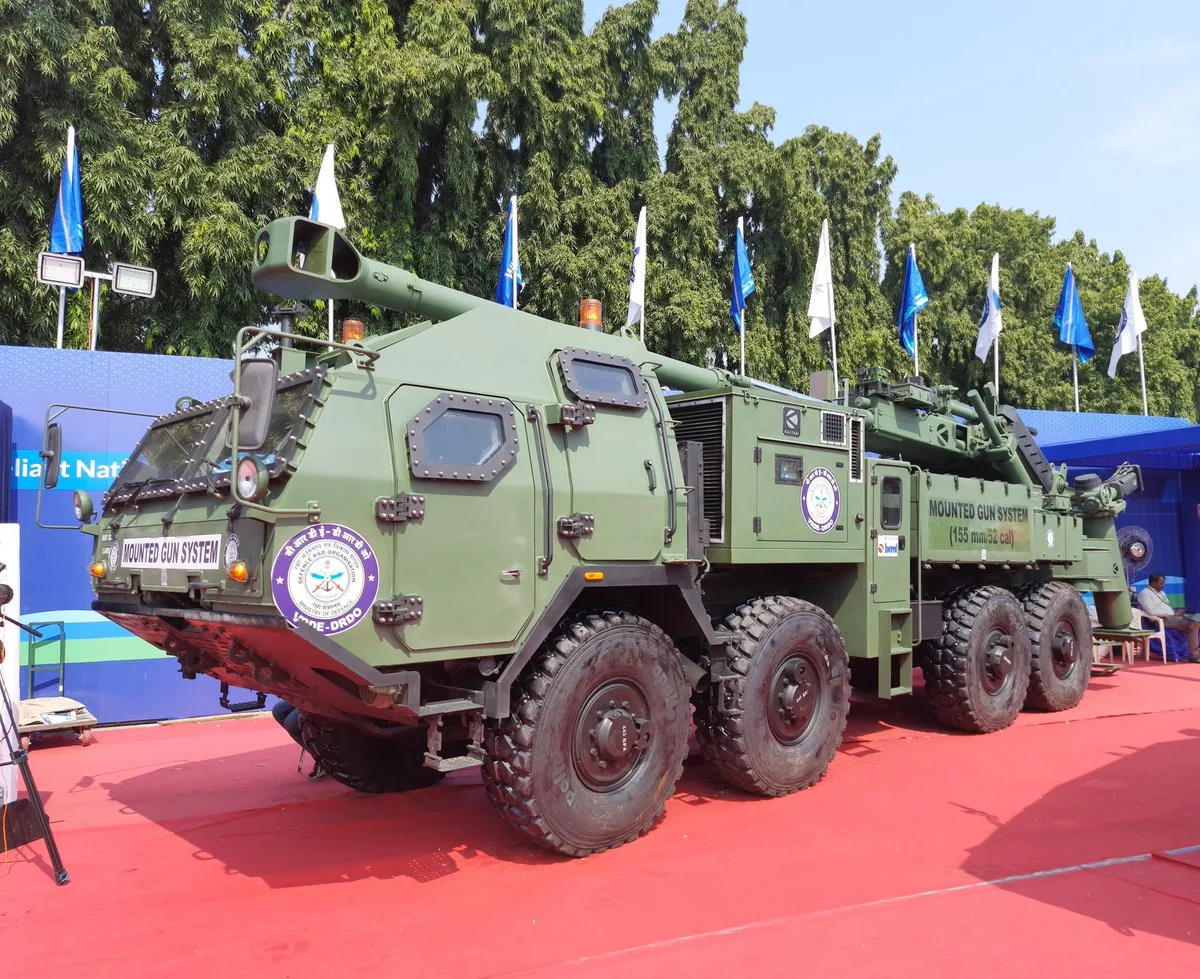
In a strategic push towards self-reliance in military technology, India’s Defence Research and Development Organisation (DRDO) has transferred nine defence system technologies to ten industry partners. This milestone underscores the government's commitment to fostering public-private collaboration in defence production, empowering private firms with advanced military technology for indigenous manufacturing and innovation.

The Defence Systems Being Transferred

  • CBRN Recce Vehicle (Tracked) Mk-II – Designed to detect and analyze Chemical, Biological, Radiological, and Nuclear (CBRN) hazards on the battlefield.
  • Mounted Gun System – An advanced weaponized platform providing superior firepower.
  • Anti-Terrorist Vehicle (Tracked Version) – A specialized combat vehicle for counter-terrorism operations.
  • 70-Ton Tank Transporter Trailer for MBT Arjun Mk-1A – A robust logistics solution for transporting India's main battle tank (MBT) Arjun Mk-1A.
  • Expandable Mobile Shelter – A deployable infrastructure for strategic operations and command centers.
  • Vajra Riot Control Vehicle – Designed for crowd management and security operations.
  • Unit Maintenance Vehicle for MBT Arjun – A mobile repair and maintenance system for India’s premier battle tank.
  • Multi-Purpose Decontamination System – Capable of cleansing contaminated environments from hazardous agents.

Industry Partners Driving Defence Innovation

The ten private sector companies receiving these technologies are:

  1. Bharat Electronics Limited (BEL) - CBRN Recce Vehicle (Tracked) Mk-II, Expandable Mobile Shelter  
  2. Bharat Forge Limited - Mounted Gun System  
  3. Metaltech Motor Bodies Private Limited - Anti-Terrorist Vehicle (Tracked Version)  
  4. BEML Limited - 70-Ton Tank Transporter Trailer for MBT Arjun Mk-1A, Unit Maintenance Vehicle for MBT Arjun
  5. Tata International Vehicle Applications - 70-Ton Tank Transporter Trailer for MBT Arjun Mk-1A  
  6. SDR Auto Private Limited - 70-Ton Tank Transporter Trailer for MBT Arjun Mk-1A  
  7. John Galt International - 70-Ton Tank Transporter Trailer for MBT Arjun Mk-1A  
  8. Tata Advanced Systems Limited - Vajra Riot Control Vehicle
  9. Dass Hitachi Limited - Multi-Purpose Decontamination System
  10. Goma Engineering Private Limited - Multi-Purpose Decontamination System

Strategic Importance of the Technology Transfer

This initiative aligns with India’s Atmanirbhar Bharat vision, enhancing domestic defence capabilities while driving innovation in the private sector. The collaboration is expected to:

  • Boost indigenous defence manufacturing and reduce dependency on imports.
  • Encourage technological advancements in India’s defence industry.
  • Enhance military preparedness through faster production cycles.
  • Strengthen public-private ties, positioning private firms as key stakeholders in national security.

Additionally, DRDO has signed a Memorandum of Understanding (MoU) with COEP Technological University, Pune, to 
collaborate on emerging defence technologies, ensuring that India remains at the forefront of military innovation.

To explain one of the transferred technologies, let's take a look at the CBRN Recce Vehicle (Tracked) Mk-II, which was transferred to Bharat Electronics Limited.

This vehicle is designed for reconnaissance in environments contaminated with Chemical, Biological, Radiological, and Nuclear (CBRN) agents. It can detect, identify, monitor, and mark hazardous areas, transmitting this critical information to military formations for strategic response 1

A Bold Step Toward Defence Modernization

With this technology transfer, DRDO is accelerating India’s defence modernization efforts, placing cutting-edge military technology in the hands of private players. This marks a significant shift in how India approaches defence development, ensuring that military assets are produced swiftly and efficiently, backed by the expertise of the private sector.

As India marches towards global leadership in defence innovation, these public-private collaborations will play a pivotal role in shaping the country’s military strategy for the future.

Laser Weapons Enter the Battlefield, Making History with Drone Interception


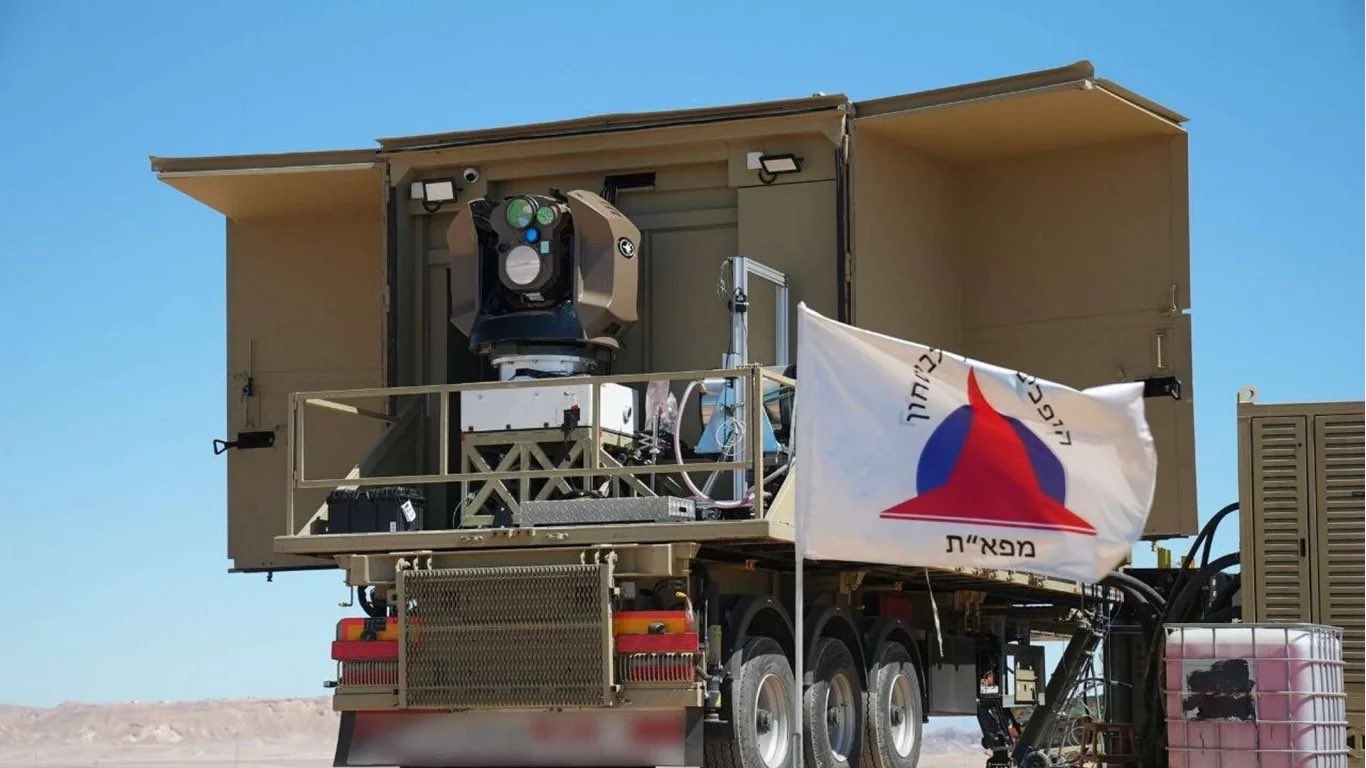
Israel has made history by becoming the first country to successfully intercept enemy drones using laser weapons in combat, said a report by NDTV citing tweets with videos of combat. The Israeli Air Force deployed prototype laser defense systems during the ongoing Swords of Iron War, marking a significant milestone in modern warfare.


Developed by Rafael Advanced Defense Systems, these high-powered lasers direct intense beams of light at targets, using heat to disable or destroy them. Video footage released by Israel’s Ministry of Defense shows the system in action, igniting drone wingtips and causing them to crash. The technology is expected to complement Israel’s Iron Beam system, which is designed to provide cost-effective defense against drones and short-range projectiles.
 
Laser Weapons Enter the Battlefield, Making History with Drone Interception

Laser Weapons Enter the Battlefield, Making History with Drone Interception

This breakthrough could reshape air defense strategies worldwide, offering a cheaper alternative to traditional missile interceptors. However, laser-based systems still face challenges, such as reduced effectiveness in cloudy weather.

Laser weapons are rapidly reshaping global military strategies, offering speed-of-light interception, cost-effective defense, and precision targeting.
Israel’s Iron Beam system is designed to complement the Iron Dome, providing a cheaper alternative to missile interceptors. The system can neutralize drones, rockets, and mortar shells at a fraction of the cost.


The U.S. military has deployed Precision-High Energy Laser (P-HEL) systems to protect overseas forces. The HELIOS system, mounted on naval ships, is designed to intercept drones and incoming missiles.

China has reportedly tested Silent Hunter, a vehicle-mounted laser system capable of disabling drones and lightly armored vehicles. Recent sightings suggest its deployment on Type 071 amphibious ships, expanding naval applications.

India’s DRDO labs are working on laser weapons, aiming to integrate them into air defense systems. While still in development, India’s efforts signal growing interest in directed-energy solutions.

Traditional missile defense systems can cost millions per shot, while laser weapons operate at a fraction of that price.

Unlike missiles, lasers don’t require reloads, making them ideal for sustained defense. However, cloud cover and atmospheric interference can reduce effectiveness, requiring hybrid defense strategies.

India’s Defense Breakthrough: No More Imported Fighter Jets!

India’s Defense Breakthrough: No More Imported Fighter Jets!

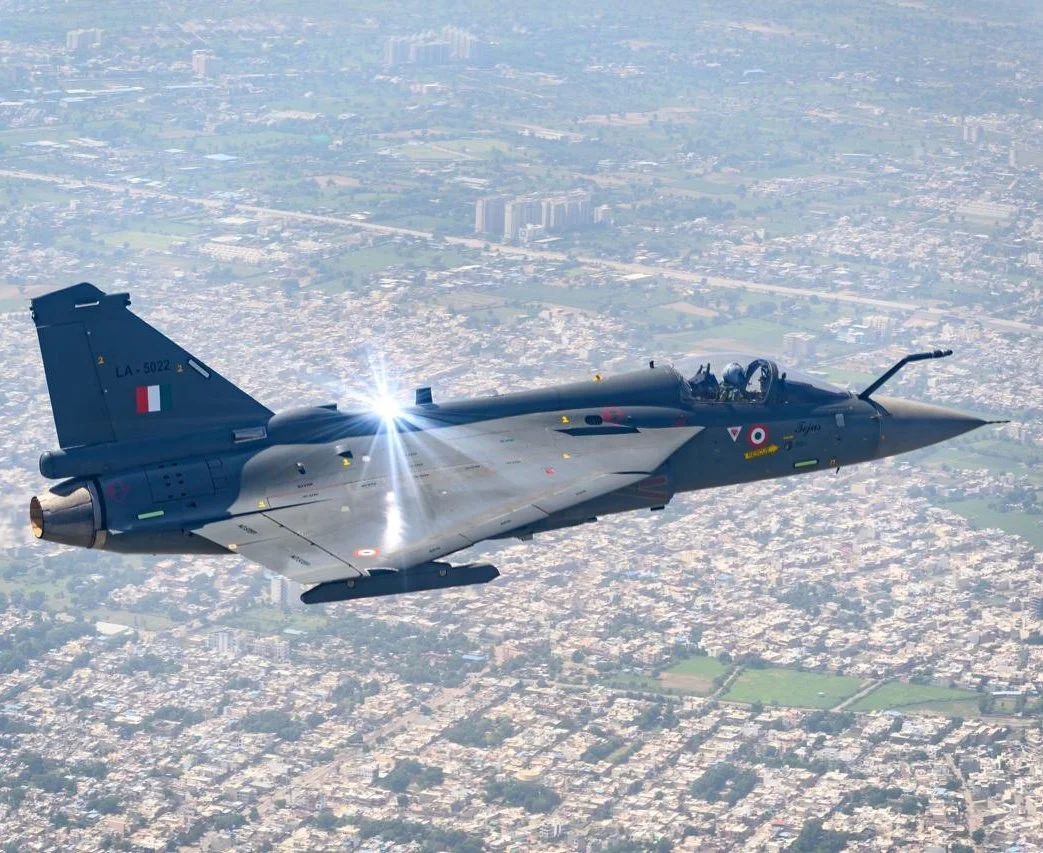
India's push for self-reliance in defense manufacturing is expected to make its fighter jets more attractive to nations looking for cost-effective alternatives to Western and Russian aircraft.

Modi led government of India is positioning itself as a potential exporter of fighter jets, particularly the indigenous LCA Tejas. Several countries have expressed interest in acquiring Indian-made aircraft

The Argentine Air Force has shown interest in the Tejas as a replacement for its aging fleet. Reports suggest that Egypt too is considering various fighter jets, including India's Tejas, as part of its modernization efforts. Indonesia has explored options for acquiring Tejas to strengthen its air defense capabilities. Besides, the Philippines could also be a potential buyer given its growing defense cooperation with India. 

Kota Harinarayana, the former program director and chief designer of the Light Combat Aircraft (LCA) Tejas, has expressed confidence that India will soon achieve self-reliance in fighter jet production and begin exporting them. 

India’s Defense Breakthrough: No More Imported Fighter Jets!

India’s Defense Breakthrough: No More Imported Fighter Jets!
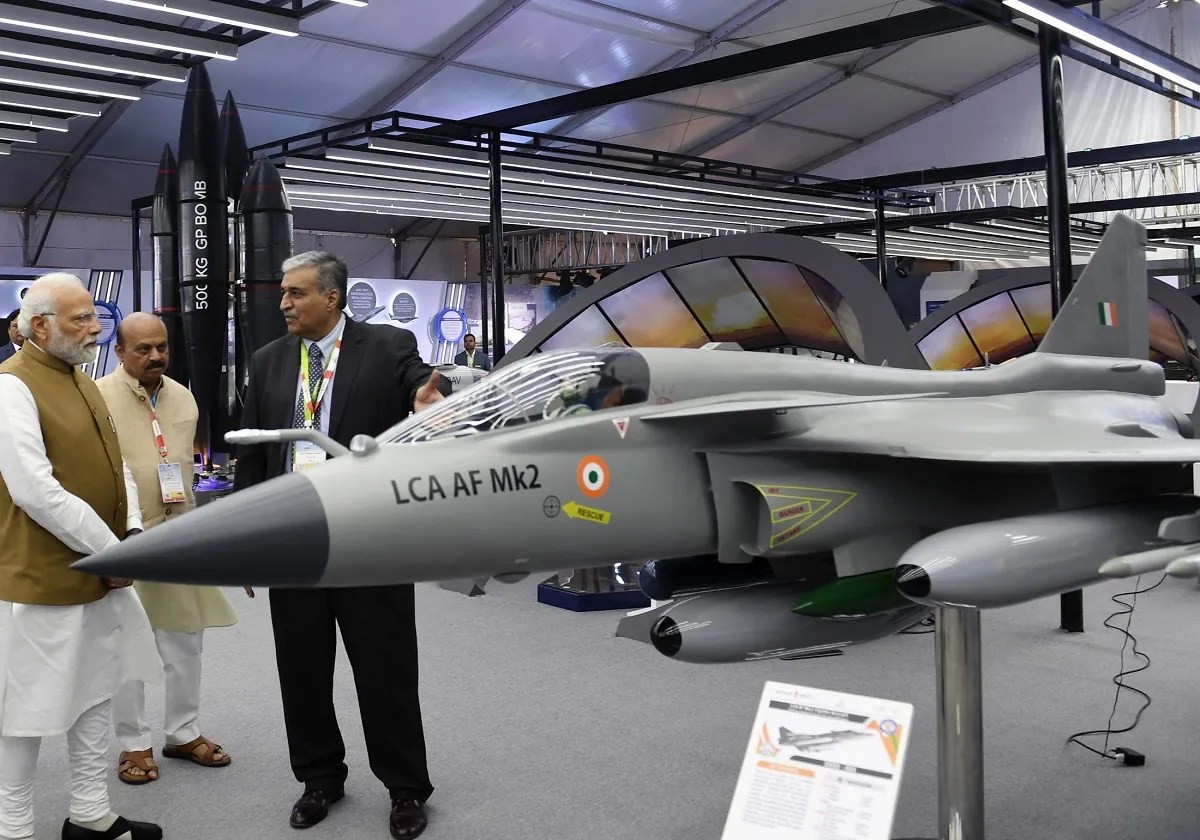
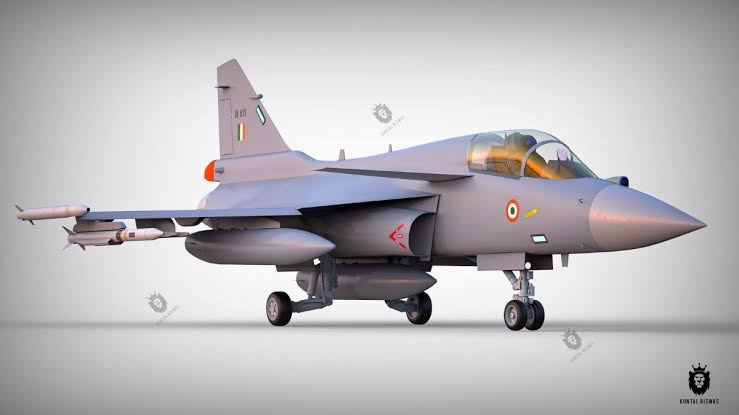
Prototype of 4.5 Gen of Tejas MK 2


Harinarayana highlighted the progress made in developing a full ecosystem for indigenous aircraft manufacturing, noting that India has already built jets across various categories, including small, medium-sized, and unmanned aerial systems. He believes that in the coming years, India will not only meet its own Air Force's needs but also supply fighter jets to friendly nations.

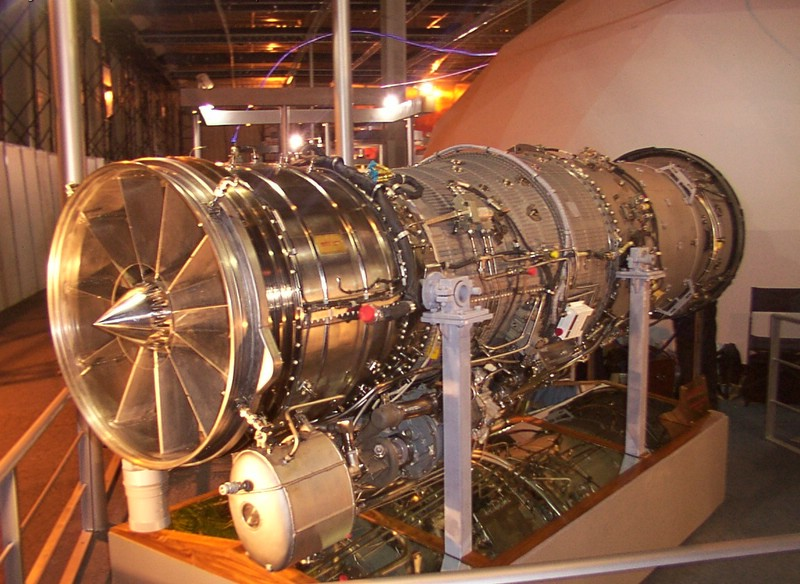
Notably, the Kaveri Engine is also India's indigenous turbofan engine developed by the Gas Turbine Research Establishment (GTRE) under DRDO. While it was originally intended to power the LCA Tejas, it has faced challenges in meeting operational requirements, particularly in thrust output and efficiency.

Kaveri Engine
Kaveri Engine

Unlike the Tejas fighter jet, which is now being considered for export, the Kaveri engine has not yet reached a stage where it can be widely deployed or exported. However, there are discussions about transferring its Technology of Transfer (ToT) to India's private sector to accelerate development and potentially create larger variants.

Recent advancements in the DRY Kaveri engine suggest that India is making progress in refining its performance, with testing scheduled for integration into Tejas prototypes. If successful, it could eventually become a viable alternative to foreign engines like the GE F404 and GE F414, reducing India's dependence on imports.

While the Kaveri engine is not yet an export-ready product, its development remains crucial for India's long-term aerospace ambitions. If India can overcome technical hurdles, it could eventually be positioned alongside Tejas as part of India's defense exports.

Meanwhile, the increased deployment of Tejas by the Indian Air Force has demonstrated the viability of India's defense manufacturing sector. Harinarayana also pointed to recent advancements, such as the successful trial of 'Bhargavastra,' an indigenous counter-drone system, as evidence of India's growing tactical capabilities.

This marks a significant milestone in India's journey toward defense self-sufficiency, reducing reliance on imports from countries like Russia and France. If this trajectory continues, India could emerge as a key player in the global fighter jet market.

India Develops 30 KW Laser Weapon To Neutralize Aerial Threats, Joins List Of Elite Nations

India has successfully developed a 30-kilowatt laser-based directed-energy weapon (DEW) capable of neutralizing aerial threats like fixed-wing aircraft, missiles, and swarm drones.

India Develops 30 KW Laser Weapon To Neutralize Aerial Threats, Joins List Of Elite Countries
Representative Image
This milestone places India among elite nations such as the United States, China, and Russia, which possess advanced laser weapon capabilities. It boosts India’s standing in global defense partnerships, potentially leading to collaborations in directed-energy weapon advancements.

The weapon system, developed by DRDO’s Centre for High Energy Systems and Sciences (CHESS) in Hyderabad, was tested in Kurnool, Andhra Pradesh. It demonstrated its ability to engage drones at long range, thwart multiple drone attacks, and destroy enemy surveillance sensors. It can target aerial threats within a 5-kilometer range and includes electronic warfare capabilities like jamming communication and satellite signals.

DRDO Chairman Dr. Samir V Kamat stated that this is just the beginning. India is also working on high-energy microwave systems and electromagnetic pulse weapons to achieve “Star Wars”-like defense capabilities.
This breakthrough enhances India's defense readiness across multiple domains, including ground-based and naval operations. With aerial threats like drones, missiles, and surveillance systems becoming more sophisticated, this laser weapon provides an efficient way to neutralize hostile targets at long range.It strengthens India’s ability to counter asymmetric warfare tactics, such as drone swarms used in modern conflicts.

Unlike traditional missile defense systems, which require expensive ammunition, directed-energy weapons use high-powered lasers, significantly reducing operational costs. This means lower expenditures on defense logistics and replenishment, enhancing sustainability.

Future Developments: Microwave & Electromagnetic Pulse Weapons.

The DRDO is also working on high-energy microwave systems and electromagnetic pulse (EMP) weapons, further diversifying India’s defense arsenal. This aligns with India’s broader goal of building self-reliant, futuristic military capabilities.

Electromagnetic Pulse (EMP) Weapons

EMP weapons generate powerful bursts of electromagnetic radiation that can disable electronic infrastructure, including military command centers, satellites, and communication networks.

DRDO is working on EMP-based counter-drone systems, which can instantly disable swarms of enemy drones without physical destruction. These weapons are being integrated into India's future battlefield strategy, ensuring rapid response to electronic warfare threats.

High-Energy Microwave (HEM) Systems

HEM systems can jam enemy communication networks, disable radar systems, and fry electronic circuits, making them effective against unmanned aerial vehicles (UAVs) and precision-guided munitions.

These weapons use focused microwave energy to disrupt or destroy electronic systems in enemy drones, missiles, and surveillance equipment.

DRDO's Centre for High Energy Systems and Sciences (CHESS), Hyderabad, is leading research on vehicle-mounted microwave weapons. HEM systems can jam enemy communication networks, disable radar systems, and fry electronic circuits, making them effective against unmanned aerial vehicles (UAVs) and precision-guided munitions.

Key Projects Underway
  1. Project DURGA II: A 100-kilowatt laser-based DEW designed for long-range precision targeting.

  2. MK-II (A) Vehicle-Mounted Microwave Weapon: Successfully tested in April 2025, capable of neutralizing aerial threats using high-energy microwaves.
India's focus on indigenous development of DEWs aligns with its goal of self-reliance in defense technology. These advancements will play a crucial role in modern warfare, countering drone threats, and securing critical infrastructure.

At Least 10 Satellites Working Round-the-Clock to Ensure India's Safety & Security: ISRO Chairman

At Least 10 Satellites Working Round-the-Clock to Ensure India's Safety & Security: ISRO Chairman

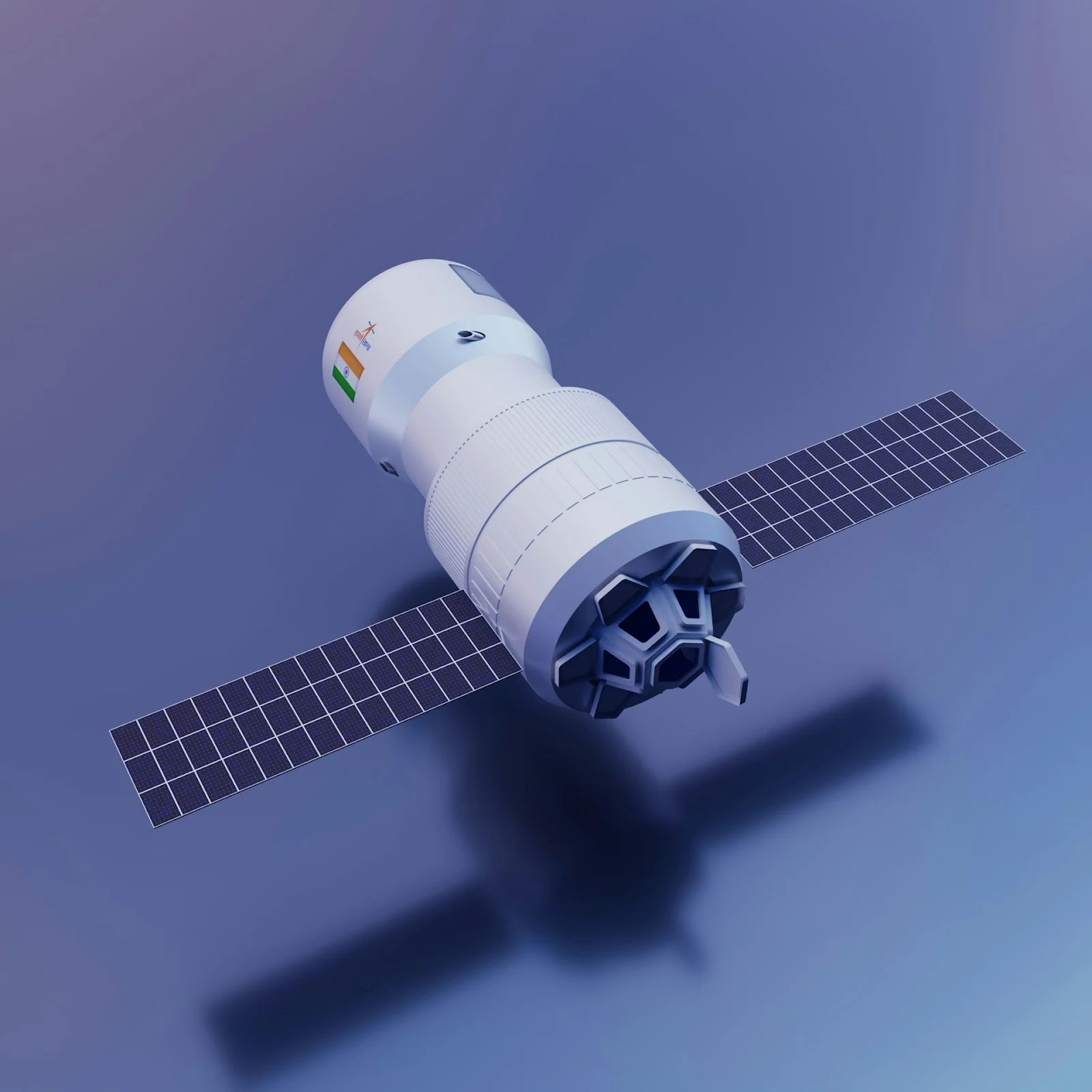
ISRO Chairman V Narayanan recently stated that at least 10 satellites are working round-the-clock for strategic purposes to ensure India's safety and security. These satellites help monitor India’s 7,000 km coastline and the northern borders, playing a crucial role in surveillance and defense.

These satellites play a crucial role providing real-time imagery and video footage to track enemy movements and terrorist activities.

The comments from ISRO Chairman come amid escalating tensions between India and Pakistan, following the April 22 Pahalgam terror attack, which led to India launching Operation Sindoor against terror sites in Pakistan and Pakistan-occupied Kashmir. Pakistan responded with drone and missile strikes, which India intercepted. However, both nations have now agreed to halt all military actions on land, air, and sea.

Satellites like Cartosat provide sub-meter resolution images, enabling precise identification of military installations and terrorist hideouts.

Inter-Satellite Links (ISL) allow seamless data relay and coordination between satellites, improving intelligence-sharing. Synthetic Aperture Radar (SAR) used in RISAT satellites, capable of penetrating cloud cover and darkness to provide continuous surveillance.

Electronic Intelligence (ELINT) & Signal Monitoring helps intercept enemy communications and radar signals, aiding in counter-terrorism operations. Satellites work alongside military drones for target tracking and precision strikes.

Following the April 22 Pahalgam terror attack, India launched Operation Sindoor, targeting terrorist infrastructure in Pakistan and Pakistan-occupied Kashmir (PoK). ISRO's satellites provided critical intelligence, helping the Indianneutralize radar systems, disrupt drone strikes, and destroy 11 air bases inside Pakistan.

ISRO’s satellites also contribute to disaster management, telemedicine, agriculture, and environmental monitoring, reinforcing their broader role beyond defense.

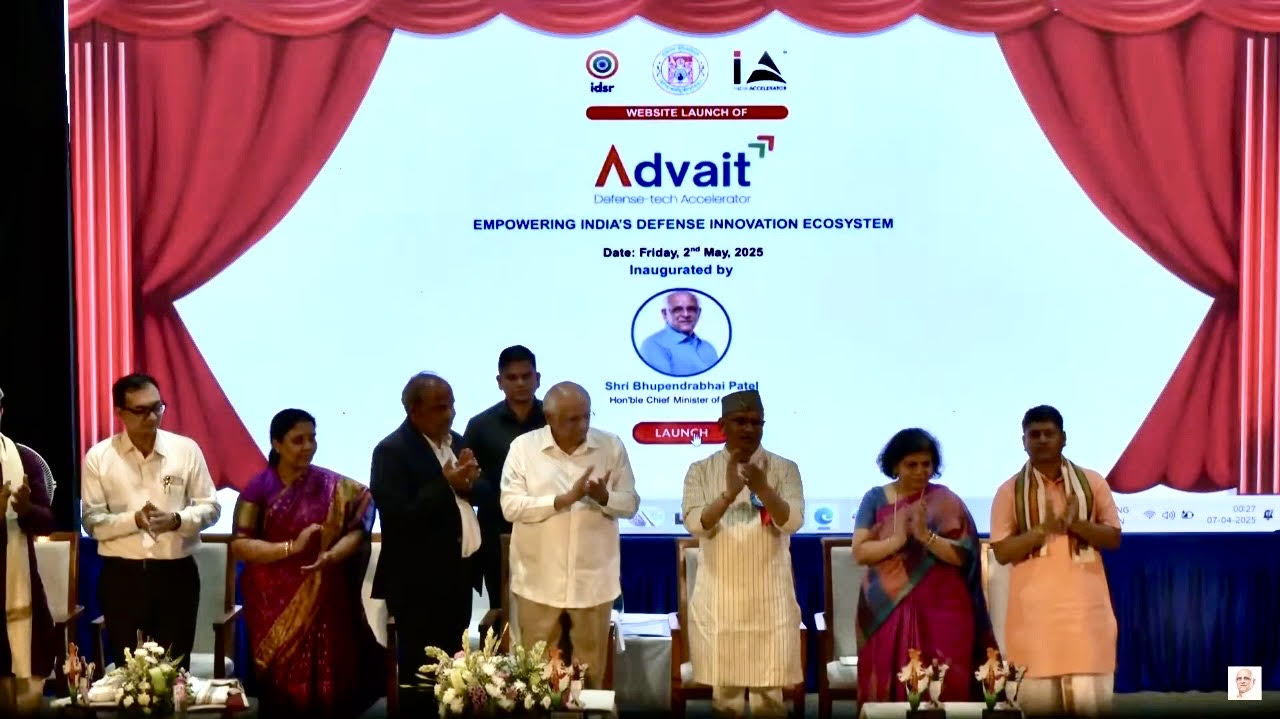
IDSR, Gujarat University and IA (India Accelerator) Launch Accelerator for Defense & Aerospace Startups — 'ADVAIT’

IDSR, Gujarat University and IA (India Accelerator) Launch Accelerator for Defense & Aerospace Startups — 'ADVAIT’

In a bold move to strengthen India's defense innovation ecosystem, Institute for Defence Studies and Research (IDSR), Gujarat University and India Accelerator (IA) have announced the launch of ADVAIT — a strategic accelerator program designed to empower startups building cutting-edge technologies for defense and aerospace applications.

Coming at a time when India’s defence budget has surpassed ₹6 lakh crore and with a growing thrust on self-reliance under the Atmanirbhar Bharat mission, ADVAIT is poised to play a catalytic role in nurturing next-generation defence startups. The program will focus on early and growth-stage ventures working in key areas such as artificial intelligence, autonomous systems, space tech, advanced materials, cybersecurity, and surveillance.

IDSR, Gujarat University and IA (India Accelerator) Launch Accelerator for Defense & Aerospace Startups — 'ADVAIT’

Sharing his thoughts and vision for ADVAIT, Ashish Bhatia, Founder & CEO, IA, said-
India is at an inflection point where our startups are not just solving commercial problems but are stepping up to serve national priorities. With ADVAIT, we’re creating a platform that gives these startups the tools, mentorship, and ecosystem support they need to build for Bharat’s strategic edge.

Echoing this vision and elaborating on the program’s strategic framework, Mr. Arindam Mukhopadhyay, Partner at IA commented,
ADVAIT is not just another startup program — it’s a mission to fast-track national security innovation. By bringing startups, academia, and industry into one unified platform, we’re building an engine for next-generation defense capability.

At its core, ADVAIT is structured around the Tripod Approach — a unique model that leverages the combined strengths of Industry, Academia, and Startups. This ensures that innovations emerging from the program are not only technically sound but also market-ready and strategically aligned with national priorities.

This collaborative framework delivers distinct value to all participants. The applications for the program are open from 5th May’25. Selected startups will gain access to domain-specific mentorship, opportunities to work on live problem statements from the defence sector, collaboration avenues with established industry players, and potential funding support. This initiative also gives academia a meaningful platform to translate its research into real-world impact, while fostering entrepreneurship on campus. Industry players, meanwhile, benefit from access to disruptive, cost-effective innovations with faster go-to-market timelines.

This is a unique moment for India’s defense sector — one where innovation is no longer limited to labs or large contractors. Through ADVAIT, we’re enabling a new breed of defense-ready startups,” said Mr. Srinivasa Rao Sureddi, CEO, IDSR.

With this initiative, IDSR, IA and Gujarat University are laying the foundation for India’s future in defense tech, one startup at a time.

India Eyes Game-Changing $4.5 Bn Radar Deal with Russia for Unmatched Defense Surveillance

India Eyes Game-Changing Radar $4.5 Bn Deal with Russia for Unmatched Defense Surveillance

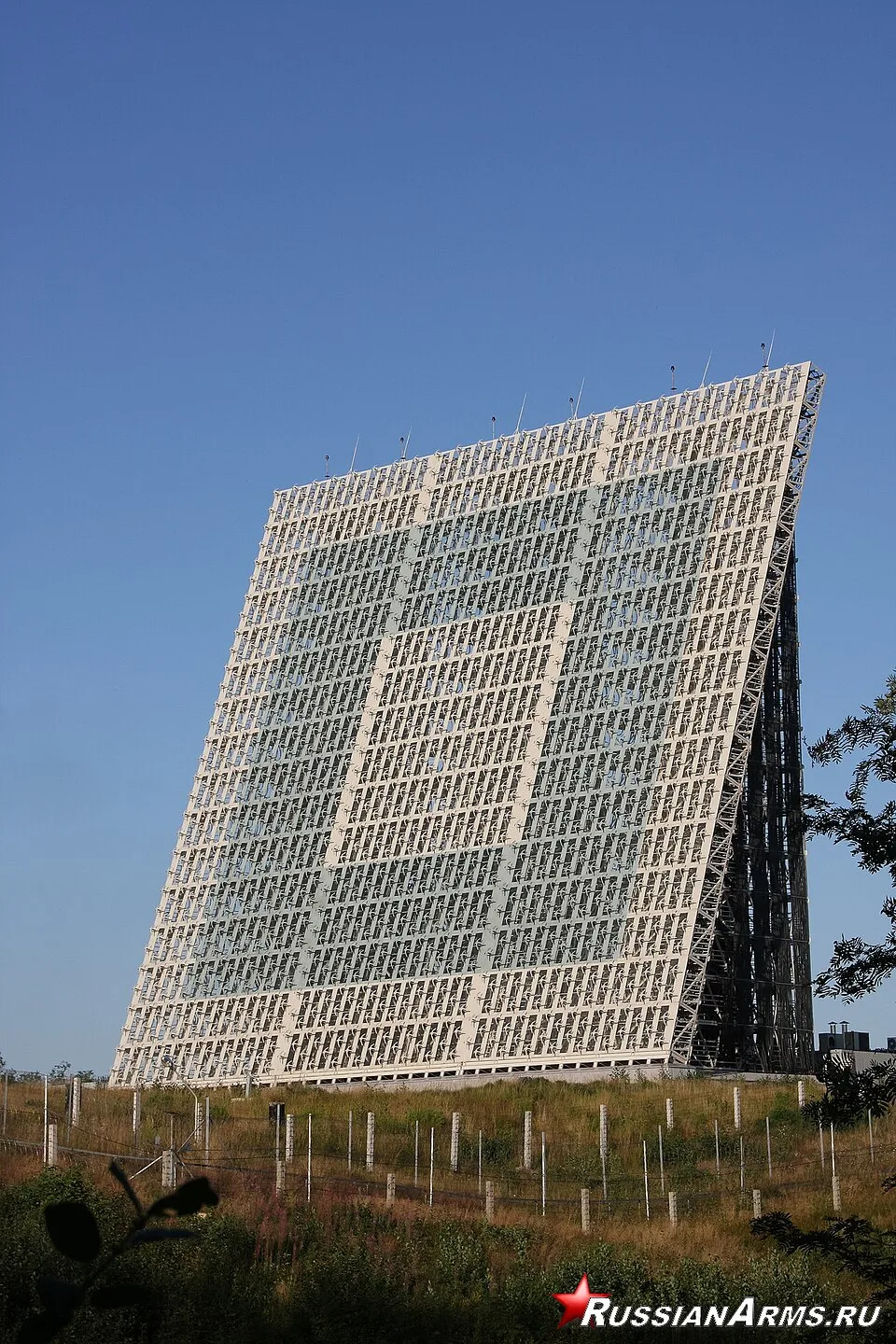
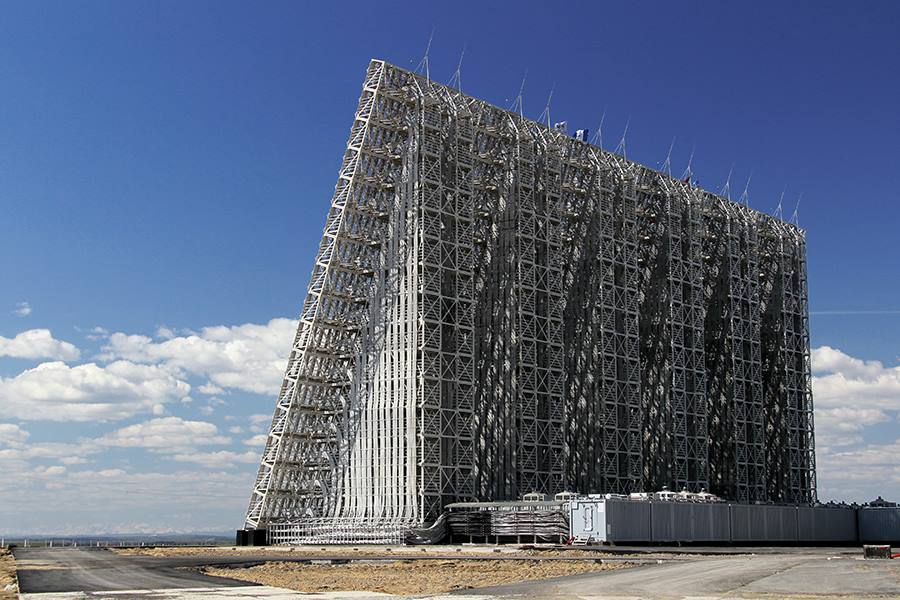
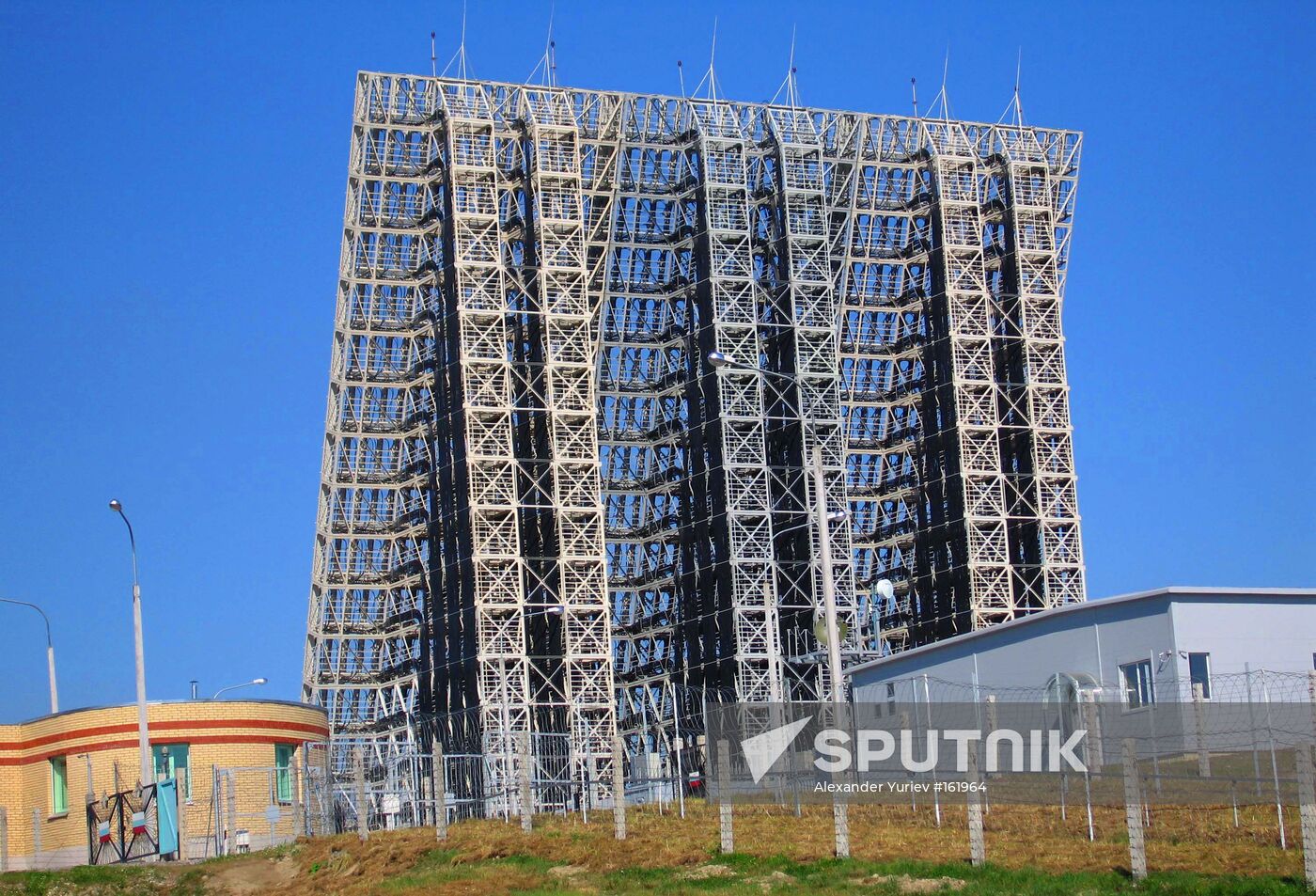
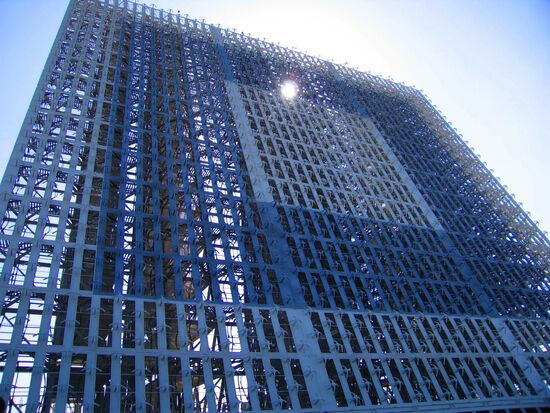
India's potential acquisition of Russia's Voronezh Over-the-Horizon (OTH) radar system could be a game-changer for its strategic defense. This $4.5 billion deal would place India among an elite group of nations-alongside the United States, Russia, and China-that operate this cutting-edge technology.

Unlike conventional radars, the Voronezh system can detect objects beyond the Earth's curvature, using high-frequency radio waves that bounce off the ionosphere. This allows it to track stealth aircraft, fighter jets, and ballistic missiles from distances of up to 8,000 km vertically and 6,000 km horizontally. If deployed in Chitradurga, Karnataka, it could provide early warning capabilities against threats from China and Pakistan, significantly enhancing India's deterrence and situational awareness.


VHF radar "Voronezh", Leningrad Region of Russia

VHF radar "Voronezh", Leningrad Region

Russia has used Voronezh radars to counter U.S. missile defense concerns, with former President Dmitry Medvedev citing them as a response to Western military developments.

The Voronezh-DM variant can track objects up to 10,000 km away, detecting targets as small as a football at 8,000 km.

Beyond security, this potent $4.5 billion deal aligns with India's "Make in India" initiative, with 60% local manufacturing expected to involve major firms like Bharat Electronics Limited (BEL) and Tata Advanced Systems. Given India's evolving defense landscape, particularly after the 2020 border tensions with China, this radar could be a transformative asset in regional security frameworks like the Quad.

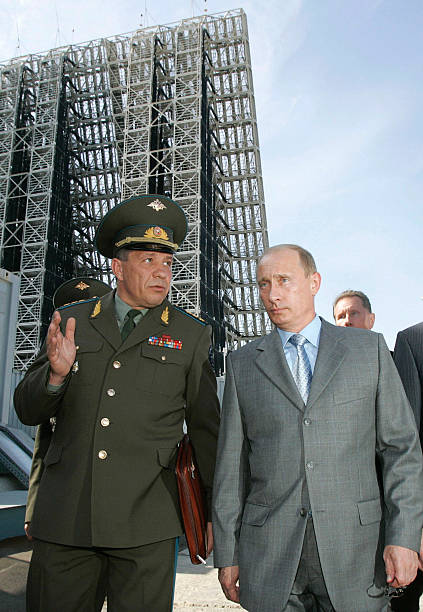
August 2007 file photo of President Vladimir Putin (R) listens to Colonel General Vladimir Popovkin (C) commander-in-chief of the space forces, during his visit to the new-generation radar station Voronezh in Leningrad Region. [Photo credit: DMITRY ASTAKHOV/AFP via Getty Images] 

The Voronezh radar system offers several technical advantages that make it a formidable asset in early warning and missile defense:
  • Extended Detection Range: It can track objects up to 8,000 km vertically and 6,000 km horizontally, providing early warning against ballistic missiles, stealth aircraft, and hypersonic threats.
  • Phased Array Technology: Unlike older radars, Voronezh uses electronic beam steering, allowing for rapid target acquisition without mechanical movement. 
  • Multi-Frequency Operation: Different variants operate across VHF (Voronezh-M), UHF (Voronezh-DM), and decimeter wavelengths, optimizing detection of low radar cross-section targets like stealth aircraft.
  • High Prefabrication & Modularity: The system is highly prefabricated, meaning it can be deployed in months instead of years, with fewer personnel required.
  • Integrated Missile Attack Early Warning System: Voronezh radars work in unison to create a comprehensive radar picture, enhancing situational awareness and response time.
  • Energy Efficiency: Consumes only 0.7 MW, significantly lower than older radar systems, making it cost-effective.
This radar system is truly a marvel of modern defense technology. If India proceeds with acquiring this system, it could revolutionize its strategic defense capabilities, particularly in monitoring threats from China and Pakistan. What aspect of this technology interests you the most? Do comment below.... 

India Conducts Maiden Flight-Trials of Stratospheric Airship Platform

India Conducts Maiden Flight-Trials of Stratospheric Airship Platform

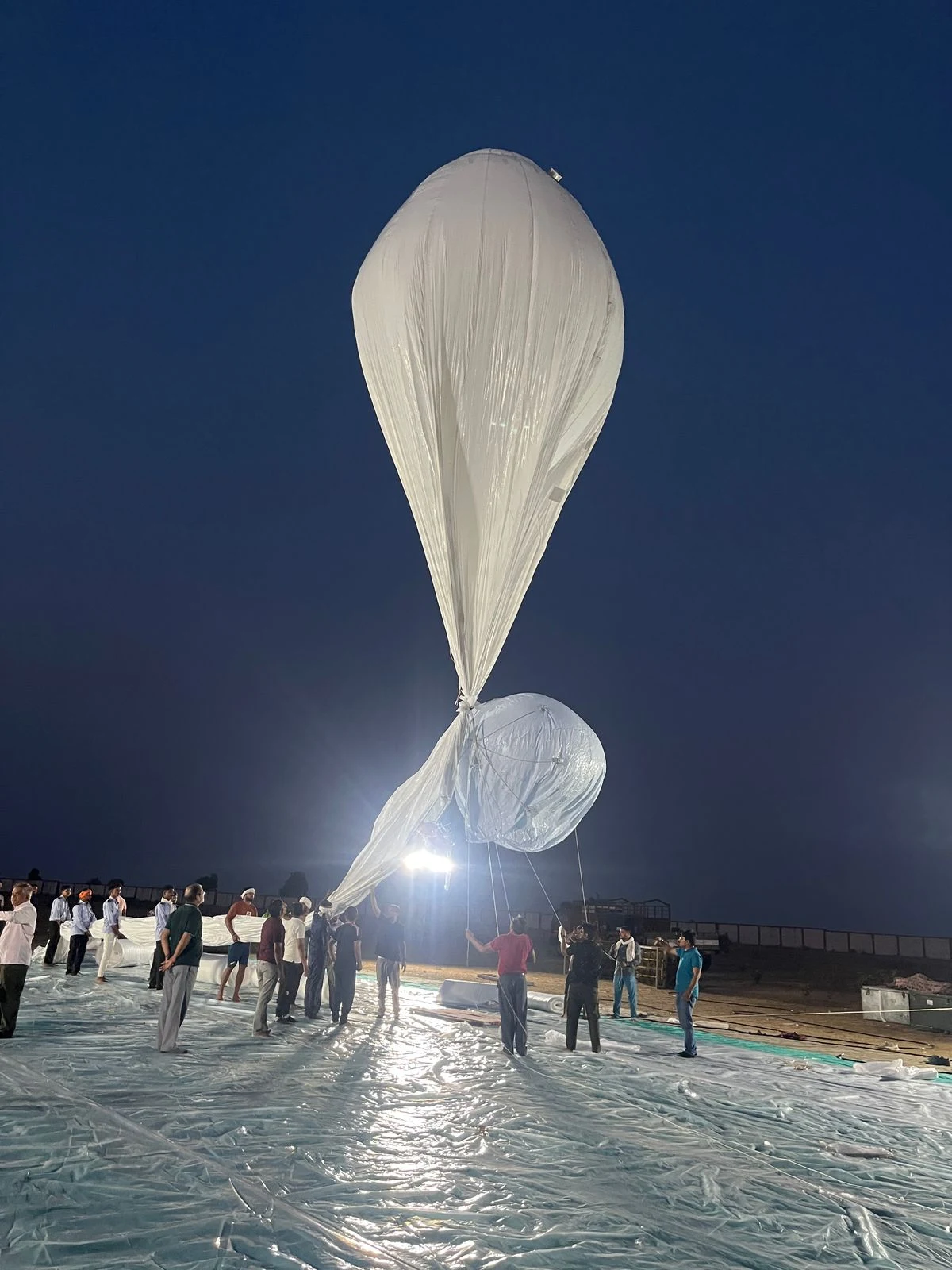
India's Defence Research and Development Organisation (DRDO) successfully conducted the maiden flight-trials of its Stratospheric Airship Platform at the Sheopur trial site in Madhya Pradesh. This high-altitude airship, developed by the Aerial Delivery Research and Development Establishment (ADRDE), Agra, ascended to approximately 17 kilometers, carrying an instrumental payload.

The trial lasted 62 minutes, during which key onboard systems—such as envelope pressure control and emergency deflation mechanisms —were tested and performed as expected. Defence Minister Rajnath Singh praised the achievement, emphasizing that this system will significantly enhance India’s earth observation and Intelligence, Surveillance & Reconnaissance (ISR) capabilities.
 
India Conducts Maiden Flight-Trials of Stratospheric Airship Platform

This marks a major step forward in India's aerospace technology, placing it among the few nations with indigenous lighter-than-air high-altitude platforms.

Defence Minister Rajnath Singh has congratulated DRDO for the successful maiden flight-trial of the system. He stated that this system will uniquely enhance India’s earth observation and Intelligence, Surveillance & Reconnaissance capabilities, making the country one of the few countries in the world having such indigenous capabilities.

Secretary, Department of Defence R&D and Chairman DRDO Dr Samir V Kamat congratulated the DRDO team involved in design, development and trial of the system. He said the prototype flight is a milestone towards realisation of lighter-than-air high-altitude platform systems that can remain airborne for very long endurance at stratospheric heights.

Stealth, Supercruise & AI: India’s 6th-Gen Jet Engine Deal Edges Closer

India is on the verge of finalizing a $4.5 billion deal for the development of a 6th-generation jet engine to power its Advanced Medium Combat Aircraft (AMCA) program, said a report by idrw.org, an online media portal that tracks Defence related issues. 

According to the report, the agreement, expected to be sealed by July 2025, involves negotiations with General Electric (GE), Safran, and Rolls-Royce, with Rolls-Royce emerging as the frontrunner due to its experience with 6th-gen engine technology. 

Representative Image

Notably, United Kingdom, Italy & Japan are collaborating on the Global Combat Air Program (GCAP), and Rolls-Royce is leading the engine development.

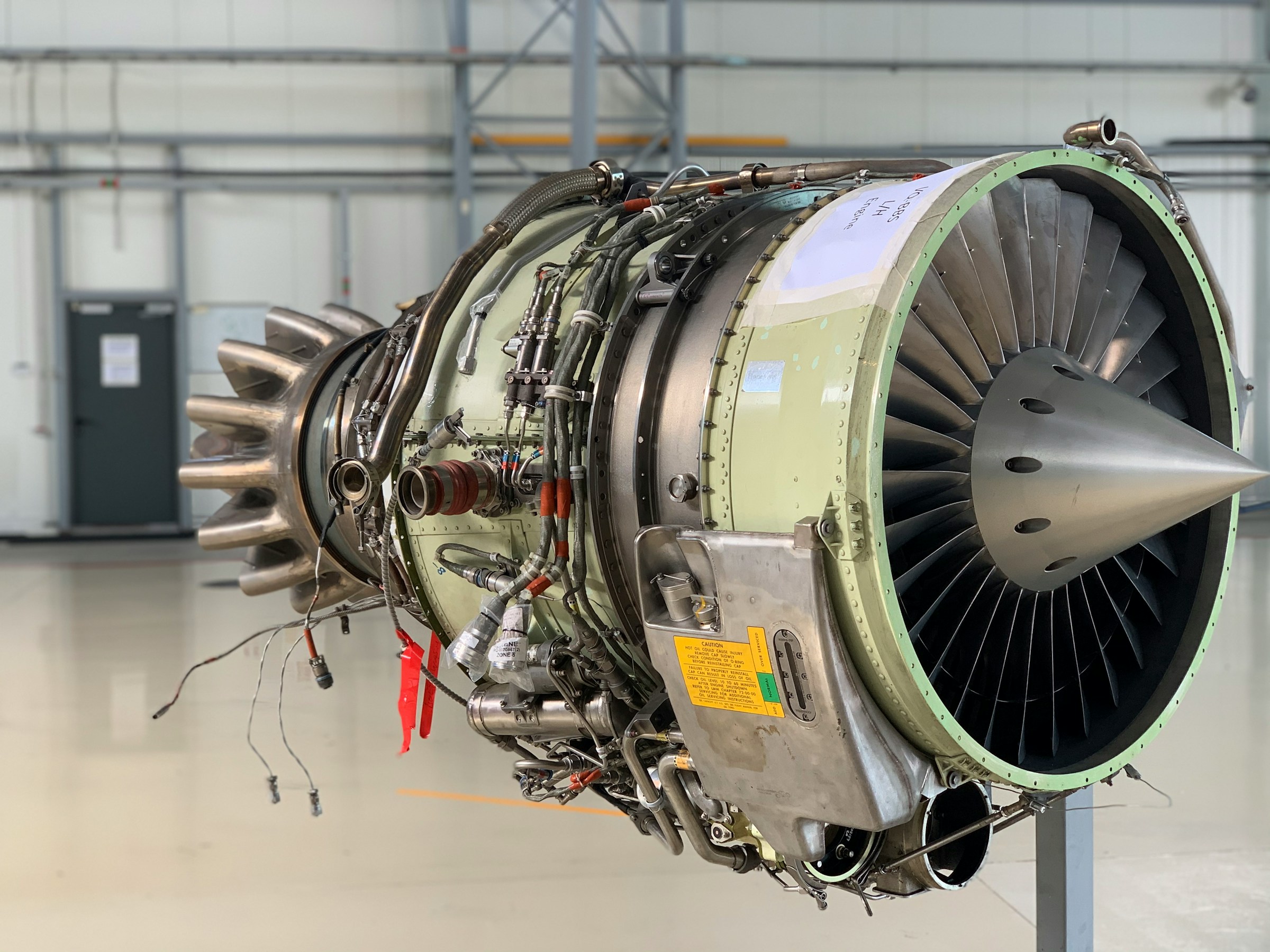
A 6th-generation jet engine represents a significant leap from its predecessors, integrating cutting-edge technologies to enhance efficiency, adaptability, and combat effectiveness. Unlike traditional engines, 6th-gen engines can switch between high-thrust and fuel-efficient modes optimizing performance for different mission profiles.

Currently, no country has an operational 6th-generation jet engine, but several nations are actively developing them as part of their next-generation fighter programs.

These engines enable sustained supersonic flight without afterburners, reducing fuel consumption and increasing stealth. The 6th gen Jet-Engine also boast of embedded Al systems that monitor engine health in real time, predicting failures before they occur, minimizing downtime. Advanced cooling techniques allow for higher operational temperatures, improving thrust and efficiency.

The Advanced Medium Combat Aircraft (AMCA) Mk-1 is India's 5th-generation stealth fighter, designed to enhance the Indian Air Force's air combat capabilities.

Developed by the Aeronautical Development Agency (ADA) under DRDO, the AMCA Mk-1 is expected to enter prototype testing by 2030 and mass production by 2033-34

The AMCA Mk-1 will initially use GE F414 engines (98 kN thrust), but the Mk-2 variant, expected by 2040, requires a more powerful 110-130 kN engine to enable supercruise, stealth compatibility, and advanced AI-driven systems.

The 6th-gen engine will incorporate variable cycle technology for superior fuel efficiency and thermal management, laying the foundation for future Indian fighter programs.

This initiative is crucial for India's defense modernization, ensuring self-reliance in advanced propulsion technology and countering regional threats like China’s J-20s. The Indian Air Force (IAF) aims to reach 42-squadron strength by 2047, making timely development of this engine a strategic priority.

Currently, no country has an operational 6th-generation jet engine, but several nations are actively developing them as part of their next-generation fighter programs.

United States is working on Next Generation Air Dominance (NGAD) and F/A-XX programs, expected to feature adaptive cycle engines.

While, United Kingdom, Italy & Japan Collaborating on the Global Combat Air Program (GCAP), with Rolls-Royce leading engine development.

Rolls-Royce in 6th-generation Jet Engine Development

Representative Image

Rolls-Royce is actively involved in 6th-generation jet engine development, particularly through its contributions to the UK-led Tempest program under the Global Combat Air Programme (GCAP). The company is focusing on adaptive cycle technology, which allows engines to switch between high-thrust and fuel-efficient modes, enhancing performance for next-gen fighters.

Rolls-Royce has emerged as a frontrunner in India's $4.5 billion 6th-gen engine deal, competing with GE and Safran 2.

It has offered full technology transfer and local production, ensuring India gains complete Intellectual Property Rights (IPR) over the engine.

The proposed 110-130 kN thrust engine will be custom-built for India's AMCA Mk-2, incorporating stealth optimization, supercruise capability, and Al-driven maintenance.

The company’s experience with advanced propulsion makes it a strong contender for India’s self-reliance in aerospace technology.

General Electric (GE) and Safran

Representative Image

On the other side, both General Electric (GE) and Safran are actively involved in 6th-generation jet engine development, competing for India's $4.5 billion AMCA Mk-2 propulsion deal.

General Electric (GE) is offering an adaptive cycle engine, similar to its XA100 prototype, which enables fuel efficiency, high thrust, and thermal management.

The company has previous experience with India, supplying GE F414 engines for the Tejas Mk-2 and AMCA Mk-1.

GE's proposal includes technology transfer, but India may not receive full Intellectual Property Rights (IPR).

Safran is focusing on stealth optimization and supercruise capability, leveraging its expertise from Rafale's M88 engine. The company has proposed 100% technology transfer, allowing India to manufacture and modify the engine independently.

Safran's engine design is expected to incorporate variable cycle technology, enhancing adaptability across different flight conditions.

India's Decision

Rolls-Royce has emerged as the frontrunner due to its experience with 6th-gen propulsion and willingness to transfer full IPR.

GE and Safran remain strong contenders, with India weighing self-reliance vs. proven technology.

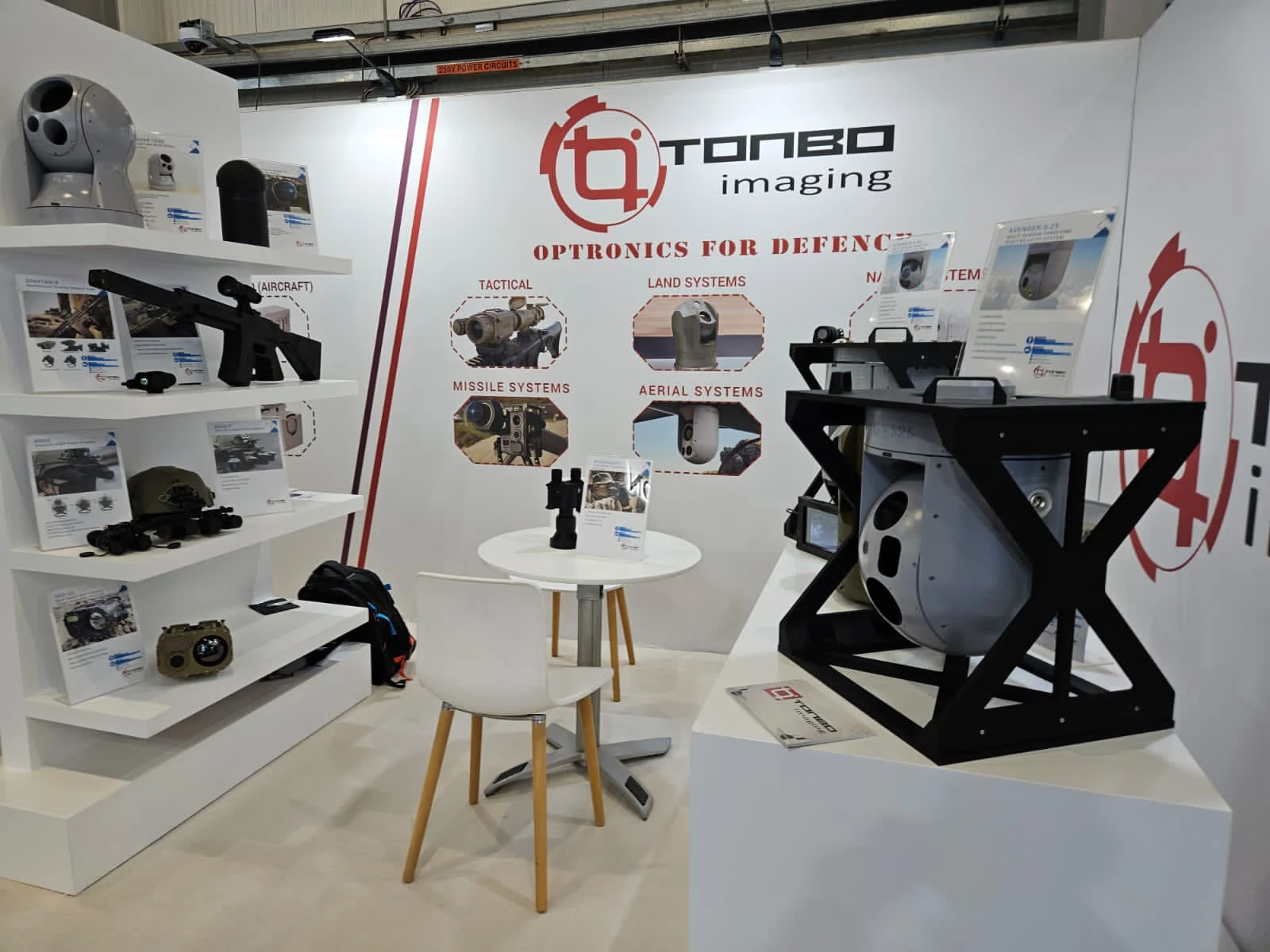
Tonbo Imaging Raises ₹175 Crore in Series D Pre-IPO Round to Advance Infrared Sensor Development and Directed Energy Weapon Platforms

Tonbo Imaging Raises ₹175 Crore in Series D Pre-IPO round to advance infrared sensor development and directed energy weapon platforms

Tonbo Imaging, a global leader in strategic defense technologies, has successfully closed its Series D pre-IPO funding round, securing ₹175 crore from Florintree Advisors, Tenacity Ventures and the Export-Import Bank of India. This investment will accelerate the development of next-generation infrared sensors, commercial deployment of high-power microwave technologies to counter modern battlefield threats and working capital support for global expansion ongoing programs.

The funding comes as Tonbo prepares to file for its IPO, a strategic move aimed to take advantage of both organic and inorganic opportunities in the fast growing and dynamic C4ISR market.

Inspired by nature’s most advanced visual predator, the Dragonfly, Tonbo Imaging designs cutting-edge sensing and processing systems that enhance situational awareness, targeting precision, and autonomous battlefield operations.

Having previously raised over ₹300 crore from investors such as Artiman, Qualcomm, Celesta, Edelweiss, and HBL Engineering, Tonbo is a trusted global supplier of battlefield-proven system ms. Its technology is deployed in over 30 countries by elite defense forces, including the Israeli Defense Forces (IDF), U.S. Navy SEALs, NATO, the Armenian Ministry of Defense, and the Indian Ministry of Defense. Tonbo’s innovations have played a critical role in major combat missions, including the URI surgical strike, IDF counterinsurgency operations, the modernization of India’s Arjun Main Battle Tank, Bharat Dynamics’ Anti-Tank Guided Missile (ATGM) program, and multiple active NATO deployments, reinforcing its position as a leading defense innovator.

Arvind Lakshmikumar, Founder and CEO of Tonbo Imaging, commented: 
Tonbo was founded with the vision of democratizing access to high-end defense technology. As the modern day battlefield evolves towards nimble, autonomous reconnaissance and targeting systems, the key technologies will be better sensors, low power computer vision and non-conventional munitions. This investment enables us to push the boundaries of innovation in infrared imaging and directed energy solutions while scaling our global footprint. Our focus remains on delivering cost-effective, cutting-edge battlefield intelligence and protection systems to modern defense forces worldwide.

Mathew Cyriac, Founder of Florintree Capital, added: "Tonbo Imaging represents the future of defense technology. With its deep expertise in imaging, artificial intelligence, and autonomous systems, the company is well-positioned to address emerging global security challenges. We are excited to partner with Arvind and his management team to scale the business and build a global defense tech business out of India."

Rohit Razdan, co-founder of Tenacity Ventures noted on the rationale of the investment: "We have admired Tonbo for a while and are excited to get a chance to invest towards the next phase of growth. Tenacity was formed to support companies like Tonbo – best in class products rooted in deep technology and domain understanding. Tonbo products bring great software with high quality hardware that is seeing strong traction in domestic and global markets. We are confident that Tonbo will emerge as a significant India based global leader in this defence sector over the next several years."

India Signs $248 Mn Deal with Russia for Procuring Engines for T-72 Tanks for Indian Army

India Signs $248 Mn Deal with Russia for Procuring Engines for T-72 Tanks for Indian Army

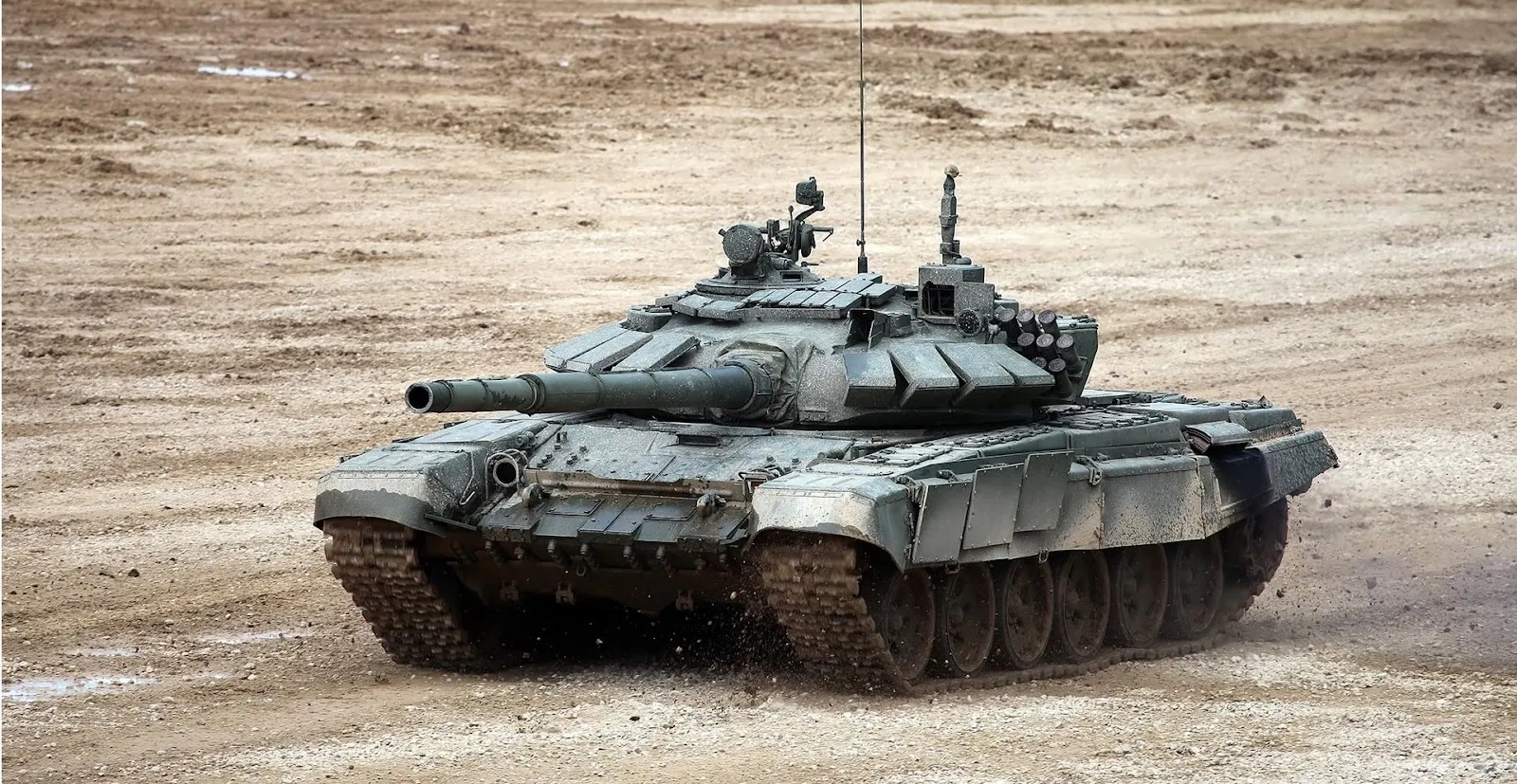
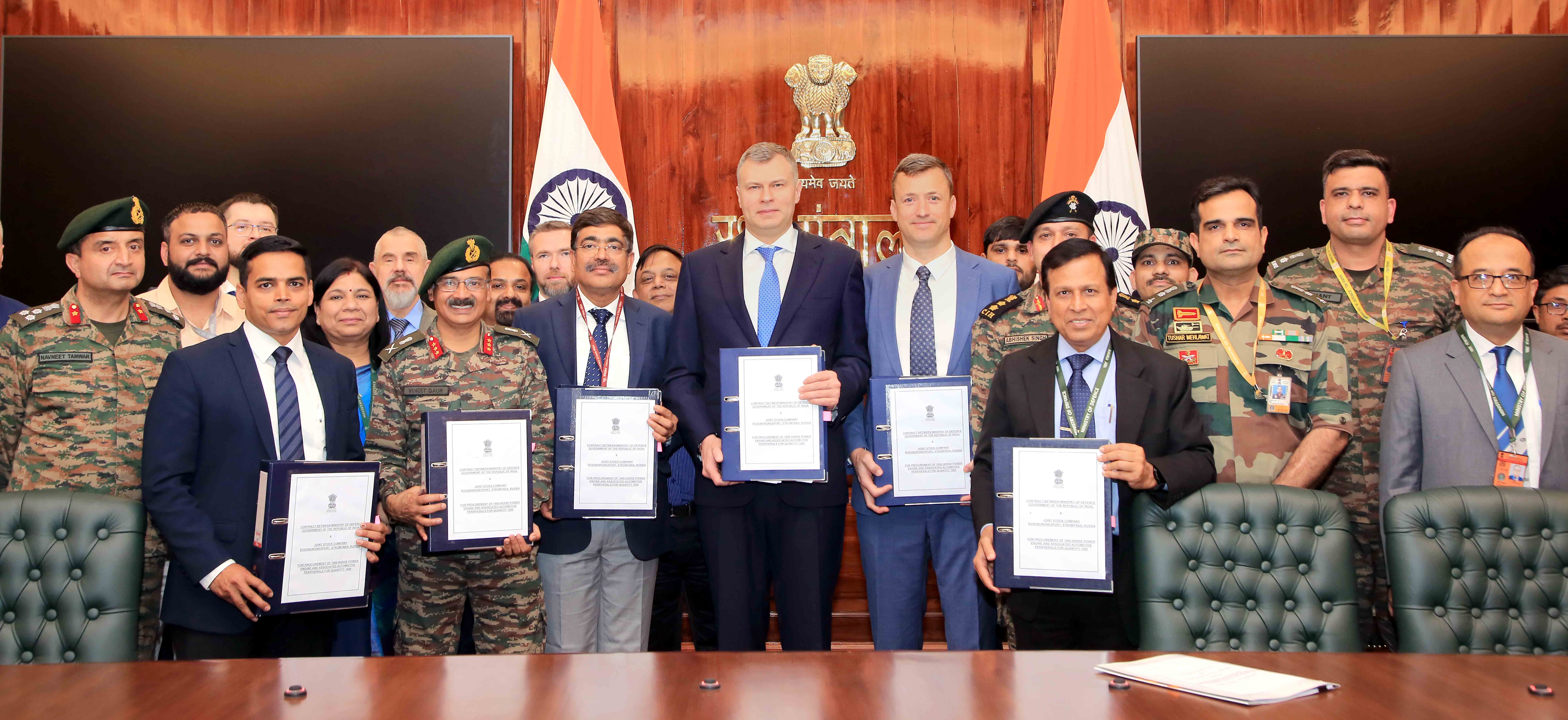
The Ministry of Defence, Government of India, has signed a $248 million deal with Russia's Rosoboronexport for the procurement of engines for T-72 tanks. Rosoboronexport is the only state organization in Russia for exporting the entire range of military, dual-use products technologies and services. 

The deal also includes Transfer of Technology (ToT) from M/s Rosoboronexport (RoE), Russian Federation to M/s Armoured Vehicles Nigam Limited (Heavy Vehicle Factory), Avadi, Chennai, for integration and subsequent licensed production of engines under ToT to boost the "Make in India' initiative in Defence Sector.

India Signs $248 Mn Deal with Russia for Procuring Engines for T-72 Tanks for Indian Army

India Signs $248 Mn Deal with Russia for Procuring Engines for T-72 Tanks for Indian Army


This initiative aligns with the "Make in India" program, promoting local production and integration of advanced technology.

T-72 is the mainstay of tank fleet of the Indian Army which is at present fitted with 780 HP Engine. Equipping the existing fleet of T-72 Tanks with 1000 HP Engine will enhance the battle field mobility and offensive capability of Indian Army.

The new 1000 HP engines will significantly enhance the performance of the T-72 tanks in several ways. The higher horsepower will improve the tanks' speed and maneuverability on the battlefield, allowing them to respond more quickly to changing combat situations. The new engines are expected to be more reliable and efficient, reducing the likelihood of mechanical failures during critical operations.

The upgraded engines will enable the T-72 tanks to operate effectively in diverse combat scenarios, including high-altitude and rugged terrains.

Defence Ministry Inks $141 Mn Deal With BEL to Buy Software Defined Radios Manufactured in India

Defence Ministry Inks $141 Mn Deal With BEL to Buy Software Defined Radios Manufactured in India

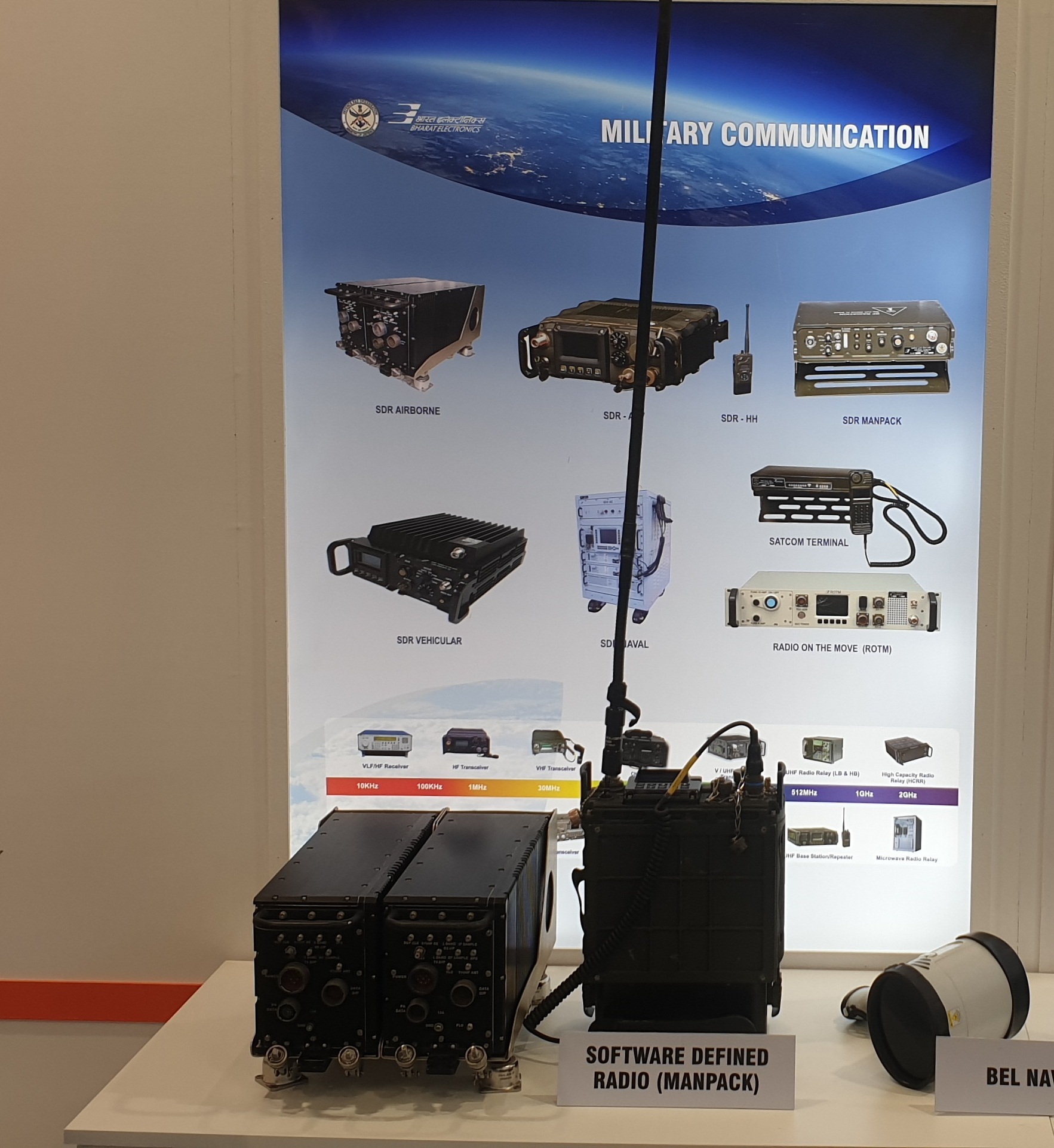
The Ministry of Defence Government of India, recently signed a ₹1,220 crore (approximately $140.79 million USD) deal with Bharat Electronics Limited (BEL) for 149 Software Defined Radios (SDRs) for the Indian Coast Guard. This contract falls under the "Buy (Indian-IDDM)" category, meaning the equipment is designed, developed, and manufactured in India.

These advanced radios will enhance secure and reliable communication, crucial for maritime law enforcement, search and rescue operations, fisheries protection, and marine environment protection. They will also improve interoperability with the Indian Navy, supporting the Government of India's Blue Economy objectives and the Atmanirbhar Bharat initiative.

This bolstering the Coast Guard's operational capabilities and promoting domestic defence manufacturing.

Defence Ministry Inks $141 Mn Deal With BEL to Buy Software Defined Radios Manufactured in India

Software Defined Radios (SDRs) are advanced communication devices that use software to perform many of the functions traditionally handled by hardware.

These Software Defined Radios (SDRs) for the Indian Coast Guard were manufactured at Bharat Electronics Limited's (BEL) Bangalore unit. BEL has multiple manufacturing units across India, including locations like Ghaziabad, Pune, Chennai, Kotdwara, Hyderabad, and Navi Mumbai.

SDRs are flexible compared to traditional Radios used by defence units as it can be easily reprogrammed to support different communication standards and protocols without needing hardware changes. This makes them adaptable to new technologies and standards. And, since the same hardware can be used for multiple applications, development and production costs are reduced.

SDRs can be updated with new software to incorporate new features and improvements, extending their lifecycle. Moreover, SDRs have Interoperability advantage as it enable seamless communication between different systems and devices, which is crucial for joint operations and emergency response. SDRs can process signals more efficiently and provide better performance in terms of speed, range, and reliability.

These benefits make SDRs a valuable tool in various fields, including military, emergency services, telecommunications, and research.

Earlier this month, BEL secured a ₹642 crore contract for 28 EON-51 systems, which are Electro-Optical Fire Control Systems. These systems will be used on 11 New Generation Offshore Patrol Vessels and three Cadet Training Ships. Beside, BEL received additional orders worth ₹531 crore for various advanced communication systems, including medical electronics, electro-optics, and active radar homing heads for missiles.

Market Reports

Market Report & Surveys
IndianWeb2.com © all rights reserved